
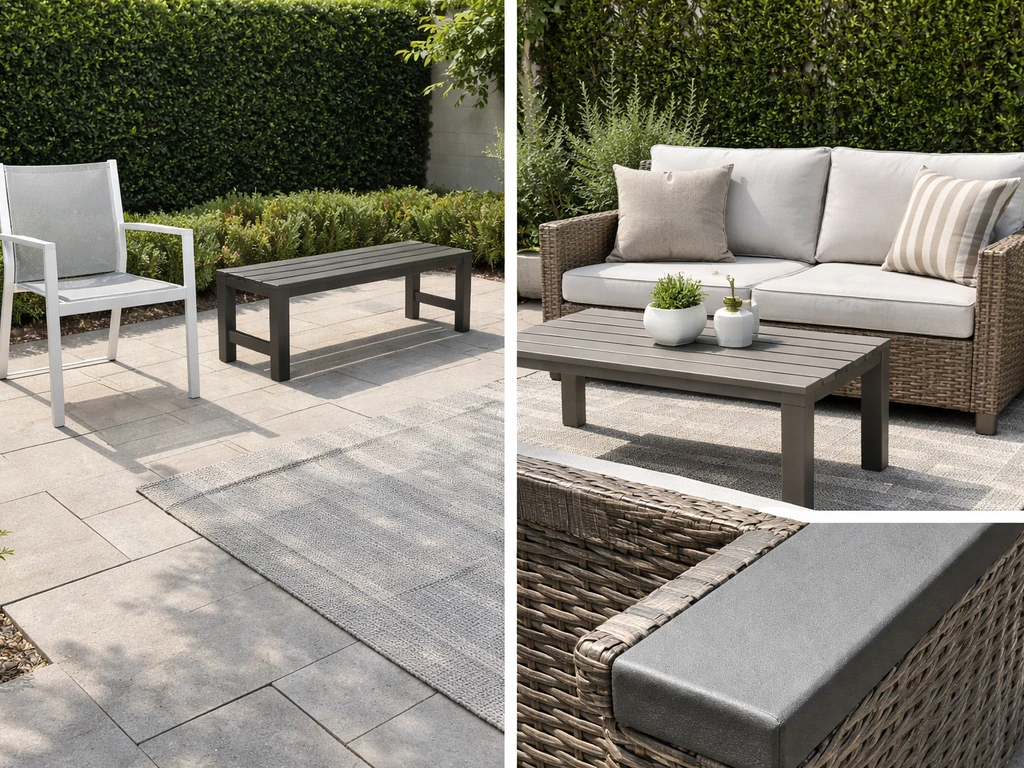
The most maintenance-free patio furniture you can buy today is made from either HDPE poly lumber (like POLYWOOD or Trex), powder-coated aluminum, or high-quality all-weather resin wicker on an aluminum frame. These three material families genuinely eliminate the tasks that make outdoor furniture a chore: no sanding, no staining, no sealing, no rust scrubbing, and no worrying every time it rains. That said, 'maintenance-free' doesn't mean zero effort forever. It means skipping the hard stuff and keeping up with the easy stuff, mainly a periodic rinse and some basic cushion management.
Best Maintenance-Free Patio Furniture: Materials Guide

Theo Tierney
6 Jul 2026
What 'maintenance-free' actually means outdoors
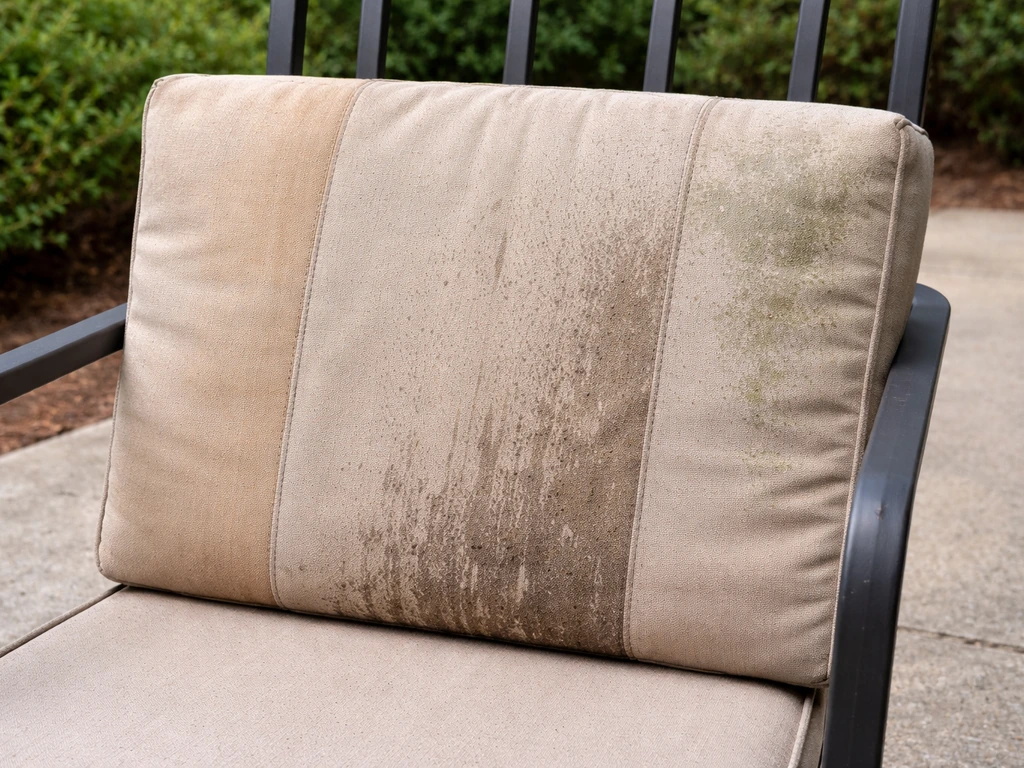
Manufacturers love throwing around the phrase 'maintenance-free,' and it's worth pinning down what that means before you spend money. IKEA's outdoor furniture guide, for example, lists aluminum, plastic, plastic rattan, and steel as maintenance-free materials, but then in the same breath recommends storing them when not in use, preferably indoors in a cool, dry place. So 'maintenance-free' in the industry really means: no refinishing, no resealing, no repainting, and no treating.
You still need to clean the furniture and make sensible decisions about off-season storage. In the same spirit, a Reddit discussion on low-maintenance outdoor furniture notes that many “no maintenance” claims still require regular cleaning and vary by material when it comes to rust and corrosion still need to clean the furniture.
KETTLER sums it up well on their wicker care page: 'Forget about sanding, staining, or refinishing. ' That's the honest version of the claim.
Think of it in two tiers. Tier one is the stuff you'll never have to do with the right materials: sand, stain, oil, seal, repaint, treat for rust, or replace rotted parts. Tier two is the minimal routine you'll always have some version of: rinse off dirt and pollen, let cushions dry before storing them, and give everything a once-over at the start of the season. If you're comparing these materials against real wood or wrought iron, the difference is enormous. The goal of this guide is to help you pick materials and features that keep you firmly in tier-one territory.
Best material choices ranked by how low-maintenance they actually are
Here's a straight comparison of the four main material families, ranked from least to most upkeep. This is based on what you actually have to do, not what the marketing copy claims.
| Material | Maintenance Required | Weather Resistance | Longevity | Biggest Gotcha |
|---|---|---|---|---|
| HDPE Poly Lumber (e.g., POLYWOOD, Trex) | Rinse with hose; occasional deeper clean | Excellent: no rot, no splinter, UV-stable color | 20-year residential warranty on lumber | Can look plasticky; fades slightly over decades |
| Powder-Coated Aluminum | Wipe or hose off; inspect coating annually | Excellent: rust-free, corrosion-resistant year-round | 5-year powder coat warranty (POLYWOOD standard) | Chips in coating need touch-up to prevent oxidation |
| All-Weather Resin Wicker on Aluminum Frame | Hose off on medium pressure; no sanding or refinishing | Very good: PE weave resists moisture, UV, and mildew | 10-15 years with quality PE weave | Cheap PE weave cracks/fades; buy quality brands |
| Hardwood (Teak, Eucalyptus) | Oil/seal annually or let silver gracefully; clean mildew | Good if oiled; grays and weathers without treatment | Can last 20+ years with care; 10-15 without | Not truly maintenance-free; requires annual attention |
| Wrought Iron / Steel | Annual rust inspection; touch up paint/coating | Poor without upkeep; rusts if coating is scratched | Long life if coating is perfect; short if not | Any scratch becomes a rust spot fast |
HDPE poly lumber: the genuine zero-refinishing option
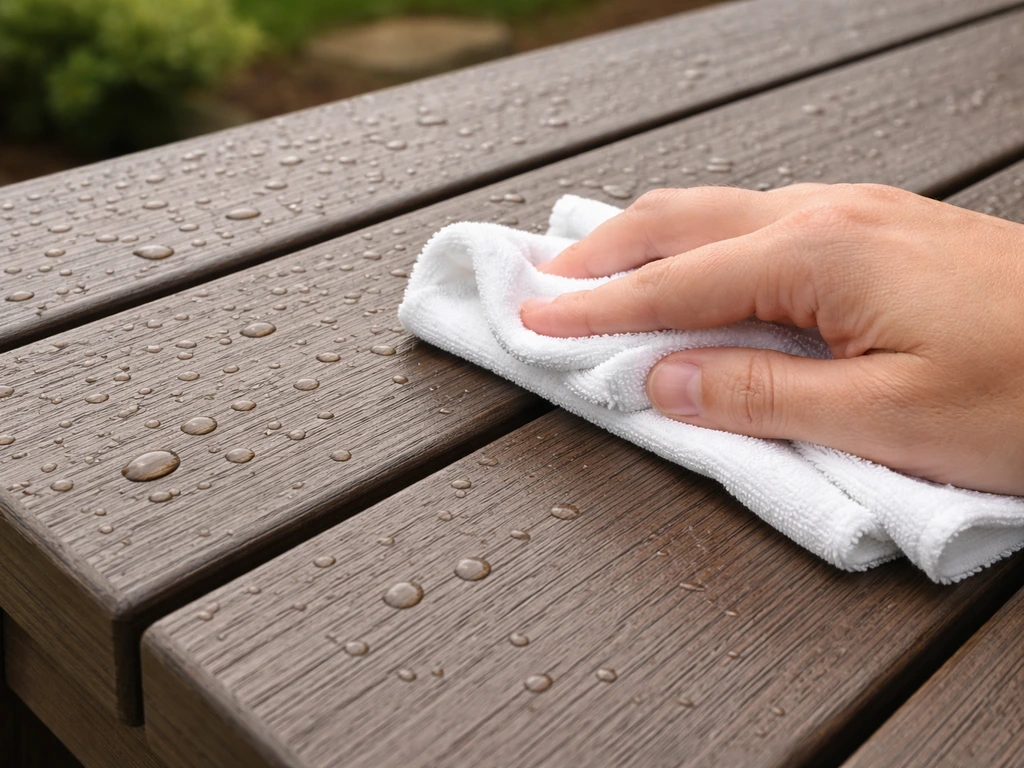
HDPE (high-density polyethylene) poly lumber is the closest thing to actually maintenance-free outdoor furniture that exists. POLYWOOD backs their lumber with a 20-year residential warranty against splintering, cracking, chipping, peeling, rot, and insect damage. Trex offers comparable guarantees and explicitly tells customers they don't always need to cover the furniture when it's not in use. Neither brand requires any sanding, oiling, or sealing, ever.
Cleaning is a garden hose and, for tougher grime, a diluted bleach-and-water solution. The frames on POLYWOOD sets (welds, joints, powder coat finish, and hardware) carry a 5-year warranty. The material handles UV, rain, snow, and salt air without special treatment. The main trade-off is aesthetic: poly lumber has a dense plastic look that some people find less elegant than teak or cast aluminum.
But if low maintenance is the priority, nothing beats it.
Powder-coated aluminum: the lightest, rustproof frame option
Aluminum doesn't rust, full stop. Add a powder-coated finish (a dry powder that's baked on as a hard protective layer) and you have a frame you can legitimately [leave outside year-round](/best-patio-furniture-to-leave-outside) without worrying about corrosion. KETTLER describes aluminum as suitable for leaving outdoors year-round, and their aluminum care page explains that the powder coat enhances environmental and corrosion resistance on top of what aluminum already offers.
The maintenance reality: wipe or hose it down periodically, and check once a season for chips in the coating. If you find a chip, a touch-up pen keeps it from becoming an oxidation problem. That's genuinely it. Powder-coated aluminum is also lightweight, which means you can move sets easily for cleaning or seasonal storage.
All-weather resin wicker: low-maintenance with a quality caveat
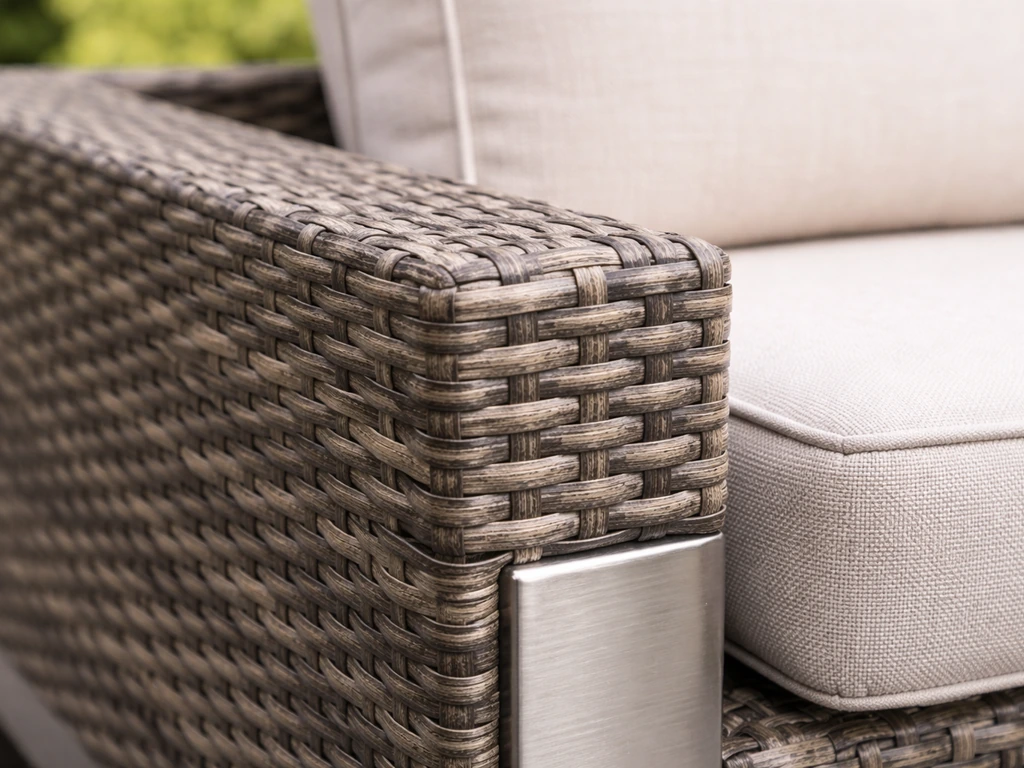
Synthetic resin wicker (PE wicker) woven over an aluminum frame is one of the most popular patio furniture categories, and a good set is genuinely low-maintenance. The key word is 'good. ' Quality PE wicker on a powder-coated aluminum frame, like the sets KETTLER produces, requires nothing beyond hosing off on a medium-pressure setting. No sanding, no staining, no refinishing.
The PE weave resists moisture, UV, and temperature swings. The aluminum frame underneath won't rust. The gotcha: cheap resin wicker uses thin, lower-grade PE that cracks, fades, and becomes brittle within two or three seasons. When shopping, check whether the frame is aluminum (not steel) and ask what grade of PE the weave uses.
Natural wicker is a completely different product and is not suitable for outdoor use without constant care. Don't confuse the two.
Wood: beautiful but not genuinely maintenance-free
Teak and eucalyptus are durable hardwoods that can survive outdoors for decades, but they are not maintenance-free. You'll either oil them once or twice a year to keep the warm honey color, or you'll let them turn silver-gray and monitor them for mildew and surface cracking. If you're comparing this to poly lumber or aluminum, wood involves meaningfully more annual attention. That said, wood is the best-looking option for many people, and if you're willing to do one oil treatment per year, quality teak is a genuinely long-lasting investment. If you want zero refinishing, skip wood.
Coatings, hardware, and UV performance: what the specs actually tell you
The quality of a patio furniture set lives or dies on three things beyond the primary material: the finish coating, the hardware, and the fabric or cushion specification. Ignoring these is how you end up with a 'low-maintenance' set that falls apart in three years.
- Powder coat finish: Look for brands that warranty the powder coat specifically. POLYWOOD's 5-year powder coat warranty is a concrete benchmark. Any brand unwilling to warranty the finish for at least a few years is telling you something about their confidence in it.
- Hardware: Stainless steel hardware is the standard for corrosion resistance. Near salt air, look for 316 (marine-grade) stainless specifically, which provides significantly better chloride and salt corrosion resistance than standard 304 stainless. Zinc-plated or bare steel hardware is a red flag on any outdoor set.
- UV-stable fabrics: Solution-dyed acrylic (Sunbrella is the benchmark brand) is the only cushion fabric worth considering for true low-maintenance outdoor use. The pigment is UV-stabilized and saturated through the yarn rather than applied as a surface dye, so the color doesn't fade the way standard outdoor fabric does. Sunbrella fabrics also resist mildew growth as a function of the fiber construction, though dirt left on the fabric can still grow mildew if not cleaned.
- Quick-dry cushion construction: Even the best UV-stable fabric on a cushion filled with dense foam that retains water is a maintenance burden. Look for cushions with open-cell, flow-through, or reticulated foam fill and construction details like anti-wicking seam thread and overlapping zipper flaps. POLYWOOD's cushions use quick-drying blended polyester fiber for exactly this reason.
- Drainage holes: Quality aluminum chairs have drainage holes in the legs and frame. These allow pooled water to exit rather than accumulate, which matters especially in freeze-thaw climates where trapped water can crack a frame from the inside.
Cushions, covers, and what still needs your attention
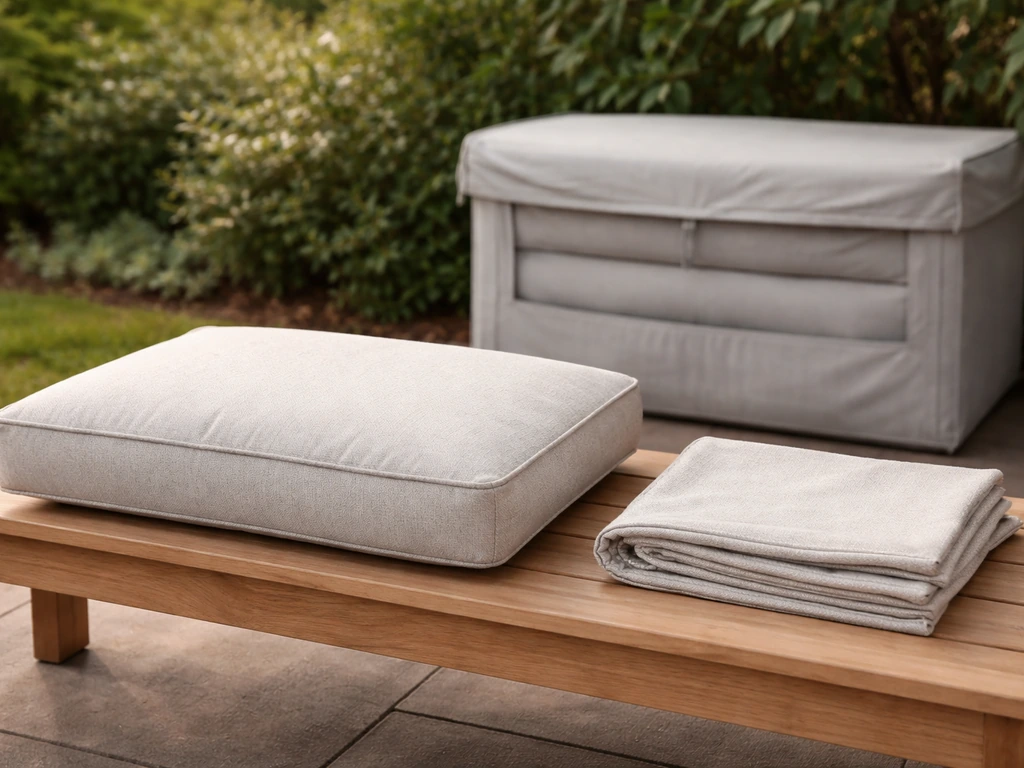
Cushions are the main source of ongoing work even with the most maintenance-free frame materials. The honest take: if you want to do almost nothing, buy a cushion-free set (sling chairs, poly lumber with integrated slats, or metal mesh) and skip the cushion conversation entirely. If you want cushions, here's what to actually manage.
Sunbrella and comparable solution-dyed acrylics are the right choice for outdoor cushions, but they still need periodic cleaning. Sunbrella's own guidance says to brush off loose dirt before it becomes entrenched, and clean spills with soap and water shortly after they happen. For mildew, a diluted bleach-and-mild-soap solution works on the fabric. The fabric itself doesn't promote mildew growth, but dirt sitting on it will. The maintenance here is low, but it's not zero.
Covers are more complicated than most people assume. A good outdoor furniture cover sheds water rather than pooling it on flat surfaces. But Trex specifically warns that covers can trap moisture and invite mildew and mold if airflow is limited. The practical rule: use a breathable cover, make sure it fits properly so water doesn't pool, and don't cover furniture while anything is still damp.
If you're storing for winter and won't use the set until spring, Trex and others recommend garage or indoor storage over leaving a cover on for months. Restoration Hardware’s cover guide also advises that you thoroughly clean furniture and cushions before storing them, and to keep cushions in a dry place during winter months or extended non-use [don't cover furniture while anything is still damp](https://images. restorationhardware. com/content/catalog/es/en/caresheets/ODFurnitureCovers_Care.
pdf). Home Depot's guidance is clear: never store cushions in a dark area while damp. Mold follows.
The 'almost nothing' maintenance routine for a quality low-maintenance set looks like this: hose it down a few times per season, let cushions dry fully before bringing them in for the night or covering them, and do one start-of-season check for coating chips or loose hardware. That's realistically 30 to 60 minutes of attention per year if you've bought the right materials.
Choosing for your climate and patio setup
What's genuinely maintenance-free in Phoenix is different from what works in coastal Maine or coastal Florida. Climate is the variable most buyers underweight when shopping.
Covered vs uncovered patios
A covered patio changes the calculus significantly. Under a roof or pergola, UV exposure is reduced, rain never lands directly on cushions, and temperature swings are moderated. On a covered patio, even wood and steel perform better, and cushion care is minimal. On a fully exposed patio, you want the full package: poly lumber or powder-coated aluminum, UV-stable Sunbrella or equivalent fabric, quick-dry cushion fill, and stainless hardware. Don't cut corners on material quality for an exposed setup.
Freeze-thaw climates (Midwest, Northeast, Mountain regions)
Water that gets inside furniture frames and freezes expands, and that expansion cracks aluminum and causes permanent structural damage. Two rules apply here: first, make sure any aluminum set has drainage holes in the legs and frames, and second, never store drainage-hole chairs upside down. Brafab specifically warns against inverted storage because it allows water to enter and accumulate rather than drain, raising the risk of frost burst damage. For freeze-thaw regions, poly lumber is particularly well-suited because it doesn't absorb water and won't crack from freeze cycles. If you're leaving anything outside through a hard winter, verify the drainage design before you buy.
Salt air and coastal environments
Salt air is the most aggressive outdoor environment for furniture hardware and metal frames. Standard stainless steel fasteners corrode in salt air faster than most people expect. The coastal standard is 316 marine-grade stainless steel for all hardware and fasteners, which provides significantly better chloride resistance than 304 stainless. For frames, powder-coated aluminum is the first choice because aluminum itself is corrosion-resistant and the coating adds a second layer of protection. Poly lumber frames with stainless hardware are also excellent coastal choices. Cast iron and standard steel should be avoided near the ocean regardless of paint or coating quality.
High UV (desert Southwest, Florida, high altitude)
Intense UV is the main enemy of cushion fabric and plastic components. In Arizona, Nevada, or Florida sun, cheap polyester outdoor fabric will fade noticeably within a single season. Solution-dyed acrylic fabrics like Sunbrella are not optional in high-UV environments if you want cushions that still look good after five years. For frames, powder-coated aluminum holds up well to heat and UV. Avoid dark-colored poly lumber in desert climates if heat retention is a concern, as darker colors absorb more heat and can become uncomfortable to touch.
High humidity (Gulf Coast, Pacific Northwest, Southeast)
Constant moisture and humidity mean mildew is your primary enemy. Poly lumber, aluminum, and quality PE wicker all handle humidity without structural degradation. The cushion and fabric management matters more here than anywhere else. Make sure cushions can dry fully between rain events, which is why quick-dry foam fill and breathable construction are worth paying more for. If mildew appears on Sunbrella fabric, the diluted bleach cleaning protocol works, but it's easier to prevent it by keeping fabric clean and dry.
How to evaluate brand claims and avoid marketing traps
The phrase 'maintenance-free' in product listings is almost meaningless without specifics. Here's how to cut through it and evaluate what you're actually buying.
- Ask for warranty specifics, not just duration. A 20-year lumber warranty (like POLYWOOD's) that covers splintering, cracking, chipping, peeling, rot, and insect damage tells you something real. A vague 'limited warranty' with fine print that excludes almost everything tells you the opposite.
- Check what the frame is made of. Any wicker set not specifying an aluminum frame should be assumed to have a steel frame. Steel frames require more maintenance and perform worse in humidity and coastal environments.
- Verify the fabric specification. 'Outdoor fabric' is not a spec. 'Solution-dyed acrylic' or a named brand like Sunbrella is. Ask directly or check the product page.
- Look for drainage hole design. This is a specific engineering choice that quality brands mention explicitly. Its absence isn't always a disqualifier, but its presence signals the manufacturer thought about real-world weather performance.
- Read the care instructions before buying, not after. Care instructions are where the truth lives. If the product requires annual sealing, oiling, or specific chemical treatments to maintain the warranty, that tells you more about actual upkeep than any headline claim.
- Check whether the warranty is voided by following basic care incorrectly. KETTLER's warranty explicitly excludes damage from failure to follow care instructions. That's actually a reasonable and honest position, but it means 'maintenance-free' still requires you to follow the (minimal) care guidance.
- Look at real-world user reports for your specific climate. Reddit and home improvement forums have first-hand accounts of how specific brands hold up in Nevada mountain climates, coastal Florida, and other demanding environments. These are worth reading before committing to a set.
Value vs premium is worth addressing directly. POLYWOOD and Trex sit in a mid-to-premium price range, but their material warranties are among the best in the industry. Comparable-looking poly lumber sets at big-box stores for significantly less money often use lower-density HDPE that fades and warps faster. The same principle applies to wicker: a KETTLER-level PE wicker set costs more than a generic imported set, but the difference in PE weave quality shows up clearly within two to three seasons. Buying quality once typically costs less than replacing a cheap set every three years.
Your quick-pick checklist before you buy
Use this checklist before finalizing any purchase. It covers the features and specs that separate genuinely low-maintenance furniture from furniture that just claims to be.
- Frame material is aluminum (not steel) or HDPE poly lumber
- Frame finish is powder-coated with a minimum 3-5 year warranty on the coating
- Hardware is stainless steel (316 marine-grade if within a mile of saltwater)
- Cushion fabric is solution-dyed acrylic (Sunbrella or equivalent), not generic polyester
- Cushion fill is quick-dry open-cell, flow-through, or reticulated foam, not dense solid foam
- Drainage holes are present in chair legs and frame members
- Manufacturer provides specific, written care instructions (a sign of honest product engineering)
- Warranty document specifies what is and isn't covered in plain language
- For coastal setups: frame is aluminum or poly lumber with marine-grade stainless hardware
- For freeze-thaw climates: confirm drainage hole orientation and proper storage position in the manual
Next steps for buying today
Start by deciding whether you want cushions or a cushion-free set. Cushion-free poly lumber and sling-back aluminum chairs come closest to zero ongoing maintenance. If you want the comfort of cushions, budget for quality fabric (Sunbrella or named solution-dyed acrylic) and quick-dry fill, because this is where most of the residual maintenance work lives. Then match your frame material to your climate using the guidelines above: poly lumber or powder-coated aluminum for almost any condition, and marine-grade hardware for coastal environments. Compare warranties side by side, read the actual care instructions, and buy from a brand willing to back their product in writing. The right set, bought once, really can go years with nothing more than a seasonal rinse.
If you're also thinking about furniture you can permanently leave outside without any covering or storage, or specifically looking at options that eliminate cushions entirely to cut upkeep to an absolute minimum, those are closely related decisions worth thinking through alongside this one. If you want options you can leave outside with the least hassle, the best low-maintenance patio furniture routes are covered in the next section. The material guidance here overlaps heavily, but the specific use case changes which trade-offs matter most.
FAQ
What does “maintenance-free” actually mean if I live in a place with heavy rain and humidity?
In wet climates it usually means no refinishing and no rust treatment, but you still need periodic rinsing and, most importantly, cushion drying. Choose quick-dry cushion fill and fabric that you can brush clean promptly after storms. If mildew appears, you will likely need a diluted bleach-and-mild-soap clean cycle rather than ignoring it until the season ends.
Do I really need to buy covers for maintenance-free patio furniture?
Not always. Covers help with leaves and grime, but a cover that traps moisture can create mildew risk, especially with cushions. If you cover, use a breathable, properly fitted cover, don’t cover damp cushions, and for winter storage consider storing cushions indoors or in a dry area rather than leaving them under a tight cover for months.
Can I leave cushions outside under a cover all winter?
Usually not if the cover can trap humidity. Even if the frame is maintenance-free, damp cushions are where mold damage starts. For winter, store cushions in a dry, ventilated location (or at least a sheltered indoor space). If you must keep them outside, ensure they dry fully first and use a breathable cover that doesn’t pool water.
Is powder-coated aluminum truly safe to leave outside year-round?
Yes, if it has a quality powder-coat and you check it occasionally. The realistic maintenance is an annual inspection for chips, then using a touch-up pen on exposed spots to prevent oxidation. Also confirm drainage design in freezing regions, because trapped water can still damage the structure even with corrosion-resistant materials.
What should I look for when buying PE resin wicker so it doesn’t fail quickly?
The main gotcha is cheap weave that becomes brittle. Before buying, confirm the frame material is aluminum, not steel, and ask about the PE grade or warranty length that signals higher quality. If the product emphasizes “resin wicker” but provides no details about the weave and frame, it’s a common risk for fading and cracking within a few seasons.
How do I prevent freeze-thaw damage with maintenance-free furniture?
Verify that any aluminum set has drainage holes in legs and internal frame areas. Also avoid storing drainage-hole chairs upside down, because water can enter and remain trapped, leading to frost burst. If you buy in a freeze-thaw region, poly lumber is especially forgiving because it doesn’t absorb water like many other materials.
What kind of stainless hardware should I use for coastal salt air?
For near-ocean installations, choose marine-grade stainless fasteners and hardware, typically 316. Standard 304 stainless can corrode faster than expected in chloride-heavy air. Also favor powder-coated aluminum frames, since the coating adds a second corrosion barrier on top of aluminum’s inherent resistance.
Is diluted bleach-and-water cleaning safe for all maintenance-free materials?
It’s commonly used on certain poly lumber finishes, but you should match the product to the material and avoid repeated harsh treatment on coatings you’re trying to preserve. Use the mildest effective concentration, rinse thoroughly with clean water after spot cleaning, and test in an inconspicuous area first, especially on powder-coated aluminum or fabric.
How often should I hose off my maintenance-free patio furniture?
A practical schedule is a few quick rinses per season, plus a start-of-season check. If you have frequent pollen, tree debris, or salty air, rinse more often to prevent buildup that can discolor cushions and finishes. Don’t wait until grime is baked on, because fabric and crevices hold dirt that becomes harder to remove.
What’s the fastest way to reduce ongoing work if I want almost zero maintenance?
Go cushion-free where possible. Sling chairs and poly lumber with integrated slats reduce fabric and foam problems entirely. If you do want cushions, prioritize solution-dyed acrylic fabrics and quick-dry fill, because cushions are the main source of repeat cleaning and drying tasks.
Next Articles
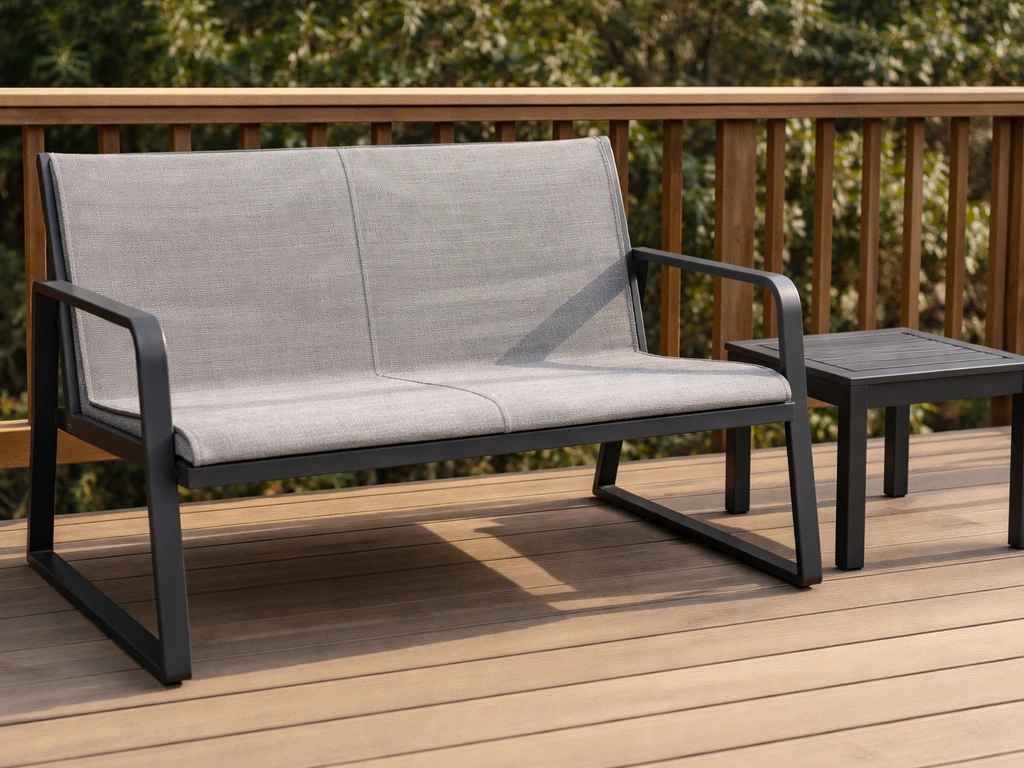
Best Low-Maintenance Patio Furniture: Materials, Picks, Care
Best low-maintenance patio furniture guide: top materials, climate picks, care routine, and a durability buying checklis
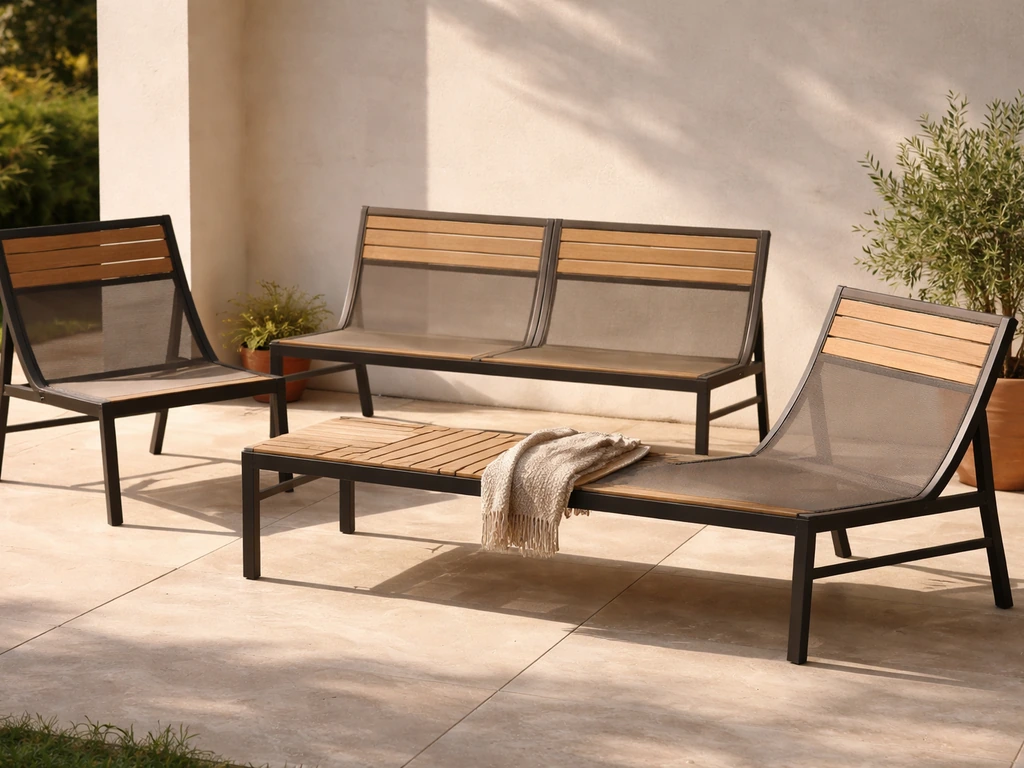
Best Patio Furniture Without Cushions: Buyer’s Guide
Choose the best cushion-free patio furniture by climate, materials, comfort design, durability, and maintenance tips.
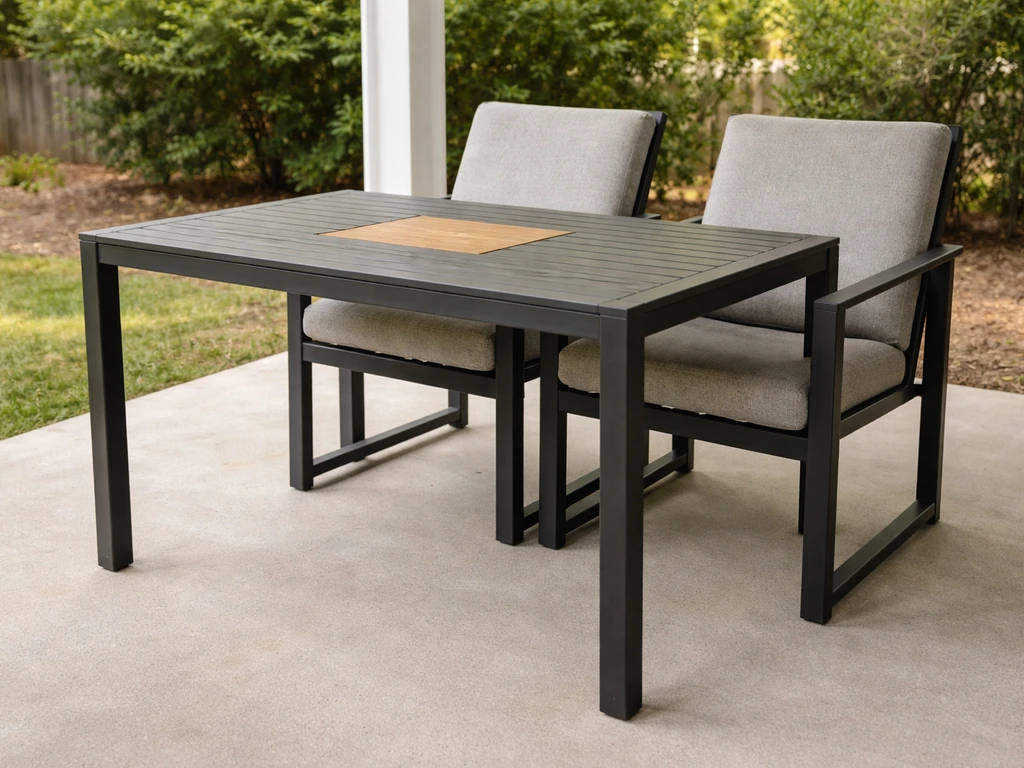
Best Patio Furniture to Leave Outside Year-Round
Best patio furniture to leave outside year-round by climate, with durable materials, cushion care, maintenance steps.