
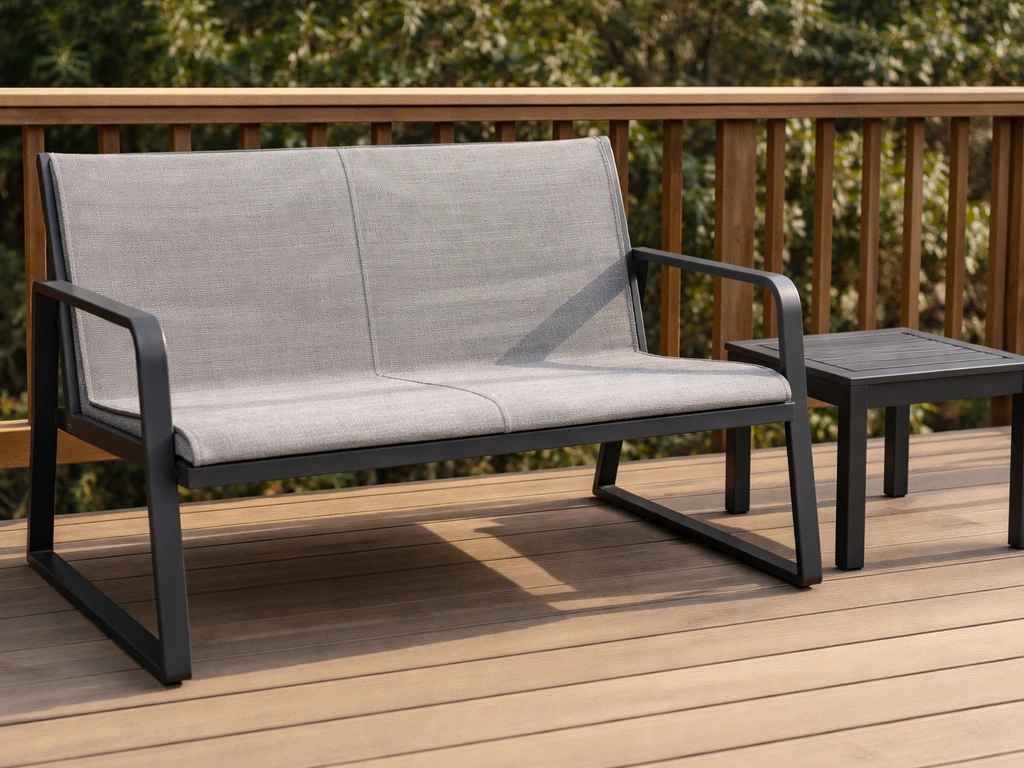
The best low-maintenance patio furniture is powder-coated aluminum paired with Sunbrella or sling-fabric seating. It won't rust, the finish holds up to years of weather without repainting, and cleaning it takes about 20 minutes with soapy water and a hose. If that's all you needed, you're done. But if you want to know which materials to actually avoid, how your climate changes the math, and what to look for on the product page before you buy, keep reading.
Best Low-Maintenance Patio Furniture: Materials, Picks, Care

Theo Tierney
12 Jun 2026
What 'low-maintenance' actually means in real life
Manufacturers throw 'low-maintenance' on almost everything, so let's be specific. True low-maintenance outdoor furniture means four things: occasional cleaning (not frequent scrubbing), no meaningful rust or corrosion risk, flexible storage requirements, and zero structural repairs within a reasonable ownership window of 7 to 15 years.
Cleaning frequency matters more than people expect. Leaving dirt, pollen, and moisture on metal furniture accelerates rust and corrosion, even on treated surfaces. But 'occasional' is the right cadence for genuinely low-maintenance pieces, meaning a rinse and mild soap wash two or three times a season rather than weekly scrubbing. The risk area isn't cleaning frequency itself; it's incomplete drying. Cushion foam that stays wet breeds mildew fast, and wood that dries unevenly warps and cracks. So low-maintenance furniture either sheds water quickly on its own or is easy to dry thoroughly.
On the storage side, true low-maintenance furniture should ideally be able to stay outside year-round or require only basic cover protection in winter, not full disassembly and garage storage. Rust, flaking finishes, warped frames, and degraded cushions are the failure modes you're trying to avoid. We'll cover each of these in detail, but they all trace back to material and finish quality at the point of purchase.
The best materials for low upkeep
Aluminum
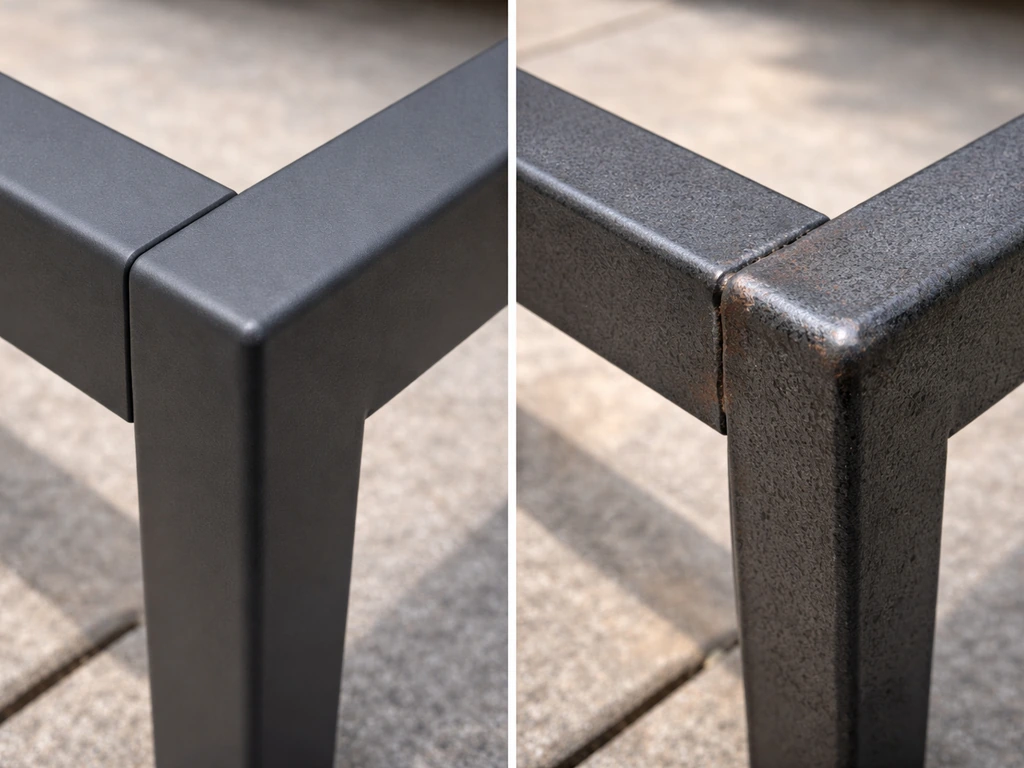
Aluminum is the clear winner for low-maintenance frames. It doesn't rust, it's lightweight enough to move easily, and a properly applied powder coat gives you a finish that essentially takes care of itself with occasional cleaning. Marcelina Furniture Studio similarly notes that a properly applied powder coat, together with aluminum’s corrosion resistance, results in essentially no maintenance beyond occasional cleaning [powder coat gives you a finish that essentially takes care of itself with occasional cleaning](https://www. marcelinafurniture.
com/en-us/pages/guide-powder-coated-aluminum). The powder-coat process electrostatically bonds a dry polymer to the metal and cures it in an oven, producing a finish that's far more durable than wet paint. [The failure modes for powder coating (flaking, bubbling, chipping, and cracking) almost always start at edges, welds, or areas where coating adhesion was compromised during manufacturing. ](https://vandacoatings.
co. uk/blog/why-does-powder-coating-flake-bubble-chip-or-crack/) Buying from a reputable brand that uses quality application processes is the real differentiator here. A good powder-coated aluminum frame needs nothing beyond soap and water to stay looking new for a decade or more.
Wrought iron and steel
Wrought iron is heavier and more ornate than aluminum, and it does require more attention. It can rust if the protective finish chips and moisture gets to the base metal. That said, wrought iron with a quality powder coat and annual touch-up of any chips will last a very long time. It's not the easiest material, but it's workable if you like the aesthetic. Plain steel without a strong finish treatment is the one to avoid for truly low-maintenance goals.
Resin and high-density polyethylene (HDPE)
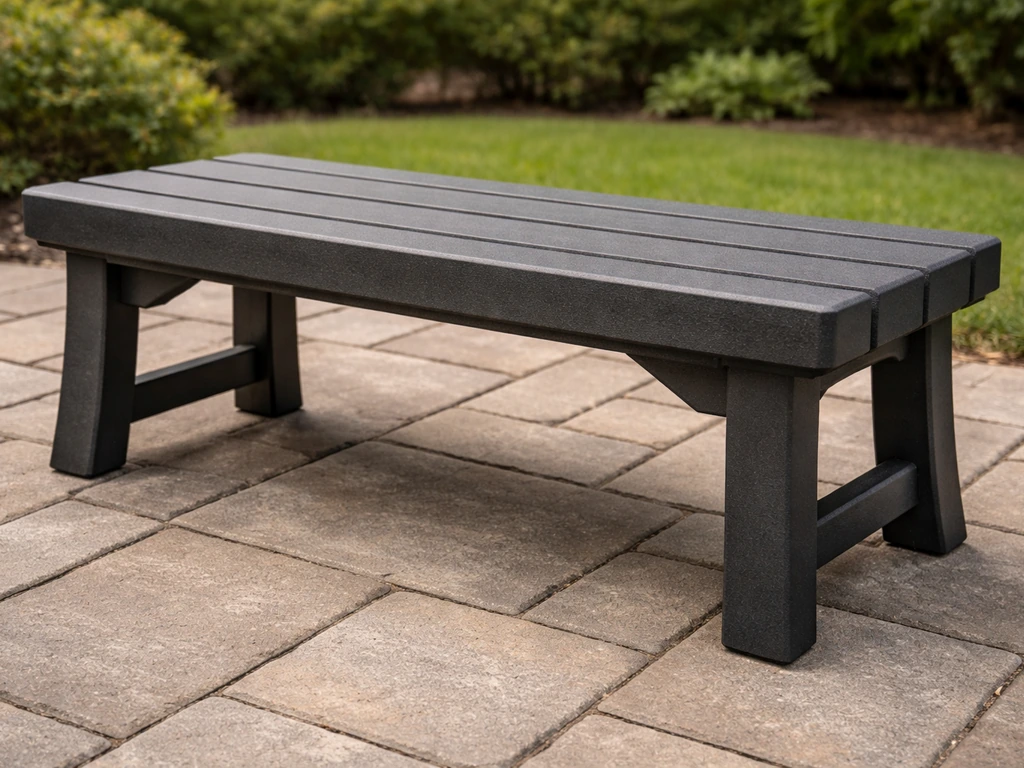
Resin and HDPE plastic furniture require almost no maintenance at all. HDPE (used by brands like POLYWOOD) is made from recycled plastics and is genuinely impervious to moisture, salt air, and UV rays without any coating to chip or fail. It won't rust, rot, or require sealing. The trade-off is aesthetics: even premium HDPE products look like plastic, and cheaper resin furniture can fade, crack, and warp within a few seasons. Budget resin chairs from big-box stores are not the same product as quality HDPE lumber furniture. If you want full outdoor permanence with zero maintenance, HDPE lumber is the honest answer. If aesthetics matter, aluminum still wins.
Teak and hardwood
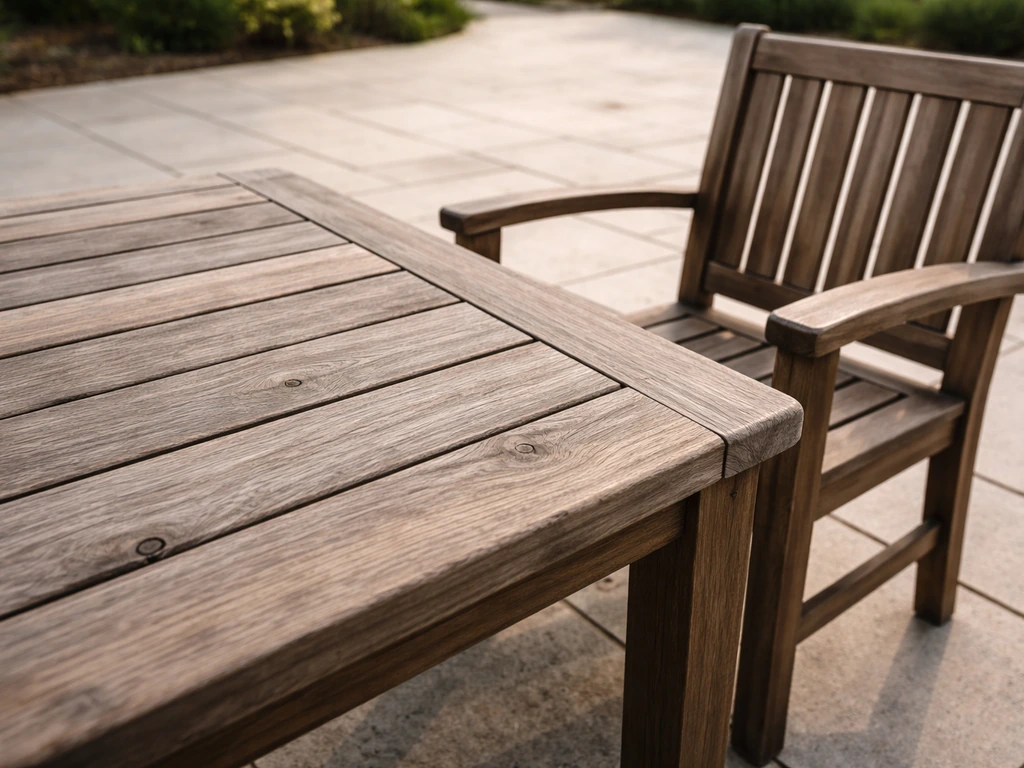
Teak is the most durable natural wood for outdoor use because of its high oil content, which resists moisture and insects without treatment. Left untreated, teak weathers to a silver-gray patina that many people actually prefer. If you want to maintain the original honey-brown color, you'll need to clean and re-oil it annually, which pushes it out of the true low-maintenance category. If you're happy with the gray patina, teak is legitimately low-effort. Other hardwoods like eucalyptus or shorea behave similarly but are less durable over the long run. Softwoods and most composite wood-look materials require sealing or painting to last and are not worth considering here.
Wicker and resin wicker
Natural wicker is high-maintenance outdoors and belongs inside or in covered spaces only. Resin wicker (synthetic strands woven over a metal frame) is a completely different product and is genuinely weather-resistant. The wicker strands themselves hold up well, but the frame underneath is the weak link. Look for resin wicker woven over an aluminum frame, not a steel one, and you'll eliminate the rusting problem. Cleaning resin wicker with mild soap and warm water and rinsing it thoroughly handles most upkeep. Mildew can develop in the crevices of the weave if it stays wet in humid climates, so good airflow and a thorough rinse after rain matter.
Sling and performance fabric cushions
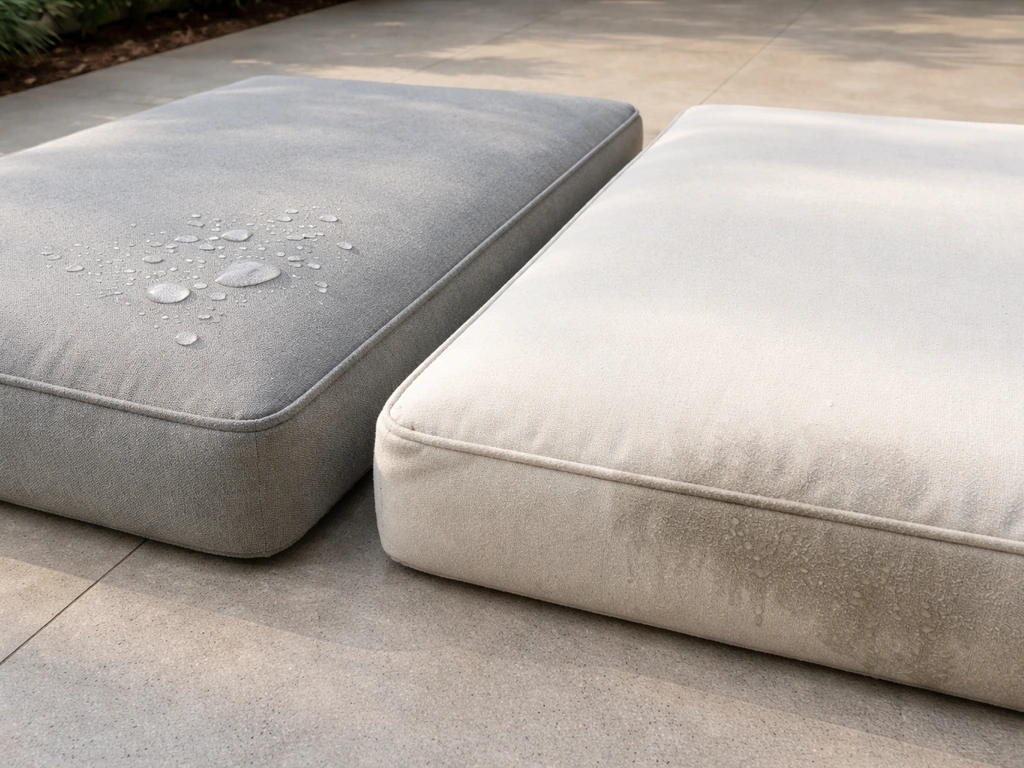
Cushion fabric is where low-maintenance furniture most often fails people. Standard polyester outdoor cushions fade in a season or two and trap moisture in the foam core, which leads to mildew. The upgrade worth making is solution-dyed acrylic fabric, most commonly Sunbrella. The solution-dye process embeds color throughout the fiber rather than coating the surface, which is why these fabrics are inherently fade-resistant, UV-protective, and mold and mildew resistant. They clean up with mild soap and water, and stubborn stains come out with a diluted bleach solution. For cushion-free seating, textilene sling fabric is excellent: it's water-permeable and quick-drying, which means it essentially can't hold standing water or develop mildew on the surface.
Best furniture types for low-maintenance living
Dining sets
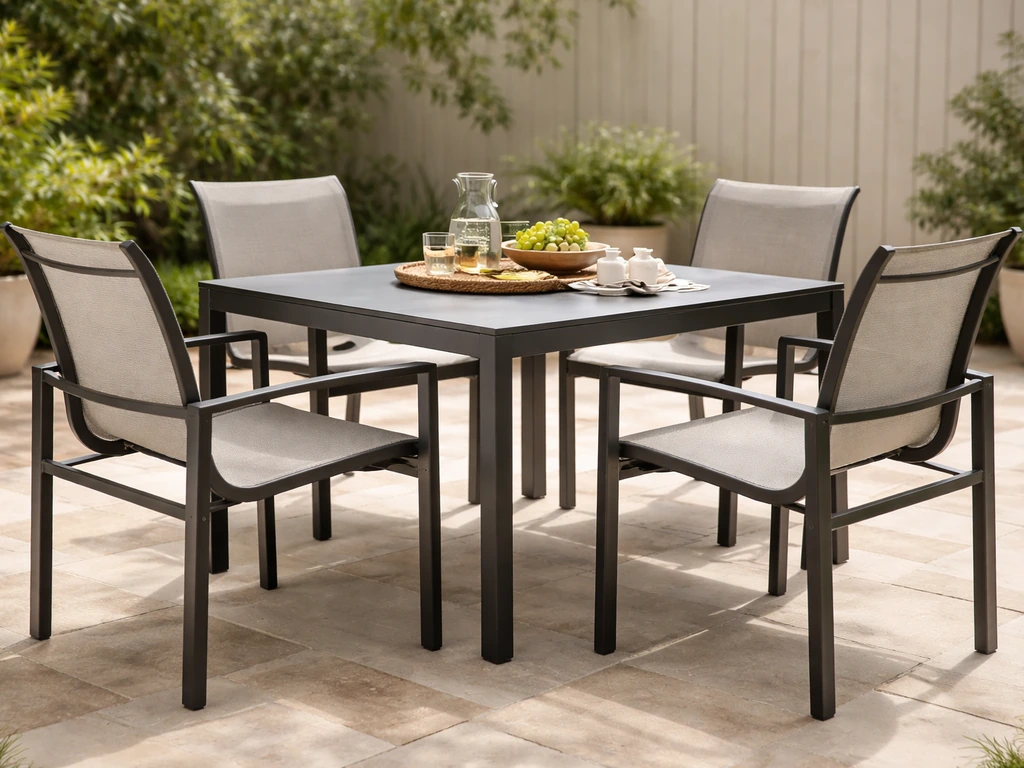
For a low-maintenance outdoor dining set, powder-coated aluminum frames with sling or Sunbrella-fabric chairs are the most practical combination. Avoid dining sets with upholstered thick-foam chair seats unless you're committed to bringing cushions inside regularly. Tables with slatted tops (aluminum, resin, or composite) drain rain immediately and don't need the same drying attention as solid tops. Tempered glass tops look great but require regular cleaning and can be damaged by patio heaters or heavy debris in a storm.
Loungers and rockers
Sling loungers are the most low-maintenance seating category available. The fabric is structural (no separate cushion), it dries in minutes, and it's easy to clean with a hose. HDPE Adirondack-style chairs and rockers are another strong option: they're one-piece or minimal-hardware designs, impervious to moisture, and can stay outside year-round without a cover. The weight of HDPE chairs (heavier than aluminum) means wind is less likely to send them across the yard, which is a practical bonus.
Sectionals and conversation sets
Sectionals are a higher-maintenance category almost by definition because of their large cushion volume. To keep a sectional genuinely low-maintenance, prioritize deep-seat cushions with Sunbrella or equivalent solution-dyed acrylic covers, cushion inserts with drainage holes or quick-dry foam, and an aluminum or quality resin-wicker frame. Sectionals with solid foam blocks sealed in fabric will hold water and develop mildew unless you bring them in or use good covers. If you live somewhere with frequent rain, this is the furniture type most worth considering replacing with cushion-free options. If your patio sees frequent downpours, focus on quick-drying sling, solution-dyed acrylic cushions, and powder-coated aluminum frames frequent rain.
Umbrellas
Umbrella maintenance is mostly about the frame and the crank mechanism. Aluminum poles with powder-coated finishes and fiberglass ribs are the most durable combination. Steel poles rust where the coating is damaged. Canopy fabric in solution-dyed acrylic (again, Sunbrella is the benchmark) holds color and resists mildew far better than polyester alternatives. Close your umbrella when not in use and it will last years longer than one left open 24/7. A simple canvas cover for winter storage is all the extra maintenance required.
How your climate changes what to buy
| Climate | Top Material Pick | What to Avoid | Key Concern |
|---|---|---|---|
| Rainy/Pacific Northwest | Powder-coated aluminum + sling fabric | Solid foam cushions, untreated wood | Mildew in cushions, water pooling on surfaces |
| Humid/Coastal (salt air) | HDPE or marine-grade aluminum + Sunbrella | Steel frames, bare iron, cheap powder coat | Salt corrosion accelerates finish failure |
| Freezing winters | HDPE or aluminum with weather covers | Resin wicker over steel, natural wood unsealed | Freeze-thaw cycles crack finishes and wood |
| High UV/Sun (Southwest) | HDPE, solution-dyed acrylic cushions | Polyester cushions, cheap resin | UV degradation fades and embrittles materials |
Coastal and humid environments deserve extra attention. Salt air is genuinely aggressive on metal finishes, and the ASTM B117 salt spray test is what quality manufacturers use to evaluate corrosion resistance in exactly this kind of environment. If you're in Florida, coastal Carolina, Hawaii, or anywhere within a few miles of the ocean, prioritize marine-grade or 6000-series aluminum frames and verify that the powder coat has been tested to a meaningful salt-spray standard.
HDPE plastic requires no such verification because it simply has no finish to corrode. For freezing climates, the freeze-thaw cycle is the enemy: water gets into micro-cracks in wood or finishes, freezes, expands, and opens those cracks wider every winter. Aluminum and HDPE are both unaffected by this process.
The care routine that actually keeps it looking new
Seasonal cleaning
Spring is the time to do your main cleaning pass. Rinse everything down with a hose first to remove loose debris, then wash frames and hard surfaces with warm water and mild dish soap using a soft brush or cloth. Rinse thoroughly afterward: soap residue left on surfaces can itself cause discoloration and attracts more dirt. Dry surfaces fully before stacking or covering. For wicker, pay attention to the weave crevices where grime collects. For wood, wipe with the grain. Mid-summer is a good time for a lighter rinse pass, and fall is when you do a final clean before covering or storing for winter.
Covers and storage
Covers are worth using in winter even for aluminum and HDPE furniture, not because the materials need protection from cold or moisture but because covers reduce the cleaning load in spring. For cushions in climates with hard winters or extended rainy seasons, indoor storage (a garage shelf, a deck box, or a storage ottoman) is the easiest way to avoid mildew and UV degradation. Don't cover cushions with non-breathable plastic tarps; moisture trapped underneath creates exactly the mildew environment you're trying to avoid. Use breathable furniture covers designed for outdoor use.
Cushion care
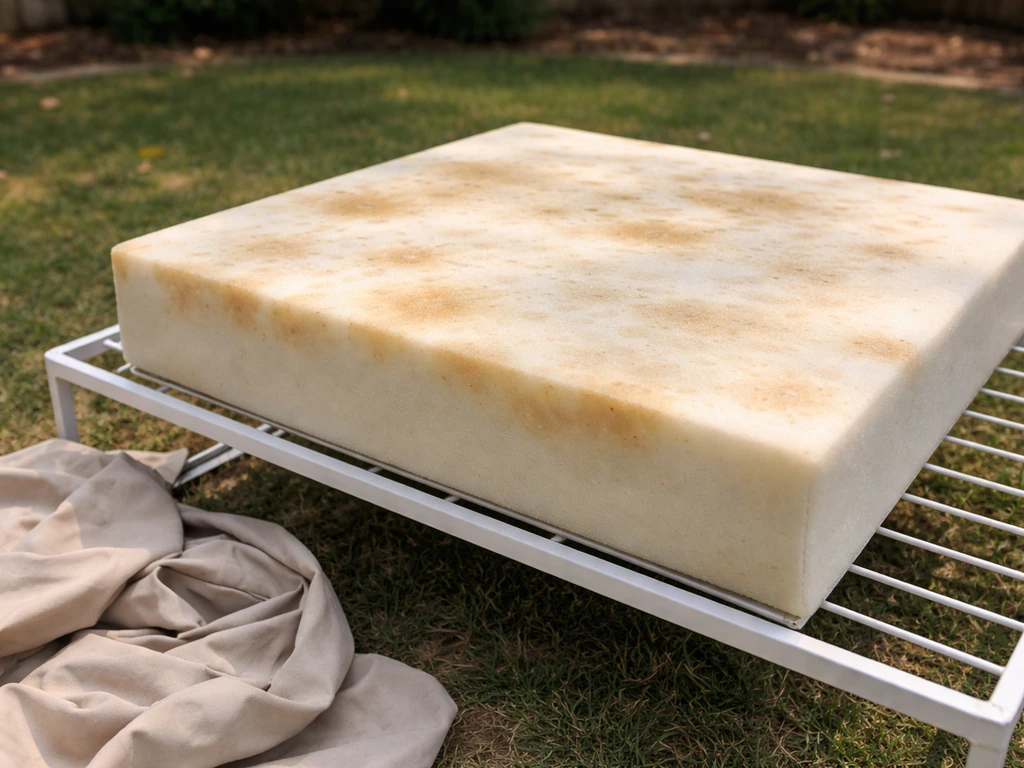
The foam inside outdoor cushions can absorb dirty water, and if it doesn't dry completely, mildew grows inside the insert even if the cover fabric is mildew-resistant. For stubborn mildew on sling fabric or Sunbrella covers, a solution of 2 tablespoons of bleach per gallon of water (or a 1:1 vinegar and water mix for lighter cases) handles most stains. Stand cushions on their edge after rain or cleaning so both faces can air-dry. Cushion inserts with open-cell quick-dry foam or drainage holes dry faster and are worth seeking out specifically. Never store cushions while still damp.
What fails first and how to buy to avoid it
Understanding the failure sequence helps you spot weak products before you buy. Here's roughly what fails first in outdoor furniture, in order of how commonly it shows up:
- Cushion fabric fades and covers degrade (polyester fails within 1 to 2 seasons in sun; solution-dyed acrylic lasts 5 to 10 years)
- Cushion foam develops mildew or structural collapse (cheap open-cell foam in sealed covers is the worst offender)
- Finish flaking or chipping on steel and iron frames (usually starts at welds, edges, or hardware contact points)
- Hardware corrosion (bolts, screws, and rivets that are zinc-plated or low-grade will rust even if the frame doesn't)
- Structural rust on steel or iron frames once the finish fails
- Wicker strand cracking or separating from the frame (more common on synthetic wicker woven over steel)
- Wood warping, cracking, or checking (especially softwoods and composites without proper sealing)
The fact that cushions top this list is worth emphasizing. A $1,200 aluminum sectional with cheap polyester cushions will look old and worn in two years. The same frame with Sunbrella cushions will look new in five. For people specifically shopping for cushioned seating, it helps to compare cushion materials and drainage so your chairs stay fresh through the season best patio furniture without cushions. Budget toward better fabric before you budget toward a heavier frame.
Your buying checklist before you spend anything
Run through this before committing to any set:
- Frame material: aluminum (best) or HDPE for truly low-maintenance; wrought iron if you're willing to do occasional touch-up; avoid bare steel or wood-look composites without clear finish warranties
- Frame finish: powder coat on metal frames; ask whether the coating is tested to a salt-spray standard if you're coastal
- Hardware: stainless steel or marine-grade hardware on all bolts, screws, and rivets; zinc-plated hardware will rust first
- Drain holes: dining table tops and chair seats should have drainage; flat surfaces that pool water are a maintenance problem
- Cushion fabric: solution-dyed acrylic (Sunbrella is the known benchmark); avoid polyester unless the cushions are easily replaceable and you're on a tight budget
- Cushion insert: look for quick-dry foam, drainage holes in the insert, or removable covers that can be laundered separately
- Warranty: 5 years or more on the frame is reasonable for quality aluminum; 1 to 3 years on cushion fabric is standard; anything less on the frame signals low confidence from the manufacturer
- Weight and stackability: lighter chairs that stack make seasonal moves and cleaning much easier, especially for dining sets with six or more chairs
One more practical note: if you're buying furniture you want to leave outside year-round without much thought, the material guide above overlaps significantly with what works best for rain-heavy or always-outdoor situations. The furniture categories that are best for leaving outside permanently and the ones that handle rain well are mostly the same ones earning top marks for low maintenance here: aluminum frames, HDPE plastics, and sling or solution-dyed acrylic fabrics. If your goal is truly hands-off outdoor living, those are the materials to build your space around.
The bottom line is this: buy an aluminum or HDPE frame, put real fabric on the cushions, rinse everything a few times a year, and you'll spend maybe two hours annually on patio furniture maintenance. That's what low-maintenance actually looks like.
FAQ
Is powder-coated aluminum really maintenance-free, or do I still need to rinse it regularly?
It is very low maintenance, but not truly zero. Plan on a quick rinse two or three times per season, especially after pollen, mud splashes, or storms, and make sure it dries fully so soap residue or trapped moisture does not collect at joints and edges.
What should I check on the product page to confirm “solution-dyed acrylic” is the real thing?
Avoid vague claims like “UV resistant” without specifics. Look for wording that indicates solution-dyed acrylic and confirm the cushions are designed for mildew resistance, not just water-repellent. If the listing only highlights stain resistance for upholstery, treat it as a higher-risk cushion purchase.
How do I prevent mildew on sling chairs or Sunbrella cushions if it rains for days?
The key is airflow and complete drying. After extended wet weather, hose off surface dirt, rinse thoroughly, and prop cushions or place sling seating so both sides get air, especially in crevices where water can linger.
Do I need to treat or seal teak to keep it from turning gray?
If you want to preserve the original honey-brown color, you must re-oil it annually. If you are aiming for the most hands-off option, you can leave it untreated and accept the silver-gray patina, which is the lower-maintenance approach.
Can I leave resin wicker furniture outside year-round, even in wet or humid climates?
Yes, if it is resin wicker on an aluminum frame. If the frame is steel, you will eventually see corrosion at the weak points, even if the wicker strands themselves look fine. For humid areas, rinse thoroughly after rain to clear grit from the weave.
What’s the quickest way to tell whether a cushion will be high maintenance?
Look for drainage features and quick-dry design. If the cushions use thick foam that is wrapped like a sealed block or there are no signs of drainage or quick-dry inserts, assume higher drying time and higher mildew risk, especially after storms.
How do I choose between tempered glass, slatted tabletops, and solid tops for low maintenance?
Slatted or sloping tops are easiest because rain drains immediately. Tempered glass looks polished but needs more frequent cleaning for water spots and fingerprints, and it can be chipped or damaged by heavy impacts, so it is not the lowest-effort choice for active patios.
Should I cover aluminum and HDPE furniture in winter if it is “weatherproof”?
Yes, but for the right reason. Covers mainly reduce your spring cleaning workload. Use breathable outdoor covers, and never trap cushions under non-breathable plastic tarps because moisture buildup underneath drives mildew.
Is bleach safe for Sunbrella or sling fabric, and how should I use it?
It can be effective for mildew and stubborn stains, but use diluted mixtures and avoid soaking for long periods. Test in an inconspicuous spot first, rinse thoroughly afterward, and let fabric dry completely before putting cushions back in place.
What repairs or failure signs mean I should return the furniture rather than “wait and see”?
If you see early chipping or bubbling on powder coating at edges or weld areas, or if cushions show trapped moisture and take days to dry after rain, these are product-level red flags. Early coating failures often mean the frame will keep degrading, not just needing a touch-up.
How does coastal salt air change my shopping choices beyond material type?
Material matters, but finish quality and testing matter more. For metal furniture, prioritize aluminum designed for coastal use and verify meaningful corrosion resistance testing. For closeness to the ocean, also avoid designs with exposed steel hardware that can rust even if the frame is corrosion-resistant.
What should I do after hurricane-level storms to avoid long-term damage to cushions and frames?
Rinse off debris and salt as soon as you can, then prioritize drying. Stand cushions on edge so both faces air-dry, clear the sling weave or cushion underside so water does not pool, and check powder coating at edges and welds for any chips where rust can start later.
Next Articles
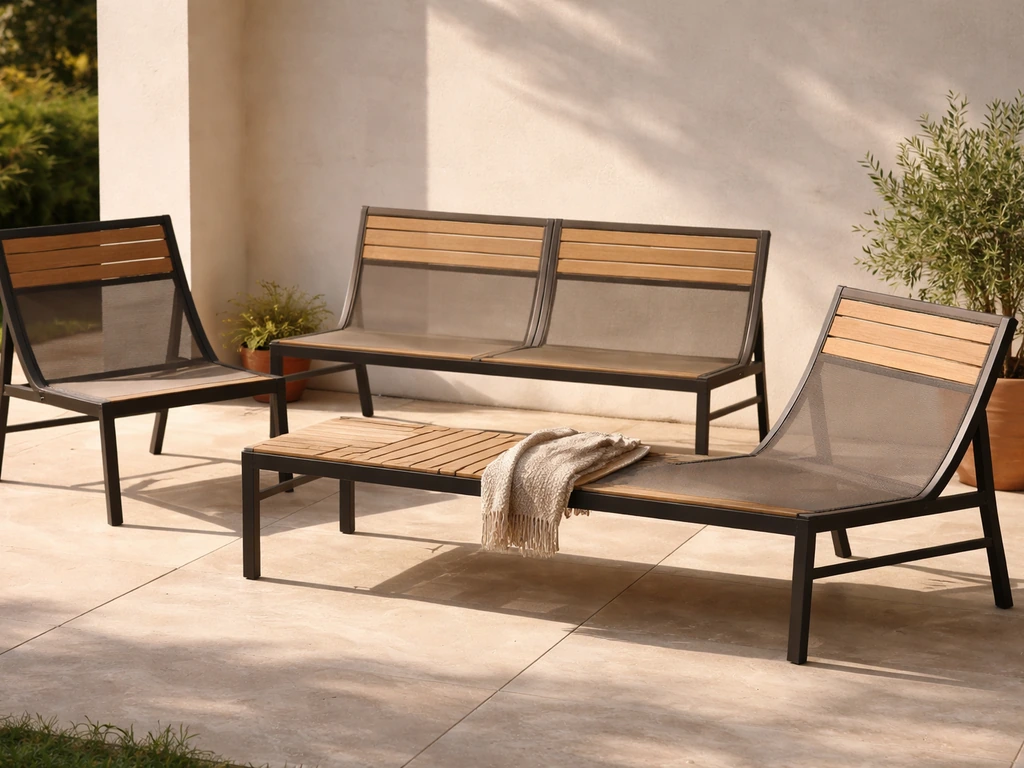
Best Patio Furniture Without Cushions: Buyer’s Guide
Choose the best cushion-free patio furniture by climate, materials, comfort design, durability, and maintenance tips.
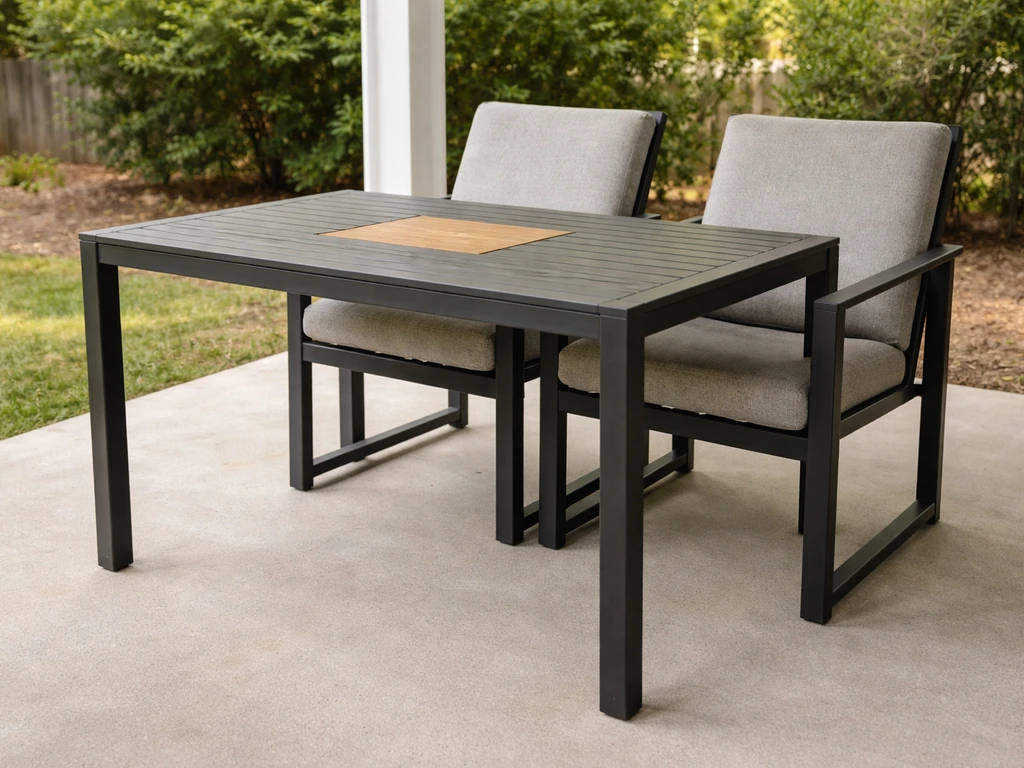
Best Patio Furniture to Leave Outside Year-Round
Best patio furniture to leave outside year-round by climate, with durable materials, cushion care, maintenance steps.
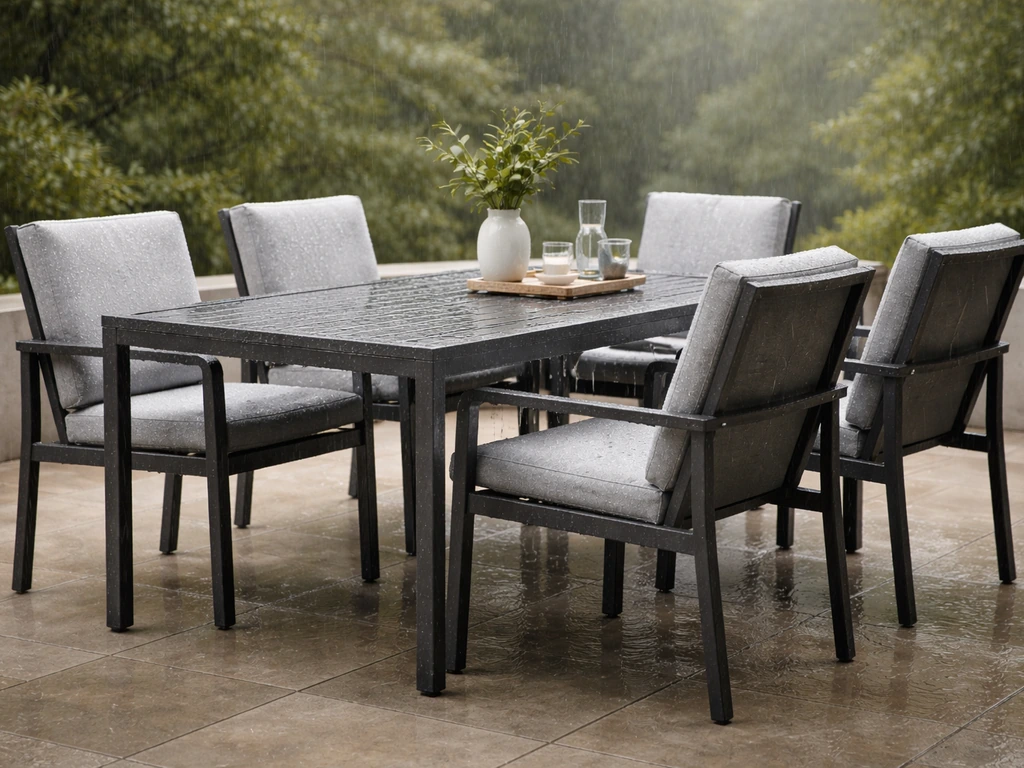
Best Patio Furniture for Rain: What to Buy and Why
Shop the best patio furniture for rain with material picks, must-have features, and maintenance tips for wet climates.