
For rainy climates, powder-coated aluminum and HDPE resin wicker are the two best patio furniture frame materials you can buy. Pair either one with quick-dry foam cushions in solution-dyed acrylic fabric, use a vented (breathable) cover, and you have a setup that handles constant wet weather without rotting, rusting, or growing a mold colony. Teak is a solid third option if you're willing to do seasonal maintenance. Everything else requires more compromise than most people expect.
Best Patio Furniture for Rain: What to Buy and Why

Theo Tierney
19 May 2026
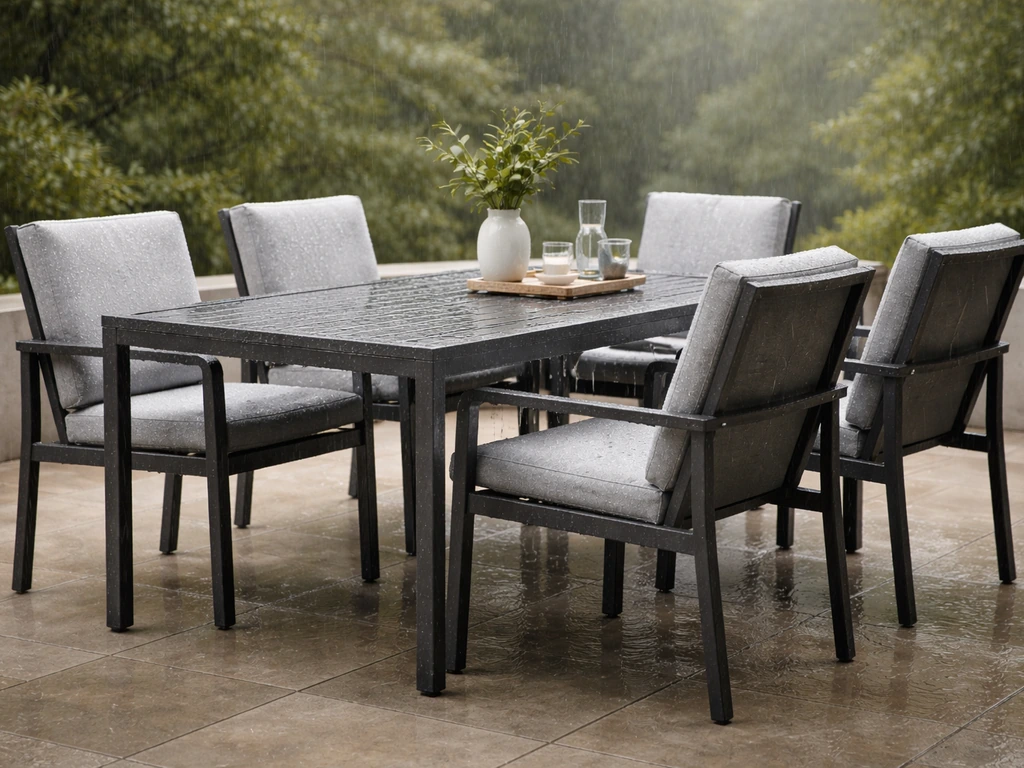
Rain vs. "outdoor weather": what actually destroys patio furniture
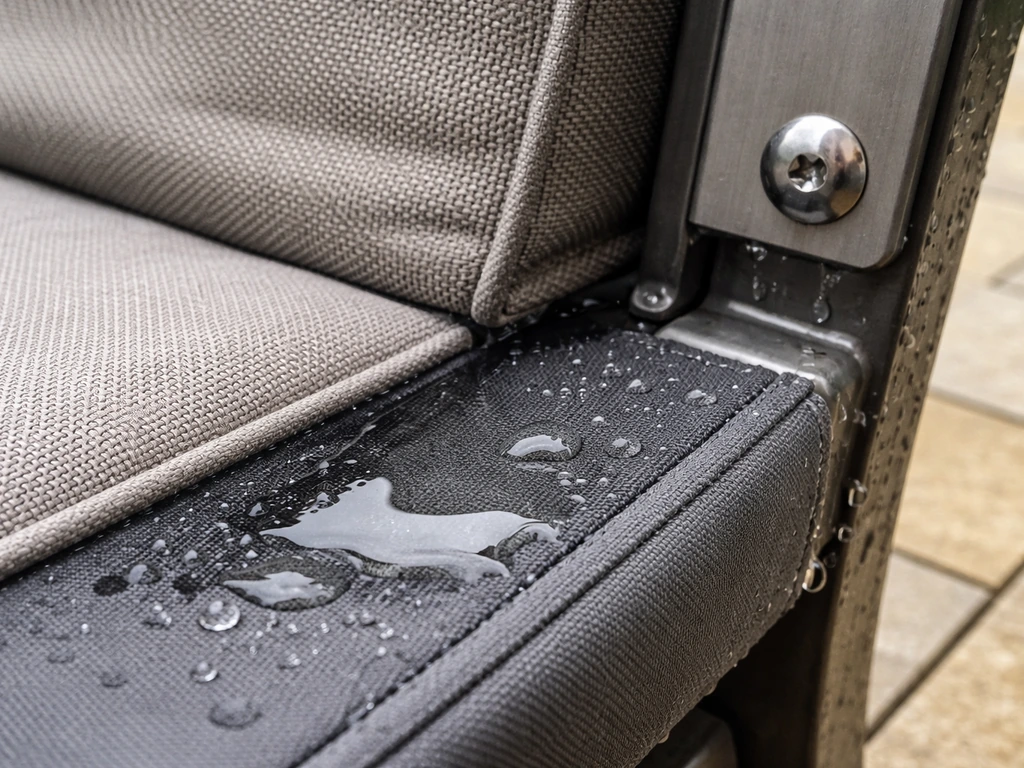
Most people think sun is the enemy of outdoor furniture. In rainy climates, moisture is far more destructive, and it works in ways that aren't obvious until the damage is done. The real killer isn't the rain itself, it's trapped moisture. Water that pools in seams and joints, cushion fill that stays damp for days, and condensation that builds up under a cover that's too tight all create the same conditions: accelerated corrosion, mold and mildew growth, finish degradation, and in wood, rot.
Here's the part most buyers miss: using a non-breathable patio cover actually makes things worse. A sealed cover creates a greenhouse effect underneath, trapping any residual moisture against the furniture surface. That condensation sits there warming and cooling through the day, and rust, mildew, and cushion damage follow. The cover that's supposed to protect your furniture ends up accelerating the exact failure you were trying to prevent. Rainy-climate furniture shopping is really about managing moisture at every stage: the frame material, the cushion construction, the hardware, and yes, the cover.
How each major material holds up in the rain
Powder-coated aluminum
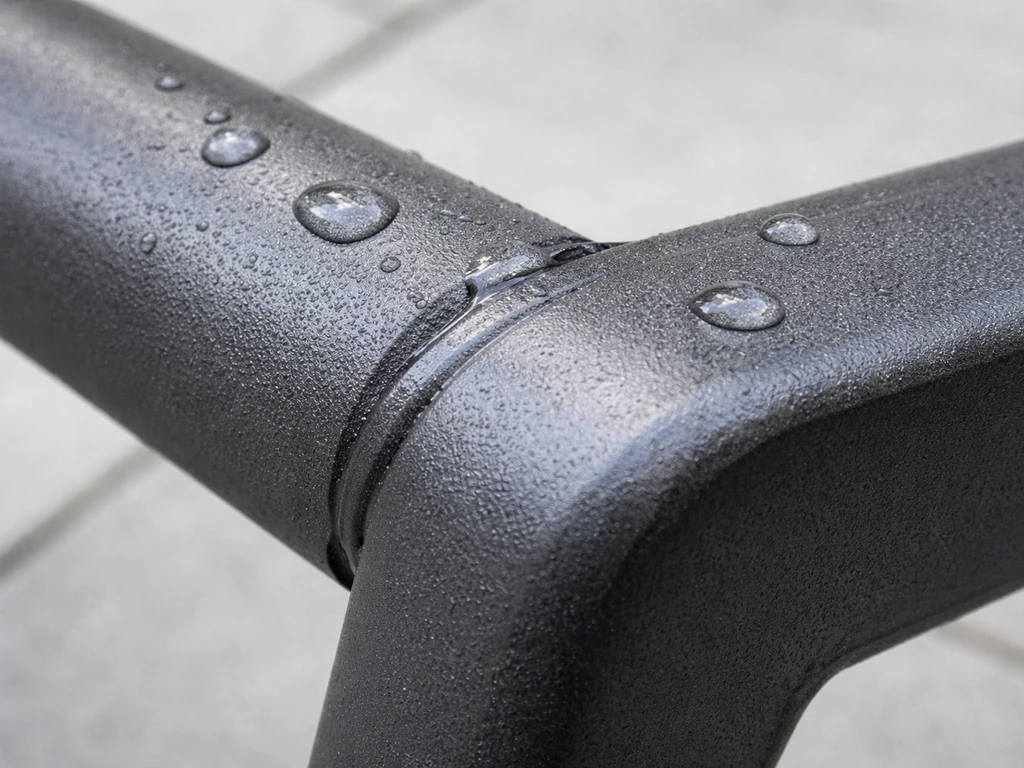
This is the top pick for rainy climates, and it's not close. Aluminum doesn't rust. The powder coating adds a durable, corrosion-resistant finish that can handle long-term outdoor exposure without needing seasonal storage or treatment. Manufacturers are explicit about this: powder-coated aluminum frames are designed for year-round outdoor use. Maintenance is genuinely minimal, a rinse with clean water and a towel-dry after cleaning is all it typically needs. The one thing to protect is the powder coat itself, avoid abrasive cleaners or pressure washing, both can damage the finish and create points where moisture sneaks in. Routine soap-and-water cleaning keeps the coating intact and the frame looking good for years.
HDPE resin wicker
Quality all-weather wicker made from 100% high-density polyethylene (HDPE) is purpose-built for wet conditions. HDPE has antimicrobial properties that actively inhibit fungus and mildew growth, which is exactly the problem rainy weather creates. A well-made HDPE resin wicker set typically lasts 10 to 15 years with basic outdoor exposure and maintenance. The key word is "quality." Budget resin wicker often uses PVC, which can crack and fade faster. Look for sets that specify HDPE construction and pair the wicker with powder-coated aluminum or steel frames underneath. That combination gives you mildew-resistant weave over a corrosion-resistant skeleton.
Teak wood
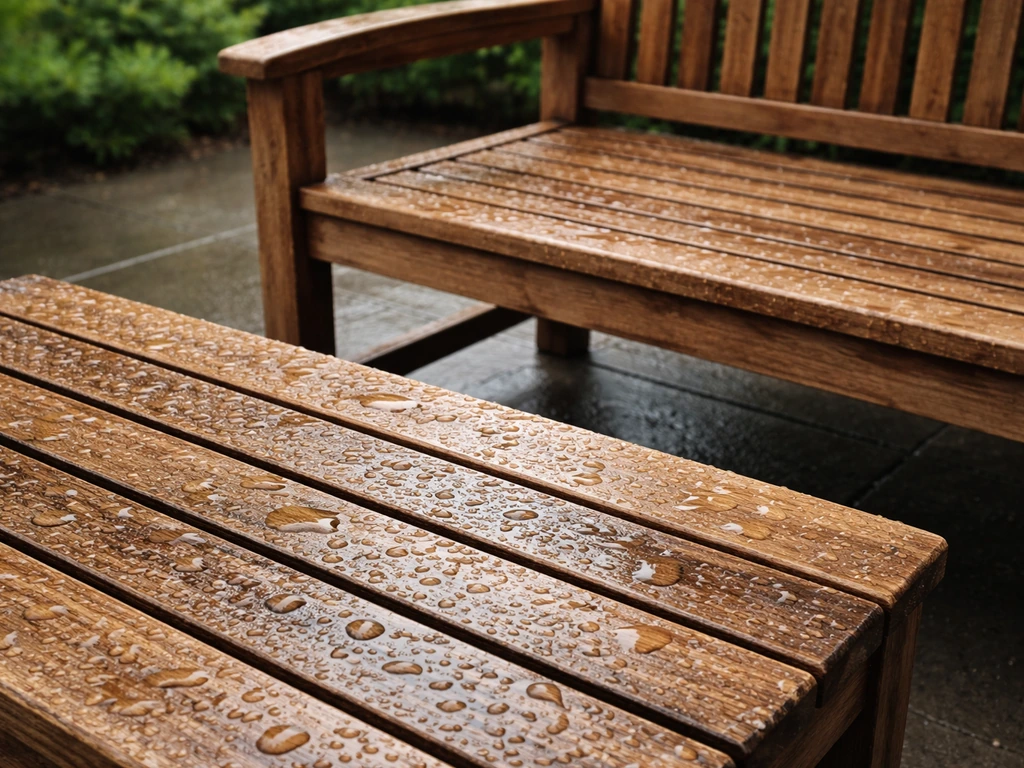
Teak is the best wood option for rain by a significant margin, and it's genuinely good, not just "good for wood. " Its natural oil content makes it resistant to moisture and rot in a way that other wood species simply aren't.
You can leave it outside in the rain and it will weather to a silvery-gray patina rather than rotting or swelling. That said, teak isn't fully hands-off. Care guides consistently recommend storing it indoors during winter months (a shed or garage works) to extend service life, and you should always separate cushions from the frame so you're not trapping moisture between fabric and wood. If you want teak to keep its warm brown color, you'll need to oil it periodically.
If you don't mind the silver-gray look, leave it untreated. Either approach is fine, but ignoring seasonal storage entirely will shorten the furniture's life compared to someone who brings it in.
Steel and wrought iron
Steel and wrought iron can work outdoors, but they require more active management in rainy climates. Even with powder coating or galvanizing, steel can rust if the finish is scratched or chipped and left wet. These materials are heavier and generally more durable in terms of stability (good in wind), but they demand more attention after rain events, particularly at welds, seams, and hardware points. If you go this route, inspect the finish regularly and touch up any chips before rust can establish itself. In a climate with persistent rain, you're trading maintenance convenience for the heft and aesthetic of iron or steel.
Composite and recycled plastic lumber
Recycled plastic lumber (like POLYWOOD and similar brands) is genuinely waterproof and nearly maintenance-free. It doesn't rot, rust, or absorb water. It can look less elegant than teak or aluminum, but if you want something you can completely ignore in a rainy climate, solid recycled plastic furniture is hard to beat. It won't win any design awards in most settings, but it won't fall apart either.
Natural wicker and rattan
Natural wicker and rattan belong indoors or in covered patios only. These materials absorb water, swell, and degrade quickly in wet conditions. If you have a fully covered outdoor living space, they can work. In any situation where direct rain hits them regularly, they'll deteriorate fast. This is not the right material for a rainy climate.
Material comparison at a glance
| Material | Rain Resistance | Mold/Mildew Risk | Maintenance Level | Typical Lifespan |
|---|---|---|---|---|
| Powder-coated aluminum | Excellent | Low | Minimal | 15+ years |
| HDPE resin wicker | Excellent | Very low (antimicrobial) | Low | 10–15 years |
| Teak | Very good | Low with care | Moderate (seasonal) | 20+ years with maintenance |
| Recycled plastic (HDPE lumber) | Excellent | Very low | Very low | 20+ years |
| Steel/wrought iron (powder-coated) | Moderate | Low | Moderate to high | 10–15 years with upkeep |
| Natural wicker/rattan | Poor | High | High | 2–5 years outdoors |
The construction details that matter more than the material label
Frames and joints
Whatever frame material you choose, look at how it's assembled. Welded frames are stronger than bolted ones in wet conditions because there are fewer hardware points where water can pool and corrode. Speaking of hardware: stainless steel fasteners hold up far better in wet environments than zinc or galvanized hardware. If a manufacturer uses cheap hardware in a quality aluminum frame, that hardware will rust long before the frame does. Check the joints, look for tight welds and quality hardware, and avoid furniture where the frame wobbles when you push it.
Cushions and foam
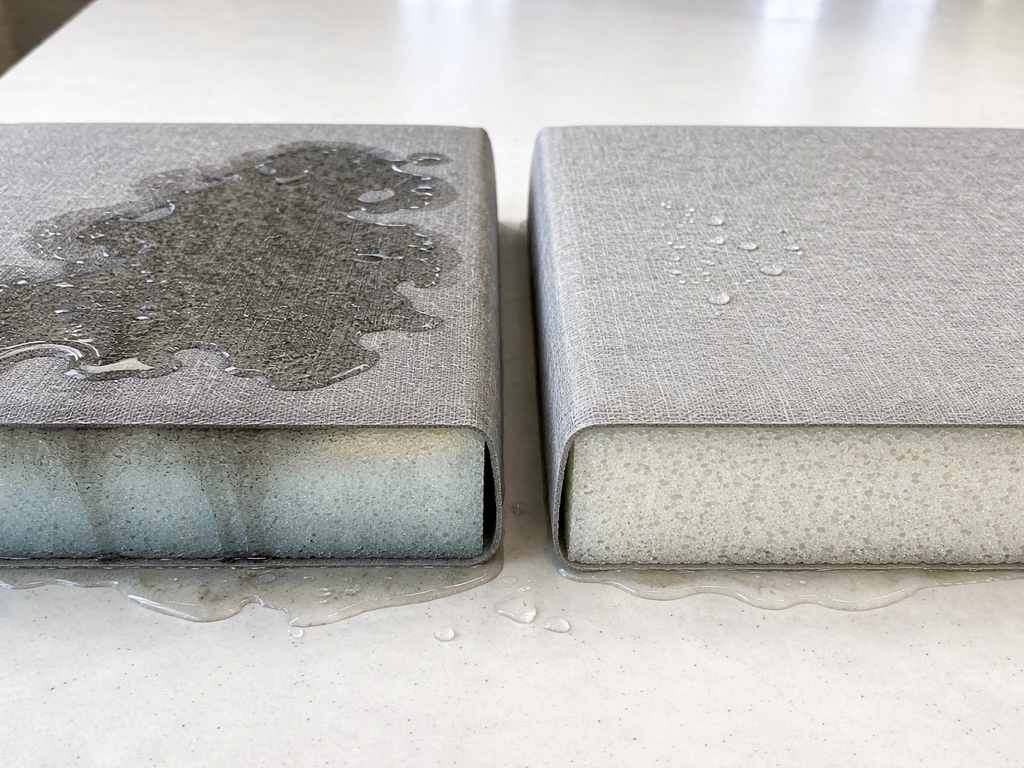
Cushions are the biggest point of failure in rainy climates and also the easiest thing to get right if you know what to look for. The problem with standard outdoor cushion foam is water retention. Ordinary foam can absorb water and stay damp for days, creating ideal conditions for mold, mildew, and odor. Quick-dry foam (also called reticulated or open-cell foam with drainage pathways) is designed so water drains through rather than being trapped inside.
If you specifically want the best patio furniture without cushions, focus on options like sling seating or cushion-free designs that avoid water retention altogether. In good sunlight and airflow, quick-dry cushions can be dry in one to three hours after a rain instead of sitting wet for a day or more. That's the difference between a cushion that stays usable and one that smells and grows mold by the end of summer.
For the fabric covering those cushions, solution-dyed acrylic (Sunbrella is the most recognized brand) is the standard to meet. The color is baked into the fiber, not applied to the surface, so it resists fading and doesn't give mold and mildew the foothold that cheaper printed fabrics do. Applying a fabric protector spray to solution-dyed acrylic cushions adds another layer of water and dirt repellency and makes cleaning easier.
Sling seating
For chairs and loungers, sling seating (a single piece of outdoor fabric stretched across an aluminum frame) is one of the best options for rainy climates. There's no cushion to retain water, the fabric dries quickly, and there's nothing to put away after a storm. Quality outdoor sling fabric handles wet conditions well and doesn't develop mold the way foam cushions can. If you want minimal rainy-season hassle on seating, sling chairs on aluminum frames are hard to beat.
Covers and ventilation
If you use a furniture cover, it must breathe. A sealed, non-breathable cover traps condensation underneath, which then sits against your frames and cushions in a warm, dark environment. That's exactly where mold and rust thrive. Look for covers with built-in vents or air panels that allow moisture to evaporate instead of pooling. And critically: never cover furniture that isn't dry. Covering damp furniture, even with a breathable cover, increases the condensation problem significantly.
What to actually buy for a rainy climate
Based on all of the above, here's how to think about your purchase depending on what you're shopping for.
- Dining set: Powder-coated aluminum frame with quick-dry foam cushions in solution-dyed acrylic fabric. This is the most practical, lowest-maintenance choice for a rainy climate. HDPE resin wicker dining sets on aluminum frames are a close second.
- Conversation/lounge set: Same frame and cushion criteria apply. For sofas and sectionals, prioritize quick-dry foam cushions and remove them or store them separately after heavy rain if possible.
- Chairs and loungers: Aluminum-frame sling chairs eliminate the cushion problem entirely. For loungers where you want padding, quick-dry foam is non-negotiable.
- Tables: Aluminum, teak, or recycled plastic. Glass tabletops can work but look for drainage gaps in the frame so water doesn't pool on the surface.
- If you want wood: Teak is the only wood I'd recommend for a genuinely rainy climate. Plan on seasonal indoor storage and keep cushions off the frame when not in use.
If you're also thinking about furniture you can permanently leave outside, or furniture that requires zero maintenance year-round, those are closely related decisions worth exploring alongside your rain-specific shopping. This guide focuses on the best patio furniture to leave outside by prioritizing moisture-resistant materials, quick-dry cushions, and breathable covers furniture you can permanently leave outside. The best rain-resistant furniture and the best low-maintenance furniture overlap significantly, but the criteria aren't identical.
What to avoid in wet weather
A few specific mistakes come up over and over in rainy climates, and they're worth naming directly because they're easy to make even when buying quality furniture.
- Standard (non-quick-dry) foam cushions: They absorb and retain water. In a rainy climate, this means mold, odor, and faster cushion breakdown. Upgrade to quick-dry foam.
- Non-breathable patio covers: Sealed covers trap condensation and accelerate the rust, mildew, and discoloration they're supposed to prevent. Always use a vented cover.
- Covering damp furniture: Covering anything that isn't fully dry creates a damp, sealed environment. Wait until everything is dry before covering.
- Cheap resin wicker (PVC-based): It cracks, fades, and degrades faster than HDPE. It's not a bargain if you're replacing it in three years.
- Natural wicker or rattan outdoors: Not designed for rain. It will swell, crack, and degrade. Keep it inside or on a fully covered, dry patio.
- Untreated wood other than teak: Pine, cedar, and most other woods used in budget outdoor furniture are far more vulnerable to moisture, rot, and swelling than teak. If you see a wood patio set that doesn't specify teak or eucalyptus, treat it with appropriate sealant or skip it.
- Abrasive cleaning on powder-coated surfaces: Power washing or using abrasive scrubbers on aluminum or steel frames damages the protective coating, leaving the metal exposed to moisture. Use mild soap, soft brush, and rinse with clean water.
- Cheap or corroding hardware: Zinc or low-grade galvanized screws and bolts will rust at joints even when the frame material itself is fine. Check hardware quality before buying.
- Storing cushions before they're dry: Sunbrella's own care guidance emphasizes this point. Cushions stored damp will mildew in storage. Always let them fully air-dry first.
A realistic maintenance plan for rainy-season durability
Rain-resistant furniture still needs some attention to reach its potential lifespan. The good news is that if you buy the right materials, the maintenance is straightforward and infrequent.
After rain events
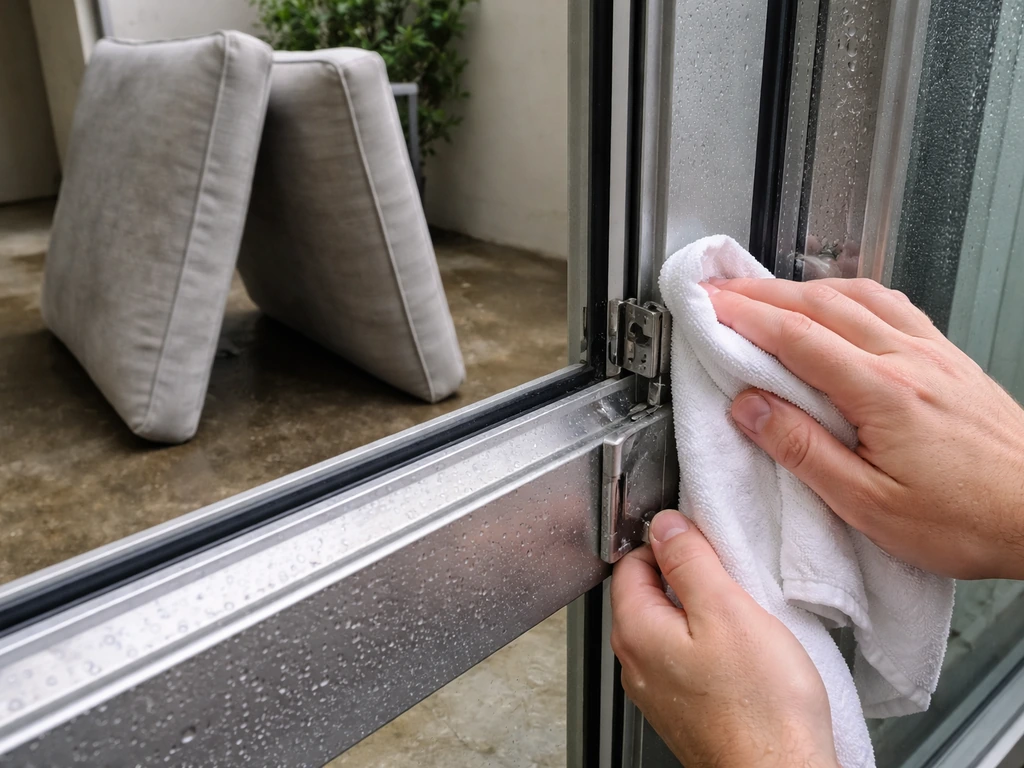
- Wipe down aluminum frames with a clean cloth to remove standing water, particularly at joints and hardware.
- Prop cushions on their edges or stand them upright to allow airflow through both sides. Quick-dry foam handles this faster, but circulation still helps.
- Don't cover furniture until frames and cushions are genuinely dry.
- If your table has a center umbrella hole, check that it's draining and not pooling water.
Regular cleaning (monthly or as needed)
- Frames: Mix mild dish soap with warm water. Wipe down with a soft cloth or soft-bristle brush, then rinse thoroughly with clean water and towel-dry. This applies to aluminum, HDPE wicker, and teak.
- Cushions: Brush off loose debris, then spot-clean with mild soap and water. For mildew, a solution of diluted white vinegar works well without harsh chemicals. Rinse thoroughly and allow to air-dry completely before replacing or storing.
- Apply a fabric protector spray to solution-dyed acrylic cushion covers every season to restore water repellency and inhibit mildew.
- Inspect hardware at joints and bolts for early signs of rust. Address any chips in powder coating promptly with touch-up paint before moisture gets in.
Seasonal storage and prep
- Store cushions indoors during the off-season, or year-round in consistently rainy climates. Make sure they're completely dry before storage.
- Teak frames benefit from indoor storage during winter months. A shed or garage is enough; you don't need a climate-controlled space.
- When covering furniture for the season, use only breathable, vented covers. Check covers periodically during extended wet periods and lift them to let any trapped condensation escape.
- For aluminum and HDPE resin wicker, year-round outdoor use is generally fine, but covering with a breathable cover reduces surface buildup and UV exposure.
Teak-specific care
If you want to keep teak's warm honey-brown color, apply a teak oil or sealant once or twice a year. If you prefer the silver-gray weathered look, leave it untreated and simply clean it with mild soap and water when needed. Either approach is fine for rain resistance; the oil just affects appearance. What does matter for longevity: bring the frames inside for winter, and always remove cushions from the frame rather than leaving them sandwiched against the wood surface where moisture can accumulate between the two.
The short decision path
If you want the most rain-proof patio furniture with the least ongoing work: go with a powder-coated aluminum frame paired with quick-dry foam cushions in solution-dyed acrylic fabric, use a vented breathable cover, and store the cushions indoors when not in regular use. If you want the best maintenance-free patio furniture, prioritize powder-coated aluminum or recycled plastic lumber with quick-dry cushions and a breathable cover. That combination handles rainy climates better than anything else at most price points, and maintenance is measured in minutes, not hours.
If you want the look of wicker, choose a quality HDPE resin wicker set on an aluminum frame, same cushion criteria apply. If you want the warmth of natural wood and you're willing to do seasonal storage, teak earns its higher price in wet climates. And if you want to spend as little time thinking about your furniture as possible, recycled plastic lumber is genuinely close to zero-maintenance, even if the aesthetic is more utilitarian. Any of these, bought with attention to cushion quality and cover breathability, will outlast cheaper alternatives in a rainy climate by years.
FAQ
Do I need a patio cover in a rainy climate if my furniture is “rain resistant”?
Not necessarily. If you have a fully covered patio (roof overhang) and the furniture dries quickly between storms, you can often skip the cover. Covers matter most when rain plus high humidity or intermittent drizzle keeps surfaces damp for long stretches. If you do cover it, only cover after the furniture is fully dry and choose a breathable style with vents or air panels.
How soon after a storm should I cover outdoor furniture?
It can. Foam cushions are often the slow-drying element, even with quick-dry designs. After a heavy rain, check that cushions are not staying swollen or cold-to-the-touch before covering. If you routinely cover right after storms, you may trap moisture and reduce lifespan.
What should I look for in the construction details beyond the main frame material?
For the best results, prioritize powder-coated aluminum or HDPE resin wicker, then use stainless steel fasteners and tight joint design (less open seam space where water can collect). If the set has removable cushions, look for a frame design that keeps cushions from being tightly sandwiched against metal or wood.
Can I use fabric protector spray on outdoor cushions, and will it help in constant rain?
Yes, but with a key caveat: only use a protective treatment that matches the fabric type. Solution-dyed acrylic can benefit from a fabric protector for extra beading and easier cleaning, but avoid untested sprays that can affect breathability or leave sticky residues. If the product is not specifically compatible with solution-dyed acrylic, skip it.
Should I store the cushions indoors even if the frame is aluminum or HDPE?
In many rainy climates, you should plan to bring cushions indoors when they will not be used for a while, especially during winter or extended wet spells. Even quick-dry foam can stay damp if airflow is limited and condensation forms under a cover. Cushions that remain in place also raise the risk of mildew odor.
What’s the safest way to clean powder-coated aluminum in wet weather?
Powder-coated aluminum is generally resistant to corrosion, but abrasive cleaning can still damage the coating and expose vulnerable spots. Avoid pressure washing and harsh scrubbing, and instead use mild soap, rinse thoroughly, and towel-dry if possible after cleaning to prevent water sitting in textured areas.
If I’m choosing between sling chairs and cushion seating, which is better for heavy rain?
Pick based on drying time. If your area gets frequent rain with low sun and limited airflow, sling seating and cushion-free designs often outperform cushion sets because there is less water retention. If you do choose cushions, choose quick-dry, open-cell foam with drainage pathways and solution-dyed acrylic.
Can I use steel or wrought iron patio furniture outdoors during rainy months without constant upkeep?
Yes, but expect more maintenance. Steel can rust if chips or scratches occur and moisture reaches the metal at seams and welds. If you go with steel or wrought iron, check welds and hardware points after storms, and touch up any chips quickly before rust starts.
Is natural wicker or rattan ever a good choice for a rainy climate?
It depends on whether your “rain” is direct exposure and how windy it gets. Natural wicker and rattan usually fail fastest under direct rainfall because they absorb water and degrade, even if the patio is covered but exposed to side rain. If rain hits them directly or splash-back is common, they are usually a poor match for rainy climates.
What are the most common cushion and cover mistakes that cause mildew?
Yes. For quick-dry cushions, look for drainage-friendly construction (open-cell or reticulated foam, internal pathways) and ensure covers are breathable and kept slightly lifted so air can circulate. For covers, also confirm they prevent water pooling at seams, since pooled water defeats breathability.
Next Articles
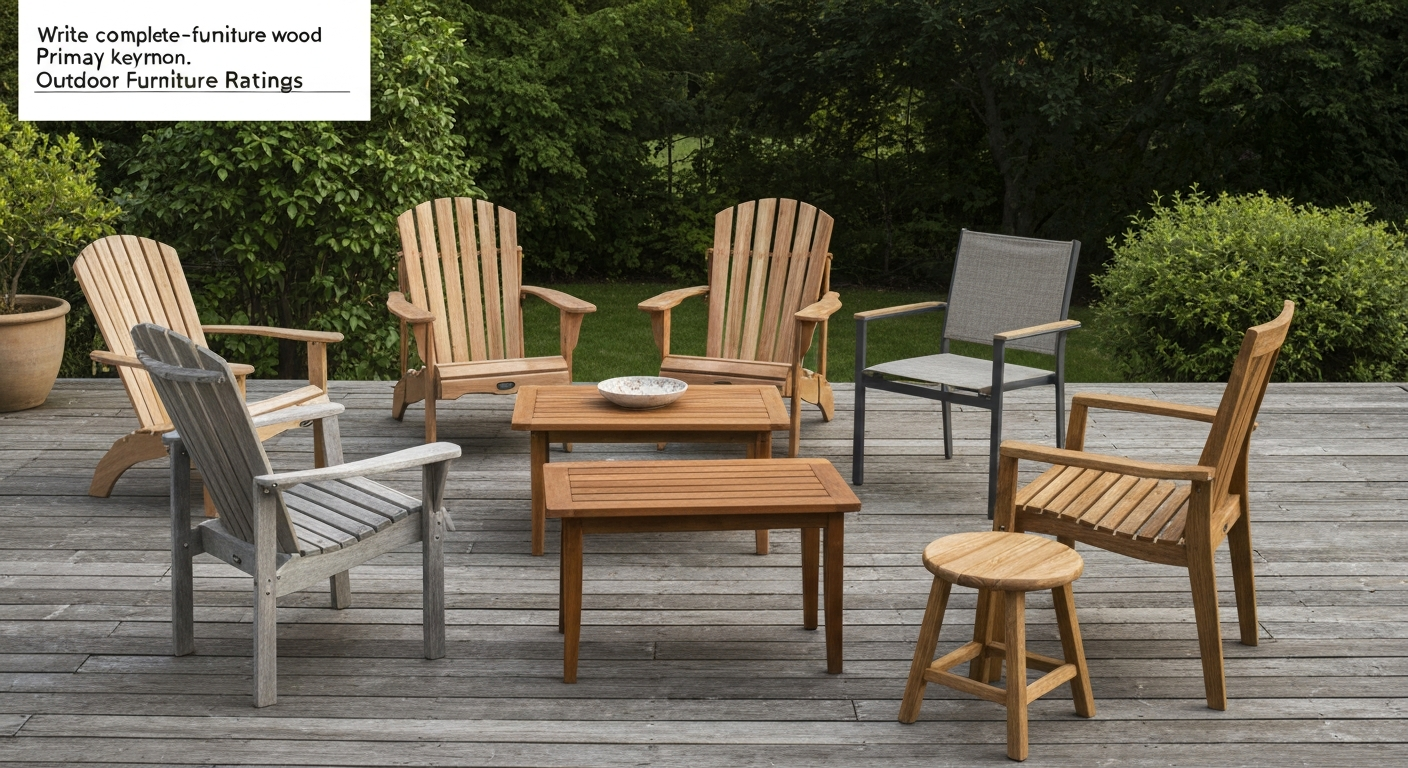
Common Patio Furniture Wood: Best Choices, Care & Tips
Compare common patio furniture wood types, teak, cedar, redwood, oak, with durability, finishes, and care tips.
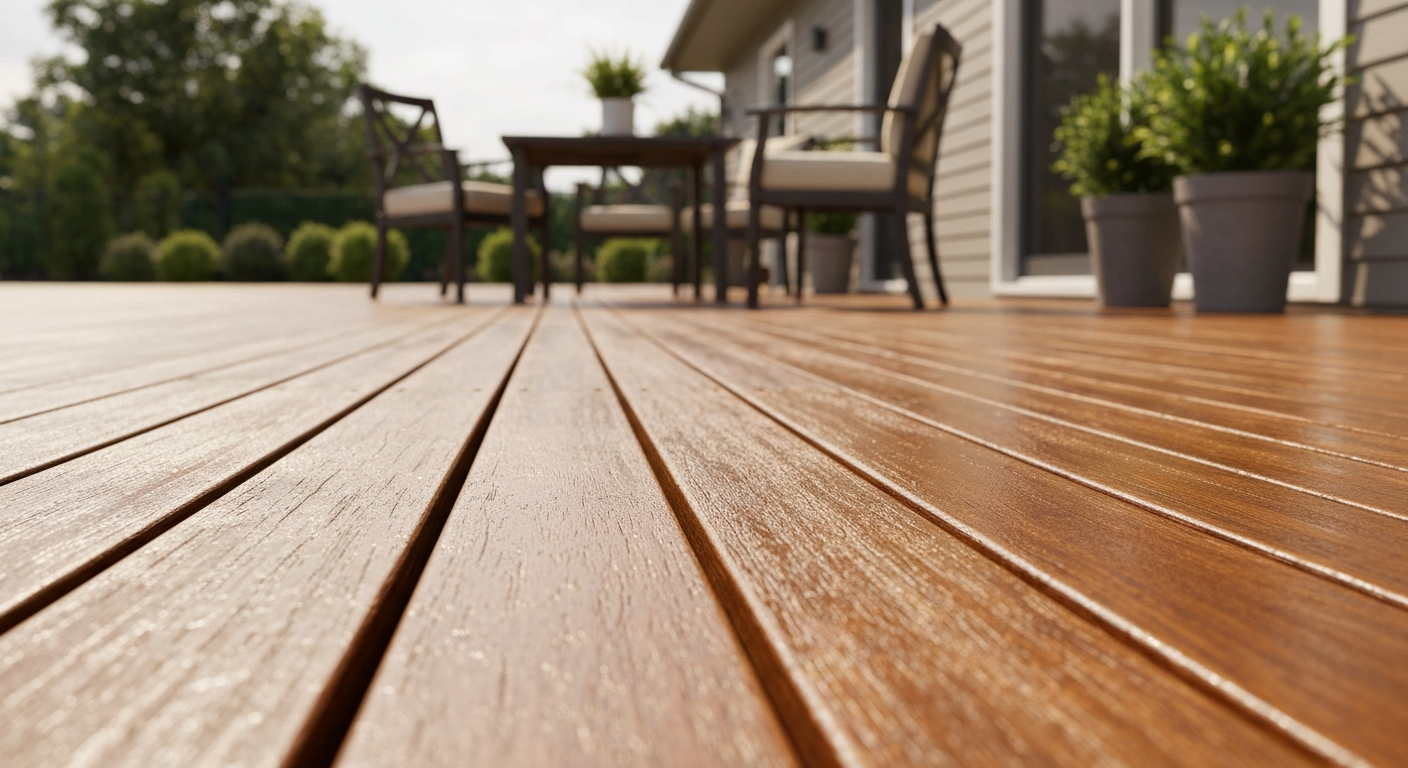
Best Wood Patio Stain: Choosing Durable, Low-VOC Finishes
Compare and choose the best wood patio stain: durability, finish, climate tips, prep, and top product picks.
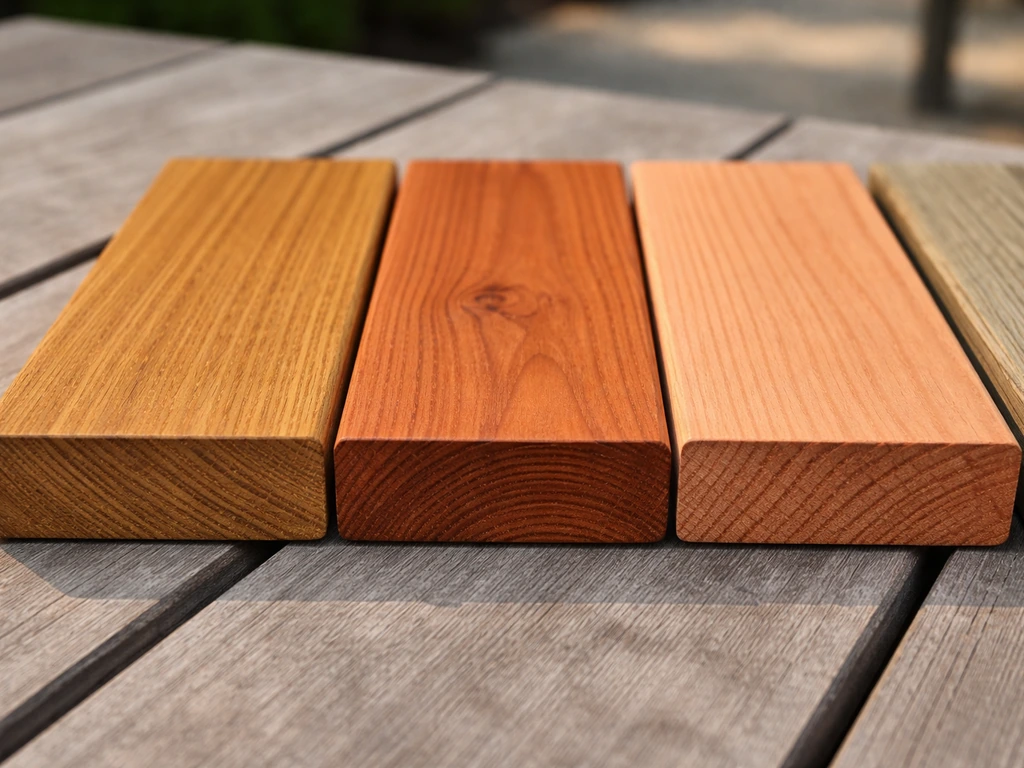
Common Patio Furniture Wood: Teak, Cedar, Redwood and More
Compare common patio woods like teak cedar redwood and pressure-treated: durability, quality checks, and care for long l