
The best patio furniture for a pea gravel patio combines wide, stable bases with durable all-weather materials. Powder-coated aluminum and high-density polyethylene (HDPE) composite are your top choices because they resist moisture, don't corrode, and stay light enough to reposition without tearing up the gravel. Pair them with wide rubber or silicone leg pads and you have a setup that stays put instead of rocking and sinking every time someone sits down.
Best Patio Furniture for Pea Gravel: Stability and Picks

Theo Tierney
8 Jun 2026
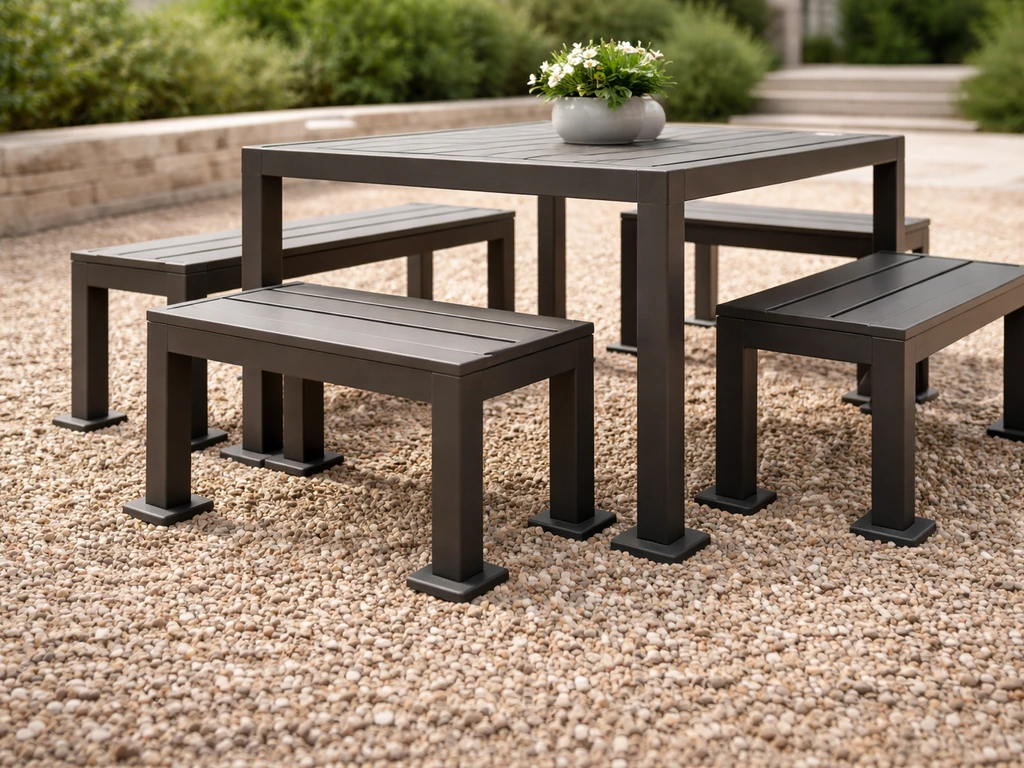
How pea gravel changes what 'best' actually means
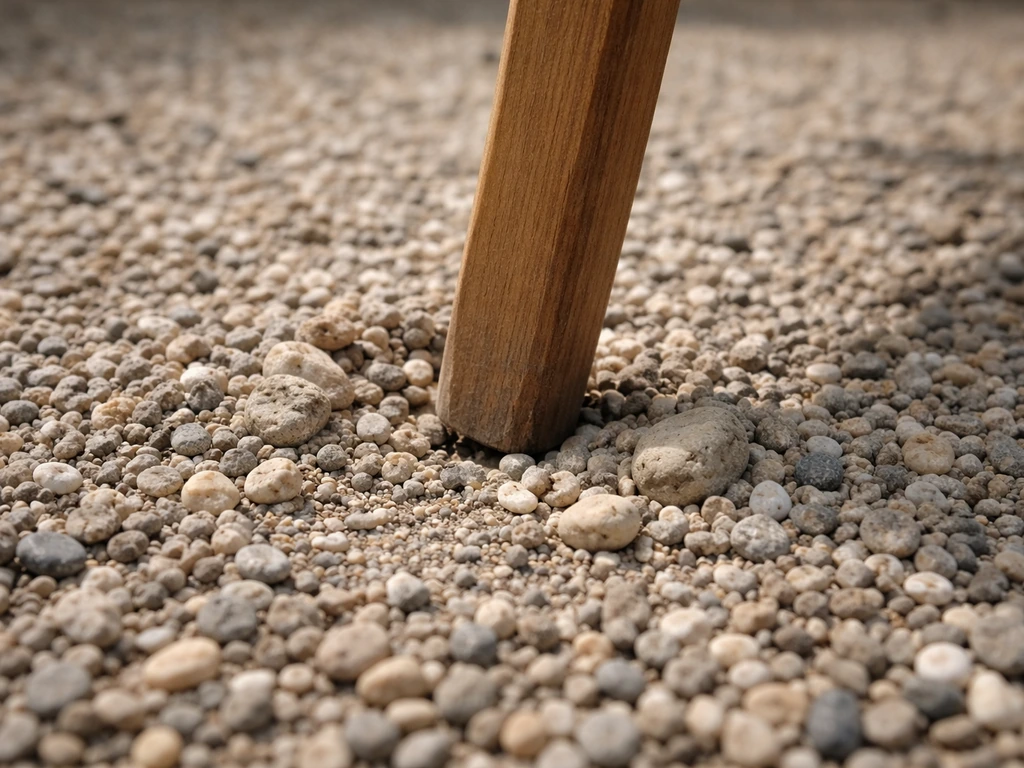
Pea gravel is one of the most forgiving surfaces to walk on barefoot, but it is genuinely difficult for furniture. The round, loose stones shift under point loads, so the thin legs that look elegant on a concrete patio turn into wobbly stilts on gravel.
An additional paver-grid perspective also notes that angular or crushed aggregate interlocks for stability, while pea gravel can feel harsher under bare feet even though it performs better under heavier furniture loads crushed or angular aggregate interlocks for stability. Over a season, those legs sink, tilt, and migrate as the gravel moves around them.
You end up with a table that rocks every time someone sets a drink down, or chairs that slowly drift apart because the gravel keeps reshuffling.
The depth of your gravel layer matters more than most people expect. A layer around 2 to 2.5 inches is manageable for furniture. Go deeper than 3 inches and sinking becomes a real problem because there is simply more loose material to displace under a load. If your gravel is already too deep in spots, raking it back before you set furniture is worth the ten minutes it takes.
The other hidden issue is gravel migration. Without edging or a border to contain it, gravel gradually redistributes, especially under and around furniture that gets moved regularly. Lowe's pea gravel installation guidance specifically recommends edging restraints to keep gravel contained, and that same principle applies directly to furniture stability. Loose gravel that migrates away from under a chair leg is the first step toward a wobbly, unlevel chair.
So 'best furniture for pea gravel' really means: furniture with wide base contact, the right leg-end treatment, materials that don't mind being repositioned occasionally, and a frame that won't corrode from the moisture that tends to collect in gravel beds after rain.
The best furniture materials for a pea gravel patio
Not all materials perform equally on gravel, and the differences go beyond aesthetics. Here is how each main category actually holds up.
Powder-coated aluminum: the practical top pick
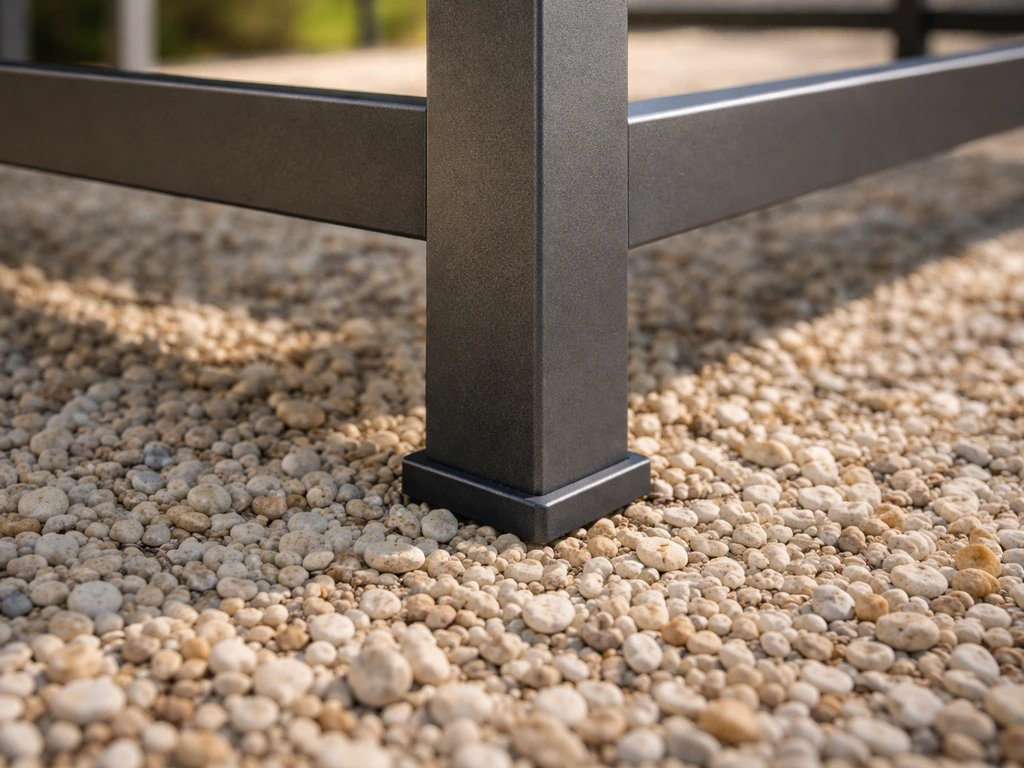
Powder-coated aluminum is the material I'd recommend to most homeowners for a gravel patio. The frames are light enough to reposition without destroying your gravel surface, they don't rust from the constant moisture exposure that comes with a gravel bed, and the powder coat resists UV fade and corrosion well. The coating does matter though: a quality powder coat is UV-resistant and moisture-resistant, and it is worth checking warranty language.
One important caveat from real-world use: if the powder coat gets scratched through to the bare metal, especially near the feet where gravel contact is constant, you can get rust starting at those points. Inspect the feet and lower frame sections each spring and touch up any chips with a matching outdoor spray paint before rust gets a foothold.
HDPE composite: the set-it-and-forget-it option
High-density polyethylene (HDPE) composite furniture, the kind brands like POLYWOOD make, is essentially impervious to moisture, rot, and insects. It doesn't rust, doesn't need sealing, and handles freeze-thaw cycles without cracking. The trade-off is weight: HDPE furniture is heavier than aluminum, which actually works in its favor on gravel because the additional mass helps resist shifting in wind. The downside is that repositioning a heavy HDPE table by yourself is genuinely awkward. For a pea gravel patio where you plan to keep furniture in roughly the same spot, that's rarely a problem.
Teak and hardwood: beautiful but demanding
Teak is the gold standard of outdoor wood because its natural oils resist rot and moisture in a way that other woods simply don't match. A quality teak set placed on pea gravel will last decades if maintained. The problem on gravel is the foot contact: wood legs sitting in the moisture-trapping gravel environment will start to degrade at the base over time, even with teak, if the feet sit in wet gravel regularly after rain.
Using wide wooden or rubber foot caps helps here. Teak is also expensive and heavy, which limits how often you'll want to rearrange it. If you love the look and are willing to do an annual oil treatment, teak rewards the effort. Other tropical hardwoods like shorea or eucalyptus are cheaper alternatives, but their rot resistance is meaningfully lower than teak's.
Synthetic resin wicker: good if you buy right
Natural rattan wicker is a poor choice for a gravel patio. It needs protection from both sun and moisture, and a pea gravel environment offers plenty of both. Synthetic resin wicker (also called all-weather wicker or PE wicker) is engineered to handle UV and water exposure, but quality varies enormously. The key specs to look for are UV stabilization in the fiber itself and a rust-resistant frame underneath, typically aluminum or powder-coated steel.
If the frame rusts, it doesn't matter how good the wicker weave is: the furniture fails from the inside out. Weekly brushing with a soft brush and mild soapy water keeps debris from working into the weave. On gravel, pay extra attention to the lower sections of resin wicker legs and skirts, where gravel dust and moisture accumulate.
| Material | Rust/Rot Risk on Gravel | Weight (Stability vs. Mobility) | Maintenance Level | Best Climate Fit |
|---|---|---|---|---|
| Powder-coated aluminum | Low (check feet annually) | Light (easy to move) | Low | Most climates |
| HDPE composite | None | Heavy (stable in wind) | Very low | All climates including freeze-thaw |
| Teak hardwood | Low rot, some foot wear | Medium-heavy | Moderate (annual oil) | Humid, mild, rainy |
| Synthetic resin wicker | Depends on frame material | Medium | Low-moderate | Mild to hot, dry or humid |
| Natural rattan/wicker | High | Light | High | Not recommended outdoors on gravel |
| Painted steel | High at scratched feet | Heavy | Moderate (touch-up paint) | Dry climates only |
Footing, stability, and keeping furniture from sinking
This is the section most buyers skip, and it's the one that actually determines whether your furniture stays usable after a few months on gravel. The physics are straightforward: a narrow leg concentrates all the furniture's weight plus occupant weight onto a tiny contact patch, which punches straight into loose gravel. A wide foot or pad spreads that same load over a larger area, reducing sinking dramatically.
Wide rubber and silicone foot pads
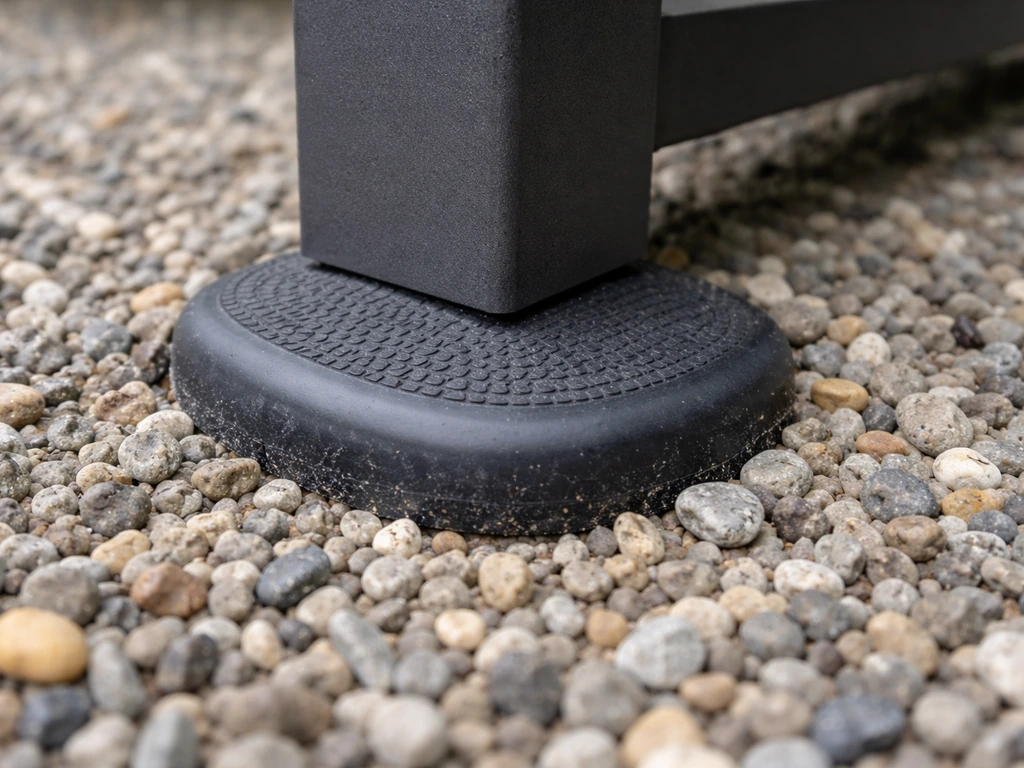
Rubber and silicone leg pads are the simplest and cheapest stability upgrade you can make. POLYWOOD's guidance recommends them explicitly for their furniture, noting that the pad needs to provide adequate support for the actual weight it will carry. On gravel, I'd size up from whatever you'd use on a deck: look for pads at least 1.5 to 2 inches in diameter for chair legs, and 2 to 3 inches for table legs. Silicone pads grip gravel better than plastic glides and don't deteriorate as fast as cheap felt. Replace them annually or when they start to compress noticeably.
Adjustable leveling feet
Adjustable screw-in leveling feet are the solution for furniture that wobbles because the gravel surface isn't perfectly flat. They thread into the bottom of each leg independently, so you can dial each leg to the exact height needed to get a stable, level feel even when the gravel underneath isn't uniform. Look for stainless steel versions rated for outdoor use: cheaper zinc versions corrode quickly in a damp gravel environment. These are especially useful for dining tables where a wobbly surface is particularly annoying.
Gravel grid systems
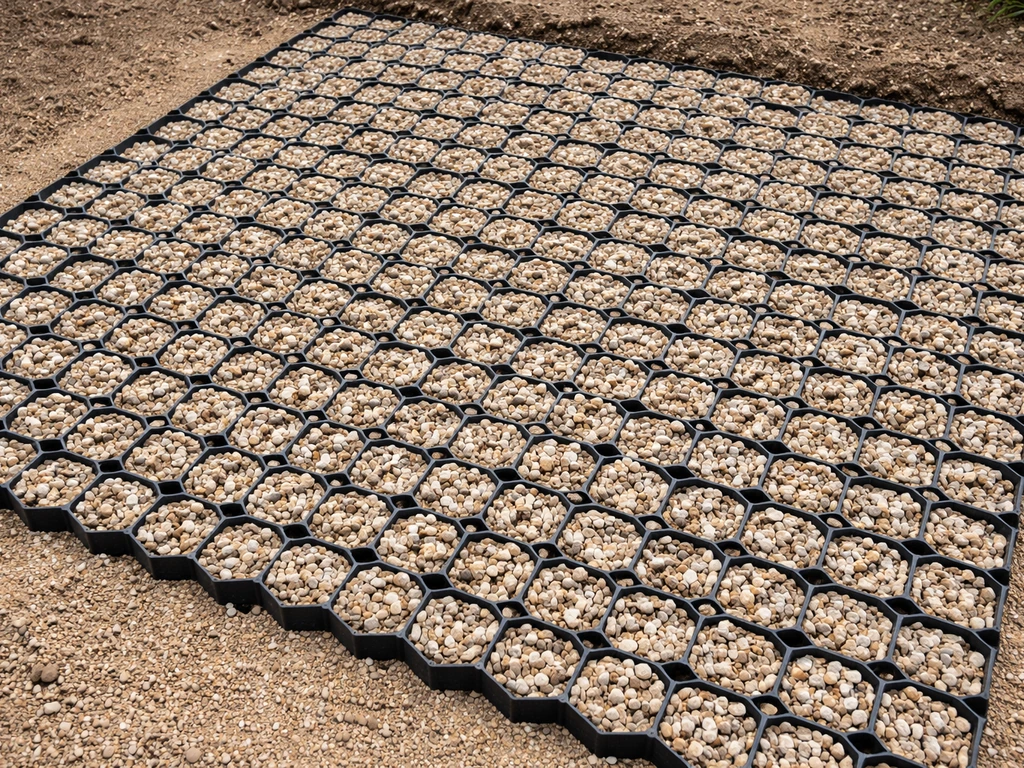
For a longer-term fix, a gravel grid (also called a paver grid or geo grid) installed under your pea gravel is the most effective structural solution. These plastic honeycomb-style grids sit on a compacted base and the pea gravel fills the cells, which stops individual stones from migrating under point loads. Furniture legs hit a stabilized gravel surface rather than a shifting pile. It also keeps gravel from scattering away from under your furniture over time. If you're planning a new pea gravel area or are willing to rake out an existing one, installing a grid is a worthwhile one-time investment that improves every aspect of a gravel patio.
Spot pavers under furniture legs
The simplest DIY solution that doesn't require redoing the whole patio: set a flat paver or flagstone under each furniture leg. A 12-inch square concrete paver under each leg of a dining table gives you a solid, non-sinking bearing surface without changing the look of the patio significantly. Use pavers that are thick enough (at least 1.5 inches) that they don't flex under load, and level them by raking the gravel underneath before setting them. The gravel will slowly migrate back around them and hold them in place reasonably well.
Weather resistance and maintenance by climate
Pea gravel patios exist in every climate, and the right material for a humid Florida backyard is different from what works best in a dry Arizona setup. If you are specifically planning a dry Arizona setup, you can also use this guide to narrow down the best patio furniture for arizona based on UV exposure and frame materials. The gravel itself stays relatively neutral across climates, but the moisture dynamics change significantly.
Hot, dry climates (desert Southwest, similar to Arizona and Las Vegas)
Pea gravel patios are extremely popular in desert climates because the surface handles heat and drought well. In desert climates, the best patio furniture for hot, dry conditions is typically UV-resistant aluminum or well-specified all-weather resin wicker. For furniture, UV exposure is your primary enemy. Powder-coated aluminum frames hold up well because the coating resists UV degradation.
For Vegas patios specifically, prioritize UV-resistant, powder-coated frames and breathable, all-weather materials so your furniture stays comfortable and durable in the desert heat best patio furniture for las vegas. Resin wicker is acceptable in dry heat if the UV stabilization in the fiber is high-quality, but cheap resin wicker fades and becomes brittle within two or three seasons in intense desert sun. HDPE composite handles UV well but can get uncomfortably hot to the touch in direct afternoon sun.
Cushion fabrics should be solution-dyed acrylic (like Sunbrella) to resist UV fade. In these climates, furniture maintenance is mostly about cleaning dust and keeping gravel from packing into joints.
Humid climates (Southeast, Gulf Coast)
High humidity and frequent rain make corrosion and mold the main concerns. Powder-coated aluminum and HDPE composite are both excellent here because neither rusts or rots. Avoid painted steel entirely in humid climates: the feet sit in damp gravel after every rain and the coating fails quickly. Teak is the best wood option if you want natural material, but it still needs annual oiling to maintain its oils in high-rain environments. Resin wicker is workable but check the frame carefully: many mid-range resin wicker sets use a steel inner frame that rusts when the weave is repeatedly wet. Look for an aluminum inner frame if you're buying resin wicker for a humid-climate gravel patio.
Freeze-thaw climates (Mountain West, Northern states, similar to Colorado)
Freeze-thaw cycles are hard on materials. Water gets into small cracks, freezes, expands, and causes damage that compounds over years. HDPE composite is the best material for freeze-thaw climates because it doesn't absorb water and won't crack. Powder-coated aluminum handles it well too as long as the coating is intact.
Teak's natural oils give it reasonable freeze-thaw resistance, but bare wood exposed at joints and the feet is a vulnerability. Store cushions inside during winter regardless of material. On a pea gravel patio in a snowy climate, be aware that freeze-thaw also affects the gravel base: the ground heaves, which can shift furniture position and tilt table and chair feet over winter. Plan to re-level everything at the start of each season.
Maintenance by material: realistic annual checklist
- Powder-coated aluminum: Inspect feet and lower frame for chips each spring, touch up with matching outdoor spray paint, wipe down with mild soap and water twice a season.
- HDPE composite: Wash with soap and water or a diluted bleach solution for mold; no sealing or oiling needed. Check leg pads annually.
- Teak: Oil once a year with teak oil or a marine-grade teak sealer; sand lightly before oiling if the surface has gone gray and rough.
- Resin wicker: Brush weekly with a soft brush and mild soapy water to prevent debris buildup in the weave; inspect the frame underneath for rust spots annually.
- All materials on gravel: Rake gravel back under furniture feet each spring, replace leg pads if compressed, and re-level with adjustable feet after winter ground heave.
Best seating and table configurations for pea gravel patios
Configuration matters almost as much as material on a gravel surface. The way furniture connects to the ground, how many contact points it has, and how much load each contact point carries all affect how well it will perform on loose aggregate.
Dining sets: go with a pedestal or X-base table
A traditional four-leg dining table has four narrow contact points, each of which needs to be independently stable on gravel. A pedestal-base or X-base table replaces that with a single wide base or two wide cross supports, which distributes weight more evenly and is far less likely to wobble on uneven gravel. If you prefer a four-leg table, look for one with legs that flare outward at the base (sawhorse or A-frame style) rather than straight vertical legs, which gives you a wider stance and better resistance to tipping. Pair any dining table with the spot-paver approach described earlier.
Dining chairs: sled base or wide-leg designs
Sled-base chairs, which have two continuous runners instead of four individual legs, distribute weight along a long contact area rather than four points. They're the most stable chair design on any soft or loose surface. If you prefer traditional four-leg chairs, look for legs that are spread wide and taper outward at the foot rather than straight vertical designs. Stackable aluminum cafe-style chairs with wide-flared legs are a practical and inexpensive option that works surprisingly well on gravel with silicone pad additions.
Lounge chairs and sectionals
Chaise lounges and sectional pieces typically have long rectangular bases or multiple close-set legs, which actually works in your favor on gravel because the load gets spread across more contact area. The bigger issue with lounges on gravel is that they sink unevenly over the course of a summer and end up tilted. Re-leveling every few weeks during peak season is realistic.
Modular sectional pieces are particularly tricky because each module needs to be individually stable and they need to stay aligned. On gravel, a modular sectional tends to drift apart. Consider using a large outdoor rug under a sectional to both prevent sinking and keep pieces aligned, then set the sectional on the rug rather than directly on the gravel.
Side tables and fire pit tables
Small side tables on gravel are a constant nuisance if they have skinny legs. A drinks table with three or four thin legs will wobble on gravel and tip easily. Look for side tables with a low center of gravity and a wide, flat base, similar to a drum or barrel style. Heavy cast aluminum or concrete side tables are inherently more stable because their weight resists tipping. Fire pit tables are generally fine on gravel because they tend to have wide, heavy bases, but make sure there's at least 3 feet of clear gravel around the base and that the base sits level before lighting.
Furniture types to avoid on pea gravel
- Hairpin-leg furniture: the thin tapered steel rods sink directly into gravel and wobble badly under any load.
- Furniture with very small rubber feet (under 1 inch diameter): the small contact area negates any stability benefit from the foot.
- Natural rattan or wicker: it cannot handle the moisture exposure from a gravel environment.
- Painted steel frames without powder coating: the paint at the feet scratches on gravel immediately and rust starts within a season.
- Tall, narrow bistro-style tables: high center of gravity plus narrow base is a stability problem even on flat surfaces, and it's worse on gravel.
Buying checklist, sizing, and setup tips
Use this before you buy anything. It covers the questions that prevent the most common mistakes on pea gravel patios.
Before you buy
- Measure your gravel depth. If it's deeper than 3 inches in the furniture zone, rake it back to 2 to 2.5 inches before setting any furniture.
- Check for edging and containment around your pea gravel area. If gravel can migrate out freely, add a metal or plastic border edge before setting furniture.
- Decide whether you want to install a gravel grid or spot pavers under furniture legs. Budget for this before buying the furniture itself.
- Identify your climate's primary challenge: UV in a hot dry climate, humidity and corrosion in a wet climate, or freeze-thaw in a cold climate. Let that drive your material choice.
- Look at the actual leg design of any furniture you're considering. Favor wide bases, flared legs, sled bases, and pedestal tables over narrow vertical legs.
- Check what foot hardware is included and whether the frame accepts aftermarket screw-in leveling feet. If it doesn't accept levelers and only has small plastic glides, factor in the cost of upgrading.
- For resin wicker sets, ask or look up what material the inner frame is made of. Aluminum inner frame is the right answer; steel inner frame is a compromise you'll regret in a damp environment.
Sizing guidance
On a gravel patio, leave more clearance around furniture than you would on a hard surface because repositioning chairs and moving around the table disturbs the gravel and widens the disturbed zone over time. Allow at least 3 feet of clearance on all sides of a dining table for chair pull-out, and at least 4 feet if you'll be walking around the table regularly. For a lounge zone, leave 2 feet between chaise lounges and at least 3 feet between a lounge grouping and any dining zone. A 6-person dining table typically needs a minimum 12-by-14-foot zone to function comfortably on gravel when you factor in chair movement.
Setup steps for a stable result
- Rake the gravel in your furniture zone flat and level before placing any piece. A 4-foot level is helpful here.
- If using spot pavers under legs, set each paver in the gravel and tap it down until it sits flush and doesn't rock. Use a level across the top of adjacent pavers to confirm they're at the same height.
- Attach silicone or wide rubber leg pads to all feet before setting the furniture down. This prevents immediate sinking on the first placement.
- Set the furniture in position and check it for level with a small torpedo level placed on a tabletop or seat surface.
- If any leg is high or low, use adjustable screw-in leveling feet to dial in each leg individually until the piece is stable with no rocking.
- Sit in each chair and press down on each corner of the table to confirm nothing rocks or sinks under load.
- Mark or photograph the placement so you can quickly re-set everything after cleaning or seasonal storage.
- Check stability again after the first major rainstorm, since wet gravel settles differently and will often cause small position changes in the first season.
Pea gravel patios reward the homeowners who solve the stability problem up front rather than fighting it all season. Get the foot hardware right, keep your gravel depth in check, and choose a frame material that fits your climate, and this is genuinely one of the more low-maintenance patio setups you can build. If you are comparing options for a lawn or grass yard, the same stability and material choices usually lead you to the best patio furniture for grass. The gravel itself handles drainage, weed suppression, and barefoot comfort better than most hard surfaces, and well-chosen furniture turns that practical base into a space that lasts.
FAQ
Will furniture still be stable on pea gravel if I don’t add edging or a border around the patio?
It can be stable at first, but it will gradually worsen. Without a containment edge, gravel can migrate away from under legs and along furniture movement paths, so even wide pads and aluminum frames start to lose level. If you can’t edge the whole patio, at least contain the area directly under each table and chair zone with paver slabs, a small gravel grid section, or a narrow border ring.
How can I tell whether my pea gravel is too deep or too loose before buying furniture?
Do a quick bearing test: place a 2x4 block on the spot you’d use most, then stand on it with your weight. If the gravel visibly compresses and you see a clear indentation that doesn’t spring back quickly, you have too much loose fill or too shallow compaction. Also check for “pumping” when you shift your feet, that’s a sign point loads will sink furniture over time.
Is it better to buy furniture with adjustable feet or to level the gravel itself?
Either can work, but adjustable feet are a patch for unevenness, not for unstable gravel. If the gravel surface is loose or uneven in multiple directions, leveling feet will not stop migration, they just delay wobble. Best approach is to rake and compact the surface (or add a grid), then use adjustable feet only to fine-tune height.
Can I use furniture glides like I would on a concrete patio?
Usually no, not for chair legs. Standard plastic glides reduce traction, so chair legs can skate and shift gravel, and they still concentrate load if the foot is small. For pea gravel, prioritize wide rubber or silicone pads (and replace cheap felt quickly), or use a paver/flagstone under each leg for true non-sinking support.
What is the minimum pad size I should look for if my chairs wobble on gravel?
Use bigger than deck-style pads. A practical rule from the best-performing setups is roughly 1.5 to 2 inches diameter for chair legs and 2 to 3 inches for table legs, with silicone typically gripping better than plastic. If your chair still rocks after swapping pads, your leg bases are likely too narrow or your gravel surface is too loose, and you may need paver points or a gravel grid.
How often should I re-level furniture on pea gravel, and what’s the sign I’m overdue?
Expect more adjustment during heavy use seasons, often every few weeks for items like chaise lounges that sit and shift. You’re overdue when you notice a persistent rock at rest (not just when you first sit), drinkware sliding slightly, or chair spacing changing because the gravel has redistributed under one or more legs.
Do I need to remove cushion fabrics and store them in winter even with all-weather furniture?
Yes, at least cushion inserts should be stored or fully protected. Even if the frame resists moisture, cushions can trap water in seams and degrade faster during freeze-thaw or repeated wetting. Also clear gravel dust from chair legs and pad surfaces before covering, so grit doesn’t wear through coatings over time.
Is teak always a bad idea on pea gravel, or can I make it work?
Teak can work, but foot contact is the weakness. If teak legs sit directly in damp gravel regularly after rain, the base can degrade over time even though teak resists rot well. To make it last, use wide wood or rubber foot caps, ensure drainage under the set is good, and avoid leaving legs buried in deep gravel where moisture stays longer.
How do I choose between aluminum, HDPE, and resin wicker for my climate specifically?
Match material to the dominant threat. For humidity and frequent rain, powder-coated aluminum and HDPE usually outperform painted steel and many wicker frames, because they resist rust and rot. In hot, dry climates, UV resistance is the priority, choose UV-stable powder coating and solution-dyed acrylic cushions, and avoid low-UV resin wicker that turns brittle quickly.
Will a gravel grid under the patio solve the furniture issue even if my patio is older?
It can, especially if the problem is gravel migration from under point loads. A grid works best when installed over a properly compacted base, and pea gravel fills the cells tightly. If you’re doing a partial upgrade, consider installing a grid under the furniture zones first (dining area, lounge area) rather than redoing the entire patio surface.
What’s the safest way to add pavers under furniture legs without making a mess?
Use the paver point method: rake back gravel under each leg, set a level paver or thick flagstone, then reposition the furniture and lightly rake gravel back around it without forcing it up under the leg. Choose thickness around 1.5 inches or more so the paver doesn’t flex. After a few weeks, top up any gaps around paver edges if gravel settles.
How much clearance should I leave around furniture, and does it differ for dining versus loungers?
Dining typically needs more clearance because chair pull-out disturbs a larger circle of stones over time. As a baseline, plan about 3 feet clearance on all sides of a dining table, and closer to 4 feet if you move around frequently. For chaise or lounge groupings, allow around 2 feet between adjacent chaises and at least 3 feet between a lounge zone and a dining zone to reduce gravel churn.
Are fire pit tables safe on pea gravel, and what extra precautions do I need?
They’re generally workable because their bases are wide and heavy, which helps stability. Still, confirm the base sits level before lighting, keep at least about 3 feet of clear gravel around the fire pit base, and avoid overheating any underside components that might touch trapped moisture or dust. If your fire pit table wobbles, fix the support first with level pavers under legs or adjust the base position.
Next Articles
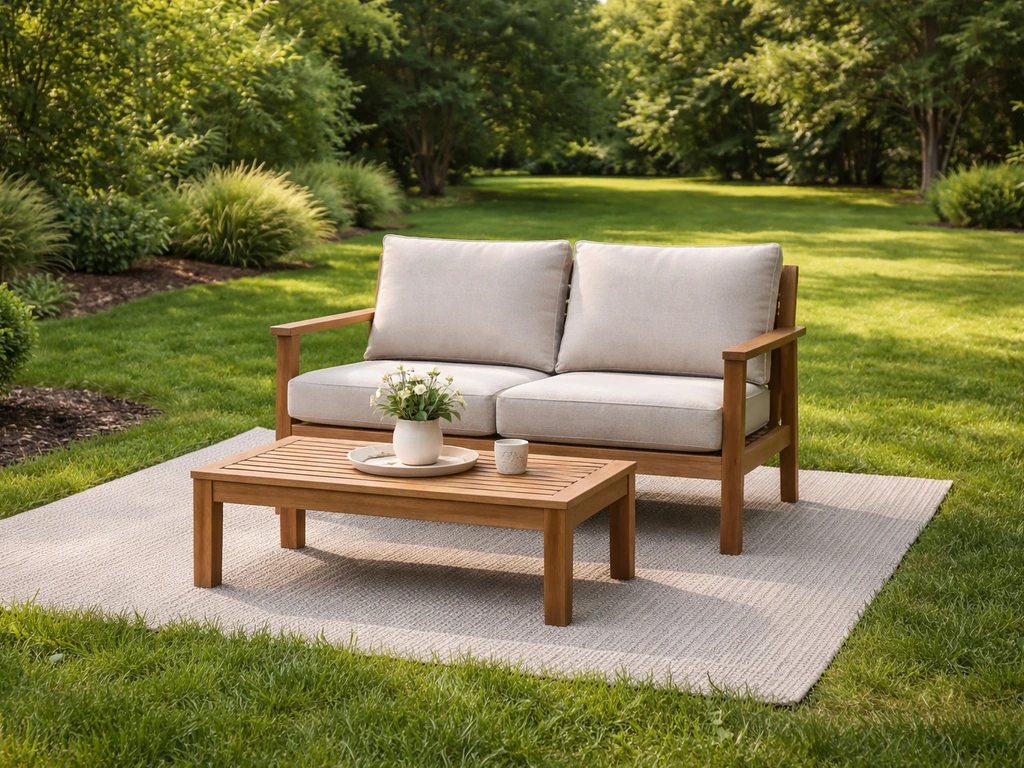
Best Patio Furniture for Grass: Buyer Guide and Tips
Choose patio furniture that stays stable on grass: materials, climate tips, anti-mold care, and layout planning.
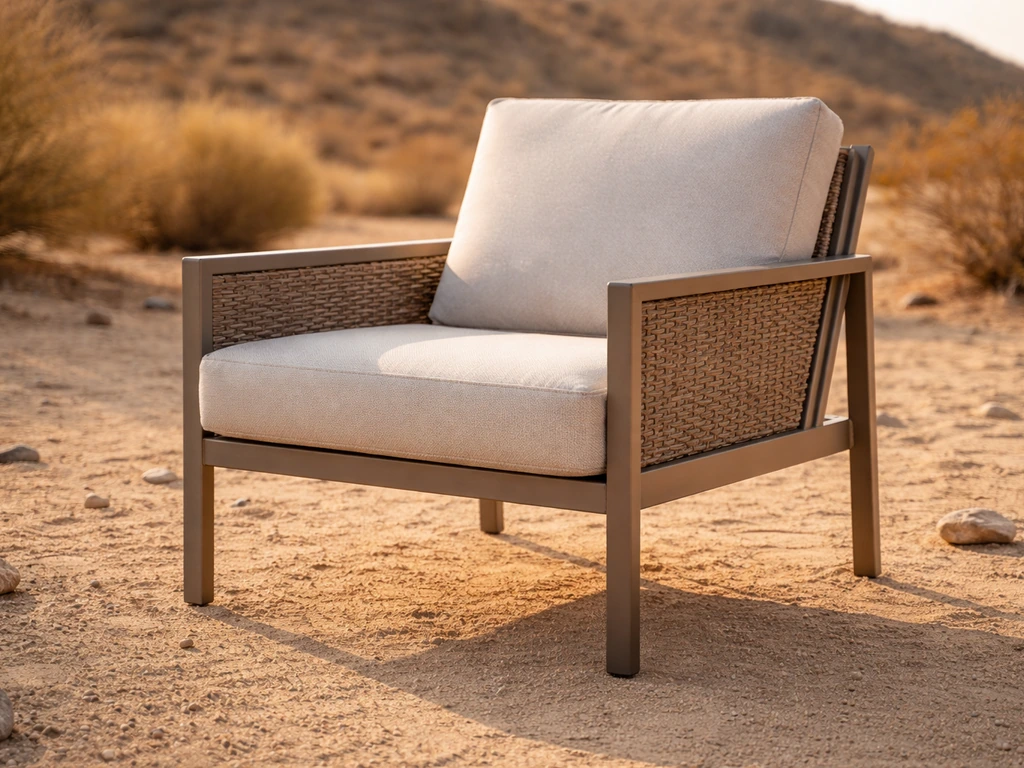
Best Patio Furniture for Desert Climate: Buyer Checklist
Desert climate patio buying checklist: UV proof materials, rustproof construction, cushion specs, care tips, and best pi
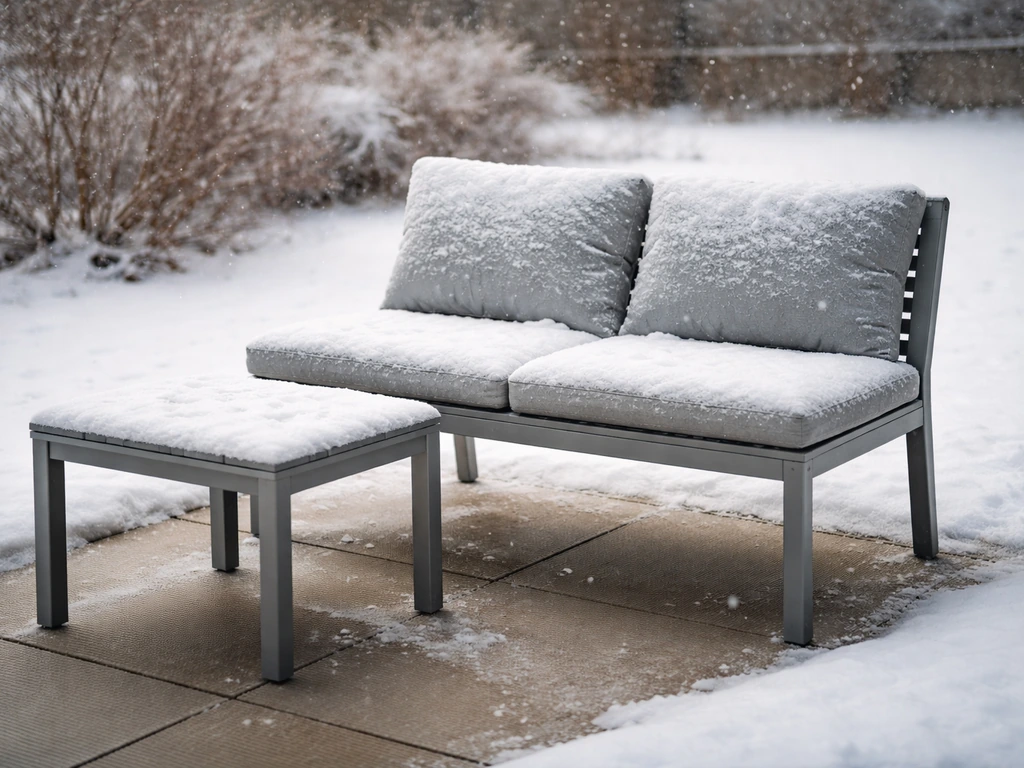
Best Patio Furniture for Snow: Durable Picks and Buying Guide
Best patio furniture for snow with durable materials, weatherproof cushions, and freeze-thaw buying tips plus care check