
Powder-coated aluminum and all-weather wicker (resin wicker over aluminum frames) are your two best bets for patio furniture placed on or right next to grass. Both resist moisture, won't rust or rot from the constant humidity that lawn edges generate, and they're light enough to move when you need to mow or aerate. If you want wood, teak or eucalyptus can work, but they need more upkeep. Steel is fine if it's well-coated, but the moment that coating chips near wet soil, you're fighting rust. Here's how to make a confident pick for your specific setup.
Best Patio Furniture for Grass: Buyer Guide and Tips

Theo Tierney
5 Jun 2026
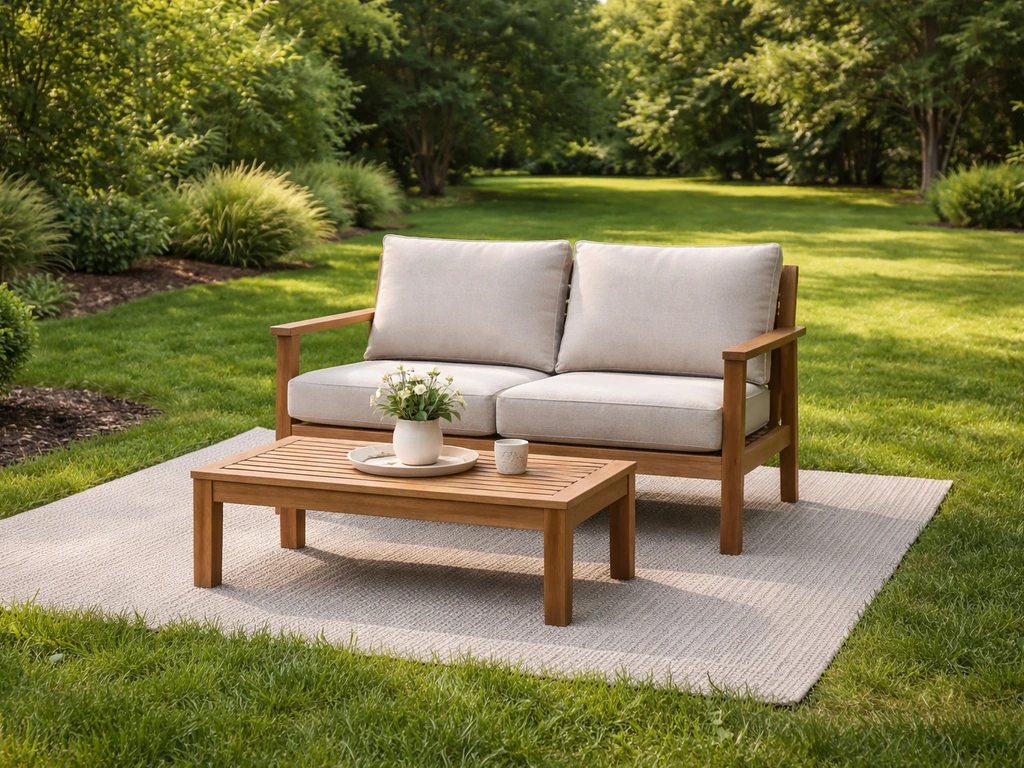
How grass changes the furniture equation
Most people think about patio furniture as something that lives on a hard, flat surface. Concrete, pavers, a deck. Once you introduce grass, the rules shift in four important ways.
- Uneven ground: Lawn is soft and rarely perfectly level. Furniture legs sink in at different rates, which means chairs rock, tables tilt, and heavy sectionals shift over a season. That's not just annoying, it's a safety hazard, especially with dining chairs and loungers that people lean back on.
- Moisture from below: Grass holds and releases moisture constantly. Even on a dry day, the soil just below the grass surface is damp. Furniture legs sitting on or near that surface are exposed to steady low-level moisture that accelerates rust and rot far faster than rain alone.
- Mold and mildew risk: Grass clippings, leaf debris, and soil particles collect under cushions, in wicker weaves, and around furniture legs. Those organic materials are exactly what mold spores need to get established, even on fabrics labeled mildew-resistant.
- Turf damage: Heavy furniture left in one spot on grass will kill the lawn underneath. The pressure blocks light and traps moisture, leading to dead patches. Materials and furniture weight matter here if preserving your lawn is a priority.
Once you understand these four pressures, selecting furniture becomes much more straightforward. You're not just picking something that looks good in a backyard photo. You're picking something built to tolerate the specific microclimate that lawn creates.
Best materials for grass-adjacent patios
Each major outdoor furniture material behaves differently when it lives near grass. Here's an honest breakdown.
Powder-coated aluminum
This is the gold standard for grass-adjacent settings. Aluminum doesn't rust. Period. Even when powder coating gets a chip or scratch near wet soil, the underlying metal oxidizes only superficially and doesn't spread or flake the way steel rust does.
blank" rel="noopener noreferrer">Powder coating itself provides a thick, bonded barrier against moisture, which is why it's the finish of choice for high-humidity coastal environments. Aluminum frames are also lightweight, which is a real advantage when you're moving furniture to mow, and many designs use wide, flat foot caps that distribute weight across more turf surface. The trade-off: aluminum can feel less substantial than steel or cast iron, and budget aluminum furniture uses thinner-gauge tubing that bends under heavy use.
Look for frames with at least 1. 5mm wall thickness.
All-weather (resin) wicker over aluminum
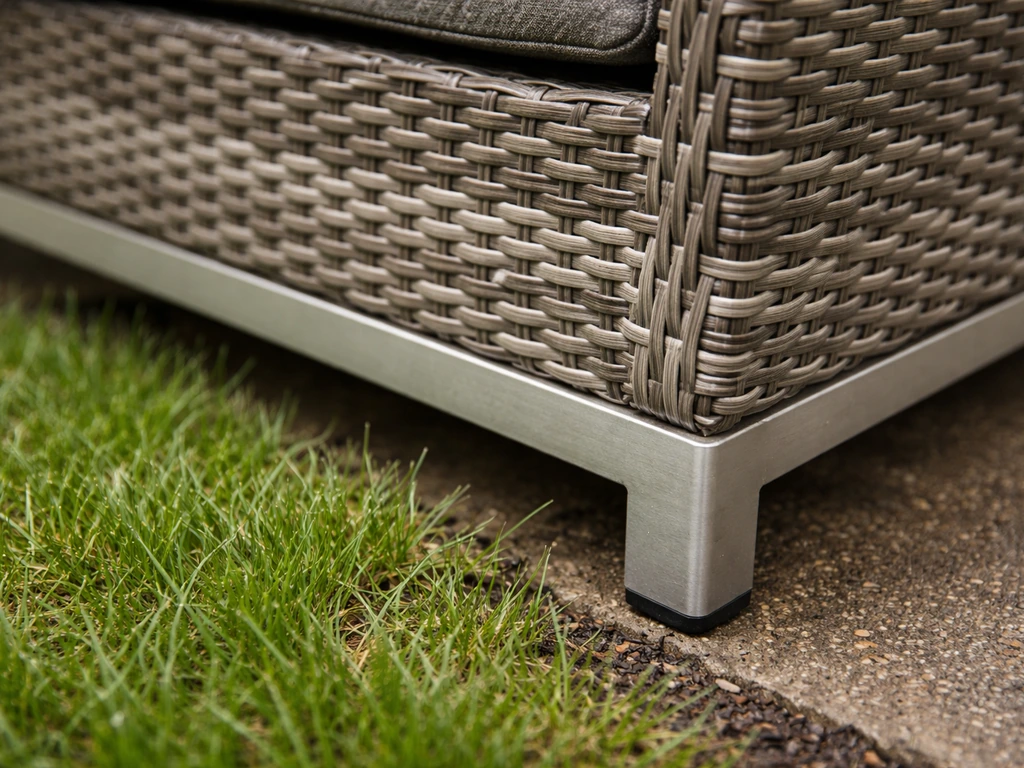
The best outdoor wicker is synthetic polyethylene resin woven over a welded aluminum frame. It doesn't absorb moisture, won't rot, and the resin strands are UV-stabilized so they don't crack or fade in direct sun. Because the frame is aluminum, you still get the rust resistance described above. Where this material gets tricky near grass: the open weave collects debris, grass clippings, and soil. If you don't brush it out regularly, that debris traps moisture against the weave and creates exactly the mold conditions you want to avoid. A quick spray-down every week or two solves the problem, but it's a real maintenance commitment. Avoid natural rattan entirely for grass-adjacent use, it cannot handle sustained outdoor moisture.
Teak and hardwood
Teak is the most durable wood you can put outdoors, and it's genuinely impressive in wet conditions. Its naturally high oil content repels water and inhibits the fungal decay and wood-boring insects that destroy other woods. That said, wood used outdoors degrades when those natural oils are depleted, and wood near consistently damp grass loses oil faster. Left untreated, teak weathers to a silvery-gray patina that many people actually like.
If you want to maintain the original golden-brown color, you'll need to apply teak oil or sealant once a year. Eucalyptus is a more affordable alternative with similar properties. Other hardwoods like acacia or shorea are usable but less oil-rich, and they need more frequent treatment. Softwoods like pine or cedar should only be considered if pressure-treated with preservative chemicals, since untreated softwood deteriorates quickly from fungal rot in moist soil environments.
The US EPA notes that pressure treatment is intended to protect wood from biological deterioration like fungal rot/decay and wood-destroying insects Softwoods like pine or cedar should only be considered if pressure-treated with preservative chemicals.
Steel and iron
Powder-coated steel is heavier and more rigid than aluminum, which can be an advantage for dining sets where stability matters. The problem near grass is rust. Steel is vulnerable the moment moisture reaches bare metal, and grass environments deliver exactly that. If you go with steel, inspect the coating annually and touch up any chips immediately with outdoor metal paint. Cast iron is beautiful but extremely heavy (which actually helps with stability on uneven ground) and requires diligent rust prevention. Both steel and cast iron are harder to move for lawn maintenance, which can lead to dead turf patches beneath them.
HDPE and composite materials
High-density polyethylene (HDPE) furniture, sometimes sold as recycled poly or Polywood-style, is nearly indestructible in outdoor environments. It doesn't rust, rot, splinter, or absorb moisture. It's UV-stabilized so color holds for years. The texture is designed to allow water to drain rather than pool. For grass-adjacent use, this is the lowest-maintenance option available. The trade-off is aesthetics: HDPE has a plastic look that doesn't appeal to everyone, and cheaper versions feel hollow. Premium HDPE furniture from established brands uses solid or thick-walled planks that feel more substantial, and some designs mimic Adirondack or classic wood styles convincingly.
| Material | Rust/Rot Risk | Moisture Resistance | Weight/Mobility | Maintenance Level | Best For |
|---|---|---|---|---|---|
| Powder-coated aluminum | Very low | Excellent | Light, easy to move | Low | Most grass setups |
| Resin wicker over aluminum | Very low | Good (needs cleaning) | Moderate | Low-moderate | Lounge and seating sets |
| Teak / eucalyptus | Low (with care) | Good | Heavy, harder to move | Moderate | Classic aesthetic lovers |
| Powder-coated steel | Moderate | Moderate | Heavy | Moderate | Stable dining sets |
| Cast iron | Moderate-high | Poor without care | Very heavy | High | Accent pieces only |
| HDPE / composite | None | Excellent | Moderate | Very low | Low-effort, long-term setups |
Matching your furniture to your climate
Where you live changes what material makes the most sense. Grass-adjacent furniture faces different threats depending on heat, humidity, and whether you get freezing winters.
Hot, sunny climates
In climates with intense UV exposure, like the Southwest or deep South, fading and material degradation from sun are your primary enemies alongside heat. For desert climates, the best patio furniture for a dry, hot environment still depends on choosing heat- and UV-resistant materials best patio furniture for desert climate. Cheap resin wicker turns brittle and cracks after two or three seasons. Look for wicker specifically labeled UV-stabilized PE, not cheaper PVC weave.
Aluminum frames hold up well. For Arizona specifically, prioritize rust-resistant aluminum, UV-stable resin wicker, and cushions made for intense sun and heat Aluminum frames hold up well. . Teak also handles heat without warping or checking the way pressure-treated softwood does.
Cushion fabrics should be solution-dyed acrylic, Sunbrella being the most recognized brand, because the dye penetrates the fiber rather than sitting on the surface, so UV doesn't bleach it out. Avoid polyester-blend outdoor fabrics in high-sun zones.
Humid and coastal climates
High humidity accelerates every failure mode. Rust moves faster on steel. Wood rots faster. Mold colonizes cushions and wicker weave more aggressively. In Florida, the Gulf Coast, or the Pacific Northwest, powder-coated aluminum or HDPE are the practical choices. If you're within a mile of the ocean, salt air makes steel furniture a poor investment regardless of coating quality. Teak can work in humid climates, but it needs treatment more frequently, at least twice a year rather than once. Look for furniture with open-slat or open-weave designs that promote airflow and don't trap standing water after rain.
Cold climates with freeze/thaw cycles
Freeze/thaw is particularly hard on wood and uncoated metals. When water gets into wood grain or micro-cracks in a coating and then freezes, it expands and damages the material from the inside. Teak handles this better than softer woods because of its density and oil content, but even teak benefits from indoor or covered storage over winter. Aluminum and HDPE are genuinely freeze-proof: they don't absorb moisture and don't crack from thermal cycling.
For the best patio furniture for snow, look for options like powder-coated aluminum or HDPE that stay freeze-proof and don't absorb moisture during winter Aluminum and HDPE are genuinely freeze-proof. If you're in a climate with hard winters, like the Midwest or Mountain West, buy furniture you can store indoors or at minimum cover properly, and avoid anything with a lot of exposed metal hardware, because fasteners rust even when the frame doesn't.
Temperate, four-season climates
In most of the mid-Atlantic, Midwest, and Pacific Coast, you're dealing with a mix of moderate heat, some rain, and cold winters. Powder-coated aluminum with solution-dyed cushions is a practical all-rounder. HDPE handles everything without complaint. Teak works if you're willing to oil it each spring. Steel is manageable with annual inspection and touch-ups.
Keeping things stable and safe on uneven lawn
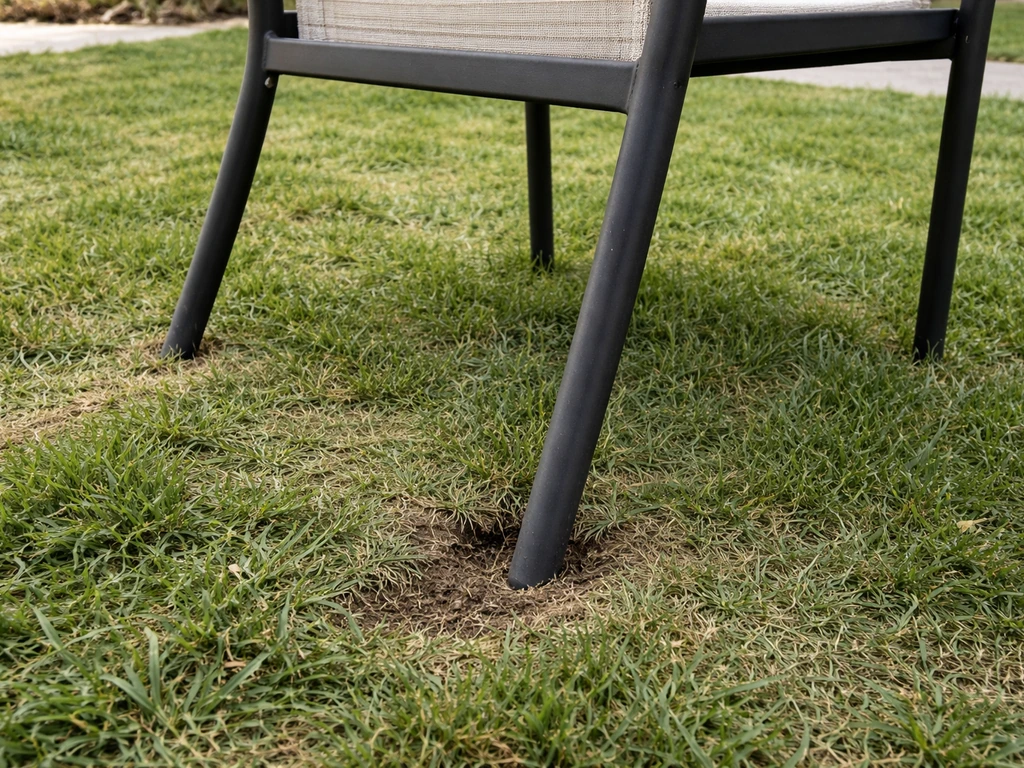
Soft, uneven ground is genuinely the biggest practical challenge for grass-adjacent furniture. Chairs and tables that feel solid on a concrete patio can wobble, shift, and tip on lawn. This isn't just an annoyance, it's a safety issue, especially with kids or older guests.
Furniture legs and feet
Look for furniture with wide, flat foot caps rather than sharp or narrow legs. Wide feet distribute weight across more grass surface, which reduces sinking and slows turf damage. Many aluminum dining chairs and tables now come with adjustable leveling glides built into the legs, a small feature worth specifically checking for. For seating placed directly on grass, sled-base designs (where the base is a continuous runner rather than four individual legs) spread weight even more evenly and don't create four separate pressure points that can sink independently.
Using a base layer
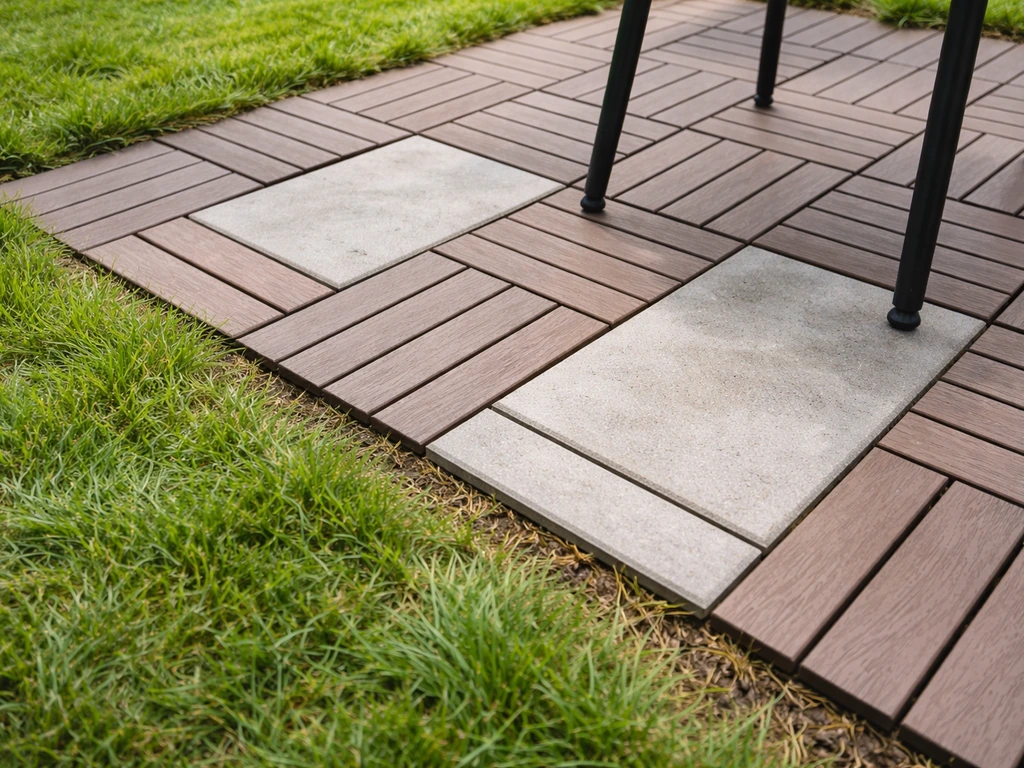
The most stable solution is placing a hard base under at least the dining or high-use seating area: concrete pavers, interlocking deck tiles, or a small poured pad. Even a 10x12 foot area of pavers under a dining table makes a dramatic stability difference while still being visually integrated into a lawn setting. If you're committed to furniture sitting directly on grass, look into outdoor furniture pads or rubber foot caps that grip the ground slightly without damaging roots.
Protecting your turf
Heavy furniture left in one spot on grass will kill the turf beneath it within a few weeks, especially in summer. The two solutions are rotating furniture position occasionally (easy with light aluminum pieces) or using furniture mats designed for outdoor use, which let light and water through while cushioning the grass. If you're placing a sectional or large dining set permanently near the lawn edge, it's worth putting down pavers or a compacted gravel base rather than fighting the turf damage issue all season.
Top picks by furniture type
Seating sets (conversation sets)
For a loveseat-and-chairs conversation set near grass, resin wicker over aluminum is the most practical choice. Sets from mid-range and premium brands in this category use PE wicker with thick, rust-resistant aluminum frames, high-density foam cushions with solution-dyed acrylic covers, and zippered cushion covers that you can remove and wash. Look for cushion foam rated at 1.8 lb density or higher. Lighter foam compresses quickly and won't hold its shape after a season of outdoor use. Avoid sets where the cushion covers are sewn shut or made of polyester. The goal is a set where every wet component can be removed, dried, and stored independently.
Loungers and chaise lounges
Loungers placed near grass need to be easily repositioned because people move them to follow sun or shade, and that movement on soft ground creates uneven wear. Aluminum-frame loungers with adjustable backs and wide, flat leg strips are ideal. HDPE Adirondack-style chairs are another strong option if you want something you can just leave out indefinitely with zero rust or rot risk. For pool areas adjacent to lawn, look specifically for furniture with drainage holes in seat platforms so water doesn't pool after rain or splashing.
Outdoor dining sets
Dining sets are where stability matters most. A wobbly dining table is genuinely annoying and unsafe. For grass-adjacent dining, I'd prioritize placing a dining set on a firm base, even just a set of large stepping stones under each leg, rather than directly on lawn. Material-wise, powder-coated aluminum dining sets with sling seats or cushioned aluminum chairs are excellent. Sling-seat designs (stretched fabric on a frame with no separate cushion) are worth considering because there's no cushion to soak up moisture from a dewy morning or light rain. Teak dining tables are a premium option that looks beautiful and handles weather well, but the weight makes moving them for mowing a real chore.
Sectionals
Sectionals near grass present the most challenges because they're large, heavy, and not designed to be moved frequently. A sectional on soft ground will develop uneven settling, and the weight concentrated in one area will damage the turf quickly. If you want a sectional near lawn, build a proper base first, whether that's a poured concrete pad, compacted gravel base, or interlocking deck tiles. For the furniture itself, deep-seated sectionals with aluminum frames and weather-resistant cushions are a good match. Look for modular designs where sections can be separated and moved individually, which helps with lawn care and winter storage. This is one furniture category where putting in the effort to create a firm, level foundation really pays off.
Maintaining furniture that lives near grass
Grass-adjacent furniture needs more frequent cleaning than furniture on a deck or patio. Grass clippings, pollen, soil splash from rain, and general organic debris accumulate constantly. The good news is that staying ahead of it is quick. The bad news is that ignoring it for a season leads to problems that are much harder to fix.
Regular cleaning
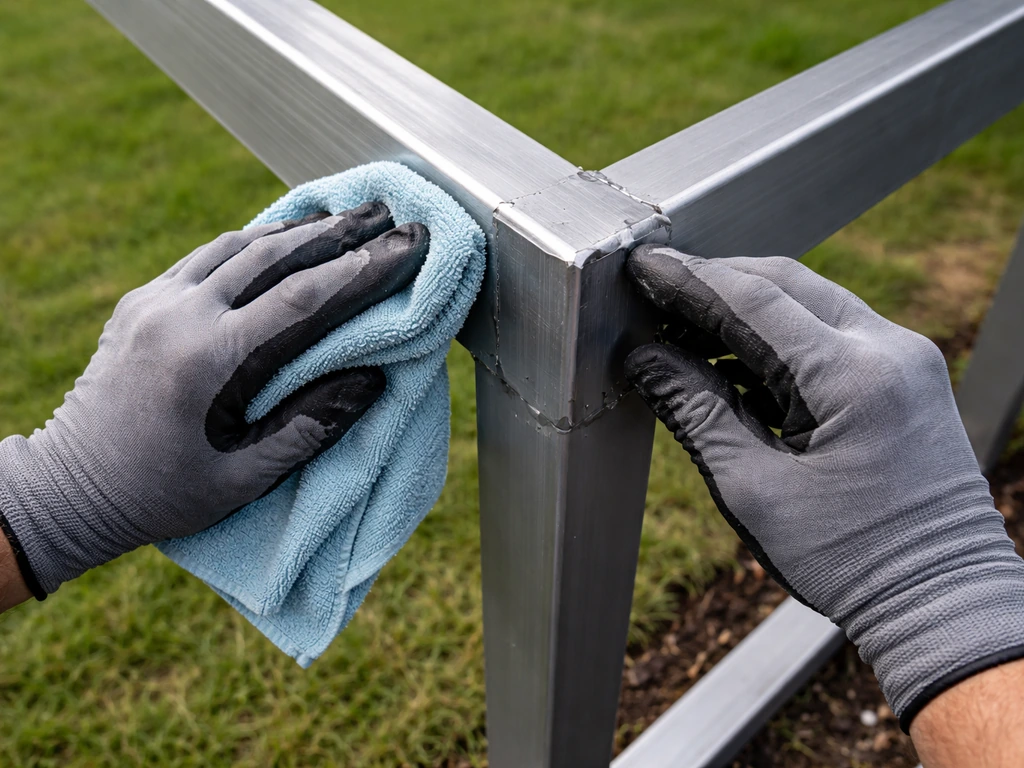
Brush off grass clippings and debris from frames and weave after every mow. Wipe down aluminum and steel frames with a damp cloth monthly, or after rain events if soil splashed up onto legs. For wicker, use a soft brush or low-pressure hose spray to flush debris out of the weave every couple of weeks during active growing season. For cushion fabrics, a mild soap and water scrub followed by thorough rinsing handles most mildew-prone accumulation. Even mildew-resistant fabrics rely on keeping the surface clean: mold spores establish themselves on dirt and organic debris sitting on the fabric, not on the fabric itself.
Rust and mildew prevention
For aluminum, inspect joints and welds annually for any sign of coating chips or white oxidation powder. Touch up chips with outdoor metal spray paint matched to the frame color. For steel furniture, do the same but treat surface rust immediately with a rust converter before repainting: rust on steel spreads laterally under the coating if left alone. For cushions, the most important rule is never cover or store damp cushions.
Cushions trapped under a furniture cover while wet are in exactly the warm, dark, moist conditions that mold thrives in. If cushions get soaked, prop them upright in the sun until fully dry before covering. For wicker, a light spray of outdoor furniture protector or UV sealant once a season extends the life of the PE weave significantly.
Covers and off-season storage
Furniture covers extend lifespan considerably, but only if used correctly. Use covers rated for outdoor use with ventilation panels or venting eyelets. Covers that trap condensation underneath are worse than no cover in some situations, particularly for metal furniture in climates that alternate between warm days and cold nights. Store cushions indoors or in a deck box from late fall through early spring if you're in a freeze/thaw climate. For wood furniture, a season-end application of teak oil or penetrating wood sealer before storing or covering prevents the most significant degradation. Aluminum and HDPE can stay outside with covers in all but the most extreme climates without concern.
End-of-season checklist
- Clean all frames with soap and water; rinse thoroughly
- Inspect all painted or powder-coated surfaces for chips; touch up before storing
- Remove cushions, clean them, and allow to dry completely before storage
- Store cushions indoors or in a weatherproof deck box
- Apply teak oil or wood sealant to any wood components
- Cover remaining furniture with vented outdoor covers
- Move lightweight pieces to a garage or shed if hard freezes are expected
Sizing and layout when lawn is part of your outdoor space
Getting the layout right matters as much as picking the right material. Furniture that's too large crowds the transition between hard surface and lawn, and makes it harder to mow cleanly or access the area without moving things constantly.
Measure before you buy
Mark out your intended furniture footprint with string or chalk before ordering. For a dining set, include a minimum of 3 feet on each side of the table for chair pull-out. For a lounge setup, allow 2 feet between pieces and 4 feet of clear path from any lawn edge to avoid people stepping on uneven ground when getting up. Large sectionals look great on a showroom floor but often overwhelm real backyard spaces. A 10x12 foot sectional in an 18x20 foot patio area leaves almost no room to move around it comfortably.
Creating a clear boundary between patio and lawn
A defined edge between your patio furniture area and the lawn makes both spaces look intentional and makes furniture placement much more stable. Edging materials like metal landscape edging, wood borders, or even a single row of pavers create a visual and physical boundary. This is also where you can add a small gravel or mulch buffer zone between grass and furniture that provides good drainage and reduced moisture wicking toward furniture legs.
The same priorities like drainage, even leveling, and stable footing also apply when you're shopping for the best patio furniture for pea gravel. If you're comparing setups on different ground types, the principles for a pea gravel base are similar to those for lawn-adjacent patios, with shared concerns about drainage, leveling, and furniture stability.
Comfort and practical use
Deep-seating conversation furniture is comfortable for lounging but awkward for eating or working. Reserve deep seats for dedicated lounge areas, and use standard dining-height chairs at dining tables. For mixed-use areas near lawn, consider pieces that work at counter height (around 34 to 36 inches) because they're easier to get in and out of on slightly uneven or soft ground than deep-seated low chairs. Arm chairs are also inherently more stable when getting up from soft surfaces than armless chairs, because people naturally push off armrests when rising.
The bottom line: choosing patio furniture for a grass-adjacent space comes down to picking materials that genuinely resist moisture from below (aluminum, HDPE, quality resin wicker, or teak), solving the leveling problem before you shop rather than after, and committing to a cleaning routine that stays ahead of organic debris.
For Las Vegas specifically, prioritize moisture-resistant materials like aluminum, HDPE, and quality resin wicker, since heat and humidity swings can still stress outdoor furniture near grass best patio furniture for las vegas. Everything else, color, style, brand name, is secondary to those three factors. Get those right and your furniture will look good and last for years.
If you want the best patio furniture for Colorado, start with moisture-resistant materials like powder-coated aluminum or HDPE and plan for snow and freeze-thaw coverage. Skip them and you'll be dealing with rust, rot, and tipped chairs by year two regardless of what you paid.
FAQ
How do I choose the right material if my grass edge gets lots of rain runoff from a slope?
Prioritize materials that resist standing moisture and splash, powder-coated aluminum and HDPE first, quality PE resin wicker second. Also plan a small drainage buffer (a gravel or mulch strip) between the lawn and the furniture so runoff does not repeatedly soak the leg area, that’s where rust and rot usually start.
Can I put patio cushions directly on grass, or should the set be raised?
Avoid any setup where cushions or sling ends sit right on grass. Even “water-resistant” cushions absorb moisture from ground splash and dew, and they dry slowly. Use a hard base or furniture pads that lift the frame enough to keep fabric bottoms from touching the lawn.
What’s the safest way to level furniture on uneven turf without constantly moving it?
Use built-in leveling glides if the product has them, then set the feet on wide pavers or stepping stones. This stops rocking and reduces turf pressure points. If you rely on soft shims like wood scraps, they compress and shift, making wobble return.
How often should I clean wicker next to grass, and what actually prevents mildew?
Brush off grass clippings after every mow, then flush the weave every 2 weeks during active growth season. Mildew prevention is mostly about removing organic debris early, a light rinse alone is not enough if clippings stay trapped in the weave.
Is teak still a good choice near grass if I don’t want to re-oil it every year?
Teak can work, but if you skip regular treatment the wood will still hold up, it will just gray faster and may lose some water-repelling performance over time. If you want low maintenance, HDPE or powder-coated aluminum are better, they avoid the “seasonal oiling” habit entirely.
For steel furniture, does paint touch-up always fix the problem near wet soil?
It helps, but only if you deal with the first signs correctly. For best results, inspect annually, clean chips down to solid metal, apply rust converter to any spots with active oxidation, then repaint. If rust is already underneath lifted coating, surface touch-ups won’t stop spread.
Do furniture covers help near grass, or do they make mold more likely?
They help only when used with ventilation. Choose covers designed for outdoor use with vents, and never cover damp cushions. Condensation under a cover is a common cause of mildew, especially during warm, humid spells followed by cooler nights.
What’s the best option for renters who cannot permanently install pavers under a dining set?
Use large, stable patio furniture pads or individual stepping stones sized for each leg, placed on firm, level ground. Pair that with wide foot caps and periodic checks for rocking. If the furniture sinks into turf, you will eventually get dead patches and a wobbly table.
If my yard is very close to the ocean, is aluminum still enough protection?
Aluminum and HDPE are the practical choices because they do not rely on coating integrity in the same way steel does. Avoid steel regardless of coating quality, salt air accelerates corrosion once any coating edge or chip exposes metal.
How can I prevent turf damage if I want heavy furniture like a sectional near grass?
Create a proper base first, such as compacted gravel, interlocking deck tiles, or a small poured pad. For lighter aluminum chairs, rotating positions helps, but with a sectional the concentrated weight overwhelms rotation and you will still get uneven settling and dead spots.
Next Articles
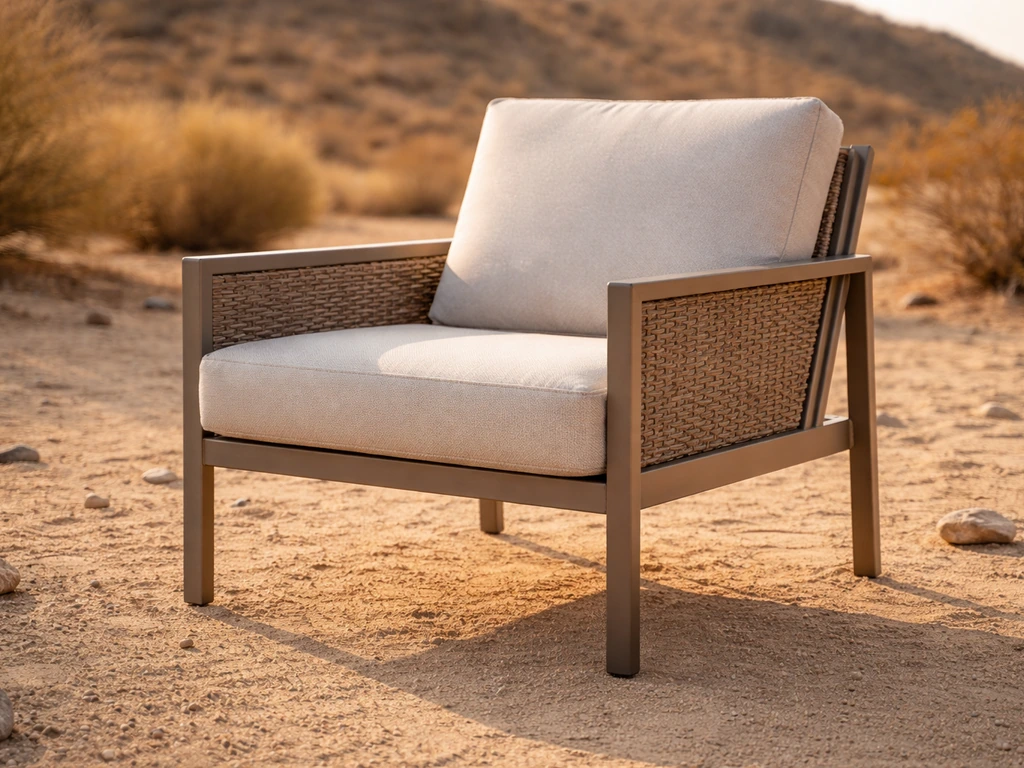
Best Patio Furniture for Desert Climate: Buyer Checklist
Desert climate patio buying checklist: UV proof materials, rustproof construction, cushion specs, care tips, and best pi
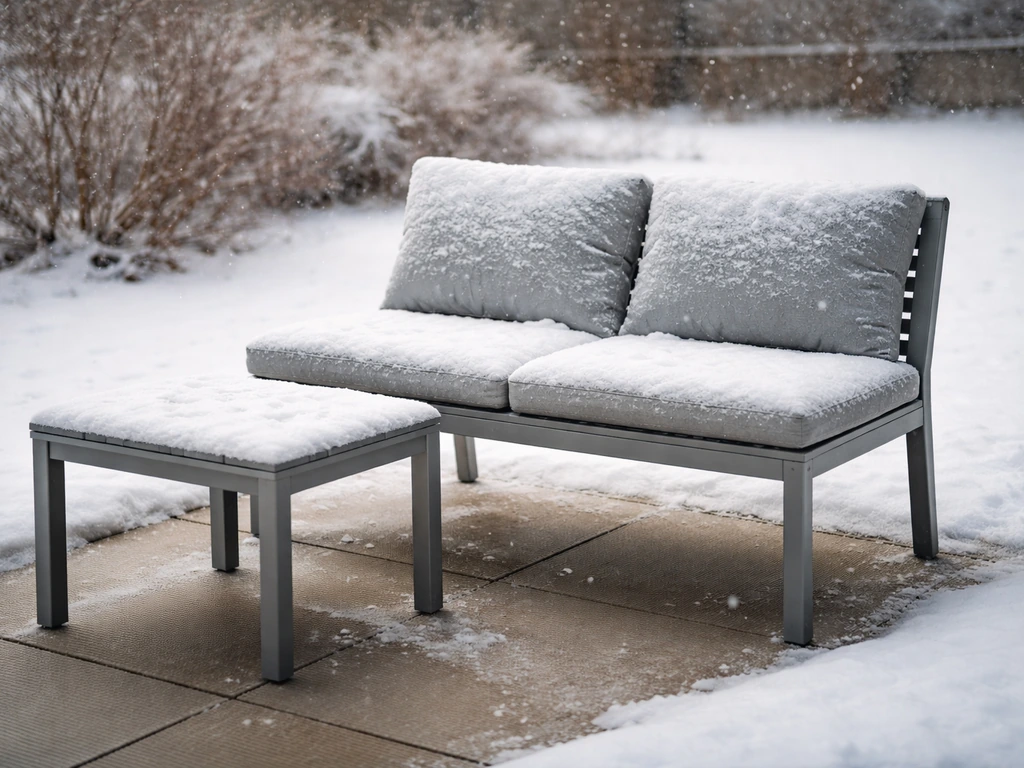
Best Patio Furniture for Snow: Durable Picks and Buying Guide
Best patio furniture for snow with durable materials, weatherproof cushions, and freeze-thaw buying tips plus care check
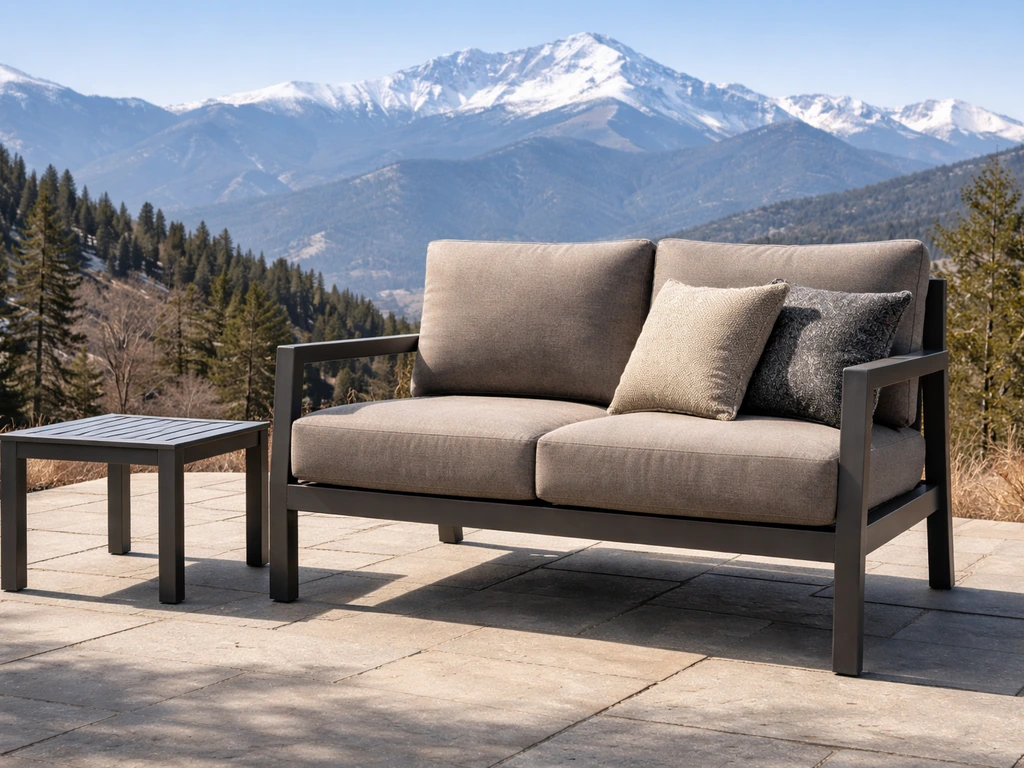
Best Patio Furniture for Colorado: What Lasts and Why
Colorado-ready patio furniture guide: durable materials, cushion picks, what to avoid, plus year-round care and protecti