
For a desert climate, your best patio furniture materials are cast or extruded aluminum frames with a thick powder coat finish, high-density polyethylene (HDPE) or all-weather synthetic wicker, and teak or ipe wood with a quality UV-blocking sealer. Pair those frames with solution-dyed acrylic cushion fabric and high-resiliency foam wrapped in a quick-dry liner, and you have a setup that can realistically last 10 to 15 years in punishing heat, intense UV, and blowing dust without falling apart.
Best Patio Furniture for Desert Climate: Buyer Checklist

Theo Tierney
27 May 2026
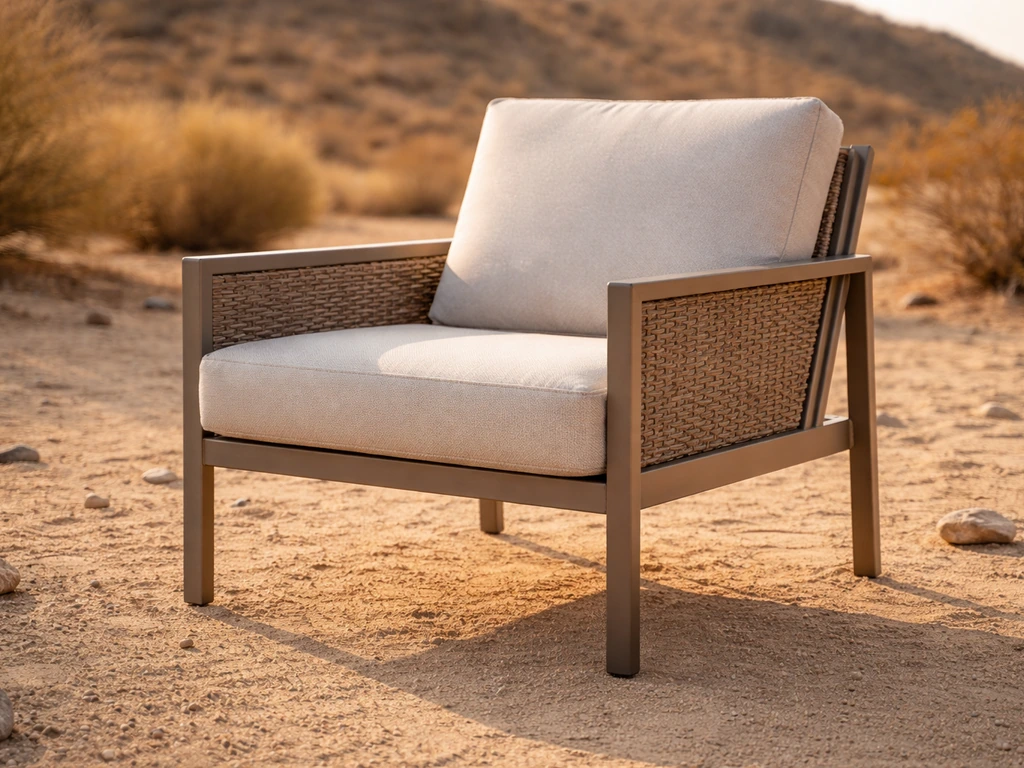
What the desert actually does to patio furniture
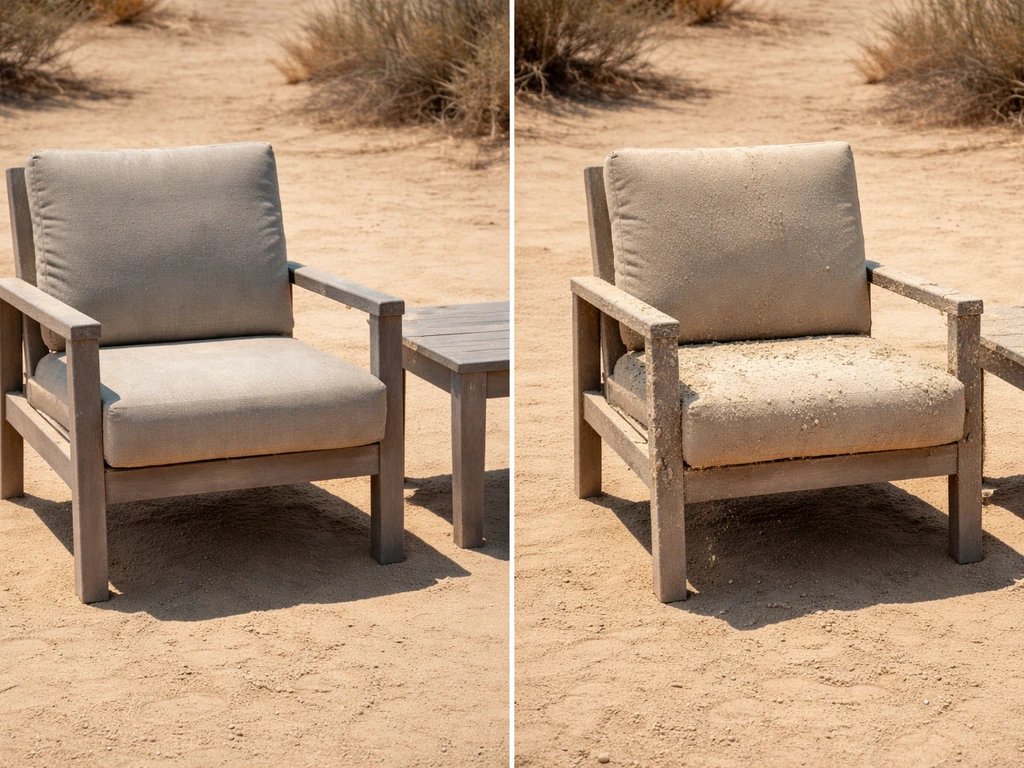
Before talking about specific materials, it helps to understand exactly how a desert climate attacks furniture, because it is not just heat. You are dealing with four simultaneous stressors that most furniture is not built to handle together.
- UV radiation: Desert sun is relentless and high-altitude regions like Arizona and Nevada get more UV exposure per square foot than most of the country. UV breaks down polymer chains in plastics, fades fabric dyes, and degrades wood surface cells faster than almost any other single factor.
- Extreme heat: Surface temperatures on dark furniture sitting in direct desert sun can easily exceed 160°F to 180°F. That heat expands metal joints, softens and warps lower-grade plastics, cracks dry wood, and causes low-quality foam to break down within a single season.
- Intense dryness: Low humidity is actually harder on wood and some fabrics than humidity is. Wood loses its natural moisture, checks (small cracks form along the grain), and warps. Cushion foam that stays dry-brittle does not recover its shape.
- Dust and fine sand: Abrasive particles work into finish surfaces, scratching paint and powder coat when wind moves the furniture or when you wipe it down carelessly. Sand trapped in wicker weaves or fabric seams acts like sandpaper over time.
- Temperature swings: Many desert regions swing 40°F or more between daytime highs and nighttime lows. That thermal cycling stresses joinery, loosens hardware, and causes metal expansion and contraction that fatigues welds.
Climate-specific cousins like Arizona, Las Vegas, and high-desert Colorado each add their own twist on this stressor profile. Las Vegas adds alkaline dust and extreme summer heat. Colorado adds altitude UV and genuine freeze-thaw cycles. If you also deal with winter freeze-thaw, choose patio furniture built for cold weather alongside durable frames and protected cushions best patio furniture for snow. Arizona combines all of it with monsoon season moisture bursts. The core material strategy below covers the desert baseline, but keep your specific region's extremes in mind when you are reading finish and hardware specs.
Best materials and finishes for UV, heat, and dryness
Aluminum: the most reliable frame material
Aluminum is the top frame choice for desert patios and it is not really close. It does not rust, it handles thermal expansion without fatiguing welds the way steel does, and it is light enough to move under a shade structure when temperatures spike. The key is the coating, not the aluminum itself. Look for powder coat rated to AAMA 2604 or 2605 standards. These are real, third-party-validated coating specifications covering color and gloss retention, salt spray resistance, and humidity resistance. AAMA 2605 is the more demanding of the two and is the spec used in architectural exterior applications. A cured powder coat film in the 80 to 100 micron range (roughly 3 to 4 mils thick) gives you meaningful protection against the abrasion that desert dust causes. Budget furniture often has powder coat applied at half that thickness, and it shows within two seasons. If a brand cannot tell you their coating spec, treat that as a red flag.
Avoid steel unless it has a multi-layer protection system: a zinc primer, an epoxy midcoat, and a powder topcoat at minimum. Plain steel with a single powder coat layer will rust through at any scratch point within a year or two in environments where sprinkler water hits it or monsoon rain arrives. Galvanized steel is better but still requires perfect coating maintenance. For most buyers, aluminum is simply the smarter choice.
Wood: teak and ipe are your realistic options
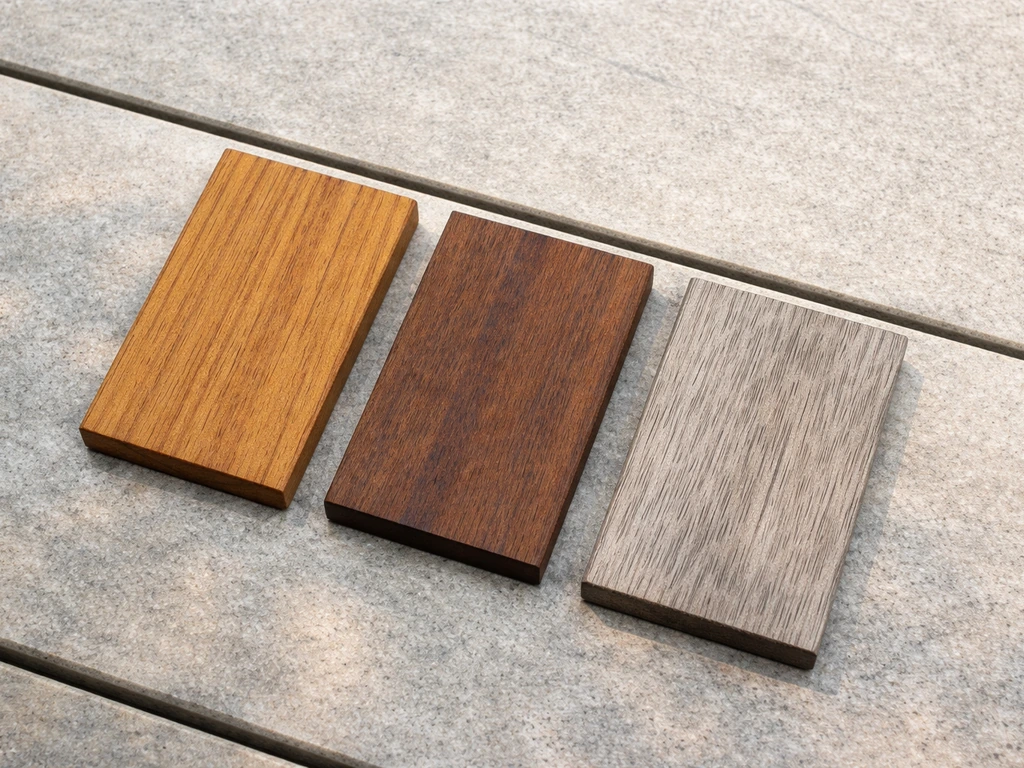
Teak remains the gold standard for outdoor hardwood because of its natural silica and oil content, which resist cracking, checking, and UV graying. Left untreated in a desert climate, teak will gray and develop small surface checks, but it will not structurally fail. If you want to preserve the warm color, you need to apply a teak sealer or teak oil every six to twelve months depending on UV exposure. Products formulated with UV inhibitors and water-repellent chemistry, like those using a "golden sealer" approach, keep teak from going silver-gray and help the wood surface resist the deep drying that desert air accelerates. Ipe is similarly dense and durable, often comes with a light factory linseed oil application, and requires minimal but consistent maintenance to stay in good condition. Both woods need more attention when fully exposed versus shaded.
Woods to avoid in a desert climate: eucalyptus without heavy sealing, acacia in budget grades (often marketed as "teak-like"), untreated pine or fir, and any wood with thin lacquer or varnish as the only finish. Varnish cracks in extreme heat cycles and once it cracks, moisture and UV get directly to the wood. Teak and ipe with proper sealer applied consistently will outlast any of those options by years.
Synthetic wicker vs. natural wicker
Do not buy natural wicker, rattan, or cane for a desert patio. Full stop. Natural fiber dries out and becomes brittle in low-humidity heat, and individual strands start snapping within one to two seasons of direct sun exposure. All-weather synthetic wicker made from high-density polyethylene (HDPE) resin is a completely different product that just happens to look similar. HDPE resin is UV-stabilized during manufacturing, so the UV resistance is baked into the material rather than applied as a surface coating. Quality HDPE wicker on a properly welded aluminum frame is a genuinely durable desert choice. The thing to verify is weave tightness and frame gauge: look for 6 mm or thicker HDPE strand and an aluminum frame of at least 1.2 mm wall thickness. Cheap synthetic wicker uses thinner strands that can still become brittle at the UV stabilizer runs out, usually after four to six years in direct sun.
HDPE lumber and composite materials
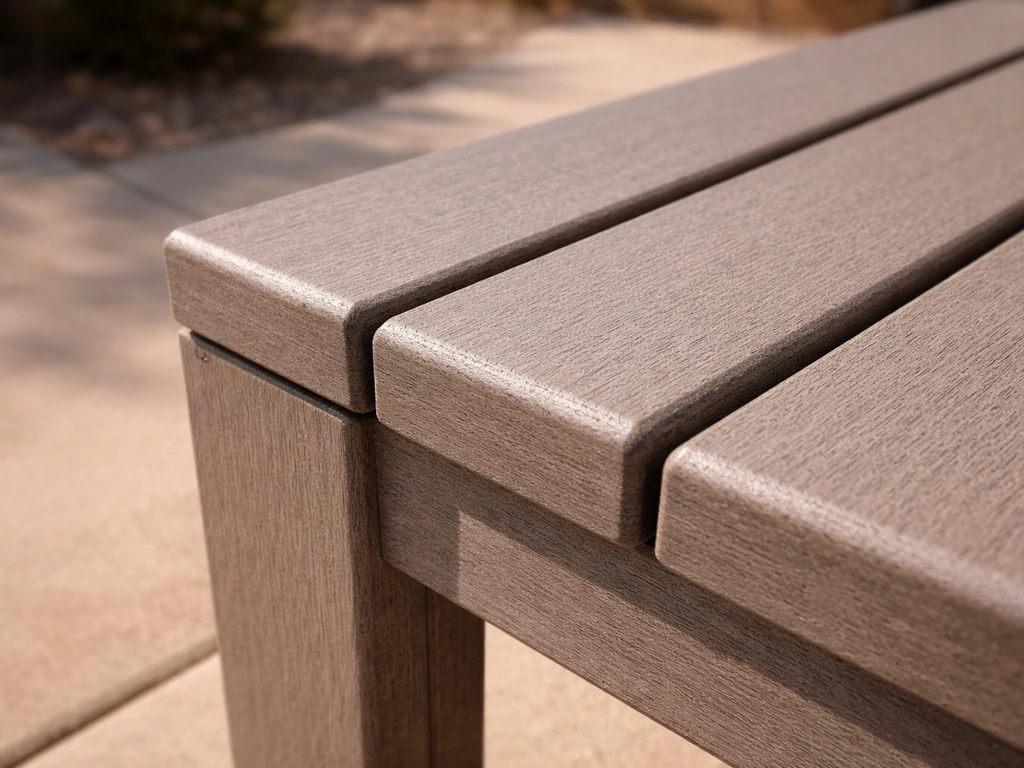
HDPE lumber (the kind used in Polywood-style furniture) is made from recycled plastic and is essentially impervious to the desert's main stressors: it does not rot, does not need sealing, does not crack from dry air, and handles UV well when good UV inhibitors are used in production. The trade-off is that it looks like plastic because it is plastic, though the texture has improved a lot. For utilitarian pieces, Adirondack chairs or benches, and any furniture that will sit on pea gravel or rough surfaces where wood would suffer, HDPE lumber is hard to beat. If you are setting furniture on grass or uneven outdoor surfaces, these durable frame and material choices also connect well to the broader question of the best patio furniture for grass. If your patio is covered in pea gravel or other rough ground, prioritize frames and materials that handle uneven surfaces well and resist abrasion from shifting debris pea gravel-friendly patio furniture.
What to look for in each furniture category
Dining sets
For desert dining, prioritize aluminum frames with a slatted tabletop. If you want the best patio furniture for Arizona, start with pieces built around desert-specific durability like aluminum frames and heat-friendly tabletops desert patios. Slats allow air movement, prevent heat buildup under the surface, and do not trap dust the way solid glass tops do. If you prefer glass, choose tempered glass at least 6 mm thick. Avoid acrylic tabletops in heavy direct sun areas because they can warp at extreme surface temperatures. Check that the table legs have wide, adjustable leveling glides since desert patios often have pavers or concrete that is not perfectly level and wobble accelerates joint wear. Chair frames should have welded joints rather than bolted connections at the high-stress points, and any bolts used should be stainless steel or marine-grade zinc, not plain steel.
Deep seating and lounge sets
Deep seating takes more UV abuse than any other category because of the large cushion surface area. The frame construction matters here, but the cushion system is equally important (covered in detail below). For the frame, look for aluminum sectional systems where individual pieces connect with stainless hardware and can be reconfigured if your shade or layout changes. Lounge chairs benefit from breathable sling fabric over traditional cushions if you use them for actual sunbathing or reading in full sun: sling chairs stay cooler and never need cushion storage.
Conversation sets and sectionals
Sectionals for desert patios need to be modular and the individual pieces need to move easily. You will want to shift the layout to follow shade as the sun moves, especially in summer. Heavy concrete or oversized cast aluminum pieces look great but become a liability when you need to get them out of the sun or ahead of a dust storm. Look for powder-coated aluminum sectional systems under 30 lbs per piece for manageable repositioning.
Cushions, fabrics, and heat management
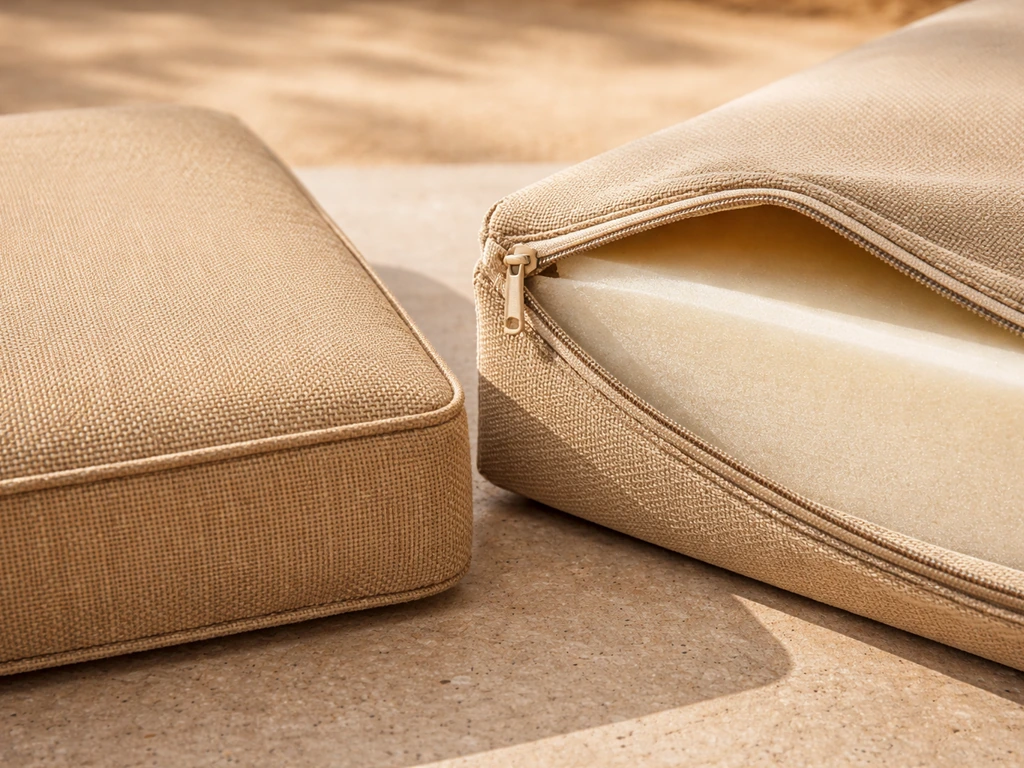
Cushion fabric is where most desert patio setups fail first, and it is also where buyers make the most expensive mistakes by choosing cheap fabric to save money upfront. The only fabric worth buying for desert UV exposure is solution-dyed acrylic. Solution-dyed means the color pigment is forced into the fiber during manufacturing, not applied as a surface coating. UV radiation has to destroy the entire fiber to fade the color, rather than just bleaching a surface dye layer. Sunbrella is the most recognized brand in this category and backs its marine and shade fabrics with a meaningful manufacturer warranty. Outdura (100% solution-dyed acrylic, per Sattler's documentation) and Sunbrella alternatives are worth evaluating on the same terms: ask for the solution-dyed acrylic spec and any blank" rel="noopener noreferrer">ASTM G154 UV exposure testing hours. ASTM G154 uses fluorescent UV lamps with alternating UV and moisture cycles to simulate outdoor deterioration, and brands that reference actual test hours (rather than just saying "UV resistant") are giving you real information.
Under the fabric, foam quality is critical in a desert climate. You want a high-resiliency (HR) foam at 1.8 to 2.2 lb density, wrapped in a polyester fiberfill layer, and enclosed in a mesh or quick-dry liner before the outer fabric goes on. The quick-dry liner lets monsoon rain or irrigation water drain through rather than sitting against the foam and promoting mold. Low-grade foam (under 1.5 lb density) breaks down from the heat-compression cycle of hot days in direct sun. You will feel the difference in about 18 months.
Color choice matters more than most buyers realize. Dark fabric and dark frames absorb more heat, making surfaces uncomfortable to touch and accelerating foam degradation. Light neutrals, warm whites, sandy tones, and soft grays reflect more solar radiation and stay cooler. This is not just comfort: it is a durability decision. A dark navy cushion on a dark aluminum frame in Las Vegas or Phoenix mid-summer can hit surface temperatures that shorten fabric and foam life measurably compared to the same product in a lighter color.
Shade integration should be treated as part of the furniture system, not an afterthought. A quality cantilever umbrella or pergola cover can reduce cushion UV exposure by 60 to 80 percent and cut surface temperatures by 20 to 30 degrees. If your budget is limited, spending money on a good shade structure and mid-range furniture is smarter than spending it all on top-tier furniture that sits in full sun. This is especially true in Arizona, Las Vegas, and similar high-UV locations.
Buying checklist: the construction details that actually matter
Use this checklist when evaluating any piece before you buy. These are the failure points that show up repeatedly in desert climates.
- Frame material: Aluminum (cast or extruded) is the first choice. Avoid steel unless it has a documented multi-layer corrosion protection system.
- Powder coat spec: Ask for AAMA 2604 or 2605 compliance, or at minimum a cured film thickness of 80 to 100 microns. If the brand cannot answer this, the coating is likely thin.
- Weld quality: Joints at high-stress points (arm-to-frame, leg-to-seat base) should be welded, not just bolted. Look for clean, consistent welds without visible porosity.
- Hardware: All visible and hidden hardware should be 304 stainless steel or marine-grade zinc. A single rusting bolt will stain your furniture and eventually fail structurally.
- Cushion fabric: Solution-dyed acrylic only. Ask the brand to confirm this specifically. Polyester blend fabrics will fade noticeably within one season in direct desert UV.
- Foam density: Request at least 1.8 lb high-resiliency foam. If the brand cannot provide foam specs, assume it is low-grade.
- Quick-dry liner: Cushions should have a breathable inner liner so water drains rather than sitting against the foam core.
- HDPE wicker strand gauge: Minimum 6 mm diameter strands on a continuous wrap, not stitched sections. Stitched sections have weak points that fail in UV.
- Wood species and finish: Teak or ipe only for desert hardwood. Verify that a UV-blocking sealer or oil is part of the product, not just a varnish.
- Slat gaps on tables and chairs: Gaps of at least 5 to 8 mm allow dust to fall through rather than accumulate in joints where it becomes abrasive.
- Weight and mobility: Consider whether pieces can be repositioned by one person. Desert patios need shade-chasing flexibility.
- UV test documentation: Ask for ASTM G154 test hours on fabrics if UV resistance is a stated benefit. Vague claims mean nothing without test data behind them.
How materials stack up side by side
| Material | UV Resistance | Heat Tolerance | Dry Climate Durability | Maintenance Level | Relative Cost |
|---|---|---|---|---|---|
| Powder-coated aluminum | Excellent (with AAMA 2604/2605 coating) | Excellent | Excellent | Low | Mid to high |
| Teak (sealed) | Good to excellent | Good | Good with regular sealing | Medium | High |
| Ipe (oiled/sealed) | Good to excellent | Good | Good with maintenance | Medium | High |
| HDPE synthetic wicker (on aluminum) | Excellent (UV-stabilized resin) | Good | Excellent | Low | Mid |
| HDPE lumber (Polywood-style) | Excellent | Good | Excellent | Very low | Mid |
| Steel (basic powder coat) | Poor to fair | Fair | Poor at scratch points | High | Low to mid |
| Natural wicker/rattan | Poor | Poor | Very poor | High | Low |
| Untreated or varnished wood | Poor | Poor | Very poor | Very high | Low to mid |
Care, maintenance, and cleaning for desert patios
Maintaining patio furniture in a desert climate is less about fighting moisture and more about managing UV accumulation, abrasive dust, and thermal stress. The routines are not complicated, but skipping them turns a 15-year piece into a 5-year piece.
Cleaning frequency and technique
Dust the frames and surfaces with a soft brush or microfiber cloth weekly during dry windy seasons, before the dust becomes embedded. When you do a full wash, use mild dish soap and warm water on aluminum and synthetic wicker, rinse thoroughly, and let frames dry completely before replacing cushions. Never use abrasive scrubbers on powder-coated aluminum: even a green scrub pad can scratch the coating and create entry points for oxidation. For stubborn mineral deposits from irrigation water (common in desert regions with hard water), a diluted white vinegar solution breaks down calcium buildup without damaging the coating.
Wood care in desert conditions
Teak in a desert climate needs sealing or oiling more frequently than in temperate climates because dry heat pulls moisture out of the wood faster. Plan on applying teak oil or a UV-blocking teak sealer at least twice a year: once in spring before peak summer heat and again in early fall. A water- and oil-repellent teak sealer applied to clean, dry wood is the most effective approach because it blocks both UV-driven graying and the dry-out cracking that desert air causes. A product listing for Triton Teak Sealer by DiTEC describes it as water-, oil-, and dirt-repellent, which aligns with using a hydrophobic sealer to protect outdoor teak in harsh desert maintenance routines water-, oil-, and dirt-repellent teak sealer. If the wood has already grayed, use a teak cleaner first to open the grain before applying sealer. Ipe is slightly less demanding but follows the same basic rhythm. Apply linseed oil or an ipe-compatible sealer once a year, and more often if the pieces sit in full, unshaded sun.
Aluminum and metal maintenance
Powder-coated aluminum in good condition needs very little beyond regular cleaning. The one thing to watch for is oxidation appearing at chip or scratch points. If the coating gets chipped (often from furniture moving on concrete or pavers), touch it up immediately with a matching powder coat paint pen or a two-part epoxy touch-up. Letting bare aluminum oxidize is not a structural crisis the way rust is on steel, but the oxidation will spread under the surrounding coating over time. For steel pieces you chose to buy anyway, inspect all coating edges and weld points at the start of each season and treat any rust spots with a naval jelly rust converter before recoating.
Cushion storage and fabric care
In a desert climate, cushion storage is more about protecting fabric from intense UV than from rain. When the furniture is not in use for extended periods, store cushions inside or in a ventilated deck box in a shaded location. Covers help, but direct-sun cover storage still accumulates significant UV through the cover material. Wash solution-dyed acrylic cushion covers in cold water with mild soap (not bleach) when they get dusty or after a dust storm. Brush sand and grit off the fabric surface before washing because rubbing sandy fabric against itself is how the weave surface gets abraded prematurely. Most quality solution-dyed acrylic covers can be air-dried quickly in desert conditions, which is one of the few advantages of the climate.
Preparing for dust storms and wind events
If you live in an area with haboobs or strong seasonal wind events, have furniture covers rated for wind resistance (look for tie-down grommets and breathable but tight-weave fabric). Move lightweight pieces to a sheltered spot when dust storm warnings are issued. Furniture left uncovered in a haboob does not just get dirty: the abrasive impact of sand at wind speed physically erodes powder coat, especially on the windward face of legs and frames.
Shortlist recommendations and how to choose by budget
Here is how to think about this across categories and budgets. The goal is to match material quality to how hard your specific patio conditions are, not to spend the maximum everywhere. For a fast, location-specific shopping guide, use this article’s material checklist to find the best patio furniture for Colorado conditions.
By category
- Dining sets: Powder-coated aluminum frames with a slatted or tempered glass top and solution-dyed acrylic chair cushions. Brown Jordan, Woodard, and Telescope Casual produce frames at the higher end. At the mid-range, Hanamint and Homecrest offer documented coating specs and real warranty support.
- Deep seating and conversation sets: Aluminum or HDPE wicker frames with solution-dyed acrylic cushions. At the premium level, Tropitone and Janus et Cie are worth the investment for 15-plus year lifespans. Mid-range brands like RST Brands and Polywood offer solid value when paired with aftermarket Sunbrella cushion upgrades.
- Lounge chairs: Consider aluminum sling chairs (Telescope, Brown Jordan) for any spot that sees full sun most of the day. Sling fabric stays cooler and eliminates cushion management entirely. For shaded areas, deep lounge chairs with foam cushions work well.
- Sectionals: Look for modular aluminum systems where you can buy additional pieces over time. Avoid sectionals with fixed configurations that cannot adapt as your shade structure or layout changes.
- HDPE/Polywood-style: Best for utility areas, pool surrounds, or areas on gravel or uneven surfaces. Virtually zero maintenance. Look for Polywood brand or competitors that specify UV inhibitor content in the manufacturing process.
By budget
| Budget Range | Best Strategy | Where to Invest | Where You Can Save |
|---|---|---|---|
| Under $1,000 | HDPE lumber pieces (Polywood-style) or basic aluminum with upgraded aftermarket cushions in solution-dyed acrylic fabric | Cushion fabric quality | Frame aesthetics; HDPE is durable if not premium-looking |
| $1,000 to $3,000 | Mid-range aluminum frames (Hanamint, Homecrest) with included or upgraded Sunbrella/Outdura cushions | Frame coating spec and hardware; cushion foam density | Decorative extras; brand name premium |
| $3,000 to $7,000 | Premium aluminum or teak sets with documented AAMA 2604/2605 coating or properly sealed teak; full Sunbrella cushion sets | Full frame-and-cushion system quality; warranty terms | Matching accessories; extra side tables |
| $7,000 and above | Marine-grade aluminum (Tropitone, Brown Jordan) or solid teak (Kingsley Bate, Country Casual); full custom cushion builds | Lifetime cost of ownership; serviceable designs where cushions and hardware are replaceable | Nothing; at this level materials and construction should be verified top to bottom |
How to evaluate brand claims for desert durability
Ask every brand the same four questions before you buy: What is the powder coat spec and cured film thickness? Is the cushion fabric solution-dyed acrylic, and do you have ASTM G154 UV exposure test data? What is the foam density in the cushions? What warranty applies to the frame coating and the fabric? Brands that build for real outdoor conditions can answer all four quickly and specifically. Brands selling furniture that looks good in a showroom but is not engineered for desert use will hedge, give vague answers, or tell you "it's outdoor rated" without specifics. That distinction alone will filter out most of the furniture that fails in desert climates within three years.
FAQ
How can I tell if a patio set’s powder coat is actually desert-grade, not just “outdoor rated” branding?
Ask for the coating standard (AAMA 2604 or 2605) and the cured film thickness, aim for about 80 to 100 microns (3 to 4 mils). If the brand cannot state both, treat it as a red flag, because desert dust abrasion exposes thin coatings quickly at scratch points.
Is it safe to use patio furniture covers in a desert climate, or will covers trap heat and damage cushions?
Covers help mostly with dust and accidental rain, they do not stop UV exposure. Prefer breathable, tight-weave covers and remove them after major dust storms if you can, so you do not keep fabric and foam constantly heat-soaked under a non-breathable top layer.
Do I need to worry about rust if I choose aluminum and stainless hardware?
Aluminum and stainless generally avoid desert rust issues, but oxidation can still occur at chips and scratches on coated aluminum. Inspect windward edges after moving furniture, and touch up damage promptly to prevent oxidation from spreading under the coating over time.
What’s the best cushion setup if my patio sometimes gets monsoon moisture or sprinkler overspray?
Choose solution-dyed acrylic fabric plus quick-dry drainage through a mesh or quick-dry liner, then make sure the foam is high-resiliency (about 1.8 to 2.2 lb density). The key is drainage, so water does not sit against the foam long enough for mildew or odor to develop.
Can I leave teak or ipe outside year-round and still expect it to last 10 to 15 years?
Yes, but only if you keep up with a schedule. In desert sun, plan for at least twice-a-year teak oil or UV-blocking sealer (spring before peak heat, then early fall). If your furniture is mostly shaded, you can stretch maintenance, but fully exposed pieces need more frequent attention.
Is glass table safe for desert dining, and how thick should it be?
It can be a strong choice if it is tempered glass at least 6 mm thick. Tempering improves impact safety, and it is less likely to warp than acrylic in heavy direct sun. Still, check that table legs have wide, adjustable leveling glides to prevent wobble-induced stress on joints.
What should I do if my patio set develops small coating chips or scuffs?
Touch up immediately. Use a matching powder-coat paint pen or an appropriate two-part epoxy touch-up for the spot, then keep an eye on that area after dust storms. Delaying touch-ups lets oxidation spread beneath surrounding coating, which can turn a cosmetic problem into a recurring one.
Are high-density polyethylene (HDPE) lumber and synthetic wicker good for uneven ground like pea gravel?
They are often a better match than wood or delicate frames. HDPE lumber resists rot, cracking, and drying stress, and it tolerates sitting on rough surfaces better. For pea gravel, prioritize frames that resist twisting and use slatted designs or adjustable feet so the furniture does not rock on shifting stones.
How should I shade deep-seating furniture differently than dining sets?
Deep seating needs the most UV control because of the larger cushion surface area. If you are adding shade, prioritize cantilever umbrellas or pergola coverage that reduces cushion UV by roughly 60 to 80 percent, and consider sling or breathable options for lounge chairs used in direct sun.
What are the most common mistakes buyers make with desert patio cushion fabrics?
Buying non-solution-dyed “outdoor” fabrics or skipping UV validation. Look for solution-dyed acrylic and ask for ASTM G154 UV exposure test hours, not vague “UV resistant” claims. Also avoid dark colors if comfort and foam life matter, because heat absorption accelerates degradation.
If I live in a windy desert area with haboobs, what furniture features matter most?
Choose covers rated for wind resistance (tie-down grommets and tight-weave but breathable fabric), and move lighter pieces into shelter when warnings are issued. Wind-driven sand physically erodes coatings, especially on the windward faces, so protection and quick response matter more than aesthetics.
What warranty questions should I ask beyond just “is it covered for X years”?
Ask whether the warranty specifically covers the frame coating and the cushion fabric, and whether it distinguishes between normal fading versus premature failure. If the brand can answer your coating spec, solution-dyed fabric confirmation, foam density, and warranty details clearly, it is a better sign they designed for real desert stressors.
Next Articles
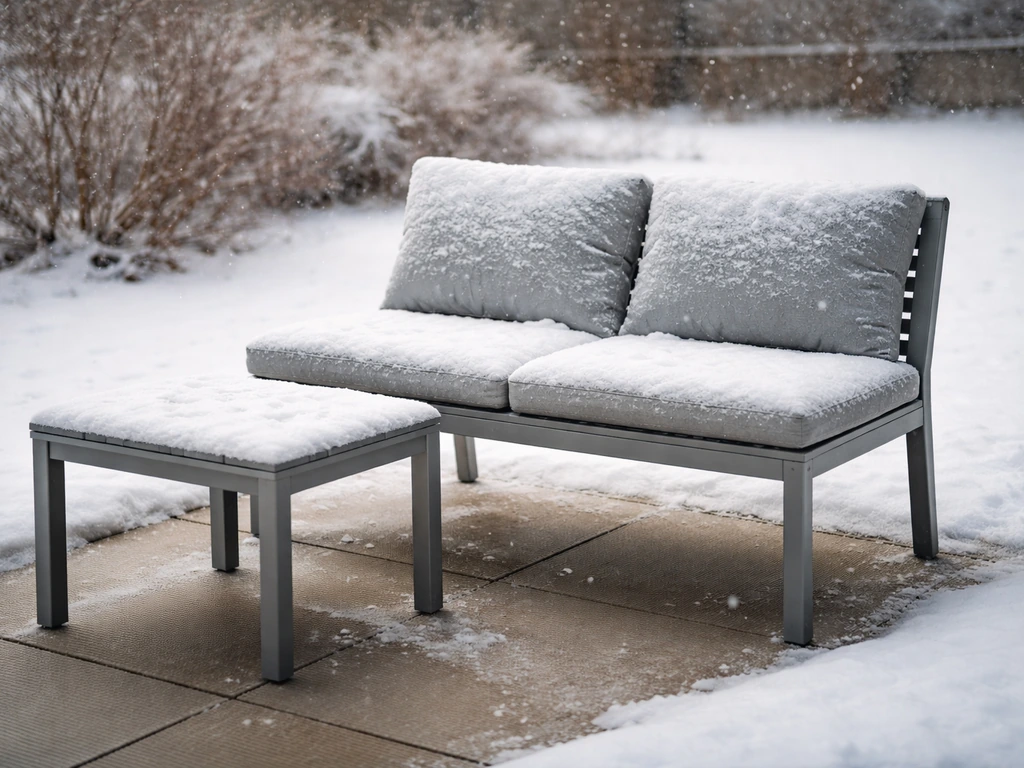
Best Patio Furniture for Snow: Durable Picks and Buying Guide
Best patio furniture for snow with durable materials, weatherproof cushions, and freeze-thaw buying tips plus care check
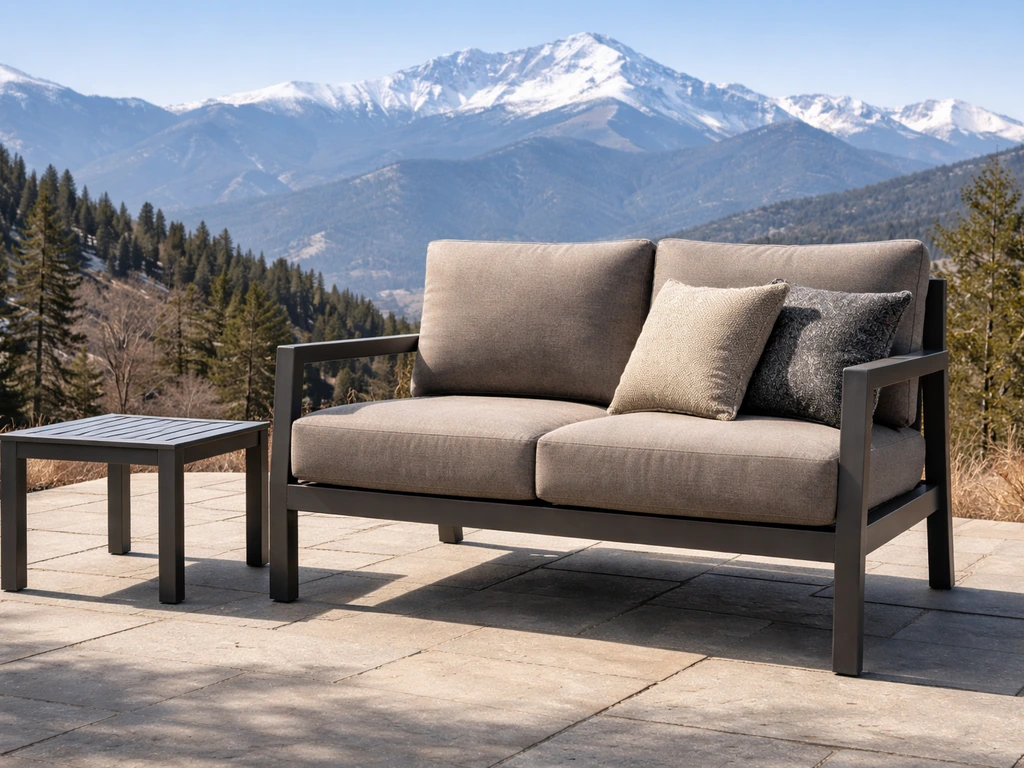
Best Patio Furniture for Colorado: What Lasts and Why
Colorado-ready patio furniture guide: durable materials, cushion picks, what to avoid, plus year-round care and protecti
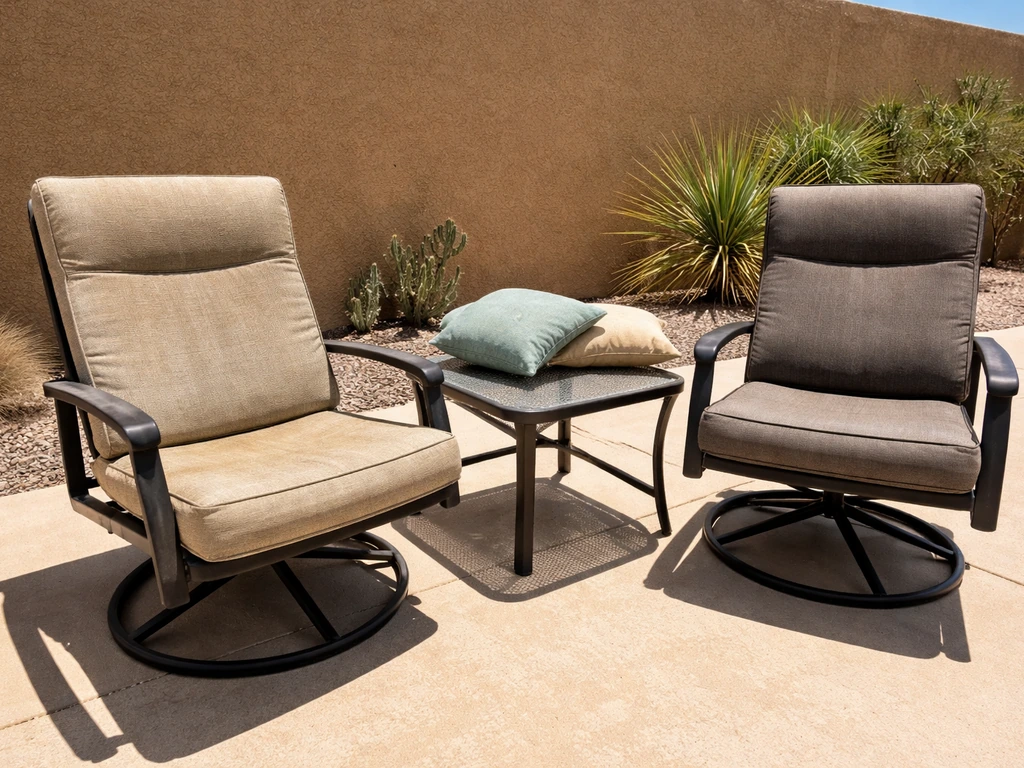
Best Patio Furniture for Arizona Heat: What Actually Lasts
Best patio furniture for Arizona: UV and rust resistant materials, cushions, frames, and maintenance to survive heat and