
For a large or heavy person, the minimum you should accept is a single-seat outdoor chair rated to at least 350 lbs with a seat width of 23 inches or more and a seat depth of 21 inches or more. Anything less and you are either compromising comfort or cutting safety margins dangerously thin. The right patio furniture for a larger body is out there, and it is not expensive if you know what to actually look for, but most people buy the wrong thing because they trust marketing labels instead of checking real construction details.
Best Patio Furniture for a Large Person: Complete Guide

Theo Tierney
12 Jun 2026
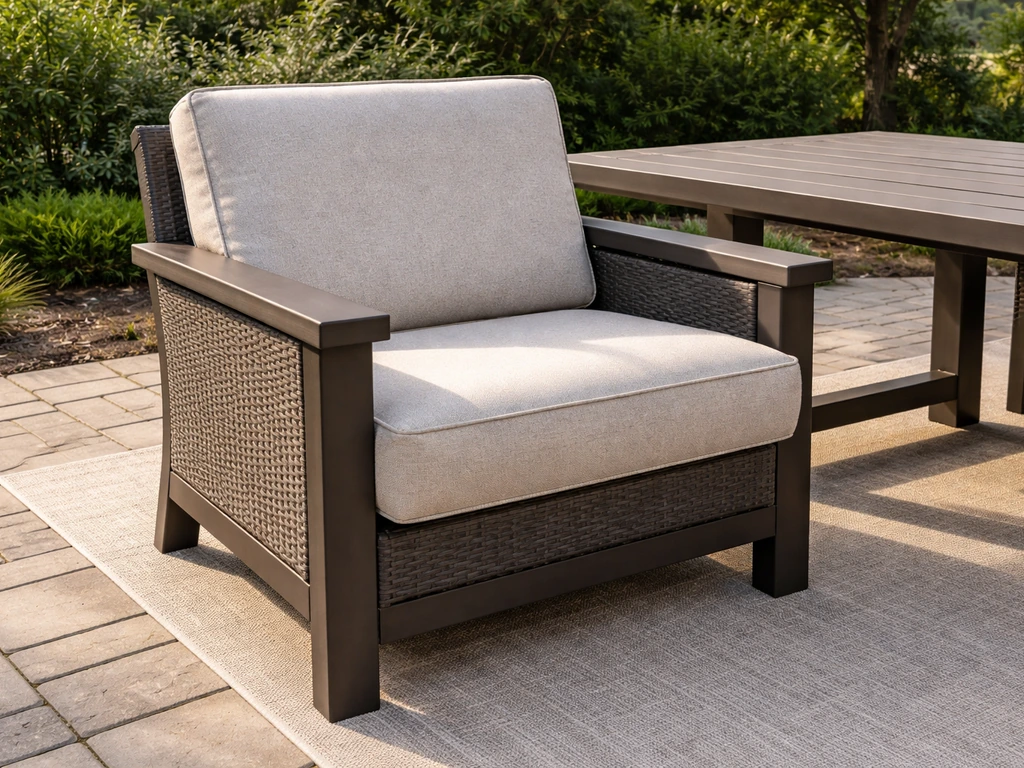
Start here: what a large person actually needs from patio furniture

Before you look at a single product listing, get two measurements: your hip width while seated on a firm, flat surface, and your seated thigh-to-back-of-knee depth. A good rule of thumb from seating ergonomics is hip measurement plus 1 inch equals your minimum seat width. For most larger adults, that lands in the 22 to 26 inch range. Standard patio chairs are typically built around 18-inch seats, the same width as a budget office chair, which is simply not enough room.
Seat depth matters just as much as width. You want enough depth to support your thighs without cutting off circulation at the back of your knees. For oversized Adirondack-style chairs, reputable retailers spec seat depths of 21 to 24 inches and seat widths of 23 to 26 inches. Those numbers are your baseline. Outdoor bench designers often suggest staying close to 16 inches of seat depth as a starting minimum, but for taller or larger frames, 20 inches or more is more realistic for comfort on a long summer evening.
Beyond dimensions, weight capacity and frame reinforcement are the real safety factors. And cushion compression is something most buyers never think about: a soft outdoor cushion can compress 1 to 2 inches under a heavier user, which changes your effective seat height and can accelerate foam breakdown far faster than the manufacturer's warranty accounts for. Always factor cushion firmness into your selection, not just the weight rating printed on the frame.
How to actually read weight capacity and stability ratings
Weight capacity numbers on product listings are not all created equal. POLYWOOD, for example, tests its seating in accordance with ASTM standards and publishes specific figures: single seats are weight-tested up to 350 lbs, two-seater chairs are rated at 300 lbs per seat, and three-seater models drop to 250 lbs per seat. The Classic Adirondack Chair from POLYWOOD lists a 300-lb capacity with notes on stability on flat outdoor surfaces. That is the kind of transparency you want to see, a named standard, a specific number, and a configuration caveat.
The relevant ASTM standard for outdoor plastic chairs is F1838, which covers performance requirements for adult outdoor plastic seating. For polypropylene resin chairs you may also see ASTM F1561-03 Class B certification cited on product pages. These are not the same thing and do not indicate the same level of performance, so it is worth knowing which standard applies to what you are buying.
A practical industry guideline is a 1.5x safety margin minimum, meaning a chair rated at 300 lbs should have been tested to at least 450 lbs before failure. When you are evaluating a brand, ask whether the stated capacity comes from a static load test (a one-time weight applied to the frame) or a cyclic/durability test (repeated loading that simulates years of use). Intertek and other third-party testing labs distinguish between static strength tests and cyclic fatigue tests. A chair that holds 400 lbs once is not the same as a chair that holds 300 lbs through thousands of sit-down cycles. If a brand cannot tell you which test method they used, treat the capacity claim skeptically.
In the office furniture world, ANSI/BIFMA X5.11 exists specifically for large-occupant chairs, and it sets a higher bar than the standard X5.1 specification. There is no direct equivalent large-occupant standard for residential outdoor furniture yet, which is why doing your own homework on frame construction is so important.
The best materials for heavy-duty outdoor seating
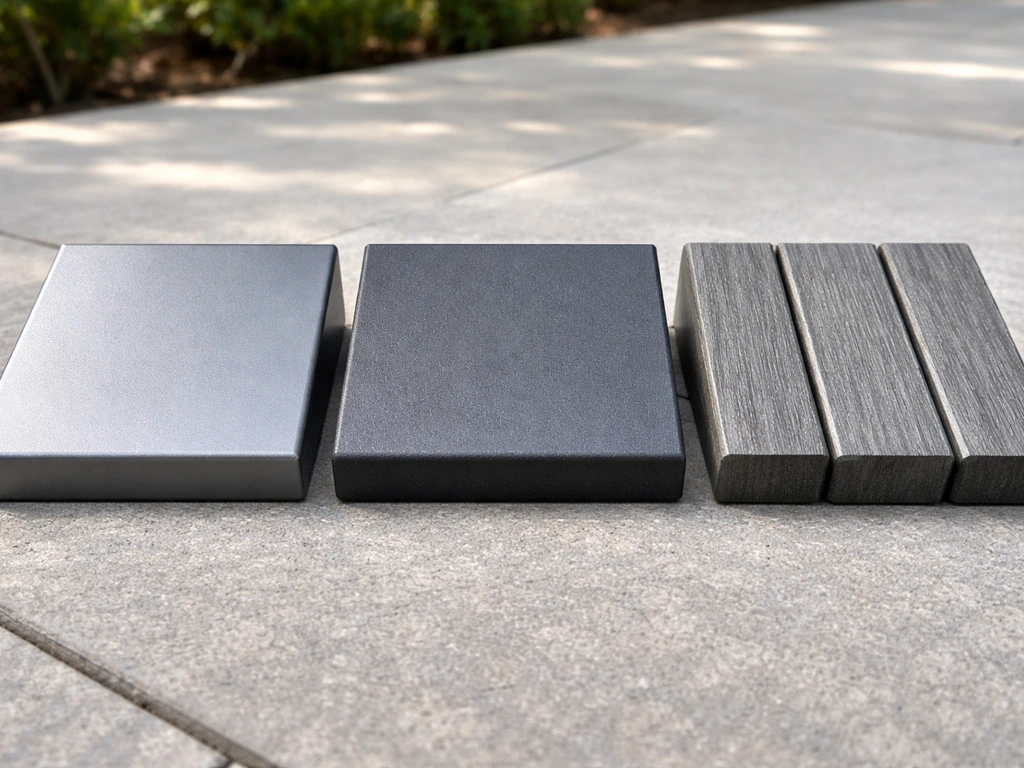
Material choice determines not just how long furniture lasts, but how it holds up under repeated, heavy use specifically. Here is how the main options compare for large-person use.
Powder-coated aluminum
This is the most practical all-around choice for most climates. Aluminum does not rust, and powder coating adds a layer of corrosion and UV resistance. Jensen Outdoor positions powder-coated aluminum as essentially rust-proof. The key advantage for heavy users is that thick-walled aluminum frames (look for 1.5mm wall thickness or greater in the tubing) maintain structural integrity over years of heavy use without the weight of steel. Commercial-grade aluminum patio furniture, the kind used in hotel pools and restaurant patios, is built to handle this kind of daily load. That is what you should be shopping for, not residential light-gauge stuff.
Steel (with caveats)
Steel is heavier and stronger than aluminum in raw terms, and powder-coated steel is highly resistant to rust in most environments. Trex reports their outdoor furniture pieces average 30 to 50 pounds, and steel frames tend toward the upper end of that range. The weight itself contributes to stability, which is a real advantage for large users. However, the critical failure point for steel is coating breach, if powder coat gets scratched or chipped to expose bare metal, steel can begin rusting quickly in humid or salt-air conditions. In Florida or coastal environments, aluminum is a safer long-term bet. In dry climates, quality steel with a thick powder coat is excellent.
HDPE lumber and recycled poly (like POLYWOOD)
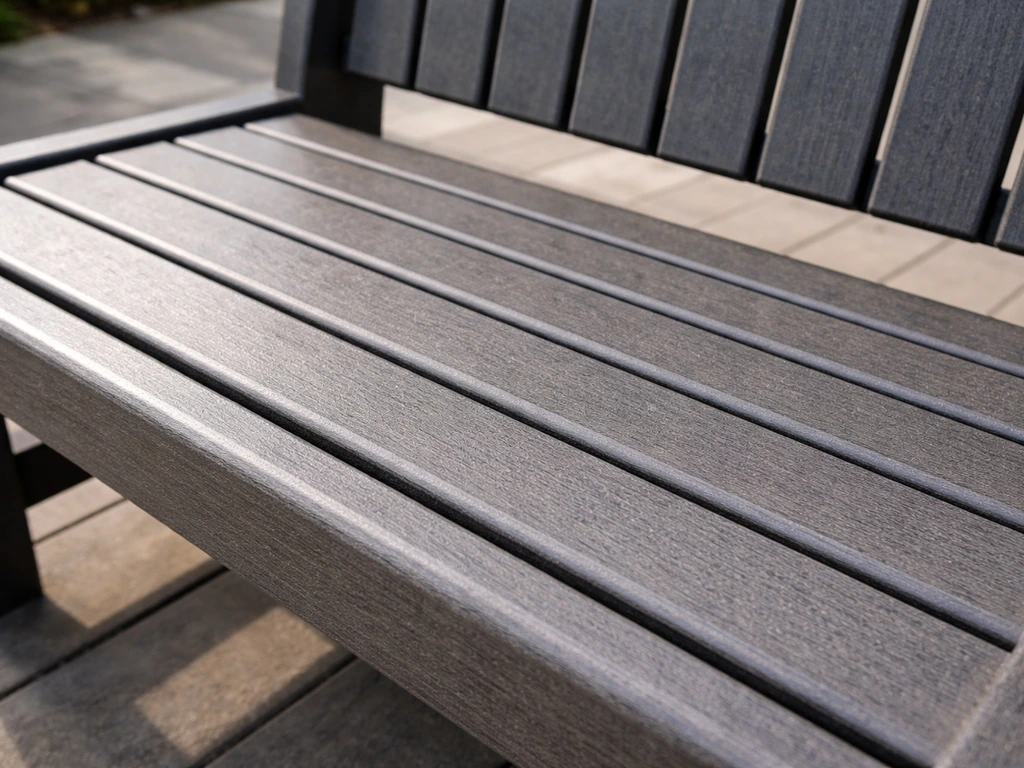
High-density polyethylene lumber, the material POLYWOOD and similar brands use, is genuinely impressive for heavy-use outdoor furniture. It does not crack, splinter, rot, or absorb moisture, and it carries strong weight ratings when combined with proper frame engineering (POLYWOOD's single-seat chairs test to 350 lbs). The seats are typically wide and deep with contoured support. The trade-off is that the material can feel slightly warm to the touch in direct sun, and the aesthetic is more casual than premium teak or aluminum. For durability-per-dollar, though, this category is hard to beat.
Teak and hardwood
Teak is genuinely strong and naturally resistant to rot, insects, and moisture thanks to its dense grain and natural oils. A well-built teak chair or bench handles heavy users well and ages beautifully. The catches: quality teak is expensive, it requires periodic cleaning (skip teak oil, it makes the surface sticky and promotes mildew, according to teak care specialists), and it is heavy to move around. Sunlight actually helps prevent mold and mildew growth on teak, so open, sunny patios are ideal. If you are in a shaded, humid environment, you will need to be more attentive with maintenance.
All-weather wicker and resin wicker
Standard wicker is not appropriate for heavy users. Resin wicker (synthetic HDPE strands woven over aluminum or steel frames) is a different story, but quality varies enormously. For a large person, the frame underneath the weave is what matters, a thin, light frame with dense weave looks great but will rack and loosen over time under heavy use. Look for resin wicker over thick aluminum frames, with reinforced corner joints and crossbar bracing underneath the seat cushion area. Weight ratings on resin wicker chairs vary widely; always confirm the rating and ask about the frame gauge.
| Material | Rust/Rot Risk | Best Weight Capacity Potential | Best Climate Fit | Maintenance Level |
|---|---|---|---|---|
| Powder-coated aluminum | Very low | High (commercial grade) | All climates, especially coastal/humid | Low |
| Powder-coated steel | Low (if coating intact) | Very high | Dry or mild climates | Low-moderate |
| HDPE lumber (recycled poly) | None | High (up to 350 lbs single seat) | All climates | Very low |
| Teak hardwood | None (rot-resistant) | High | Sunny/dry; manageable in humid | Moderate |
| Resin wicker over aluminum | Low (frame-dependent) | Moderate-high (frame-dependent) | All climates | Low-moderate |
What to look for in each furniture type
Chairs (Adirondack, dining, club)
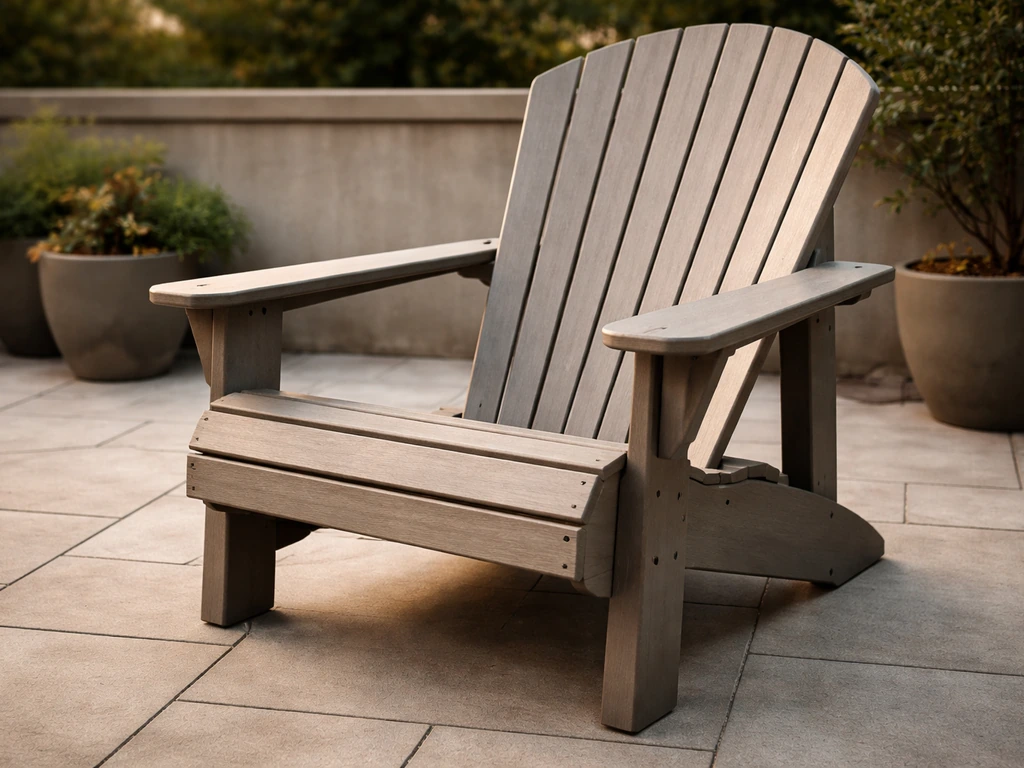
For standalone seating, oversized Adirondack chairs are one of the best options for large users: wide seats (23 to 26 inches), deep seats (21 to 24 inches), angled backs that distribute weight across a broad surface, and arm rests that are wide enough to actually use. HDPE Adirondacks in particular are nearly indestructible and easy to clean. For dining chairs, look for four-leg frames with crossbar bracing under the seat, not just side rails.
The crossbar is load-bearing for heavier users and is frequently omitted on budget chairs to cut costs. Confirm the stated weight limit, and if you cannot find it published, skip that product. As a general safety approach, treat patio chair weight limits as only part of the picture and verify the published capacity for your exact model and use case Confirm the stated weight limit.
Loveseats and two-seat chairs
Remember that per-seat weight ratings drop on multi-seat pieces, POLYWOOD's two-seaters are rated at 300 lbs per seat versus 350 lbs for single seats. A loveseat rated at 600 lbs total capacity sounds generous until you realize that is 300 per seat. If you are a heavier user sitting with another person, make sure both per-seat ratings meet your needs. Also check that the center support structure between the two seats is reinforced, it is the highest-stress point on any two-seat outdoor bench or loveseat.
Chaise loungers and reclining chairs
Loungers are a high-risk category for large users because most residential loungers are built to 250 lbs and feature sling or mesh construction that stretches and sags quickly under heavy, repeated use. Commercial-grade loungers made with extruded aluminum frames and reinforced pivot joints are a much better choice. Look for full-length frame support under the seat and leg section (not just slats with gaps), adjustable back mechanisms rated for heavy use, and wide footprint bases for stability. For HDPE options, brands that make Adirondack-style loungers often have much stronger construction than traditional sling-style pool loungers.
Dining sets and tables
For a full outdoor dining set, prioritize the chairs first (use the criteria above) and then match the table. For larger users, table height and clearance under the table apron matter, standard 30-inch table height works for most people, but if you have long legs, look for tables without an apron skirt that would limit legroom. Welded aluminum or steel table frames are more durable than bolted frames for outdoor use, as bolt joints loosen with thermal expansion and heavy use over seasons.
Sectionals
Outdoor sectionals are great for large users because individual modules can be configured to give more space, and you are not locked into a fixed chair size. The downside is that low-profile sectional modules (common in modern designs) sit close to the ground, which is uncomfortable for getting in and out if you have joint issues. Look for sectionals with a seat height of 17 to 19 inches (before cushion compression), individual module weight ratings, and frames with welded corners rather than just hardware connections. Wide, deep cushion foam rated at high density (2.0 lb density or higher) holds up much better under heavy repeated use than standard residential foam.
Matching your furniture to your climate
Material durability is not universal, climate is a multiplier on every weakness a material has. Here is how to think through it by region.
- Coastal and humid climates (Florida, Gulf Coast, Pacific Northwest): Powder-coated aluminum or HDPE lumber are your best options. Salt air accelerates corrosion on any exposed metal, and ASTM B117 salt-spray testing is what reputable brands use to certify coating performance in these conditions. Avoid bare steel entirely. Resin wicker over aluminum is acceptable if the frame is commercial grade.
- Hot, dry, and sunny climates (Arizona, Southern California, Texas): UV degradation is the main enemy. HDPE lumber resists UV well and will not crack or fade the way lower-grade plastics do. Powder-coated aluminum holds up fine, but lighter aluminum sections can warp or loosen over time in extreme heat. Teak performs well in dry heat. Avoid cheap resin plastics (polypropylene without UV stabilizers) — they turn brittle and crack within a season or two.
- Freezing winters and snow (Midwest, Northeast, mountain regions): Moisture intrusion and freeze-thaw cycles are the killers. HDPE lumber is ideal because it does not absorb moisture. Teak is naturally resistant but should be stored or covered. Aluminum holds up well but any hollow-section frames should be stored or covered to prevent water pooling and freezing inside joints. Steel is fine if kept dry and covered through winter.
- Balanced/mild climates (Mid-Atlantic, Pacific Northwest inland): You have the most flexibility. Any of the quality materials work well with basic maintenance. Focus your budget on construction quality and weight ratings rather than climate-specific materials.
Shopping checklist and mistakes to avoid
Use this checklist before buying anything. These are the things that separate furniture that lasts from furniture that fails in a season or two. If you are shopping specifically for seniors, prioritize wide, supportive seating plus strong weight ratings and stability.
- Measure your seat width need first: hip width plus 1 inch is your minimum seat width. Do not guess.
- Confirm the published weight capacity and which ASTM standard it references. If no standard is cited, ask the manufacturer directly.
- Ask whether the weight capacity comes from a static test or a cyclic/fatigue test. Static-only ratings are less meaningful for daily use.
- Check seat dimensions: look for at least 23 inches wide and 20 inches deep for most large-adult bodies.
- Inspect frame construction: welded joints are stronger than bolted joints for load-bearing sections. Look for crossbar bracing under the seat.
- Evaluate cushion firmness: high-density foam (2.0 lb density minimum) resists compression and does not break down quickly under heavy use. Remember that cushions can compress 1 to 2 inches, which affects effective seat height.
- Confirm rust-proof or rust-resistant construction appropriate to your climate (powder-coated aluminum for humid/coastal, powder-coated steel acceptable for dry climates with intact coating).
- Check the overall furniture weight: heavier frames (30 to 50+ lbs) tend to be more stable for larger users. Very light chairs tip more easily.
- For multi-seat pieces, check the per-seat rating, not just total capacity.
- If buying online, look for product dimensions in the listing. If seat width and depth are not listed, contact the seller before buying — this is a red flag for standard residential sizing.
Common buying mistakes
- Buying based on total weight capacity without checking per-seat ratings on multi-seat pieces.
- Assuming 'heavy-duty' in a product title means anything specific — it does not. Check the actual rated capacity and frame specs.
- Ignoring seat dimensions entirely and focusing only on weight limit, which misses the comfort and support picture.
- Choosing sling or mesh outdoor chairs for heavy users — these stretch, sag, and lose structural integrity far faster than solid-seat frames.
- Buying cushions separately that are softer than the frame supports, which compresses quickly and creates an unsupported seat over time.
- Not accounting for climate when choosing materials — a steel chair in coastal Florida is a rust problem waiting to happen, regardless of how strong the frame is.
Keeping heavy-use patio furniture in good shape long-term
Heavy-use furniture takes more stress at the joints, hardware, and cushion surfaces than the same piece used by lighter users. That means your maintenance routine needs to be slightly more proactive, not just reactive.
Hardware and frame
Tighten all bolts, screws, and nuts every six months, or more frequently if you use the furniture daily. Home Depot's outdoor furniture care manuals specifically recommend this interval, and for heavy-use pieces I would move it to every three months during the main season. Loose hardware accelerates joint wear exponentially: a slightly loose bolt rocks with every use, enlarging the hole, which makes the bolt looser, which increases rocking. Catching it early costs nothing. Catching it late means replacing components or replacing the whole piece.
Rust and corrosion prevention
For powder-coated aluminum, inspect the coating annually for chips or scratches and touch up with matching outdoor powder-coat paint or spray to prevent moisture contact. For steel frames, this step is even more critical: once coating is breached and rust begins, it spreads quickly in humid conditions. Home Depot’s outdoor metal furniture care guidance similarly notes that steel can corrode quickly when protective coatings are compromised and recommends prevention steps to limit moisture and rust For steel frames, this step is even more critical. Clean any rust spots immediately with a rust-neutralizing primer before repainting. Aluminum has no rust risk at the base material level, so a scratch on aluminum is a cosmetic issue, not a structural one.
Cushion care
For solution-dyed acrylic fabrics like Sunbrella, handwashing is the recommended approach. Sunbrella does not promote mildew growth on its own, but mildew can grow on dirt or debris left on the fabric surface. Clean cushion covers regularly during the season. If you need to use a bleach solution for a mildew outbreak, follow up with a fabric reproofer, bleach removes the water-resistant treatment and you need to reapply it after cleaning. Store cushions indoors or in a dry storage box when not in use, especially in humid climates. High-density foam will last significantly longer if it stays dry.
Teak-specific care
Do not use teak oil on outdoor teak furniture. It creates a sticky surface that collects dirt and promotes mildew, the opposite of what you want. Clean teak annually with a teak cleaner and a soft brush, rinse thoroughly, and let it dry completely in sunlight. Sunlight exposure actually helps suppress mold and mildew on teak surfaces. If you want to preserve the golden color rather than let it go silver-grey, a quality teak sealer (not oil) is the appropriate product.
Covering and storage
When furniture is not in use for extended periods, use breathable, waterproof covers rather than solid plastic tarps. Solid plastic traps moisture underneath and creates exactly the humid microclimate that accelerates mildew and corrosion. Before covering or storing for winter, clean everything thoroughly and make sure all surfaces are completely dry, storing damp furniture accelerates every failure mode. For freezing climates, move cushions indoors entirely and store frames somewhere dry if possible. If outdoor storage is the only option, elevate frames off the ground slightly to prevent contact with snow and ice melt.
If you are also shopping for other people in your household, it is worth noting that some of the same construction priorities, reinforced frames, stable bases, firm cushions, and appropriate seat dimensions, overlap with what matters for senior users and other specific needs. The core principle is the same: match the furniture's actual rated capacity and dimensions to the person using it, and choose materials that fit your climate. If you are shopping for the best heavy-duty patio furniture, the same approach applies: match rated capacity and real seat dimensions, then choose materials that suit your climate. Get those two things right and you will have outdoor furniture that is both safe and genuinely comfortable for years.
FAQ
What should I prioritize first if I’m buying patio furniture for a large person, weight rating or seat dimensions?
Prioritize both, but seat dimensions come first for day-to-day comfort and circulation. Use weight ratings as your safety floor, then confirm the chair’s actual seat width and depth fit your hip width and thigh-to-knee depth. If either dimension is too small, cushioning and support geometry can’t compensate, even if the frame rating looks high.
Are chair weight ratings enough to guarantee safety for repeated use?
Not always. Look for whether the stated capacity comes from a durability or cyclic test versus a one-time static load. If the brand does not specify test type, treat the number as a best-case and choose a product with a higher published capacity or additional indicators like reinforced corners and load-bearing cross braces.
How do I account for cushion compression when choosing seat depth?
If you use a cushioned chair, measure your seated depth preference and then plan for foam compression by choosing a deeper seat than you think you need, especially for soft cushions. A practical move is to target the higher end of the recommended seat-depth range for oversized chairs, and confirm cushion firmness, not just the chair’s weight limit.
What’s the best way to measure hip width and seat depth at home?
Sit on a firm, flat surface and measure hip width at the widest point while seated. For seat depth, measure from the back of your hips to the back of your knee (or the point where comfort stops). Write both down, then compare them to the product’s listed seat width and seat depth, not overall chair dimensions.
Should I size up for a larger person even if a chair’s listed capacity seems high?
Yes, if you’re close to the limits or you’ll use the furniture frequently. Many chairs list capacities that vary by configuration (single seat versus multi-seat), and performance can change with posture, sliding, or uneven weight distribution. Aim for a safety margin and check for reinforcement at the stress points like corners and center supports.
What should I check on multi-seat pieces like loveseats or benches for a heavier user?
Confirm the per-seat rating, not the total. Also inspect the center support structure between seats, since that area takes more stress in many designs. If the center brace is thin, absent, or not mentioned in the specs, choose a different model.
Are resin wicker patio chairs safe for large people?
They can be, but the weave is not the safety factor. Verify the frame is thick and reinforced, with dense support under the seat and at corners. Avoid chairs where the only described strength is the resin wicker or where the frame gauge and weight rating are unclear.
Can I use an oversized Adirondack chair outdoors if I have joint issues or trouble getting up?
Often yes, because wider armrests and angled backs can reduce the need to twist when standing. But check seat height and how close the chair sits to the ground, especially for loungers or low-profile sectionals. If you have trouble standing, prioritize comfortable arm support and avoid very low seating designs.
Is aluminum patio furniture always better than steel for large people?
Not always, but aluminum often has an advantage in coastal and humid conditions because it does not rust if coating is scratched. Steel can be excellent in dry climates if the powder coat is thick and well applied, but steel becomes riskier after coating breaches. Your environment should decide between them.
What’s the most common mistake when shopping for patio furniture for large people?
Buying based on marketing language and overall dimensions instead of verified seat width, seat depth, and the published tested capacity for the exact configuration. Another common mistake is ignoring cushion compression and choosing soft cushions that effectively reduce usable seat depth over time.
How often should I tighten bolts and check hardware for heavy-use patio furniture?
In heavy seasonal use, tighten hardware about every three months during the main season, and at least every six months otherwise. Loose hardware increases rocking, enlarges holes, and accelerates joint wear, so early tightening can prevent replacement later.
What should I do if I cannot find a published weight limit for a chair?
If a specific model does not publish a weight limit, skip it for large-person safety. Even if the chair “looks sturdy,” you cannot verify structural performance or durability under cyclic loading. Choose another brand that states the capacity for your exact configuration.
How can I tell if a patio lounger is built for heavy users?
Look for full-length structural support under the seat and leg areas, not slats with gaps, and check that pivot joints and adjustable mechanisms are designed for repeated loading. Residential sling or mesh loungers tend to stretch and sag faster under heavy use.
What’s the best approach for choosing the table height and clearance for dining sets?
Start with table height around standard (about 30 inches) but prioritize knee and leg clearance under the apron for your body length. If you have long legs, select tables that minimize apron skirt restrictions, since standard aprons can reduce usable leg space even when the chair itself is the right fit.
Next Articles
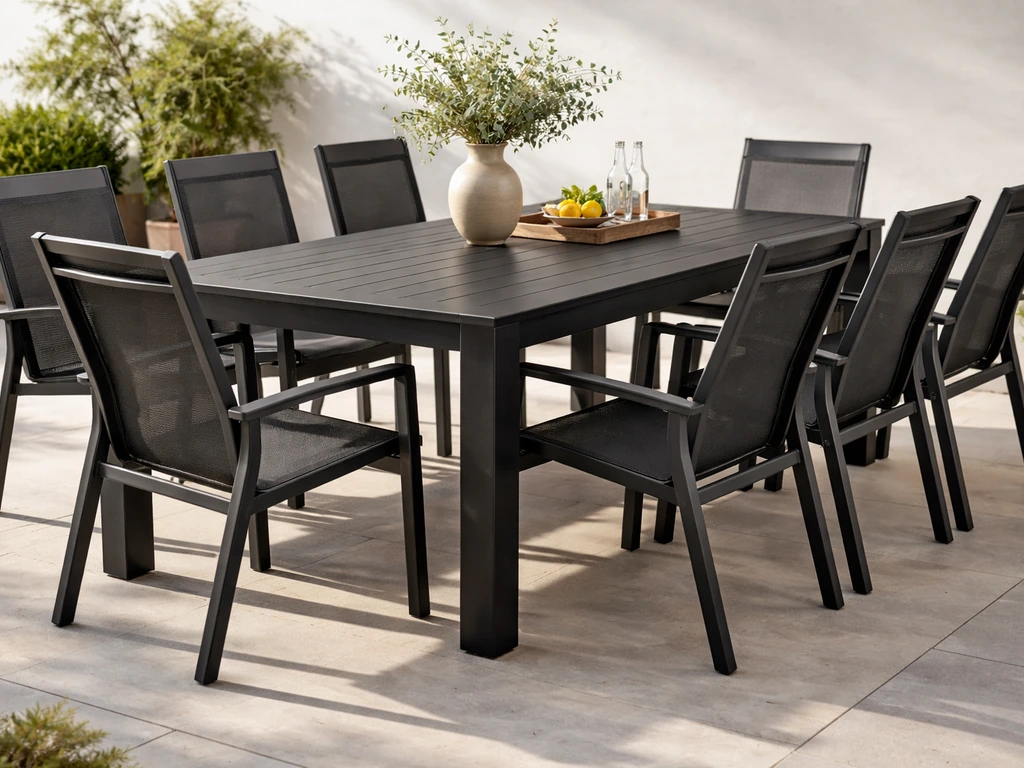
Best Heavy-Duty Patio Furniture: Buyer and Care Guide
How to choose and maintain the best heavy-duty patio furniture by material, climate, specs, and care checklist.
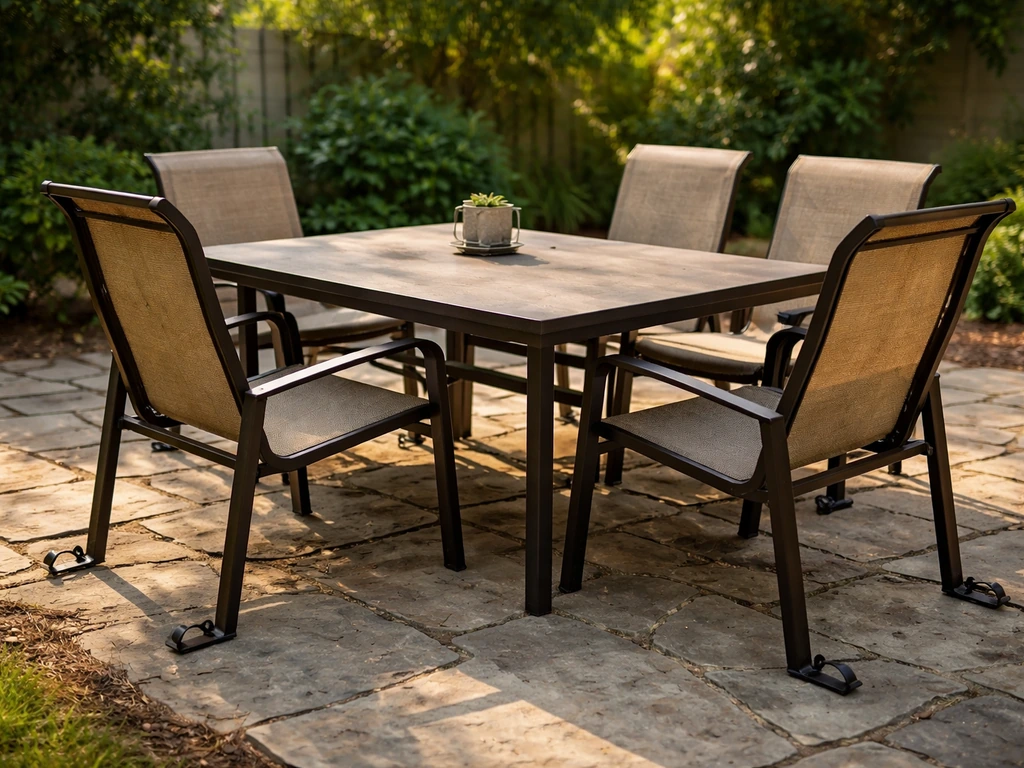
Best Patio Furniture Weights: Choose Stable Sets by Type
Find the right patio furniture weight by type and material for wind stability, less tipping, and lasting outdoor comfort
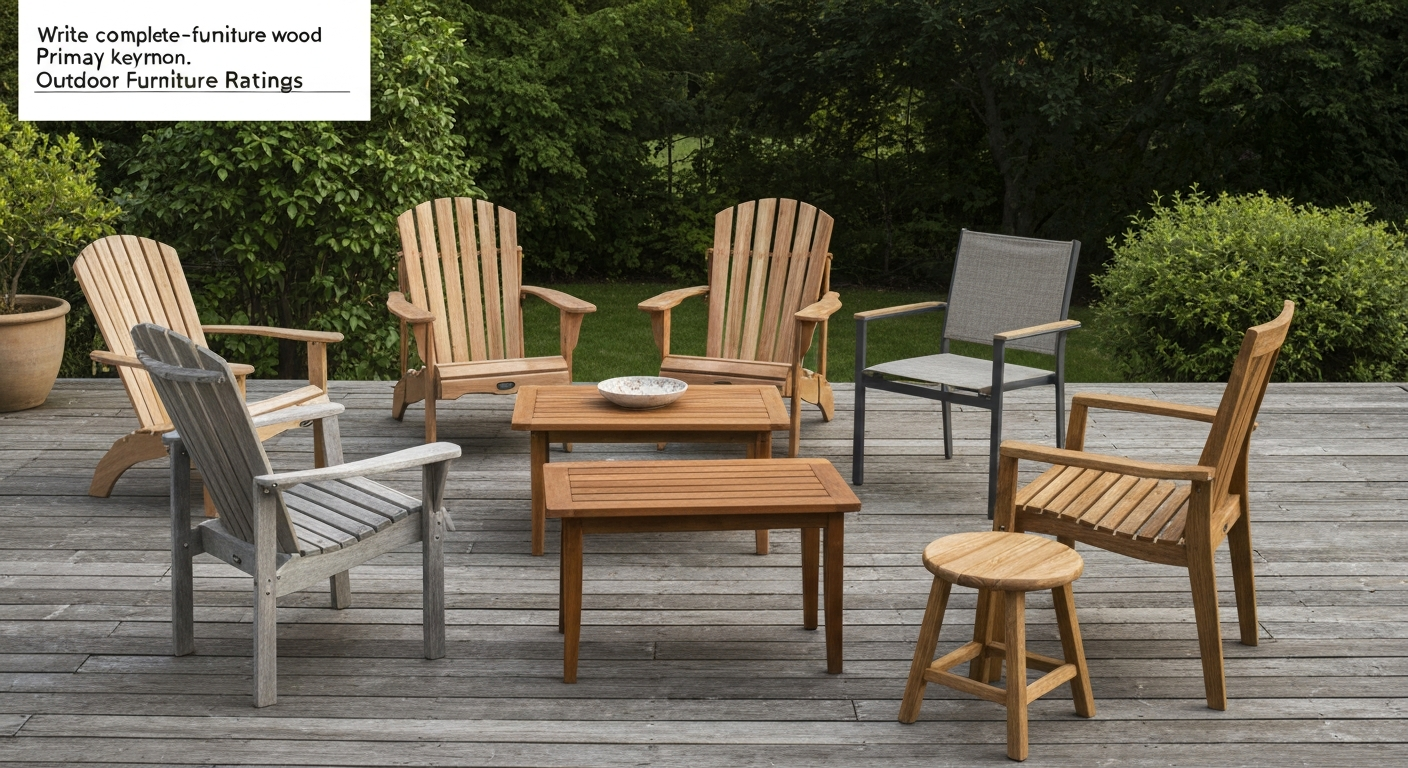
Common Patio Furniture Wood: Best Choices, Care & Tips
Compare common patio furniture wood types, teak, cedar, redwood, oak, with durability, finishes, and care tips.