
The worst patio furniture rusts through in one season, warps after the first rainstorm, or turns into a mold farm the moment humidity hits. What makes something "the worst" is almost always one of three things: cheap materials with poor coatings, a construction style that traps moisture and accelerates failure, or a complete mismatch between the furniture and your local climate. Knowing which specific features to avoid means you can spot a bad buy in about five minutes at the store or scrolling through a product listing. If you're trying to choose the right set, the first step is understanding what patio furniture needs to handle for your space and climate what is patio furniture.
Worst Patio Furniture: What Fails, Red Flags, and Fixes

Theo Tierney
17 Jun 2026
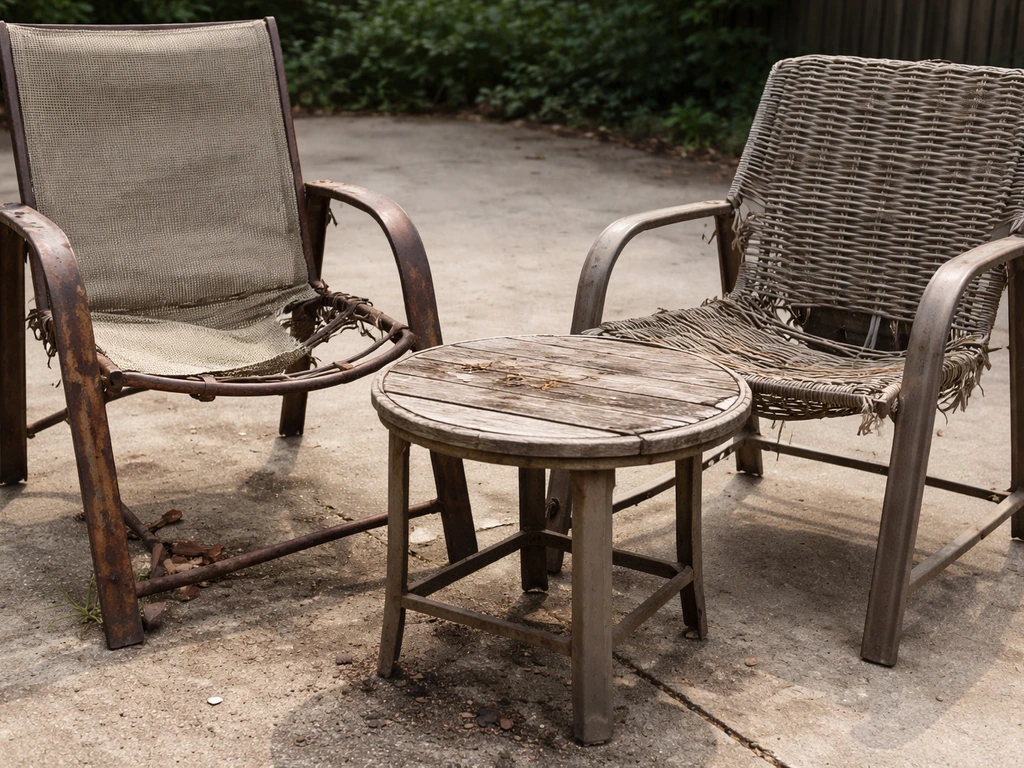
What "worst patio furniture" actually means
When someone searches for the worst patio furniture, they're usually asking one of three distinct questions. A patio furniture definition typically covers items designed for outdoor seating, dining, and relaxing that are built to handle weather exposure. The first is value failure: furniture that looks fine in the store but degrades fast, meaning the price-to-lifespan ratio is terrible. The second is material failure: specific construction problems that cause rust, rot, mold, or structural collapse regardless of price. The third is climate mismatch: furniture that could be perfectly fine somewhere else but is genuinely terrible for your specific weather conditions. All three are worth understanding because the fix is different in each case.
Cheap doesn't automatically mean worst, and expensive doesn't mean best. A $200 powder-coated aluminum set can easily outlast a $900 set made from thin-wall steel with a baked enamel finish. The real question is always construction quality and material suitability, not sticker price. That said, the lowest price tier at big-box stores is where most of the worst offenders live, and the patterns are consistent enough that you can learn to recognize them quickly.
The most common ways patio furniture fails
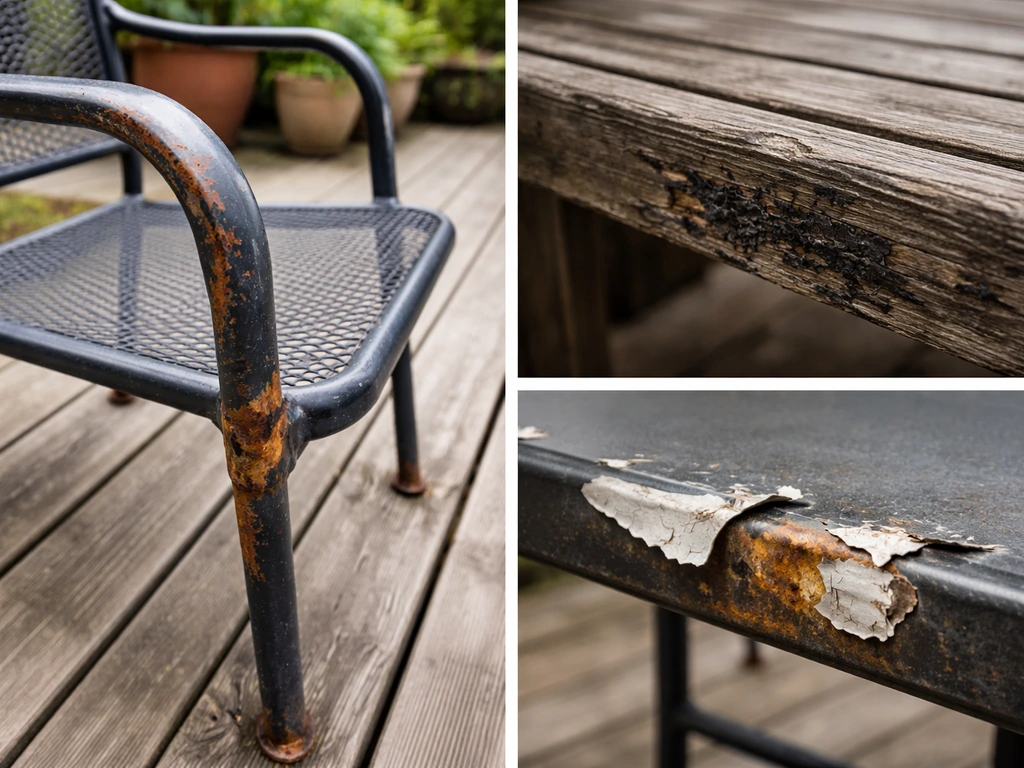
Rust is the number one failure mode for metal furniture. Wrought iron looks beautiful but is genuinely susceptible to rust, and even a small chip in the coating gives moisture a starting point. Steel fares better when it's powder coated properly, but thin-wall steel with a cheap painted finish will start showing rust bubbles within a year or two in any humid environment. Aluminum doesn't rust in the traditional sense, but low-grade aluminum alloys can pit and oxidize in salt air environments.
Rot and decay in wood furniture follow a simple rule: fungal breakdown requires free water sitting in the wood's cell structure. That means wood furniture that traps standing water at joints, has unsealed end grain, or sits directly on wet surfaces will rot from the inside out faster than you'd expect. Even naturally rot-resistant species like teak need resealing roughly once a year, and twice a year near saltwater, or they'll start to degrade at the joints and exposed end grain.
Mold and mildew are almost entirely a moisture management problem. Cushions that can't dry quickly, wicker that holds water in its weave, and furniture stored under covers that trap condensation all create ideal conditions for mold spore colonization. The solution is always the same: drainage, airflow, and quick-drying materials. A cushion with a non-solution-dyed fabric cover and a foam core that absorbs water will smell like a basement within one wet summer.
Fading and color degradation happen fastest on surface-dyed or printed fabrics and spray-painted frames. Solution-dyed fabrics, where the color is added to the yarn before weaving rather than applied on top, hold color dramatically longer under UV exposure. The same principle applies to frames: powder coating baked onto the metal at high temperature holds up far better than air-dried paint or spray finishes. Composites like HDPE lumber use UV stabilizers to slow fading, but early-generation wood-plastic composites skipped this and faded significantly within a few seasons.
Sagging and structural failure usually come down to two things: thin-wall tubing that bends under real weight, and joinery that relies on cheap hardware. Welded frames are stronger than bolted frames, but welded frames with thin walls still flex and fatigue over time. Bolted frames are fine if the hardware is stainless steel, but zinc-plated fasteners in a wet climate will corrode and loosen within a couple of seasons, causing wobbling and eventual joint failure.
How to spot the worst options in five minutes
The fastest shopping red flag is frame wall thickness on metal furniture. Cheap steel and aluminum chairs and tables use tubing with walls so thin you can feel the flex when you push on the frame. Good outdoor aluminum runs 1.5mm to 2mm wall thickness or better. If you can visibly see the frame flex when you sit down or push on the back, it's going to fail at the welds or joints within a few seasons of normal use.
Check the coating type and finish before anything else. Product listings that say "painted" or "powder painted" instead of "powder coated" are a red flag. True powder coating is an electrostatically applied dry powder baked onto the metal at high temperature, which creates a thick, hard film that resists chipping and rust far better than liquid paint. If the listing is vague about finish type, that's your answer.
For wicker furniture, look for the words "all-weather" and "resin" or "PE wicker" (polyethylene). Natural rattan left outside in rain will warp, crack, and mold. It's an indoor or covered-patio-only material. If the listing just says "wicker" without specifying the material, assume it's natural rattan and treat it accordingly.
On cushions, check for two things: fabric type and foam construction. If you want the most comfortable patio furniture, prioritize cushions and seating that dry quickly and provide strong structural support. Solution-dyed polyester or solution-dyed acrylic (like Sunbrella or Outdura) holds color and resists mildew because the dye is part of the fiber structure, not a surface coating. Inside the cushion, look for antimicrobial foam wrapped in water-resistant ticking. A plain polyurethane foam insert with a standard polyester cover will soak up water and become a mold problem fast.
- Push on the frame: any visible flex in a metal chair is a wall-thickness problem
- Look for "powder coated" specifically, not just "painted" or "powder painted"
- Check fasteners: stainless steel hardware matters, especially near coasts or in humid climates
- Confirm wicker is labeled "PE," "resin," or "all-weather" rather than just "wicker" or "rattan"
- Look for solution-dyed fabric on cushions, not printed or surface-dyed
- Check whether the cushion cover zips off and is machine washable
- Look for drainage holes in table frames and seat bases so standing water can escape
- Avoid wood furniture with no mention of species, finish, or sealing treatment
Material-by-material: the worst picks in each category
Wood: low-grade species and bare finishes
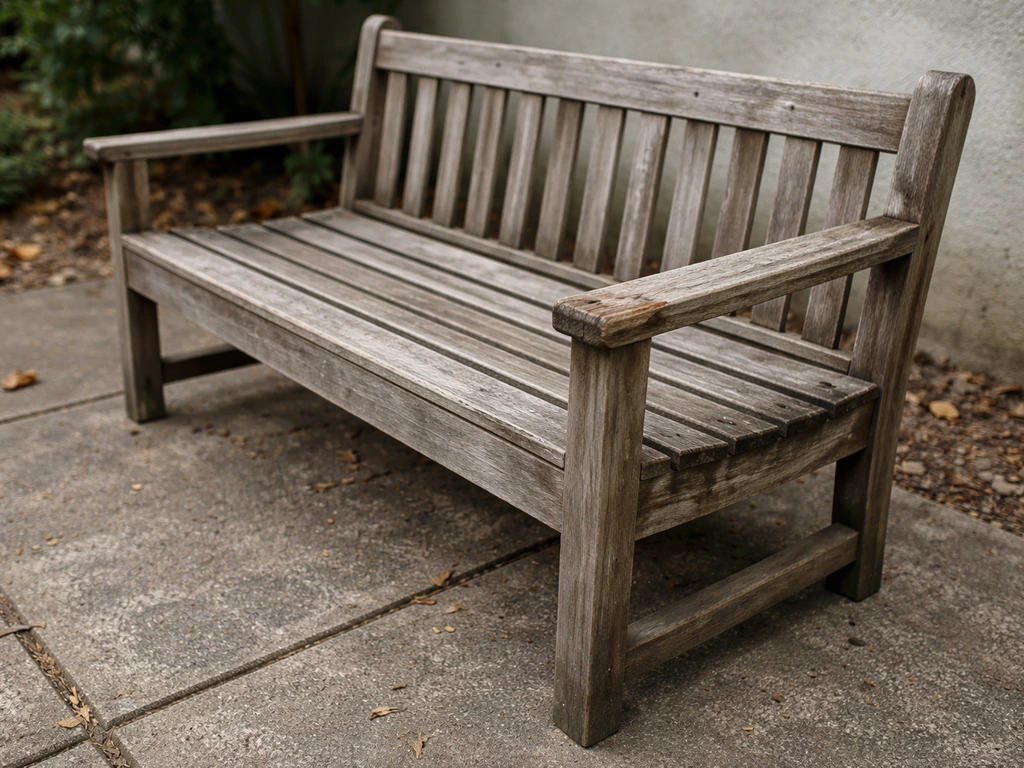
The worst wood patio furniture is made from untreated low-grade softwoods like pine or spruce with a thin coat of paint or stain. These woods have no natural rot resistance, and once the coating cracks or chips (which happens fast outdoors), moisture gets into the grain and fungal decay starts quickly. Even pressure-treated lumber, while decay-resistant, can still warp badly if not dried and finished properly. Eucalyptus is often sold as a teak alternative but varies wildly in quality depending on the grade; low-grade eucalyptus will check and crack within a season or two.
The bigger problem with cheap wood furniture is joinery. Metal fasteners that aren't stainless or coated galvanized will rust and stain the wood while simultaneously weakening the joint. Mortise-and-tenon joinery with wood glue handles outdoor moisture cycling better than screwed butt joints, but you rarely see it at the budget end of the market. If the frame is held together with visible screws and the species isn't listed, walk away.
Metal: thin steel and wrought iron without covers
Thin-wall steel with baked enamel or spray paint is the worst metal option for most outdoor conditions. The coating chips at edges and contact points, and once bare steel is exposed to moisture, rust spreads under the coating faster than it appears on the surface. Wrought iron is heavy and looks classic, but it's genuinely rust-prone and needs either a covered porch, a quality furniture cover, or regular touch-up painting to stay in good shape. For most people in most climates, wrought iron without dedicated maintenance is a bad investment.
Cast aluminum is far more rust-resistant, but the budget versions use thin casting and hollow construction that cracks under impact or flexes at the joints. The worst metal furniture combines thin steel construction with hardware that's zinc-plated rather than stainless. Zinc plating provides some corrosion resistance but fails relatively quickly in wet or salt-air conditions, leaving loose joints and rust streaks down the frame.
Wicker: natural rattan sold as outdoor furniture
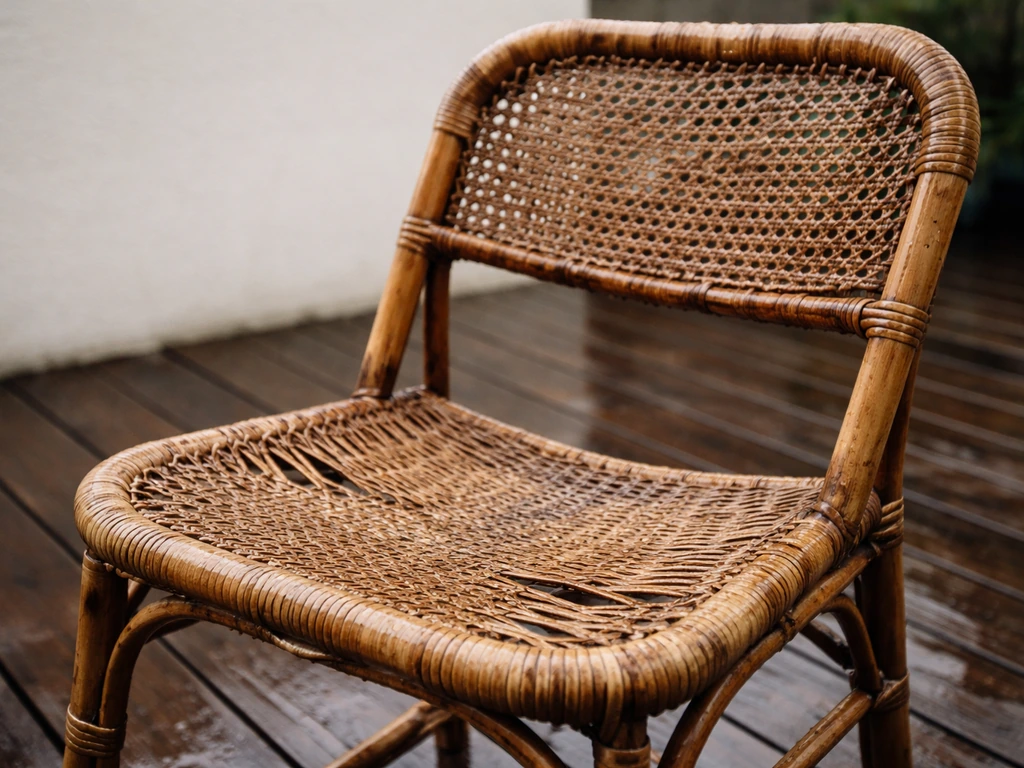
Natural rattan is the worst possible choice if you plan to leave furniture outside exposed to rain. A single night of heavy rain can cause warping and cracking, and repeated wetting leads to mold inside the weave. The problem is that a huge amount of furniture is sold simply as "wicker" with attractive photos, and buyers assume it's outdoor-ready. Real outdoor wicker is polyethylene (PE) resin woven over an aluminum frame. It looks nearly identical to natural rattan but handles rain, UV, and temperature swings without degrading. If the listing doesn't say PE, HDPE, or "all-weather resin," assume it's natural and only appropriate for a fully covered or indoor space.
Composite and plastic: early-gen wood-plastic and low-density plastics
Not all composites are equal. Early-generation wood-plastic composite decking and furniture had significant fading and mold issues because UV stabilizers and mold inhibitors weren't part of the formulation. High-density polyethylene (HDPE) lumber from brands like POLYWOOD is a genuinely different product, warranted against splintering, cracking, chipping, peeling, and rotting for 20 years under normal residential use. The worst composite furniture is low-density polypropylene or recycled plastic that hasn't been UV stabilized, which chalks, fades, and becomes brittle in a few seasons. The color going chalky is a sign the polymer structure itself is breaking down, not just the surface.
Climate-specific mistakes: the wrong furniture for your weather
| Climate | Worst Choices | Why It Fails |
|---|---|---|
| Coastal/salt air (Florida, Pacific Coast) | Wrought iron, zinc-plated hardware, natural rattan, untreated wood | Salt accelerates rust and coating breakdown; natural fibers absorb moisture and mold |
| Hot/high UV (Arizona, Nevada, Texas) | Surface-dyed or printed cushion fabrics, uncoated plastics, light-colored painted finishes | UV destroys surface dyes and degrades unprotected polymers quickly; paint chalks and peels |
| High humidity (Southeast US, Gulf Coast) | Natural rattan, unsealed wood, foam cushions without antimicrobial treatment | Constant moisture drives mold, mildew, and rot; cushions that can't dry quickly become health hazards |
| Freezing winters (Midwest, Northeast) | Hollow steel frames left outside, ceramic or glass tops, any furniture left with standing water | Freeze-thaw cycles crack hollow metal tubes as trapped water expands; standing water in joints accelerates corrosion |
| Heavy rain/wet climates (Pacific Northwest) | Untreated wood, non-draining frame designs, non-quick-dry cushions | Constant moisture exposure drives rot and mold; furniture without drainage points pools water at joints |
The coastal salt air situation deserves special attention because it's the most aggressive environment for patio furniture and the one where cheap choices fail fastest. Salt spray attacks metal coatings from the inside by wicking under chips and scratches through an electrochemical process. Fasteners are the first to go. If you're within a mile or two of saltwater, stainless steel hardware is non-negotiable, powder-coated aluminum or teak are the only reliable frame materials, and any wood furniture needs sealing twice a year minimum.
In freeze-thaw climates, the failure mode most people underestimate is water trapped inside hollow frame tubes. When that water freezes and expands, it can crack welds and split tubing from the inside. The fix is simple: store furniture indoors or in a covered space for winter, or at minimum tip chairs upside down so water drains out before a freeze. This is not a material quality issue, it's a storage and placement practice, and skipping it will damage even high-quality furniture.
How to buy better and protect what you have
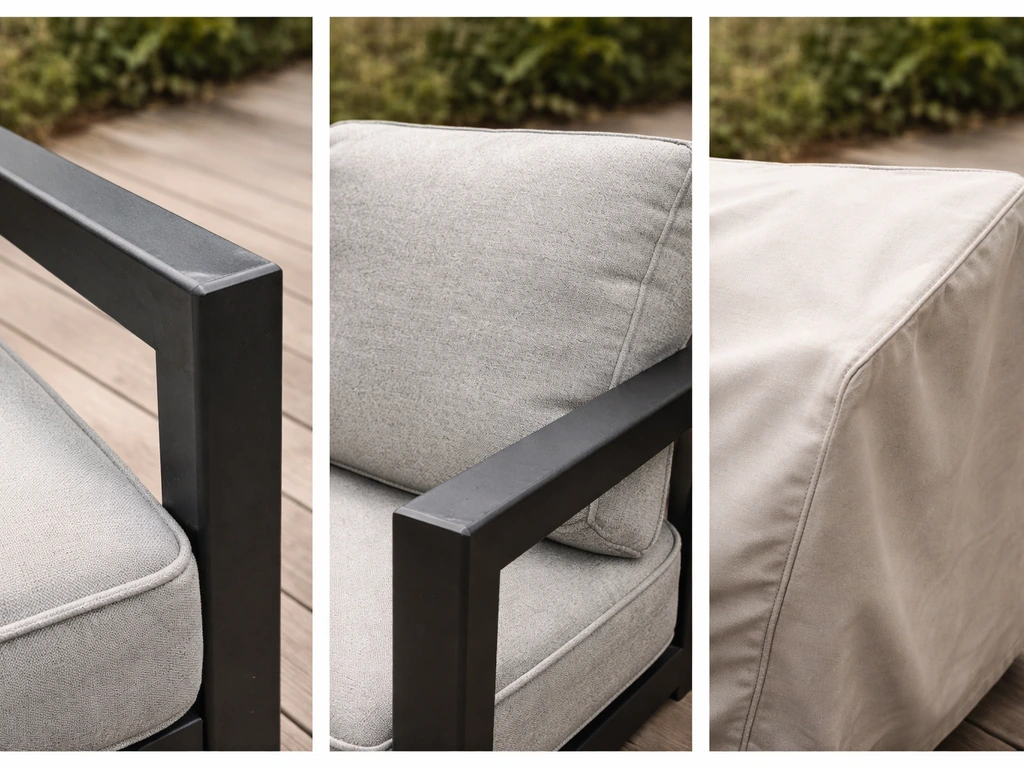
The durability upgrade hierarchy works like this: move up from thin steel to powder-coated aluminum for frames, move up from surface-dyed to solution-dyed fabric for cushions, and move up from natural rattan to PE wicker for woven furniture. This is why choosing the best outdoor patio furniture for your conditions starts with build quality, finishes, and materials that resist corrosion, rot, and fading move up from thin steel to powder-coated aluminum. These three upgrades eliminate the majority of common outdoor furniture failure modes. You're paying more upfront, but the total cost of ownership over five to ten years is almost always lower because you're not replacing furniture every two or three seasons.
Covers are worth using but only if they breathe. A tightly sealed waterproof cover that traps condensation underneath creates a humid microenvironment that actually accelerates mold on cushion fabric and wood frames. Look for covers with venting panels or a loose-fitting design that allows air movement. The goal is to keep direct rain and debris off the furniture, not to create a sealed terrarium.
Placement is an underrated factor. Furniture sitting directly on concrete or pavers in a spot that holds standing water after rain will degrade faster than identical furniture on a well-drained surface or elevated slightly on rubber feet. Keep wood frames off direct ground contact when possible. Orient furniture so it's not in the lowest point of your patio where water pools after heavy rain.
Cushion management is probably the single highest-impact maintenance habit. Standing cushions vertically after rain so both sides can dry, bringing them inside during extended wet periods, and unzipping covers for cleaning at the start and end of each season will extend cushion life dramatically. Look for cushion fabric warranties as a quality signal: Sunbrella offers a five-year warranty on its solution-dyed acrylic fabric, and that kind of manufacturer confidence in a textile is meaningful. Cheap cushion fabric comes with no such promise. If you’re wondering what is the best patio furniture, start by matching materials and finishes to your local weather and maintenance habits, not just the price.
For wood furniture, annual resealing is the maintenance practice that separates long-lasting teak from rotting teak. Use a penetrating sealer appropriate for the species and apply it to clean, dry wood. Near saltwater, do it twice a year. It's a one-afternoon job that adds years to the furniture's life. If you're not willing to do that maintenance, composite HDPE lumber is genuinely the better choice because it requires almost none.
One final practical check before buying: look up the warranty before you commit. A 20-year warranty on HDPE lumber against rot, cracking, and peeling means something real because that company is betting on the product lasting. A "one-year limited" warranty on a metal frame that only covers manufacturing defects (not rust or coating failure) tells you exactly how confident the manufacturer is in the product's durability. Polywood’s limited residential warranty PDF reiterates its coverage terms and exclusions framework, which can help you determine whether issues like fading, rot, or mildew are covered versus excluded under warranty conditions blank" rel="noopener noreferrer">Polywood’s limited residential warranty terms and exclusions framework. Warranty scope is one of the fastest ways to understand actual quality expectations, and it's information that's free to look up before you spend anything. A quick way to narrow down your best options is to focus on good patio furniture that matches your climate and includes features that resist rust, rot, and fading.
FAQ
What’s the quickest way to tell if “powder coated” is actually worth trusting?
Look for wording that says powder coated or powder coating baked onto the metal, then check the edges and fastener contact points in photos. If the listing shows chips, rough seams, or bare-looking metal near joints, it’s more likely to fail early even if the main panels are coated.
Can I fix the “worst patio furniture” problems after I buy it, or is it usually too late?
Some issues are repairable, especially coating chips on metal and unsealed end grain on wood. Mold on cushions and rotted wood are harder to fully reverse, once structural materials absorb water deeply, replacement often costs less than repeated cleaning and treatment.
How should I adjust my buying choices if my patio is mostly shaded?
Shade slows UV fading, so fading becomes less urgent, but moisture and slow-drying becomes more likely. Prioritize drainage, breathable covers (or no cover), and fast-drying cushion materials instead of only focusing on UV-stable colors.
Is it safe to leave cushions outside if I use a cover?
Only if the cover lets air move and you dry the cushions promptly. A sealed cover that traps condensation creates the same humid conditions that cause mildew, even when rain is blocked. If you cannot dry indoors after wet weather, plan to bring cushions in.
What storage mistake causes freeze-thaw damage even to good furniture?
Leaving furniture on the patio without preventing water from pooling inside hollow tubes. In freeze-thaw areas, tipping chairs upside down to drain (or storing under cover indoors) matters as much as choosing thicker metal and better coatings.
How do I pick between “teak-like” woods and real teak if I want low maintenance?
Avoid buying based on appearance alone. For species marketed as teak alternatives, confirm the wood grade and whether it is finished properly for exterior use, because lower-grade eucalyptus commonly checks and cracks faster when exposed to repeated wet-dry cycles.
What’s the best way to maintain metal furniture without accidentally speeding up rust?
Keep the frame clean and dry, especially around welded seams and under sling or cushion edges. When you notice coating chips, touch them up promptly with an appropriate outdoor metal coating, otherwise rust can start under the film where it’s hidden.
If my wicker furniture smells musty, can I just hose it off?
Don’t assume it’s only surface mildew. For resin wicker and cushions, clean and fully dry with airflow, and remove cushion inserts if they can hold water. For natural rattan-like wicker (without PE resin), deep mold in the weave often returns even after cleaning, and it may be safer to replace.
What should I check for patio furniture on concrete or pavers?
Check for direct ground contact and water pooling. Furniture on pavers can sit in puddles after storms, accelerating rot and corrosion. Use rubber feet, keep frames slightly elevated, and choose placement that does not create a low spot for standing water.
Do warranties mean anything for patio furniture quality, or are they marketing?
They’re useful decision signals when you read what they cover. A long warranty for rot or cracking on composites suggests real product confidence, while a short warranty that only covers manufacturing defects and excludes rust or coating failure usually means durability is not guaranteed.
How can salt air change what “worst patio furniture” looks like?
In coastal areas, the failure pattern shifts toward fasteners and coating breaks. Even powder-coated frames can fail early if hardware is not stainless or if coatings chip and allow saltwater to wick underneath, so hardware material becomes a top priority.
What’s a common mistake when buying cushions that leads to mildew fast?
Buying based on fabric color and ignoring foam and backing construction. Foam that absorbs water, or cushion covers that do not dry quickly, will develop a mildew smell. Prioritize quick-drying materials and water-resistant ticking, and manage drying after every rain.
Next Articles
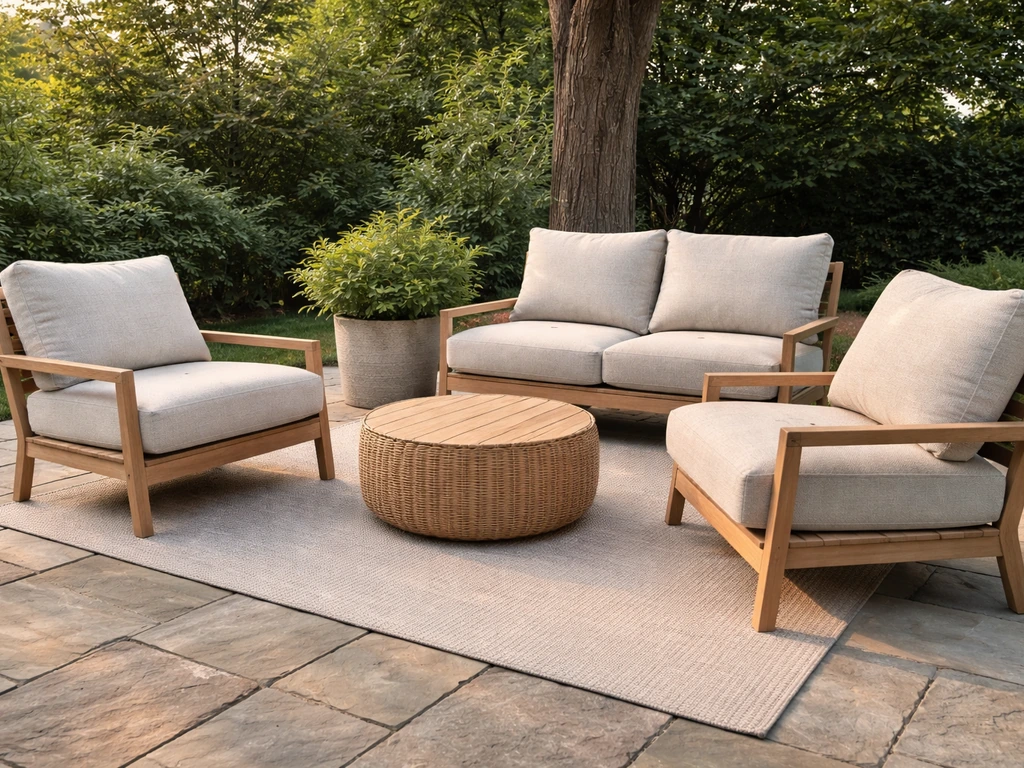
What Is the Most Comfortable Patio Furniture and Chair?
Find the most comfortable patio chair by fit, cushioning, and support, plus weatherproof materials for lasting comfort o
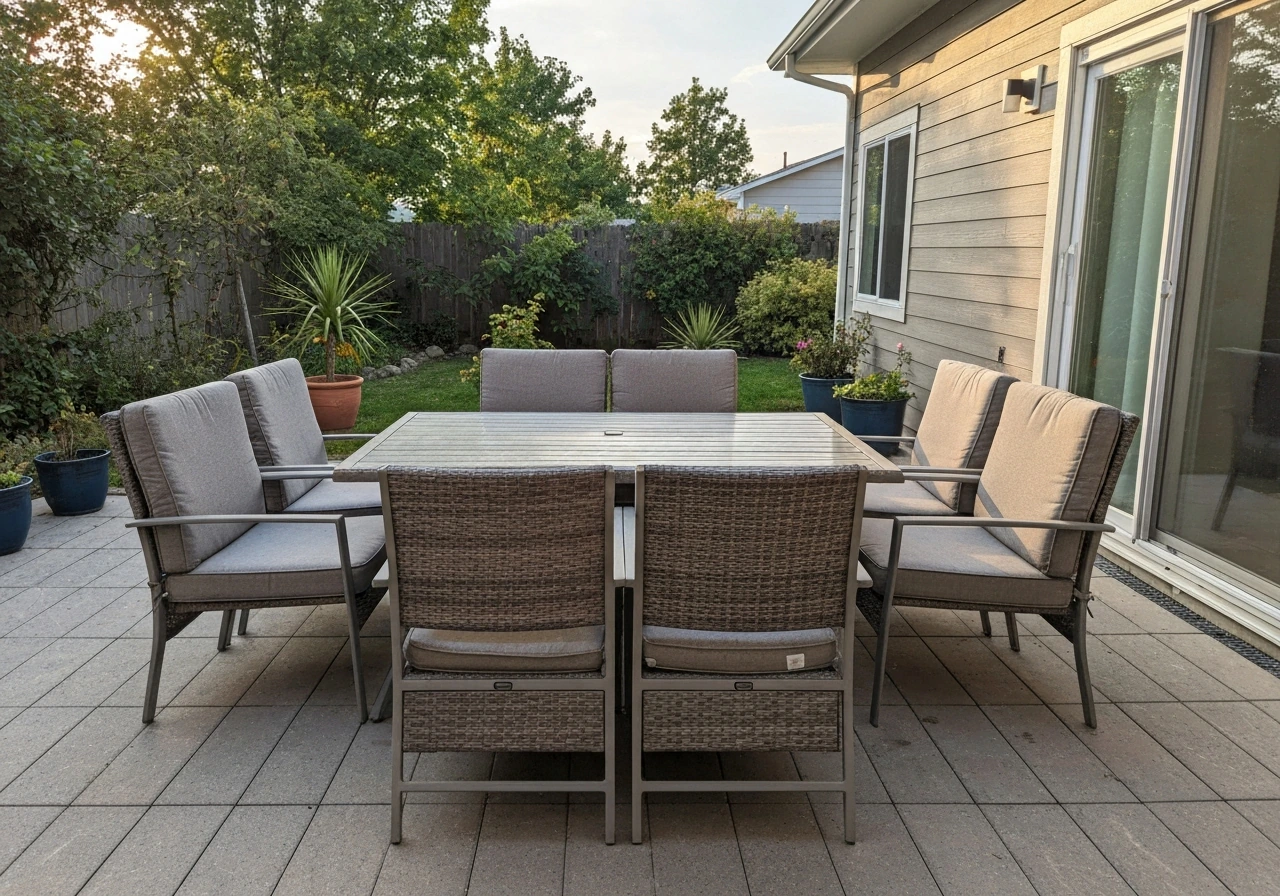
What Is Patio Furniture? Definition, Types, and What to Buy
Define patio furniture and how to choose weather-ready sets by material, types, and what to avoid for outdoor use.
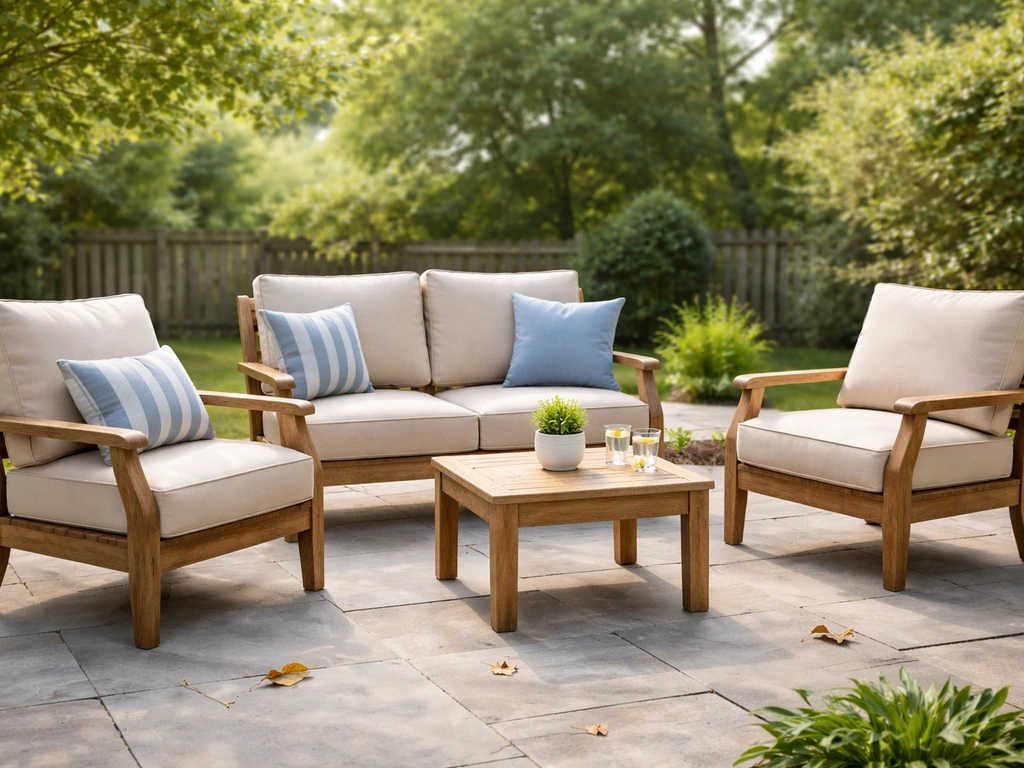
What Is the Best Patio Furniture to Buy Today
Find the best patio furniture for your climate, style, and budget with material tradeoffs and simple care tips to last.