
Patio furniture is furniture specifically designed and built to live outside, to handle rain, UV exposure, temperature swings, and humidity without falling apart. That means the materials, finishes, and construction all have to hold up to outdoor conditions, not just look good on a product page. If a piece isn't built for that, it's not really patio furniture, no matter what the listing says.
What Is Patio Furniture? Definition, Types, and What to Buy

Theo Tierney
28 Apr 2026
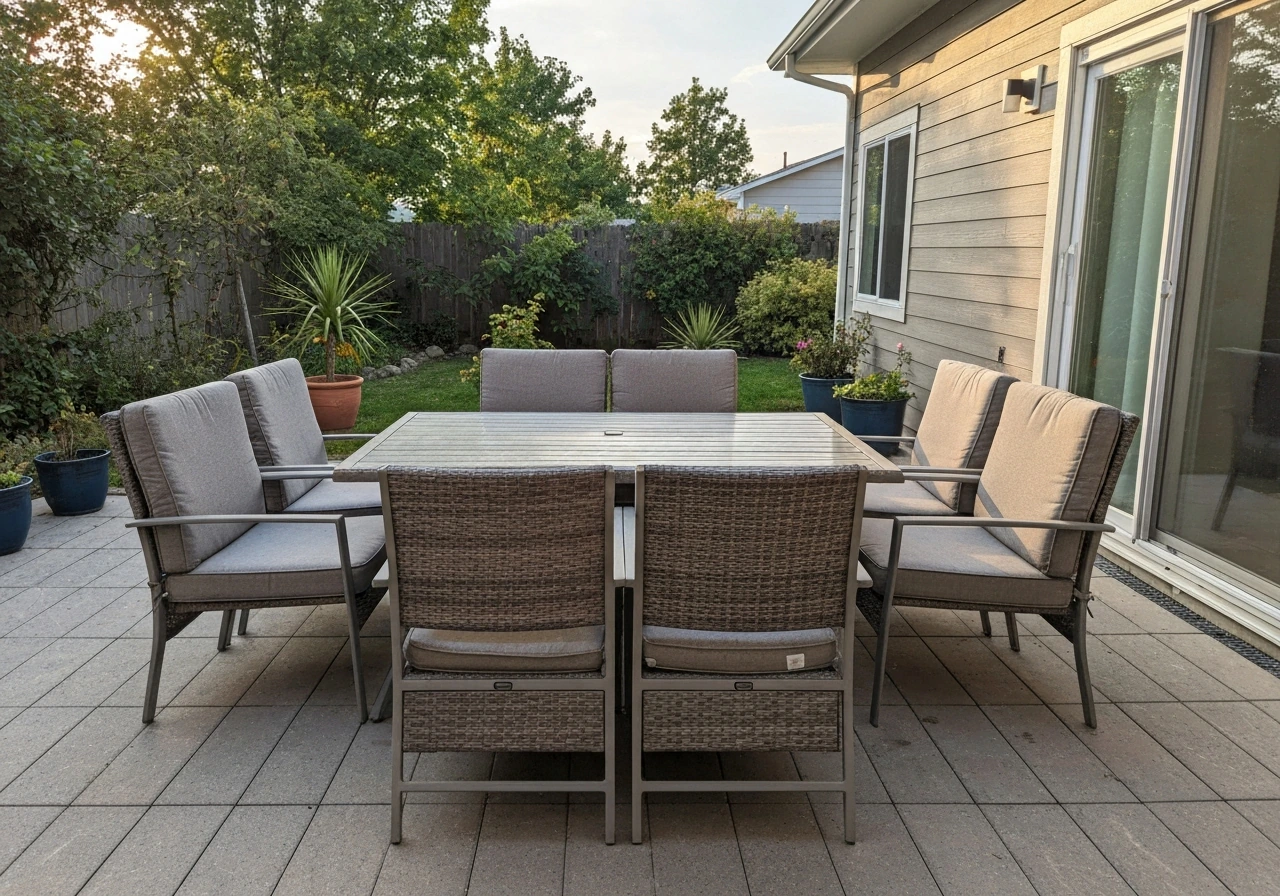
What actually counts as patio furniture (and what doesn't)
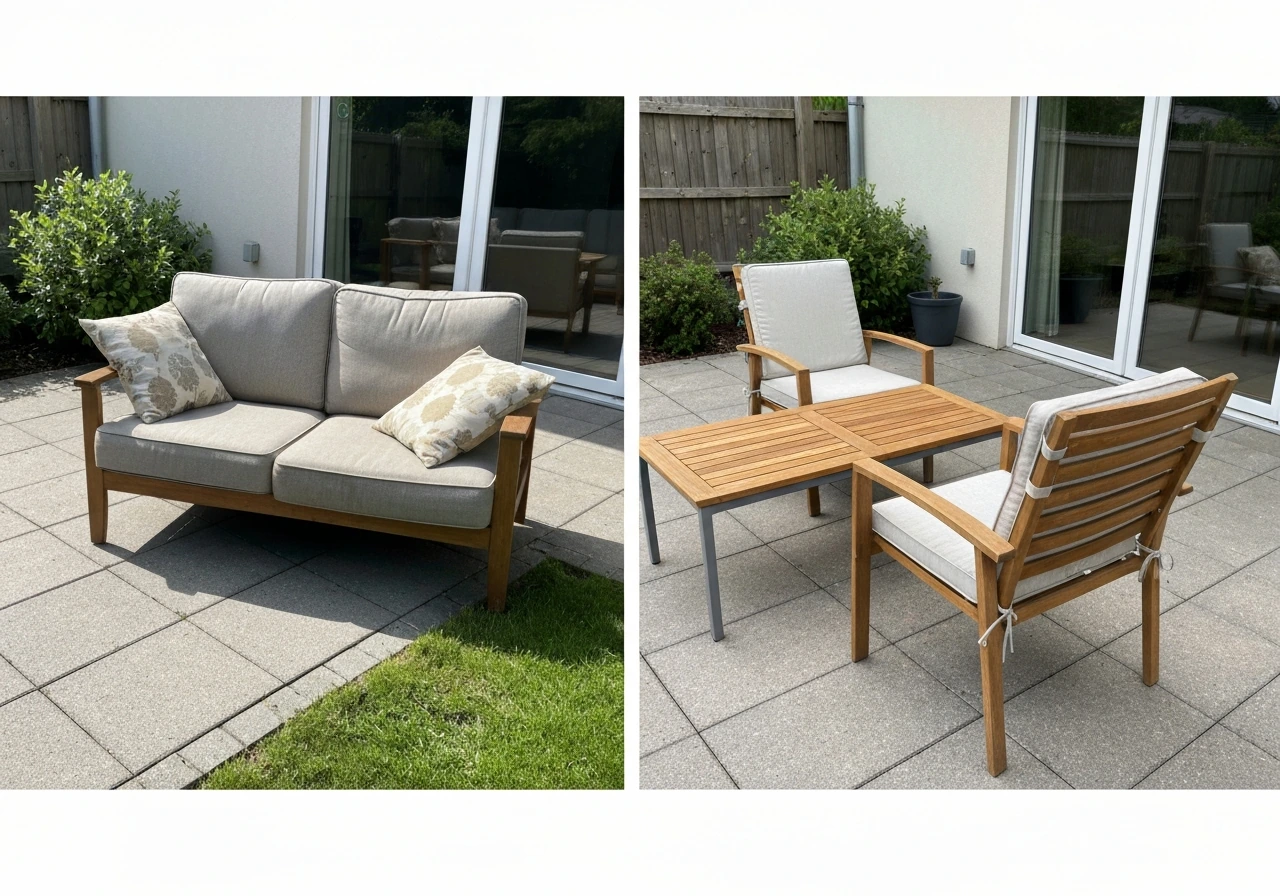
The clearest definition: patio furniture is furniture designed for outdoor residential use. That's it. The key phrase is "designed for." A wooden chair built for a dining room might look similar to a teak patio chair, but the indoor version will warp, crack, and grow mold the moment it spends a season outside. Real patio furniture uses materials and finishes chosen specifically because they can handle moisture, heat, and UV without constant babysitting.
What doesn't count: indoor furniture moved outside (even temporarily), decorative garden accents like planter stands or plant tables that aren't rated for sitting or dining loads, and "outdoor-style" pieces marketed with vague language like "rustic" or "farmhouse" that don't specify any weather-resistant properties. If a listing doesn't mention rust resistance, water resistance, UV protection, or material specs, treat it as indoor furniture until proven otherwise.
- Counts as patio furniture: weather-rated chairs, sofas, dining sets, loungers, side tables, and sectionals built with outdoor materials and finishes
- Does not count: indoor chairs or sofas moved outside, unfinished wood pieces with no weatherproofing, decorative accents not designed for seated or load-bearing use
- Gray area: "indoor/outdoor" pieces, which vary widely — check the spec sheet, not just the label
Patio vs. porch vs. garden, does the location change anything?
The short answer is yes, a little. The term "patio furniture" technically applies to any outdoor setting, patio, porch, garden, terrace, deck, balcony. But the exposure level changes what you actually need. A covered porch with a roof overhead protects furniture from direct rain and most UV, so you have a bit more flexibility. A fully open patio or garden space gets the full hit of sun, rain, wind, and in some climates, snow. A deck near salt water adds corrosion pressure on top of everything else.
The category label doesn't really change, whether it's called patio furniture, garden furniture, or outdoor furniture, the same design principles apply. What changes is how aggressively you need to prioritize weather resistance based on your specific exposure. A screened porch in mild Seattle has very different demands than an open concrete patio in Tampa or Phoenix.
The three things that make furniture truly patio-ready
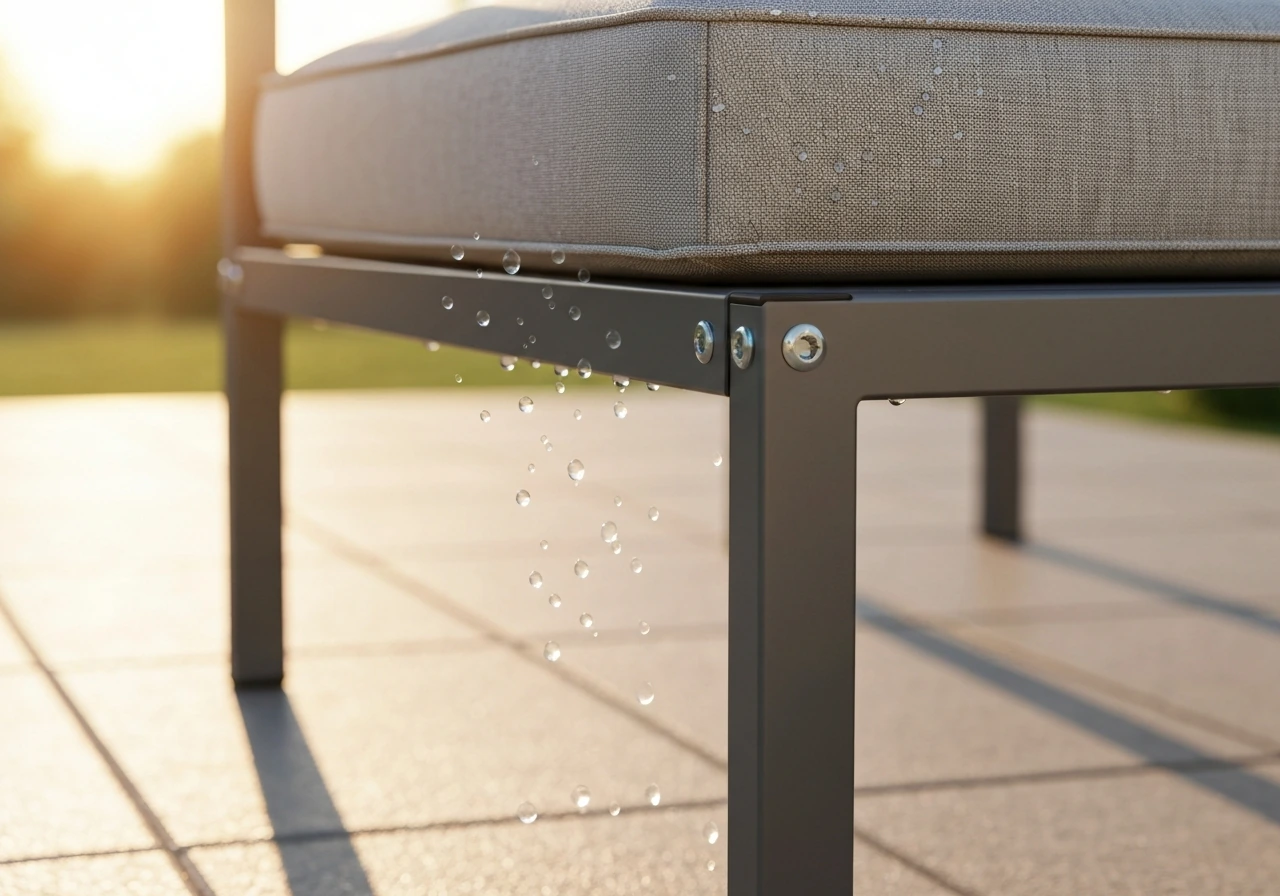
When evaluating any piece, I look at three things: weather resistance, structural durability, and comfort for actual outdoor use. If you are trying to find what is the most comfortable patio furniture, start with cushions and frames that can handle your weather year-round. If you want good patio furniture, focus on weather resistance, durable construction, and comfort so it performs outdoors all season long. If you're wondering what is the best patio furniture, start by matching the weather resistance, durability, and comfort to your local conditions. Miss any one of these and you've got a problem within a season or two.
Weather resistance
This means the piece can handle moisture without rotting or rusting, UV exposure without fading or brittleness, and temperature changes without cracking or warping. blank" rel="noopener noreferrer">Powder coating is widely used for corrosion protection and outdoor durability, which is why it can be a strong option for weather-exposed patio frames. Look for explicit claims like "rust resistant," "water resistant," and "UV protected" on the product spec sheet. These aren't just marketing, they point to real finish treatments, material choices, and construction techniques. Note that weather resistant is not the same as maintenance-free. Even quality patio furniture needs seasonal cleaning and occasional treatment to stay in good shape.
Structural durability
Outdoor furniture takes more physical stress than indoor pieces because of thermal expansion, outdoor storage, and more frequent movement. Joints, welds, and fasteners matter enormously. Cheap patio furniture often has hollow thin-walled frames, plastic clips holding things together, and stapled cushion covers. Quality pieces use thicker-walled aluminum or steel frames, stainless steel or galvanized fasteners, and double-welded joints that don't flex under load.
Comfort for outdoor conditions
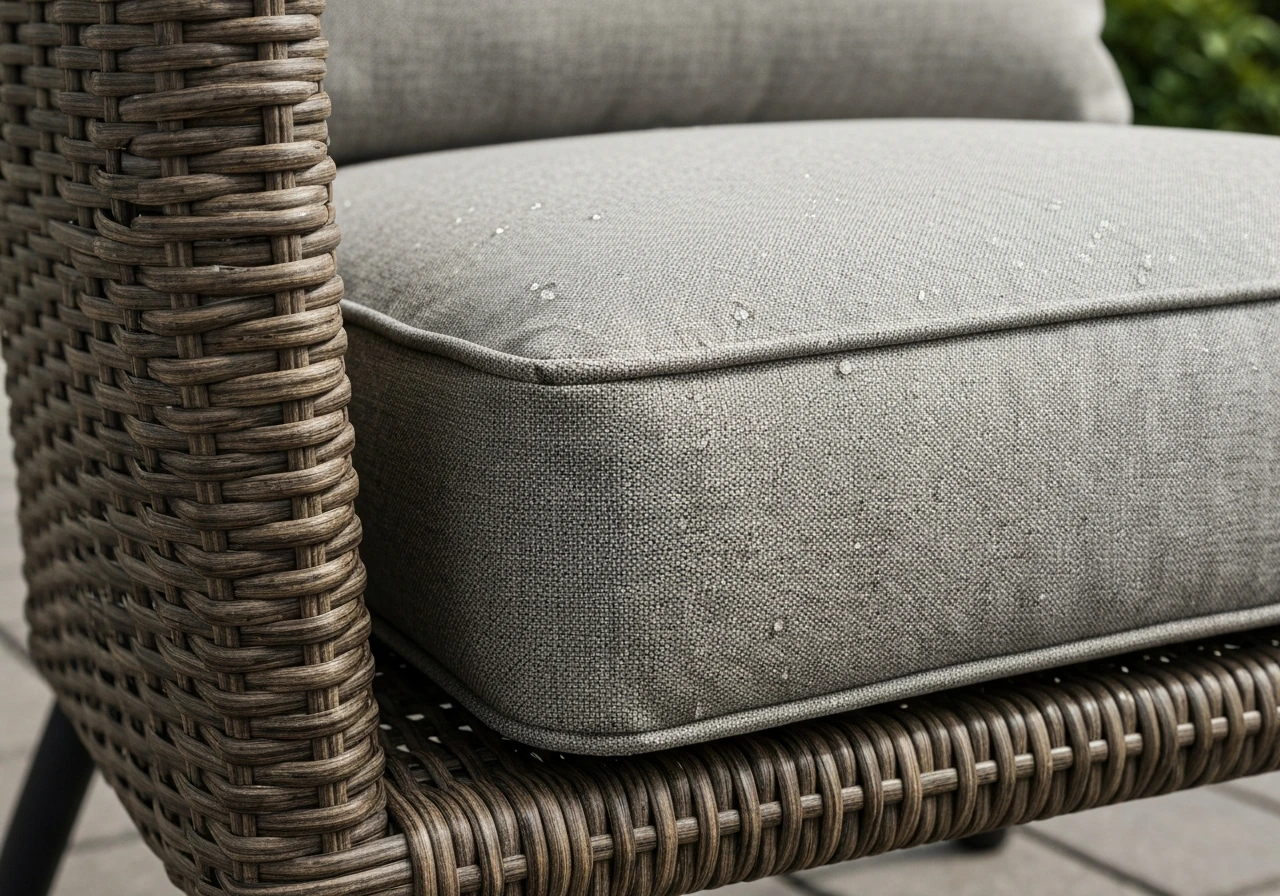
This one gets overlooked. Outdoor cushions need to be quick-drying and mold-resistant, not just comfortable. Look for solution-dyed acrylic fabric (like Sunbrella) or at minimum a polyester outdoor fabric rated for UV and moisture. Foam core density matters too, cheap foam compresses and stays soggy after rain. Good outdoor cushions use open-cell foam or a quick-dry polyester fill that doesn't hold water.
Materials: what each option has to do to earn the label
The four main categories you'll encounter are wood, metal, wicker/rattan, and composite (including resin and HDPE). Each earns the "patio furniture" designation differently, and each has real trade-offs worth understanding before you spend money.
| Material | How it handles weather | Best climate fit | Maintenance reality |
|---|---|---|---|
| Teak / hardwood | Naturally dense and oil-rich; resists rot and insects without treatment | Most climates; especially good in humid areas | Annual oiling recommended; teak can be left to silver naturally if preferred |
| Aluminum | Doesn't rust; powder-coated finish blocks corrosion and UV fade | Universal; excellent in coastal and humid climates | Low — occasional wash, touch up chips before they spread |
| Steel | Heavier and stiffer than aluminum but rusts without coating maintenance | Dry climates; avoid coastal and high-humidity areas unless it's galvanized or powder-coated thick | Medium — monitor and touch up finish chips promptly |
| Synthetic wicker / rattan | HDPE resin weave doesn't absorb water, fade, or crack like natural rattan | Most climates; avoid prolonged UV in extreme desert heat without UV-rated resin | Low — rinse clean, inspect weave for loosening |
| HDPE / composite | High-density polyethylene is UV-stable, moisture-proof, and doesn't splinter | Universal; outstanding in harsh sun, coastal salt air, and freeze-thaw cycles | Very low — wipe down, no sealing or painting needed |
Natural wicker (real rattan or reed) is the one material that doesn't qualify for most outdoor applications. It absorbs moisture, swells, cracks, and molds. If a listing just says "wicker" without specifying synthetic or resin wicker, dig deeper before buying. Resin wicker, made from synthetic polyethylene, is generally described as durable and resistant to water damage, sun damage (UV), and natural decomposition blank" rel="noopener noreferrer">resin wicker (synthetic polyethylene). The same goes for softwoods like pine or fir, they can be used outdoors, but they require significant treatment and upkeep to survive more than a few seasons.
How to evaluate a listing quickly before buying
Most people spend ten seconds on a product page and make a decision based on a photo and a price. Here's what to actually check, in order of importance.
- Frame material spec: Look for the exact material, not just "metal" or "wood." Aluminum vs. steel vs. iron matters. "Acacia" vs. "pine" matters. Vague descriptions are a red flag.
- Finish type: Powder coat, galvanization, teak oil, HDPE — these tell you how the piece handles weather. "Painted" alone without a finish type suggests a thin coating that chips quickly.
- Weight rating and frame wall thickness: Heavier frames (for aluminum, look for at least 1.5–2mm wall thickness) signal more durable construction. If weight specs aren't listed, that's a gap.
- Cushion fabric rating: Confirm the fabric is designed for outdoor use. Sunbrella and similar solution-dyed acrylics are the benchmark. Polyester is acceptable if it's rated outdoor-grade.
- Warranty length: Quality patio furniture typically comes with at least a 1–3 year frame warranty. Budget sets often have 90-day warranties or none at all. That gap tells you a lot.
- Rust resistant and water resistant filter tags: On retailer sites like Home Depot or Lowe's, filter by these tags when browsing. They indicate the product has been categorized based on actual material properties, not just aesthetics.
One more thing: read the one- and two-star reviews specifically, not just the averages. You can also narrow down the worst patio furniture by checking reviews for rust, mold, fading, and early structural failures. Look for patterns like "rusted after one season," "cushions soaked through," or "frame bent under normal use." Those patterns tell you what the marketing copy won't.
Choosing the right set for your space and climate
Once you know what patio furniture actually is and what to look for, the next step is narrowing down by your specific situation. If you want to narrow it down to the best patio furniture for your situation, start by matching the material and weather resistance to your climate. The biggest factors are climate, available space, and how much maintenance you're willing to do long-term.
- Hot and humid (Florida, Gulf Coast, Southeast): Prioritize aluminum or HDPE/composite frames with synthetic wicker. Avoid steel and untreated wood. Mold-resistant cushion fabric is non-negotiable.
- Dry and sunny (Arizona, Nevada, Southern California): UV resistance is the top concern. Look for UV-stabilized HDPE or powder-coated aluminum with UV-resistant finish. Wood will crack without regular oiling in this climate.
- Cold winters with freeze-thaw cycles (Midwest, Northeast, Mountain West): HDPE composite and powder-coated aluminum handle freeze-thaw best. Steel needs extra attention. Bring cushions inside or store furniture under covers.
- Coastal and salt air (any shoreline): Salt accelerates corrosion dramatically. Marine-grade aluminum (6061 or 6063 alloy), HDPE, or teak are your safest bets. Avoid steel without very heavy coating maintenance.
- Covered porch or partial shade: You have more flexibility here. Wood becomes more practical, and even lighter-duty finishes hold up better without constant direct sun and rain exposure.
On space: measure your patio before you shop, not after. A common mistake is buying a seven-piece dining set that works on paper but leaves no walking room around chairs. Allow at least 3 feet of clearance around a dining table for comfortable movement, and factor in how far chairs actually pull out when someone sits down.
On budget: cheaper patio furniture often costs more over time because it needs replacing every two to three years. A mid-range aluminum or HDPE set at $600–$1,200 typically outlasts two or three $200–$300 budget sets. If you're furnishing a space you plan to use for more than one season, the math usually favors buying better once. That said, a budget set on a covered porch in a mild climate can genuinely last, context matters.
If you want to go deeper from here, the natural next questions are what makes a specific set "good" versus just technically weather-resistant, what the best options look like across different budgets and material categories, and what the most comfortable configurations actually feel like in practice. To find what is the best outdoor patio furniture for you, you also want to compare materials, comfort, and long-term durability side by side. Those are all worth exploring before you pull the trigger on a purchase.
FAQ
If a product says “outdoor” or “weather-ready,” does that automatically mean it’s patio furniture?
Look for certifications or clear specs that match outdoor use, for example aluminum with powder coating, stainless or galvanized hardware, and cushions with UV-rated fabric. If the listing only says “outdoor” or “water-resistant” without naming the material, finish, or fabric type, you should treat it as unproven for real year-round exposure.
How do I account for whether I’ll store cushions indoors or keep them outside?
No. You want to match the storage and use pattern. If you will keep cushions outdoors between rains, choose quick-dry, mold-resistant fabric and a foam that does not stay wet. If you plan to store cushions indoors or in sealed bins, you can prioritize comfort and still get good results.
What should I change if I live in a freezing or snowy climate?
Yes, and it changes what you should buy. In snowy or freezing areas, look for frames that resist cracking (good weld quality for metal, properly sealed joinery for wood) and cushions with moisture-resistant covers. Also confirm the set is compatible with cold temperatures, since some plastics become brittle in low heat.
Is patio furniture different near the ocean or in salt air?
Salt air accelerates corrosion, so even “outdoor” hardware can fail early. Prioritize stainless steel or fully hot-dipped galvanized fasteners, corrosion-resistant frames, and powder-coated finishes, and be extra picky about reviews mentioning rust or pitting.
What if my patio is damp, shaded, or has poor airflow?
Material ratings are useful, but the foundation matters. If the furniture sits on damp ground or stays shaded with poor airflow, mold risk goes up, especially for cushions and any wood. Use breathable covers, improve ventilation around the set, and consider raised feet or mats instead of letting legs sit in puddles.
How do I avoid buying a set that won’t fit through my space during delivery?
Measure doorways, stairways, and the widest point of the packed set, then add a “turning clearance” buffer for corners. A set that fits the patio can still be impossible to move into place, and awkward weights can increase damage during delivery.
What’s the most common mistake people make when checking for rust resistance?
Yes. Many “rust-resistant” claims apply only to the frame, not to fasteners or legs. Check whether the hardware is listed as stainless, galvanized, or similar, and confirm whether the finish is powder-coated or treated, since scratched coatings can start rusting at exposed spots.
How much maintenance should I realistically expect even with good patio furniture?
Quick-dry fabrics help, but you still need a care plan. Expect seasonal cleaning, and consider reproofing treatments for certain materials like some synthetics and sealed woods, especially after heavy rains or long sun exposure. “Weather-resistant” is not the same as “no maintenance.”
Do patio furniture covers actually protect cushions and frames, or can they cause problems?
Stacking, folding, and cover choices matter. Choose covers that are breathable enough to reduce trapped moisture, not just waterproof. For cushions, use covers plus off-floor storage when possible, since even water-resistant foam can degrade if it stays damp for long periods.
How can I tell when a listing is mostly marketing and not real outdoor specs?
If you’re buying from a photo-first seller, treat unclear claims as a red flag. Look for consistent wording on the specific material and finish (frame type, coating, fabric composition), and confirm dimensions and weight capacity rather than relying on “style” labels like farmhouse or rustic.
Next Articles
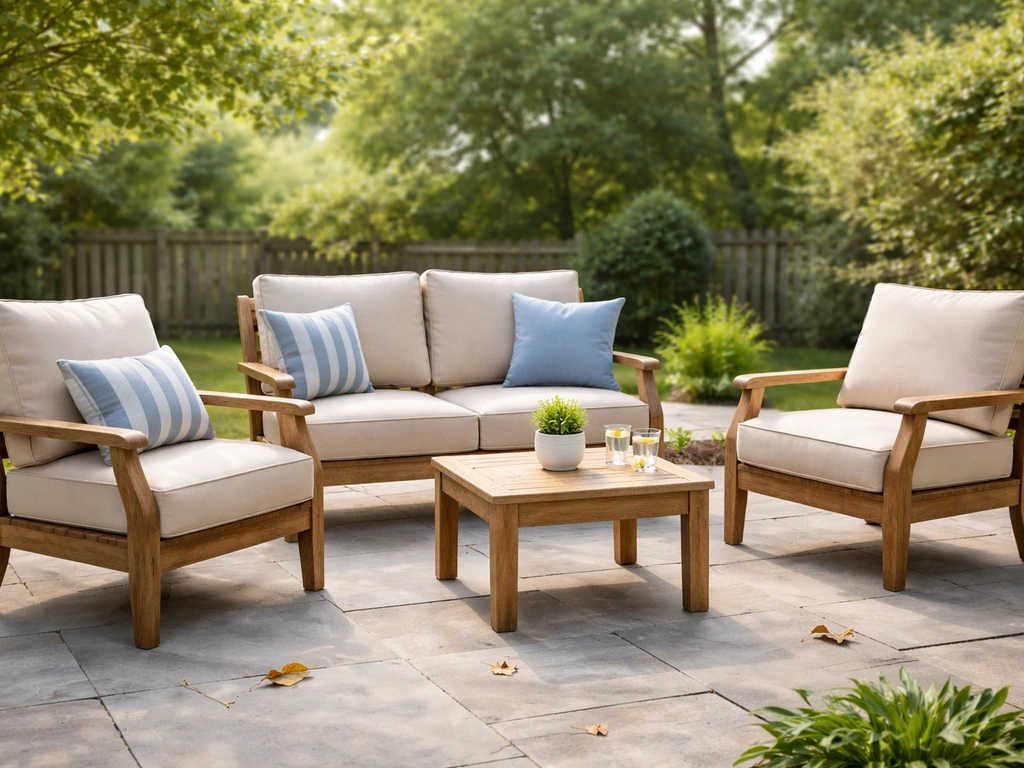
What Is the Best Patio Furniture to Buy Today
Find the best patio furniture for your climate, style, and budget with material tradeoffs and simple care tips to last.
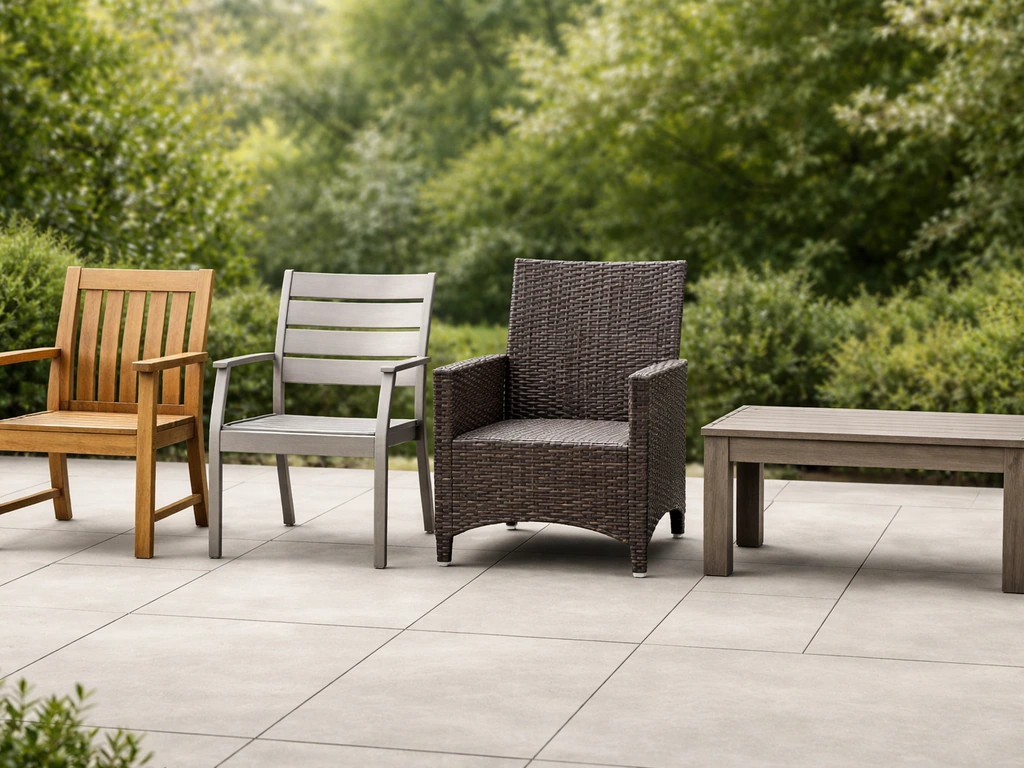
Good Patio Furniture Guide: Choose the Best by Material
Material-by-material guide to pick good patio furniture by durability, comfort, weather resistance, and value.
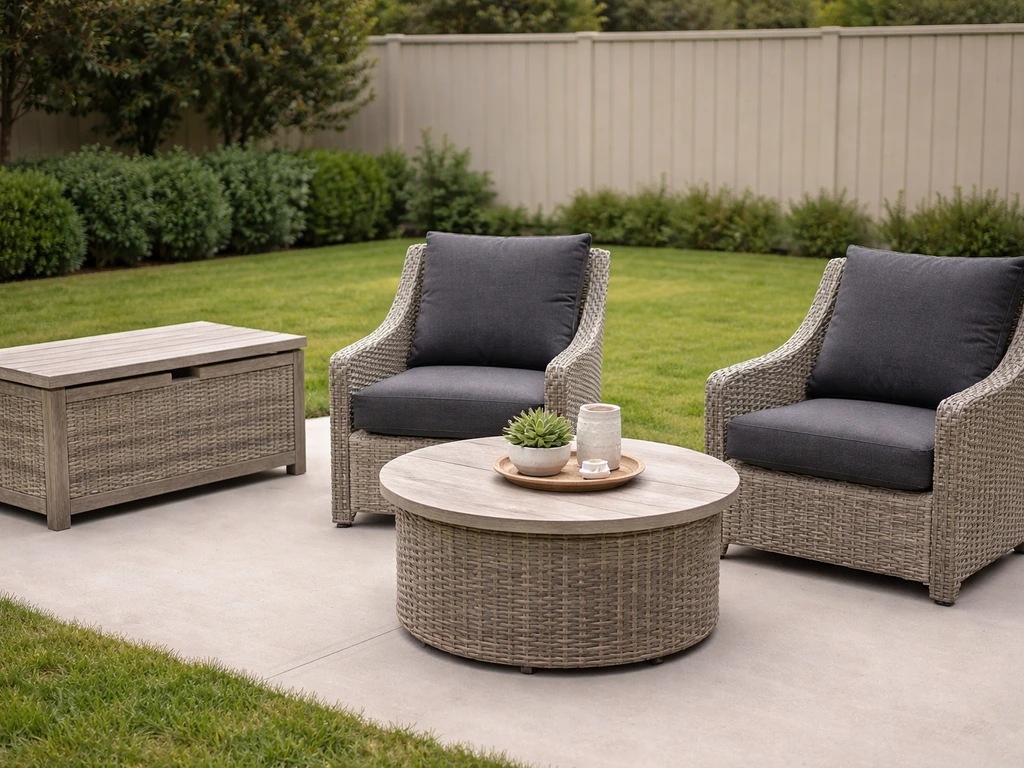
Definition of Patio Furniture: What Counts and How to Choose
Clear definition of patio furniture plus how to choose by material and climate and keep outdoor sets looking new.