
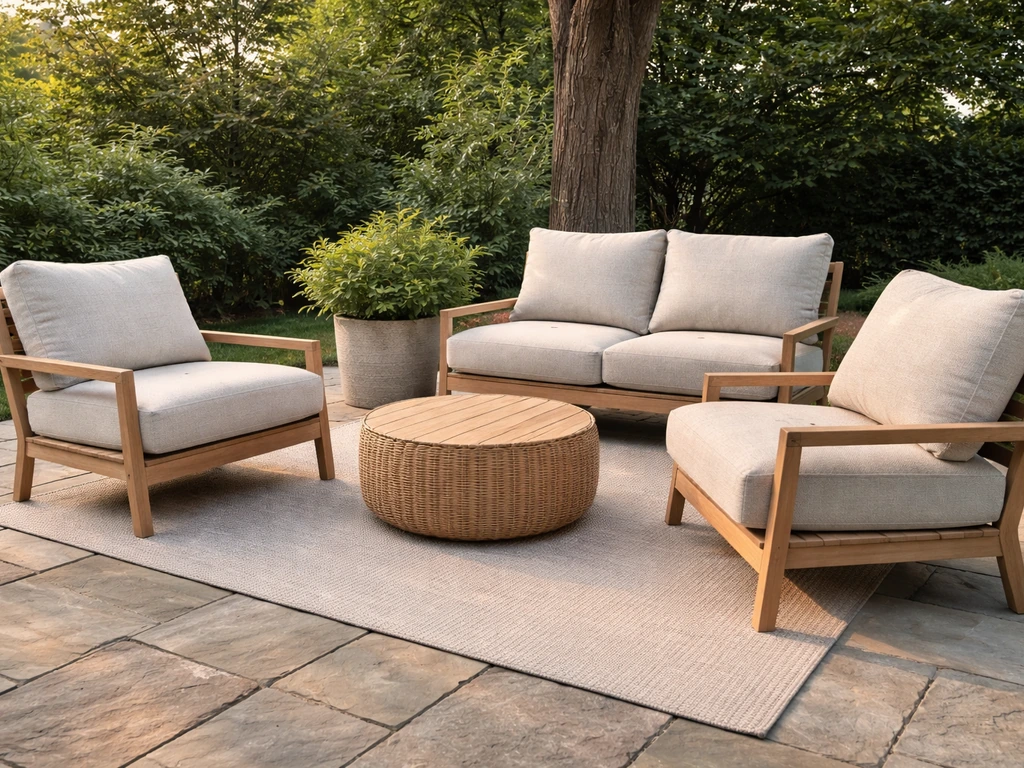
The most comfortable patio furniture for most homeowners is deep-seating with thick, high-density foam cushions in a chair that fits your body dimensions: roughly 18–20 inches of seat height, 20–24 inches of seat depth for lounging (or 16–18 inches for dining), and a backrest that hits your lumbar curve at about belt-loop height. Material-wise, cushioned aluminum frames with solution-dyed acrylic fabric (like Sunbrella or Outdura) give you the best combination of genuine comfort and long-term durability. But 'most comfortable' depends on how you use your patio, your climate, and whether you're willing to do any maintenance, so let's break it down properly.
What Is the Most Comfortable Patio Furniture and Chair?

Theo Tierney
3 Jun 2026
What 'most comfortable' actually means outdoors
Marketing throws the word 'comfortable' at everything, so it's worth being specific. Real seating comfort comes from four things working together: contact pressure (how evenly your body weight is distributed across the seat), lumbar support (whether the chair's backrest hits the small of your back at the right height), seat geometry (depth, height, and how it fits your leg length), and armrest position (supporting your forearms without forcing your shoulders up or down). In a whole human body-seat modeling study, contact pressure between the seat and the person was reported to correlate with seating comfort, and lumbar support and seat/back geometry influenced comfort outcomes contact pressure correlates with comfort.
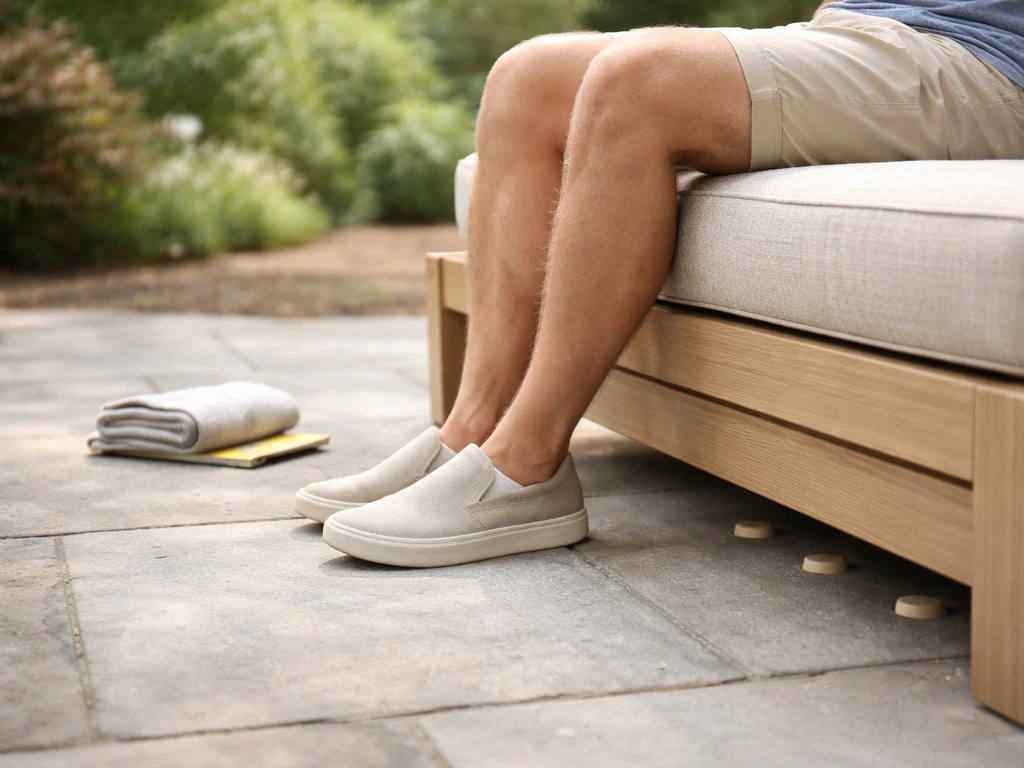
For seat height, the classic ergonomic target is having your knees at roughly 90 degrees with feet flat, which typically means the seat surface sits just below your kneecap. For seat depth, you want your back against the backrest while leaving about a half-inch gap between the front seat edge and the back of your knees, pressure there cuts off circulation and gets uncomfortable fast. Armrests should support your forearms at roughly a 90–100 degree elbow angle so your shoulders stay relaxed.
Outdoors, comfort also changes over time in ways indoor furniture doesn't have to deal with. Cushions that flatten, fabrics that fade and feel scratchy, wood that splinters, or sling material that grows mildew, all of these degrade the comfortable experience you started with. So 'most comfortable' has to account for what the chair feels like in year three, not just on delivery day. If you want the easiest way to pick the best outdoor patio furniture for your needs, start by matching comfort style, materials, and sizing to how you actually use your patio.
How each material actually feels to sit in
Every patio chair material has a different comfort profile. Here's an honest rundown of what to expect from each one.
Cushioned fabric chairs
These are the clear winners on day one. A well-made cushioned chair with high-density outdoor foam and a quality fabric cover feels closest to an indoor upholstered chair. The key variables are foam density and thickness: for deep-seat lounge chairs, 4–5 inches of foam is the standard for real comfort, with 5 inches being the sweet spot for high-use seating. Thinner cushions (under 3 inches) compress too quickly and feel stiff within a season. The foam needs to be rated for outdoor use, standard indoor foam absorbs water and stays wet, becoming heavy and eventually moldy. High-density outdoor foam dries faster, lasts approximately 4–7 years with proper care, and holds its shape longer than cheaper alternatives.
Sling chairs
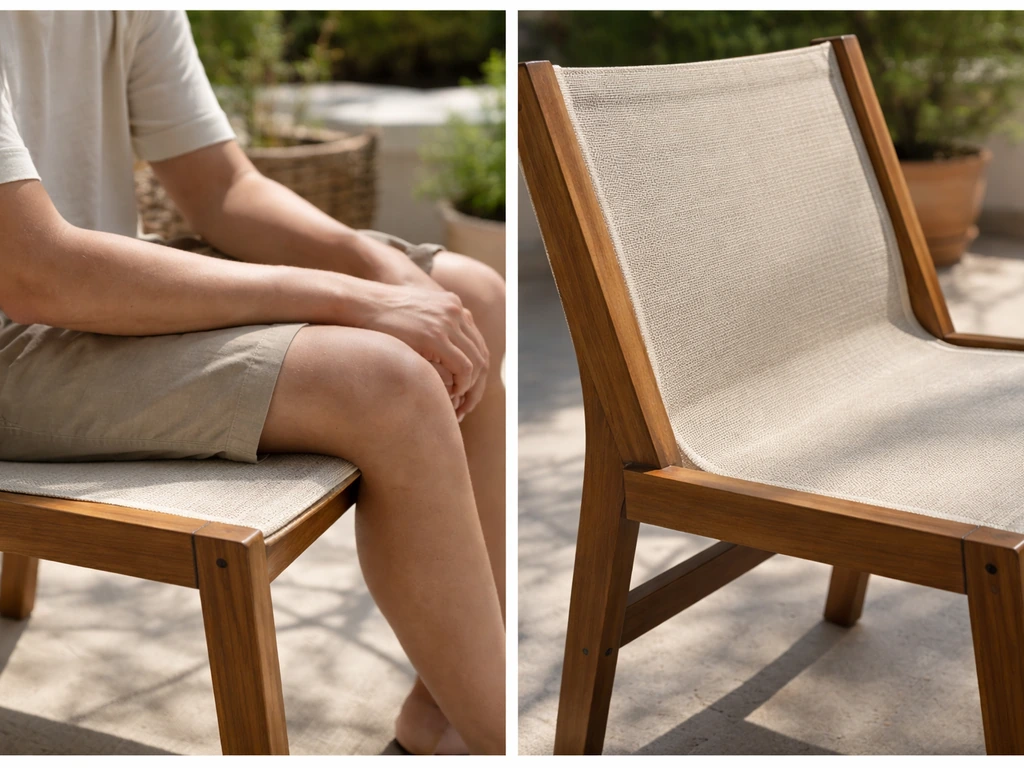
Sling chairs use a taut fabric stretched between the frame instead of a separate cushion. They're surprisingly comfortable for dining and casual use because the fabric gives slightly under your weight and distributes pressure reasonably well. They're also easy to clean and dry quickly, which is a real maintenance advantage. The downside is that slings offer no lumbar contouring, you get what the frame geometry gives you, and if the back angle is too upright or too reclined for your body, there's no adjusting it. Sling material is also vulnerable to mold and mildew if it stays damp; cleaning with a diluted bleach solution (about 2 tablespoons per gallon) followed by a thorough rinse and complete air-drying is essential maintenance.
Wood chairs (especially teak)
Solid wood chairs, particularly teak, feel substantial and warm, literally and figuratively. Teak's natural oils make it rot-resistant and dimensionally stable through sun, rain, and snow, so it won't warp and splinter the way cheaper woods do. The comfort limitation is that bare wood dining chairs are firm with no give, so they work fine for shorter meals but aren't suitable for long lounge sessions without an added cushion. Teak is also naturally resistant to mold and rot, though surface mildew can still form if wet wood is covered before it fully dries. On the upside, teak requires minimal maintenance compared to most woods, occasional cleaning and, if you want to preserve the honey color, an annual oil treatment.
Metal chairs (aluminum and steel)
Bare metal chairs are hard and unforgiving without cushions, full stop. Where metal earns its place is as a frame material under cushioned seating. Powder-coated aluminum is the best combination of lightweight, rust-resistant, and structurally stable. It doesn't corrode the way steel does, won't rot, and holds its shape for years. In coastal environments, even 'stainless' steel hardware isn't automatically salt-proof, not all grades perform equally against chloride exposure, and wiping down metal frames after rain or salt-air exposure is necessary maintenance regardless of what the marketing says. If you're near the ocean, look specifically for marine-grade stainless hardware or stick with aluminum frames altogether.
Wicker and rattan (synthetic)
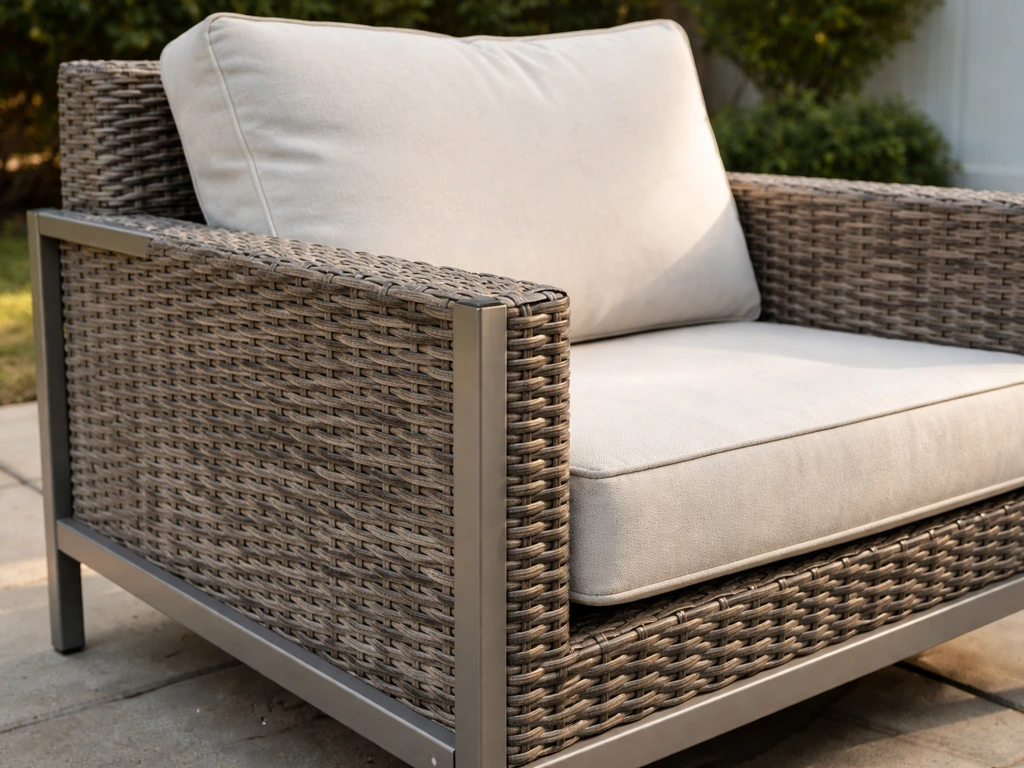
Natural rattan belongs indoors. What you want outdoors is all-weather resin wicker woven over an aluminum frame. The weave itself isn't comfortable without cushions, but the combination of a well-shaped resin wicker frame plus deep-seat cushions creates some of the most popular and genuinely comfortable patio sets available. The wicker look provides good back contouring if the frame is shaped well, and the cushions do the comfort work. Watch the weave quality, cheaper resin wicker can crack or unravel after a few seasons of UV exposure, which affects both the look and the way the chair supports your back.
Composite and recycled plastic (HDPE)
High-density polyethylene (HDPE) furniture, often sold as recycled plastic lumber, is one of the most underrated options for pure durability. It doesn't rot, rust, splinter, or fade significantly, and it requires almost no maintenance. The comfort level of bare HDPE chairs is similar to wood, firm but acceptable for dining. HDPE Adirondack chairs and deep-seat loungers are genuinely comfortable for extended use because of the reclined geometry built into the design, not because the material gives. Add a cushion and HDPE becomes a very compelling long-term comfort choice because the frame itself never degrades.
Chair styles: which design actually feels best
Deep seating chairs and sofas
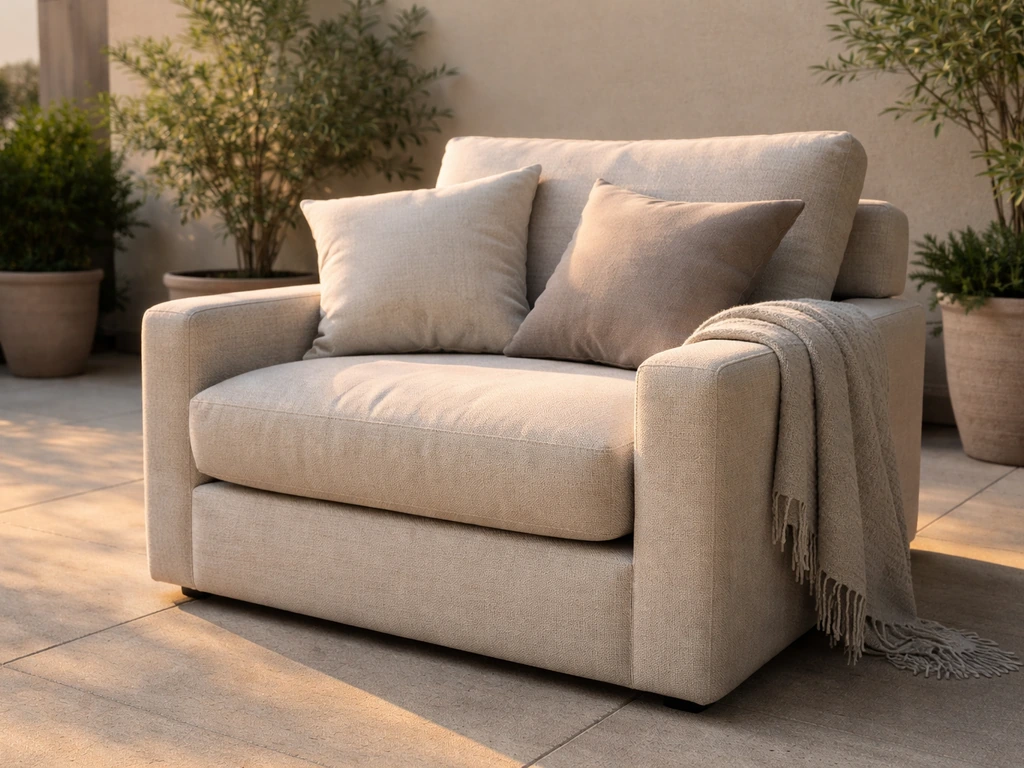
Deep-seat chairs have seat depths of roughly 20–24 inches and are designed for full-body relaxation rather than upright posture. They're the most comfortable option for lounging, reading, or extended outdoor sitting. The deep depth lets you sit back into the cushion with your whole thigh supported, which reduces fatigue dramatically compared to shallower dining chairs. If you're buying deep-seat furniture, make sure the cushion thickness is at least 4 inches, thinner cushions on a deep frame create a sunken, uncomfortable feeling as the foam compresses.
Lounge chairs and chaise lounges
Chaise lounges and zero-gravity recliners take comfort further by supporting your full body length and allowing a reclined posture. Adjustable recliners that lock at angles like 105, 120, or 140 degrees let you dial in your position for reading, napping, or just sitting back. Zero-gravity styles with removable cushions also let you manage moisture better by pulling cushions off to dry. These are the top pick if you want maximum relaxation, but they're bulky and don't work for eating or socializing in the same way a chair does.
Rocking and glider chairs
A quality rocking chair with a roughly 30-degree rocking arc reduces static pressure on your back and legs by keeping you in gentle, continuous motion. This is a legitimately useful ergonomic feature, not just an aesthetic choice. HDPE Adirondack rockers are particularly popular because they combine the inherent recline of the Adirondack geometry with the motion of a rocker and require zero maintenance. The trade-off is that rockers are purely for individual relaxation, they don't work at a dining table.
Dining chairs
Outdoor dining chairs prioritize an upright posture for eating, so seat depths are shallower (16–18 inches is typical) and seat heights align with standard table heights (usually 17–19 inches from ground). Comfort here comes from back support angle and armrest presence, armchairs at a dining table dramatically reduce shoulder fatigue compared to side chairs. Sling dining chairs work well for shorter meals; for longer outdoor dinners, a lightly cushioned dining chair is noticeably better.
How to find the right fit for your body
Ergonomic research is built around indoor office chairs, but the physical principles apply just as well outside. Here's how to translate them into practical patio furniture shopping. If you want a quick starting point before shopping, see the definition of patio furniture and what qualifies as patio-ready pieces. If you are wondering what is patio furniture, start by thinking about how you will use it and what comfort features matter most for your space patio furniture shopping. To narrow down what is the best outdoor patio furniture for your needs, prioritize the comfort details and durability factors that match how you use your space.
| Fit Factor | What to Look For | Why It Matters |
|---|---|---|
| Seat height | Just below your kneecap; knees at ~90° with feet flat | Too high creates pressure under thighs; too low strains knees |
| Seat depth | Measure from back of knee to your back; leave ~0.5-inch gap at front | Pressure behind the knee cuts circulation and causes discomfort |
| Lumbar support | Backrest hits the small of your back at belt-loop height | Poor lumbar contact leads to slouching and back pain over time |
| Armrests | Forearms resting comfortably with elbows at 90–100° | Reduces shoulder strain; look for padded or wide armrests outdoors |
| Back angle | Adjustable or slightly reclined (100–110°) for lounge; more upright for dining | Fixed upright backs cause fatigue; even slight recline helps |
| Cushion thickness | 4–5 inches for deep-seat; at least 2–3 inches for dining | Thin cushions compress and bottom out quickly, defeating the purpose |
If you can, sit in a chair before buying, especially for deep-seat pieces where the seat depth varies considerably between brands. If you're buying online, look for listed seat dimensions and compare them to your own measurements. A 6-foot person and a 5-foot-3 person often need meaningfully different seat depths to feel supported rather than perched.
Durability and weather: the factors that kill long-term comfort
A comfortable chair that degrades in two seasons isn't actually a comfortable chair, it's a short-term purchase. Here's where outdoor furniture comfort meets real-world material performance.
Cushion fabric: fade and mold are the biggest threats
The best outdoor cushion fabrics are 100% solution-dyed acrylic. The key phrase is 'solution-dyed,' which means the color is in the fiber itself rather than printed on the surface, this is why Sunbrella and Outdura fabrics carry multi-year warranties against fading. Outdura, for example, exposes its fabrics to over 1,500 hours of UV testing before claiming colorfastness. A faded, stiff cushion cover doesn't just look bad; it often feels rougher and loses its water-repellent treatment, which accelerates mold growth. Avoid polyester cushion covers in humid or rainy climates, they hold moisture and become mold incubators.
Cushion fill: foam density vs. fiber
High-density outdoor foam provides the best structured support and lasts approximately 4–7 years with proper care. It absorbs some water but dries faster than standard foam, which matters a lot in humid climates. Polyfiber fill (like the blown-fiber fills used by some cushion brands) drains moisture easily, resists mildew well, and has a softer, pillowy feel, but it provides less firm support and compresses faster than foam. If you have a deep-seat setup and want it to feel like an outdoor sofa, high-density foam is the better long-term choice. Polyfiber works well for back cushions and throw pillows where support isn't the primary need.
Frame materials by climate
- Coastal/salt air: powder-coated aluminum frames with marine-grade stainless hardware, or HDPE. Avoid bare steel; even 'stainless' grades vary in salt resistance and need regular wiping after rain or spray exposure.
- Florida/high humidity: aluminum or HDPE frames; teak wood if you're willing to maintain it. Resin wicker over aluminum holds up well if the weave quality is high. Prioritize quick-dry foam and solution-dyed acrylic cushion covers.
- Arizona/desert heat: aluminum and HDPE handle UV and heat well. Cheaper resin wicker can become brittle under intense UV. Dark-colored cushion fabrics absorb heat significantly—lighter colors are more comfortable to sit on in direct sun.
- Snowy/freeze-thaw climates: HDPE and aluminum are the easiest to leave outside, but cushions should be stored indoors for winter. Teak handles freeze-thaw better than most woods but still benefits from being brought under cover. Avoid covering damp wood or cushions—trapped moisture causes mold.
Covers and storage: protecting what keeps you comfortable
A breathable furniture cover reduces condensation buildup and helps prevent mold, but only if the furniture is clean and dry before you cover it. Covering damp cushions or wet teak traps moisture and accelerates exactly the damage you're trying to prevent. Pull covers down as far as possible on the frame so they don't sag and pool water on top. For cushions, storing them indoors or in a deck box when rain is coming is the single most effective thing you can do to extend their life, outdoor foam and fabric last significantly longer when they're not perpetually wet.
Your comfort checklist and next steps
Here's how to cut through the options and make a confident decision without overpaying or ending up with something that feels great in the store and deteriorates by summer two. If you're wondering what is the best patio furniture, use this comfort-first checklist to narrow down materials, cushion types, and chair styles that suit how you actually live outdoors.
- Decide your primary use first: lounging/relaxing calls for deep-seat chairs with 20–24 inch seat depth and 4–5 inch foam cushions; dining calls for shallower seats and more upright backs; mixed use often means a combination of both.
- Check your climate: coastal buyers should prioritize aluminum or HDPE frames and marine-grade hardware; humid climates should prioritize quick-dry foam and solution-dyed acrylic fabric; desert buyers should go lighter colors to stay cool in direct sun.
- Verify actual seat dimensions before buying: seat height (aim for just below your kneecap), seat depth (measure your own leg and compare), and back height (should reach your shoulder blades at minimum for lounge chairs).
- Look for solution-dyed acrylic fabric (Sunbrella, Outdura, or comparable)—it's the single biggest upgrade for long-term cushion comfort because it resists fading and mold far better than polyester.
- Prioritize high-density outdoor foam over standard or 'weather-resistant' foam—it holds its shape longer and is the difference between cushions that still feel good in year four versus ones that have bottomed out.
- For frames, powder-coated aluminum is the best all-around choice for most homeowners: lightweight, rust-free, and available at every price point. HDPE is the best choice if you want zero maintenance. Teak is the best wood option if you like a natural look and will do basic upkeep.
- Budget for covers and storage: even the best cushions last longer with indoor or deck-box storage between uses, and a breathable cover (used only on dry furniture) extends frame and cushion life meaningfully.
- If comfort is your top priority and budget allows, look at sets from brands that offer replaceable cushions—this way the frame stays while you refresh the cushions every 4–7 years instead of replacing the entire set.
The honest answer is that no single patio chair is universally the most comfortable, but for most homeowners in 2026, a cushioned aluminum-frame deep-seat chair with solution-dyed acrylic fabric and high-density outdoor foam gets you the closest to that without requiring heroic maintenance. Get the fit dimensions right for your body, match the material to your climate, and your patio setup will still feel just as good three or four years from now as it does today. If you want to avoid the worst patio furniture, prioritize solution-dyed fabrics, high-density outdoor foam, and weather-conscious maintenance habits.
FAQ
What’s the fastest way to tell if a deep-seat chair will be comfortable for my body size?
Use your body measurements, not the chair’s category name. Compare listed seat depth to your thigh length while seated, and check that your knees don’t press hard into the seat edge. When you sit back, you should feel your lower back contact the backrest without your heels floating or your thighs hanging over the front too much.
Should I prioritize thicker cushions or higher foam density?
Both matter, but they solve different comfort problems. Thickness affects how quickly you bottom out, density affects how well the cushion maintains support. For long lounging, aim for at least about 4 inches of outdoor high-density foam, thinner cushions tend to feel sunken even if the foam is firm.
How do I choose patio furniture comfort if I live in a humid climate?
Lean toward quick-drying cushion systems and avoid moisture-holding fabrics. High-density outdoor foam and solution-dyed acrylic are better choices than standard indoor foam or polyester covers. Also plan to store cushions in a deck box or indoors during rain windows, not just when storms are forecasted.
Do I need to worry about the chair feeling comfortable on day one but not after a year?
Yes, because comfort failures outdoors usually come from moisture and fabric stiffness. If a set is not rated for outdoor foam and colorfast fabric, you can get flattening, persistent dampness, and a scratchier feel. Choosing weather-capable materials and storing cushions when wet reduces the “year-two unpleasant surprise.”
What’s the best way to clean sling chairs without damaging them?
Spot-clean regularly and prioritize thorough drying after rain. If mildew appears, use a diluted bleach solution (about 2 tablespoons per gallon), then rinse well and allow complete air-drying before using or covering. Don’t cover sling chairs while they still feel damp, trapped moisture accelerates regrowth.
Can I make a firm chair comfortable with a cushion, or will it still feel wrong?
You can improve comfort, but geometry still matters. If the chair’s seat height and back angle do not match your body, a cushion may only soften the problem instead of fixing posture support. For dining chairs, also confirm the cushion does not interfere with leg clearance or table height, which can quickly create shoulder or knee strain.
How should I maintain metal patio frames near the ocean for true comfort over time?
Plan on more frequent rinsing or wiping, even if hardware is “stainless.” Salt-air exposure can corrode components you cannot see, and it also makes surfaces feel rougher over time. Wipe down after rain or salt exposure, and consider marine-grade stainless hardware if you’re building a set for coastal years.
What cushion thickness is enough if I want maximum comfort on deep-seat furniture?
For deep-seat lounging, target roughly 4 to 5 inches of high-density outdoor foam, with around 5 inches as the sweet spot for high-use. If you go under that, the seat can feel like you’re sinking to a firmer base layer, which creates pressure and fatigue faster during long sessions.
How do I decide between an adjustable recliner and a deep-seat chair?
Choose based on whether you want whole-body recline or upright social seating. Adjustable recliners and zero-gravity styles are best for napping, reading, and long individual relaxation, but they are bulkier and less ideal for eating or conversation at a table. If you’ll host regularly, prioritize deep-seat chairs with supportive backrest geometry instead.
Are rocking patio chairs actually comfortable, or is it mostly a gimmick?
They can be legitimately comfortable if the rocking arc is designed to reduce pressure buildup, about a 30-degree arc is a common target. The benefit is more noticeable if you sit for extended periods and want motion to relieve static pressure. They are still not a dining-table solution, because rocking changes how you sit relative to plates and reach.
What should I look for in a cover to prevent mold and musty odors?
A breathable cover helps limit condensation, but it only works if the furniture is clean and fully dry before covering. Pull covers down low enough to reduce sagging, and avoid covering damp cushions or wet wood, trapped moisture is a fast route to mildew. For cushions, indoor storage or a dry deck box usually beats relying on outdoor covers alone.
Next Articles
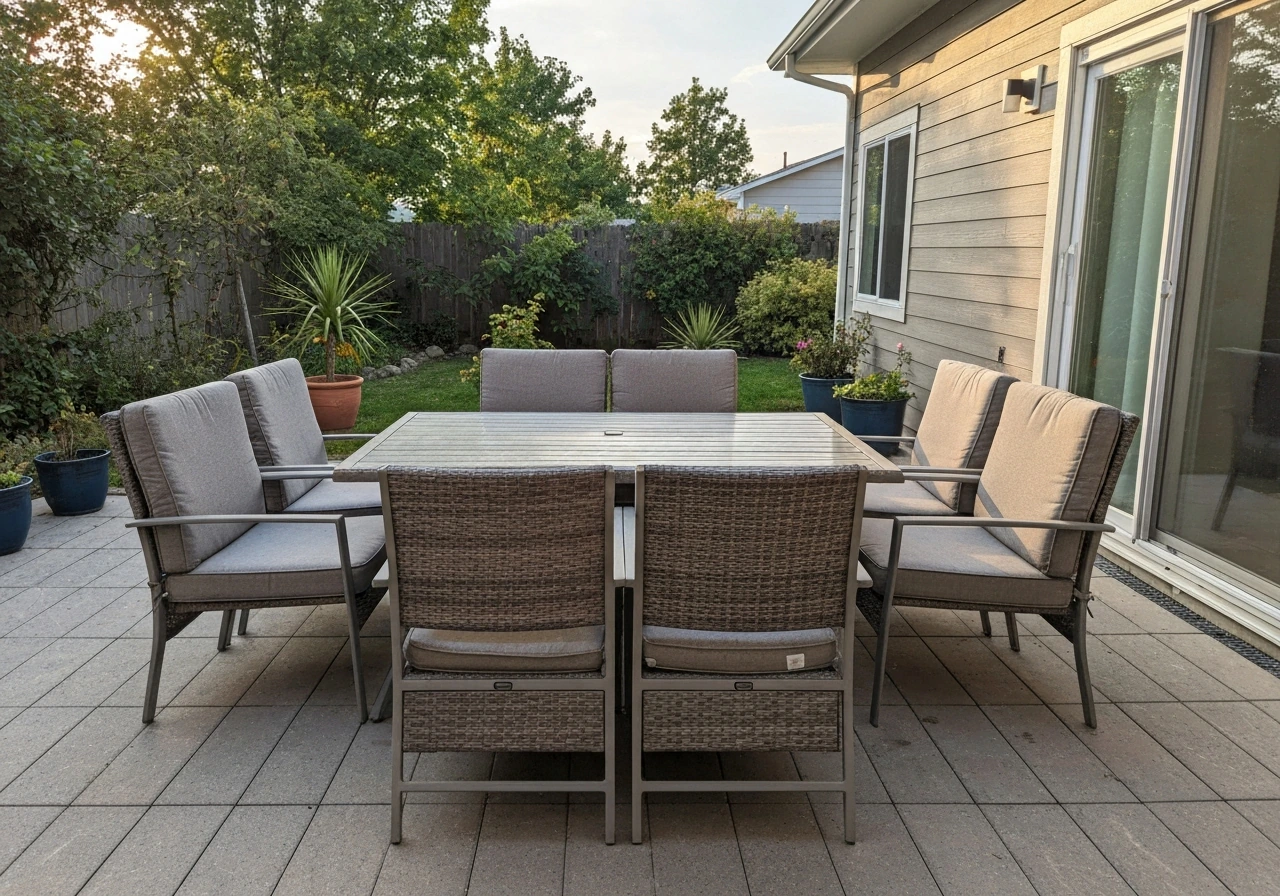
What Is Patio Furniture? Definition, Types, and What to Buy
Define patio furniture and how to choose weather-ready sets by material, types, and what to avoid for outdoor use.
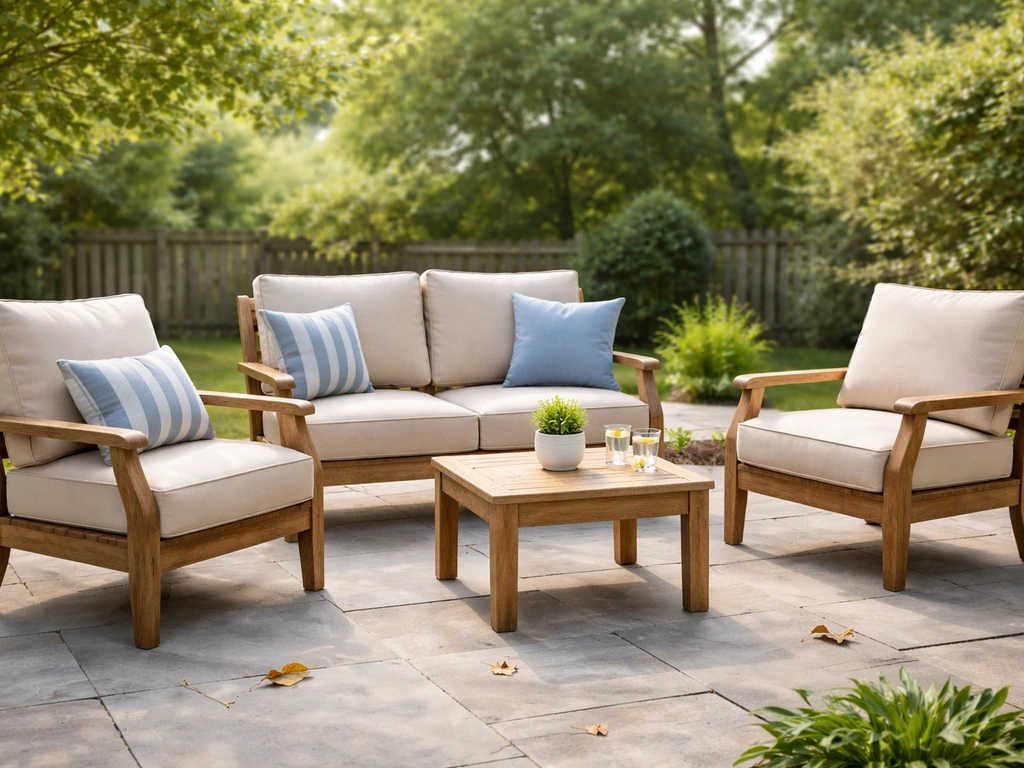
What Is the Best Patio Furniture to Buy Today
Find the best patio furniture for your climate, style, and budget with material tradeoffs and simple care tips to last.
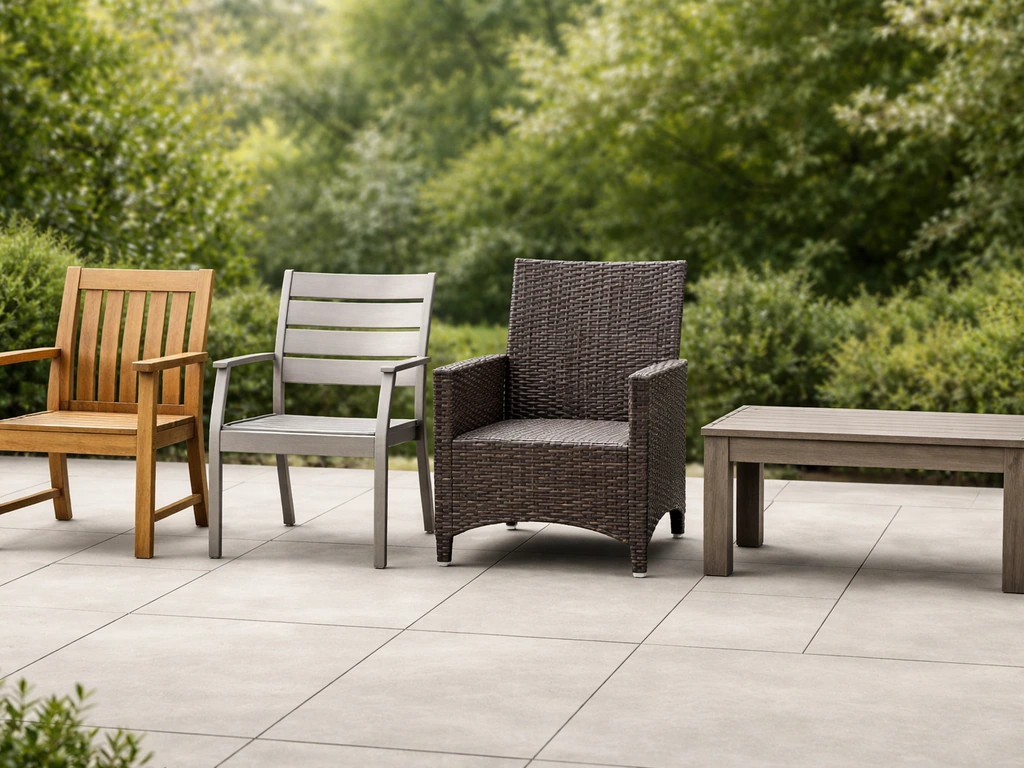
Good Patio Furniture Guide: Choose the Best by Material
Material-by-material guide to pick good patio furniture by durability, comfort, weather resistance, and value.