
The best outdoor patio furniture for most homeowners right now comes down to four contenders: POLYWOOD (recycled HDPE lumber), powder-coated aluminum, all-weather PE wicker over aluminum frames, and teak or eucalyptus hardwood. Each has a real performance sweet spot depending on your climate, how hard you use the furniture, and how much time you want to spend maintaining it. There is no single universally 'best' option, but there is almost certainly a best option for your specific situation, and this guide will help you find it. Patio furniture refers to outdoor seating and tables made for use on patios, decks, and porches what is patio furniture. If you are wondering what is the best patio furniture overall, start by matching the material to your weather and how much maintenance you are willing to do.
What Is the Best Outdoor Patio Furniture? Materials, Brands

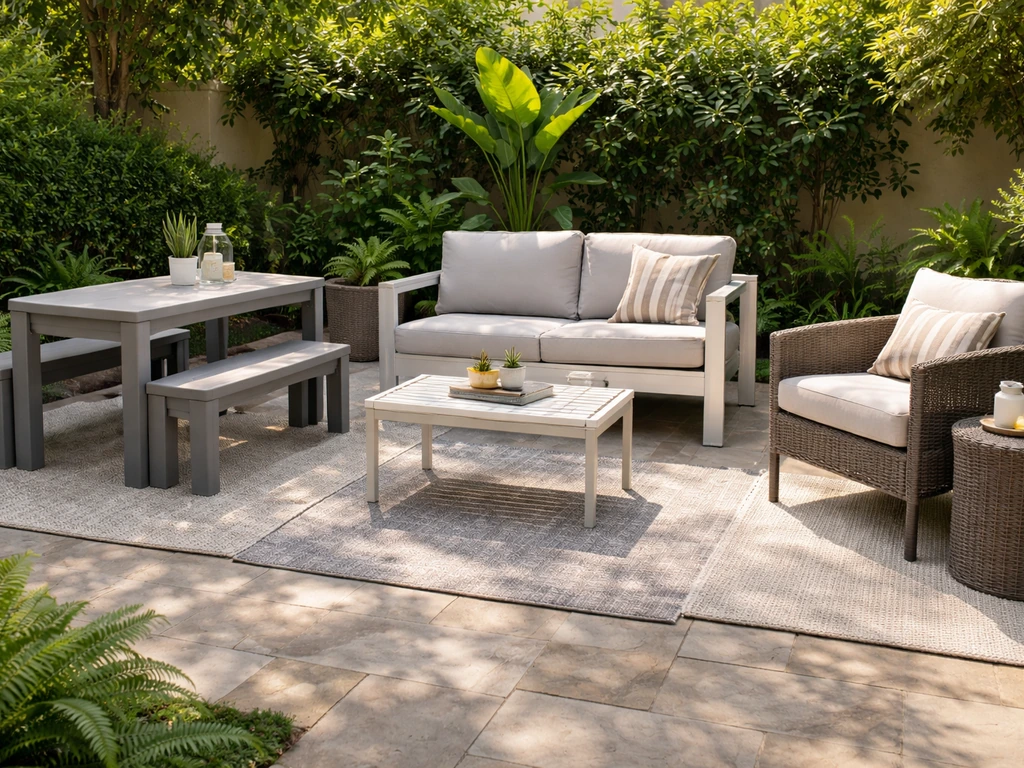
Defining 'best' for your patio before you spend a dollar
Before you shortlist brands or click Add to Cart, answer four questions honestly. They will cut your decision time in half and keep you from buying furniture that looks great in a showroom but falls apart in your backyard.
- Budget: Are you replacing cheap throwaway furniture with something that lasts 10+ years (invest $800 to $3,000+ for a quality set), or do you need something functional for a rental property or short-term use (under $500 is reasonable)?
- Climate: High humidity and salt air (coastal Florida, Gulf Coast) destroy metal faster and fade wicker sooner. Extreme heat (Phoenix, Las Vegas) degrades cushion foam and UV-weakens plastics. Snowy winters require furniture that tolerates freeze-thaw cycles or can be stored indoors. Match the material to your ZIP code.
- Use pattern: Daily dining and lounging for a family demands commercial-grade durability. A furniture set you use a handful of weekends per year can tolerate lighter construction.
- Maintenance tolerance: Teak looks stunning but needs annual oiling if you want it golden-brown (or you can let it go silver-gray and skip the work). Powder-coated aluminum needs almost nothing. POLYWOOD needs soap and water once a year. Be honest about how much upkeep you'll actually do.
Style matters too, but prioritize durability and maintenance compatibility first. A beautiful set that rusts, fades, or molds within three years is not good patio furniture regardless of how it looked at purchase. This is the core difference between furniture that is genuinely good and furniture that just photographs well.
Quality check by material: what to look for before you buy
Material is the single biggest driver of outdoor furniture longevity. Here is an honest breakdown of what each category delivers and what to watch for in terms of construction quality.
HDPE lumber (POLYWOOD and similar)
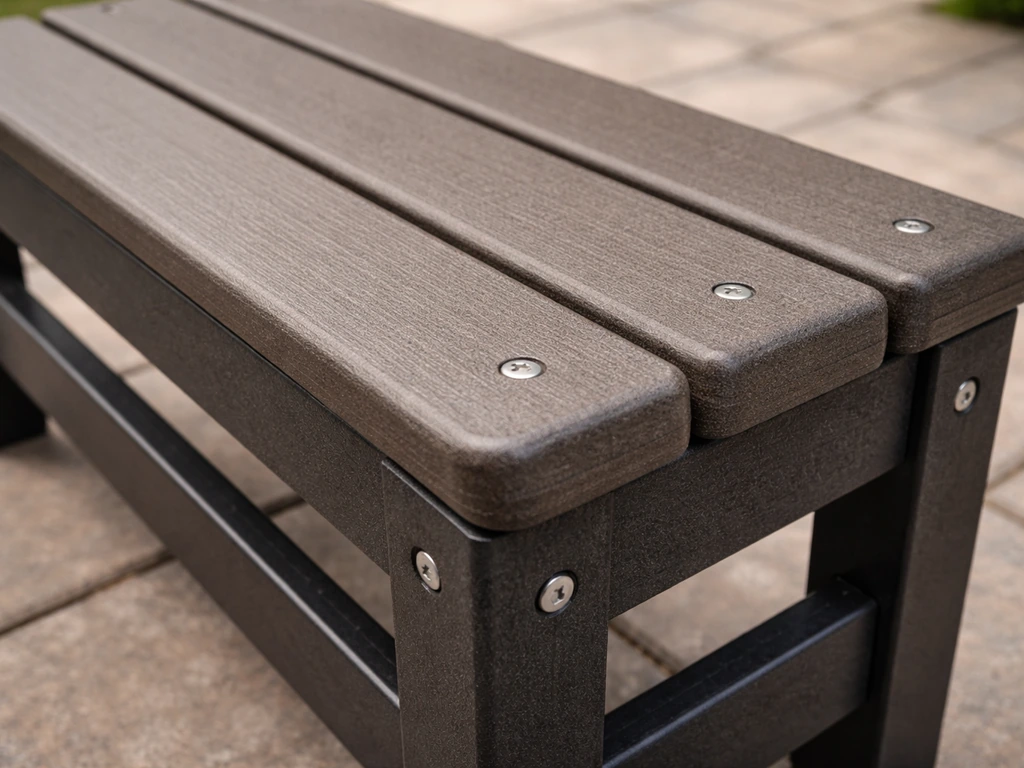
High-density polyethylene lumber, made from recycled plastic like milk jugs, is one of the most durable outdoor furniture materials available at a consumer price point. It will not rot, crack, splinter, peel, or absorb moisture. blank" rel="noopener noreferrer">POLYWOOD backs their residential products with a 20-year limited warranty covering defects like splintering, cracking, chipping, peeling, rot, and structural damage from insect infestation under normal use. That warranty has real teeth for structural integrity. The honest caveat: the same warranty explicitly blank" rel="noopener noreferrer">excludes normal weathering and gradual surface changes, including fading and chalking from sun exposure. So expect some color shift over years of full sun exposure, but the structure will hold. Look for furniture using stainless steel hardware, not cheap zinc or untreated fasteners, or the frame will outlast its own bolts.
Powder-coated aluminum
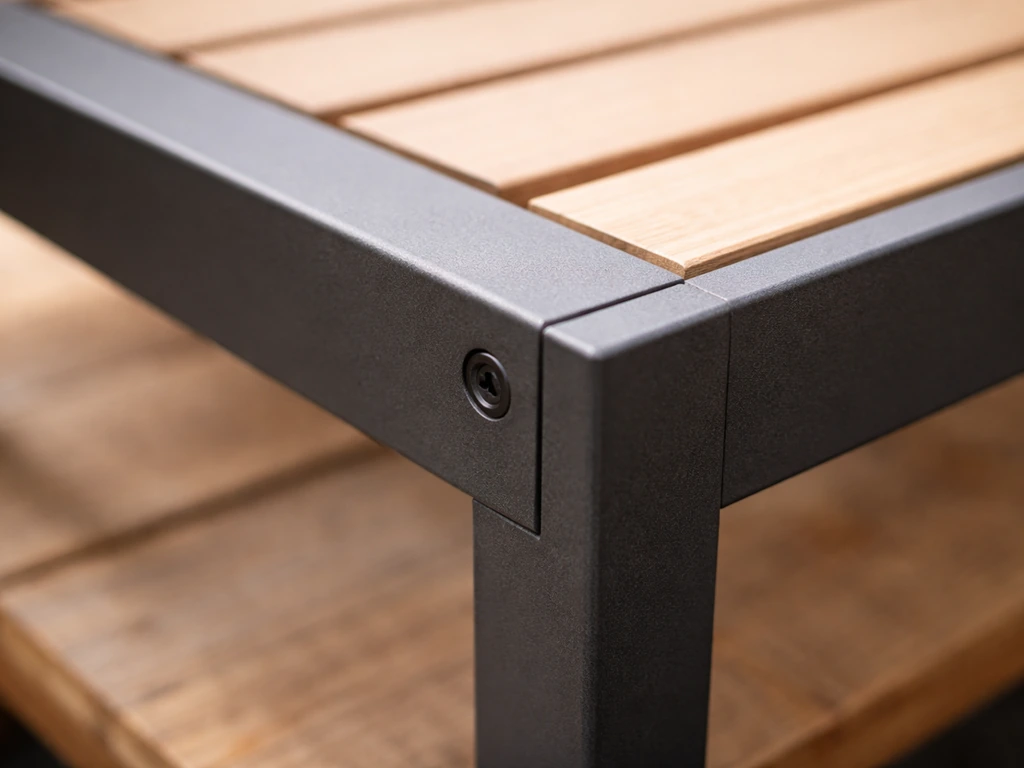
Aluminum frames are rust-proof by nature and stay light enough to move around. The quality variable is the powder coat. A quality powder coat finish is applied electrostatically and baked on, creating a finish that resists chipping and UV degradation significantly better than wet paint. Look for a coating thickness around 3 to 4 mils. Cheap aluminum patio furniture uses thin, uneven powder coat that chips within a season or two, and once the bare metal is exposed, oxidation sets in even on aluminum. Brands like Telescope Casual and Brown Jordan use marine-grade or commercial-grade aluminum alloys; budget box-store aluminum uses thinner gauge stock that bends and dents easily. Tap the frame: good aluminum furniture sounds solid, not tinny.
All-weather PE wicker
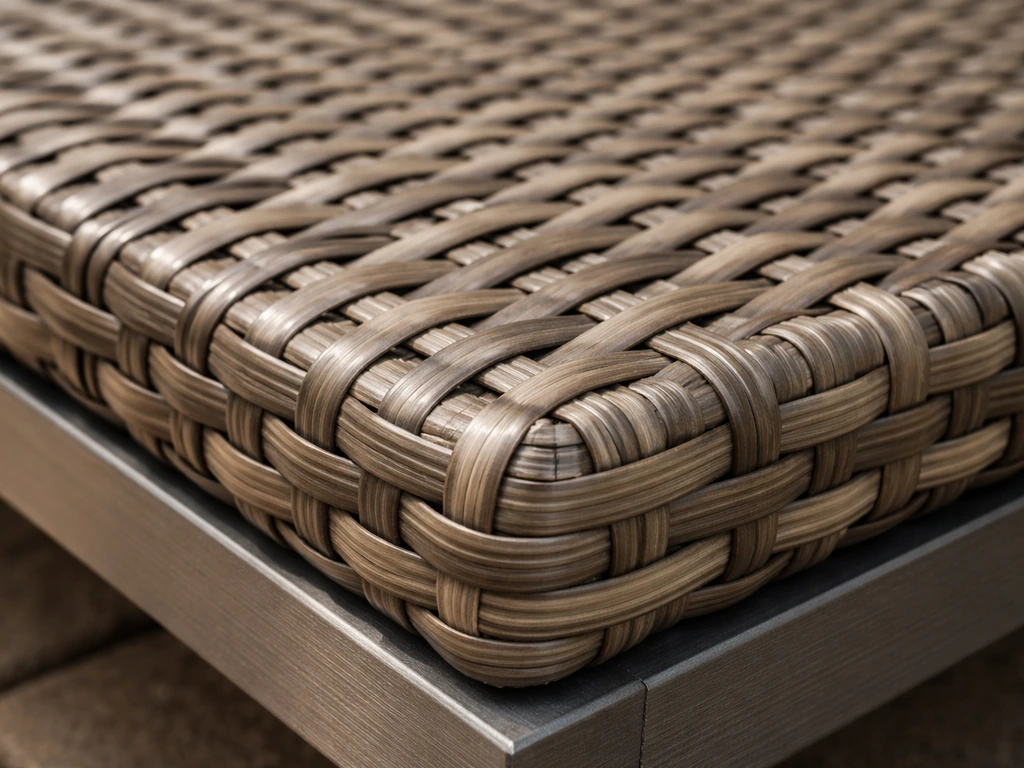
True all-weather wicker is polyethylene rattan wrapped around an aluminum or steel frame. The 'all-weather' claim is only as good as two things: the UV-blocking additives in the PE strands and the quality of the frame underneath. Cheap wicker uses thin PE with minimal UV inhibitors, and the strands become brittle and start unraveling within two to three seasons in a sunny climate. Quality all-weather wicker uses thicker, denser weave with UV-stabilized PE and, critically, an aluminum (not steel) inner frame. Warranty structures in this category tell you a lot: a brand offering only one year against cracking and fading on the wicker itself (as seen on some big-box store warranty documents) is signaling lower-grade materials. Look for at least three to five years on the frame and ask specifically about the weave warranty. Avoid any wicker that feels papery or hollow when you squeeze it.
Teak and hardwood
Grade A teak (from the heartwood, dense and golden-brown) is the gold standard for hardwood outdoor furniture. It contains natural oils that resist moisture and insects without any treatment required. The catch is price: a quality Grade A teak dining set will run $2,500 to $6,000+. Grade B and C teak comes from younger wood or outer grain, has less natural oil, and requires more maintenance. Eucalyptus is a legitimate budget alternative to teak with similar natural oil content, typically running 40 to 60 percent less expensive, though the grain is slightly more variable. For either wood, check joinery: mortise-and-tenon or doweled joints are far stronger than just screwed connections. Avoid furniture described as 'teak-finished' or 'teak-style', which is usually lower-grade wood stained to look like teak.
Wrought iron and steel
Wrought iron is heavy, classic, and extremely durable if the coating stays intact. The problem is that any chip or scratch exposes the iron to rust, and in humid or coastal climates that rust spreads fast. Steel patio furniture has the same vulnerability. Both materials require a quality galvanized primer under the paint or powder coat, and even then, budget steel furniture often shows rust bleed within two to three years. If you love the look of iron, make sure any set you consider uses galvanized or epoxy-primed steel with a warranty of at least three years against rust-through. In salt-air environments, skip steel entirely and go aluminum or HDPE.
Material comparison at a glance
| Material | Best Climate Fit | Expected Lifespan | Maintenance Level | Relative Cost |
|---|---|---|---|---|
| HDPE Lumber (POLYWOOD-style) | Any climate, especially coastal/humid | 20+ years structural | Very low (annual wash) | Mid to high ($) |
| Powder-coated aluminum | Any climate, great in dry heat | 15–25 years with intact coat | Low (occasional touch-up) | Mid to high ($) |
| All-weather PE wicker (aluminum frame) | Mild to moderate climates, some shade ideal | 7–12 years quality, 3–5 budget | Low-moderate (rinse regularly) | Mid ($) |
| Grade A teak | Any climate, self-maintaining | 30+ years untreated (silver-gray) | Low to moderate (oil if desired) | High ($$$) |
| Eucalyptus hardwood | Mild to moderate climates | 15–20 years with oiling | Moderate (annual oil) | Mid ($) |
| Wrought iron / steel | Dry climates only, covered areas | 10–15 years if coating intact | Moderate-high (monitor for rust) | Mid ($) |
Durability and weather resistance: what actually holds up outdoors
Marketing language like 'weather-resistant' and 'all-weather' is applied to almost everything, including furniture that fails within two seasons. Worst patio furniture usually fails on the basics: it rusts, fades, or loosens within a couple of seasons even with basic use. Here is how to read between the lines and test durability yourself, whether you are shopping online or in a store.
- Read the warranty exclusions, not just the headline term. A manufacturer that excludes fading, discoloration, and surface changes from normal weather exposure is telling you the finish is not particularly UV-stable. Hanover and similar mid-tier brands explicitly exclude fabric, cushion, and wicker discoloration from weather exposure. That is not necessarily a dealbreaker, but it tells you cushions will need replacing in three to five years.
- Check for stainless or rust-resistant hardware. Galvanized or stainless steel screws and bolts matter more than most buyers realize. Zinc or standard steel fasteners rust and seize up even on quality frames. Look for this called out in product specs.
- Sit in it, rock it, push it sideways. At a store, put real stress on joints and legs. Wobbly at purchase means falling apart in a year. Online, look for customer reviews that mention use after one to three years, not just first-impression reviews.
- Look at cushion fill and cover specs. Quality outdoor cushions use open-cell polyester or quick-dry foam and fabrics rated for UV exposure (Sunbrella and similar solution-dyed acrylics). Cheap cushions use closed-cell foam that traps water and grows mold. Look for drainage holes or vents in the cushion cover.
- Freeze-thaw durability matters in cold climates. HDPE and aluminum handle freeze-thaw cycles well. Wicker with a steel frame can degrade faster as the frame rusts and expands inside the weave. Teak handles cold with no problems.
Best patio furniture brands worth shortlisting
These are brands with consistent quality reputations across materials, not just a single hot product. I am giving you the honest version, including where each brand fits and where it falls short.
- POLYWOOD: Best HDPE brand for most homeowners. Their 20-year structural warranty is genuine and backed by a product that has been in the market long enough to prove itself. Colors do fade with years of full sun, but the structure holds. Their Adirondacks and dining sets are especially popular and built well.
- Brown Jordan: Premium aluminum and mixed-material furniture, often specified for commercial use. Expensive but built to last 20+ years with quality powder coat and hardware. A good investment if you have the budget.
- Telescope Casual: Commercial-quality aluminum at slightly more accessible price points. Great construction, wide range of styles, and a strong track record in hotel and resort settings that translates to residential durability.
- Woodard: One of the oldest patio furniture manufacturers in the US, known for wrought aluminum and steel. Heavy, classic construction. Good choice for covered patios or dry climates where you want longevity without the plastic aesthetic.
- Restoration Hardware (RH) Outdoor: High-end teak and aluminum options with strong materials and finishes. Expensive, but the teak quality is genuinely Grade A and the aluminum construction is solid. Good for buyers who want design and durability.
- Outer: A newer brand worth attention for its 'outerwear' cushion storage system and genuinely durable wicker/aluminum construction. Better warranties than typical in the wicker category and honest about materials.
- Arhaus: Strong teak and aluminum options at the upper-mid price range. Good quality control and solid warranty terms. Worth a look if you want showroom quality without full RH pricing.
- Tommy Bahama Outdoor: Solid aluminum and wicker construction in a relaxed coastal aesthetic. Middle-to-upper price range with good durability for humid environments.
A note on big-box store house brands: brands sold exclusively through Home Depot (Hampton Bay), Lowes, or Walmart vary enormously in quality. Some Hampton Bay aluminum sets are reasonable value at the $400 to $800 price point; others are thinner gauge with subpar powder coat. The warranty documentation for these products often signals what you are getting. When a warranty says '1 YEAR AGAINST CRACKING, FADING' on PE wicker, that is a short coverage window that usually reflects lower-grade materials. Use these as short-term or budget options, not 10-year investments.
Where to buy: best retailers and what to look for
Where you buy matters almost as much as what you buy, because return policies, warranty support, and ability to inspect pieces before committing all affect your experience.
- Specialty patio furniture retailers (local or regional): This is often the best option. You can sit in the furniture, check construction up close, ask about custom cushion fabrics, and deal with knowledgeable staff. Warranty claims are often easier to navigate through a dedicated retailer than through a big-box customer service line.
- Manufacturer direct (POLYWOOD.com, outdoorhomefurnishings.com, etc.): Buying direct from the maker often means better warranty support and the ability to access their full catalog. POLYWOOD direct gives you access to color customization and hardware options not always available through resellers.
- Crate & Barrel and CB2 Outdoor: Reliable mid-to-high quality, good return policies, and in-store ability to check cushion quality and frame construction. Seasonal sales can make pricing competitive.
- RH Outdoor (Restoration Hardware): If you are spending at this level, buy in store. The quality is there, but the price-to-value ratio depends on whether the aesthetic fits your space.
- Wayfair and Amazon: Useful for budget and mid-tier purchases, but you are buying blind on construction quality. Filter reviews by 'most recent' to get a realistic picture of how pieces hold up after a season or two. Be skeptical of products with many first-impression reviews but few two-year reviews.
- Home Depot and Lowes: Good for browsing mid-range options in person and for finding branded sets (Hampton Bay, Allen + Roth). Understand that house brands at this level are value-oriented, not premium.
Whenever possible, buy from a retailer with a meaningful return window (at least 30 days) and clear warranty claims support. Ask the retailer directly: 'If a weld cracks or a frame rusts in two years, who do I call?' A vague answer is a red flag.
Sets vs. individual pieces: sizing, comfort, and long-term flexibility
Buying a matched set is the most common approach, and it makes sense for most people. A dining set (table plus four to six chairs) or a seating set (sofa, two chairs, coffee table) is usually priced better as a bundle than individual pieces, and you get a guaranteed visual match. But sets have downsides: if one piece fails, replacement matching is often impossible a few years later. If your space is an awkward shape or size, a set may not fit without compromising circulation or access.
Measure your space before buying anything. A good rule of thumb: allow at least 36 inches of clearance around a dining table for pulling chairs in and out, and at least 18 to 24 inches between a coffee table and seating for comfortable legroom. Oversized furniture on a small patio is one of the most common buyer mistakes. Many quality brands publish exact frame dimensions and seat height in their product specs; use those, not just the tabletop dimensions.
Mixing pieces can give you more flexibility if you are careful about material and finish compatibility. For example, a POLYWOOD dining table pairs cleanly with POLYWOOD chairs in different colors. An aluminum frame sofa can mix with a teak side table. Where mixing gets difficult is with wicker: matching weave patterns and strand colors across different brands is nearly impossible, so it is usually smarter to buy a matched wicker set from one source.
Comfort is more personal than most furniture guides admit. Seat depth, back angle, and armrest height vary significantly even within a single brand's catalog. A deep-seat lounge chair with a 24-inch seat depth is great for lounging but awkward for conversation seating. Standard dining chairs with a 17 to 18 inch seat height work for most people; bar height (28 to 30 inch seat) is a different use case entirely. If you are buying online, check the seat dimensions specifically and compare to furniture you already own and find comfortable.
Maintenance logistics also factor into the set-versus-pieces decision. If you live somewhere with harsh winters, you will need to store cushions indoors and possibly the furniture itself. A large sectional sofa set is significantly harder to store than four stackable chairs and a foldable table. HDPE and aluminum pieces are generally fine left outside under a cover year-round in most climates. Teak and wicker benefit from winter covers at minimum. Think about how much space you have for storage before committing to oversized or complex sets.
How to avoid common marketing traps when shopping
A few patterns in outdoor furniture marketing deserve specific skepticism. 'Commercial grade' on a consumer product page means almost nothing without context: true commercial grade aluminum uses 6000-series alloy at 1.2mm wall thickness or more; consumer 'commercial grade' labeling often refers to aesthetic styling, not construction spec. 'Teak-finished' means stained lower-grade wood, not actual teak. 'All-weather wicker' applies equally to $300 Walmart sets and $3,000 specialty sets; the phrase describes a category, not a quality tier. Read warranty documents, not marketing copy. If a retailer or brand does not publish their warranty terms clearly and accessibly, that is itself a useful piece of information about how they handle claims.
The question of what makes patio furniture genuinely good, versus just popular or well-marketed, comes up constantly in this space. Price is a rough proxy for quality but not a reliable one. Some brands charge premium prices for design credentials rather than material quality. The most reliable signals of genuine durability are: specific warranty terms that cover structural failure for multiple years, material specifications that match what quality construction actually requires, and real user reviews from people who have owned the furniture for two seasons or more.
Your practical next steps
- Measure your patio and draw a rough layout with clearances before looking at any specific products. This eliminates half the available options immediately and saves you from the most expensive mistake: buying furniture that does not fit your space.
- Decide on your material based on climate and maintenance tolerance using the comparison table above. This is your most important filter.
- Set a realistic budget. For a full outdoor dining or seating set that will last 10+ years, budget at least $1,000 to $1,500 for mid-tier quality, and $2,500+ for premium. Under $600 for a complete set usually means 3 to 5 year lifespan at best.
- Shortlist two or three brands from the recommendations above that match your material choice and budget. Visit a local specialty retailer to sit in pieces if you can, or order from retailers with strong return policies if buying online.
- Read the actual warranty document before purchasing, not the headline term. Look specifically at exclusions for fading, frame rust, and wicker/weave degradation.
- Buy cushions separately if the included cushions are low quality. Sunbrella-covered quick-dry cushions can be added to any quality frame and will outlast cheaper included cushions by years.
FAQ
What is the best outdoor patio furniture for most people if I do not know my exact climate yet?
For a typical sun-and-weather exposure pattern (moderate rain, winter freeze in some regions), the safest default is powder-coated aluminum frames plus either all-weather PE wicker or POLYWOOD seats and tables. Teak looks premium but often becomes the maintenance tradeoff, so only choose it if you are comfortable with periodic cleaning (and more attention during harsh winters).
How do I spot when “all-weather” patio furniture is actually low durability?
“All-weather” usually means the product category, not the lifetime. Before buying, look for two separate warranties (frame and cushions or wicker), and confirm UV-resistance is attributed to the actual fibers or lumber, not just marketing copy. If the warranty only covers surface fade or gives coverage under 2 to 3 years, treat it as a short-term purchase.
What patio furniture is best for salt air or coastal humidity?
If you are in a coastal or salt-air area, skip wrought iron and regular steel unless you can confirm epoxy-primed or heavily galvanized construction plus a rust-through warranty. Choose aluminum (ideally with marine-grade alloys) or HDPE/POLYWOOD, and prioritize stainless hardware so corrosion does not start at the bolts before the frame fails.
What should I check to prevent rust on aluminum, steel, or iron patio furniture?
To keep metal from rust-bleed, avoid any product where the seller cannot tell you the primer or base layer type. For aluminum, the powder-coat matters, tap-test for a solid feel, and avoid thin-looking frames. For steel, require galvanized or epoxy-primed layers and a warranty that explicitly covers rust-through, not just paint chipping.
Which materials are the lowest-maintenance option for outdoor furniture?
If you want “set it and forget it” durability, POLYWOOD and powder-coated aluminum are the easiest categories. Wicker and wood often need more proactive care, like winter covering and cleaning. Also confirm whether cushions are removable and whether the fabric is designed for outdoor moisture management, since cushion failure is a common early replacement driver.
What is the best outdoor patio furniture choice if I have harsh winters and limited storage space?
For freezing winters, consider storage complexity first. Cushioned seating usually must come inside (or you need a high-quality breathable cover and dry storage plan), while aluminum and HDPE can stay outside under a cover in many climates. If your yard is small, prioritize stackable chairs or lighter pieces over large sectionals that become hard to move or store.
How do I choose patio chair comfort without guessing from photos?
Dining comfort depends heavily on seat height and cushion thickness. Use your current chairs as a reference and compare seat height and seat depth directly, not just the overall chair size. For conversation and lounging, deeper seats can feel great but can make dining awkward, so verify back angle and armrest height if you plan to eat outdoors.
What space measurements should I do before buying outdoor patio furniture?
Measure twice using circulation, not just the tabletop. Plan for chair pullout and leg movement, typically allowing around 36 inches around a dining table for comfortable chair access. If you have a cover, gates, or tight pathways, also measure door swing and how far you need to clear the furniture to move chairs without scraping.
Can I mix patio furniture materials and still expect them to age consistently?
Mixing materials can work well if you match the “performance category” (example: POLYWOOD with POLYWOOD for consistent weathering, or aluminum frames with compatible outdoor fabrics). Avoid mixing wicker brands when the weave thickness and color tone differ, because the visual mismatch and uneven aging can be noticeable over time.
What warranty questions should I ask before ordering patio furniture online?
Online purchases fail most often because buyers assume the warranty is automatic and transferable. Confirm who handles claims (brand vs. retailer), what happens during the repair or replacement window, and whether shipping is covered for replacement parts like slats, chair frames, or hardware. If the retailer cannot answer directly, that uncertainty is a buying risk.
What are the most reliable indicators that patio furniture is actually worth the money?
Price can mislead, especially for “design-led” brands or products labeled commercial-grade without construction specs. The most useful decision aids are (1) structural coverage length that includes frame failure, (2) explicit material specs like aluminum alloy series or HDPE type, and (3) reviews from owners who report performance after at least two outdoor seasons.
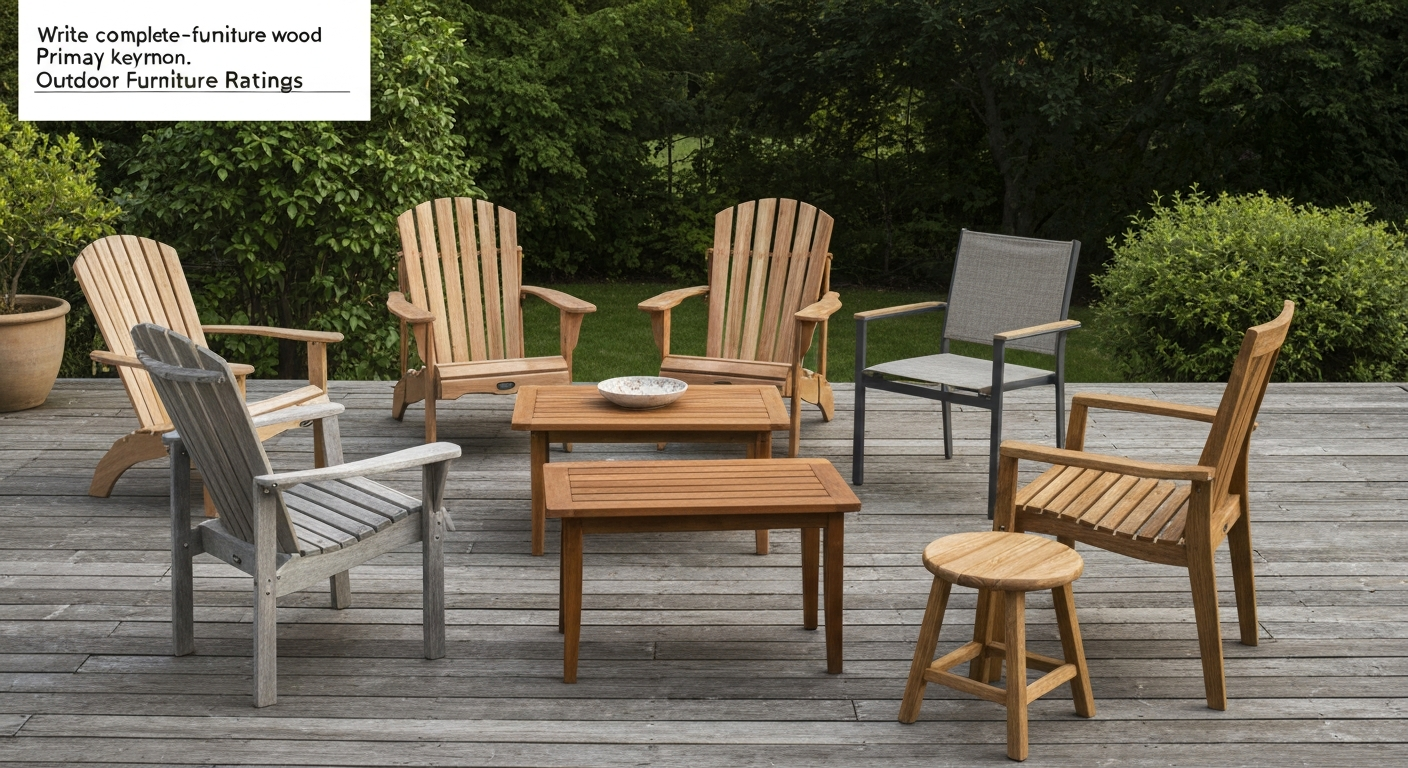
Compare common patio furniture wood types, teak, cedar, redwood, oak, with durability, finishes, and care tips.
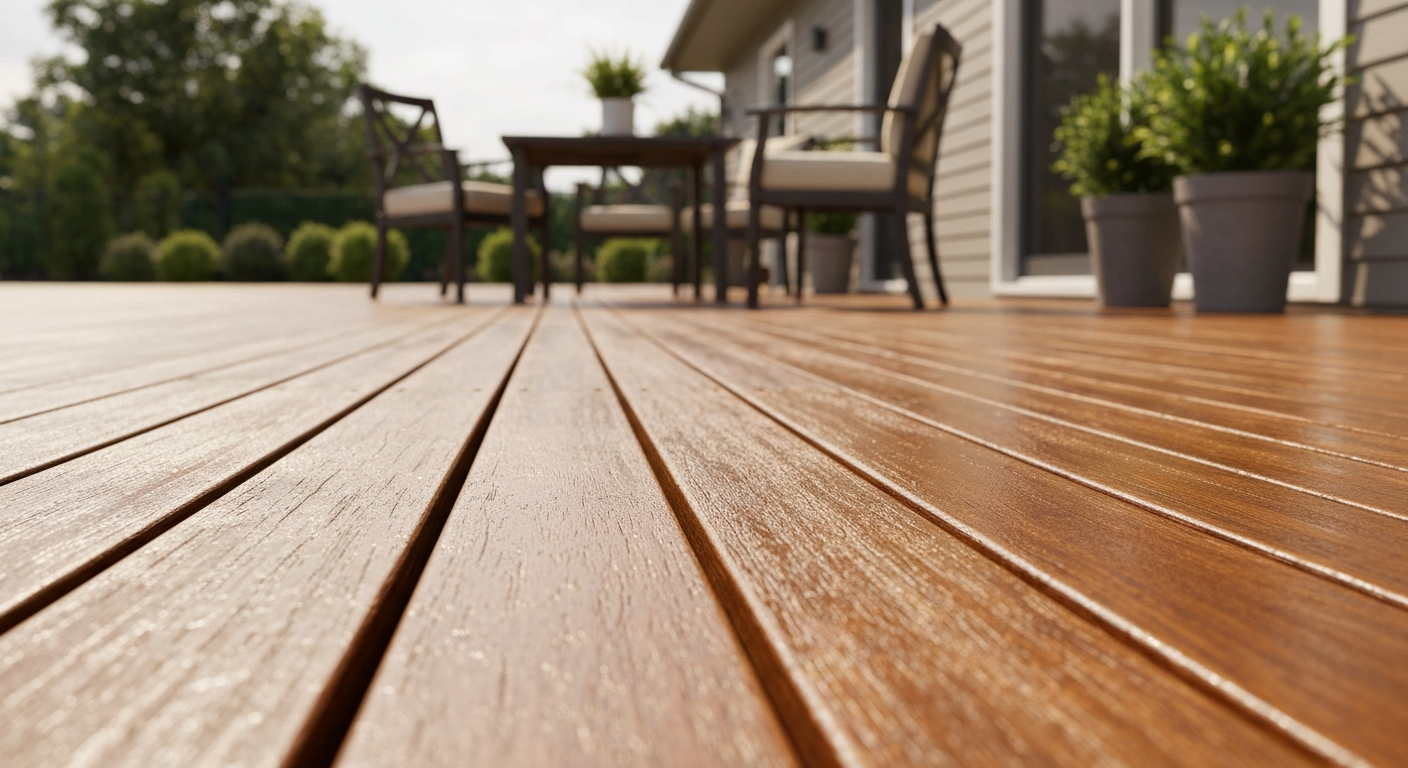
Compare and choose the best wood patio stain: durability, finish, climate tips, prep, and top product picks.
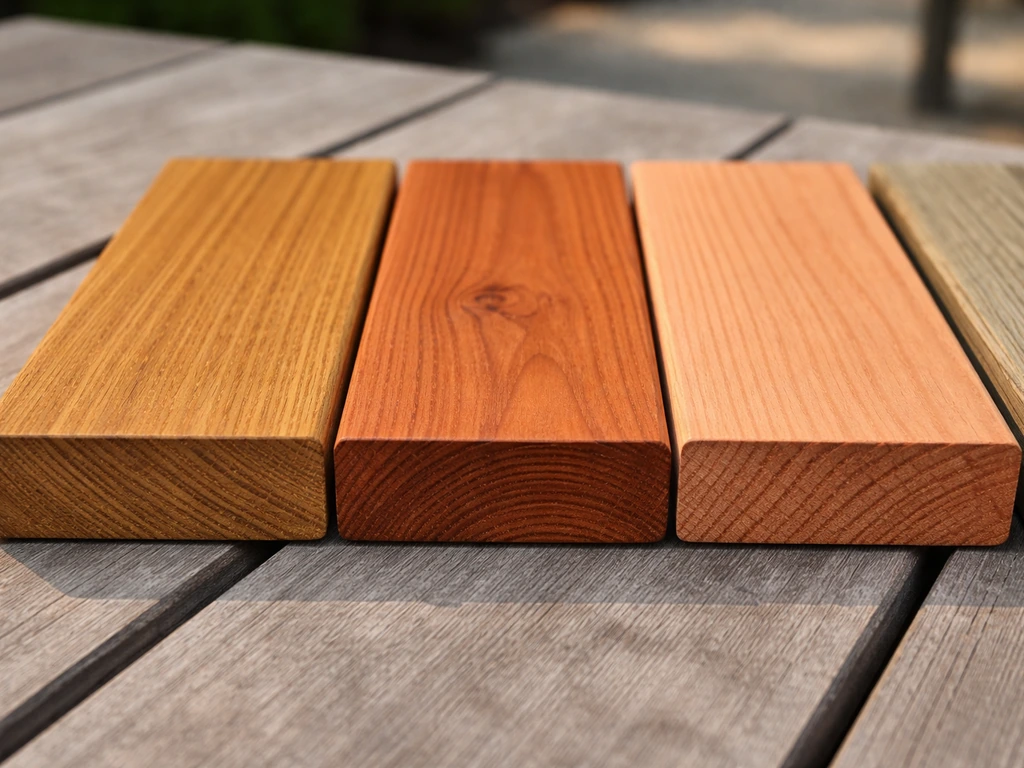
Compare common patio woods like teak cedar redwood and pressure-treated: durability, quality checks, and care for long l