
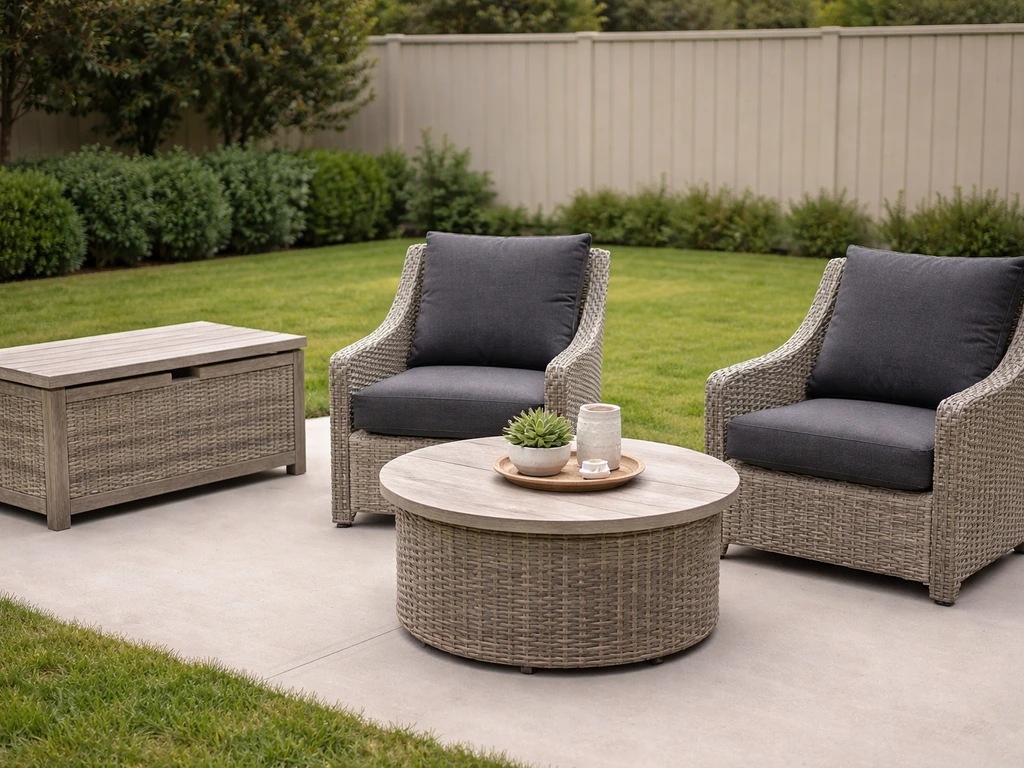
Patio furniture is furniture specifically designed and built to live outside. That means it's made from materials that can handle rain, sun, humidity, and temperature swings without falling apart in a season or two. It's not just any chair or table you drag onto the deck. True patio furniture is engineered for outdoor conditions, using weather-resistant materials, rust-proof or corrosion-resistant hardware, UV-stable finishes, and construction methods that don't rely on glues or joints that fail when they get wet repeatedly.
Definition of Patio Furniture: What Counts and How to Choose

Theo Tierney
28 Apr 2026
What patio furniture actually means (plain English)
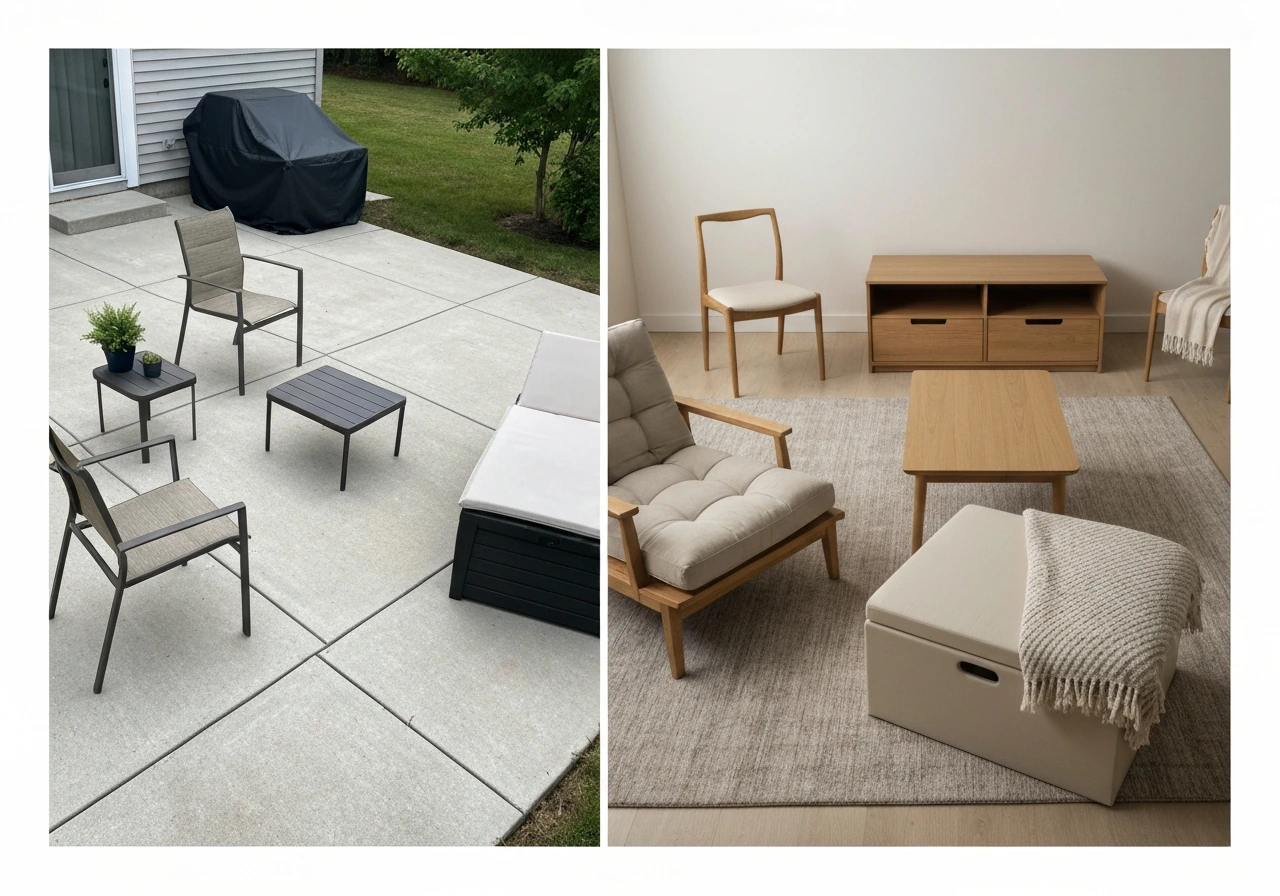
The term "patio furniture" is used interchangeably with outdoor furniture and garden furniture. They all mean the same thing: seating, tables, loungers, storage, and accessories purpose-built for permanent or semi-permanent outdoor placement. The word "patio" comes from the Spanish word for a courtyard or outdoor space attached to a house, and that's exactly where this furniture lives: patios, decks, porches, pool areas, balconies, and backyard gardens.
What separates patio furniture from regular indoor furniture isn't just the material, it's the entire design intent. A teak outdoor dining chair and an indoor wooden dining chair might look similar, but the outdoor version uses denser, more oil-rich wood, stainless or coated hardware, and a finish that allows moisture to pass through rather than trap it. The indoor version will warp, swell, and rot outside within a year or two in most climates.
What counts as patio furniture (and what doesn't)
This is where a lot of people get burned. Retailers sometimes market items with vague language like "suitable for covered outdoor areas" or "occasional outdoor use," which is not the same as outdoor-rated furniture. If a product description relies on those kinds of qualifiers, it's indoor furniture being nudged toward outdoor use, and it won't last.
Genuine patio furniture passes a few straightforward tests. The materials are inherently weather-resistant or treated specifically for outdoor exposure. The hardware (screws, bolts, brackets) is stainless steel, galvanized, or coated to resist rust. The cushion fabrics and foam are designed to resist mildew and dry quickly. Joints and frames are built to handle thermal expansion and contraction as temperatures swing between seasons.
- Qualifies: Powder-coated aluminum frames, teak and eucalyptus outdoor dining sets, HDPE (high-density polyethylene) wicker, marine-grade polymer furniture, outdoor-rated cast iron with protective coating
- Qualifies: Cushions with solution-dyed acrylic fabric (like Sunbrella), outdoor foam rated for moisture and mildew resistance, quick-dry polyester fills
- Does not qualify: Solid pine or poplar indoor chairs moved to a covered porch
- Does not qualify: Particleboard or MDF-core furniture with an outdoor-looking finish
- Does not qualify: Generic fabric cushions from an indoor sofa set
- Does not qualify: Wrought iron pieces with a basic painted finish and no rust-inhibiting undercoat
- Borderline: Solid hardwood (like acacia) without regular oiling and maintenance — it can rot even though it's marketed for outdoors
Common types by material: wood, metal, wicker, and composite
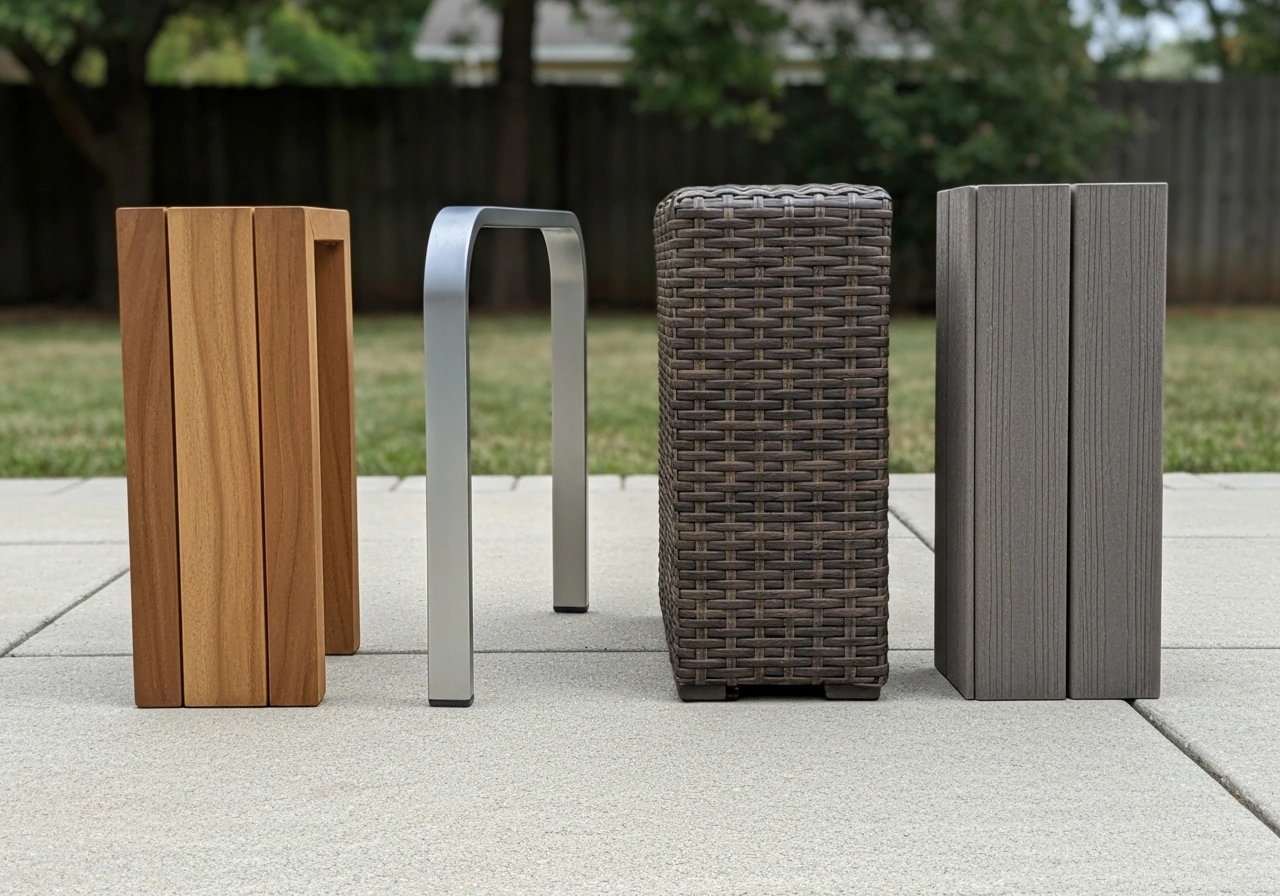
Material choice is the most consequential decision you'll make when buying patio furniture. It determines how long the piece lasts, how much work it needs each year, and how well it holds up in your specific climate. Here's how the four main categories stack up honestly.
Wood
Hardwoods like teak, eucalyptus, and acacia are the traditional outdoor wood choices. Teak is the gold standard: it's dense, naturally oily, and genuinely rot and insect resistant without much intervention. Eucalyptus is a more affordable alternative with similar properties. Acacia is popular and widely marketed for outdoor use, but here's the honest truth: acacia can still rot if you neglect it. Wood is a living material, and even outdoor-rated species need annual oiling to stay protected. Skip the oil for two or three seasons in a humid climate and you'll start to see cracking, graying, and eventual degradation. Softwoods like pine and cedar need even more attention and don't belong in wet climates without serious sealant upkeep.
Metal
Aluminum and steel are the dominant metals in patio furniture. Aluminum is the better choice for most people: it doesn't rust, it's lightweight, and powder-coated aluminum can last 15 to 20 years in most climates with minimal care. Cast aluminum (molded, heavier, used in traditional-style pieces) and extruded aluminum (hollow, lighter, used in modern frames) both perform well outdoors. Steel is heavier and stronger but must be galvanized or coated properly to resist rust, and any chip or scratch in the coating becomes a rust entry point. Wrought iron is beautiful but genuinely high-maintenance and heavy to move around.
Wicker
Traditional rattan wicker is an indoor material. The outdoor version you see sold today is almost always synthetic wicker, typically made from HDPE (high-density polyethylene) resin woven over a powder-coated aluminum frame. Quality HDPE wicker, like what brands such as POLYWOOD use, is moisture-resistant, fade-resistant, and won't crack, unravel, or rot. It can handle rain and sun exposure without the seasonal maintenance wood requires. The key quality signal here is the resin type and UV stabilizers built into the weave. Cheaper synthetic wicker uses lower-grade resins that become brittle and crack within a few years of UV exposure, even if it looks identical to premium product on the shelf.
Composite
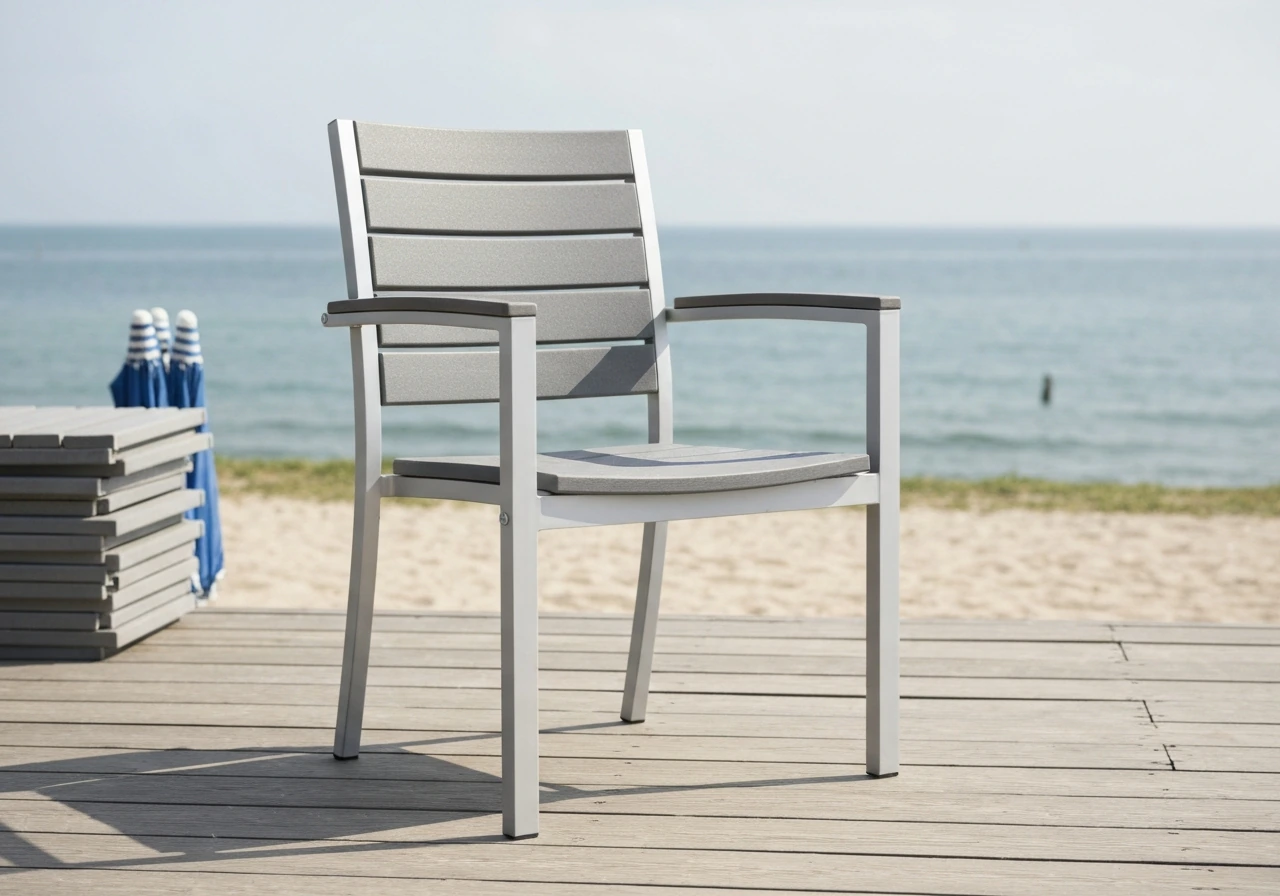
Composite materials in patio furniture usually refer to HDPE lumber (sometimes called recycled plastic lumber) or fiber-reinforced polymer components. HDPE lumber is made from recycled plastics and is genuinely impervious to rot, insects, moisture, and most UV damage. It doesn't need painting, staining, or sealing. Marine-grade polymer furniture made from HDPE is about as close to maintenance-free as outdoor furniture gets. The trade-off is that it can look utilitarian, though design has improved significantly in recent years, and it can feel slightly less premium than solid teak at first glance.
| Material | Rust/Rot Resistance | UV Resistance | Maintenance Level | Best Climate Fit |
|---|---|---|---|---|
| Teak/Eucalyptus wood | High (with oiling) | Moderate (grays without oil) | Annual oiling required | Most climates; not ideal for neglect |
| Acacia wood | Moderate (needs consistent care) | Moderate | Annual oiling required | Dry to moderate humidity |
| Powder-coated aluminum | Excellent (no rust) | High (UV-stable powder coat) | Very low | All climates including salt air |
| Steel (galvanized/coated) | Moderate (rust if coating chips) | High | Moderate (inspect for chips) | Low-humidity climates preferred |
| HDPE wicker (synthetic) | Excellent | High (with UV stabilizers) | Very low | All climates; great for humidity |
| HDPE composite lumber | Excellent | High | Minimal | All climates; ideal for high-moisture |
How patio furniture gets used outdoors
Most patio furniture falls into four functional categories, and knowing which you need helps narrow down material and size choices quickly.
- Seating: Chairs, loveseats, sectionals, and conversation sets built for sitting and socializing. This is the largest category and covers everything from lightweight stacking chairs to deep-cushion sectional sofas.
- Dining: Tables paired with chairs or benches for eating outdoors. Dining sets prioritize flat stable surfaces, the right seat height (typically 17 to 19 inches), and weather-resistant table tops.
- Lounging: Chaise lounges, daybeds, and reclining chairs designed for relaxing and sunbathing. These often have adjustable backs and are used near pools and in open sun, so UV resistance matters most here.
- Storage and accessories: Deck boxes, outdoor storage benches, side tables, ottomans, and bar carts that complement seating and dining pieces while providing functional outdoor storage for cushions, tools, and supplies.
Features that actually separate quality from junk
Marketing language for outdoor furniture is notoriously loose. The word "outdoor" on a hang tag guarantees almost nothing. Here are the specific features worth checking before you buy.
Weather and UV resistance
UV degradation is one of the most common failure modes for outdoor furniture. Sun exposure breaks down plastics, fades dyes, and chalks paint finishes. Quality outdoor products use UV stabilizers built into the material itself, not just surface treatments. An industry standard for testing this is ASTM G154, which simulates UV exposure using fluorescent lamps to measure color fade, cracking, and surface degradation. If a manufacturer references ASTM testing in their product specs, that's a good sign. If they don't mention UV resistance at all beyond "fade resistant" in marketing copy, be skeptical.
Corrosion resistance for metals
For metal furniture, rust resistance starts with the base material (aluminum beats steel every time for outdoor use) and then the coating. Powder coating is the standard finish on quality aluminum patio furniture: it's applied electrostatically and baked on, forming a hard skin that resists chipping far better than liquid paint. For coastal environments with salt air, marine-grade aluminum alloy with a powder coat is the right call. If you're considering steel, look for galvanized steel with powder coat over it, and inspect the piece for any areas where the coating might be thin at welds or bends.
Rot, insect, and mildew resistance
Wood furniture needs to come from naturally rot-resistant species, or be treated with preservatives designed for outdoor use. Teak and eucalyptus are naturally resistant. Acacia is decent but not bulletproof. Pressure-treated pine can work for structural components but isn't typically used in furniture. For wicker, real rattan mildews and rots outdoors, which is why all legitimate outdoor wicker today is HDPE or a similar synthetic. Cushion fabrics on quality patio furniture are all mildew resistant, but that doesn't mean you leave them soaking wet indefinitely. Mildew resistance means they can get wet and dry without developing mold, not that they're impervious to neglect.
Comfort features that hold up
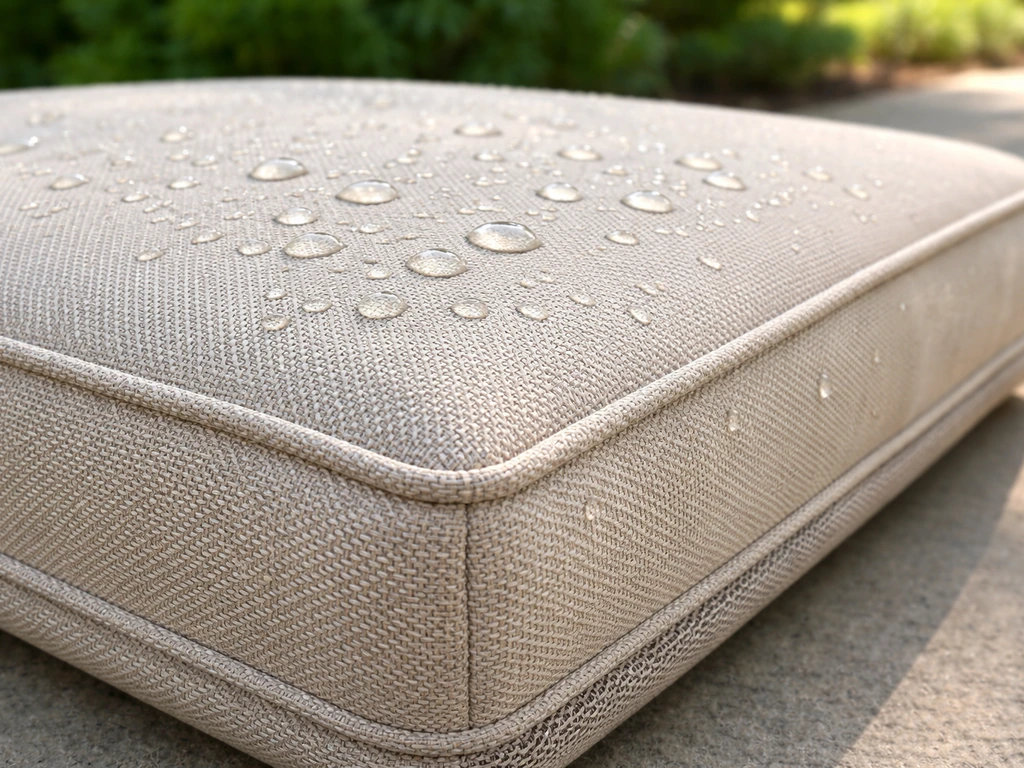
Outdoor cushion foam matters more than most people realize. Cheap open-cell foam absorbs water and stays wet for days, which destroys the foam and breeds mildew even inside a mildew-resistant cover. Quality outdoor cushions use quick-dry foam (often reticulated, meaning it has an open cell structure that lets water drain through rather than pool), or a solid polyester fiber fill that sheds water better. Cushion covers should use solution-dyed acrylic or polyester fabrics with a tight weave. blank" rel="noopener noreferrer">Solution-dyed means the color goes through the entire fiber, not just the surface, which is why it lasts years in direct sun without washing out.
Choosing the right patio furniture for your climate and space
Your local climate should be the first filter you apply before anything else, including style or budget. The furniture that's perfect for Phoenix will fail quickly in coastal Florida and vice versa. Here's how to match material to condition.
Hot, humid climates (Florida, Gulf Coast, Southeast)
High humidity combined with intense UV is brutal on most materials. HDPE composite and quality powder-coated aluminum are the safest choices here. HDPE wicker performs well too, provided it uses UV-stabilized resin. Wood can work if you commit to annual oiling and keep it in a covered area, but don't buy acacia and expect zero maintenance in Miami. Steel is a poor choice in high-humidity environments without aggressive coating maintenance.
Coastal and salt-air environments
Salt air accelerates corrosion dramatically. This is where material choice is most critical. Marine-grade aluminum or HDPE composite are the two materials that genuinely hold up long-term. Teak also performs well near salt water, which is why it's been used on boats for centuries. Steel and wrought iron are really the wrong choice within a few blocks of the ocean, even with good coatings. You'll be touching up rust spots every season.
Hot, dry climates (Southwest, desert regions)
The main enemy here is UV, not moisture. Furniture fades, plastics crack, and cushion fabrics bleach out fast in desert sun. HDPE furniture with good UV stabilizers handles this well. Aluminum with high-quality powder coat holds up. Wood actually does reasonably well in dry climates as long as you oil it to prevent cracking from dryness rather than rot from moisture. Avoid cheap resin furniture and low-grade synthetic wicker, which will become brittle and crack within a couple of years in intense UV.
Cold climates with hard winters
Freeze-thaw cycles are hard on furniture left outside year-round. Water that penetrates cracks in wood or coatings expands when it freezes and splits surfaces open. For climates with real winters, you have two practical options: choose furniture that can stay outside without damage (aluminum, HDPE, and teak all handle freezing well), or store it.
If you're comparing options for what is the best outdoor patio furniture, remember the two practical choices are furniture that can handle freeze-thaw or storing it. Most homeowners end up doing a bit of both: lightweight aluminum chairs might stay out under covers, while cushions and accessories come inside. Powder-coated aluminum handles below-freezing temps without any issue. Teak and HDPE composite do too.
Steel furniture should be stored or covered well to prevent moisture penetration through coating chips.
Sizing and space fit
Beyond climate, the physical size of your space determines what works. For a small apartment balcony, a bistro set (two chairs and a small round table, typically 24 to 30 inches in diameter) is the practical choice. For a mid-sized deck, a four- to six-person dining set or a three-piece conversation set fits well. For larger patios and yards, modular sectional sofas with a coffee table and a separate dining zone give you flexibility to rearrange. Leave at least 36 inches of clearance around dining tables for chair pull-out and walking room, and 18 inches minimum between a sofa and coffee table for comfortable legroom.
Maintenance and care that actually makes furniture last
Good patio furniture is an investment, and the return on that investment depends almost entirely on how consistently you maintain it. When you start shopping, use this checklist to find the best patio furniture for your climate and needs. That’s why choosing the best patio furniture for your climate and maintenance habits matters so much, and why the worst patio furniture tends to fail early. The good news: basic care isn't complicated or time-consuming. A few hours per season keeps most furniture performing for a decade or longer.
Wood furniture care
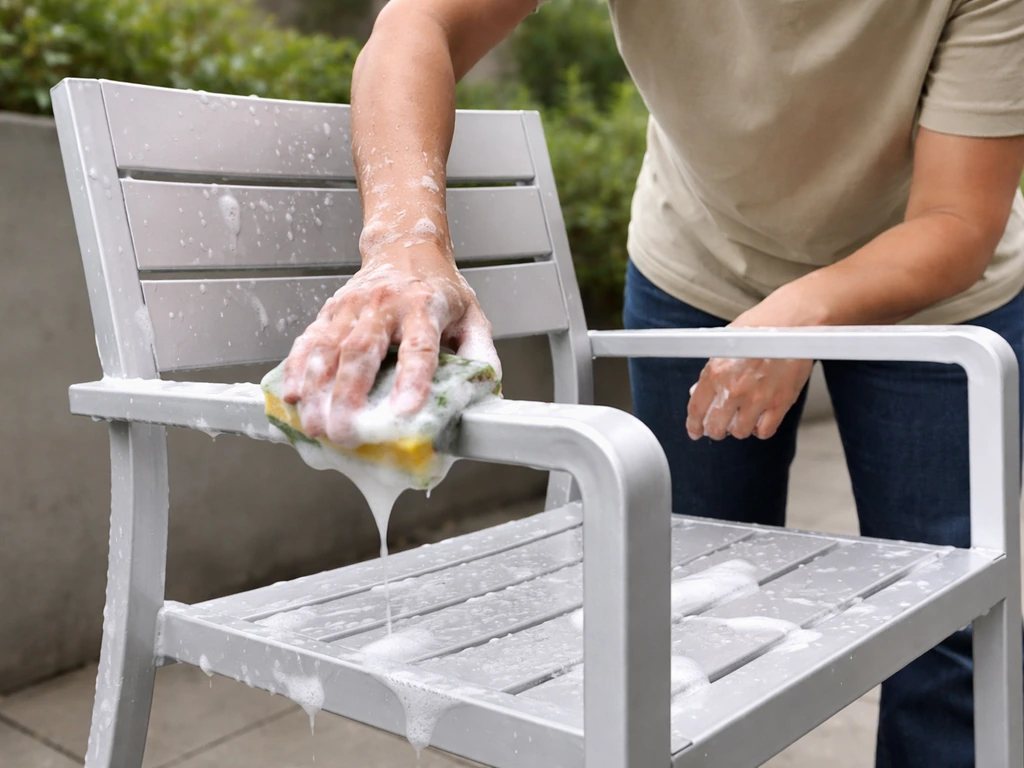
The single most important task for any outdoor wood furniture is annual oiling. Use a teak oil or a food-safe hardwood oil appropriate for the species. Clean the wood first with a mild soap and water solution and let it dry completely (at least 24 hours) before applying oil. Apply oil with a clean cloth or brush, let it soak in for 20 to 30 minutes, then wipe off the excess. If you've let the wood gray significantly, a light sanding with 220-grit sandpaper before oiling will open the grain and help the oil penetrate. Don't let it go three or more years without attention in humid climates, or you risk permanent cracking and checking in the wood.
Metal furniture care
Powder-coated aluminum needs very little beyond cleaning. Wash it down with mild soap and water once or twice a season to remove dirt, pollen, and bird droppings (which are mildly acidic and can etch coatings over time if left sitting). Inspect the coating annually for chips or scratches. Touch up any bare metal you find with a rust-inhibiting touch-up paint rated for outdoor metal before rust can start. For steel furniture, do the same inspection more frequently and apply a rust-inhibiting wax or paint to any exposed spots immediately.
Wicker and composite care
HDPE wicker and composite furniture are the easiest to maintain. Spray them down with a garden hose to remove debris from the weave or surface texture. For stubborn dirt, a soft brush with mild soap and water handles most stains. Avoid pressure washers at close range on wicker, which can force debris deeper into the weave. HDPE composite lumber can handle a pressure wash at reasonable distance without damage.
Cushion and fabric care
For most outdoor cushion stains, mild soap diluted in cool water and a soft brush is all you need. Rinse thoroughly and stand cushions on edge to drain and dry before putting them back flat. For mildew spots that develop despite the fabric's resistance (usually from being left wet too long in shade), a diluted mixture of water and white vinegar works well without damaging the fabric's protective coating. Store cushions inside or in a deck box with ventilation during extended rainy periods or off-season storage. If you leave furniture outside over winter, use fitted outdoor furniture covers that breathe rather than trap moisture.
Seasonal storage basics
Even outdoor-rated furniture benefits from off-season storage or covering in climates with harsh winters or extended rainy seasons. Stack or nest chairs to minimize the footprint. Store cushions and fabric pieces indoors or in a dry, ventilated deck box. Cover frame pieces with fitted, breathable covers rather than plastic tarps, which trap condensation and create the moisture problems you're trying to avoid. Doing this consistently every fall is one of the highest-return maintenance habits you can build: it takes a few hours and can add years to the life of even good quality furniture.
Understanding what patio furniture actually is, what materials hold up in your specific conditions, and what basic upkeep looks like sets you up to buy smarter and get real value out of what you spend. From here, the practical next steps are narrowing down the material that fits your climate, getting accurate measurements of your outdoor space, and comparing specific products with a focus on material specs rather than just aesthetics. The differences between a great set and a disappointing one are almost always in those details.
FAQ
Can I use regular indoor furniture outside if it’s only on a covered patio?
You might get away with it for short periods, but “covered” usually still means UV exposure, humidity, and condensation. Outdoor-rated patio furniture is built so water can drain and hardware does not corrode when moisture cycles repeatedly. If the product says “occasional outdoor use” or “suitable for covered areas,” treat it as indoor furniture unless it explicitly lists outdoor materials, corrosion-resistant hardware, and mildew-resistant cushions.
What’s the difference between “patio furniture” and “outdoor furniture” in real terms?
In most shopping contexts they refer to the same outdoor-purpose pieces, but the key distinction is not the label, it’s the construction standard. If two items are both marketed as “outdoor,” the one that has concrete specs for UV stability, rust resistance, and quick-dry cushion foam is the one that truly functions like patio furniture.
How can I tell if a wood patio chair is truly outdoor-rated wood (not just “water-resistant”)?
Check for the species and finish intent. Teak or eucalyptus generally needs only maintenance oiling, while many cheaper woods rely on coatings that can fail at seams. If the description emphasizes “treated” but does not specify rot resistance and upkeep expectations, assume the finish is doing the heavy lifting and may require re-treatment more often than expected.
Do outdoor cushions that say “mildew-resistant” still need to dry out?
Yes. Mildew-resistant fabrics can handle wetting and drying, but they are not designed for cushions to stay saturated for days. If cushions get left in shade after rain, moisture can remain trapped in foam. Quick-dry foam and proper airflow still matter, so bring cushions in or use ventilated storage after storms.
Is HDPE wicker always better than real rattan?
For durability outdoors, synthetic HDPE wicker usually wins because it does not rot like natural rattan and it tolerates rain and sunlight with far less maintenance. Real rattan can be used outdoors, but it typically needs more frequent care and is still prone to mildew and deterioration over time.
Can I pressure wash patio furniture to make it look new?
Be careful. For HDPE composite and many framed synthetics, a pressure wash at a reasonable distance is often fine. For wicker weaves, high pressure can drive debris deeper into the resin structure and loosen the weave. If you want to use a washer, keep it farther away than you think and do a small test area first.
What measurements should I confirm before buying a patio dining set?
Besides overall table size, verify clearance for chair pull-out and traffic flow. A practical target is about 36 inches of clearance around dining tables for comfortable movement, and at least 18 inches between a sofa and a coffee table. Also confirm door swing, gate openings, and whether you can bring chairs through your exit path.
How do I choose patio furniture for coastal salt air?
Prioritize marine-grade aluminum or HDPE composite, and avoid steel unless it is fully protected and you are willing to do frequent spot maintenance. Salt air accelerates corrosion especially at welds, bends, and any chipped coating area, so look for robust powder coating and inspect for exposed metal before purchase.
Will powder-coated aluminum survive freezing winters if it’s left outside?
Often yes, especially for frames and table bases, because aluminum does not rust and powder coat is stable across freeze-thaw cycles. The bigger risk is trapped water in joints, cushions left soaking, and any coating chips that expose metal. In deep winter climates, store cushions and inspect for scratches after the first cold snaps.
What’s a safe way to maintain outdoor wood between oiling seasons?
Keep it clean and dry, remove debris from crevices, and avoid leaving wet items resting directly on the slats for long periods. If the wood is graying significantly, a light sanding can help the next oil coat penetrate better. The main decision is staying consistent, in humid climates do not skip multiple seasons.
How often should I reapply oil or touch-ups to outdoor furniture?
Outdoor wood typically needs annual oiling in most humid or high-UV regions, longer in milder climates but still not “every few years” if you want to prevent cracking. For powder-coated aluminum, touch-ups are only when you see chips or scratches, spot-covering bare metal promptly. For steel, treat any exposed areas quickly and inspect more often than you would for aluminum.
What’s the fastest way to spot lower-quality patio furniture in the store?
Look for missing or vague specs. If the listing does not mention UV resistance approach, hardware corrosion protection, and cushion foam type, it’s hard to verify performance. Also inspect details, check frame welds and bends for consistent coating, confirm whether wicker is HDPE resin-based, and press on cushions to feel whether foam springs back rather than staying collapsed.
Next Articles
What Is the Best Outdoor Patio Furniture? Materials, Brands
Find the best outdoor patio furniture by material and climate, with brand and retailer picks plus buying tips to avoid m
Common Patio Furniture Wood: Best Choices, Care & Tips
Compare common patio furniture wood types, teak, cedar, redwood, oak, with durability, finishes, and care tips.
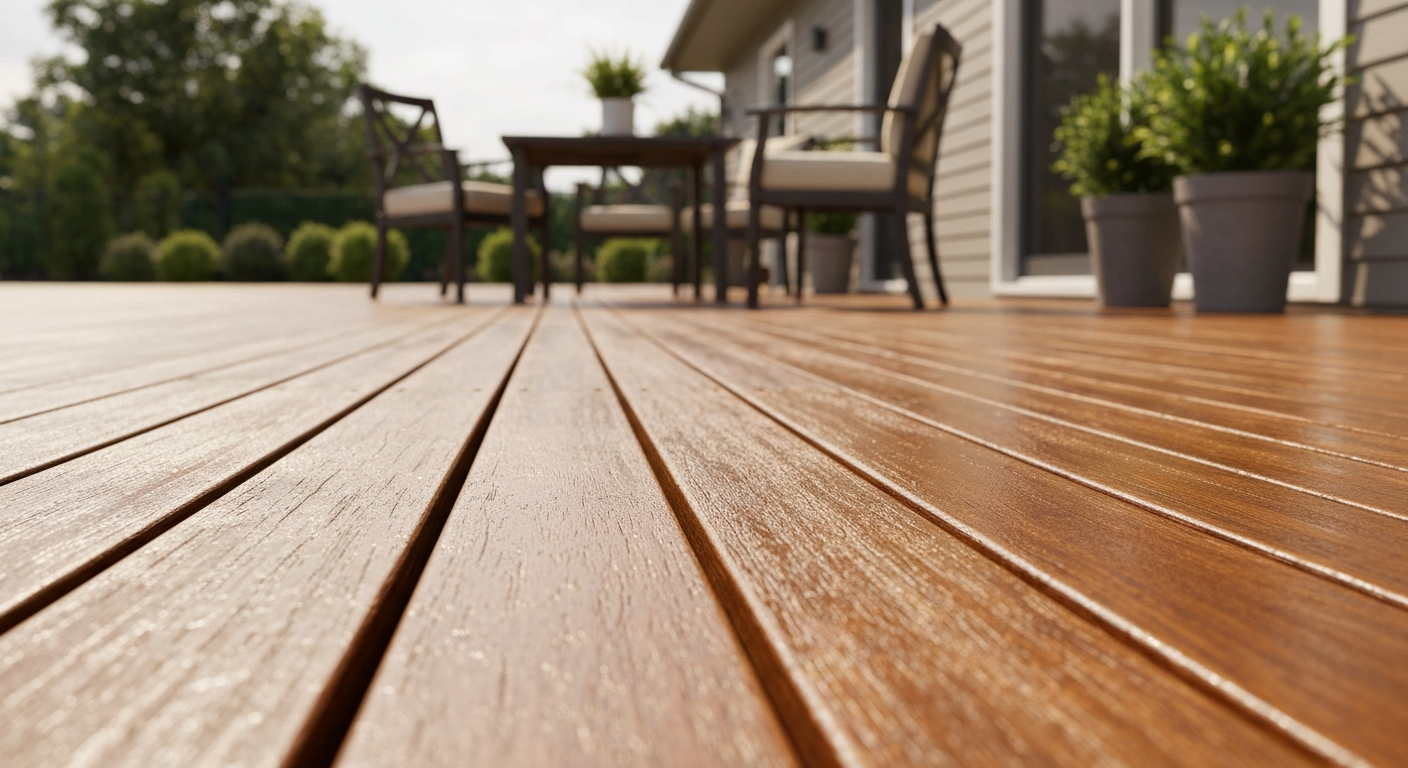
Best Wood Patio Stain: Choosing Durable, Low-VOC Finishes
Compare and choose the best wood patio stain: durability, finish, climate tips, prep, and top product picks.