
The best patio furniture for most homeowners in 2026 is cast aluminum or HDPE (high-density polyethylene) lumber, depending on your style preference. Cast aluminum handles almost every climate, resists rust, holds up to UV, and costs less than teak over the long run. HDPE furniture (sold most visibly by brands like POLYWOOD) is nearly indestructible, needs almost no maintenance, and works especially well in wet or coastal climates.
What Is the Best Patio Furniture to Buy Today

Theo Tierney
28 Apr 2026
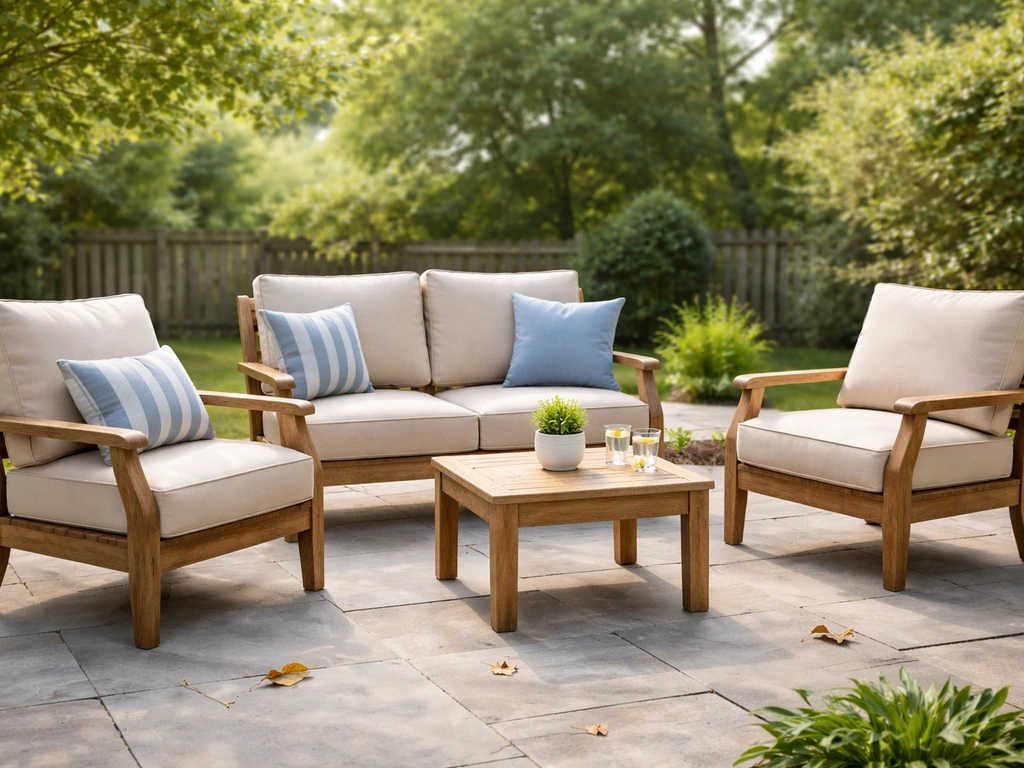
If you want real wood and have the budget, teak is the only outdoor wood worth buying. Resin wicker is the right call if you want that relaxed, layered look, as long as it's woven over an aluminum frame. What you should avoid: natural wicker outdoors, wrought iron without a serious maintenance commitment, and stainless steel furniture left exposed in a humid or coastal yard.
To steer clear of the worst patio furniture, focus on materials and construction that won't rot, rust, or fade quickly in your climate avoid.
What 'best' actually means for your specific patio
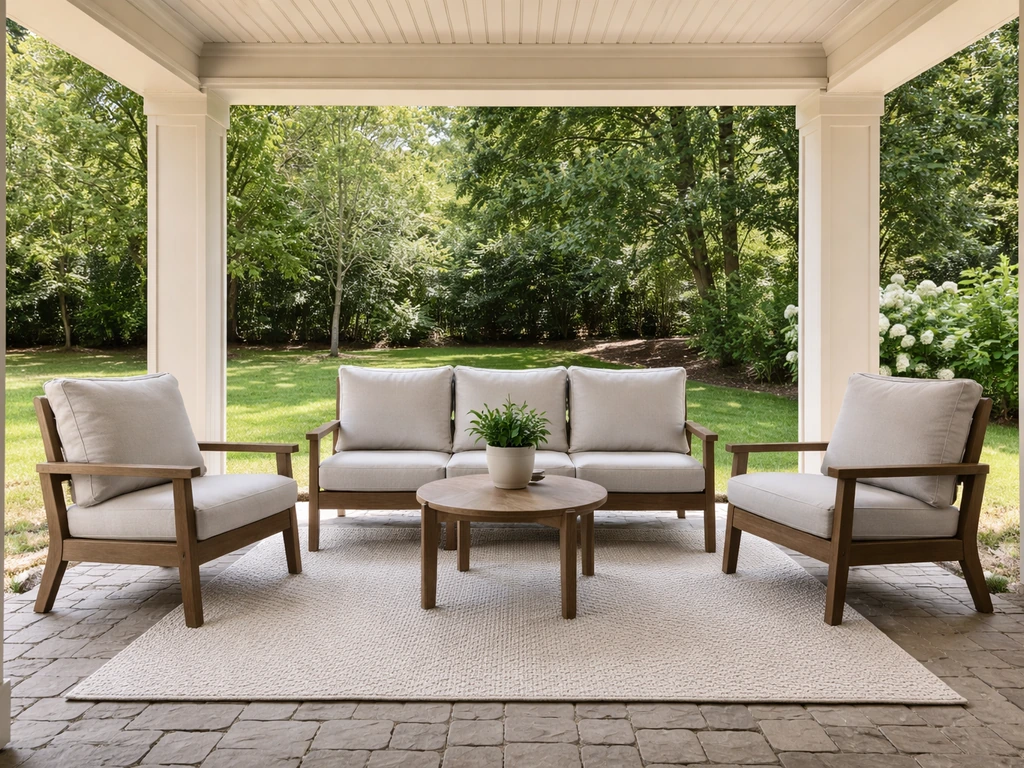
Before you buy anything, answer three questions: What's your climate like? How much use will this furniture get? And what's your real budget, including the cost of upkeep over five years? The answers change everything.
A $300 set that needs replacing every three years is more expensive than a $900 set that lasts a decade. Climate is the single biggest factor. Coastal air corrodes metal aggressively. Florida humidity and UV accelerate fading and mildew.
Arizona heat bleaches fabric and cracks plastic. Snowy climates demand furniture you can store or cover properly. The "best" patio furniture is the one that survives your specific conditions without turning into a maintenance project you resent. If you also want a plain, practical definition of patio furniture before choosing materials, this guide will help you compare options.
Use is the second factor. A set that lives on a covered porch in the Pacific Northwest has different demands than one sitting on a full-sun deck in Houston that gets used every weekend from March through October. And budget matters practically: teak conversation sets start around $1,800, while eucalyptus four-piece sets can be found starting around $550. Neither is "wrong," but they represent very different commitments. Matching those three factors, climate, use, and budget, to the right material is the whole game.
Material showdown: wood vs metal vs wicker vs composite
Wood (teak and eucalyptus)
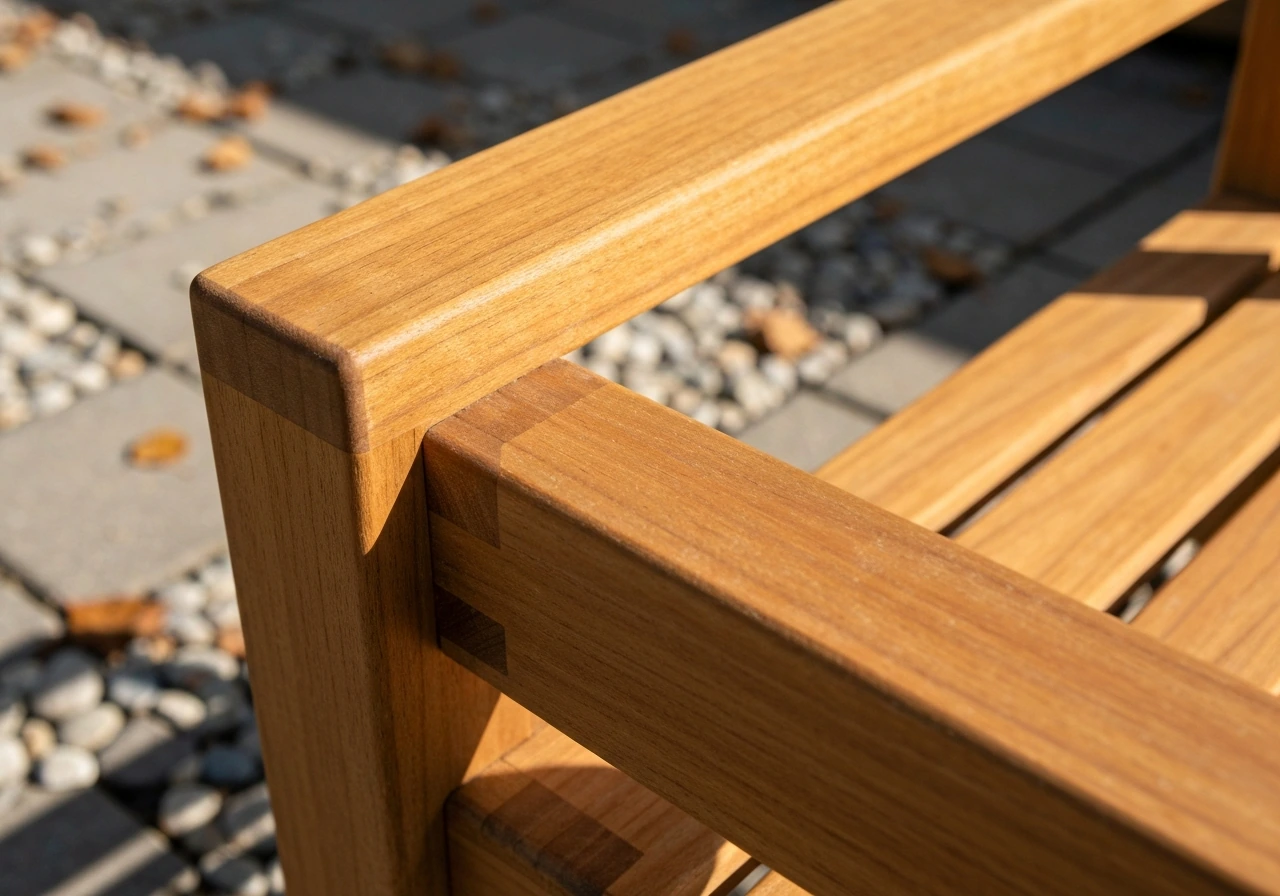
Teak is the best wood for outdoor furniture, full stop. Its naturally high oil content and dense grain resist moisture, rot, and insects, and it can genuinely withstand the elements with minimal upkeep.
It doesn't require sealants or special treatments, though you should avoid power-washing it as that strips the grain. Left untreated, teak weathers to a silver-grey patina; if you prefer the warm honey color, a teak oil or brightener once or twice a year keeps it looking fresh. Eucalyptus is a legitimate lower-cost alternative with similar hardness properties, and it's worth considering if teak pricing puts you off.
What you should skip entirely: pine, acacia, and most "affordable hardwood" sets marketed vaguely without species specification. Those absorb moisture, crack, and rot within a few seasons in most climates.
Metal (cast aluminum, wrought iron, steel)
Cast aluminum is the practical winner among metal options. It offers one of the best combinations of durability and affordability in outdoor furniture, it won't rust, it's lightweight enough to move around, and powder-coated finishes hold up well to UV and rain. Look for warranties in the range of five years on powder-coat structural integrity, which reputable brands routinely offer.
Wrought iron looks great but is genuinely susceptible to rust, so if you go that route, you need to commit to keeping it covered or touched up regularly, otherwise you're refinishing it every couple of years. Stainless steel is extremely durable but is best suited to covered spaces, since prolonged outdoor exposure causes rust even on quality grades.
If you're near the ocean, standard grade 304 stainless starts to pit from chloride exposure; marine-grade 316 performs better in salt air, but at that point cast aluminum is usually a simpler and more cost-effective solution.
Wicker (natural vs resin)
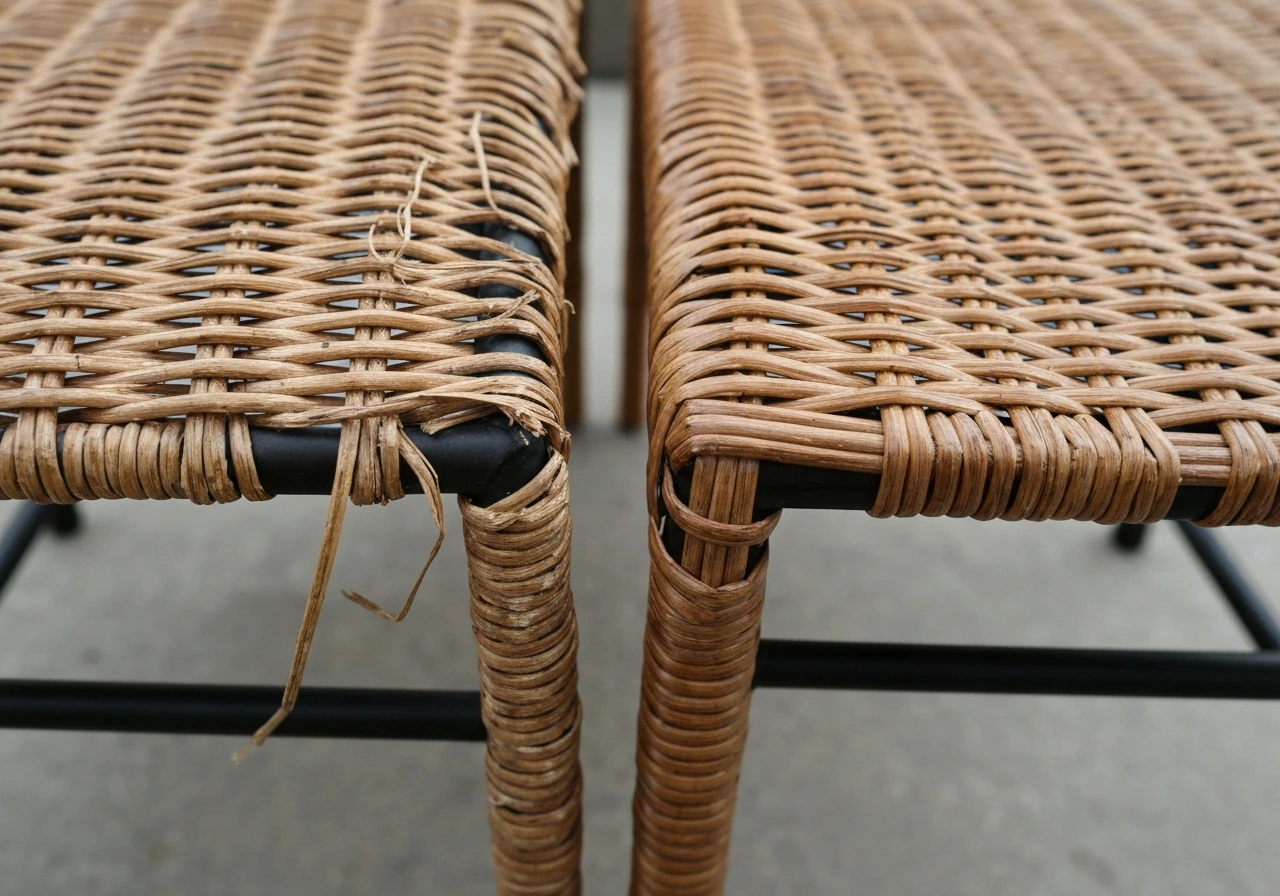
Natural wicker is not designed for outdoor exposure. Traditional wicker is natural fiber woven around a metal frame, and it deteriorates quickly in sun, rain, and humidity. Resin wicker is a completely different product: it's synthetic resin (ideally HDPE resin) woven over a structural frame, and it's genuinely weather-resistant. HDPE resin is the best quality material for synthetic wicker, outperforming cheaper PVC-based alternatives for UV resistance and longevity.
The frame underneath matters just as much as the weave: quality resin wicker uses powder-coated or mill-finished aluminum frames so the structure doesn't corrode. One practical tip: keep wicker furniture raised off the ground rather than sitting in dirt or standing water, since moisture exposure at the base shortens frame life even on aluminum.
Composite / HDPE lumber
HDPE lumber furniture is made from recycled high-density polyethylene, the same dense plastic used in cutting boards and milk jugs. Brands like POLYWOOD build furniture from this material and it offers excellent moisture resistance across all climates. ColorStay UV-inhibiting compounds are integrated into the material itself, so fading is minimal compared to painted or surface-coated products. It won't rot, crack, splinter, or absorb water. The trade-off is that it looks like plastic, because it is plastic. If you need something that looks like wood, teak will always feel more premium. But for pure low-maintenance durability, especially in wet, humid, or coastal climates, HDPE lumber is nearly impossible to beat.
| Material | Best Climate Fit | Maintenance Level | Relative Cost | Longevity |
|---|---|---|---|---|
| Teak | All climates, high humidity | Low (occasional oil/brightener) | High ($550-$1,800+) | 20+ years |
| Cast Aluminum | All climates | Very low | Moderate | 10-20 years |
| Wrought Iron | Dry, low-humidity | High (rust prevention) | Moderate | 10+ years with upkeep |
| HDPE Lumber | All climates, especially coastal/wet | Minimal | Moderate-High | 15-25 years |
| Resin Wicker (HDPE) | Most climates, avoid extreme UV | Low-Moderate | Moderate | 8-15 years |
| Natural Wicker | Covered/indoor only | High | Low-Moderate | 2-5 years outdoors |
| Stainless Steel | Covered spaces, low-salt environments | Moderate | High | 10-20 years (covered) |
Best patio furniture picks by what you actually need
If durability is your top priority
Go with HDPE lumber furniture or cast aluminum with a quality powder-coat finish. HDPE is the most weatherproof material available at a consumer price point, and it's genuinely set-and-forget for most climates. Cast aluminum conversation sets and dining sets from established brands with five-year structural warranties are a close second, and they tend to have more style variety. If you want wood durability, teak is the only one worth your money long-term.
If low maintenance is your priority
HDPE wins again. A rinse with a hose and mild soap a few times a season is genuinely all it needs. Cast aluminum with powder coat is a close second: it doesn't rust, and cleaning is simple. Pair either material with Sunbrella or equivalent 100% solution-dyed acrylic cushions, which are inherently fade-resistant, mold and mildew resistant, and designed to handle weather exposure without special treatment. Avoid cushions with polyester covers or unspecified "outdoor fabric" labels; they fade, mildew, and flatten much faster.
If style and aesthetics drive your decision
Teak furniture has a warmth and craftsmanship quality that no composite or metal replicates. For a more casual, layered look, HDPE resin wicker over aluminum frames is a strong choice, particularly in deep-seating conversation sets. Cast aluminum offers the widest variety of styles, from clean modern to ornate traditional. The key is to not sacrifice construction quality for aesthetics: a beautiful set with cheap welding, flimsy frames, or polyester cushions is just a more expensive disappointment.
If you live in a specific challenging climate
- Coastal/salt air: HDPE lumber or cast aluminum with powder coat. Avoid wrought iron and standard stainless steel. If you must have stainless, use marine-grade 316.
- Florida/Gulf humidity and UV: HDPE lumber or powder-coated aluminum with Sunbrella-grade cushions. Anything with iron or painted steel will rust fast.
- Desert (Arizona, Nevada): UV degradation is the main enemy. HDPE with integrated UV inhibitors holds color best. Cast aluminum holds up well but cheaper painted finishes will chalk.
- Snowy winters (Midwest, Northeast): Any material works if you store or cover it properly during off-season. HDPE handles freeze-thaw cycles especially well.
- Covered patios and screened porches: Your options open up significantly. Wrought iron, stainless, and even natural wicker can work here since direct weather exposure is limited.
What to look for when you're actually shopping
Frame and construction
On metal furniture, look at the welds. Clean, consistent welds indicate quality manufacturing; rough, porous, or visibly uneven welds indicate cost-cutting. On cast aluminum, check that joints are cast (not just bolted) where they should be. Aluminum tubing wall thickness matters too: thicker tubing (1.5mm or more on quality sets) resists denting and flexing. On wicker, check what material the structural frame underneath is made of. If the retailer can't tell you it's aluminum (not steel), treat that as a red flag. On wood, check for tight joinery and stainless steel hardware, not zinc or unspecified hardware that will rust and stain the wood.
Cushions and fabric
Cushion quality is one of the most underrated factors in patio furniture longevity and comfort. Choosing the most comfortable option often comes down to cushion quality and supportive frames, which you can cross-check in this guide: what to look for when you're actually shopping. Sunbrella fabric is the most recognized performance standard: it's 100% solution-dyed acrylic, meaning the color goes all the way through the fiber rather than sitting on the surface.
That makes it inherently fade-resistant and UV-protective, not just treated to be. It's also designed to resist mold, mildew, stains, and water. Look for abrasion resistance specs and lock-stitch sewing on seams, which holds up to repeated use and outdoor stress better than standard stitching. Avoid sets that describe cushions only as "outdoor fabric" without specifying fiber content.
Hardware and fasteners
This is where budget sets often cut corners visibly. Stainless steel bolts, screws, and fasteners are what you want on any outdoor furniture. Zinc-plated or standard steel hardware will rust and streak, and in some cases the hardware fails before the frame does. On adjustable pieces like reclining chairs or folding tables, check the pivot hardware specifically: it takes the most stress and is usually the first thing to corrode or loosen.
Warranty coverage
A meaningful warranty on patio furniture looks like at least five years of structural coverage on powder-coated aluminum frames, covering cracking and peeling of the powder coat as well as structural integrity. Some premium brands extend that further. Read the exclusions carefully: most warranties exclude damage from environmental conditions like mold, mildew, and normal weathering including UV fading and chalking. That means the warranty protects you from manufacturing defects, not from weather doing what weather does. That's reasonable, but it also means the material you choose has to hold up on its own merits, not on warranty promises.
Best buys and how to avoid overpaying
The biggest value mistakes people make with patio furniture are buying cheap once, replacing it often, and ending up spending more than they would have on a quality set up front. A cast aluminum dining set in the $600-$900 range from a brand with verifiable warranty terms and stainless hardware is a genuinely good buy. HDPE sets from POLYWOOD and comparable brands run $400-$1,200 depending on set size, and they justify the price because they don't degrade. Teak at $550 for eucalyptus four-piece sets and starting around $1,800 for true teak conversation sets is worth it if you'll actually maintain the wood and want the aesthetic.
Where you can save: basic side tables, plant stands, and accent pieces in budget materials are fine because they don't take the same structural or UV stress as seating. Where you should not cheap out: primary seating, dining chairs, and anything that needs to hold adult weight comfortably for years. Also: cushion replacement costs add up fast. Buying a set with quality Sunbrella-grade cushions upfront is cheaper than replacing bargain cushions every two years.
Shopping timing matters. The best prices on patio furniture are typically at end-of-season sales in late August and September, and again in early spring before inventory sells through. If you're reading this in April 2026, you're in buying season now, which means selection is good but discounts are modest. Check major retailers and manufacturer direct sites, compare warranty terms side-by-side, and pay attention to whether the set is in stock or backordered.
Care, maintenance, and weatherproofing to make it last
Routine cleaning (do this a few times per season)
For most materials, a rinse with clean water and a mild soap solution applied with a soft-bristle brush is all you need for regular maintenance. Rinse thoroughly and let pieces dry fully before leaving cushions on or covering with non-breathable covers. For HDPE furniture, this routine handles nearly everything. For aluminum, the same approach works; you can also apply car wax or silicone spray to the frame once a season to add a protective layer (follow manufacturer guidance to avoid finish damage). For teak, rinse and air-dry, and avoid pressure washing since the high-pressure water opens the grain and accelerates weathering.
Salt exposure (coastal and winter road salt)
Salt is the most damaging thing your outdoor furniture will face in most climates. For coastal homes, rinse furniture with fresh water more frequently, especially after storms. For anyone dealing with winter sidewalk salt, rinse furniture thoroughly before storing for the season using a water and mild soap mix with a soft brush, then rinse clean. This applies to HDPE, wood, and metal furniture. Salt residue left on frames through winter storage accelerates corrosion on metal components even under covers.
End-of-season storage and covers
Before putting furniture away for winter, do a thorough cleaning first so you're not trapping dirt, salt, or moisture under covers for months. If you're using covers, choose breathable covers rather than sealed plastic tarps. Breathable covers allow moisture vapor to escape while blocking debris, which prevents the mildew and condensation that sealed covers trap. Better yet, store furniture in a shed or garage if you have the space. Cushions should always come inside or go into sealed cushion storage bags during off-season, regardless of how weather-resistant the fabric is.
Seasonal maintenance by material
- Teak: Clean with mild soap and water at season start and end. If you want to maintain color, apply teak oil or brightener once or twice per year. No power washing, ever.
- Cast aluminum: Wash with soap and water, inspect powder coat for chips or scratches each spring, touch up with matching paint to prevent any underlying corrosion at exposed spots.
- HDPE lumber: Rinse with soap and water, inspect hardware and fasteners annually. Little else required.
- Resin wicker: Clean weave with a soft brush and mild soap, rinse thoroughly, and check the frame at the base for any moisture damage. Keep off dirt and standing water.
- Cushions (Sunbrella-grade): Machine wash covers per manufacturer instructions, air dry fully before storage. Do not machine dry.
Quick decision checklist and next steps to buy today
If you've read this far, you're ready to narrow your choice quickly. If you're still figuring out what patio furniture is and which materials fit your space, start with the basics before comparing brands and styles what is patio furniture. If you want good patio furniture that holds up with minimal fuss, start by matching the material to your climate and use. Here's the practical decision flow to use right now.
- Identify your climate zone: coastal/salt air, high humidity, desert UV, or snowy winters. This eliminates materials that won't work for you before you even start browsing.
- Decide your primary priority: maximum durability, lowest maintenance, or specific aesthetic. Pick the material that matches from the comparison table above.
- Set a real budget including cushion quality: factor in Sunbrella-grade fabric, not just frame price. Cheap cushions on a quality frame are a common false economy.
- Check frame materials and hardware before buying: aluminum or HDPE frame for resin wicker, stainless fasteners on wood and metal sets. Ask the retailer directly if the listing doesn't specify.
- Verify warranty terms: look for at least 5 years structural coverage on powder-coated aluminum, and read what the exclusions actually are.
- Order or buy now if it's in stock: late April is buying season and popular sets sell out. If you see the right set at a fair price with the specs you need, don't wait for a sale that may not come until fall.
- Plan your first season maintenance: buy your cleaning supplies now (mild soap, soft brush, breathable cover) so maintenance doesn't become something you put off.
The short path to the best patio furniture is this: cast aluminum or HDPE for most people, teak if you want real wood and will maintain it, resin wicker with an aluminum frame if you want the look. Pair any of those with Sunbrella-grade cushions, check the hardware, read the warranty, and clean it twice a season. That combination outlasts almost every trend-driven or bargain-driven alternative, and it's the honest answer to what the best patio furniture actually is.
FAQ
What is the best patio furniture if I live in a place with both high humidity and lots of rain?
Prioritize HDPE lumber or cast aluminum with a quality powder-coat, and choose Sunbrella-grade solution-dyed cushions. Also look for raised chair and sofa bases so water cannot sit against the frame, which shortens corrosion and rot risk even on durable materials.
Is teak still the best patio furniture option if I do not want to do any maintenance?
Teak is the best outdoor wood, but it is not zero-maintenance. Expect periodic rinsing and occasional oil or brightener if you want to keep the warm color, otherwise it will naturally gray. If you truly want no upkeep, HDPE lumber is the safer match.
Can I use the same patio furniture across winter if I do not have indoor storage space?
You can, but you need a plan. Clean thoroughly before covering, use breathable covers (not sealed plastic tarps), and keep cushions inside or in sealed cushion storage bags. If snow is heavy where you live, ensure furniture is elevated or placed on a surface that does not trap meltwater.
What should I check on patio furniture when buying online because I cannot inspect it in person?
Confirm frame and hardware details in the listing or warranty documents. Look for explicit structural information, such as aluminum frame type for wicker, stainless hardware requirements, and warranty coverage for powder-coat structural integrity. If the retailer cannot specify frame material or cushion fabric fiber, treat it as a higher risk purchase.
Is stainless steel patio furniture ever a good idea for coastal areas?
It can be, but only with the right grade and exposure expectations. Standard 304 stainless can pit in salt air over time, so marine-grade 316 is the safer choice. If the listing does not clearly state the grade, cast aluminum is usually the more predictable, lower-maintenance option.
What is the best patio furniture for a small balcony where I need to move it often?
Cast aluminum is typically the easiest because it is lightweight enough to rearrange and still resists rust. If you want a wood look without weight, consider HDPE molded or lumber-style sets. Avoid heavy wrought iron unless you are committed to ongoing rust prevention and you can keep it covered.
How do I know if a resin wicker set is actually outdoor-ready?
Check that resin wicker is woven over a structural aluminum frame, and that the weave material is HDPE resin (or equivalent quality) rather than generic PVC. Also look for a way to raise the furniture off the ground, because trapped moisture at the base can shorten frame life even when the weave is synthetic.
Should I buy covers for patio furniture, and what type is best?
Yes, but use breathable covers. Breathable covers reduce condensation and mildew compared with sealed plastic tarps, which can trap moisture against the furniture during cool, damp months. Remove cushions or store them separately inside during off-season regardless of how weather-resistant the fabric is.
How often should I clean patio furniture, and what is the biggest cleaning mistake?
Rinse and mild soap cleaning a few times per season is usually enough for HDPE and powder-coated aluminum. The biggest mistake is using pressure washing on teak, because high pressure can open the grain and accelerate weathering. For routine care, soft-bristle brushing beats abrasive scrubbing.
What is the minimum warranty coverage that should influence my buying decision?
Use the warranty as a defect check, not as weather protection. Aim for at least five years for structural coverage on powder-coated aluminum frames, and read exclusions carefully, since most warranties exclude normal UV fading and mildew from environmental exposure. If exclusions are extreme or the warranty is short, you should downgrade the quality of your expected lifespan.
Next Articles
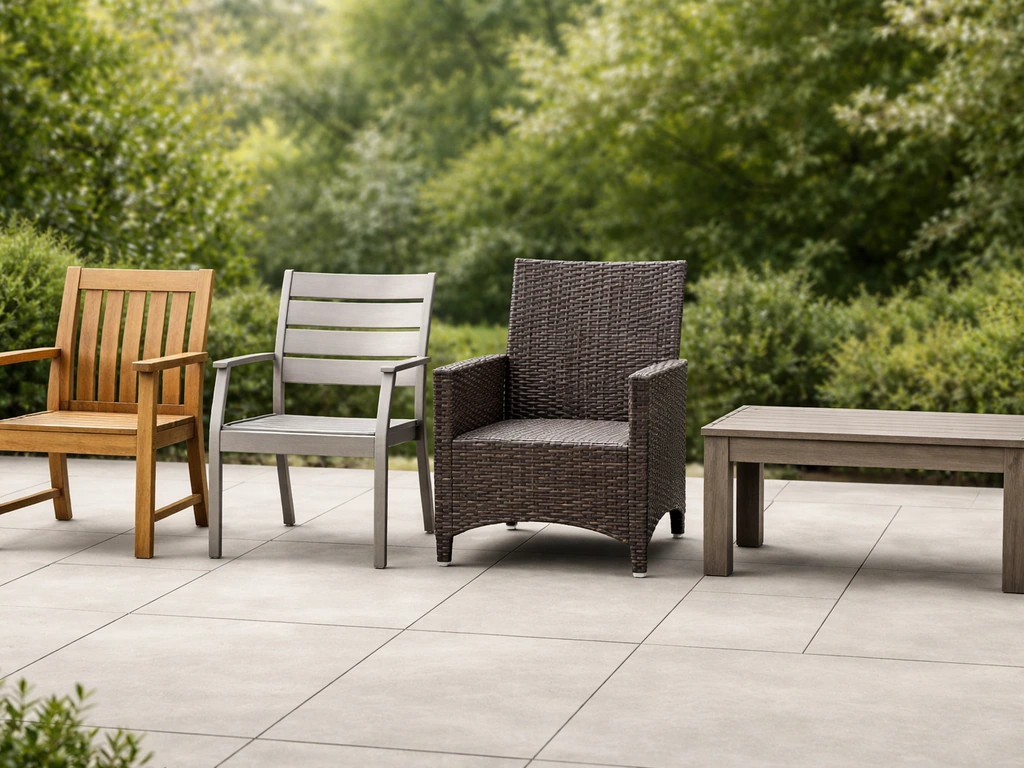
Good Patio Furniture Guide: Choose the Best by Material
Material-by-material guide to pick good patio furniture by durability, comfort, weather resistance, and value.
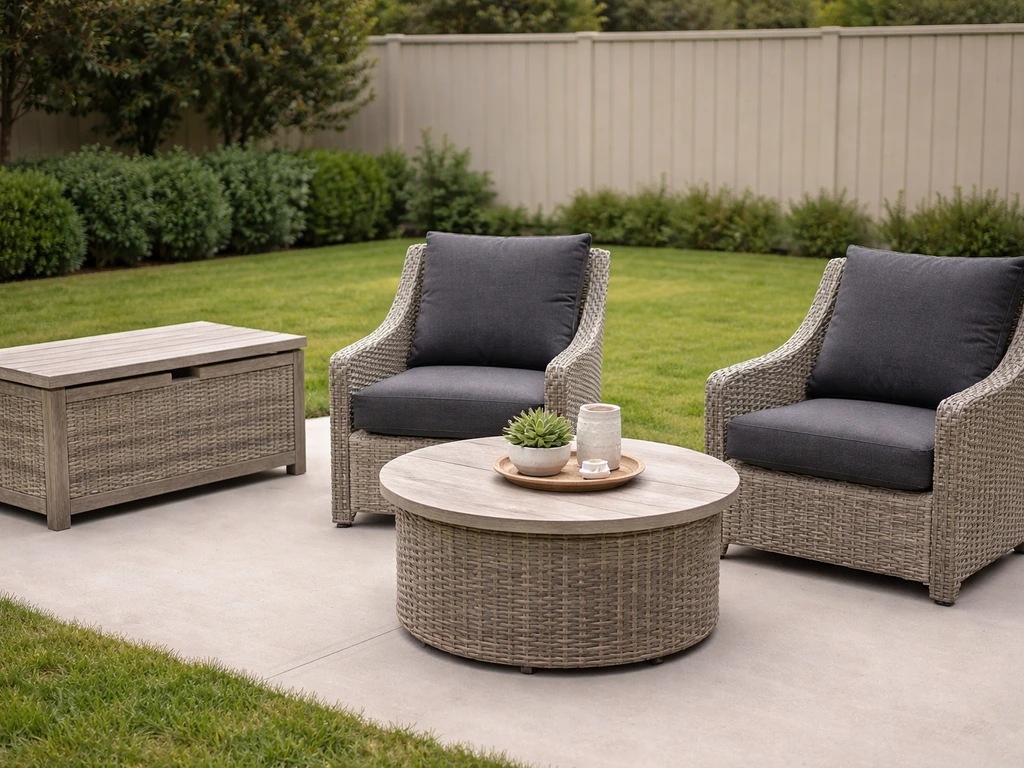
Definition of Patio Furniture: What Counts and How to Choose
Clear definition of patio furniture plus how to choose by material and climate and keep outdoor sets looking new.
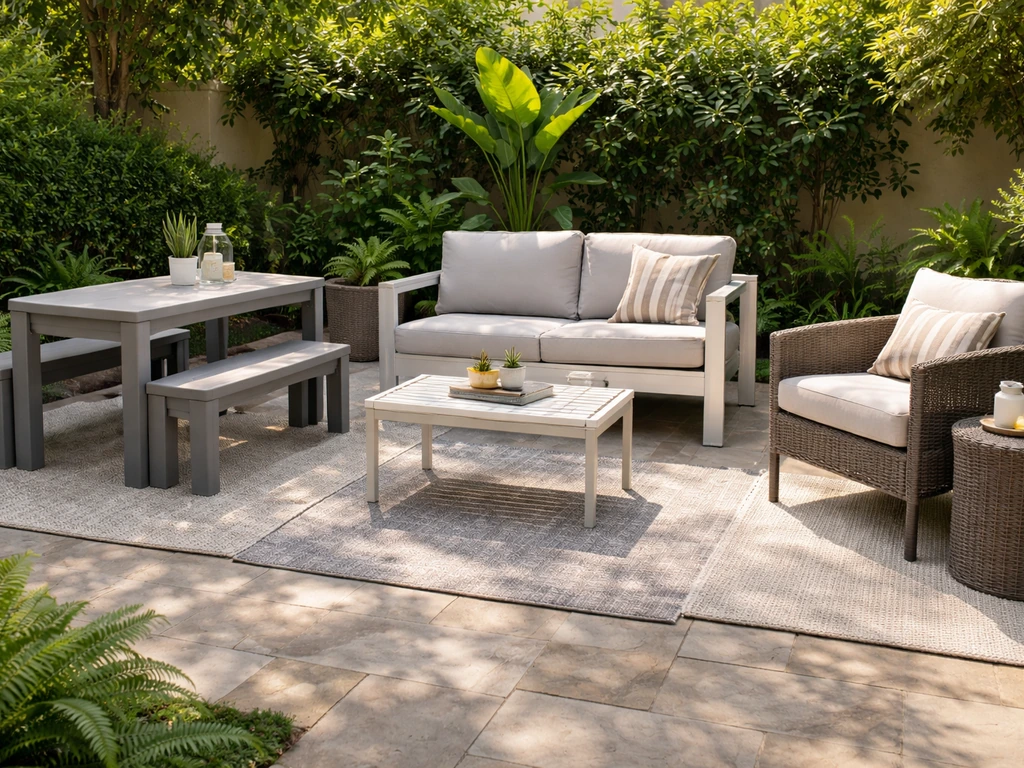
What Is the Best Outdoor Patio Furniture? Materials, Brands
Find the best outdoor patio furniture by material and climate, with brand and retailer picks plus buying tips to avoid m