
Yes, black patio furniture gets meaningfully hotter than lighter-colored furniture in direct sun, and metal pieces can reach temperatures well above 60°C (140°F) on a summer afternoon, hot enough to cause a burn in under a second of skin contact. That said, how hot it actually gets depends a lot on the material, the finish, and your specific setup. With the right cushions, shade, and a few simple habits, black furniture is totally livable even in brutal climates.
Does Black Patio Furniture Get Hot? Heat Guide and Tips

Theo Tierney
19 Jun 2026
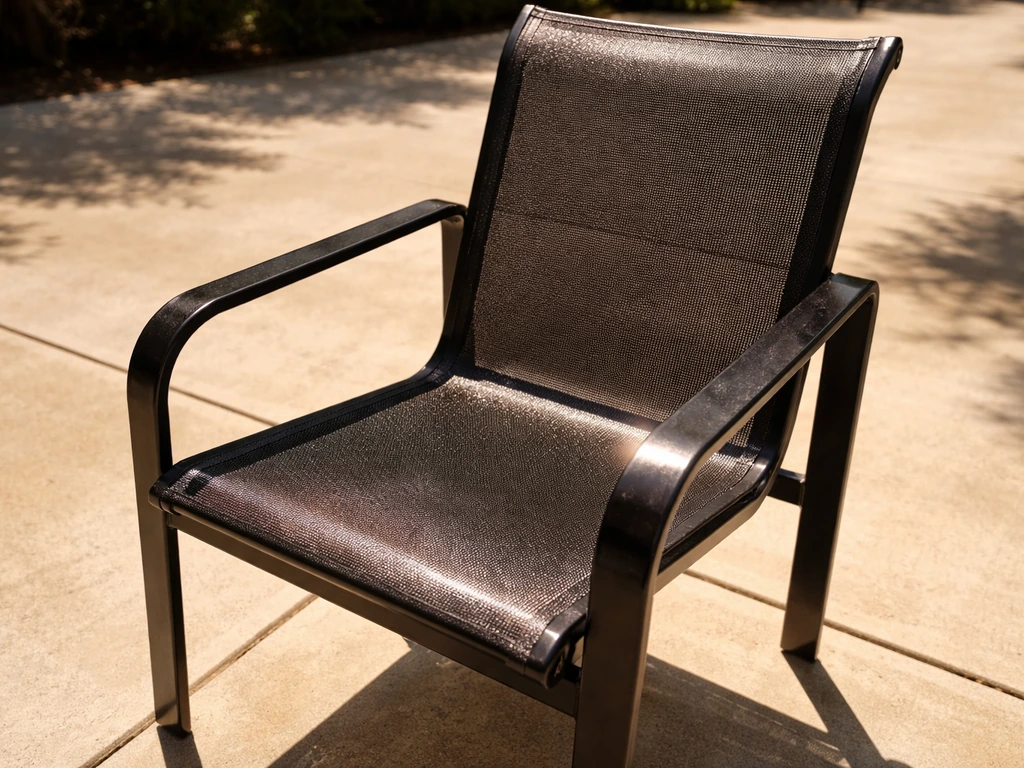
Why black furniture absorbs more heat than lighter colors
The reason comes down to solar absorptance, which is the fraction of incoming solar radiation a surface soaks up rather than reflects. Black surfaces have solar absorptance values close to 1. NASA thermal control documentation also describes how coating optical properties, including reflectivity in solar bands, drive differences in heating under direct solar exposure solar absorptance values close to 1. 0, meaning they absorb nearly all the energy hitting them. White or light-colored surfaces reflect a much larger portion of that energy back. Research on roof surfaces (a useful analog for any flat, sun-exposed surface) consistently shows that black or dark surfaces can run 28 to 30°C (roughly 50 to 54°F) hotter than white or reflective ones under the same sun exposure. The physics are identical whether you're talking about a rooftop or a chair seat.
There's an important nuance here: solar absorptance and thermal emissivity are not the same thing, and they operate at different wavelengths. A surface that's terrible at reflecting solar radiation (black, dark navy, dark brown) can still radiate some of the absorbed heat back out as infrared energy, but in most real-world patio conditions, absorption dominates. The bottom line is that surface color, more than almost any other factor, controls how hot your furniture gets in direct sun.
How hot it can actually feel: factors that change the temperature and burn risk
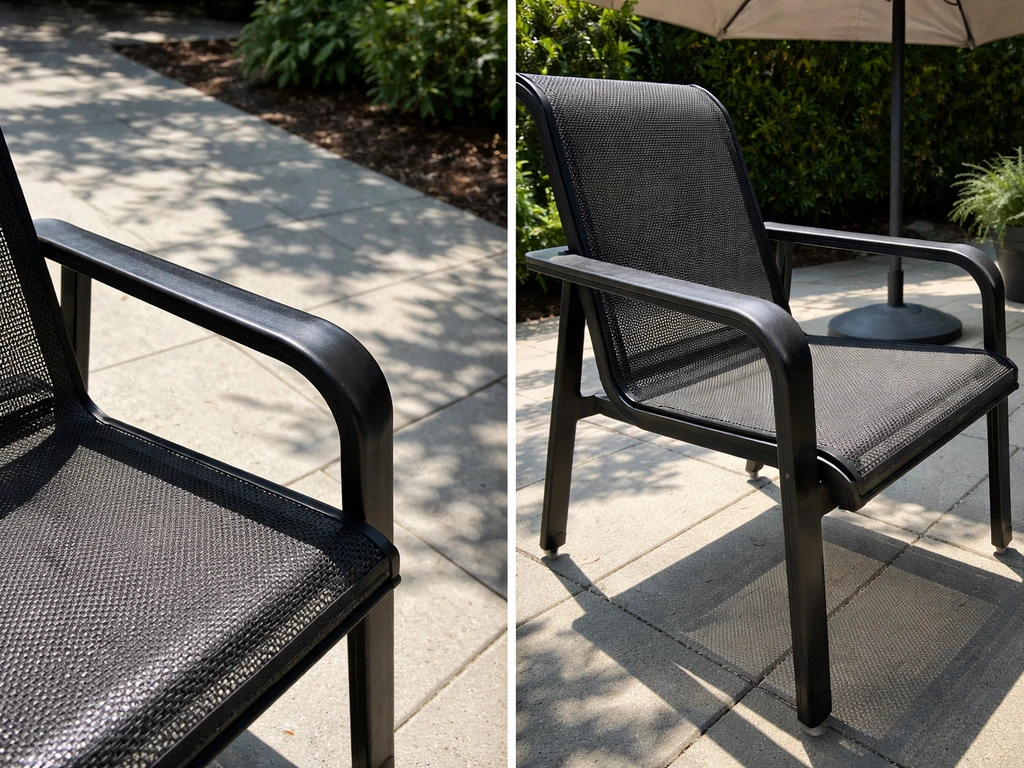
The injury threshold is lower than most people expect. Skin contact with a surface at 44°C (111°F) starts causing tissue damage if contact lasts more than a few minutes, and at 60°C (140°F) a burn can occur in under a second. Black powder-coated steel armrests or table surfaces sitting in direct Arizona or Texas afternoon sun can easily exceed those numbers. Field measurements in a desert southwest climate tracked ambient air temperatures and sun-exposed surface temperatures of materials like asphalt and galvanized metal throughout summer to assess pavement burn risk field measurements in a desert southwest climate tracked ambient air temperature and sun-exposed surface temperatures. But several variables push that temperature up or down significantly.
- Direct vs. indirect sun: Furniture in full, unobstructed sun absorbs peak solar radiation. Moving a piece under a pergola or large umbrella can cut surface temperature by 15 to 25°C compared to full-sun exposure.
- Time of day and season: Peak solar intensity in summer between roughly 11 AM and 3 PM is when surfaces get hottest. Morning and late-afternoon sun is far less intense, so the same chair can go from uncomfortably hot to barely warm just by timing your use.
- Humidity and wind: Wind dramatically accelerates convective cooling. A breezy coastal setting keeps furniture cooler than a still, enclosed patio with the same sun exposure. High humidity slightly reduces radiative cooling but also makes any heat feel more oppressive on the body.
- Matte vs. gloss vs. powder coat finish: Matte black finishes tend to have slightly higher absorptance across the solar spectrum than some gloss blacks, though both are hot. Powder coat is durable and can include UV-stabilizers, but it doesn't change the fundamental solar absorption of a dark color.
- Reflective vs. non-reflective surfaces: Brushed aluminum with a natural metallic finish reflects more solar radiation than painted black aluminum, even though bare metal conducts heat rapidly. This is why unpainted aluminum furniture often stays more manageable than black-painted steel.
- Thickness and density: Thin steel heats up faster and hotter than thick wood because of lower thermal mass. A dense hardwood tabletop holds heat longer once warmed but takes longer to reach extreme temperatures.
- Enclosed vs. open spaces: A covered patio with walls trapping air can amplify heat. Open, airy layouts allow convective cooling to do more work.
How each material actually behaves in the sun
Color is the biggest variable, but material matters too because of differences in thermal conductivity, heat capacity, and surface texture. Here's what you can expect from each common patio material in black or very dark finishes.
Metal: aluminum and steel
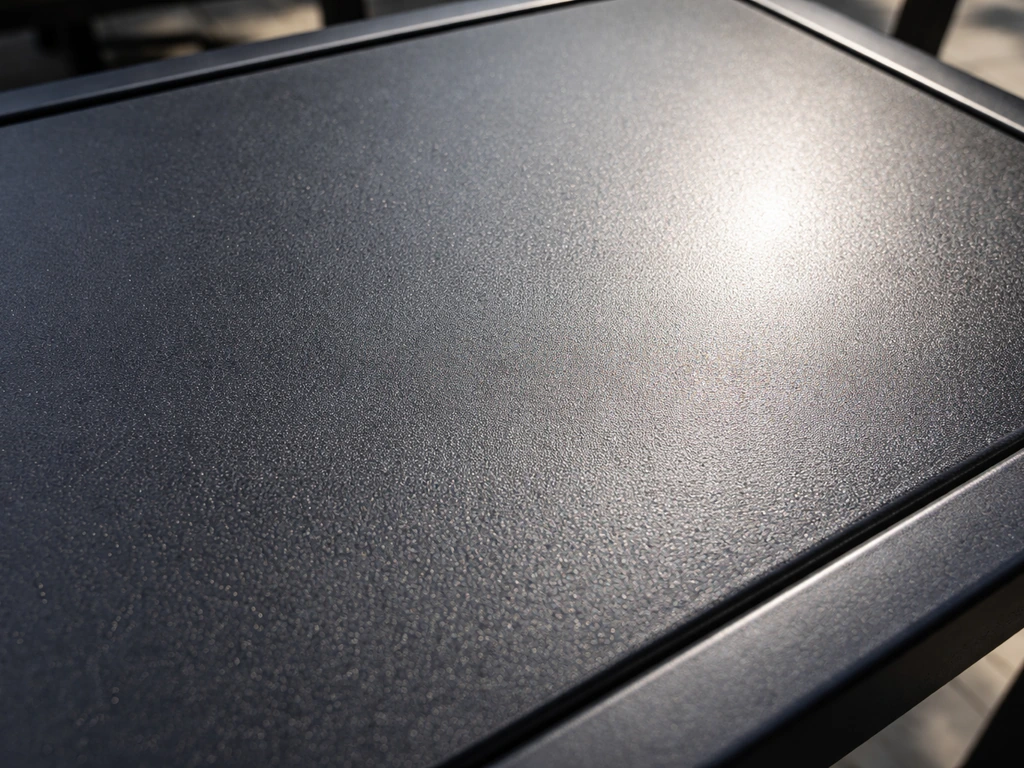
This is your highest burn risk in black. Both aluminum and steel have high thermal conductivity, meaning they heat up quickly and transfer that heat directly to skin on contact. Aluminum 6061-T6 (a common patio frame alloy) has a thermal conductivity around 167 W/m·K, which is extremely efficient at moving heat. Black powder-coated steel or aluminum armrests, table edges, and chair frames in full afternoon sun can reach 65 to 80°C (150 to 175°F) in hot climates. The rule here is simple: never touch bare black metal furniture without checking it first during peak sun hours. It will burn you. If you love the look of black metal, plan on full seat cushions and arm pads as non-negotiable accessories, not optional upgrades.
Wood
Dark-stained or painted wood furniture gets hot, but it is generally less dangerous than metal on contact because wood has low thermal conductivity. Heat builds up at the surface but doesn't transfer to skin as aggressively. A dark teak or acacia chair in full sun will feel warm to hot, but you're far less likely to get an instant burn than from a metal armrest. The bigger concern with dark wood in sun is UV and heat degradation of the finish over time, which is addressed below in the maintenance section.
Wicker and resin wicker
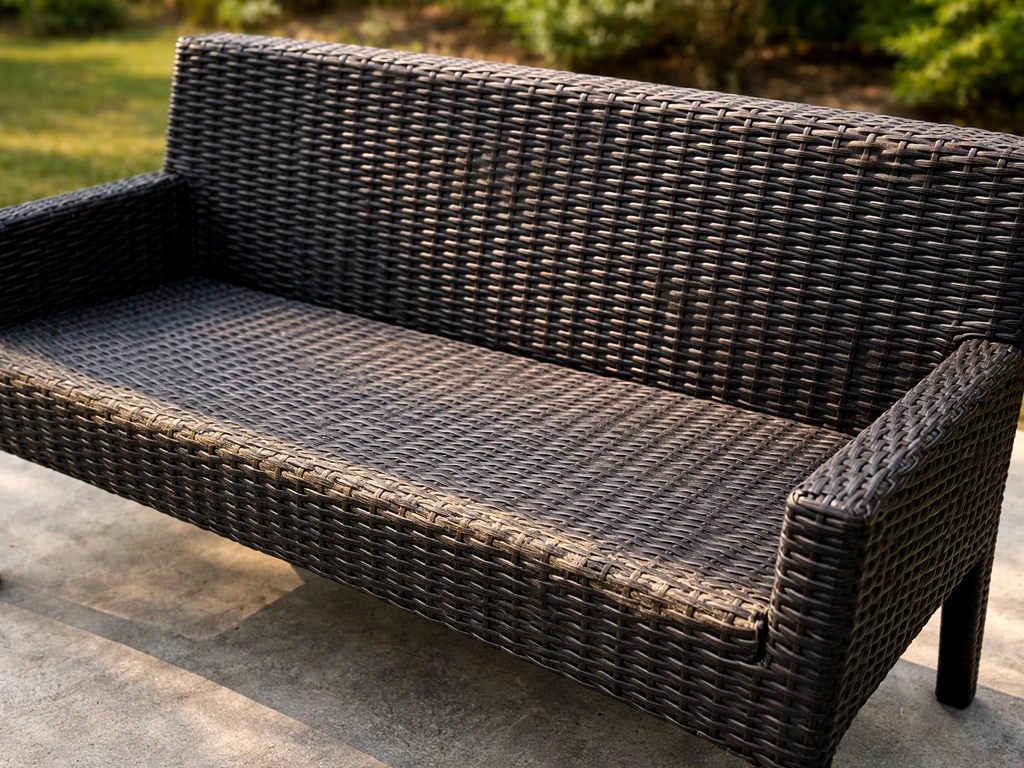
Natural rattan dries out and degrades rapidly in direct sun regardless of color, so if you have natural wicker, full sun is already a problem. Resin wicker (all-weather wicker) is more durable, but dark resin wicker in direct sun will still heat up noticeably. The woven structure does allow some air movement, which helps a bit with convective cooling, but the surface of the resin strands themselves can get uncomfortable on bare legs. The main failure mode with dark resin wicker in very hot, sunny climates is UV-related fading and brittleness over time, not just heat.
Composite and HDPE
High-density polyethylene (HDPE) composite furniture, often sold as recycled plastic lumber furniture, handles heat reasonably well structurally, but dark colors still absorb solar radiation and get hot to the touch. One advantage of HDPE is that it doesn't conduct heat as aggressively as metal, so the burn risk is lower than bare black steel. However, very dark composite pieces left in full sun in southern climates can still reach skin-discomfort temperatures on the surface, and some lower-quality composites can warp slightly under prolonged heat.
| Material | Heat-Up Speed | Surface Burn Risk (bare skin) | Holds Heat After Sun? | Main Concern |
|---|---|---|---|---|
| Black powder-coated steel | Very fast | High | Yes, 15-30 min | Instant burn risk on contact |
| Black powder-coated aluminum | Fast | High | Moderate, cools faster than steel | Burn risk on armrests/edges |
| Dark-stained wood | Moderate | Low-moderate | Moderate | Finish degradation over time |
| Dark resin wicker | Moderate | Low-moderate | Low (open weave helps) | UV fading and brittleness |
| Dark HDPE composite | Moderate | Low-moderate | Moderate | Warping in extreme heat |
What you can do right now to make black furniture safer and more comfortable
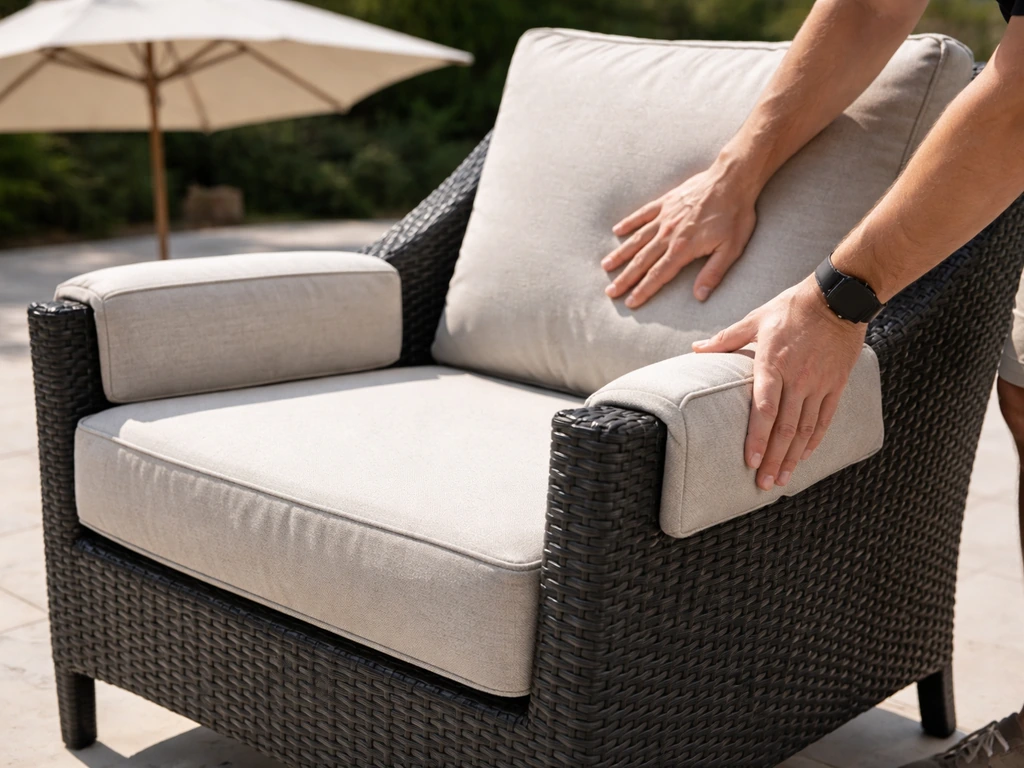
If you already have black furniture and you're dealing with the heat problem today, these steps make an immediate, real difference. For the best sunbrella patio furniture, prioritize breathable, fade-resistant outdoor fabrics and add shade where possible.
- Add full seat and back cushions with UV-stable, solution-dyed acrylic fabric (like Sunbrella). These create a thermal barrier between the hot surface and your body. Thick cushions (3 inches or more) also take longer to heat through. This is the single most effective step for seated comfort.
- Add armrest pads or wrap exposed metal arms. The forearm rests are where most patio burns actually happen because people touch them without thinking. Foam or fabric wraps with UV-stable covers fix this immediately.
- Install shade. A 9-foot or larger offset umbrella or a shade sail positioned to block peak afternoon sun (the 11 AM to 3 PM window) cuts surface temperatures dramatically. A pergola with 50 to 80% shade cloth does even more.
- Use furniture covers strategically. Cover black metal furniture during peak sun hours when it's not in use, especially if you have children. Use vented covers to reduce moisture and mold buildup underneath; don't trap humid air in a sealed cover.
- Re-position furniture for airflow. Moving chairs and sofas away from walls or enclosed corners increases convective cooling. Even a few feet of clearance makes a measurable difference.
- Establish a 'check before touch' habit. Train yourself and guests to check metal surfaces by hovering a hand near (not on) the surface before grabbing armrests on sunny days. It sounds simple but it genuinely prevents burns.
- Keep a spray bottle of water nearby. A quick mist on a metal surface drops its temperature within seconds via evaporative cooling. Useful for fast cool-down before guests sit down.
Buying smarter: how to choose furniture or finishes that reduce heat
If you're in the market for new furniture, the color and material combination you choose makes an enormous difference over the life of the set. When choosing the best patio furniture for humid climates, prioritize materials and finishes that manage heat buildup and reduce skin-contact risk in direct sun color and material combination. Here's what to prioritize.
The simplest move is to step up to a medium or lighter color. You don't have to go full white. Warm grays, taupes, sand tones, and soft blues all have meaningfully higher solar reflectance than black. Research on surface albedo (reflectivity) shows that pushing albedo from near zero (black) to around 0.25 can drop surface temperature by nearly 7°C, and getting to 0.6 albedo can mean a 20°C difference. That's not a small amount in real terms.
If you want to keep a dark aesthetic, look for furniture using materials that are inherently less heat-dangerous: dark-stained teak or eucalyptus wood, dark resin wicker with an open weave structure, or dark HDPE composite rather than black powder-coated steel. These materials get warm but are far less likely to burn bare skin than metal. If you want the best patio furniture for Texas heat, prioritize materials and finishes that reflect more sun and reduce direct contact burn risk far less likely to burn bare skin than metal. Alternatively, look for aluminum furniture in a dark charcoal with a matte powder coat finish and ensure the design includes recessed or rounded arms that are less likely to be grabbed directly.
When evaluating specs, look for powder-coat thickness (a heavier coat adds slight insulating value), UV-stabilizers in the finish, and solution-dyed fabric rather than piece-dyed. Solution-dyed fabrics like Sunbrella hold their color longer in sun exposure, which matters because faded fabric loses some of its original reflective properties. If you're in a high-heat climate like Texas, Arizona, or Florida, the furniture's performance in full sun should be a primary selection criterion, not an afterthought. The articles on best patio furniture for hot weather and best patio furniture for full sun go deeper on climate-specific material picks if you need a full breakdown.
Maintenance habits that prevent heat-related wear and damage
Heat doesn't just burn people, it degrades furniture faster. Here's how to keep black pieces in good shape over multiple seasons.
- Clean black metal furniture with a mild soap and water solution every few weeks during the season. Grime and oxidized coating layers absorb slightly more heat and also hide early signs of finish cracking or rust.
- Inspect powder coat annually for chips, cracks, or bubbles. UV and heat cycling will eventually stress any finish. Touch up chips promptly with a matching powder-coat touch-up paint or cold galvanizing spray to prevent rust underneath.
- Apply UV-protective furniture wax or spray to dark-finished metal and composite pieces once per season. Products designed for automotive use work well on powder-coated aluminum and are significantly better than nothing.
- Re-oil or re-seal dark wood furniture at least once a year (more often in very sunny, dry climates). Sun and heat extract oils from hardwoods, leading to cracking and fading. Teak oil or a penetrating wood sealer restores the protective layer.
- Rotate cushions and check for mildew buildup regularly if you use furniture covers. Covers that trap moisture create ideal conditions for mold under black fabric. Use breathable, vented covers and lift them occasionally to allow airflow, consistent with EPA guidance on moisture and ventilation.
- Store or cover furniture during extreme heat events if you're in a climate like the desert southwest. Extended periods above 40°C ambient can accelerate finish breakdown on composite and powder-coated pieces even beyond normal seasonal wear.
- Check wicker weave tightness on resin wicker pieces once a year. Heat cycling can loosen weave bindings. Tighten or re-secure loose strands before they unravel further.
Quick checklist before you decide
Use this as a fast reference based on your situation.
| Your Situation | What to Do |
|---|---|
| You already own black metal furniture in a hot, sunny climate | Add thick cushions and arm pads immediately; install shade overhead; establish check-before-touch habit; cover during peak hours when not in use |
| You're buying new furniture and want a dark look | Choose dark wood, dark resin wicker, or dark HDPE composite over black powder-coated steel; step up to charcoal or dark gray over pure black |
| You have kids or elderly family using the patio | Avoid exposed black metal surfaces entirely; prioritize fully cushioned seating with UV-stable fabric; add a shade structure as a must-have, not an optional accessory |
| You're in a desert southwest or deep south climate (TX, AZ, FL) | Treat shade as infrastructure, not an accessory; use solution-dyed acrylic fabrics rated for full sun; consider lighter colors as primary selection criterion |
| You want black furniture but also a shaded patio | A well-shaded patio changes the math significantly; black furniture under a pergola or deep overhang is far more manageable; add cushions and you're largely fine |
| You're maintaining black furniture you want to keep long-term | Annual powder-coat inspection, UV-protective spray or wax each season, prompt touch-up of chips, and proper ventilated covers |
Black patio furniture is not off-limits, but it demands more intentional setup than lighter pieces, especially if you're dealing with metal frames in direct sun. The burn risk from bare black metal is real and significant, and it's worth taking seriously. The good news is that shade, cushions, and smart material choices solve most of the problem. If you're also considering which specific pieces hold up best in sustained heat or full sun exposure, the guides on best patio furniture for full sun and best patio furniture for hot weather cover the field in more detail and can help you narrow down specific materials and brands for your climate. If you want options that stay comfortable and safe in high heat, this is exactly where you’ll find the best patio furniture for hot weather.
FAQ
If my black patio furniture is under an umbrella, will it still get hot enough to burn me?
It can, but the burn risk drops because shade prevents most of the sun energy from reaching the surface. Use a quick test, press a bare hand on the area for 3 to 5 seconds at peak sun, if you need to pull away immediately it is too hot for skin contact. Also remember that table tops heat faster than you expect under clear sky, even when the seat is shaded.
Are certain parts of black patio furniture hotter than others?
Yes. Foot and hand contact points heat up first because they have the most direct sun exposure and consistent contact time. On metal frames, check armrests, chair backs, table edges, and the underside of seat slats where the geometry can trap heat. If your furniture has been in direct sun for an hour, treat all bare-touch surfaces as unsafe until you verify.
How long after direct sun does black metal patio furniture stay dangerously hot?
For black powder-coated metal, plan on a “cushion or arm pad” rule. After the sun goes behind a building, temperatures drop, but the surface can still stay hot due to stored heat, especially on steel that was exposed for multiple hours. If you use it in early morning or late afternoon, still check touch points, because cloud cover can create a false sense of safety while the surface remains heated.
What are the quickest practical ways to make black furniture safer to touch right now?
The fastest mitigation is adding an insulating layer between skin and surface, seat cushions with breathable outdoor fabric and arm pads with thick foam or padding. The next best move is increasing reflectance by pairing dark furniture with lighter umbrellas, curtains, or nearby reflective surfaces. Spraying water can cool briefly, but it can also leave hot residues on metal and creates slippery surfaces, so it is not a reliable safety strategy.
Does a matte black finish get hotter than a glossy black finish?
Matte finishes generally run cooler than glossy ones because gloss can change how the surface absorbs and radiates heat, and matte powder coats often reduce local hot spots on contact areas. The bigger factor is still color and coating quality, but if you are choosing between two black metal finishes, matte plus a thicker powder coat is usually the safer combination for touch comfort.
Does metal thickness change how hot black patio furniture feels to the touch?
Yes, especially for items with thin, flat metal parts like tabletops and chair backs. Thicker metal can store more energy but may warm slightly more slowly, whereas thin sheet metal can heat quickly and feel extremely hot at the surface. The practical takeaway is to focus on surface contact tests and protective accessories, regardless of whether the frame is heavy or lightweight.
If the cushions are black, is the burn risk eliminated?
Fabrics matter because they can reduce direct skin contact, but they can still get uncomfortably warm if they are dark and directly exposed. Look for solution-dyed, UV-stabilized outdoor fabric plus a cushion system that keeps your body off the hot frame. If the cushion cover is dark but your cushion has a breathable, padded base, it is safer than sitting directly on a bare frame.
Do breathable cushions and airflow reduce the risk, or does color still dominate?
Wicking and airflow help comfort, but they do not prevent surface heating if the fabric is in direct sun. To reduce heat buildup, choose lighter or medium colors for cushions, and prefer designs that allow air gaps under and behind cushions so hot air does not get trapped. If you must have dark cushions, use more shade and keep them off bare metal by using properly fitted cushion thickness.
Is dark resin wicker truly safe to touch when it is black?
All-weather wicker and dark resin can heat enough to cause discomfort, even if the burn risk is lower than metal. Avoid letting skin directly contact the strand surfaces, especially on the edges and arm zones where sunlight concentrates. Use seat cushions and consider arm covers or wraps designed for outdoor furniture.
When buying new black patio furniture, how can I evaluate whether it will stay safer in full sun?
Do not rely on “cool touch” claims. A surface can look cool in shade but still be hot when moved into direct sun, and different batches of coatings can vary. When shopping, check for coating specifications like UV stabilizers, powder-coat thickness, and whether the design includes rounded, recessed, or less direct-contact arm profiles.
Next Articles
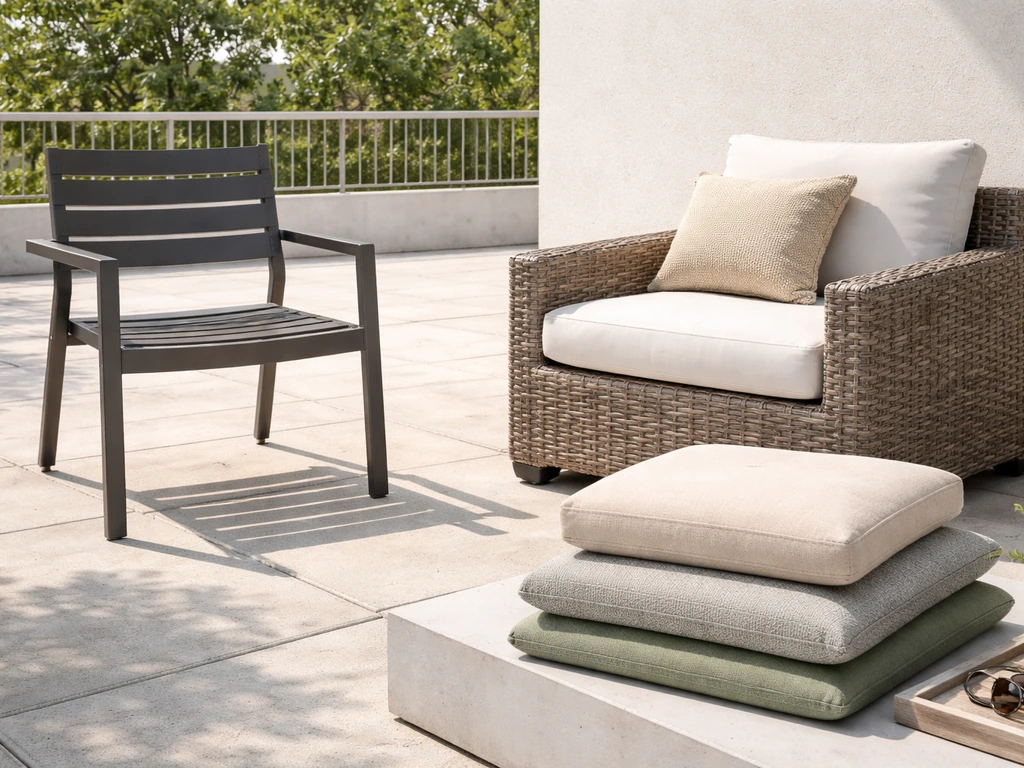
Best Patio Furniture for Full Sun: What to Buy
Buy the best patio furniture for full sun: UV-fade, heat, rust and cushion tips for wood, metal, wicker and composite.
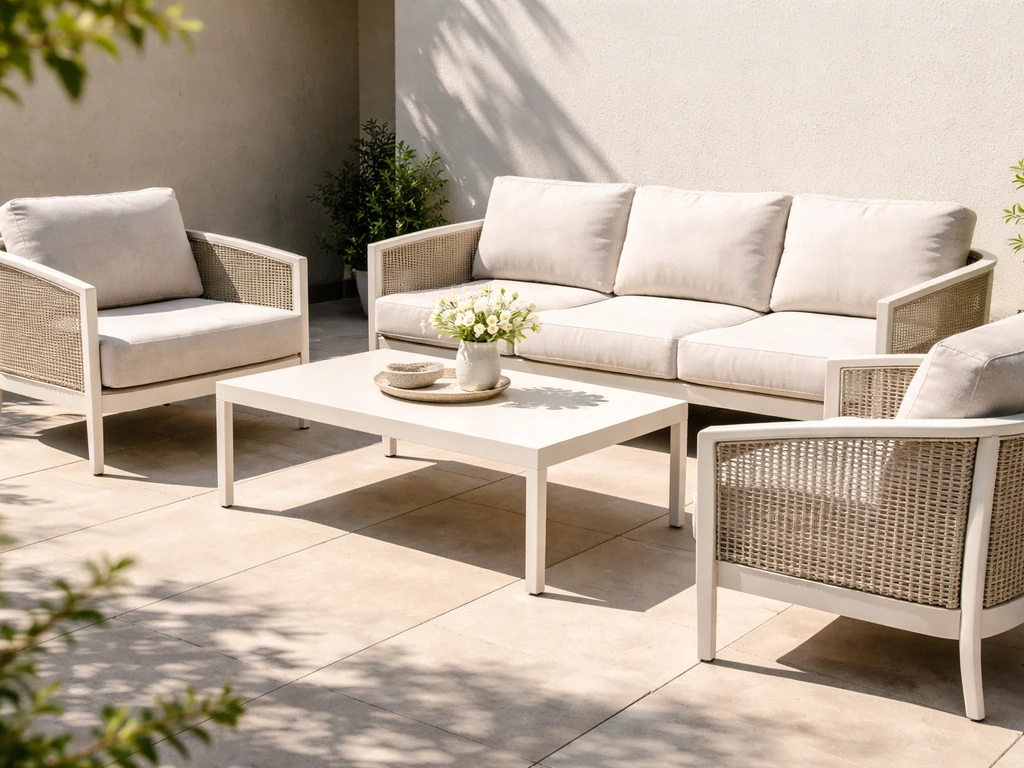
Best Patio Furniture for Hot Weather: Materials Guide
Find the best patio furniture materials for hot weather, with heat, UV, rust, and sun exposure tips for buying now.
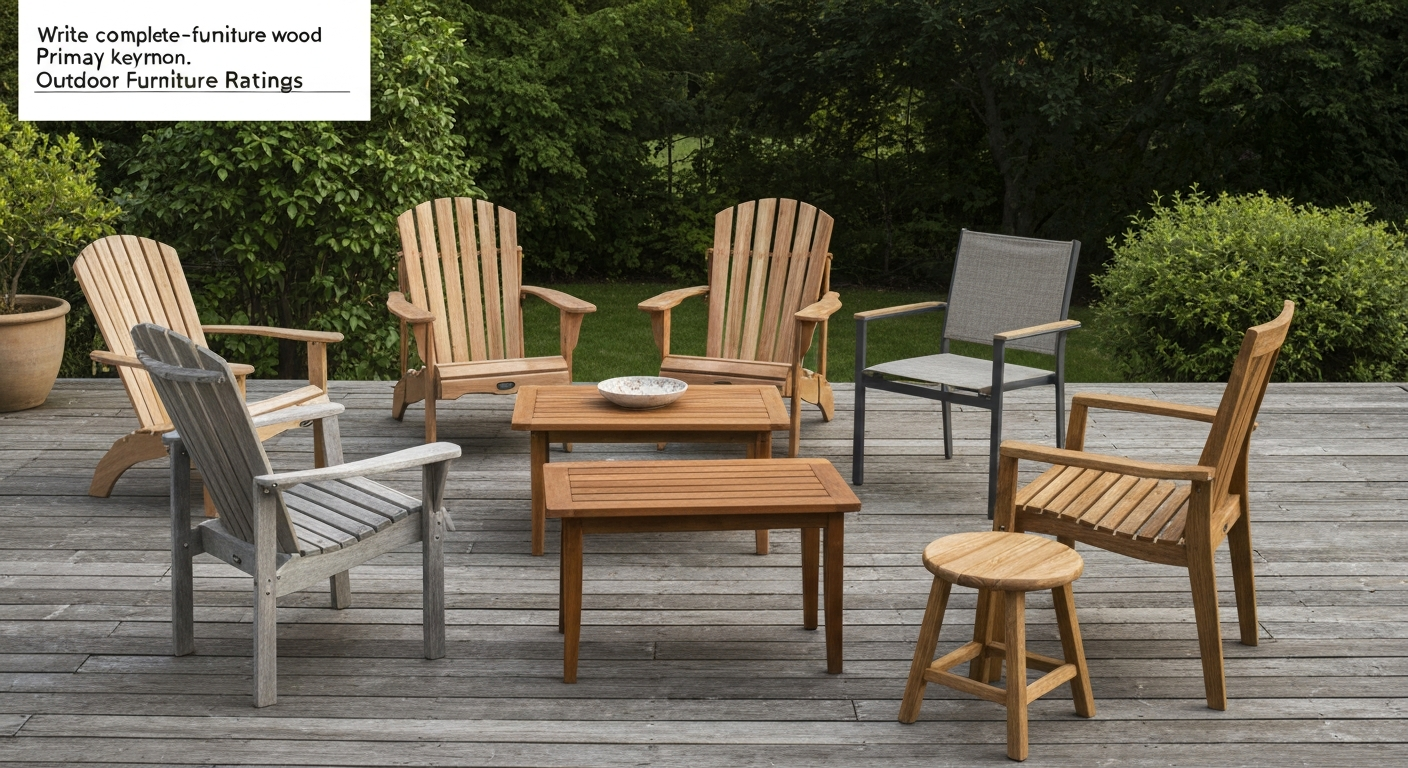
Common Patio Furniture Wood: Best Choices, Care & Tips
Compare common patio furniture wood types, teak, cedar, redwood, oak, with durability, finishes, and care tips.