
For humid climates, your best patio furniture is built from powder-coated aluminum frames, all-weather resin wicker, HDPE composite (like POLYWOOD), or Grade A teak, paired with solution-dyed acrylic cushions (Sunbrella being the gold standard) stuffed with open-cell quick-dry foam. For Texas heat specifically, prioritize powder-coated aluminum, HDPE composite, or teak frames with solution-dyed acrylic cushions that dry quickly best patio furniture. Those materials resist moisture at a structural level rather than just coating it away, which is what actually matters when you're dealing with 80% humidity six months out of the year.
Best Patio Furniture for Humid Climates: Picks That Last

Theo Tierney
9 Jul 2026
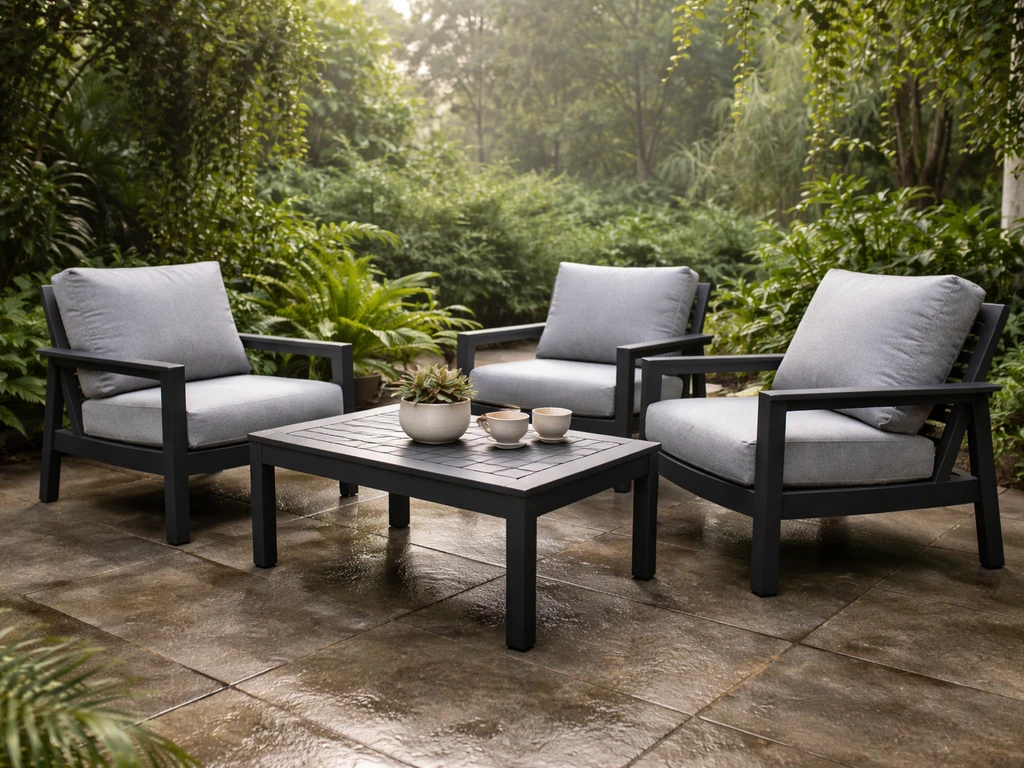
Why humidity wrecks patio furniture faster than anything else
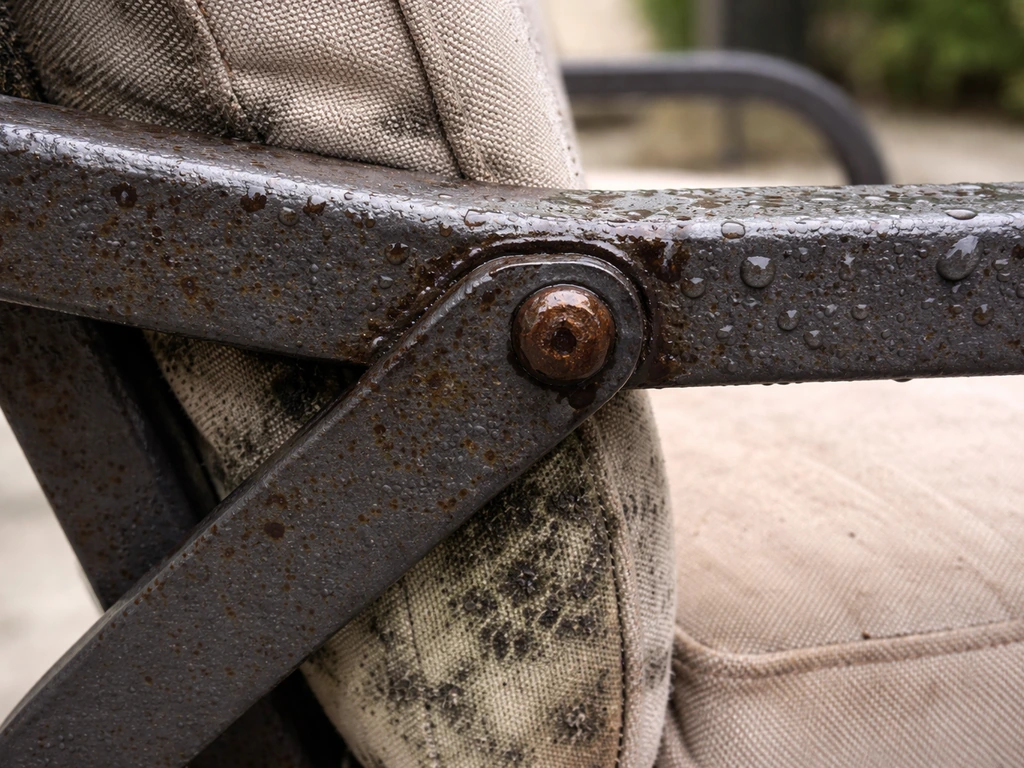
Humidity doesn't just make you sweat. It creates a persistent, low-level moisture environment that accelerates every single failure mode in outdoor furniture. Bare steel rusts. Wood rots and warps. Cushion foam soaks up water and stays damp for days. Woven surfaces trap moisture in the weave. The problem compounds because mold spores are everywhere outdoors, and the EPA is clear that you can't eliminate them. What you can control is moisture, and that's exactly where material choice and maintenance habits do their work.
Relative humidity above 60% is enough to create the condensation conditions that feed mold growth. In places like coastal Florida, the Gulf Coast, the Southeast, or the Pacific Northwest, you're routinely hitting 80 to 95 percent on summer mornings. That means even furniture that never gets rained on is still sitting in a damp, spore-rich microclimate every single night. Any material that traps that moisture, holds it, or has surface imperfections where water collects is going to show mold, rust, or rot within a season or two.
Airborne salt compounds the issue in coastal zones. Atmospheric corrosion from airborne salts can disrupt the protective oxide films on metals even when there's no standing water present. This is why furniture that performs fine in Denver can be rusted and crumbling in Savannah or Miami within two years. When you shop for humid climates, you're not just buying weather resistance in the abstract. You're buying specific material and coating properties that are engineered for sustained, relentless moisture exposure.
Best frame materials for humid climates
Frame material is the foundational decision. Everything else, cushions, fabric, hardware, can be upgraded or replaced. If the frame rusts through or rots in three years, the whole piece is garbage. Here's how the main options stack up in real humid-climate conditions.
Aluminum: the easiest choice
Powder-coated aluminum is the most practical frame material for humid climates, full stop. Aluminum doesn't rust because it doesn't contain iron. It forms a stable oxide layer naturally, and when you add a quality powder-coat finish over that, you get a corrosion barrier that holds up well against persistent humidity and salt air. Look for furniture with thicker-walled tubes (around 1.5mm to 2mm for dining and lounge sets) and powder coats that have been tested against published performance standards like AAMA 2604 or 2605. Those ratings actually mean something compared to generic "powder-coated" marketing language. The tradeoff is that cheaper aluminum furniture uses thinner walls and thinner coatings, and once the coating chips or scratches, moisture can work underneath it. The good news is that even if the paint fails, raw aluminum oxidizes rather than rusts, so the structural failure is much slower than it would be with steel.
HDPE composite (POLYWOOD-style): the zero-maintenance pick
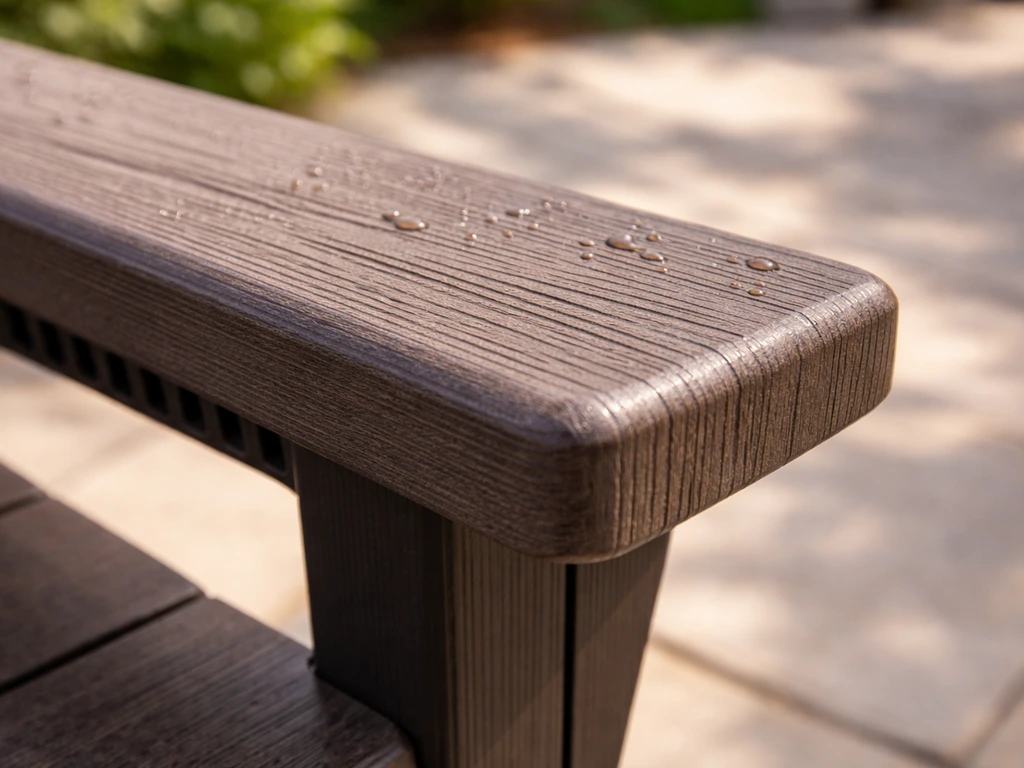
High-density polyethylene composite lumber, most commonly associated with the POLYWOOD brand but made by several manufacturers, is genuinely impervious to humidity. It doesn't absorb water, doesn't rust, doesn't rot, and won't splinter. It's made from recycled plastic and looks like painted wood without any of wood's vulnerabilities. The furniture feels a little heavier and more plastic than some people expect, but for pure longevity in a humid environment with minimal maintenance, nothing beats it. The hardware is the one thing to verify: look for stainless steel fasteners, not zinc or galvanized. Marine-grade stainless alloys include molybdenum in many marine grades to resist chloride-related corrosion mechanisms such as pitting stainless steel fasteners, not zinc or galvanized. Some POLYWOOD sets call this out explicitly, which is the right approach because even great composite furniture can develop rust streaks if the screws are low-grade.
Teak: the best natural wood option
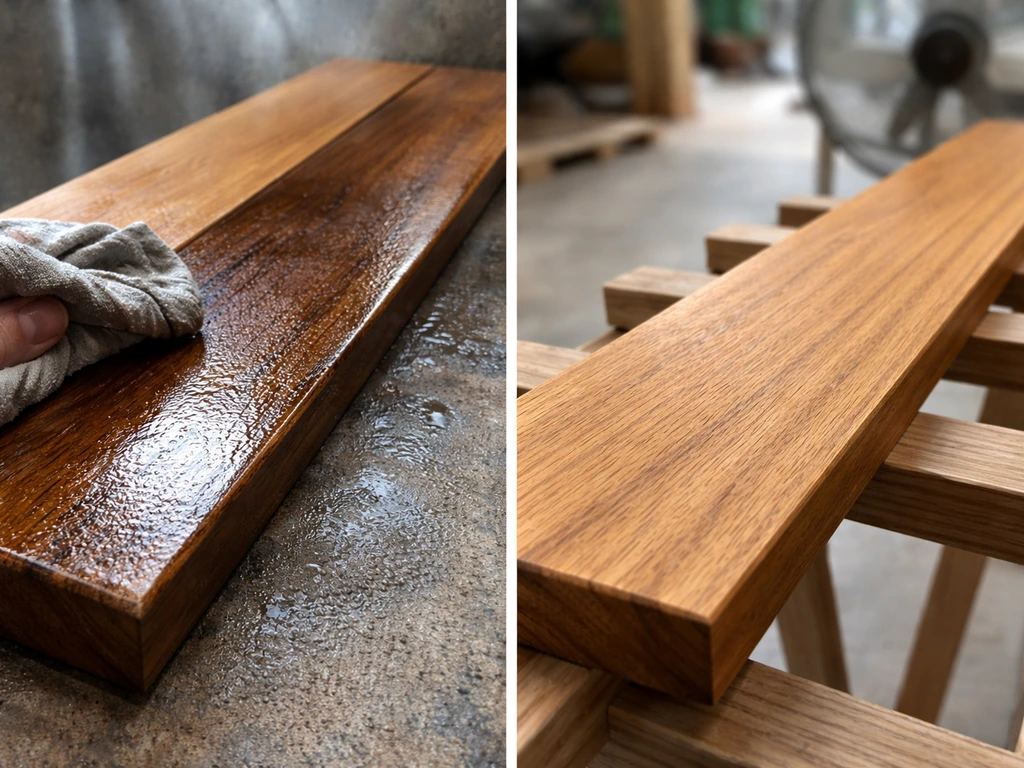
If you want real wood, Grade A teak is the only material I'd confidently recommend for high-humidity environments. Teak's high natural oil and rubber content makes it genuinely rot-resistant, insect-resistant, and dimensionally stable even in repeated wet-dry cycles. Well-maintained teak furniture can last over 25 years outdoors. The catch in humid climates is that applying additional teak oils can sometimes promote mildew growth, particularly in shaded or sheltered areas where the oil sits without fully curing. If your patio gets consistent direct sun, oiling occasionally is fine. If it's shaded or enclosed, let the teak weather naturally to its silver-gray patina and just clean it periodically instead of oiling it. Other woods like eucalyptus and shorea are usable, but they require more diligent sealing and maintenance to stay rot-free. Pine, cedar, or anything that isn't a naturally dense tropical hardwood is a bad bet in persistent humidity.
Resin wicker vs. natural wicker
Never buy natural wicker or rattan for a humid outdoor climate. Natural fibers absorb water, swell, crack, and mold within a couple of seasons in high humidity. All-weather resin wicker (synthetic polyethylene strands woven over an aluminum or steel frame) looks similar but behaves completely differently. The resin itself resists moisture and mold. The key is checking the inner frame: aluminum frames on resin wicker sets are ideal. Steel frames work too if they're galvanized and powder-coated, but the steel-frame sets are more prone to eventual rust at cut edges or attachment points. A good resin wicker set with an aluminum frame is one of the best combinations you can buy for humid climates, especially for lounge and sectional configurations.
Steel and wrought iron: use with caution
Wrought iron and steel furniture are heavy, stable, and attractive, but they're genuinely difficult to maintain in humid climates without regular attention. Even hot-dip galvanized steel can eventually rust when the coating is compromised, and any chip, scratch, or weld point becomes an entry point for moisture. If you already own steel or wrought iron pieces and love them, they're manageable with annual inspection, touch-up paint, and a quality cover. But I wouldn't buy new steel furniture specifically for a humid environment when aluminum does the same job with far less maintenance.
| Material | Rust/Rot Risk | Mold Risk | Maintenance Level | Best For |
|---|---|---|---|---|
| Powder-coated aluminum | Very low | Low | Minimal | Dining sets, lounge chairs, sectional frames |
| HDPE composite (POLYWOOD) | None | Very low | Almost none | Adirondack chairs, dining sets, benches |
| Grade A teak | None | Low-moderate (shaded spots) | Low-moderate | Dining tables, lounge chairs |
| All-weather resin wicker (aluminum frame) | Low | Low | Low | Sectionals, lounge sets, conversation sets |
| All-weather resin wicker (steel frame) | Moderate | Low | Moderate | Budget conversation sets |
| Galvanized/powder-coated steel | Moderate | Low | Moderate-high | Heavy-use dining, where weight matters |
| Wrought iron | High without regular care | Low | High | Not recommended for humid climates |
| Natural teak (sealed) | Low | Moderate | Moderate | Premium dining and lounge |
| Natural wicker/rattan | N/A | Very high | Very high | Avoid outdoors in humidity |
Cushions and fabrics that actually survive humidity
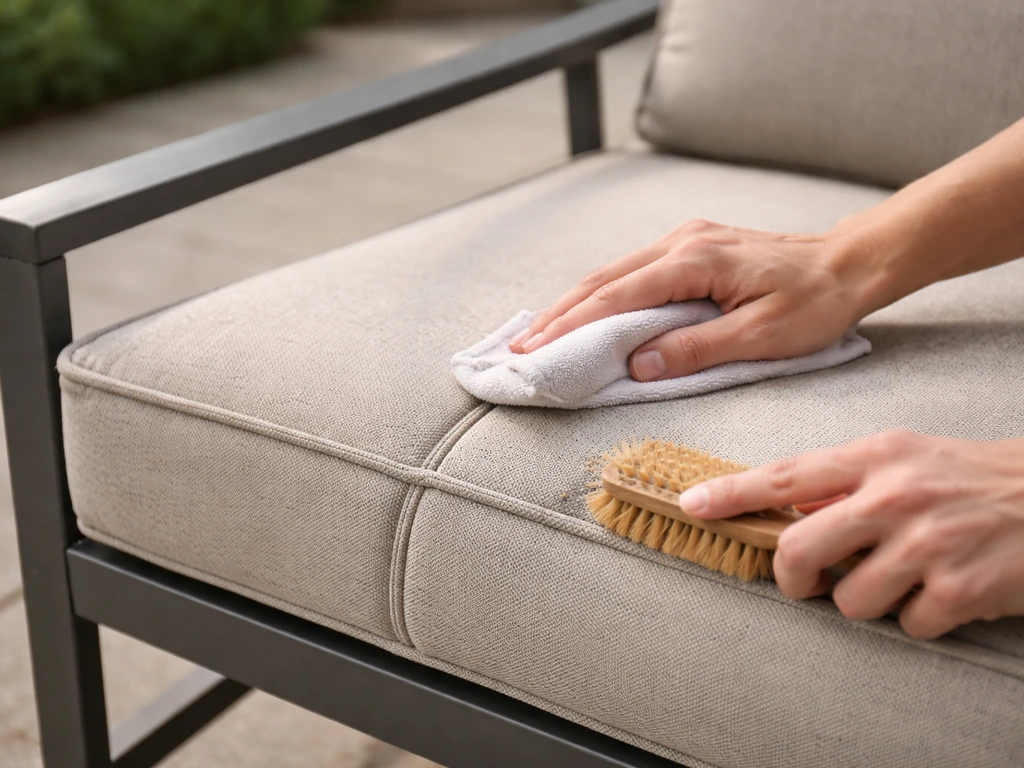
The frame can be perfect and the cushions can still ruin the whole setup. In humid climates, cushion failure is the most common reason people replace patio furniture prematurely. Getting this right comes down to three things: the outer fabric, the inner foam, and how you manage drying and storage.
Outer fabric: solution-dyed acrylic is the benchmark
Sunbrella is the name everyone knows, and the reputation is earned. blank" rel="noopener noreferrer">Sunbrella fabrics are 100% solution-dyed acrylic, which means the color is baked into the fiber rather than printed on the surface. The material is specifically engineered for mold and mildew resistance, weather resistance, and long-term UV stability. Sunbrella's warranty even addresses mildew as a documented exposure factor. For humid climates, solution-dyed acrylic is genuinely the right call because the fibers don't absorb moisture the way woven cotton or polyester blends do, giving mold much less to work with. If you want the best Sunbrella patio furniture, prioritize solution-dyed acrylic cushions on an aluminum, HDPE composite, or resin wicker frame with quick-dry, open-cell foam.
Olefin (polypropylene) fabric is a legitimate budget-friendly alternative. It's naturally water-resistant, resists staining and mildew, and handles outdoor conditions well. It doesn't quite match the long-term UV durability of solution-dyed acrylic, but for the price difference it's a reasonable tradeoff if you're willing to replace cushion covers every four to five years instead of eight to ten. Marine-grade vinyl is worth considering for dining chairs or barstools where water resistance and easy wiping are priorities, though it's less comfortable for extended lounging. Look for vinyl with anti-fungal additives built in, which is a standard feature in quality marine-grade products.
Foam: quick-dry matters more than most people realize
Standard closed-cell foam is a moisture trap. It absorbs water through the fabric seams, holds it for days, and becomes a perfect mold incubator. Open-cell reticulated foam (sometimes marketed as "quick-dry" foam) has a porous structure that lets water drain out and air move through. Some manufacturers explicitly advertise reticulated or open-cell foam cores for this reason, and it makes a noticeable difference in real-world humid conditions. When you're shopping, look for "quick-dry foam," "open-cell foam," or "reticulated foam" in the product description. If the listing just says "foam cushion" without specifying the type, assume it's standard closed-cell and plan accordingly.
Covers: breathable, not waterproof vinyl
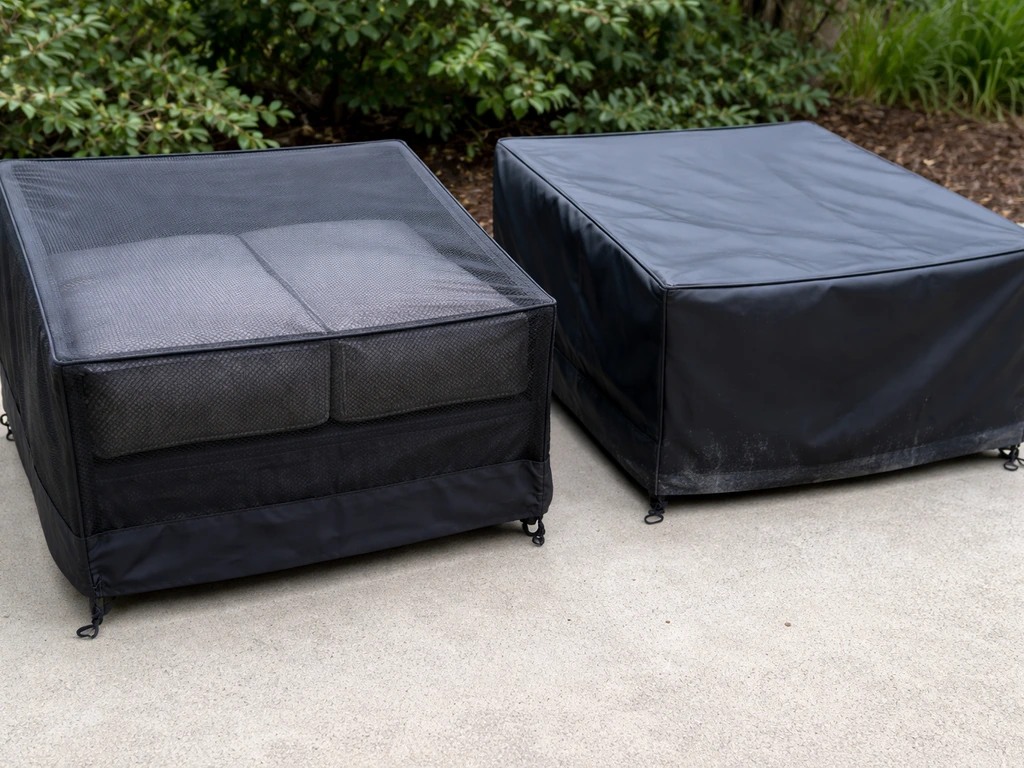
This is the most counterintuitive cushion tip: fully waterproof vinyl furniture covers can actually make mold worse in humid climates. Vinyl traps moisture underneath as temperatures change, and you can end up with more condensation under the cover than if you'd left the furniture exposed. Breathable covers with mesh vents are the right choice. Always make sure furniture is completely dry before covering it. A wet cushion sealed under a vinyl cover overnight in August in Georgia is a mold problem waiting to happen. If you're storing cushions seasonally, air-dry them completely in a well-ventilated area before putting them in any storage bag or bin.
Which furniture set types work best in humid conditions
Dining sets
For a dining set in a humid climate, aluminum or HDPE composite frames are ideal. Teak works beautifully too, particularly for the table surface where the natural grain and warm color are hard to replicate with composites. For chairs, aluminum frames with Sunbrella or olefin sling fabric (no foam at all) or aluminum with quick-dry cushions are both strong choices. Sling fabric on dining chairs is particularly low-maintenance: it dries almost instantly, resists mildew by design, and doesn't require the same cushion management routine.
Lounge and conversation sets
All-weather resin wicker over an aluminum frame is probably the most popular choice for lounge and conversation sets in humid regions, and it makes sense. The aesthetic is comfortable and inviting, the materials are genuinely moisture-resistant, and the cushions sit elevated in the frame rather than resting on the ground. Pair these sets with Sunbrella cushions and open-cell foam and you've got a low-maintenance setup that handles Florida summers with minimal drama. Aluminum deep-seating sets are another strong option if you prefer cleaner, more modern lines.
Sectionals
Sectionals are the most cushion-intensive furniture type, which makes material choice even more important in humid climates. A large sectional with eight or ten cushion pieces is a significant mold surface area if the materials aren't right. Go with aluminum or resin wicker frames, solution-dyed acrylic fabric, open-cell foam, and plan for a dedicated dry-before-cover routine after every rain. Sectionals also tend to sit in one configuration for extended periods, so make sure they're elevated enough for airflow underneath.
Umbrellas
Umbrella frames should be aluminum or fiberglass (not steel) in humid climates. Fiberglass ribs are especially good because they flex in wind and don't rust at all. The canopy fabric should be solution-dyed acrylic or a high-quality olefin, not polyester. Polyester umbrella canopies fade fast in UV and hold moisture in ways that lead to quick mildew. Make sure to close the umbrella when not in use and tilt or close it before rain. An open umbrella that collects water in the canopy and sits wet overnight is a mold factory.
Outdoor storage and side tables
Storage benches and side tables in humid climates should be HDPE composite or aluminum. Teak storage boxes work but require more sealing attention to keep water out of the interior. Avoid MDF, particleboard, or anything with wood-composite interiors if there's any possibility of moisture intrusion. For cushion storage specifically, look for deck boxes with ventilation slots rather than sealed boxes, which can trap condensation.
Keeping mold, rust, and rot away: a real maintenance routine
Even the best materials need some attention in high-humidity environments. The good news is that if you chose the right materials to begin with, maintenance is genuinely light. The routine below is realistic for most homeowners and takes care of the main failure modes.
Regular cleaning (monthly or after heavy rain)
- Rinse aluminum and resin wicker frames with a garden hose to remove dirt and pollen, which hold moisture against surfaces.
- Wipe down frames with a mild soap solution and rinse thoroughly. Dry visible water from crevices and joints.
- For cushion fabric, brush off debris and rinse. If mildew spots appear, clean with a diluted solution of white vinegar and water, then rinse completely and air-dry in a sunny, well-ventilated spot.
- For Sunbrella and similar solution-dyed acrylics, use a mild soap (the brand recommends specific cleaning products) and allow to air-dry fully before covering or storing.
- For teak, a light scrub with a soft brush and mild soapy water removes surface mildew and dirt. Rinse well and allow to dry fully before deciding whether to apply oil.
Drying and airflow: the most important habit
Moisture control is the single most effective tool against mold. After rain or cleaning, don't just leave cushions lying flat and covered. Does black patio furniture get hot? In direct sun, dark colors can absorb more heat than lighter materials, so consider shading or using lighter cushion fabrics when temperatures climb After rain or cleaning. Stand them on edge or lean them against something so air can circulate on both sides. If you have a covered patio, consider an oscillating fan after heavy rain to accelerate drying. Never store cushions, covers, or any fabric piece that isn't completely dry. The EPA's guidance on mold prevention comes down to exactly this: reduce the available moisture, and you reduce the mold.
Cover strategy
Use breathable covers with mesh vents rather than solid vinyl. Ensure furniture is dry before covering. If you're covering a sectional or lounge set for an extended period (like a vacation or off-season), remove the cushions entirely and store them inside or in a ventilated deck box rather than leaving them under a cover. Frames can stay covered, but foam cushions trapped under a cover for weeks in summer humidity are almost guaranteed to develop mildew.
Seasonal inspection and touch-ups
- At the start of each season, inspect all metal hardware and frame joints for rust spots. Catch rust early with touch-up paint before it spreads.
- Check powder coat on aluminum for chips or scratches and apply touch-up coating at any bare spots.
- Inspect resin wicker weave for cracking or splitting at stress points, which indicates UV degradation.
- For teak, decide each season whether to oil (only if in a sunny location and if you want to maintain the honey color) or let it weather naturally.
- Re-treat Sunbrella and similar fabrics with a fabric waterproofing spray annually or every two years to maintain the water-repellent finish.
- Check tightness of all stainless steel hardware screws, particularly on HDPE composite furniture where fasteners bear the load of the joint.
What to avoid
- Don't apply oil-based teak treatments in shaded or low-airflow areas. It can promote mildew rather than prevent it.
- Don't use abrasive cleaners on powder-coated aluminum. They scratch the coating and accelerate rust at those points.
- Don't store foam cushions in sealed plastic bags or sealed deck boxes that don't breathe.
- Don't assume "waterproof" covers mean better protection. Sealed covers trap condensation underneath.
- Don't ignore surface rust on steel or iron furniture. Small spots spread quickly in humid air even without rain.
Buying checklist and common mistakes in humid regions
Before you buy, run through this checklist. It covers the specific things that separate furniture that lasts five-plus years in humid climates from furniture that deteriorates in two.
- Frame material confirmed: aluminum, HDPE composite, Grade A teak, or resin wicker with aluminum inner frame.
- Hardware material confirmed: stainless steel fasteners (not zinc-plated or galvanized steel on exposed joints).
- Cushion fabric: solution-dyed acrylic (Sunbrella or equivalent) or high-quality olefin. Avoid polyester for humid climates.
- Foam type: open-cell, reticulated, or quick-dry foam specified in the product description.
- Powder-coat quality: look for AAMA 2604 or 2605 performance ratings on aluminum, or verify thick, consistent finish on inspection.
- Ventilation and placement: plan for furniture to sit at least a few inches off the ground and away from walls to allow air circulation.
- Cover plan: breathable covers with vents, not sealed vinyl. Budget for proper covers alongside the furniture purchase.
- Brand warranty: check whether the warranty mentions mold, mildew, or corrosion resistance, and what the exclusions are.
The most common mistake humid-climate shoppers make is buying furniture based on how it looks in a showroom without checking any material specifications. The second most common mistake is buying great furniture and then ruining it with the wrong cover strategy. Sealed vinyl covers trapping moisture against foam cushions are responsible for more premature mold failures than poor-quality materials are. And the third mistake: skipping stainless steel hardware on otherwise good composite or aluminum furniture, then watching rust streaks ruin the appearance within a year.
How to compare brands and decide what's worth the money
Patio furniture pricing in the humid-climate category runs a wide range, and the good news is that spending more does correlate with better durability, at least up to a point. Here's how to think about it practically.
Where spending more pays off
Cushion fabric is where I'd allocate more budget without hesitation. Genuine Sunbrella fabric costs more than the generic "weather-resistant polyester" listed on budget sets, but the performance gap in actual mold and UV resistance is significant enough to justify it. A $600 lounge set with Sunbrella cushions will outlast a $600 lounge set with generic polyester cushions by several years in a humid climate. The fabric is an easy upgrade even on otherwise budget-friendly frames.
Frame quality is the second area where the price-performance curve is real. Budget aluminum furniture often uses thinner tubing and weaker powder-coat finishes. Mid-range and premium aluminum sets use commercial-grade alloys, thicker walls, and better coatings. You can feel the difference in how rigid the frame is, and you'll see it in how the finish holds up after three or four seasons. For HDPE composite furniture, POLYWOOD is the most established brand, and their construction quality and warranty are worth the premium over generic composite alternatives.
Where you don't need to overspend
Resin wicker sets have a wide price range and the difference between mid-range and top-tier is mostly aesthetic (weave density, color consistency) rather than functional moisture resistance. A mid-range all-weather resin wicker set from a reputable retailer with an aluminum frame will perform just as well in humidity as a set costing twice as much. The same logic applies to HDPE side tables and storage pieces where the material itself does most of the work.
What doesn't perform and isn't worth any price
Avoid painted or lacquered wood furniture that isn't teak or another naturally rot-resistant species. The coating will fail within a season or two in humid air, and then you have bare softwood sitting in moisture. Avoid furniture with galvanized steel frames marketed as "rust-resistant" for humid coastal areas, especially if the connections and cut edges aren't sealed. And be skeptical of any set with cushions described as "water-resistant" without specifying the fabric type or foam structure. Water-resistant polyester is still a mold risk in persistent humidity; it just wets out more slowly.
If you're in a region with heat as well as humidity, like Texas or the Southeast, the material choices here overlap closely with what performs well in full sun and hot weather. If you also deal with intense full sun and hot weather, prioritize UV-stable solution-dyed acrylic fabrics and quick-dry foam to prevent fading and moisture issues. The same aluminum and composite frames that resist moisture also handle thermal expansion better than steel. Sunbrella's UV stability makes it the right fabric call for both problems simultaneously, which is why it comes up in virtually every climate-specific recommendation.
The bottom line for humid-climate shopping: start with the right frame material, verify the hardware, insist on solution-dyed acrylic or olefin fabric with open-cell foam, and build a cover and drying routine into your plan from day one. That combination will keep your furniture looking good and structurally sound through years of sticky summers, and it'll save you from the cycle of replacing low-quality sets every other year.
FAQ
Can I use covers in a humid climate if I choose breathable or mesh ones?
Yes, but only if the furniture is fully dry first. Even with vented covers, moist cushions left in place overnight can still trap humidity, especially on sectionals. If you cover for more than a few days, remove cushions and store them indoors or in a ventilated deck box, then cover the frame only.
Is it better to fully leave patio furniture uncovered in high humidity?
Often yes for cushions, but not always for frames. Leaving everything exposed can reduce condensation trapping, but sun and rain cycling still wears finishes. A practical approach is breathable cover for rainy periods, then remove cushions as soon as the weather breaks so they can dry with airflow.
Do I need to bring cushions inside even if it never rains where I live?
In many humid regions, yes. “No rain” does not mean “no moisture,” because nightly humidity and morning condensation can wet fabrics enough to promote mildew over time. If your area routinely stays above about 60% relative humidity, treat cushions like they can get damp and follow a dry-before-cover routine.
What should I do if my cushions develop mildew spots even though I bought solution-dyed fabric?
Start by removing the cushions and fully air-drying them, then clean with a gentle mildew-safe outdoor cleaner and rinse thoroughly. Do not store them until completely dry. If spots return quickly after drying, the issue is usually storage or cover choices that keep cushions trapped damp.
How can I tell if a resin wicker set has the right inner frame for humidity?
Look for aluminum as the inner frame material, and confirm fasteners are stainless steel where possible. If the set hides the frame specs, inspect for rust at attachment points and seams after a few seasons, because cut edges and hardware locations are where moisture starts problems.
Are stainless steel fasteners enough, or do I still need to worry about hardware corrosion?
Stainless helps a lot, but placement matters. Check for exposed fasteners on areas that trap water, like under cushions or at weld intersections, and re-tighten or clean them as part of annual maintenance. Also avoid mixed-metal hardware (stainless screws into non-stainless components) when manufacturers do not specify compatibility.
What’s the correct way to dry cushions after rain or cleaning?
Do not lay cushions flat and stack them while damp. Stand them on edge or lean them so air reaches both sides and seams. If you have a covered patio, using a fan after heavy rain accelerates drying, but the goal is fully dry material before any covering or storage.
Is HDPE composite furniture truly maintenance-free in humid climates?
It is highly low-maintenance for moisture and rot, but it still needs periodic rinsing and cleaning to prevent grime buildup and surface staining. Also check that the surrounding area is not continuously holding water against the legs or base, because persistent splash or pooling can discolor surfaces and accelerate hardware wear.
Should I oil teak in humid climates to prevent mildew?
Only if your teak gets consistent direct sun. In shaded or sheltered areas, heavy oiling can leave residues that support mildew, even though teak itself is rot-resistant. If the area is low-sun, use minimal cleaning instead of frequent oiling, and let the wood weather to a silver-gray patina.
Why do some “water-resistant” cushion products fail quickly in humidity?
Often because “water-resistant” does not guarantee moisture-proof fabric, and the foam core may be standard closed-cell foam that holds water. The most reliable signs to look for are solution-dyed fabric and explicit open-cell or reticulated quick-dry foam, plus a design that allows airflow during drying.
Do umbrellas need the same materials focus as seating furniture?
Yes. Use aluminum or fiberglass frames (not steel) and avoid polyester canopies that can trap moisture and fade faster. Also, ensure the umbrella is closed or tilted properly before rain, because a canopy that stays wet overnight is a mildew risk even if the frame is corrosion-resistant.
What’s the best choice for storage benches and bins in humid climates?
Choose HDPE composite or aluminum for the structure, and avoid MDF or particleboard-style interiors. For cushion storage, use deck boxes with ventilation slots rather than sealed containers that can trap condensation, even when the contents seem dry at first.
How often should I inspect patio furniture in a humid region?
At least once per year, and twice if you live near the coast or in areas with heavy morning condensation. Focus on cut edges, weld points, and any hardware that could have paint chips or scratching, because those are the earliest entry points for moisture and corrosion.
Is it worth paying more for premium cushions if my frame is high quality?
Usually, yes. In humid climates cushion failure is one of the fastest paths to replacing furniture, and fabric plus foam determine how quickly moisture releases. Upgrading to solution-dyed acrylic (or choosing olefin where budget requires) and confirming quick-dry open-cell foam typically prevents earlier mildew and sagging.
Next Articles
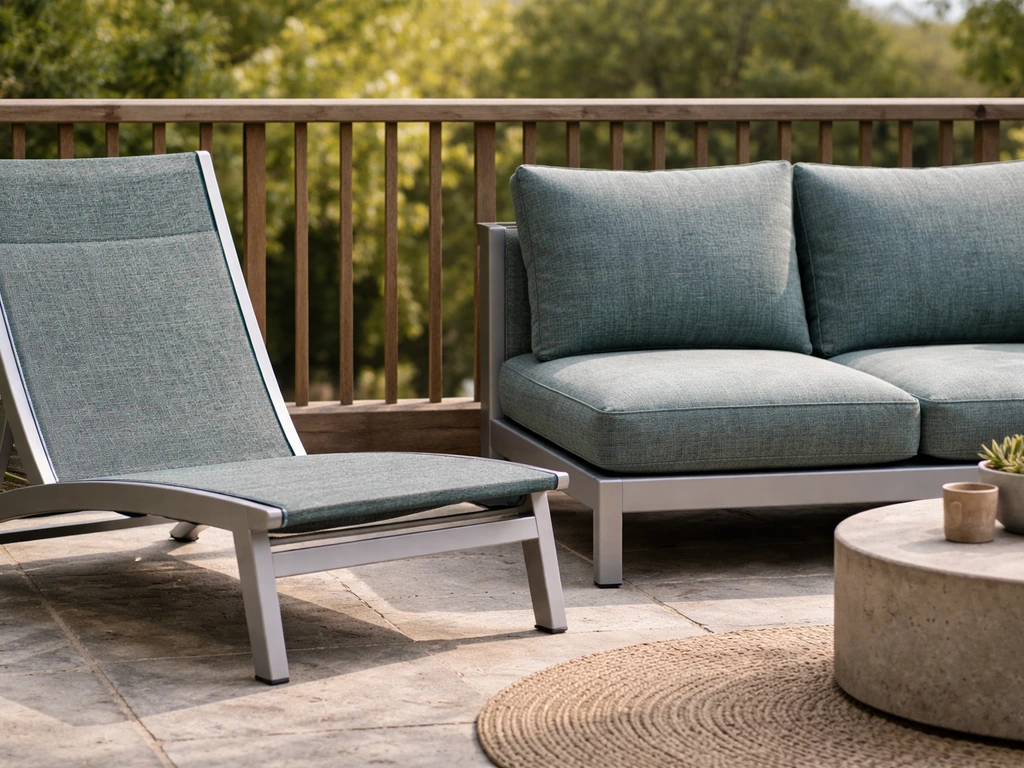
Best Sunbrella Patio Furniture: Durable Picks and Buying Guide
No-fluff guide to the best Sunbrella patio furniture: fabric, frames, climate fit, and care to extend lifespan
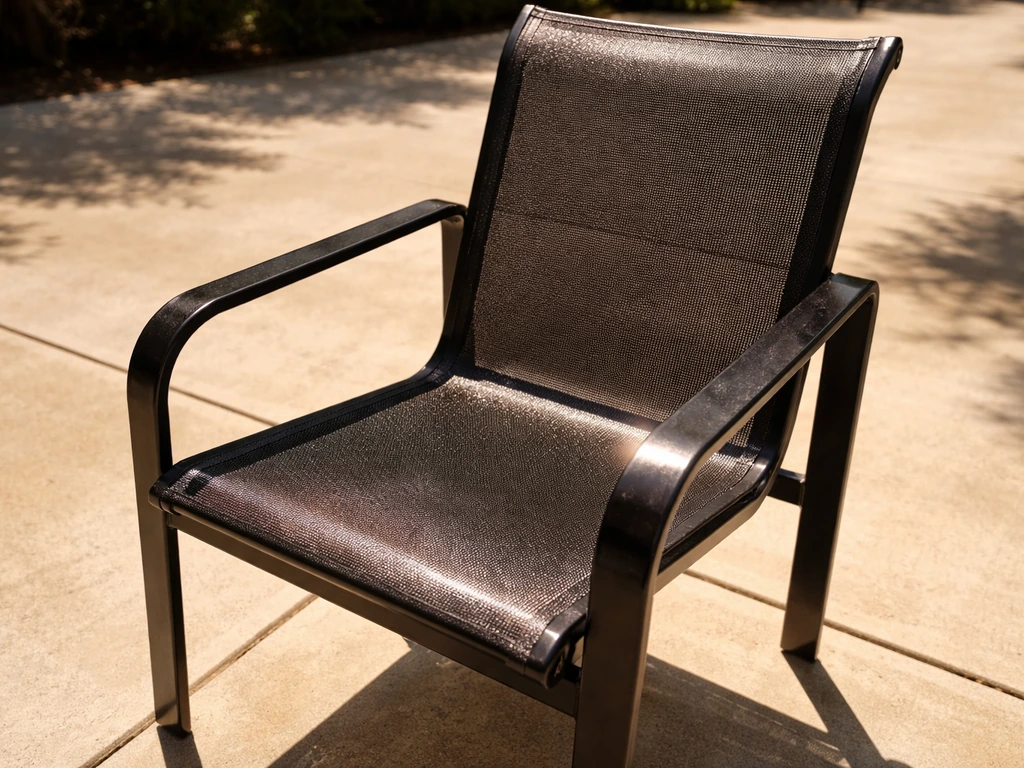
Does Black Patio Furniture Get Hot? Heat Guide and Tips
Black patio furniture heats up fast in sun. Get heat expectations by material and tips to prevent burns and discomfort.
Best Patio Furniture for Full Sun: What to Buy
Buy the best patio furniture for full sun: UV-fade, heat, rust and cushion tips for wood, metal, wicker and composite.