
Teak is the best all-around wood for patio furniture. It has dense, interlocked grain, naturally high oil content, and excellent resistance to rot, insects, and moisture, which is why it has been used on ship decks and outdoor furniture for centuries. If teak is out of your budget, white oak, shorea (also sold as meranti or Philippine mahogany), and western red cedar are all solid choices that can last 15 to 30 or more years outdoors with the right finish and basic maintenance. What separates a piece that lasts a decade from one that rots in three years usually has less to do with which wood you picked and more to do with how it was finished, how the joints were built, and whether you're giving it even minimal seasonal care.
Best Wood for Patio Furniture: Top Choices by Climate

Theo Tierney
30 Apr 2026
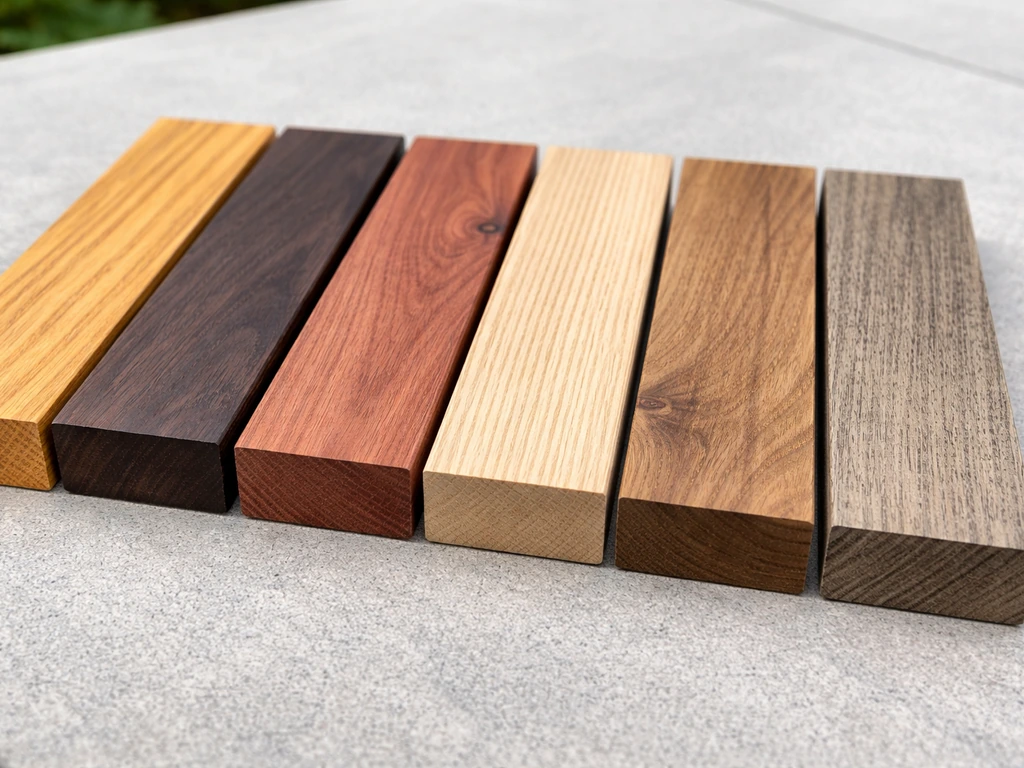
Top Wood Picks for Patio Furniture (Ranked by Real Outdoor Durability)
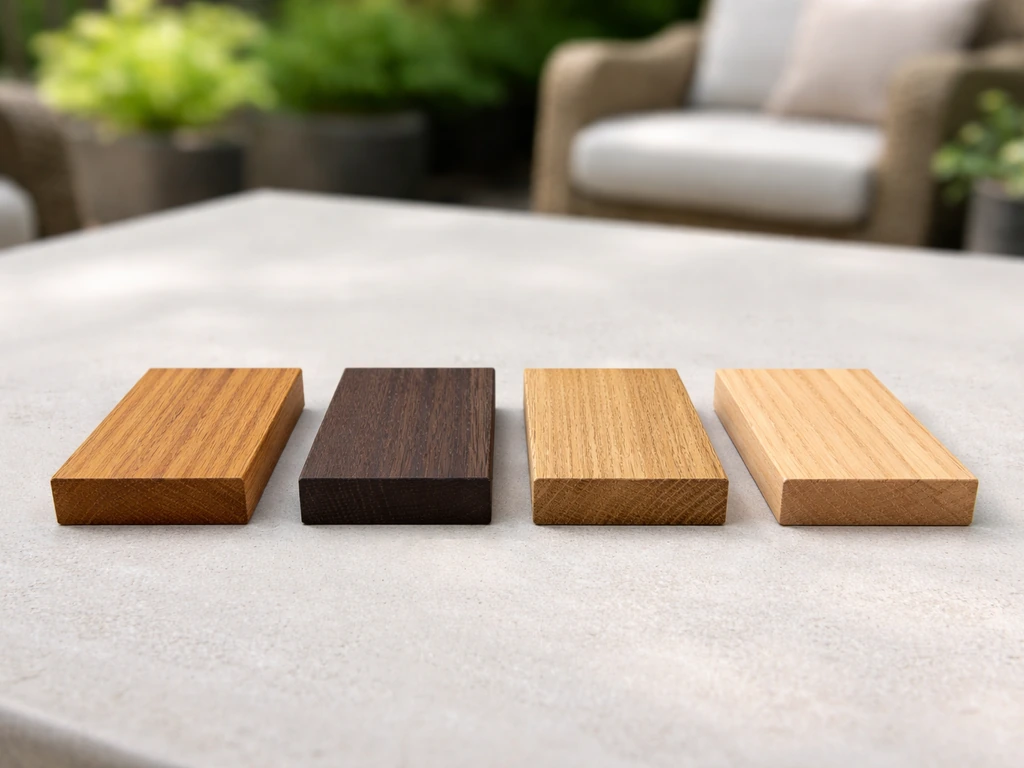
Not all wood handles outdoor exposure the same way. The key factors are natural decay resistance (heartwood extractives that fight rot fungi), density (denser wood absorbs less water), and insect resistance. Here's how the most common options actually stack up.
Teak
Teak (Tectona grandis) sits at the top for a reason. It contains silica and natural oils that essentially waterproof it from within, making it highly resistant to rot, warping, and insect damage. Properly cared-for teak furniture regularly lasts 25 to 50 years outdoors. If left unfinished, it weathers to a silver-gray patina rather than rotting, that's a sign of its innate toughness. The downsides are price (expect to pay a significant premium over other options) and sourcing ethics: look for FSC-certified teak to avoid illegally harvested material. Plantation teak from Indonesia is widely available and generally considered sustainable.
White Oak
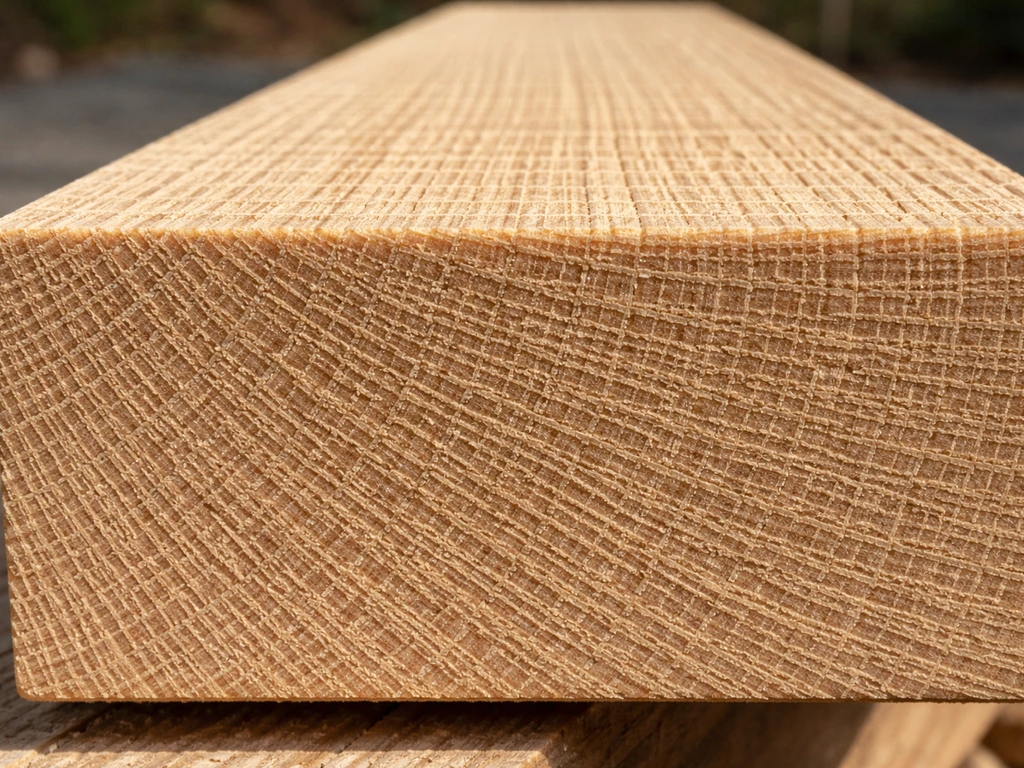
White oak is the sleeper pick that a lot of furniture builders rely on. Unlike red oak (which you should absolutely avoid outdoors, its open pores wick water straight into the wood), white oak has tyloses that block its pores, making it genuinely moisture-resistant. It's naturally rot-resistant, takes finish beautifully, and is far more affordable than teak while still lasting 15 to 25 years with proper maintenance. It's one of the best woods to build patio furniture with if you're going DIY and want something that looks refined rather than rustic.
Shorea (Meranti / Philippine Mahogany)
Shorea is often described as a teak alternative, and that comparison holds up reasonably well. It's dense, naturally rot-resistant, and works well in humid and coastal environments. You'll often see it used in mid-range patio furniture sets branded as "Grade-A" hardwood. It's heavier than teak and doesn't have quite the same oil content, so it needs a regular finish to stay looking good, but the price is considerably lower than teak. Again, look for FSC certification since some shorea species are overharvested.
Western Red Cedar
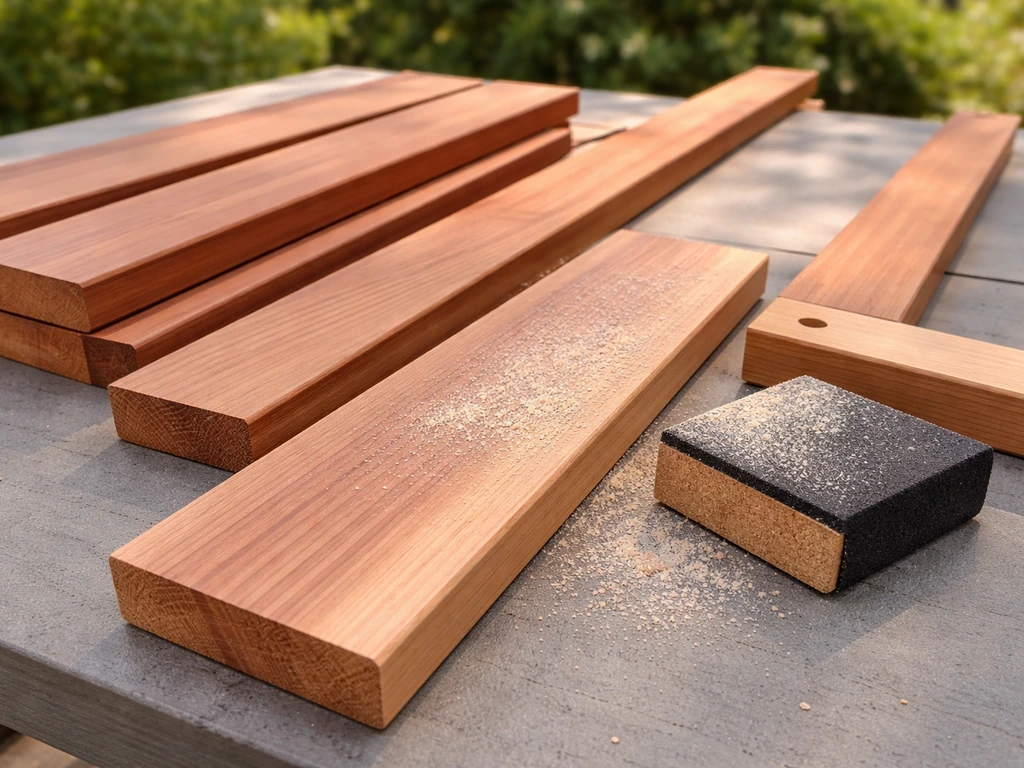
Western red cedar is the best softwood option for patio furniture, and one of the easiest to work with if you're building something yourself. The USDA's own silvics data notes that it suffers little damage from insects and that heartwood extractives provide natural decay resistance. It's lightweight, dimensionally stable (meaning it doesn't warp and crack as aggressively as pine), and holds stain and oil finishes well. The trade-off is that it's softer and dents more easily than hardwoods. For benches, Adirondack chairs, and casual furniture, it's excellent. For a dining table that will see heavy daily use, it's a second-tier choice.
Ipe (Brazilian Walnut)
Ipe is the hardest and most durable wood on this list, it's so dense it barely absorbs water and is used for boardwalks and decking. For furniture, that density cuts both ways: it's incredibly long-lasting (30 to 50 years outdoors is realistic) but very heavy, difficult to work with, and can be brutal on saw blades and drill bits. It also needs an oil finish regularly because it dries out and can crack without it. If you want maximum lifespan and don't mind the weight and maintenance commitment, ipe is a legitimate choice, but it's more practical for built-in benches and heavy tables than for chairs you'll be moving around.
Redwood
Old-growth redwood has excellent natural decay and insect resistance, but most commercially available redwood today is second-growth, which has less heartwood and is noticeably less resistant. It's still a decent choice for outdoor use if you finish it well, and it's widely available in the western US. If you're buying redwood, look for "clear heart" grades that are mostly heartwood, sapwood on redwood performs poorly outdoors.
Pressure-Treated Pine
Pressure-treated (PT) pine is the budget workhorse for outdoor structures, but it comes with real trade-offs for furniture. Modern PT lumber uses ACQ (alkaline copper quaternary) treatments that are corrosive to regular steel hardware, you must use stainless steel or hot-dipped galvanized fasteners with it, or your joints will corrode and fail. It also tends to warp, twist, and crack as it dries after treatment, which makes it frustrating to build precise furniture with. That said, it resists rot extremely well and costs a fraction of hardwoods. It's best suited for structural framing, not finished furniture surfaces.
| Wood | Rot Resistance | Insect Resistance | Warping Risk | DIY Workability | Relative Cost | Expected Outdoor Lifespan |
|---|---|---|---|---|---|---|
| Teak | Excellent | Excellent | Very Low | Moderate | Very High | 25–50+ years |
| White Oak | Very Good | Good | Low | Good | Moderate | 15–25 years |
| Shorea | Very Good | Good | Low-Moderate | Moderate | Moderate | 15–25 years |
| Western Red Cedar | Good | Very Good | Low | Excellent | Low-Moderate | 10–20 years |
| Ipe | Excellent | Excellent | Low | Difficult | High | 30–50 years |
| Redwood (Clear Heart) | Good | Good | Low-Moderate | Good | Moderate | 10–20 years |
| Pressure-Treated Pine | Very Good | Good | High | Good | Low | 10–15 years (furniture) |
Best Wood for a Patio Table vs. a Full Furniture Set
A patio table takes different punishment than chairs or a bench. Tables accumulate standing water in their flat surfaces, get scrubbed, and hold heavy loads, that means you want a harder, denser wood with tighter grain that resists surface moisture. Chairs and loungers flex with use, so you want something with a bit of give that won't split at joints under stress.
For a Patio Table
Teak is the top pick for an outdoor dining table. Its density and natural oils mean water beads on the surface rather than soaking in, and it resists the warping that ruins tabletops. White oak is a strong runner-up and easier to source at local lumber yards. Ipe works well for table slats on a heavy farmhouse-style table, but avoid it for thinner tabletop boards where cracking during drying can be an issue. Whatever wood you choose, the tabletop construction matters as much as the species: use breadboard ends to control seasonal wood movement, apply finish to all six faces (including the underside), and seal end grain aggressively.
For Chairs, Benches, and Full Sets
For chairs and full furniture builds, western red cedar and white oak are probably the most practical sweet spot of cost, workability, and durability. Teak chairs are beautiful and last forever, but at the prices teak commands, you're making a serious investment. Cedar is lightweight (great for moving furniture in and out seasonally), easy to cut and join, and holds up well in most climates with a yearly oil coat. If you're building a full set from scratch, cedar or white oak will give you the best return on your effort. For pre-built furniture sets where you're shopping rather than building, shorea and teak sets are the most common quality hardwood options. For many shoppers, common patio furniture choices revolve around the same few wood types, so comparing them side by side can save time and money.
What Actually Makes Wood Last Outdoors: Rot, Insects, and Water
Decay and rot are caused by fungi, and fungi need moisture and oxygen to thrive. blank" rel="noopener noreferrer">Keeping wood consistently above 20% moisture content is what triggers decay, which means designs that trap water and prevent drying are the real enemy. Insect damage (primarily termites and carpenter bees for furniture) is resisted by dense, resinous heartwood with natural extractives. The USDA Forest Products Laboratory's Wood Handbook is the engineering bible on this, and its core message is simple: wood that stays dry doesn't rot, and wood with natural extractives resists insects. The USDA Forest Products Laboratory's Wood Handbook explains that finishing choices influence how wood manages water and moisture, which is why keeping wood properly protected helps prevent decay wood that stays dry doesn't rot.
End grain is the biggest vulnerability in any wood piece. The FPL's finishing guidance is explicit that liquid water enters wood primarily through end grain. On a table leg that sits on the ground, on the end of a board in a chair joint, on any cut surface exposed to weather, that's where moisture infiltrates fastest. Sealing every end-grain surface before assembly (with a dedicated end-grain sealer, exterior epoxy, or multiple heavy coats of exterior finish) is one of the highest-impact things you can do for longevity, regardless of the wood species you chose.
- Rot starts when wood stays above 20% moisture for extended periods — design for drainage, not just species selection
- End grain absorbs water many times faster than face or edge grain — always seal it first and thoroughly
- Insect resistance is primarily a function of heartwood extractives — sapwood on even naturally resistant species is vulnerable
- Standing water in joints, flat surfaces, and end-grain contact with soil or concrete dramatically shortens lifespan
- UV damage breaks down lignin in wood, causing graying and surface checking — a UV-blocking finish extends surface life significantly
Construction Details That Separate Furniture That Lasts From Furniture That Doesn't
The best wood in the world won't save a poorly built piece. When you're building or evaluating furniture construction, these are the things that actually determine how long it lasts outdoors.
Joinery
Mortise-and-tenon joints are the gold standard for outdoor furniture because they distribute stress across a large glue surface area and resist racking (sideways movement). Dowel joints are acceptable for lower-stress applications. Avoid butt joints fastened only with screws in any high-stress location, they fail outdoors as wood expands and contracts seasonally. If you're using a glue at joints, choose an exterior-rated waterproof glue like Titebond III or an epoxy. Standard yellow carpenter's glue fails in wet conditions.
Hardware
This is where a lot of otherwise decent furniture fails. Regular zinc-plated or steel screws will rust outdoors, staining the wood and eventually failing. Use 304 or 316 stainless steel screws and bolts for all outdoor furniture, 316 is especially important for coastal environments where salt accelerates corrosion. Hot-dipped galvanized hardware is an acceptable alternative for non-coastal settings. If you're building with pressure-treated pine, stainless or hot-dipped galvanized hardware is not optional, ACQ treatment actively corrodes standard hardware.
Finishes: Penetrating Oils vs. Film-Forming Finishes
The FPL distinguishes two major categories of outdoor finishes and they behave very differently. Penetrating finishes (teak oil, linseed oil, danish oil, hardwax oils) soak into the wood and nourish it from within, they don't peel, they simply fade and need reapplication. Film-forming finishes (spar varnish, polyurethane, paint) form a protective layer on top of the wood. Film finishes offer excellent initial protection but can trap moisture if they crack, which leads to peeling and accelerated decay underneath. For most outdoor furniture, penetrating oil finishes are more forgiving and easier to maintain. A quality teak oil or exterior hardwax oil applied annually or biannually is the most practical long-term approach for most wood species. For surfaces that take heavy use and abrasion (tabletops), a spar varnish with UV inhibitors can make sense, just plan to sand and recoat before it begins cracking.
Design Choices That Extend Lifespan
- Keep furniture legs off the ground with furniture feet, glides, or by setting on pavers — direct soil contact is the fastest route to rot
- Space deck boards or slatted surfaces slightly (1/8 to 1/4 inch) so water drains rather than pooling
- Round or chamfer all sharp edges — water clings to and erodes sharp corners far more aggressively
- Avoid horizontal surfaces that collect water with no drainage; angle tabletops very slightly or add drainage gaps
- Finish all surfaces before assembly, not just the visible ones — the inside of a mortise joint matters too
Which Wood Works Best in Your Climate
Wood behaves differently depending on where it lives. The climate you're in should influence both your species choice and your finishing and maintenance approach. Here's what actually matters region by region.
Hot and Dry Climates (Southwest, Arizona, Nevada)
In low-humidity, high-UV environments, the primary threat isn't moisture, it's the sun and heat drying out the wood, causing cracking and checking. Teak and ipe handle this best because their density resists surface checking. Cedar and redwood can work but will need more frequent oil application (maybe twice a year) to stay hydrated. In dry climates, penetrating oil finishes are especially valuable because they replace the natural oils the sun depletes. UV-blocking finishes are worth the extra cost here.
Humid and Rainy Climates (Southeast, Pacific Northwest, Gulf Coast)
High humidity and frequent rain mean elevated rot and insect pressure. This is where natural decay resistance matters most. Teak, ipe, and white oak are your best choices. Cedar does fine with consistent maintenance but needs a good oil or exterior finish to keep fungi at bay, in truly wet climates, an annual treatment isn't optional. Avoid pine that isn't pressure-treated in these regions. Design for drainage at every joint and surface, and store or cover furniture during prolonged rainy seasons if possible.
Coastal and Salt-Air Environments
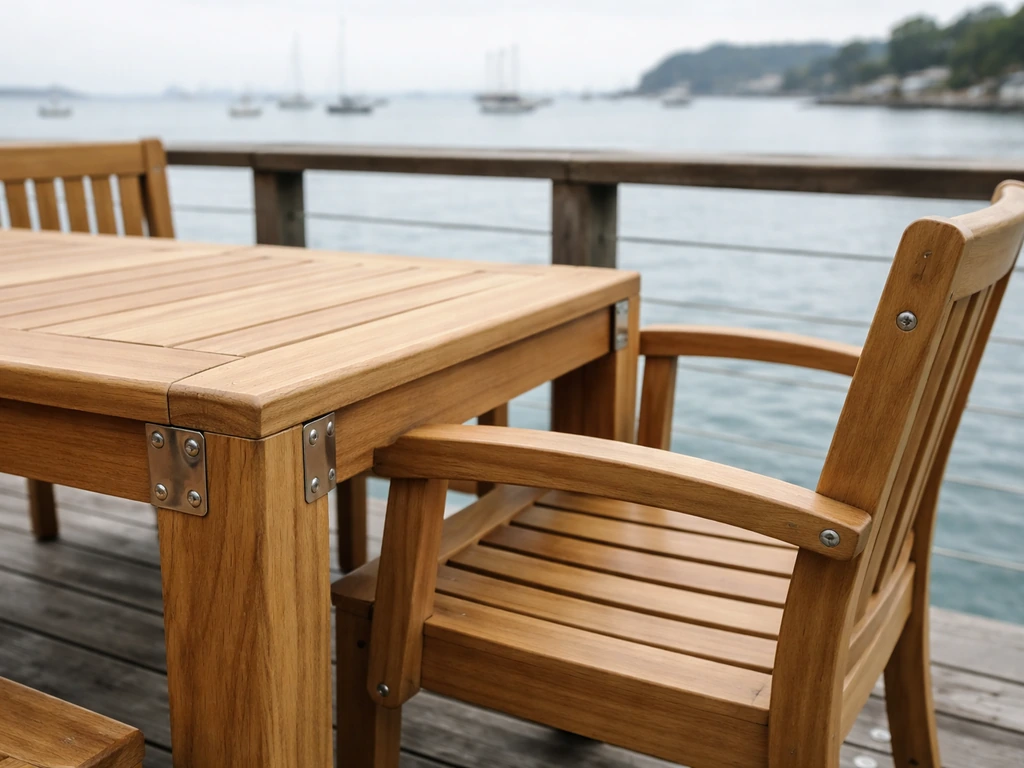
Salt air accelerates corrosion and can break down finishes faster than in inland settings. Teak's natural oils make it especially well-suited here, it's been a material of choice for marine environments for good reason. Shorea and ipe also perform well. Whatever wood you use, hardware choice becomes even more critical: only 316 stainless steel fasteners should be used within about a mile of the ocean. Rinse furniture periodically with fresh water to remove salt deposits, and expect to reapply finish more frequently (annually at minimum, twice a year in the harshest spots).
Freeze-Thaw Climates (Midwest, Northeast, Mountain West)
Repeated freeze-thaw cycles are hard on any wood. Water that has infiltrated the wood expands when it freezes, causing splits and accelerated joint failure. The keys here are: keep moisture out before winter hits (apply fresh finish in late fall), store furniture indoors or in a garage if possible during winter, and at minimum cover it with breathable furniture covers rather than plastic tarps that trap condensation. Dense hardwoods like teak and white oak handle freeze-thaw better than softer woods because they absorb less water in the first place. Elevating furniture off concrete or pavers is especially important in freeze-thaw climates since concrete wicks moisture and accelerates rot at contact points.
| Climate | Top Wood Choice | Runner-Up | Critical Maintenance Focus |
|---|---|---|---|
| Hot and Dry | Teak or Ipe | Cedar or Redwood | Oil/UV finish 2x per year |
| Humid and Rainy | Teak or Ipe | White Oak | Annual finish, drainage design |
| Coastal / Salt Air | Teak | Shorea or Ipe | 316 SS hardware, rinse salt, annual finish |
| Freeze-Thaw | Teak or White Oak | Cedar | Fall finish, covered/indoor storage, elevate off ground |
A Realistic Maintenance Plan for Wood Patio Furniture
The biggest lie in wood furniture marketing is "maintenance-free." No wood is maintenance-free outdoors. But the actual work required is pretty manageable if you stay on schedule rather than letting things deteriorate to the point of needing repair or replacement.
Spring Prep (Start of Season)
- Clean thoroughly with a wood cleaner or mild soap and water, rinse well, and let dry completely (2–3 days minimum)
- Sand lightly with 120–150 grit if the surface is rough, gray, or if old finish is peeling — always sand with the grain
- Inspect all joints and hardware: tighten any loose fasteners, look for early signs of rot (soft or spongy spots), and address immediately
- Apply a fresh coat of penetrating oil or exterior finish to all surfaces, paying extra attention to end grain
- For teak specifically: if you want to restore the natural warm brown color after it's grayed, use a teak cleaner/brightener before oiling
Midsummer Check-In
- Wipe down surfaces with a damp cloth periodically — don't let organic debris (leaves, pollen, bird droppings) sit on the wood
- Check for any areas where finish has worn through and spot-treat with oil if needed
- Inspect for early signs of checking or cracking, especially on tabletop surfaces and anywhere end grain is exposed
Fall and Winter Prep
- Clean and apply a final coat of oil before temperatures drop below 50°F (finish won't cure properly in cold)
- Store cushions and fabric components inside for winter
- Move furniture indoors, into a garage, or under a covered patio if possible — this is the single highest-impact step you can take for longevity
- If outdoor storage is unavoidable, use breathable covers (not plastic tarps) and elevate furniture off surfaces that pool water or freeze
- Never store furniture in a way that traps moisture against the wood
Quick Checklist Before You Buy or Build (And Mistakes to Avoid)
Whether you're shopping for a ready-made set or building your own, run through this before you commit.
Before You Buy: What to Check
- Confirm the specific wood species — "hardwood" or "solid wood" are not species names and tell you nothing about durability
- Look for heartwood content: darker, denser wood grain in the center of boards is heartwood and is where the rot resistance lives
- Check the hardware: look for stainless steel markings (A2 or A4 grade) on bolts; assume cheaper hardware if it's not marked
- Look at joinery: mortise-and-tenon or confirmed waterproof adhesive at joints is a good sign; simple pocket screws in high-stress areas are a bad sign
- Ask about finish: factory-applied finish is nice but temporary — know what you'll need to do at year one
- For teak and shorea, confirm FSC certification if sustainability matters to you
Before You Build: What to Get Right
- Source kiln-dried lumber — green or wet wood will warp dramatically as it dries after you build with it
- Use waterproof glue (Titebond III or exterior epoxy) at all joints
- Pre-drill all fastener holes to prevent splitting, especially near ends of boards
- Finish all surfaces (including the inside of joints and the bottoms of legs) before final assembly
- Apply two to three heavy coats of end-grain sealer to every cut surface
- Use only stainless steel or hot-dipped galvanized hardware — no zinc-plated, no standard steel
Common Mistakes That Shorten Wood Patio Furniture Lifespan
- Choosing red oak, poplar, or non-treated pine because it's cheap — these woods have little to no natural outdoor rot resistance and will fail quickly
- Skipping end-grain sealing — this is the number one construction omission that leads to premature rot
- Using regular steel screws — they'll rust and stain the wood within one season in most climates
- Applying finish over a dirty or damp surface — finish won't bond and will peel within months
- Storing furniture under plastic tarps for winter — trapped condensation accelerates rot faster than leaving it uncovered
- Leaving furniture legs in direct contact with soil — soil stays moist and contains the fungi and organisms that cause decay
- Treating all wood the same regardless of climate — a once-a-year oiling in Seattle needs to be at least twice a year in Phoenix or coastal Florida
If you're still weighing options, the honest summary is this: buy teak if budget allows and you want to minimize long-term work. Build with white oak or western red cedar if you're going DIY and want the best combination of workability, cost, and durability. Common patio furniture wood like white oak, western red cedar, and teak can last for years when you choose the right finish and maintain it on schedule. If you're looking for common patio furniture wood options, teak, white oak, and western red cedar are some of the most durable picks. Pair any wood with stainless hardware, sealed end grain, and a penetrating oil finish applied on schedule, and you're well ahead of most outdoor furniture that fails prematurely. Choosing the best wood patio stain means using a penetrating finish that soaks in and keeps moisture from getting trapped under a surface film penetrating oil finish. The wood you choose matters, but how you build and maintain it matters just as much.
FAQ
Is any patio furniture wood truly maintenance-free? If not, what upkeep is realistic?
Yes, but only when the finish system matches the wood and the exposure. If you choose a penetrating oil, you usually still need periodic reapplication (often annually, sooner near salt or heavy sun). Film finishes (varnish, polyurethane) can look great at first, but once they crack, trapped moisture under the film becomes a real rot risk, so they demand closer inspection and more frequent recoating.
Where should I focus sealing and finishing if I want the biggest longevity boost?
For outdoor furniture, prioritize sealing end grain over “brightening” the surface. End grain sealer or exterior epoxy applied to every cut surface, including undersides and joints, dramatically slows water entry. If you miss just the leg bottoms or underside edges, even rot-resistant woods can fail at those points first.
Can western red cedar survive in a very rainy climate, or will it rot quickly?
It depends on how you build and finish. If furniture is properly designed to drain, and you use 304 or 316 stainless hardware plus an exterior-rated waterproof glue, western red cedar can be very durable outdoors. The catch is maintenance, cedar loses oils faster than teak, so in humid or rainy regions plan on more consistent oiling rather than “set it and forget it.”
What’s the correct way to finish patio wood, stain or oil, and what should I avoid?
Skip regular household stains and interior sealers, they often don’t penetrate well and can trap moisture or fail under UV. For best results, use an exterior penetrating oil or exterior hardwax oil made for outdoor wood, and apply to all exposed faces including the underside. If you already have an old film finish, you may need sanding or stripping before switching to penetrating oil.
If the furniture says “teak,” how do I tell whether it’s actually a durable outdoor build?
Not always. A lot of “teak-look” furniture uses different species or veneers, and thin construction can fail even if the top layer is durable. When buying, ask whether the structure is solid heartwood or a veneer, and check whether the legs and frame parts are the same wood. Solid wood and proper joinery usually outperform veneer skins outdoors.
Is pressure-treated pine a good option for patio furniture if I’m on a budget?
Pressure-treated (PT) pine can be used for furniture, but it should be treated as structural material rather than a finished hardwood. Use stainless steel or hot-dipped galvanized fasteners only, and seal surfaces thoroughly. Even then, expect more warping as the lumber dries after treatment, which can ruin tight-fit joinery.
Should I choose different wood for patio tables versus chairs?
No, but you should match the wood to the load behavior. For dining tabletops that see standing water and scrubbing, go denser and tighter-grained (teak, white oak, ipe for slats). For chairs and loungers that flex, softer woods like cedar can be more forgiving and less likely to split at joints under movement, assuming joints are built correctly.
If my patio furniture is rotting or loosening, what are the most common non-wood causes?
Many failures are finish-and-design related rather than species. Check for trapped water, blocked drainage paths, unsealed end grain, and butt joints used in high-stress areas. Also inspect fastener condition, if you see rust staining or swollen screws, the “wood quality” won’t matter anymore because the frame integrity is compromised.
Do I really need 316 stainless hardware, or is 304 enough for coastal patios?
For stainless fasteners, 316 is best near salt air, because chloride accelerates corrosion even on “stainless” steel. If you are not near the ocean, 304 can be fine for many inland locations. Also verify that the screws are intended for exterior use and the hardware is not mixed with regular steel parts.
How should I cover or store outdoor wood furniture in winter?
Yes, using a breathable cover is often better than plastic tarps in winter. Plastic can trap condensation and keep the wood wet for longer, which increases freeze-thaw damage and rot risk. Elevate furniture off the ground or concrete, and cover during severe weather rather than sealing it in.
Is ipe always the best choice if my goal is maximum lifespan?
It’s a tradeoff. Ipe offers extreme durability, but its hardness makes it difficult to machine and it can be tough on tools, which increases the risk of poor cuts and joinery. If you want maximum lifespan for a stationary heavy piece, ipe is practical. For mobile chairs or easy DIY, cedar or white oak is usually the better value.
What’s the best strategy to prevent cracking and joint failure in freeze-thaw climates?
In freeze-thaw regions, the priority is keeping water out and reducing water soak during winter. Refinish late fall, avoid letting furniture sit directly on pavers or concrete (lift it), and make sure legs and joints are well sealed. Dense hardwoods absorb less water than softer woods, but any wood can fail if end grain stays wet.
Next Articles
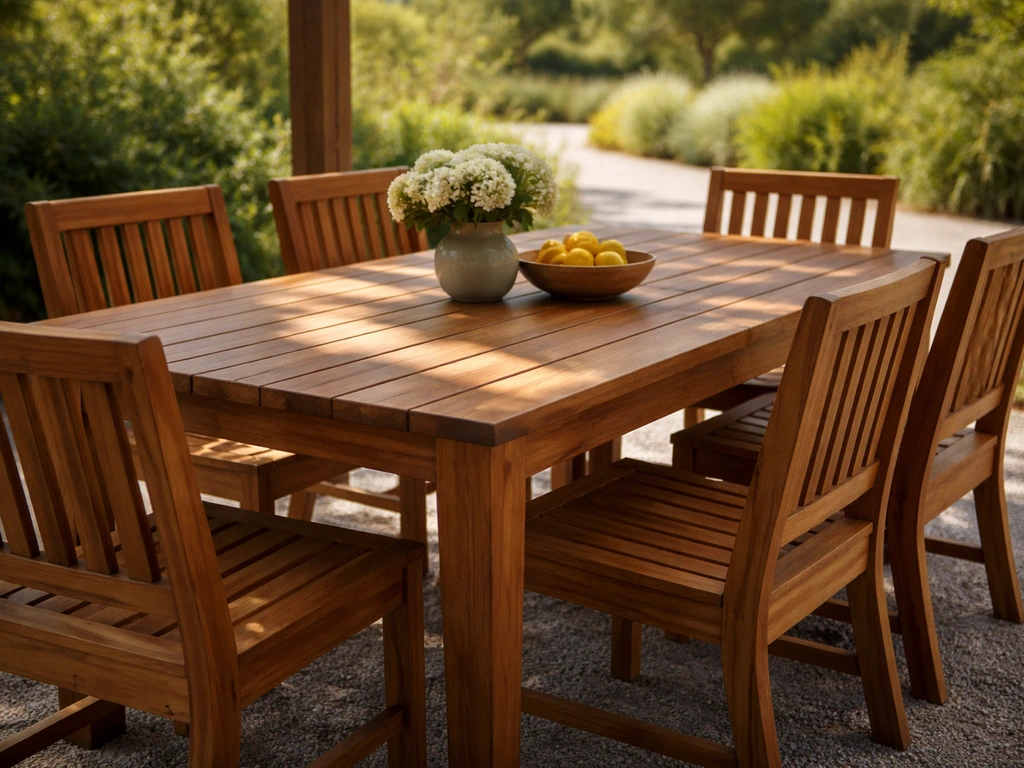
Best Wooden Patio Furniture: Choose, Compare, and Care
Guide to best wooden patio furniture: pick the right wood, compare durability, hardware and finishes, and maintain long-
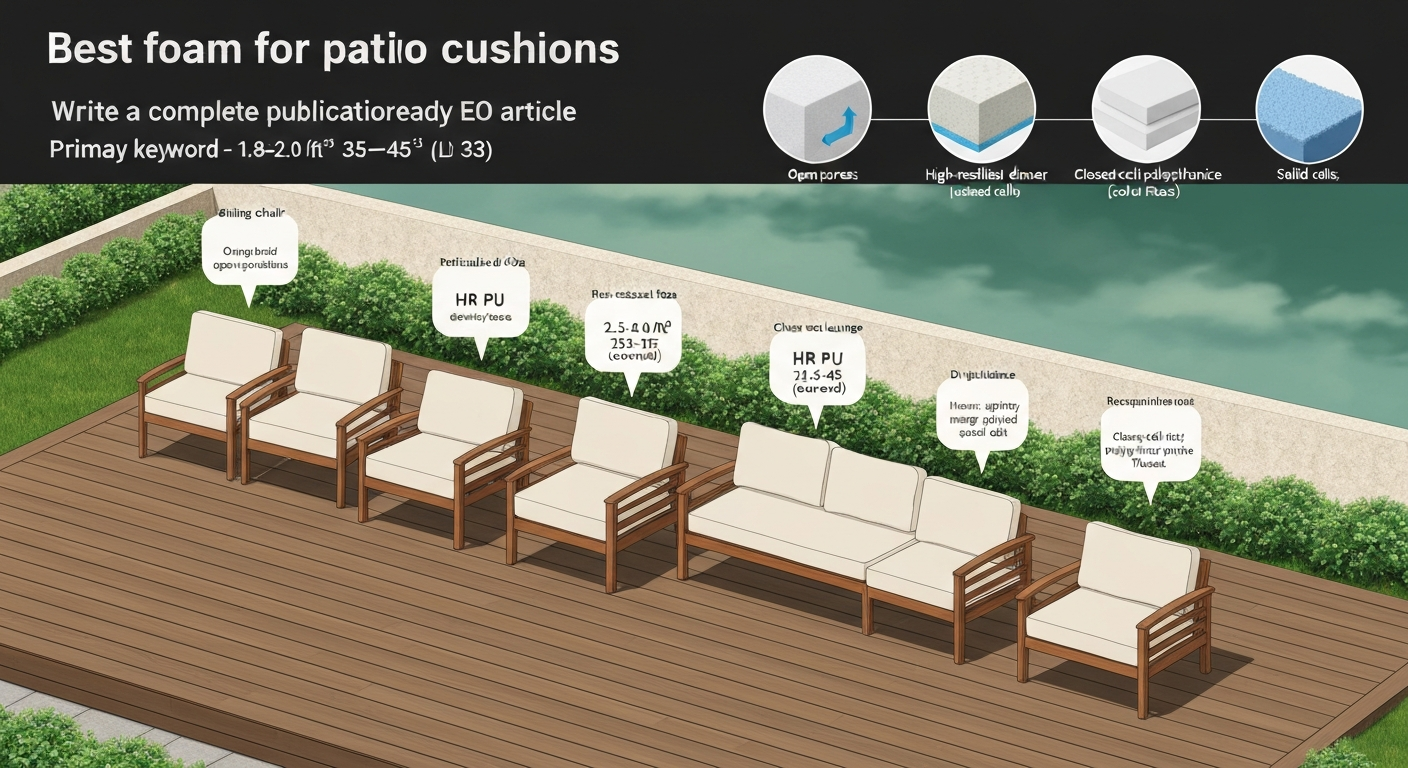
Best Foam for Patio Cushions: Guide to Durable Outdoor Cores
Best foam for patio cushions: choose durable, quick‑dry cores, specs, and buying tips for weatherproof comfort.
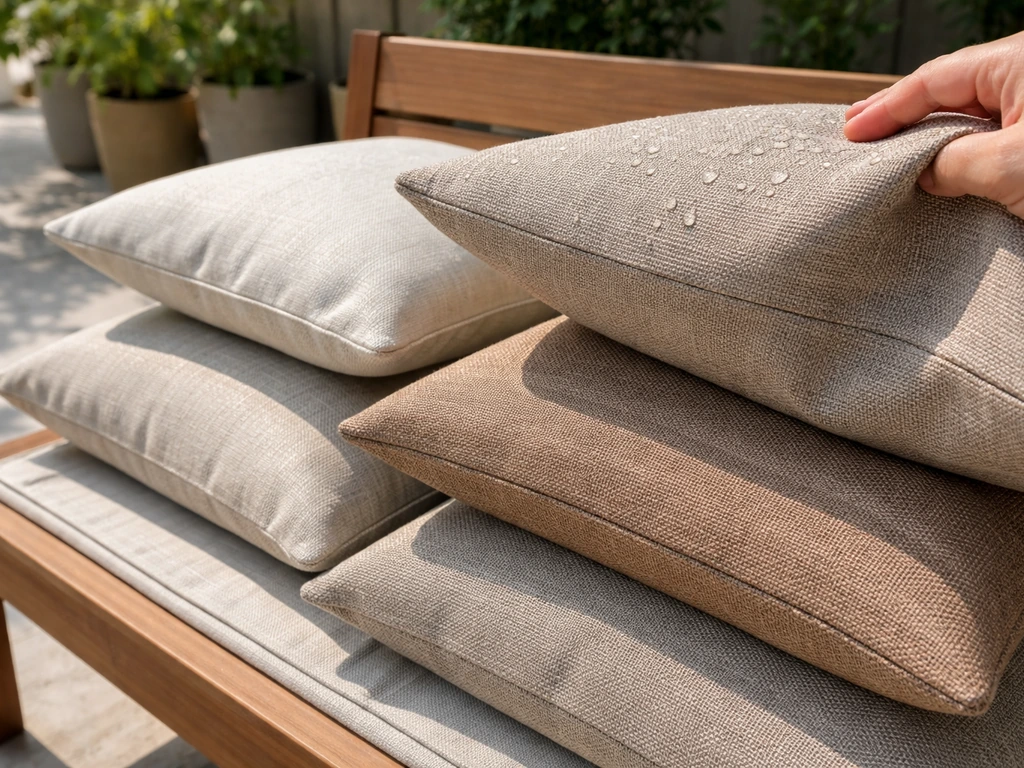
Best Fabric for Outdoor Patio Cushions: A Buying Guide
Pick the best outdoor cushion fabric by UV, mildew and water resistance, colorfastness, and care tips for your climate.