If your crossword clue says 'common patio furniture wood,' the answer is almost certainly TEAK. That's the dominant one-word answer across major crossword databases, and it makes total sense: teak is the most recognized outdoor furniture wood in the world, prized for its natural oils, rot resistance, and decades-long lifespan. But if you landed here because you're also trying to figure out which wood to actually buy for your patio, you're in the right place. The crossword answer and the real-world best answer often line up, and this guide covers both.
Common Patio Furniture Wood Crossword Answers and Care

Theo Tierney
20 May 2026
Most likely crossword answers for 'common patio furniture wood'
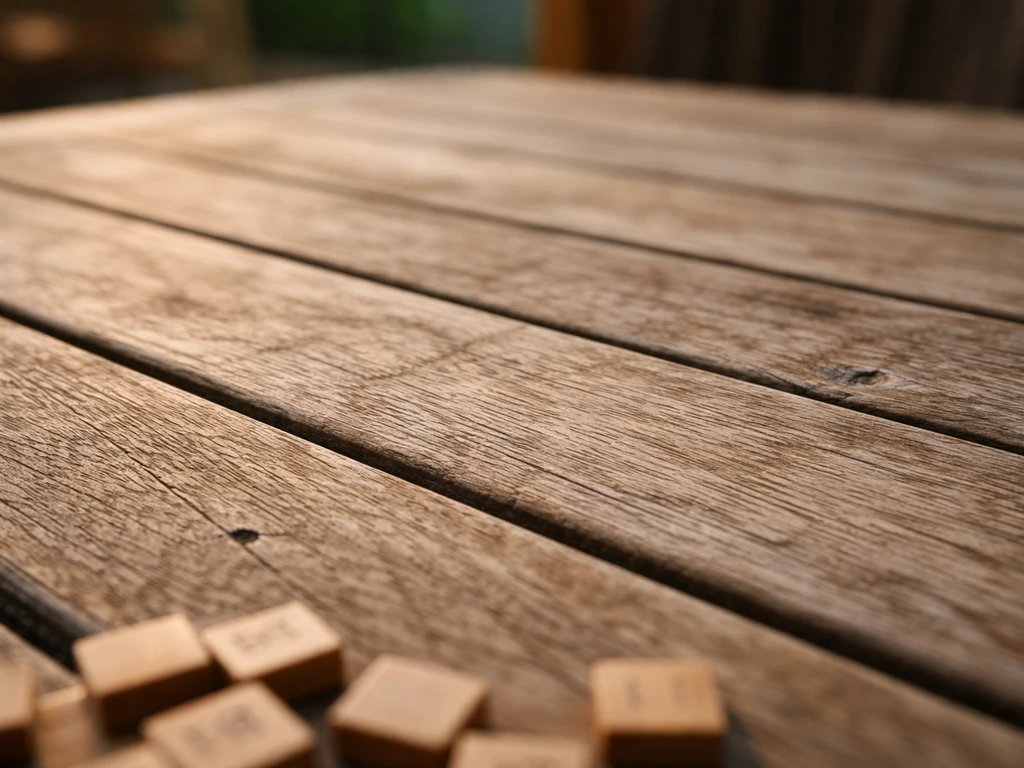
TEAK is the answer. Crossword Heaven lists it as the single answer for the exact clue 'common patio furniture wood,' and it also appears as the top match for related phrasings like 'patio furniture wood' and 'like some patio furniture.' If you're filling in a four-letter grid, TEAK is your answer every time.
That said, crossword clues do vary, and some puzzles use wordplay or alternate phrasings that could point to other woods. Here are the runners-up you might encounter, along with the letter counts to help you confirm the fit:
| Wood | Letters | Why it shows up in puzzles |
|---|---|---|
| TEAK | 4 | Most common answer; classic outdoor furniture wood |
| CEDAR | 5 | Widely used softwood for outdoor furniture and decking |
| REDWOOD | 7 | American classic, often clued alongside cedar |
| IPE | 3 | Short, useful for tight grids; premium tropical hardwood |
| ACACIA | 6 | Increasingly common in crosswords as it gains furniture market share |
| EUCALYPTUS | 10 | Less common in crosswords but a real outdoor furniture wood |
For most standard crossword puzzles, just go with TEAK. It's the answer that fits both the most common letter pattern and the real-world truth about outdoor furniture.
Why these woods hold up outdoors (the durability science, simply explained)
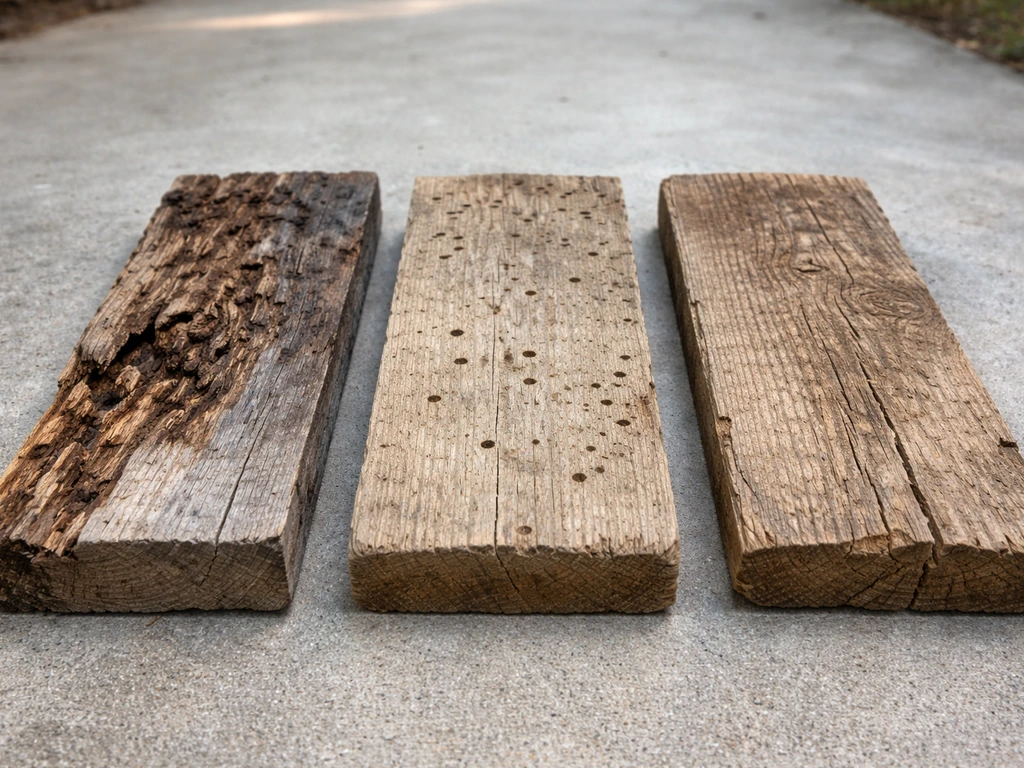
Wood survives outside when it can resist the three main threats: rot fungi, insects (especially termites), and moisture-driven movement (warping, cracking, splitting). The key is what's in the heartwood, the dense inner core of a mature tree. Heartwood contains natural extractives, oils, resins, and compounds that act as built-in preservatives. Sapwood (the lighter outer rings) doesn't have these compounds and breaks down much faster outdoors, which is why quality outdoor furniture is always cut from heartwood.
The EN 350-2 durability classification system rates woods from Class 1 (very durable, 25+ year ground contact life) down to Class 5 (not durable). Teak sits at Class 1. Ipe does too, and it's arguably the hardest commonly available outdoor wood at around 3,684 lbf on the Janka hardness scale, compared to teak at roughly 1,000 to 1,500 lbf. Cedar and redwood land in the Class 3 to 4 range, which still means decades of above-ground service with basic care.
Teak's famous durability comes from its high silica content and natural teak oils, which repel water and resist both rot fungi and insects. Ipe is so dense that water and fungi simply can't penetrate it easily. Cedar's aromatic heartwood contains thujaplicins and other compounds that repel insects and resist decay. Redwood similarly relies on tannins and resins in its heartwood. Eucalyptus and acacia are both dense tropical hardwoods that bring natural oil content and tight grain structure to the table.
Which wood to choose for your climate
The 'best' outdoor wood isn't universal. Where you live changes what survives and what suffers. Here's how the main options stack up across the climates where patio furniture takes the most abuse.
Coastal and humid climates (salt air, high humidity, frequent rain)
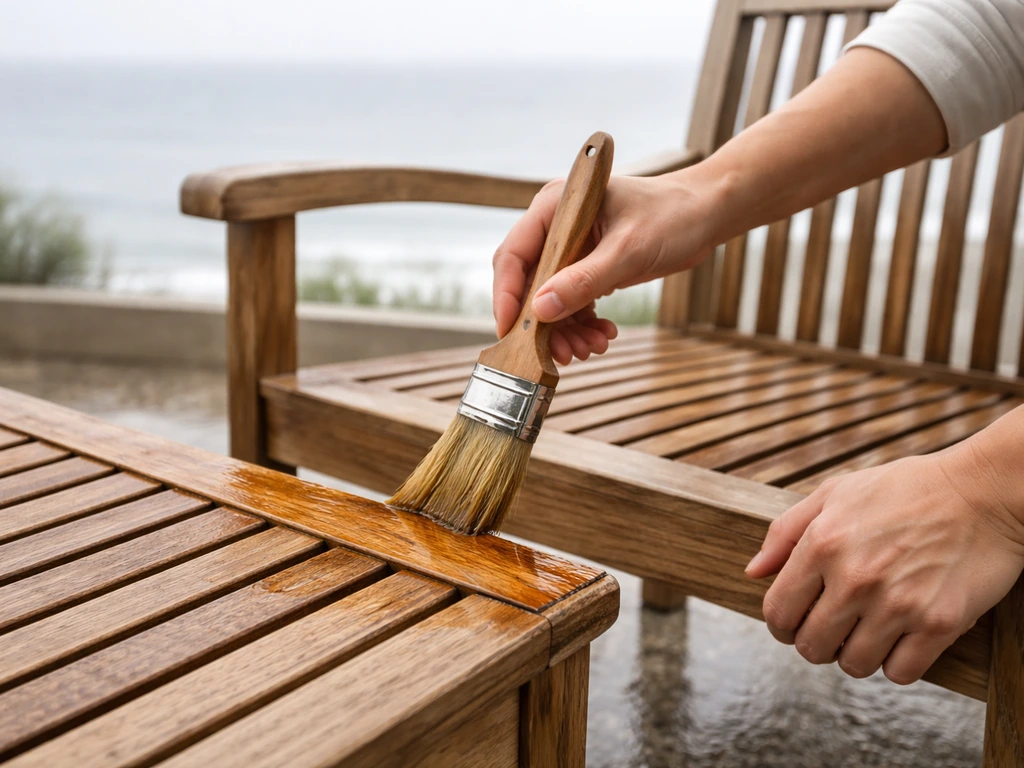
Salt air is brutal on finishes and accelerates rot in any wood that's not naturally oily. Teak is the gold standard here, and it's not really close. Its natural oils mean it can sit in salty, humid air without a finish and still last decades. Ipe is another excellent choice, and its extreme density makes it practically impervious to moisture. Eucalyptus and acacia perform reasonably well but need annual oiling to stay ahead of the humidity. Cedar and redwood will work but require more diligent sealing in coastal conditions.
Cold and wet climates (freeze-thaw cycles, snow, persistent moisture)
Freeze-thaw is the real killer. Water gets into wood grain, freezes, expands, and opens micro-cracks that invite rot. Dense woods handle this better because there's simply less pore space for water to enter. Teak and ipe both perform well here, largely because of their density. Cedar also does surprisingly well in cold climates because it's naturally dimensionally stable, meaning it doesn't expand and contract as aggressively as some other woods. Whatever wood you choose, keeping it off the ground and covered or stored during the worst winter months is the single biggest longevity move you can make.
Hot and sunny climates (UV exposure, heat, dry conditions)
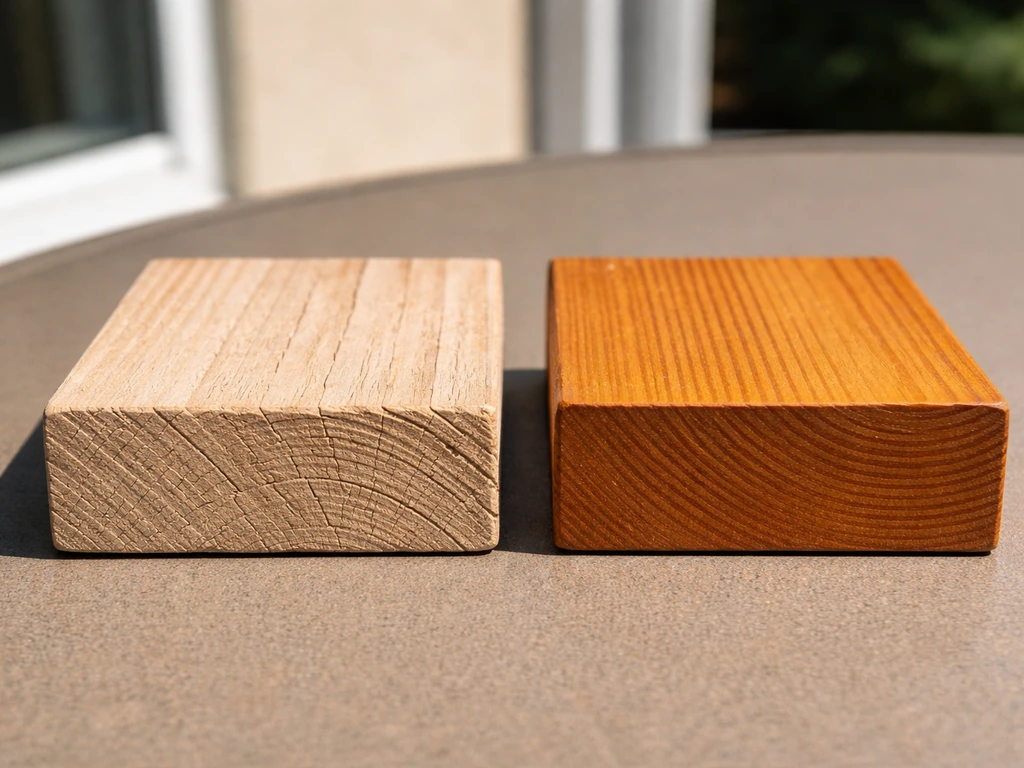
UV radiation breaks down lignin, the glue that holds wood fibers together, and causes fading and surface checking (small surface cracks). All unfinished wood will eventually gray out in direct sun. Teak and ipe hold up the best structurally in high heat, though both will gray without a UV-blocking oil or sealant. Redwood and cedar are actually quite popular in hot dry climates like the Southwest because they're lightweight, naturally stable, and respond well to penetrating oil stains. In Arizona or Southern California, annual oiling is enough to keep them looking good for many years.
Climate comparison at a glance
| Wood | Coastal/Humid | Cold/Freeze-Thaw | Hot/Sunny | Maintenance Level |
|---|---|---|---|---|
| Teak | Excellent | Excellent | Excellent | Low (optional oiling) |
| Ipe | Excellent | Excellent | Excellent | Low (annual oiling) |
| Cedar | Good | Good | Good | Medium (seal every 1-2 yrs) |
| Redwood | Good | Good | Good | Medium (seal every 1-2 yrs) |
| Eucalyptus | Good | Fair | Good | Medium (annual oiling) |
| Acacia | Fair | Fair | Good | Medium (oil every 6 months) |
Maintenance and finishing: what each wood actually needs
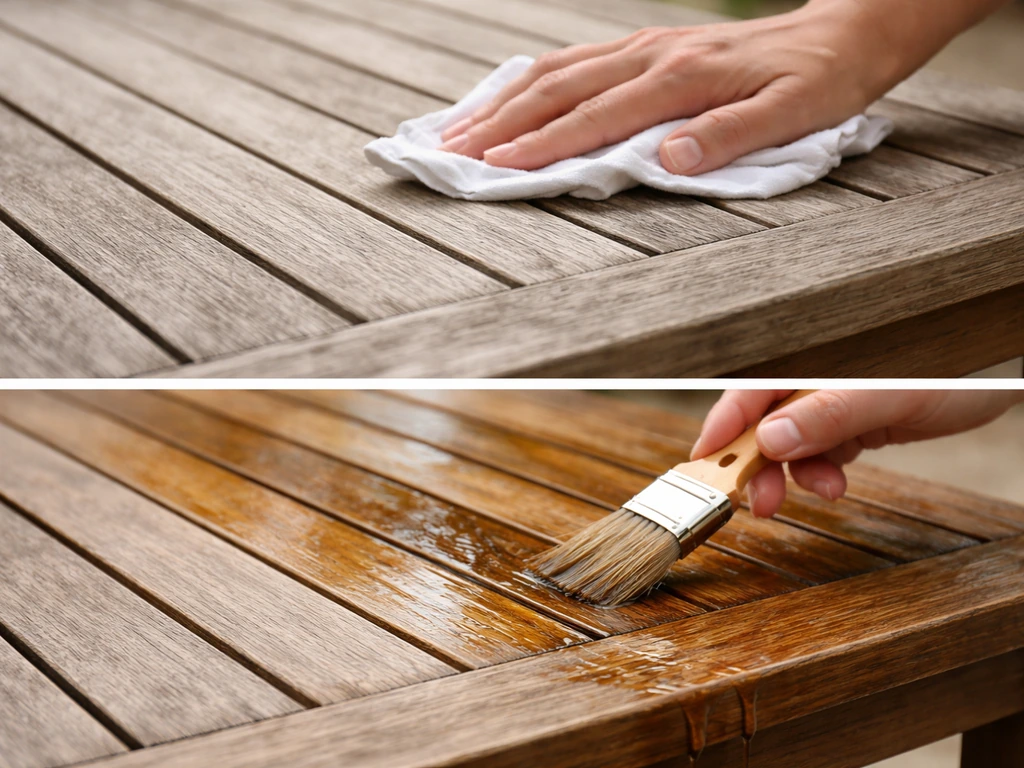
Here's where a lot of homeowners get misled by marketing. No outdoor wood is truly 'maintenance-free,' but some are close. The difference between a piece lasting 10 years and lasting 40 years is almost always consistent, light maintenance rather than intensive annual projects.
Teak
Teak is the easiest to maintain of all premium outdoor woods. Left alone, it weathers to a silver-gray patina that many people actually love. If you want to preserve the warm honey-brown color, apply a quality teak oil or outdoor-rated penetrating oil every 2 to 3 months during heavy-use seasons. To slow UV damage and mildew, look for oils with UV inhibitors specifically formulated for teak. Small surface cracks are normal and don't indicate structural failure. Clean with mild soap and a soft brush, rinse well, and let it dry completely before oiling. Never use a pressure washer on teak: it raises the grain and strips the natural oils faster than sun and rain combined.
Ipe
Ipe is so dense it's almost more like a stone than a wood. It won't rot or check the way softer woods do, and its claimed lifespan of 75-plus years in outdoor use is actually believable given its density and natural extractives. The main maintenance task is oiling once a year with a hardwood deck oil or ipe oil to keep the surface from checking in dry conditions. Ipe left completely unfinished will turn gray and develop small surface checks, but these are cosmetic, not structural. Sand lightly before oiling if the surface has gotten rough.
Cedar
Cedar is a softwood, so it needs more attention than teak or ipe. Apply two coats of a penetrating oil-based stain when the furniture is new (not a film-forming varnish, which will peel). To get the best wood patio stain results, choose a penetrating oil-based product matched to your wood type and reapply on schedule penetrating oil-based stain. After that, plan to recoat every one to two years depending on how much direct sun and rain it gets.
Watch for knots, small checks, and minor warping: these are normal for cedar and don't mean the furniture is failing. Avoid letting water pool on flat surfaces, and keep cedar furniture off direct ground contact where moisture can wick up into the end grain.
Redwood
Redwood behaves similarly to cedar but with slightly better natural decay resistance. It's particularly stable dimensionally, which means less warping and cracking over time. Apply a penetrating exterior oil or stain on new furniture, and plan to touch it up every year or two. Redwood with minimal maintenance can genuinely last decades, especially in above-ground applications like chairs, benches, and tables. Forever Redwood notes that their redwood is ideal for outdoor furniture and that it can last for decades with minimal maintenance, along with guidance on care and finishing Redwood with minimal maintenance can genuinely last decades. The main failure mode is end-grain rot where pieces contact soil or pooled water, so elevation and good drainage matter.
Eucalyptus and acacia
Both of these tropical hardwoods are increasingly popular as budget-friendlier alternatives to teak. They're denser than cedar or redwood and have decent natural oil content. For eucalyptus, apply a teak oil or linseed-based outdoor oil annually. For acacia, a deep oiling with teak oil or outdoor furniture oil every six months keeps it looking good and prevents drying and cracking. A 'teak sealer' (a penetrating sealant rather than a surface film) applied after oiling adds an extra layer of protection for both species. Both woods will gray without treatment, so if you want to maintain the warm brown color, consistency with the oil schedule matters.
How to figure out what wood your patio furniture is actually made of
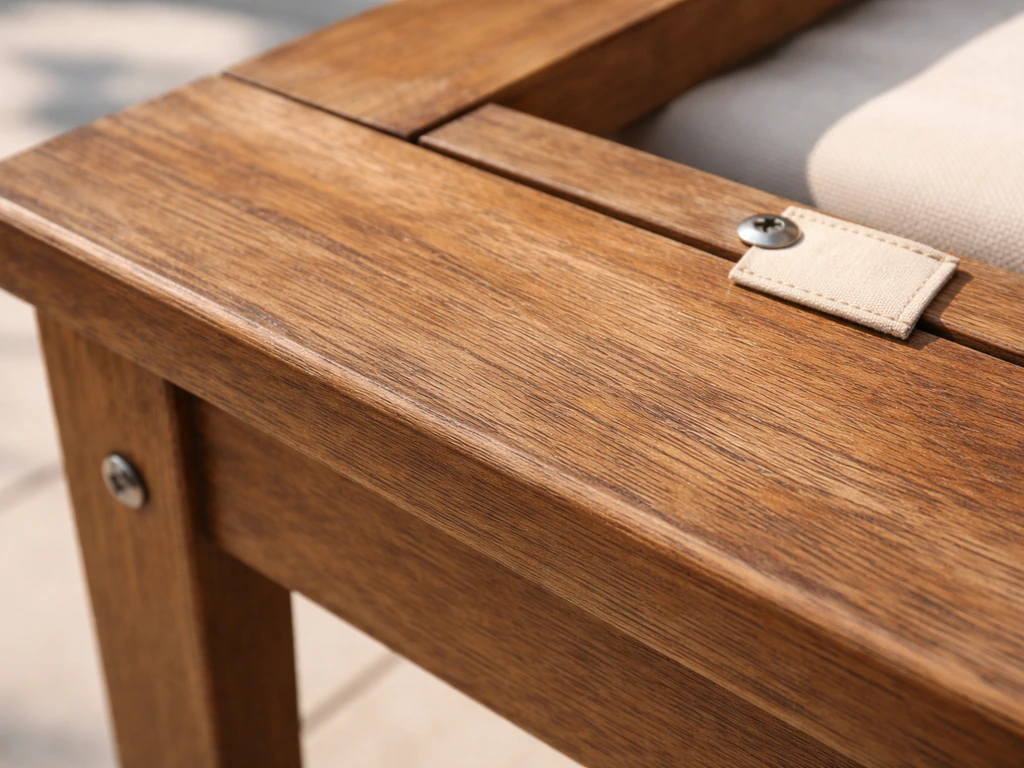
If you're not sure what wood you're working with, there are a few practical ways to narrow it down before you start applying the wrong product.
- Check the tag, label, or documentation. New furniture usually ships with a care sheet or instruction booklet that names the wood species. If you bought it recently, check the retailer's product page too. Quality manufacturers will specify '100% FSC Certified Teak' or similar.
- Look at the weight. Teak and ipe are noticeably heavier than cedar or redwood for the same piece size. If a chair feels surprisingly heavy and dense, you're likely dealing with a tropical hardwood.
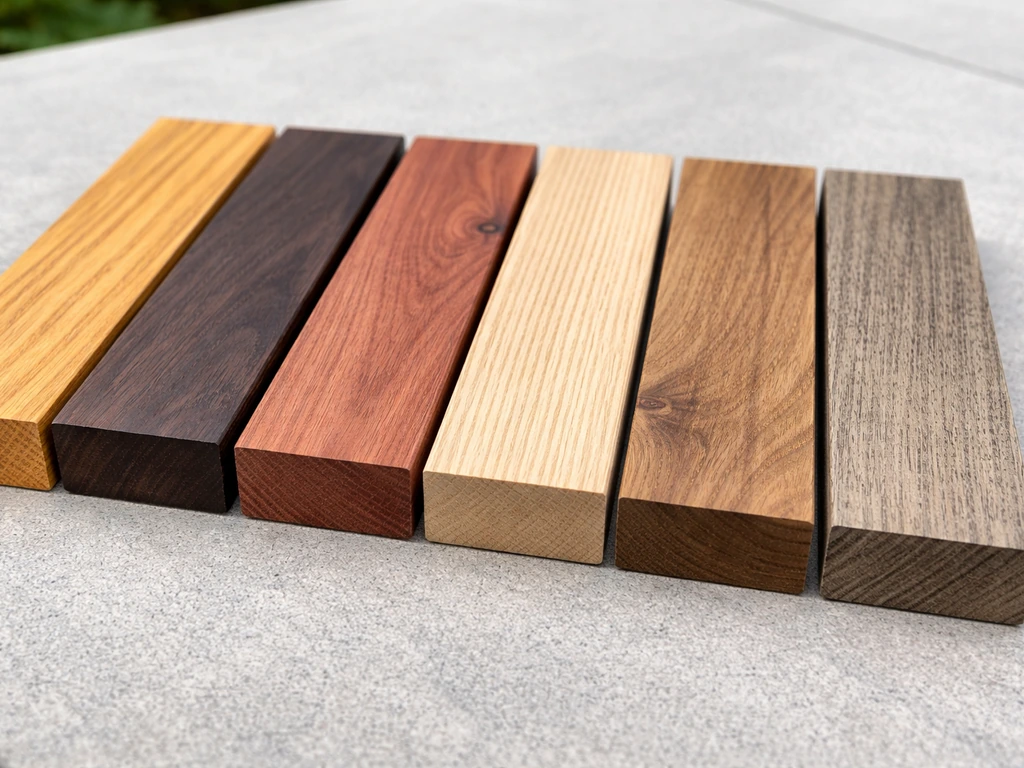
- Check the grain and color. Teak has a straight, even grain with a warm golden-brown color when new and prominent oily feel when you rub the surface. Ipe is typically dark brown to reddish-brown with a very fine, tight grain. Cedar is lighter in color (pale yellow to pinkish-brown) with a more pronounced, sometimes irregular grain and a distinctive aromatic smell. Redwood is a deep reddish-brown with straight grain.
- Do a scratch test on an inconspicuous spot. Dense woods like teak and ipe are very hard to scratch with a fingernail. Cedar and redwood dent much more easily.
- Check how it responds to water. Put a few drops of water on the surface. On teak and ipe, water beads up and rolls off (natural oils). On cedar or redwood, water is absorbed more quickly unless the wood has been sealed.
- If you're still unsure, contact the manufacturer or retailer with the model number. Most will confirm the wood species.
Quick pick: the best wood for longevity and value
If you want the best overall outdoor furniture wood and budget isn't the primary constraint, teak wins. If you're deciding what to buy, these best-practice picks are exactly where “best wooden patio furniture” shoppers start.
It's been the standard for outdoor furniture for over a century because it earns it: natural rot resistance at durability Class 1, natural oils that mean it can survive without any treatment at all, and a lifespan that makes even expensive pieces a reasonable long-term investment. For most patios, the best wood for an outdoor patio balances rot resistance, moisture tolerance, and how much maintenance you are willing to do the standard for outdoor furniture.
It's also the easiest to maintain among quality outdoor woods.
If you want something close to teak performance at a lower price point, look at eucalyptus or FSC-certified acacia. Both are tropical hardwoods with decent natural durability, and they're widely available at mid-range price points. They need a bit more attention (annual oiling versus every couple months for teak), but they're a genuine step up from cedar in durability. Acacia in particular has grown a lot in quality over the past decade.
If you're in a hot, dry climate and want something locally sourced or more sustainable, cedar or redwood are honest, time-tested choices. They cost less upfront, are easy to work with and repair, and with consistent finishing they'll give you 15 to 25 years of above-ground service. Just stay on top of the oiling or staining schedule and keep them off the ground.
For the absolute toughest conditions (salt spray, heavy rain, freeze-thaw cycles) where you want to buy once and forget about it, ipe is worth the premium. Its density and natural durability are exceptional, and its 75-plus year lifespan claim is one of the more credible ones in the outdoor furniture world. The trade-offs are weight, difficulty cutting or working if you want to DIY, and a higher price tag.
- Best overall, lowest maintenance: Teak
- Best value tropical hardwood: Eucalyptus or acacia
- Best budget softwood option: Western red cedar or redwood
- Best for extreme conditions: Ipe
- Best crossword answer: TEAK (four letters, every time)
FAQ
If the crossword clue has extra words like “like some patio furniture” or “outdoor furniture wood,” is TEAK still the likely answer?
In most four-to-six letter grids, yes. “Common patio furniture wood” is TEAK, and related phrasings in the same crossword style usually keep the one-word, recognizable answer. Still, confirm the entry length and any crossing letters before locking it in.
What if my crossword entry length is not four letters, could TEAK still fit?
TEAK only matches the exact 4-letter form. If the grid needs 5+ letters, look for wood names that are commonly used as crossword answers (like “IPE” variants are often short) and use crossings first, because clue wording can shift away from the single dominant answer.
Are there common alternative crossword answers besides TEAK for “patio furniture wood”?
Yes, some puzzles use wordplay or regional phrasing that can point to other famous outdoor woods. The article covers likely runners-up, but the practical method is to treat TEAK as the default and then verify with crossings and the required letter count.
How can I tell the difference between teak heartwood and sapwood when I’m buying furniture?
Look for color contrast and ring-related variation. Heartwood is typically darker and more uniform, sapwood is lighter. Since sapwood outdoors degrades faster, mixed-color pieces or very light “outer ring” areas are a red flag for longevity.
Is it true that leaving teak alone requires no maintenance at all?
Not really. You can leave it untreated and it will gray, but to keep the warm tone and reduce mildew in humid climates, the article recommends oiling on a schedule. Think of it as low-effort maintenance, not zero maintenance.
Can I use a pressure washer to clean teak before oiling?
No. The article advises against it because it can raise the grain and remove oils faster than normal weathering. Use mild soap, a soft brush, then let it dry fully before any oiling.
Do I need to sand ipe before oiling, or can I oil over roughness?
If the surface feels rough after weathering, lightly sand before oiling as the article suggests. If it is smooth and clean, you can usually skip sanding, but you should still dry completely and avoid coating over dirt or mildew.
For cedar or redwood, what’s the biggest mistake when choosing a finish?
Using a film-forming finish like varnish or a surface coating that can peel. The article emphasizes penetrating oil-based stains, and it also stresses recoat timing based on sun and rain exposure.
What’s the safest way to prep wood before any oil or stain application?
Clean gently, rinse thoroughly, and dry completely. Oil and stains adhere and perform best on dry, contaminant-free wood, and applying over damp wood increases the chance of uneven blotching and early mildew.
How do I prevent the most common early failure, end-grain rot?
Elevate furniture so water cannot pool, especially at leg bottoms and joints. The article highlights that end-grain contact with soil or pooled water is a main failure mode for redwood and cedar, so use feet, pads, or storage practices that keep end-grain dry.
If I don’t know what wood the patio furniture is, what’s a quick decision aid before buying cleaner or oil?
Start by matching the grain and color behavior to the categories in the article, then prioritize the “maintenance risk” choice. Teak and ipe are much more forgiving if you’re unsure, while cedar needs more disciplined re-staining and proper penetrating products to avoid peeling failures.
Next Articles
Best Wood for Patio Furniture: Top Choices by Climate
Compare the best wood for patio furniture by climate, with finish and maintenance tips to prevent rot and warping.
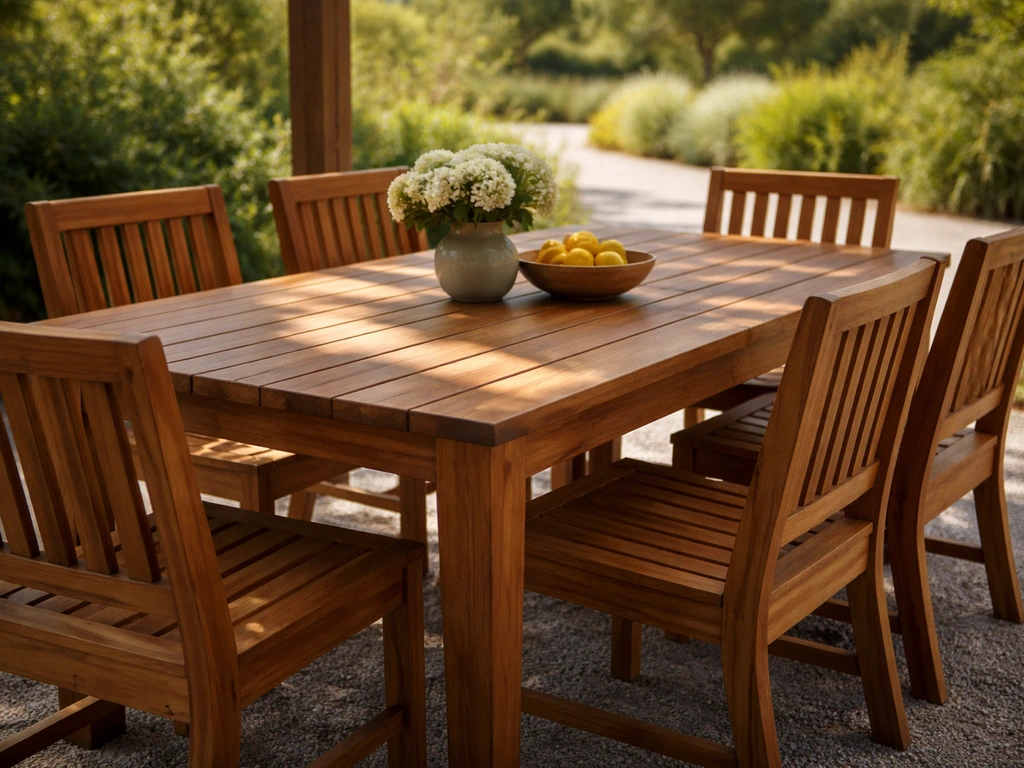
Best Wooden Patio Furniture: Choose, Compare, and Care
Guide to best wooden patio furniture: pick the right wood, compare durability, hardware and finishes, and maintain long-
Best Foam for Patio Cushions: Guide to Durable Outdoor Cores
Best foam for patio cushions: choose durable, quick‑dry cores, specs, and buying tips for weatherproof comfort.