
For most climates and budgets, teak is the best wooden patio furniture material hands-down if you can afford it, followed closely by Western red cedar, eucalyptus, and quality acacia for mid-range buyers. The "best" set, though, depends on your specific climate, how much maintenance you're willing to do each year, and whether you're buying solid hardwood or something laminated and painted to look like it. This guide will help you figure out which wood, which construction, and which finish actually fits your patio, your weather, and your life. Choosing the best wood patio stain for your climate and wood type is the next key step after matching the finish system right finish and the right construction.
Best Wooden Patio Furniture: Choose, Compare, and Care

Theo Tierney
29 Apr 2026
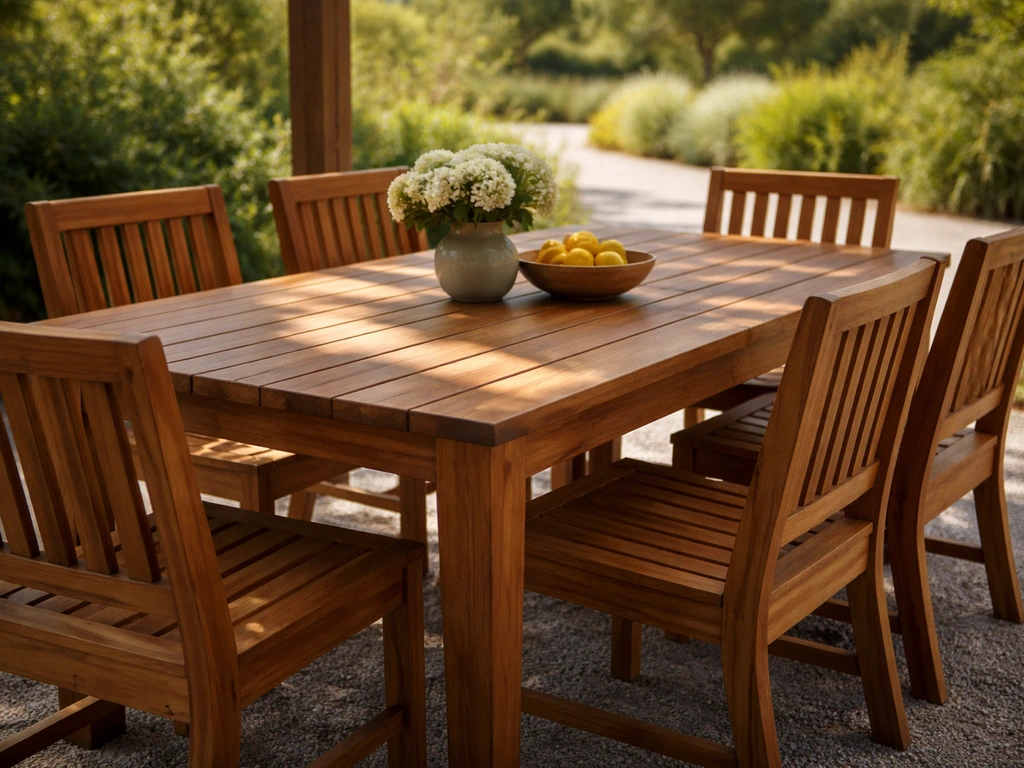
Start here: what "best" means for your patio and climate
"Best" is not a universal label. A teak dining set that thrives on a Seattle covered porch will also do well on an open Miami patio, but a painted pine set that's fine in dry Phoenix will fail fast in coastal Carolina humidity. Before you pick a wood species or a style, you need to be honest about three things: how exposed your furniture will be, how much weather your region throws at it, and how much time you'll spend maintaining it.
Think about your patio setup first. A fully covered pergola or screened porch dramatically extends the life of any wood, including species that would otherwise struggle outdoors. An open, unshaded deck in a rainy or humid climate is the hardest environment there is. Salt air on a coastal property adds corrosion stress on top of moisture stress. Direct sun in a hot, dry climate like Arizona or Southern California creates a different problem: UV degradation, cracking, and surface checking, even without much rain.
- Hot and humid (Florida, Gulf Coast, Southeast): prioritize rot-resistant heartwood species like teak or cedar; avoid acacia without annual sealing; skip painted softwoods entirely
- Rainy and mild (Pacific Northwest, Great Lakes): teak, cedar, or eucalyptus all work well; focus on drainage-friendly slat designs and stainless hardware
- Snowy winters (Midwest, Northeast): any quality wood can work if you bring cushions inside and apply a protective coat before winter; covered or indoor storage in the off-season is non-negotiable
- Coastal salt air: teak or cedar are your go-to; stainless steel or marine-grade hardware is mandatory; check every fastener before buying
- Dry heat (Desert Southwest): UV-stable oil or stain finish matters most; wood species choice is more flexible, but sealing annually prevents cracking
- Covered or semi-covered patios: opens the door to mid-grade species like acacia or eucalyptus with less maintenance risk
Once you know your exposure level and climate type, the rest of the choices get a lot simpler. You're essentially matching wood species durability to your conditions, then layering on the right finish and the right construction to compensate for whatever the species can't handle on its own. If you want the best wood for an outdoor patio, start by matching the species to your climate and then choose a finish that fits your maintenance habits best wood for outdoor patio.
Pick the right wood species for durability
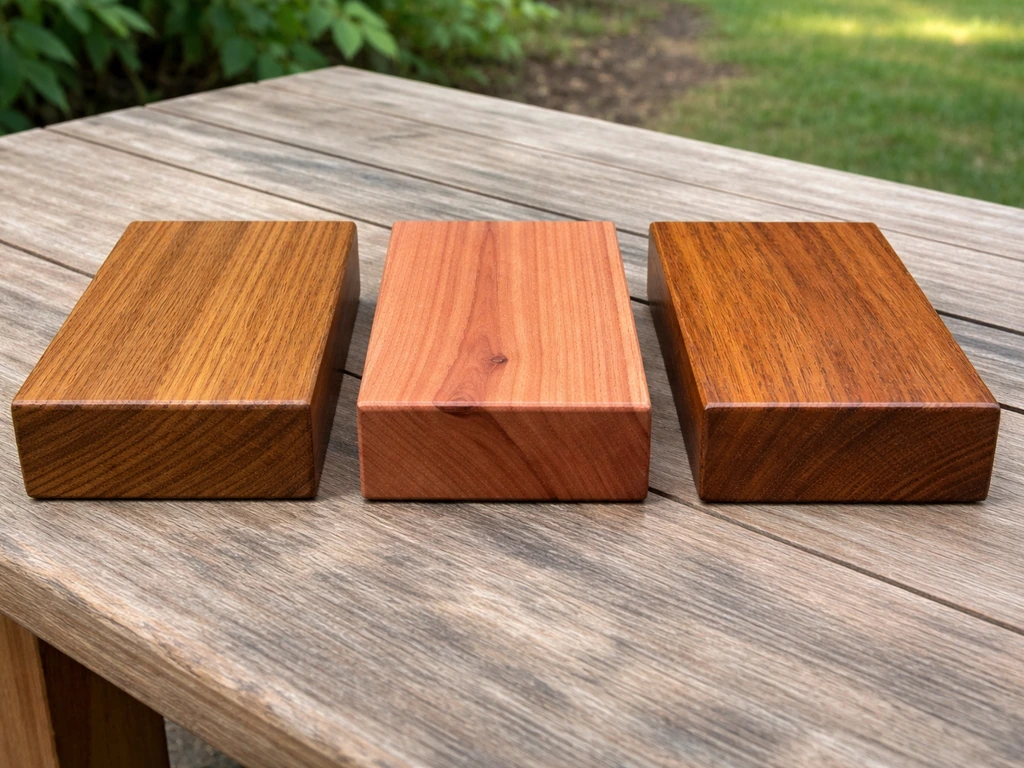
Not all wood labeled "outdoor furniture" actually belongs outside. A lot of what you'll see at big-box stores is finger-jointed pine or rubber wood dressed up with paint or a stain. It can look great in the showroom and fall apart in two seasons. The species below are worth your money outdoors, and they perform very differently from each other.
One thing worth understanding before you shop: the durability difference between heartwood and sapwood is real and significant. The heartwood (the dense inner core of a tree) contains natural chemical extractives that resist rot, insects, and moisture. Sapwood (the outer rings) is more permeable and far less durable, even in species known for weather resistance. This matters because a piece labeled "teak" or "cedar" might have sapwood mixed in, and that portion will degrade much faster. Look for furniture made from heartwood cuts, and be skeptical of anything that looks very pale or light-colored in a species that's typically darker.
Teak
Teak is the gold standard for outdoor wood furniture, and it earns that reputation. It's naturally high in silica and oils that repel water, resist rot, and hold up to insects without any treatment at all. blank" rel="noopener noreferrer">Left untreated, teak weathers to a silver-gray patina that many people find attractive. Apply teak oil or a UV-stable sealer and it stays golden-brown. Quality teak furniture from reputable brands will last 25 to 50 years outdoors with minimal effort. The downside is cost: expect to pay $800 to $2,500 for a solid teak dining set, and much more for top brands. Also verify the source, since plantation-grown teak from Indonesia or other certified sources is more sustainable than old-growth.
Western red cedar and redwood
Western red cedar and redwood are the best North American alternatives to teak. The Canadian Wood Council lists both among the naturally durable exterior species, specifically noting heartwood extractives as the driver of that performance. The Canadian Wood Council also explains that extractives deposited in heartwood drive the natural durability of these species compared with sapwood heartwood extractives as the driver of that performance. Cedar in particular is lightweight, naturally resistant to rot and insects, and takes stain and paint extremely well. Redwood is similarly durable and has a distinctive warm tone that many homeowners love. Both are more affordable than teak, typically $400 to $1,200 for a dining set, and they're widely available. The trade-off is that they need a protective oil or stain applied every one to two years to prevent surface checking and graying in exposed conditions.
Eucalyptus
Eucalyptus is one of the better mid-range options that often gets overlooked. It's a fast-growing hardwood with natural oils similar to teak, good rot resistance, and decent UV stability. It's denser and heavier than cedar, which means it stays put in wind better but is harder to move around. Quality eucalyptus furniture typically runs $500 to $1,500 for a set and holds up well in humid or rainy climates. Annual oiling keeps it looking good. The main watch-out: a lot of lower-cost eucalyptus furniture uses fast-grown plantation wood with more sapwood content, which underperforms. Look for furniture that specifies FSC-certified heartwood-dominant cuts.
Acacia
Acacia has become hugely popular because it photographs beautifully and is relatively affordable, often $300 to $900 for a full set. It's a legitimate hardwood with decent natural durability, but it's more variable than teak or cedar because "acacia" covers dozens of species with different performance profiles. It's prone to cracking and splitting in dry or very hot conditions, and it needs oiling at least once a year in most climates, twice a year in humid regions. For a covered patio or a drier climate where you'll keep up with maintenance, acacia is a solid value. For a wet, exposed patio where you want low maintenance, push your budget toward cedar or eucalyptus instead.
Painted or stained softwoods (pine, spruce, fir)
Pressure-treated pine and similar softwoods can work outdoors when properly finished and maintained, but they require the most diligence. They're not naturally rot-resistant in the same way the species above are, and they depend entirely on their coating for protection. If you're buying a painted pine or spruce set because it matches a specific look or fits a tight budget, just go in knowing you're signing up for annual inspection and refinishing. Any crack in the paint lets moisture in, and softwood rot can follow quickly. For humid or coastal environments, I'd skip these entirely.
| Wood Species | Natural Durability | Best Climate Fit | Maintenance Level | Typical Set Cost |
|---|---|---|---|---|
| Teak | Excellent | Any climate, any exposure | Low (oil every 1-2 years, or let it gray) | $800–$2,500+ |
| Western Red Cedar | Very Good | Rainy, humid, moderate climates | Moderate (stain or oil every 1-2 years) | $400–$1,200 |
| Redwood | Very Good | Rainy, moderate, dry climates | Moderate (stain or seal every 1-2 years) | $500–$1,400 |
| Eucalyptus | Good-Very Good | Humid, rainy, mild climates | Moderate (oil annually) | $500–$1,500 |
| Acacia | Moderate | Covered or drier climates | Moderate-High (oil 1-2x per year) | $300–$900 |
| Softwood (pine, fir) | Low | Dry, low-humidity climates or covered only | High (inspect and refinish annually) | $200–$700 |
Construction and hardware checks that prevent early failure
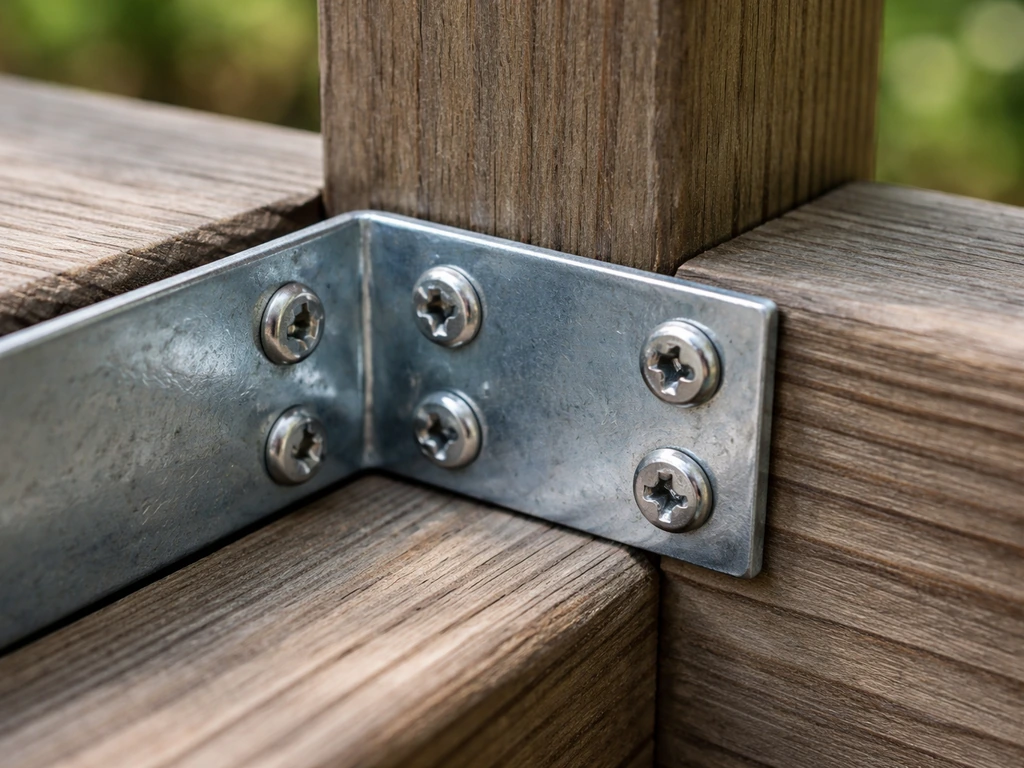
Even the best wood species will fail early if the construction is sloppy. The joint design, fastener choice, and overall build quality matter as much as the wood itself, and this is where a lot of budget furniture cuts corners in ways that aren't visible until year two.
Joinery to look for
Mortise-and-tenon joints are the gold standard for outdoor wood furniture. They interlock the wood itself rather than relying purely on fasteners, which means the joint stays strong even as the wood expands and contracts with humidity changes. Dowel joints are acceptable in lower-stress areas like chair backs. Butt joints held together only by screws or staples are a red flag, especially on legs and frame connections. If a product listing doesn't mention the joinery type, look for detailed photos of the frame corners, or ask the retailer directly.
Hardware: the most overlooked failure point
Rusty hardware is one of the most common ways wooden patio furniture fails early, and the stains it leaves in the wood are nearly impossible to remove. For any furniture that will see rain, humidity, or salt air, you want stainless steel fasteners, specifically grade 304 stainless for most climates or 316 marine-grade stainless for coastal use. Zinc-plated or galvanized hardware is acceptable for covered or drier-climate use but will eventually rust in persistently wet conditions. Check the product listing specifically for fastener material. If it says "rust-resistant hardware" without specifying the type, assume it's zinc-plated, which is a lower grade.
Slat design and drainage
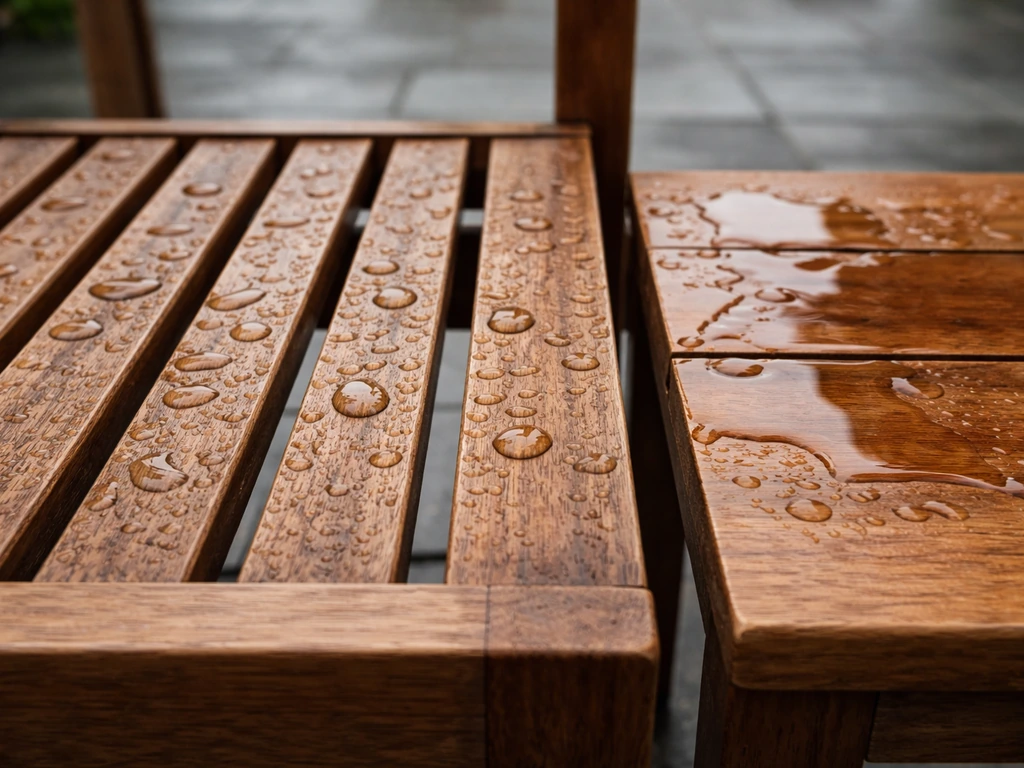
For chairs and tables that will sit in open, exposed conditions, the slat or plank design matters for drainage. Furniture with tight, flat surfaces where water can pool will hold moisture against the wood longer, accelerating rot and finish breakdown. Slatted or contoured designs that let water shed quickly are better for exposed conditions. Table tops with small gaps between boards are ideal. Solid panel tabletops need to be well-sealed on all six faces, including the underside and the end grain, to prevent moisture wicking.
Solid wood vs. engineered outdoor wood
Some furniture marketed as "wood" uses finger-jointed or laminated pieces, sometimes with a veneer over a less durable core. For outdoor use, solid wood is strongly preferable. Laminated or finger-jointed pieces can work if they're made with exterior-grade adhesive and fully sealed, but you have to verify this, and most budget products don't specify. Watch for very uniform, suspiciously smooth grain patterns that can indicate veneer. If the weight seems light for the species listed, that's another clue the wood may not be what it appears.
Finishes and coatings: what to choose and what maintenance to expect
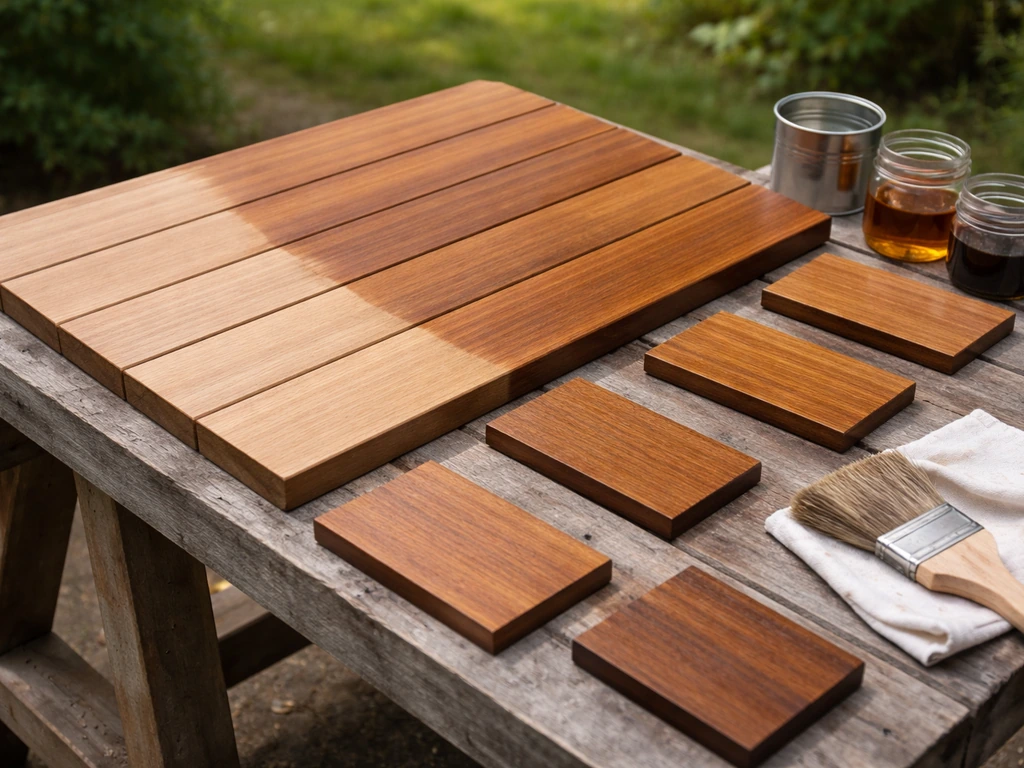
The finish on your outdoor wood furniture isn't just cosmetic. It's the primary defense against UV damage, moisture infiltration, and surface degradation. Different finish systems have genuinely different performance profiles and different maintenance demands, and picking the wrong one for your lifestyle leads to a lot of wasted time and money.
Penetrating oils
Teak oil, linseed oil, and purpose-made outdoor wood oils soak into the wood fibers rather than sitting on the surface. They're the easiest finish to apply and maintain because there's no peeling or flaking: you just clean and reapply when the wood looks dry, typically once a year for most species and climates. The trade-off is that oils provide less UV protection than film-forming finishes, and the wood may still gray somewhat between applications. For teak, many owners skip oil entirely and let the silver-gray patina develop. For cedar or eucalyptus, an annual oil treatment is a good maintenance habit.
Stains
Penetrating stains (semi-transparent to solid) give better UV protection than plain oil while still soaking into the wood. They don't peel like paint, but they do fade and need reapplication every one to two years depending on sun exposure. For cedar and redwood especially, a good exterior semi-transparent stain is often the best balance of protection, aesthetics, and low-effort maintenance. Look for stains specifically labeled for outdoor or exterior wood furniture, not deck stains, which are formulated for horizontal, high-traffic surfaces and can feel tacky on furniture.
Sealers and varnishes
Film-forming finishes like spar varnish, exterior polyurethane, or tung oil varnish create a hard surface layer with strong UV and moisture resistance. They look great initially, especially on naturally beautiful grain like teak or eucalyptus. The problem outdoors is that film finishes crack and peel as the wood expands and contracts with temperature and humidity changes, and once peeling starts, you have to strip the whole piece back to bare wood before recoating. For furniture in stable, covered conditions, a sealer can work well. For open, exposed furniture, I'd generally recommend a penetrating oil or stain over any film finish.
Paint
Exterior paint gives the most UV and moisture protection of any finish, and it's the right choice for softwood furniture that doesn't have natural oil content. Use a quality exterior acrylic-latex paint, prime the bare wood thoroughly including end grain, and plan to inspect annually for cracks or chips. Repaint any damaged areas immediately. Full repainting is typically needed every three to five years in moderate climates, sooner in high-UV or coastal conditions.
How to shortlist sets and pieces by layout, comfort, and budget
The wood species and finish matter, but so does whether the furniture actually fits your patio and feels comfortable to use. A beautiful teak set is a bad buy if it crowds your deck or the chairs aren't comfortable enough to sit in for more than 20 minutes.
Size and layout
Measure your patio before you do anything else. Leave at least 36 inches of clearance around the perimeter of any dining table for chair pull-out, and 24 to 30 inches between table edge and wall or railing for a tight fit. A standard outdoor dining table is 28 to 30 inches tall; chairs with 17 to 19 inch seat heights work with these. For conversation or lounge seating, leave at least 18 inches of space between a sofa or loveseat and a coffee table, and allow walking paths of at least 24 inches through the seating area. Sketch your layout on paper or use a free online room planner before you commit.
Comfort and ergonomics
Wooden chairs without cushions are comfortable for about 20 minutes for most people. If you're buying a dining set and plan to use it for long meals, either buy chairs with cushion pads included or verify that after-market cushions are available in the right dimensions. Seat depth on outdoor chairs should be at least 16 inches, preferably 17 to 19 inches. Chair backs with a slight recline (around 100 to 105 degrees) are noticeably more comfortable than perfectly upright backs. For lounge chairs and deep-seating sets, try to sit in them in person if possible. Wood lounge chairs with no padding are a hard sell for more than 30 minutes of reading or relaxing.
Budget reality check
Budget $400 to $700 for a basic but solid cedar or acacia dining set from a reputable retailer if you want something that will genuinely last five or more years with annual care. Budget $800 to $1,500 for a quality eucalyptus or mid-grade teak set that will last a decade or more. Budget $1,500 to $3,000 or more for premium teak from brands like Kingsley Bate, Barlow Tyrie, or similar, where you're buying 25 to 50 year longevity. Anything under $300 for a full dining set is almost certainly softwood, high-sapwood content, or both, and is not a good long-term investment for open outdoor use.
Scenario shortlist by climate and use
- Hot and humid, open patio: teak or Western red cedar with annual oil; stainless hardware mandatory
- Rainy mild climate, open patio: teak, cedar, or eucalyptus with penetrating stain; prioritize slatted drainage design
- Snowy winters, open patio: any quality hardwood works if you store cushions inside and apply a coat before winter; consider furniture covers
- Coastal salt air: teak or cedar with 316 marine-grade stainless hardware; inspect and re-oil every spring
- Covered or semi-covered patio, any climate: eucalyptus or acacia are solid mid-range values; finish options open up
- Dry desert heat: acacia or cedar with a UV-stable oil or stain; re-seal before summer and after monsoon season
Maintenance plan: cleaning, re-finishing, and seasonal protection
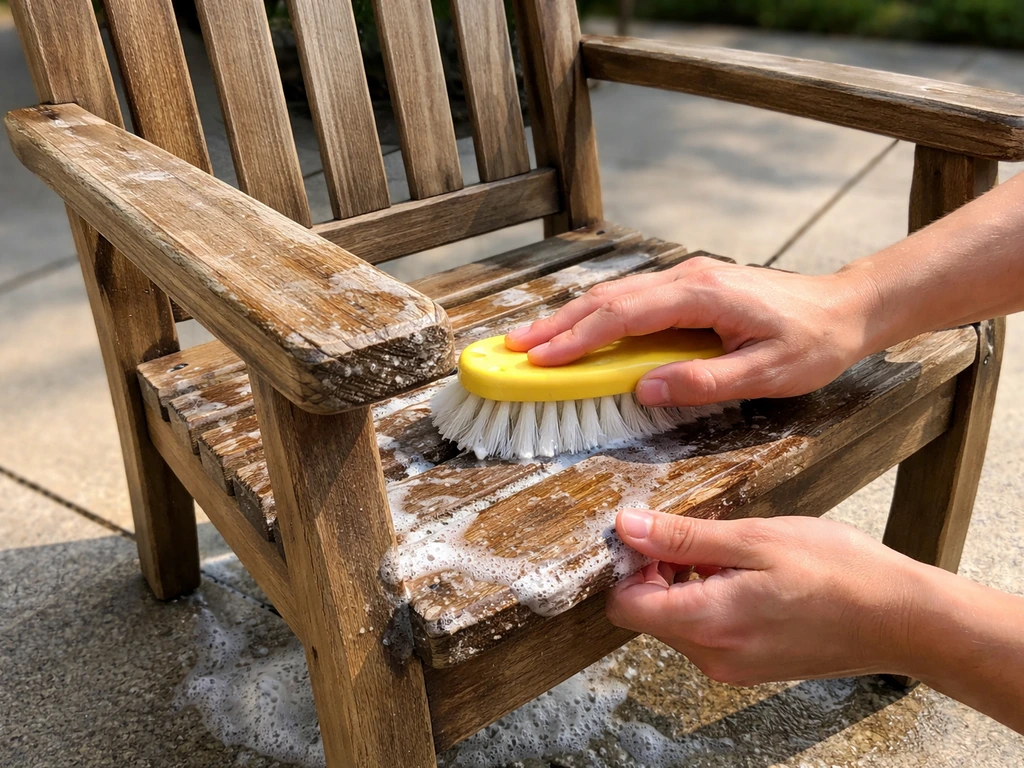
The single biggest reason wooden patio furniture fails early is inconsistent maintenance. For buyers who want common patio furniture wood that holds up with less effort, focus on heartwood cuts and a finish suited to your climate. If you're shopping for common patio furniture wood crossword style answers, look for durable wood species and the right finish for your climate wooden patio furniture fails early. The good news is the work isn't hard; it just needs to happen on a schedule. Here's a realistic annual plan that works for most wood species and climates.
Spring setup
When you bring the furniture back out or uncover it, start with a thorough cleaning. Mix a mild dish soap or a purpose-made outdoor wood cleaner with warm water, scrub with a soft brush following the wood grain, and rinse well. Let it dry completely, at least 48 to 72 hours in warm weather, before applying any finish. Inspect all joints and hardware at this point. Tighten any loose fasteners. If you see rust stains from hardware, that hardware needs to be replaced now, not later.
Mid-season check
In humid climates or for furniture under constant sun, do a quick mid-season check around July or August. Look for surface checking (small cracks in the wood), gray discoloration indicating finish depletion, or any mold and mildew growth in joints or shaded areas. A light cleaning and a spot application of oil or stain on bare areas can add months of protection without doing a full refinish.
Fall prep and storage
Before temperatures drop below freezing or the rainy season peaks, give the furniture one more cleaning and a fresh coat of oil or stain if needed. Store cushions indoors or in a waterproof storage bin. If you're in a snowy climate, either move furniture into a garage or shed or cover it with breathable furniture covers. Waterproof plastic covers trap moisture underneath and can actually accelerate mold and rot. Breathable covers or elevated furniture pads that keep the legs off wet ground are much better choices.
Common repairs
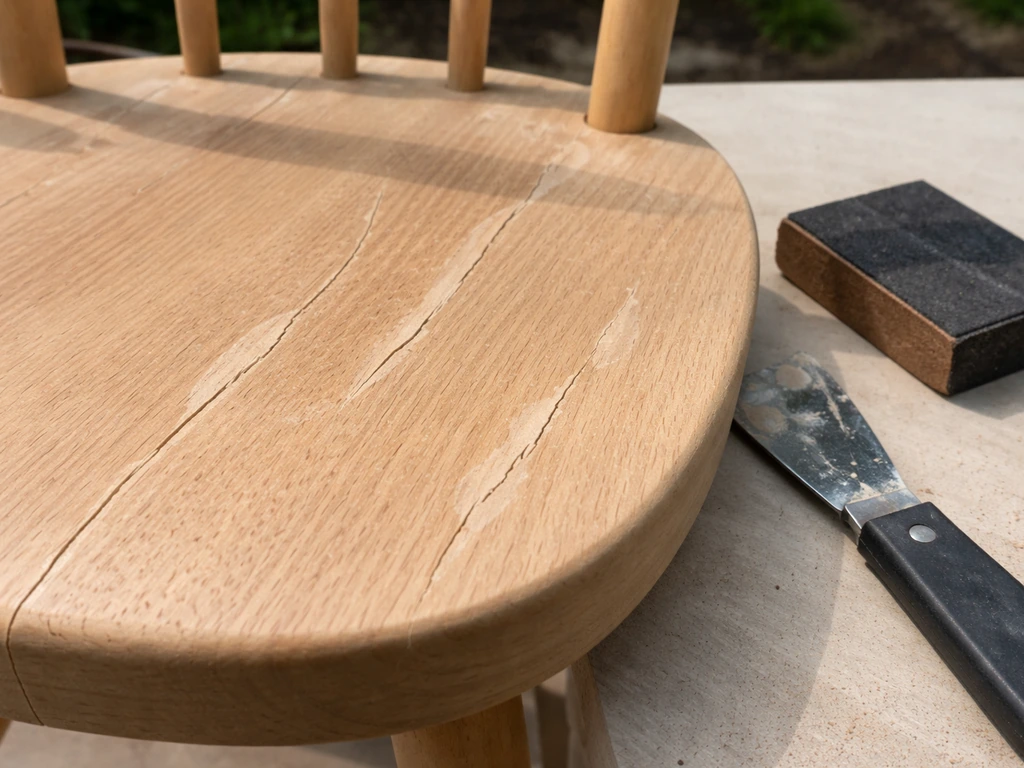
Surface checks and small cracks can be filled with an exterior wood filler and then sanded smooth before refinishing. Loose joints can often be re-glued with an exterior-rated adhesive (look for Type I or II waterproof wood glue) and clamped overnight. Mold or mildew spots respond well to a diluted white vinegar solution or an outdoor wood brightener; scrub with the grain and rinse thoroughly. The earlier you address any of these issues, the simpler the fix.
Buying pitfalls to avoid and how to verify outdoor suitability
The market for outdoor wood furniture has a lot of misleading labeling, and it's worth knowing what to watch for before you commit to a purchase. These are the most common ways buyers end up with furniture that underperforms.
"Acacia" and "teak" aren't always what they seem
Both labels are used broadly. "Teak" on a $250 set is almost certainly plantation rubber wood or finger-jointed offcuts with a teak-colored stain, not genuine Tectona grandis teak. Legitimate teak furniture is heavy, has a distinctive straight grain with visible oil content, and is priced accordingly. Acacia covers over 1,000 species; some are quite durable and some aren't. For acacia, look for a specific species name if possible, or at minimum a clear country of origin and FSC certification as a proxy for quality sourcing.
Sapwood content matters more than the species name
As the USDA Forest Products Laboratory documents in the Wood Handbook, sapwood is significantly more permeable and less durable than heartwood in virtually every species. A piece of "cedar" furniture that's mostly sapwood won't last like heartwood cedar. Look for darker, richer coloration with visible grain depth in the cross-sections or edges of the wood. Very pale, almost white sections in what should be a golden or reddish-brown wood are sapwood, and they'll be the first parts to rot or check.
Watch the hardware details in product listings
If a product listing says "outdoor hardware" or "weather-resistant hardware" without specifying the material, email the retailer or check reviews for rust complaints after one season. Stainless steel (304 or 316 grade) should be stated explicitly. Powder-coated metal hardware can work on covered furniture but is not ideal for direct rain exposure. Avoid anything described only as "zinc alloy" or "chrome-plated" for exposed outdoor use.
Cushion compatibility and fabric ratings
If cushions are included, check whether the fabric is solution-dyed acrylic (like Sunbrella) or just a polyester blend. Solution-dyed acrylic resists UV fading and dries quickly; polyester cushion covers fade within a season or two and hold moisture. Cushion inserts should be labeled as quick-dry foam or open-cell outdoor foam, not standard furniture foam, which turns into a mold sponge outdoors.
Assembly quality as a proxy for overall quality
Furniture that arrives with poorly fitting joints, stripped screw holes, or hardware that doesn't sit flush is a sign of low manufacturing tolerance. These issues compound outdoors: a slightly loose joint becomes a wobbly chair in six months as the wood moves with humidity. If assembly problems show up in reviews, take those seriously. The best brands pre-drill precise holes, use hardware that fits correctly, and include real instructions. Poor assembly quality is rarely a problem that improves with time.
If you want to go deeper on any of these decisions, understanding which specific wood species perform best outdoors and what the right stain or finish looks like for your chosen wood are both worth digging into before you finalize your purchase. The species decision and the finish decision are linked, and getting both right is what separates furniture that lasts a decade from furniture that's a disappointment by year three.
FAQ
How can I tell if a “teak” patio set is truly teak or just stained wood?
Check weight and hardware details. Real teak usually feels noticeably heavy for its size, and listings often specify solid Tectona grandis wood, not just “teak finish.” Also inspect edges and underside, if you can, for oil-rich grain and darker heartwood, while “fake teak” commonly shows very pale, uniform sections that look like sapwood or veneer.
Is it better to buy solid-wood outdoor furniture or is exterior-grade laminated wood acceptable?
Solid hardwood is the safest choice for long-term open exposure. Laminated or finger-jointed pieces can work only when the manufacturer clearly states exterior-grade adhesive and that all sides, including end grain, are sealed. If the product listing does not spell out construction and sealing, treat laminated/finger-jointed wood as a higher-maintenance, shorter-lifespan option.
What finish should I choose if I want low maintenance but still avoid peeling?
A penetrating stain (semi-transparent or solid) is usually the best compromise. It soaks into the wood, resists moisture better than plain oil, and it does not peel like film finishes. Plan on reapplication based on sun and exposure, typically every 1 to 2 years for many outdoor setups.
Do I need to reapply teak oil, or should I let teak weather naturally?
Both approaches work, but they create different outcomes. Leaving teak alone develops a silver-gray patina, and many owners prefer that look with minimal upkeep. If you want to keep the golden-brown tone, use a UV-stable sealer or teak oil on a schedule, because oil alone may not provide strong UV protection compared with film-forming options.
How often should I check hardware on wooden patio furniture?
At least once at the start of the season and again mid-season if you get rain, humidity, or coastal air. Tighten any fasteners during those checks. If you see rust streaks, replace the hardware immediately because rust residue can permanently stain the wood and weaken connections.
What wood condition is the real “red flag” when inspecting a new piece before it’s ruined?
Look for early surface cracking around joints and any visible end-grain that looks unsealed. Also inspect for uneven gaps at corners and stripped screw holes that suggest poor fit. These issues are hard to fix later because wood movement outdoors will magnify small assembly tolerances.
Should I cover wooden furniture with plastic during winter or rainy seasons?
Avoid non-breathable plastic covers. They trap moisture against the wood, which increases the risk of mold and rot. Use breathable covers, or store furniture in a garage or shed, and if you must use a cover, ensure airflow and keep the legs off wet ground using pads or risers.
Is it okay to use outdoor wood furniture on a concrete patio directly, without any base?
It can be okay if the furniture is built to drain well, but the bigger issue is trapped ground moisture. Use furniture pads or elevate legs slightly so water does not wick into the wood. This is especially important for softwoods and any piece with less durable heartwood.
How do I choose between cedar and eucalyptus for humid or rainy climates?
Cedar is lightweight and takes finishes well, but it typically needs more frequent oiling to limit checking and graying in heavy exposure. Eucalyptus is denser and tends to stay put in wind, with decent rot resistance and better UV stability than many mid-range woods, but you still need an annual maintenance routine and to verify heartwood-dominant cuts.
Can I sand and refinish wood furniture if it has deep cracks or heavy graying?
Often yes for surface checks, but deep cracking may mean the coating has been failing for a while and the wood fibers are damaged. For best results, focus first on stabilizing, cleaning, and addressing any water entry points, then test sanding in a small area. If the wood around joints feels soft or you see recurring failure spots, replacement of hardware or more involved repair may be necessary.
How should I plan cushions for comfort and durability with wooden outdoor sets?
Choose cushion fabrics and inserts that dry quickly. Solution-dyed acrylic resists UV fading and tends to dry faster, while polyester blends often fade sooner and hold moisture. For inserts, look for quick-dry foam or open-cell outdoor foam, and confirm seat depth and back angle so the cushion is supporting your seating position instead of just adding padding.
What’s the easiest way to schedule maintenance so I don’t miss critical steps?
Use a three-check calendar: a full clean and finish inspection at the start of the season, a mid-season spot check during peak humidity or strong sun, and a pre-winter/pre-rain check before temperatures drop. During spot checks, reapply only on bare or gray areas instead of waiting for a full refinish, which saves time and reduces total product use.
Next Articles
Best Foam for Patio Cushions: Guide to Durable Outdoor Cores
Best foam for patio cushions: choose durable, quick‑dry cores, specs, and buying tips for weatherproof comfort.
Best Fabric for Outdoor Patio Cushions: A Buying Guide
Pick the best outdoor cushion fabric by UV, mildew and water resistance, colorfastness, and care tips for your climate.
Good Housekeeping Patio Furniture Replacement Cushions: Fit, Durability
Guide to buying good housekeeping patio cushion replacements with exact fit, weatherproof durability, comfort, and care