
For Vancouver's climate, your best all-around patio furniture materials are marine-grade aluminum frames with solution-dyed acrylic cushions, Grade A teak, and high-density polyethylene (HDPE) poly-lumber. These three handle what Vancouver actually throws at outdoor furniture: roughly 1,200 mm of annual rain concentrated into long wet winters, high relative humidity almost year-round, coastal salt spray for anyone within a kilometre or two of the water, and summer UV that regularly hits index 6 to 8. Get the material choice right upfront and you avoid the frustrating cycle of replacing rusting frames, rotting cushions, and bleached wicker every two or three seasons.
Best Patio Furniture Vancouver: Durable Picks & Care Guide
Theo Tierney
18 Jul 2026
Who this guide is for and what it covers
This guide is written for Vancouver homeowners, renters with a patio or balcony, and designers sourcing for local projects. It answers which materials genuinely survive Vancouver's maritime climate, how to evaluate quality before you buy, what to expect at each budget tier, and how to care for whatever you choose so it lasts. I've structured it to move from climate context through buying criteria to category picks, then into material deep-dives, cushion selection, brand and warranty evaluation, where to buy locally, and a full seasonal care plan. There's also a short comparison with Seattle, the Pacific Northwest broadly, and warmer U.S. markets so you understand which recommendations change with the climate and why.
Vancouver's climate and why it matters for every piece you buy
Vancouver sits in a cool, wet maritime climate zone with a strongly winter-peaked rainfall pattern. Metro Vancouver planning data shows November averaging around 234 mm of rain and December around 191 mm, while July drops to roughly 43 mm, meaning furniture that lives outside year-round faces at least seven months of persistently wet conditions. Environment and Climate Change Canada's 1991-2020 climate normals confirm this pattern: monthly relative humidity stays high well outside the rainy season, creating sustained time-of-wetness that accelerates corrosion and mildew even when it isn't actively raining.
Salt spray is a real consideration for any property within about one to two kilometres of English Bay, Burrard Inlet, the Fraser River estuary, or other tidal water. blank" rel="noopener noreferrer">ASTM B117 – Standard Practice for Operating Salt Spray (Fog) Apparatus (industry test‑standard summary) summarizes the widely used neutral salt‑spray (NSS) test method, prescribing a roughly 5% NaCl solution, chamber temperature and fallout collection procedures, and is commonly cited by manufacturers when reporting accelerated (but non‑equivalent) hours of exposure as an indicator of corrosion resistance. Chloride deposition is one of the three primary drivers of accelerated atmospheric corrosion, alongside time-of-wetness and local pollution. Under ISO 9223 and ISO 12944 classification, coastal salt-spray environments are rated C5-M, the most aggressive category. ISO 9223 / ISO 12944 classify atmospheric corrosivity into C1–C5 categories and C5‑M for marine/coastal environments blank" rel="noopener noreferrer">ISO 9223 / ISO 12944 classify atmospheric corrosivity into C1–C5 categories and C5‑M for marine/coastal environments.. That rating has direct implications for which metal grades, coatings, and maintenance intervals are appropriate. Standard mild-steel hardware, cheap powder coat, and untreated aluminum all perform poorly under those conditions.
Summer UV is often underestimated in Vancouver because the city has a reputation for overcast skies. But Health Canada and Environment Canada UV forecasts show summer daytime peaks regularly reaching UVI 6 to 8, which falls in the 'high' category. That's enough to bleach lower-grade fabrics and degrade UV-unstabilized plastics within two to three seasons. Wind matters too: exposed rooftop decks and West End or Coal Harbour balconies see sustained gusts that will topple lightweight furniture or work loose poorly designed connection points over time.
What to evaluate before you buy: Vancouver-specific criteria
Here are the criteria I weigh in order of importance for this climate. Use these as a filter when you're standing in a showroom or scrolling product listings.
- Corrosion resistance: Look for marine-grade (6061 or 6063 alloy) or commercial-grade aluminum, 316-grade stainless-steel hardware and fasteners, or non-metal materials entirely. Avoid mild steel, wrought iron without annual re-sealing, and zinc-die-cast hardware in coastal zones.
- Moisture and mildew resistance: Frames, joints, and any enclosed hollow sections should drain freely. Woven synthetics should use round-strand, fully closed resin rather than flat ribbon wicker that traps standing water.
- Maintenance load: Be honest about how much time you'll spend. Teak needs annual oiling if you want to preserve its colour (or you can let it silver gracefully). Aluminum needs almost nothing. Painted steel needs annual touch-up inspection in coastal locations.
- UV resistance: Fabrics should be solution-dyed acrylic tested to ISO 105-B02 or ASTM G154. Frame finishes should be UV-stabilized powder coat, not spray paint. HDPE materials should contain UV inhibitors compounded into the material itself.
- Weight and stability: Compact urban balconies need lighter furniture but Vancouver wind exposure means you want enough mass or anchor points to prevent tip-over. Deep-seat lounge chairs and umbrellas are the highest-risk pieces.
- Cushion construction: Quick-dry foam cores, solution-dyed acrylic covers, marine-grade zippers, and drain/airflow holes in the base are non-negotiable for Vancouver. Polyester-filled cushions that hold moisture become mildew incubators within weeks.
- Warranty terms: A frame warranty under three years on aluminum or five years on HDPE is a red flag. Cushion warranties under one year are essentially decorative. Ask specifically whether the warranty covers fading, weave delamination, and frame corrosion, and whether replacement parts are stocked in Canada.
- Total cost of ownership: A $400 set replaced every two to three years is more expensive than an $1,100 set that lasts twelve. Factor in cushion replacement costs, which can run $60 to $200 per piece on mid-range sets.
Sizing, layout and anchoring for Vancouver patios, decks and balconies
Vancouver lots are compact and a large proportion of residents use balconies rather than ground-level patios. Before you buy anything, measure your usable space with 90 cm clearance on all walking sides of a dining table and 60 cm minimum between lounge chairs and adjacent walls or railings. A four-person dining set typically needs a footprint of about 240 cm by 240 cm including chair pullout. A two-seat loveseat plus coffee table needs roughly 180 cm by 150 cm minimum. If you're on a condo balcony, confirm strata weight limits and check whether fire-safety bylaws restrict certain materials or umbrella poles.
For ground-level patios and decks, consider how water drains underneath furniture. Solid-slab patios with poor drainage keep furniture legs sitting in pooled water through the wet season, which dramatically accelerates deterioration even on quality materials. Furniture feet with rubber or non-marring caps help, but slotted or open-pattern decking is genuinely better for furniture longevity. On exposed balconies and rooftop decks, weight anchoring matters: umbrella bases should be a minimum of 25 to 30 kg for a 2.7-metre canopy in Vancouver, and side tables or accent pieces can be tethered to railings with short marine-grade bungee or tie-down straps when storms are forecast.
Best picks by category for Vancouver
These are my ranked category recommendations based on what performs specifically in a wet, cool, coastal maritime climate. I'm not listing specific branded SKUs because product lines change seasonally, but I'm describing construction specifications you should match when you shop.
Dining sets
Aluminum-frame dining sets with sling or strap seats are the top pick for Vancouver dining. The frame should be thick-wall aluminum (1.2 mm wall minimum, ideally 1.5 mm or more on a quality set) with a UV-stabilized multi-coat powder finish baked at high temperature rather than air-dried spray. Tempered glass or teak slat tabletops beat solid aluminum tops in Vancouver because they drain water rather than pooling it. If you want cushions on dining chairs, go for solution-dyed acrylic with zippered, removable covers and a quick-dry foam core. Teak dining sets are a close second: beautiful, genuinely durable, and they age well in the wet climate, but they cost significantly more and require annual maintenance.
Lounge sets and sectionals
Deep-seat sectionals are the most cushion-intensive category and the one where Vancouver buyers most often make expensive mistakes. Choose an aluminum or HDPE frame over steel. Look specifically for cushion cores described as 'open-cell quick-dry foam' or 'Dryfast foam' rather than standard upholstery foam. Covers must be solution-dyed acrylic, not printed polyester. Sectionals with modular pieces are practical for Vancouver: you can configure them to fit a patio, rearrange for winter storage, or bring individual pieces inside during prolonged wet spells.
Chaise lounges
Aluminum-frame chaises with sling fabric rather than cushions are the lowest-maintenance choice for Vancouver summers. PVC or textilene sling material dries within minutes of rain and requires almost no maintenance beyond an annual wipe-down. If you want cushioned chaises, the same fabric and foam rules above apply, and you'll want to store or cover cushions any time you're away for more than a day or two during the wet season.
Side tables and accent pieces
Solid teak, HDPE poly-lumber, or aluminum are the three materials worth buying for side tables in Vancouver. Avoid MDF or particleboard cores with thin laminate surfaces, these delaminate rapidly in sustained humidity. Ceramic or porcelain tabletop accent tables are durable but heavy, which actually helps with wind stability. Avoid hollow-centre steel legs with exposed bottom edges: they trap water and rust from the inside out, often invisibly until the leg fails.
Umbrellas and shade structures
For Vancouver, choose an umbrella with an aluminum or fiberglass pole rather than steel, a solution-dyed acrylic canopy (Sunbrella is the most widely available specification-grade fabric), and a vented double-canopy design that lets wind pass through rather than catching and inverting. Cantilever umbrellas are popular but require substantially heavier bases in any wind-exposed location: the lever arm dramatically multiplies tipping force. A quality 2.7- to 3-metre cantilever needs at least a 60 to 80 kg base in an exposed Vancouver location. Close and tie umbrellas whenever sustained winds are forecast above 40 km/h.
Budget tiers: what you get and where the trade-offs are
| Tier | Typical spend (CAD) | Frame materials | Cushion quality | Expected lifespan in Vancouver | Pros | Cons |
|---|---|---|---|---|---|---|
| Budget | $300–$700 for a set | Steel or thin-wall aluminum, sometimes resin | Polyester cover, standard foam | 2–4 years with care | Accessible price, available at big-box stores | Rust risk, cushion mildew, limited warranty, higher long-term cost |
| Mid-range | $700–$2,000 for a set | Thick-wall aluminum, some teak accents, quality resin wicker | Solution-dyed acrylic or performance polyester, quick-dry foam | 7–12 years with basic care | Good durability-to-cost ratio, wider style selection, reasonable warranties | Some brands use mixed-quality hardware; verify fastener grade |
| Premium | $2,000–$6,000+ for a set | Cast aluminum, Grade A teak, HDPE poly-lumber, 316 SS hardware | Sunbrella or equivalent acrylic, Dryfast foam, marine zippers | 15–25+ years with proper care | Genuine longevity, full replacement-parts programs, strong warranties | High upfront cost, lead times can be long at local dealers |
The honest budget reality: the mid-range tier hits the best value for most Vancouver buyers. A $1,100 to $1,600 aluminum dining set with solution-dyed acrylic cushions from a reputable brand will outlast two or three budget sets and cost less over a decade. The premium tier makes the most sense when you have a large outdoor entertaining space, plan to stay in the property long-term, or are specifying for a rental where replacement costs are a real operational concern.
Hardwoods and teak: longevity and when to choose them in Vancouver
Teak (Tectona grandis) is one of the most thoroughly validated outdoor furniture woods in the world. Its high natural silica and oil content give it exceptional rot resistance, and its Janka hardness of around 1,070 lbf means it resists denting and surface abrasion well. In Vancouver's wet climate, properly maintained teak performs beautifully: the moisture cycling that destroys cheaper woods causes minimal checking or warping in teak because the wood's density and oil content buffer the transition. Left untreated, teak weathers to a silver-grey patina that many people find attractive and that is structurally harmless. Oiled annually with a teak-specific penetrating oil, it stays warm honey-brown. Either approach is valid; what matters is consistency.
Ipe (Tabebuia spp.) is denser and harder than teak and is frequently used for decking in Vancouver because of its exceptional resistance to rot and abrasion under constant wet-dry cycling. As furniture, it's less common because it's extremely difficult to machine cleanly, making joinery quality more variable than with teak. When well-made, ipe furniture is extraordinarily durable, but verify the joinery quality carefully before buying.
Cedar and fir are local softwoods that are affordable and commonly available but require annual sealing and are not in the same durability class as teak or ipe. They're a reasonable budget choice for someone willing to do the maintenance work, but expect a shorter service life of eight to twelve years with consistent care, or four to six years without it. Avoid pine in any direct-contact-with-ground or water-pooling situation.
Aluminum and powder-coated metals: corrosion resistance and coastal limits
Aluminum is the dominant frame material in quality outdoor furniture for a good reason: it doesn't rust. It can oxidize and develop surface pitting in aggressive salt-spray environments, but at a rate that is orders of magnitude slower than steel. For most Vancouver properties, standard commercial-grade extruded aluminum with a factory powder coat is perfectly adequate. For properties directly on the waterfront, within roughly 100 metres of salt water splash or spray, I'd look for frames specified with 6061 or 6063 series alloy and verify that the powder coat is 60 to 80 microns thick rather than the thin 40-micron coats common on budget product.
Stainless steel hardware is where many otherwise good sets fail in coastal Vancouver. Most budget and mid-range sets use Grade 304 stainless for bolts, hinges, and connection hardware, which is adequate for inland use but can develop tea-staining and surface pitting in marine salt-spray environments. Research on 316L stainless and field studies of coastal steel performance consistently show that Grade 316 (which contains molybdenum) performs significantly better against chloride-induced pitting than 304. For a property directly on the water, I'd specifically ask retailers whether hardware is 316-grade and avoid sets where this information is unavailable. Even 316 can stain in direct spray-splash exposure, so design and maintenance matter: keep hardware clean and dry it after sustained wetting.
Mild steel and wrought iron furniture can work in Vancouver but require annual inspection, touch-up of any chip or scratch in the powder coat, and at minimum a rust-inhibiting primer treatment on any bare metal before recoating. Wrought iron is genuinely heavy, which is actually a wind-stability advantage, but the maintenance commitment is real.
Synthetic wicker and resin: what holds up and what doesn't
Not all synthetic wicker is the same and the construction differences matter a lot in Vancouver's climate. Quality all-weather wicker uses round-strand, fully extruded high-density polyethylene or PVC resin woven over an aluminum frame. The round cross-section is important: it sheds water and doesn't create the capillary channels that flat-ribbon or half-round wicker uses to hold moisture. Better sets also use UV stabilizers compounded directly into the resin rather than surface-applied coatings that wear off.
Cheaper wicker sets often use steel frames rather than aluminum, which corrodes through the wicker weave from the inside, you often won't see the rust until it starts staining the resin or the structure has already weakened. This is one of the most common failure modes for budget wicker sets in Vancouver. When buying, confirm the frame material is aluminum, not steel. A simple magnet test at the showroom will tell you immediately.
Quality synthetic wicker, properly constructed, performs well in Vancouver's wet climate and is a reasonable choice in the mid-range tier. UV degradation causing brittleness and cracking is more of a concern in high-UV climates than in Vancouver, but solution-dyed resin lasts noticeably longer than surface-coated alternatives. Some Canadian manufacturers of synthetic wicker products advertise limited multi-year warranties on frames and weave, which is a reasonable minimum expectation for quality product.
Composite and HDPE poly-lumber: the low-maintenance long-timer
High-density polyethylene poly-lumber (often sold as poly-lumber, poly-wood, or recycled plastic lumber) is genuinely one of the best material choices for Vancouver's conditions. It does not absorb water, does not rot, resists mildew, and is unaffected by freeze-thaw cycling. The colour is pigmented through the full thickness of the material, so surface scratches don't expose a different-coloured substrate. UV inhibitors are compounded into the material during manufacturing, giving it much better long-term colour stability than surface-coated alternatives.
The trade-offs are real though. HDPE furniture is heavy compared to aluminum and has a distinctly plastic feel that some buyers find less satisfying than wood or metal. It also expands and contracts measurably with temperature change, which is why quality manufacturers use slotted fastener holes rather than tight-tolerance holes to allow movement. A well-made HDPE set can genuinely last 25 years or more in Vancouver conditions with minimal care beyond periodic cleaning. Several Canadian manufacturers produce poly-lumber furniture with multi-year residential warranties, which reflects genuine confidence in the material. It's a particularly good choice for anyone who wants low maintenance over the long term without sacrificing longevity.
Cushions and fabrics: what actually works in the wet season
Cushion choice is probably the single most consequential decision for long-term satisfaction with Vancouver patio furniture. The wrong cushion becomes a mildew problem within one wet season and an odour and health issue not long after. Here is what to specify.
- Solution-dyed acrylic fabric: The dye is introduced during fibre production, not applied to the surface, which is why it resists UV fading far better than printed or solution-dyed polyester. Sunbrella is the most widely recognized brand specification; look for products tested to ISO 105-B02 or ASTM G154 with published lightfastness ratings. Expect genuine solution-dyed acrylic to resist meaningful fading for five or more years in Vancouver's UV conditions.
- Quick-dry or open-cell foam core: Standard upholstery foam holds water for days in humid conditions, creating ideal mildew conditions inside the cushion even when the cover looks dry. Open-cell quick-dry foam (sometimes marketed as Dryfast foam) allows water to drain and air to circulate through the core. This is non-negotiable for a Vancouver climate.
- Marine-grade zippers: Brass or YKK-brand marine zippers resist corrosion and allow the cover to be removed for machine washing. Avoid plastic coil zippers on cushions that will experience regular wetting.
- Drainage and airflow design: Cushions should have ventilation holes or drainage channels at the base, ideally at each corner. This prevents pooling inside the cover when the cushion is on a chair in rain.
- Avoid polyester covers: Polyester is cheaper and available in more colours, but it holds moisture, dries slowly, and fades faster under UV than solution-dyed acrylic. In Vancouver's conditions, polyester cushions typically need replacement within two to three seasons.
Weather threats and how to design against them
Rain and standing water are the primary threats for Vancouver furniture longevity. Standing water in hollow frame sections, under furniture feet, and inside cushion cores is where most damage starts. Choose furniture with drainage holes in hollow frame ends, elevate furniture legs off solid slab patios when possible using rubber feet, and orient furniture so water runs off rather than pools. If you have a covered patio, the single biggest upgrade you can make to furniture longevity is ensuring that cover is genuinely weathertight, not just decorative. A well-placed pergola or roof awning reduces the UV and rainfall load on cushions dramatically.
Salt spray for coastal properties: if you're within a few hundred metres of tidal water, create a regular rinsing habit. Rinsing metal hardware with fresh water after heavy weather or every few weeks through winter reduces chloride accumulation on surfaces. This single habit extends the life of powder coat and stainless hardware more than almost any other action.
UV and heat: Vancouver summer UV regularly reaches index 7 to 8 between 11 AM and 3 PM. Positioning furniture under shade for the peak UV hours extends fabric and finish life noticeably. If you have a south-facing exposed deck, consider retractable awnings or high-quality umbrellas not just for comfort but for material protection. Closing umbrellas when not in use also protects canopy fabric from accelerated UV cycling.
Brand quality, durability signals and what to ask retailers
Brand names alone don't tell you much. What matters is construction specification. Here is what I look for and ask when evaluating a product or brand.
- Frame wall thickness: Ask for the specification sheet. Quality extruded aluminum outdoor furniture runs 1.5 mm to 2 mm wall thickness. Anything below 1.2 mm is a budget product regardless of the brand name on the label.
- Powder coat specification: Ask whether the coat is thermally cured (baked) and what the micron thickness is. 60+ microns is a quality indicator. Air-dried paint is not powder coat regardless of how it's described in marketing materials.
- Hardware grade: Ask specifically whether bolts, hinges, and connection hardware are 304 or 316 stainless steel. For coastal properties, insist on 316 or equivalent.
- Cushion fabric specification: Ask for the fabric brand and collection name, then verify the lightfastness rating independently. 'UV-resistant' printed on a swing tag is not a specification.
- Warranty terms and structure: Ask what the frame warranty covers (finish failure? corrosion? structural failure?), what the cushion warranty covers, and whether it excludes fading or moisture damage. A three-year frame warranty minimum on aluminum and five years on HDPE is reasonable. Ask if replacement cushions and parts are available and stocked in Canada.
- Replacement parts availability: A set where replacement cushions, sling fabric, or hardware are unavailable within two years of purchase is a disposable product regardless of its initial warranty terms.
- Country of manufacture and quality control: Mass-produced offshore product varies enormously in quality between production runs of the same model. Brands with Canadian or U.S. quality inspection programs, or brands that manufacture domestically, tend to show more consistent construction.
Where to buy in Vancouver: local showrooms, big-box and online
Local patio furniture showrooms in Metro Vancouver (in areas like North Vancouver, Burnaby, Richmond, and South Vancouver) are worth visiting for the mid-range and premium tier. You can physically verify construction quality, assess cushion feel and fabric texture, and talk to staff who are familiar with local climate conditions. Delivery and assembly service is usually included or available at reasonable cost, and returns are handled locally if there's a problem with your order. Lead times for custom or special-order pieces can run eight to twelve weeks, particularly in spring.
Big-box retailers (Home Depot Canada, Canadian Tire, RONA) carry a wide range of budget and low-to-mid-range product and are convenient for fast availability. Construction quality is variable: I've seen recognizable brand names on products that don't meet the specification standards I described above. Check frame thickness, hardware grade, and cushion specification against the criteria above rather than trusting the brand label alone. Home Depot Canada product listings for sets like the Hampton Bay line show warranty terms ranging from 180 days to three years depending on the specific model and component, which reflects the variable quality within even a single retail brand family. Returns to big-box stores are generally easy, but post-warranty service support is minimal.
Online purchasing from Canadian retailers or U.S. brands with Canadian shipping is viable for products you've researched thoroughly. The main risks are freight damage, difficult returns on large items, and the inability to verify construction quality before delivery. For any purchase over $500, confirm the return policy and shipping damage resolution process before ordering. Brands that ship from Canadian warehouses resolve problems faster than those shipping across the border.
Care, cleaning and seasonal storage: a practical maintenance plan
This plan is organized by frequency. Follow it and most quality mid-range to premium furniture in Vancouver will perform at or near specification for ten or more years.
Monthly actions (year-round)
- Wipe down frame surfaces with a damp cloth to remove dirt, pollen, and salt accumulation. For coastal properties, use fresh water to rinse hardware and weld points.
- Check cushions for moisture retention: if a cushion is heavy or smells musty, stand it on edge in a ventilated area to dry completely before storing flat again.
- Inspect for any new chips or scratches in powder-coated surfaces and note them for seasonal touch-up.
End of summer (September to October)
- Deep-clean all frames with mild soap and water, rinse thoroughly, and allow to dry completely before storage or covering.
- Remove all cushion covers and machine wash according to label instructions. Wash covers on a gentle cycle with mild detergent and no fabric softener (which can coat the water-repellent surface finish).
- Inspect foam cores: squeeze each core and check for water retention or mildew odour. Replace any core that smells musty after thorough drying.
- Treat teak and hardwood surfaces with teak oil or penetrating wood sealer if you've been maintaining the golden colour. If letting it silver, this step is optional but a light cleaning with teak cleaner is still worthwhile.
- Inspect all fasteners, bolts, and hinge points for corrosion or looseness. Tighten any loose connections and apply a small amount of stainless-steel lubricant (such as a PTFE-based product) to hinges and adjustable joints.
- Inspect powder-coated surfaces under good light for chips that have developed rust spots. Address these before winter: see the DIY repair section below.
Winter storage (November to March)
- Store cushions indoors or in a dry, ventilated outdoor storage box. Never store cushions in a sealed plastic bag or airtight container: this traps residual moisture and accelerates mildew.
- If you have a covered patio or are keeping furniture outdoors, use breathable outdoor furniture covers rather than solid plastic tarps. Breathable covers prevent condensation buildup underneath.
- Stack chairs to reduce footprint. For teak furniture, place a breathable cover over stacked pieces to protect from debris while allowing airflow.
- For umbrellas: remove the canopy from the pole if possible, store the canopy indoors, and either store the pole with the base or ensure it is secured against winter wind. Do not leave an open umbrella outdoors through a Vancouver winter.
Spring setup (April to May)
- Bring furniture out and allow it to reach ambient temperature before inspection.
- Wipe down all surfaces and inspect frame integrity, joint tightness, and finish condition.
- Re-treat any powder-coat chips identified from the previous season before placing furniture in use.
- Re-apply teak oil to hardwood surfaces if maintaining the golden colour finish.
- Inspect and reinstall cushion covers. Check zippers and replace if they show signs of corrosion or jamming.
- Test umbrella mechanism: open, tilt, and close fully to verify smooth operation before summer use.
Annual actions
- Replace any fasteners that show active corrosion rather than just surface staining. Use 316 stainless steel replacements.
- Assess cushion foam cores: typical quality Dryfast or open-cell foam lasts five to eight years before it loses resilience. Replace foam before it compresses permanently.
- For HDPE furniture: wash with mild soap and water and a stiff brush. No oiling or sealing required.
- Photograph the furniture condition annually to track wear and to support any warranty claims.
DIY repairs and simple upgrades
Re-sealing and oiling wood
For teak, clean the surface first with a purpose-made teak cleaner (a two-part cleaner and brightener is worth using every two to three years to restore surface colour before re-oiling). Allow the surface to dry completely, at minimum 48 hours in Vancouver's humid climate. Apply teak oil or sealer with a clean cloth, working with the grain. Wipe off any excess immediately; pooled oil on the surface will become sticky. One coat per year is generally sufficient. For cedar or other local softwoods, use a penetrating wood finish or semi-transparent deck stain with UV inhibitor, applied every one to two years depending on exposure.
Touching up powder coat
Powder coat touch-up is not a perfect repair but it prevents rust spread effectively. Clean the chipped area with isopropyl alcohol, remove any existing rust with fine sandpaper or a small wire brush, wipe clean again, and apply a rust-inhibiting metal primer with a small brush. Once the primer is dry, apply a spray or brush-on enamel in a matching colour. The repair won't match the factory finish exactly, but it will stop corrosion from spreading under the coating. Do this every year as part of your spring inspection.
Replacing slings and cushions
Sling replacement on aluminum chair frames is a realistic DIY job on most standard designs. Most slings are held by a spline that runs in a routed channel along the frame. You remove the old sling by pulling out the spline (a flathead screwdriver works), cut the new sling fabric to size with the spline sewn or rolled into the hem, and press the new spline back into the channel. Replacement sling kits are available from patio furniture fabric suppliers. Measure the existing sling carefully before ordering and check both the channel width and the frame-to-frame distance.
Tightening and replacing fasteners
Check all bolts and screws annually. Most outdoor furniture uses metric hex bolts and nylock nuts, which are available at any hardware store. If a fastener shows active rust streaking (not just minor surface discoloration), replace it rather than tightening it. Use 316 stainless steel replacements wherever possible. Apply a small amount of anti-seize compound to bolts in aluminum frames before reinstalling to prevent galvanic seizing.
Wicker repairs
Broken or unravelling resin wicker strands can often be re-woven and secured with a small amount of UV-stable clear adhesive. For more significant damage, replacement panels or sections are available from some manufacturers for quality brands, which is why asking about replacement parts availability at purchase time is important. Widespread cracking or brittleness across the weave is typically a sign of UV-degraded material that is at end of life; spot repairs won't address the underlying material failure.
How Vancouver recommendations compare to Seattle, the Pacific Northwest, Long Beach, Los Angeles and Houston
Vancouver's climate is closely related to Seattle's and the broader Pacific Northwest, so the core material recommendations (aluminum, teak, HDPE, solution-dyed acrylic) transfer almost directly. See our guide to the best patio furniture for the Pacific Northwest for recommendations that align with Vancouver's conditions. For recommendations tailored to nearby climates, see our guide to the best patio furniture for Seattle. The main difference is salt proximity: Vancouver's waterfront properties and West End balconies have more direct salt-spray exposure than many Seattle neighbourhoods, so the 316-grade hardware recommendation is slightly more critical here. Pacific Northwest buyers generally can follow the same seasonal care plan as Vancouver.
Los Angeles and Long Beach change the calculation significantly. For Southern California–specific product picks and UV-focused finish advice, see our guide to the best patio furniture Los Angeles. The primary threats shift from moisture and salt spray to intense UV and heat. Solution-dyed acrylic fabrics remain the right call, but quick-dry foam becomes less critical and fade resistance becomes the top priority. Teak still performs well but doesn't need to work against wet-season moisture cycling. Aluminum remains excellent. The big addition for L.A. is UV-stabilized HDPE and heavily UV-rated powder coats, because summer UV in Southern California is significantly more intense and consistent than Vancouver's intermittent high-UV summer days. For local shopping options and model recommendations, see our guide to the best patio furniture Long Beach.
Houston adds high heat, high humidity, and hurricane season to the equation. The salt considerations return because Houston is near the Gulf Coast, and the humidity is more severe and year-round than Vancouver. Cushion mildew risk is higher in Houston than in Vancouver because temperatures stay warm enough for mildew growth year-round rather than being suppressed by cool winters. Teak and aluminum remain the right frame choices, but furniture storage or anchoring for hurricane season is a serious consideration that doesn't apply in Vancouver. For recommendations tailored to high-heat, high-humidity Gulf Coast conditions, see our guide to the best patio furniture Houston buyers should consider.
Buying checklist and decision worksheet
Print or screenshot this checklist before visiting showrooms or browsing online. Fill in your measurements and must-haves before you start looking at specific products, not after.
Space and measurements
- Usable patio/balcony dimensions: cm wide x cm deep
- Door clearance or access restriction (minimum width to move furniture in/out): _ cm
- Weight limit if applicable (condo balcony): _ kg
- Strata or building restrictions noted: yes / no / unknown
Must-have features
- Number of seats required: _
- Dining vs. lounge vs. mixed: _
- Cushions: yes / no / sling preference
- Umbrella or shade structure required: yes / no
- Storage solution needed (for cushions in winter): yes / no
- Pet or family durability priority: yes / no
Questions to ask every retailer
- What is the frame material and wall thickness?
- Is the frame aluminum or steel? (Bring a magnet if buying wicker.)
- What is the hardware grade — 304 or 316 stainless steel?
- What is the powder coat specification and micron thickness?
- What is the cushion fabric brand and lightfastness rating?
- Is the cushion foam quick-dry or open-cell?
- What does the warranty cover and what does it exclude specifically?
- Are replacement cushions and hardware parts stocked in Canada?
- What is the return policy and how are delivery damages resolved?
Budget tracker
| Item | Budget (CAD) | Actual quote 1 | Actual quote 2 | Notes |
|---|---|---|---|---|
| Dining/lounge set (frame) | $_____ | $_____ | $_____ | |
| Cushions (if separate) | $_____ | $_____ | $_____ | |
| Umbrella and base | $_____ | $_____ | $_____ | |
| Side tables / accent pieces | $_____ | $_____ | $_____ | |
| Furniture covers (breathable) | $_____ | $_____ | $_____ | |
| Cushion storage box | $_____ | $_____ | $_____ | |
| Delivery / assembly | $_____ | $_____ | $_____ | |
| Total | $_____ | $_____ | $_____ |
How to make the final call and get started
Start with your space, your maintenance tolerance, and your budget, in that order. If your balcony is under 10 square metres, a two-seat loveseat sectional plus a small side table is more functional than a four-person dining set regardless of how appealing the larger set looks in the showroom. If you genuinely won't re-oil wood or touch up paint chips annually, skip teak and mild steel entirely and go straight to aluminum or HDPE: the maintenance gap between what those materials need and what they'll get in real life determines whether you're satisfied or frustrated five years from now.
For most Vancouver buyers in the mid-range tier, the practical winning combination is a thick-wall aluminum dining or lounge frame, solution-dyed acrylic cushions with quick-dry foam cores, a quality umbrella with a heavy base, and breathable covers for winter. Visit at least one local showroom before buying, bring the checklist and questions above, and verify construction details rather than relying on the marketing copy. Buy from a retailer who can confirm replacement parts availability: that single detail tells you a lot about whether a brand is built to last or built to be replaced.
FAQ
What are the top climate-specific buying criteria for patio furniture in Vancouver’s cool, wet maritime climate?
Prioritise materials and designs that resist high relative humidity, frequent rain, salt spray (near shore), and periodic strong UV. Key criteria: corrosion resistance (specify marine-grade metals such as 316 stainless or powder‑coated/aluminium with marine coatings), rot‑resistant woods (teak, ipe) or non‑porous synthetics (HDPE/poly‑lumber, closed‑resin wicker), UV‑stable fabrics with ISO/ASTM accelerated‑weathering ratings, quick‑draining seat designs, minimal crevices where water can trap, replaceable/zippered cushion covers, and easy‑to‑clean surfaces. Check fastener alloys and weld quality, and prefer modular designs for off‑season storage.
How should I rank materials (wood, metal, wicker, composite) for Vancouver’s environment?
Ranked for durability in Vancouver’s maritime climate (best to worst): 1) HDPE/poly‑lumber & high‑quality closed‑resin synthetic wicker — non‑absorbent, mildew resistant, low maintenance; 2) Marine‑grade stainless steel (316/316L) and properly finished aluminium — excellent corrosion resistance; 3) Dense tropical hardwoods (teak, ipe) — naturally rot‑resistant but require oiling/maintenance and are costly; 4) Powder‑coated steel or lower‑grade stainless (304) — acceptable with regular maintenance and away from direct salt spray; 5) Natural wicker and untreated softwoods — least suitable unless used under full shelter and intensively maintained.
Which metal grade should I choose for Vancouver, especially near the sea?
Choose 316/316L stainless steel for most coastal exposures; it resists chloride‑induced pitting much better than 304. For immediate shoreline/splash zones consider higher alloys, duplex stainless, or robust sacrificial maintenance regimes. Aluminium is acceptable if it has a high‑quality anodised or powder coating designed for marine environments. Verify welded areas, fasteners and hardware are the same alloy or protected to avoid galvanic corrosion.
How do I choose cushions and fabrics that won’t mildew or fade?
Use outdoor fabrics rated for UV and moisture: solution‑dyed acrylics (e.g., Sunbrella or equivalent) or specialized polyester blends with high UV/abrasion ratings (look for ISO 105‑B02 or ASTM G154/Xenon‑arc test claims). Choose quick‑dry foam (reticulated foam) or polyester cores with ventilation channels; opt for zippered, replaceable covers and consider water‑resistant liners. Look for mildew‑inhibiting finishes and check manufacturer fade/warranty claims (accelerated weathering hours). Store cushions indoors or in ventilated storage during long wet periods.
What are recommended patio furniture choices by category and budget for Vancouver?
Premium (long life, low maintenance): - Seating/dining: HDPE/poly‑lumber or 316 stainless frames with quick‑dry cushions; teak/ipe for a premium natural look (expect maintenance). - Loungers: Powder‑coated aluminium with synthetic sling or HDPE decking. Mid‑range (value + durability): - Resin/closed‑wicker seating on aluminium frames; 316 stainless hardware if near shore. - Composite dining tables (high‑density laminates) with aluminium bases. Budget (affordable, shorter lifespan): - Powder‑coated steel or 304 stainless with synthetic wicker — require shelter and more maintenance. For renters: choose lightweight aluminium or synthetic sets, removable cushions and foldable pieces for easy indoor storage.
Which local buying and warranty considerations are important in Vancouver?
Buy from Canadian retailers or local manufacturers that: provide clear warranty terms specifying marine exposure, list component warranties (frame, finish, fabric), and offer local service/parts. Check warranty exclusions for salt corrosion, staining and normal wear; confirm replacement cushion covers are available. Prefer vendors who document accelerated‑weather testing or specify materials (e.g., ‘316 stainless’, ‘solution‑dyed acrylic’). Ask about local delivery, installation, repair/parts turnaround and whether the product has been sold successfully in Pacific‑coast Canadian conditions.
Next Articles
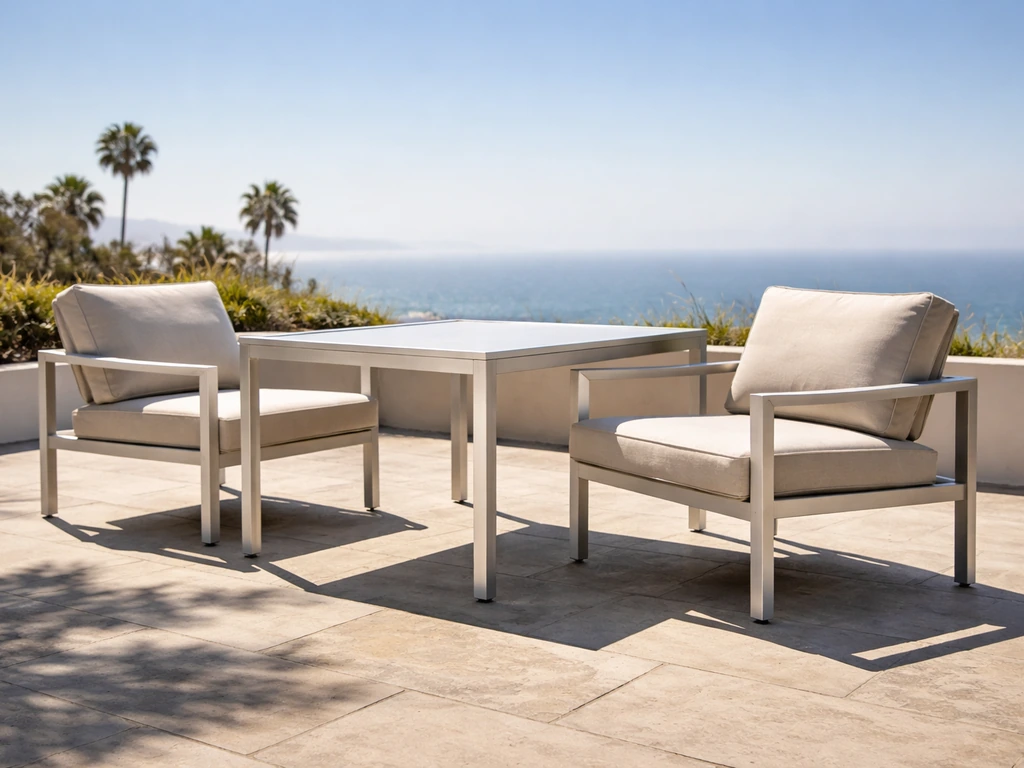
Best Patio Furniture Los Angeles: Buy for Heat, Sun, Salt
LA patio furniture guide by heat, UV and salt. Compare wood, metal, wicker and composite for lasting dining and lounging
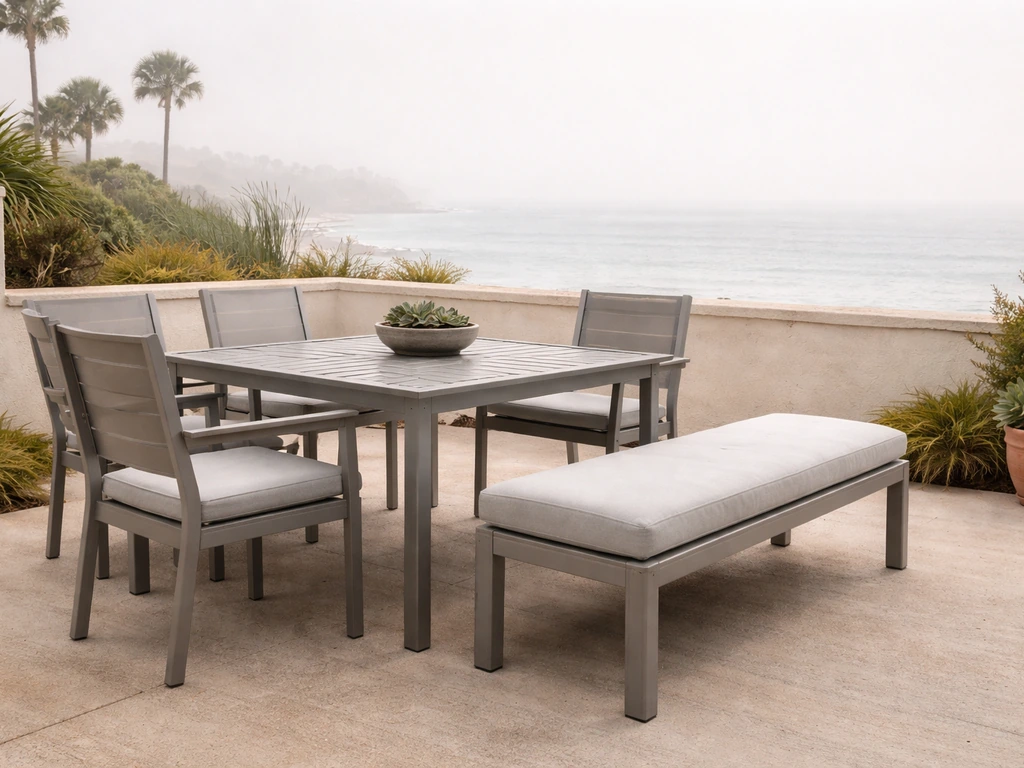
Best Patio Furniture Long Beach: Durability Guide for 2026
Best patio furniture for Long Beach 2026: durable materials, corrosion resistance, comfort sizing, and care for coastal
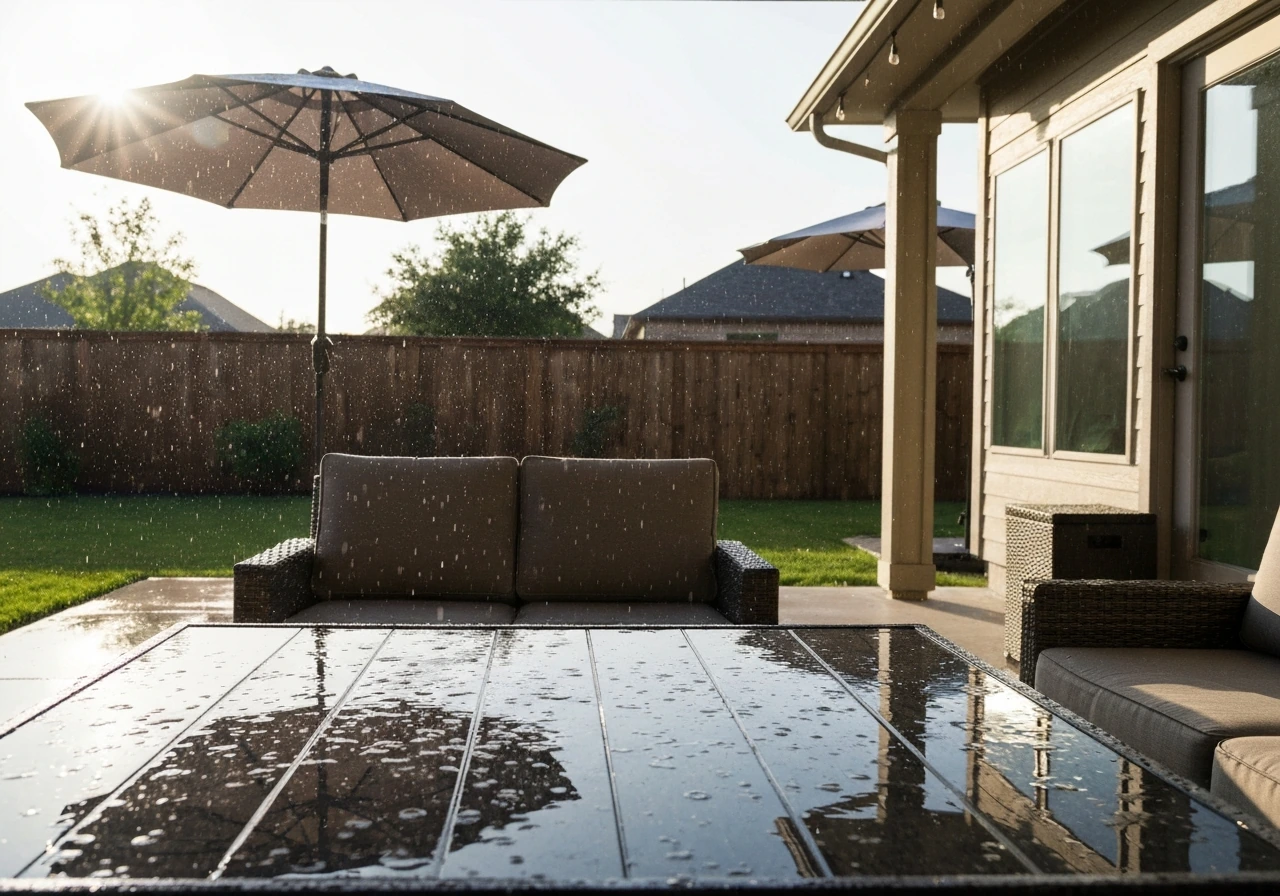
Best Patio Furniture Houston Guide for Heat and Rain
Choose the best patio furniture for Houston heat and rain, with durable materials, care tips, and buying checklists.