
For most Los Angeles patios, powder-coated aluminum frames paired with solution-dyed acrylic cushions (Sunbrella or equivalent) and HDPE resin wicker accents give you the best combination of UV resistance, corrosion resistance, and low maintenance. If you want solid wood that ages gracefully, teak is the one species worth the money. If budget is tight, a quality powder-coated steel frame with Sunbrella fabric will still outlast cheap aluminum or natural wicker by years. The key is understanding what actually destroys furniture in LA, and it's not what most people expect.
Best Patio Furniture Los Angeles: Buy for Heat, Sun, Salt
Theo Tierney
8 Jul 2026
What LA's climate actually does to your furniture
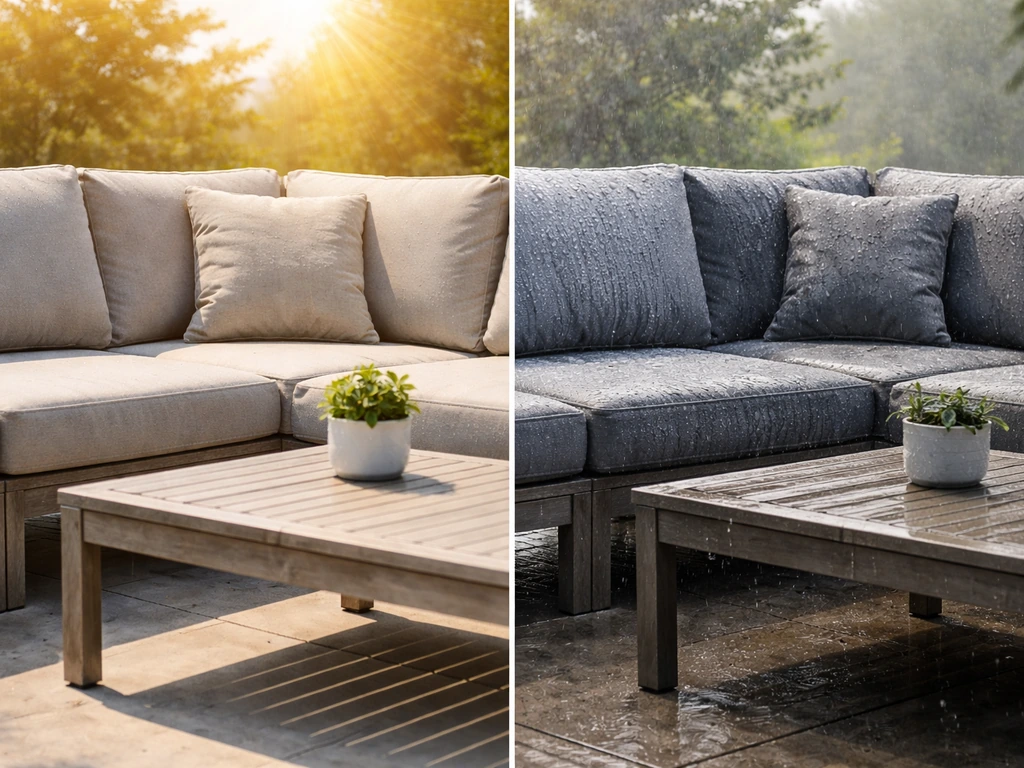
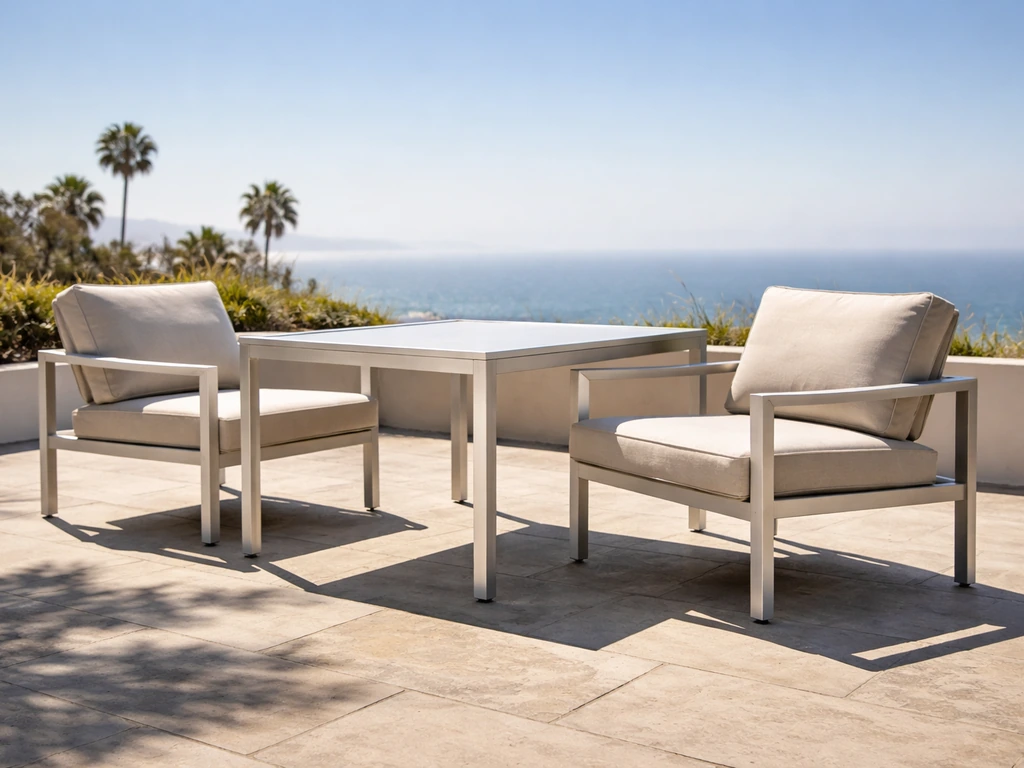
Los Angeles has a Mediterranean climate, which sounds gentle, but it creates a specific two-phase punishment cycle for outdoor furniture. From roughly May through October, you get relentless UV exposure and heat with almost no rain. That UV load bleaches, oxidizes, and cracks finishes, fabrics, and natural materials faster than almost any other climate except the desert. Then November through March brings the wet season, where rainfall drives water into joints, fastener holes, and any finish that UV already compromised. That cycle, bake dry all summer, then get rained on all winter, is exactly what splits wood, rusts steel, and turns cheap powder coating into a peeling mess within two or three seasons.
Coastal neighborhoods (Venice, Santa Monica, Malibu, Long Beach) add a third variable: salt air. Marine layer and onshore wind deposit chloride ions on every surface, and those ions accelerate corrosion dramatically at cut edges, welds, and any hardware that isn't rated for coastal exposure. Inland areas like the San Fernando Valley or East LA don't get the salt load but do get significantly hotter temperatures, which speeds up coating breakdown and means cushions take longer to dry after a rain event because there's less ocean breeze to help. Knowing which microclimate you're in changes which material grades make the most sense.
Best materials for LA patios: what actually holds up
Aluminum: the default right answer
Aluminum is the most practical frame material for the vast majority of LA patios. It doesn't rust, it handles both the UV-bake and winter-rain cycles without corroding, and quality examples are light enough to move when marine layer rolls in. The grade matters: 6000-series alloys (commonly 6061 or 6063) give you the strength and weldability you want. What you need to check is the powder coating, not just that it exists, but how thick it is.
Quality coatings run 60 to 80 microns. Thin, inconsistent coatings chip at edges and fastener holes, and once bare metal is exposed in a coastal environment, salt-accelerated corrosion starts immediately. A good polyester powder coat on proper aluminum should give you five to ten years of service with basic maintenance, and higher-end finishes pushed further with proper care.
For coastal zones specifically, also check that fasteners and hinges are 316 stainless steel rather than 304, the chloride resistance is meaningfully better.
Teak wood: the high-end wood worth having
Among wood options, teak is the only one I'd confidently recommend for leaving out in LA through the full weather cycle. Its natural oil content resists moisture, rot, and insects without constant intervention. Left untreated, teak slowly turns a silver-gray patina, that's aesthetically fine and structurally harmless. If you want to preserve the warm honey color, you need to [clean and re-oil annually](https://recycleteak.
com/teak-care-guide/), and you need to be consistent about it. What causes trouble in LA is the winter rain sitting in joints or on flat surfaces if drainage isn't built into the design. Look for teak furniture with proper joinery (mortise-and-tenon or stainless-bolted construction, not just screws into end grain) and designs that shed water. Other tropical hardwoods like eucalyptus or shorea are cheaper and can work, but they require more maintenance and don't have the same long-term proven track record.
Cedar and pine should be treated as temporary furniture unless you're actively re-sealing them every season.
Resin wicker (HDPE): the smart substitute
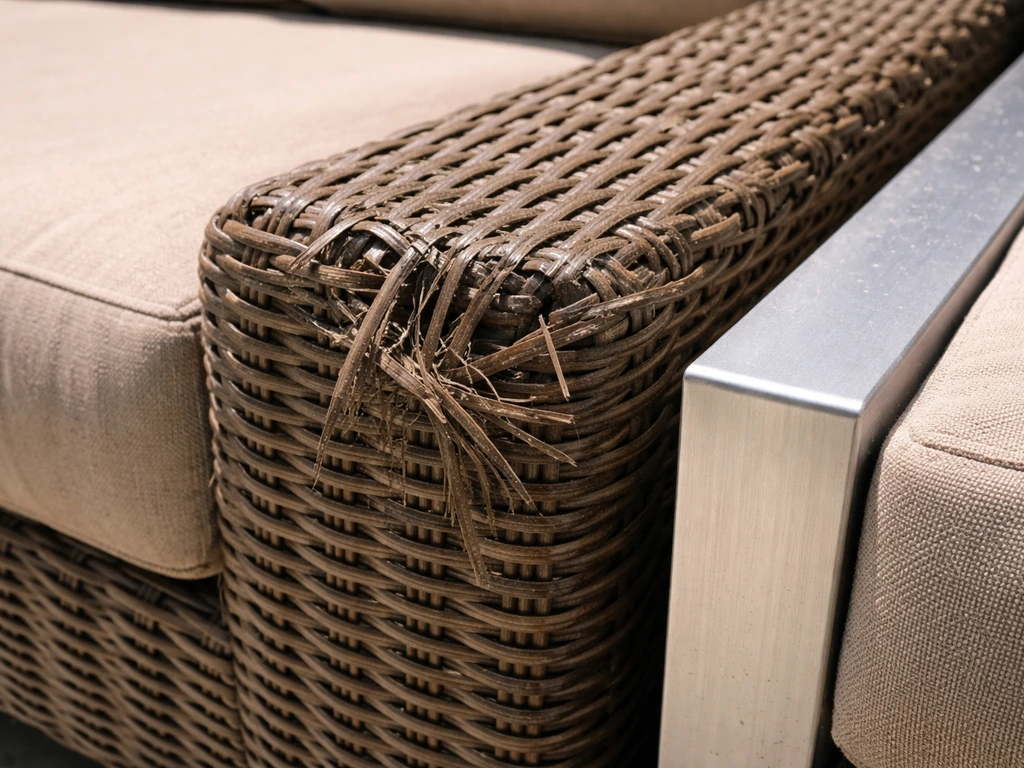
Natural rattan or paper-fiber wicker has no place on an LA patio exposed to sun and seasonal rain. It will crack, unravel, and mildew within a few seasons regardless of how carefully you cover it. High-density polyethylene (HDPE) resin wicker is a completely different product, it's extruded plastic, and the color runs all the way through the strand, so UV can't bleach it to the surface.
POLYWOOD's all-weather wicker is the most-cited example, backed by a 5-year structural warranty against cracking, unraveling, fading, and rot. Resin wicker is the most popular material for conversation sets in the US market precisely because it mimics the look of natural wicker while actually surviving outdoor conditions. The thing to verify: the frame underneath the weave. Resin wicker over a steel frame in a coastal environment is a long-term problem; resin wicker over an aluminum frame is much better.
Composite and recycled plastic lumber: built for neglect
Recycled high-density polyethylene lumber (think POLYWOOD and similar brands) is genuinely low-maintenance furniture for LA. It doesn't rot, fade significantly, splinter, or corrode. POLYWOOD backs their lumber product with a 20-year residential warranty. The trade-off is aesthetics, it's plastic, and it looks like it, even when it's well-made. If you want a classic Adirondack chair for poolside or a dining table you never have to think about, this category makes sense. For more design-conscious spaces or dining/entertaining furniture, most people find aluminum or teak more visually satisfying.
Steel: workable inland, problematic at the coast
Powder-coated steel is cheaper than aluminum and structurally strong, which is why it shows up constantly at the mid-price range. Inland LA neighborhoods can get solid value from it with proper care. Coastal neighborhoods are a different story, steel corrodes aggressively in salt air once the coating fails, and it will fail eventually. If you buy steel, buy it knowing you'll need to inspect it every spring, touch up chips immediately with rust-inhibiting primer and matching paint, and replace it sooner than aluminum. For the coast, spend the extra money on aluminum.
| Material | Best For | Coastal Rating | Maintenance Level | Expected Lifespan |
|---|---|---|---|---|
| Powder-coated aluminum (6000-series) | All patio types, all LA zones | Excellent | Low | 10–15+ years |
| Teak wood | Dining, loungers, high-end patios | Good | Medium (annual oiling) | 20+ years with care |
| HDPE resin wicker | Conversation sets, sectionals | Excellent | Very low | 10–15+ years |
| Recycled plastic lumber (POLYWOOD-type) | Poolside, Adirondacks, casual dining | Excellent | Very low | 20+ years |
| Powder-coated steel | Inland patios, dining, budget builds | Poor–Fair | Medium (annual inspection) | 5–8 years |
| Natural/rattan wicker | Not recommended for LA outdoors | Poor | High (and futile) | 1–3 years |
What to buy by patio type
Dining sets
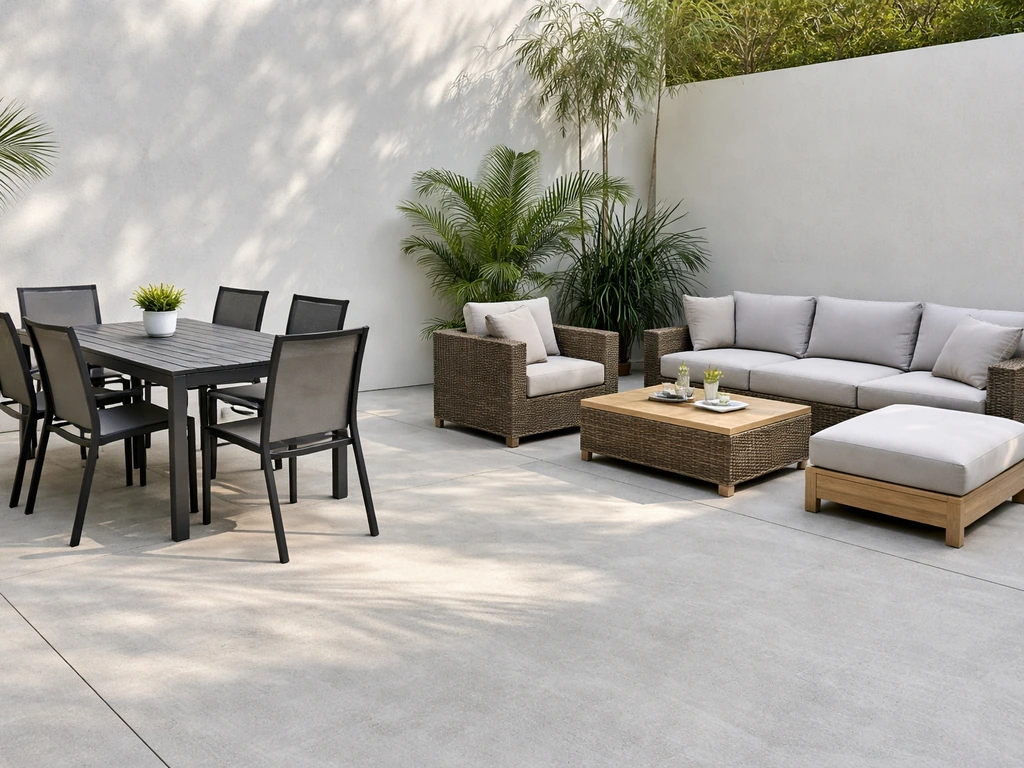
For dining, aluminum frames with sling seats or teak tabletops are the best combination for LA. Sling fabric (stretched synthetic mesh over the frame) has no cushion to deal with, dries instantly after rain, and handles UV well. If you want cushioned dining chairs, prioritize chairs where the cushion ties securely and is easy to remove, you'll bring them in during multi-day rain events in winter. A teak or aluminum tabletop is better than tempered glass for inland areas where temperature swings are larger, but glass works fine on the coast. Avoid painted wood tabletops unless you're committed to annual refinishing.
Conversation sets
This is where resin wicker over aluminum frames earns its reputation. A conversation set (loveseat, two chairs, coffee table) is the most common LA patio purchase, and the resin wicker aesthetic translates well to the California outdoor living style. The cushions are the variable to obsess over, more on that below. When you're comparing sets, lift a chair and check for an aluminum sub-frame rather than steel, and look at how the wicker attaches at the corners and legs, where stress and water intrusion are highest.
Sectionals and modular seating
Sectionals and modular configurations are extremely popular in the LA market, they suit California-style outdoor entertaining and larger patios. The same material logic applies: aluminum frame, HDPE wicker or powder-coated aluminum for the visible surfaces. With sectionals, pay close attention to how sections connect and whether they're stable on uneven surfaces. Heavy sectionals resist wind better than lightweight budget versions, which matters in coastal neighborhoods where afternoon onshore wind is consistent. Modular pieces should have metal-to-metal connectors, not just friction fit.
Loungers and recliners
For sun loungers, sling-style aluminum frames are the most practical: they have no cushion to deal with, they're lightweight to move into shade, and the mesh dries in minutes. If you want a cushioned lounger, look for one where the cushion insert is a single piece (not layered fill that traps moisture), the cover zips off easily, and the fabric is solution-dyed acrylic. Teak loungers are a classic choice that will outlast most things on your patio but require the teak maintenance commitment.
Shopping criteria that actually predict longevity
Most furniture listings tell you the material but not the construction details that determine whether it survives five LA seasons or two. Here's what to actually look for:
- Frame alloy and coating: Ask or look for 6000-series aluminum and a powder coat thickness of 60–80 microns minimum. If a brand can't tell you the alloy grade, that's a warning sign.
- Fastener material: 316 stainless steel hardware for coastal zones. 304 stainless or galvanized is acceptable inland. Zinc-plated or unspecified hardware will rust.
- Wicker construction: Confirm HDPE resin, not PVC or natural fiber. Check that the sub-frame is aluminum, not steel.
- Cushion fabric: Solution-dyed acrylic (Sunbrella, Perennials, or equivalent) outlasts solution-dyed polyester and far outlasts pigment-printed polyester. Sunbrella and Perennials both offer five-year no-fade warranties. Look for fabrics tested to ASTM G154 for UV exposure (1,000 hours) and AATCC TM22 for water resistance.
- Cushion fill: Quick-dry foam or open-cell foam with a moisture-barrier inner liner is better than standard upholstery foam, which holds water and mildews fast.
- Weight and stability: Heavier furniture stays put in coastal wind. Budget pieces with thin-wall aluminum tubes get pushed around and the joints flex-fatigue faster.
- UV-stable paint or powder coat color: Darker colors absorb more heat and can fade more noticeably; lighter or muted tones tend to age better visually in intense LA sun.
Brand comparisons and what's actually worth the money
There's a wide price spread in patio furniture, and it doesn't always align cleanly with quality. Here's an honest breakdown of the tiers that matter for LA conditions.
Premium tier (worth it for the long haul)
Brands like Gloster, Brown Jordan, and Telescope Casual use commercial-grade aluminum with verified coating quality, 316 stainless fasteners, and Sunbrella or Perennials fabric as standard. These sets often run $2,000 to $6,000+ for a conversation grouping, but you're realistically looking at 15 to 20-plus years with routine maintenance. Restoration Hardware's outdoor line uses similar construction quality, though you pay a brand premium on top. For teak specifically, Barlow Tyrie and Westminster Teak use A-grade teak with proper mortise-and-tenon joinery, this is what 'investment teak' actually means.
Mid-range (the sweet spot for most LA buyers)
This is the $600 to $2,000 range where most LA homeowners should be shopping. Brands like Polywood, Outer, Castelle, and RST Brands offer solid aluminum frames, good powder coating, and either Sunbrella fabric or proprietary solution-dyed acrylic equivalents. Outer's sectionals are particularly well-reviewed for LA use because they use a built-in cover system and quick-dry foam, they've thought about the dry-and-then-rain cycle.
Home Depot and Wayfair both carry mid-range sets from brands like Hampton Bay and Better Homes & Gardens that can work well if you select for aluminum frames explicitly and check cushion fabric claims carefully. The risk at this tier is inconsistency: the same brand might have some lines using steel sub-frames or PVC wicker, so don't assume, verify the spec per item.
Budget tier (honest expectations)
Under $600 for a set, you're usually getting steel frames, PVC or natural wicker, and polyester cushion fabric. That's not a death sentence for an inland LA patio if you're willing to cover the furniture religiously, bring cushions inside for rain events, and inspect for rust every spring. Don't buy cheap natural wicker at any price, it will fail quickly regardless of care. At this budget, your best bets are simple sling chairs (aluminum frame, no cushion required) or a POLYWOOD-type recycled plastic piece where the material is inherently durable. Budget resin wicker sets can work for two to four seasons if the frame is aluminum; if the frame is steel, cut that estimate in half for coastal areas.
Cushions, covers, and accessories: where furniture lives or dies
Getting cushion fabric right
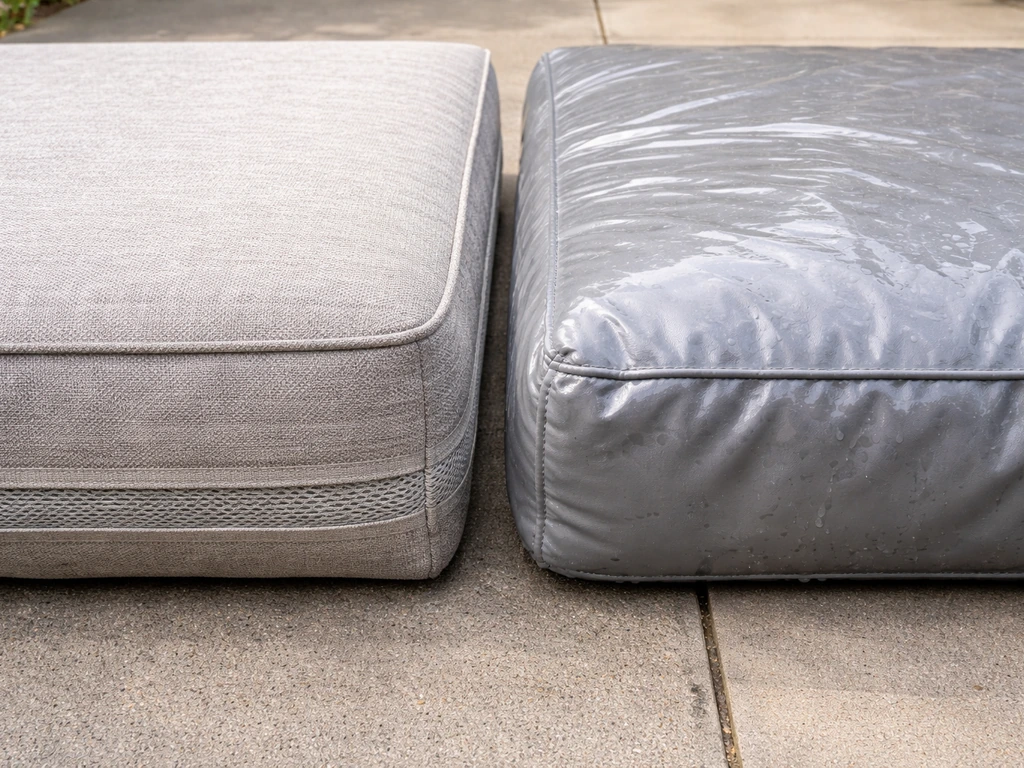
The cushion is almost always the first thing to fail on outdoor furniture, and it's the one component that dramatically affects how often you're fighting mildew. For LA, the minimum standard is solution-dyed acrylic, where the color is locked into the fiber at the molecular level, not printed on top. Sunbrella is the most recognized brand; their fabric is 100% solution-dyed acrylic, won't support mildew growth by itself, and carries a multi-year warranty against fading.
Perennials is a premium alternative with a five-year no-fade warranty. Perennials solution-dyed acrylic fabrics are backed by a five-year no-fade warranty from the date of purchase [Perennials is a premium alternative with a five-year no-fade warranty. ](https://www. perennialsfabrics.
com/care-support/warranty/). Both regularly outperform 'UV-resistant polyester' claims in real-world LA use. The practical test: the fabric specification should reference testing to ASTM G154 (UV exposure) and ideally AATCC TM22 (water spray resistance). If a cushion description just says 'fade-resistant polyester' without a named fabric system or test reference, assume it will fade within two seasons.
Cushion fill and construction
The interior fill matters as much as the cover. Standard polyurethane foam soaks up water and holds it, creating a mildew factory inside the cushion even when the cover looks dry. Look for quick-dry foam (open-cell construction that drains and dries fast), or Dryfast-style foam with large open cells specifically designed for outdoor use. Some higher-end cushions add an interior moisture barrier liner between the fill and the cover, that extra layer slows water intrusion during prolonged rain.
For LA's winter rain events, this makes a real difference. A zipper closure on the cover is a practical feature, it lets you remove and wash the cover when it gets dirty, and Sunbrella fabric specifically recommends occasional cleaning to prevent dirt-based mildew.
Covers: breathable is non-negotiable
A non-breathable cover is almost worse than no cover at all in LA's climate. If you seal moisture under an impermeable cover after a rain event, you've created a mildew incubator. Good outdoor furniture covers use a breathable, water-resistant fabric (not fully waterproof) that lets moisture vapor escape while keeping rain out. Look for covers with vents or breathable panels, an elastic hem or drawcord for a secure fit (coastal wind will rip off a loose cover), and ideally side straps or buckles. Restoration Hardware and Gloster both make covers meeting these standards; there are also good aftermarket options. The Forbes and cover-manufacturer guidance all converges on the same point: breathable fabric plus secure fit plus covering only dry furniture.
Accessories worth having
- Outdoor fabric protector spray: Apply every six months (before dry season and before wet season) to refresh water repellency on cushion covers, even Sunbrella fabric.
- Furniture anchors or weighted feet: Important for coastal patios; afternoon onshore wind consistently moves lightweight furniture.
- Teak sealant or oil: If you own teak, annual cleaning plus an oiling or sealing application is the only real maintenance requirement.
- Rust-inhibiting touch-up paint: Keep a small can matched to your powder coat color for immediate chip repair on any steel or coated aluminum piece.
- Storage bags for cushions: Even if you cover your furniture, bringing cushions inside during multi-day winter rain events eliminates the biggest mildew risk.
Maintenance in LA: what to actually do and when
The good news about LA maintenance is that the seasonal pattern is predictable. You have two meaningful transition points: the end of summer (October) before the rains start, and the end of winter (April) before the dry season locks in. Build your routine around those. If you’re shopping for the best patio furniture in Vancouver, the same longevity rules apply, with extra attention to rust prevention, breathable covers, and quick-drying cushion materials best patio furniture vancouver.
End of summer (October) checklist
- Inspect all frames for chips, scratches, or spots where powder coat has failed. Touch up any bare metal immediately with rust-inhibiting primer and matching paint — don't wait.
- Check and tighten all bolts, screws, and fasteners. Hardware loosens through a summer of use and thermal cycling. This takes ten minutes and prevents joint failure.
- Clean cushion covers with a mild soap solution (Sunbrella recommends diluted dish soap or their own cleaner) and let them dry completely before covering or storing.
- Apply fabric protector spray to all cushion covers.
- Inspect hardware on folding or adjustable pieces — hinges and locks see more stress and are the first metal components to corrode in coastal conditions.
- If you're in a coastal neighborhood, wipe down metal frames with a damp cloth to remove salt deposits, then dry thoroughly.
End of wet season (April) checklist
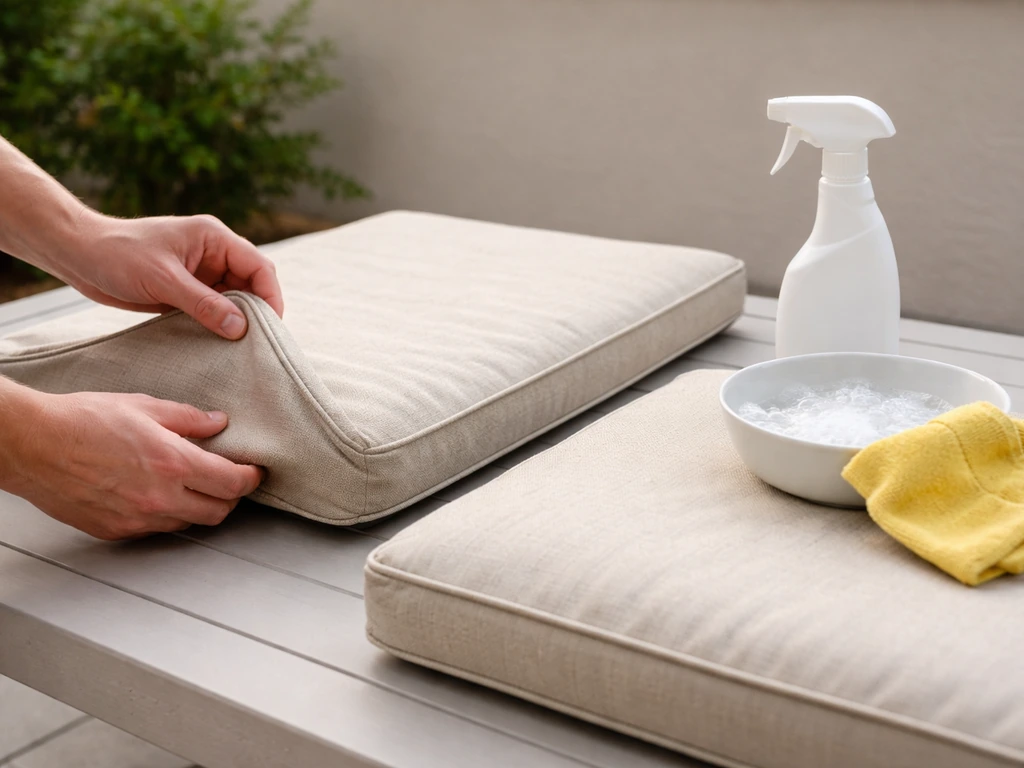
- Pull covers off and inspect for mildew on both the cover interior and the furniture surfaces. Address any mildew with a diluted bleach-and-soap solution on appropriate surfaces.
- Inspect all metal frames again after the rain season for any rust spots that appeared at chip locations — catch these early.
- If you have teak, this is the time to clean and re-oil or re-seal before the UV season hits.
- Apply fabric protector spray again before summer UV exposure begins.
- Check cushion fill by squeezing — if any cushions feel dense or waterlogged even after drying, the fill has likely broken down and it's time to replace them.
- Test all mechanical components (recline mechanisms, folding joints) — lubricate with a silicone-based lubricant if stiff.
Year-round habits
During the winter rain season, bring cushions inside for any multi-day rain event. This single habit eliminates 80% of the mildew problems people report with outdoor furniture. If you're in an inland area where furniture takes longer to dry after rain (less coastal breeze), stand cushions on edge or lean them against a wall after rain to maximize airflow underneath. Wipe down metal frames after rain events if you're coastal. And don't let leaves, debris, or dirt accumulate on furniture surfaces, decomposing organic material traps moisture and accelerates mildew and surface staining.
Budget vs durability: how to actually choose
The cheapest patio furniture that lasts in LA is not the cheapest furniture at the store, it's the cheapest furniture per year of actual use. A $300 set that lasts two seasons is more expensive than a $900 set that lasts ten. That math matters more in LA than in milder climates because the UV and salt-air conditions destroy budget materials faster here than they would in, say, Seattle or Vancouver where sun intensity is lower and salt exposure is more moderate. To choose the best patio furniture for the Pacific Northwest, prioritize materials that handle frequent rain and keep drying fast.
Here's a practical framework based on budget and location:
| Budget | Coastal LA | Inland LA | Best Material Choice |
|---|---|---|---|
| Under $400 | Sling aluminum chairs only (no cushions) | Sling aluminum or basic powder-coated steel + covers | Aluminum sling or POLYWOOD individual pieces |
| $400–$900 | Aluminum frame resin wicker + Sunbrella upgrade cushions | Aluminum or steel frame + good cushion fabric | Aluminum frame, solution-dyed acrylic cushions |
| $900–$2,000 | Aluminum/HDPE wicker set with included Sunbrella fabric | Teak dining or mid-range aluminum sectional | Outer, Polywood, or RST Brands mid-tier |
| $2,000–$5,000 | Commercial-grade aluminum or teak (Gloster, Castelle) | Teak dining + aluminum lounge, or premium sectional | Gloster, Brown Jordan, Barlow Tyrie |
| $5,000+ | Full teak or cast aluminum with premium fabric | Same — invest in premium teak or Brown Jordan | Brown Jordan, Westminster Teak, Restoration Hardware Outdoor |
One specific recommendation if budget is the main constraint: prioritize the frame over the cushions. You can always upgrade cushions later, buy replacement Sunbrella covers for an existing cushion insert, or replace the fill with Dryfast foam when it wears out. You can't easily upgrade a steel frame on a coastal patio once corrosion gets into the welds. Spend the budget where it's hardest to fix.
If you're shopping for a different California climate or a neighboring coastal city, the same material logic applies but the intensity of the conditions changes. Long Beach patios face similar salt-air and UV pressures to coastal LA, while Pacific Northwest cities like Seattle or Vancouver deal with sustained moisture and overcast conditions rather than UV intensity, which shifts the priority from UV resistance to drainage and rust prevention. Knowing your specific microclimate is step one regardless of where you're shopping.
The bottom line for LA patio buyers
For most LA patios, the winning formula is powder-coated 6000-series aluminum frames, HDPE resin wicker accents where you want that look, solution-dyed acrylic cushion fabric (Sunbrella minimum), quick-dry foam fill, and breathable covers used consistently. Add 316 stainless fasteners if you're within a mile of the coast. Do a ten-minute hardware check and touch-up inspection every October and every April. That combination of material choices and a simple biannual routine will keep LA patio furniture looking good and functioning well for a decade or more, which is genuinely achievable and far better than the replacement cycle most people end up on when they optimize only for upfront price.
FAQ
Is aluminum always the best choice for best patio furniture los angeles, or can I use steel on a coastal patio?
For coastal LA (Venice, Santa Monica, Malibu, Long Beach and similar wind-driven areas), prioritize 316 stainless hardware and aluminum frames with a visibly thicker, well-cured powder coat. If you buy anything with steel, plan on spring inspection and fast chip touch-ups immediately, because corrosion starts at the first bare edge.
How do I tell if a cushion fabric is actually good for LA sun, not just marketing?
A set can say “UV resistant” and still fade quickly if the fabric system is not solution-dyed acrylic or if it lacks test references. When shopping, look for named solution-dyed lines (Sunbrella or equivalent) and check that the cushion description is tied to UV testing rather than generic polyester claims.
What kind of patio cover is safest in LA, and should I cover furniture after rain?
Covers should not trap moisture. Choose breathable, water-resistant covers with vents or breathable panels, a secure fit (elastic hem or straps), and a habit of covering only when furniture is dry. After winter storms, let the patio set air out uncovered for a few hours before re-covering.
Why do my cushions get mildew even when I cover them, and what should I replace first?
If your cushion fill is standard polyurethane foam, it can hold water even when the cover looks dry. For LA, look for quick-dry/open-cell foam or outdoor-designed foam, and consider cushions with a moisture barrier liner if you expect long rain stretches during winter.
If I buy teak, do I still need to worry about drainage and maintenance in Los Angeles?
Not always. “Teflon-like” or stain-resistant finishes can slow maintenance but won’t fix poor drainage design. Teak and other durable woods still need water-shedding construction, proper joinery, and a setup where water does not pool on flat surfaces.
What should I check before buying resin wicker conversation sets for a coastal LA home?
For resin wicker look-alikes, the critical detail is the frame underneath. Resin wicker over aluminum is the safer long-term combo, while resin wicker over steel accelerates failure in coastal air once the coating weakens at welds and cut edges.
What’s the simplest maintenance routine that prevents mildew during LA winters?
In LA, a big help is swapping the routine from “cover all winter” to “control moisture.” Bring cushions in for any multi-day rain event, and if you are inland, stand cushions on edge after storms to improve airflow under and inside the cushion.
If I want dining outdoors but don’t want to bring cushions in, what furniture type works best in LA?
Yes, if you have multi-day rain and you cannot bring items inside, prioritize sling seating or designs that dry fast. Sling chairs and sling-style dining seating avoid the water-holding problem of thick cushion stacks and typically recover faster after rain.
When should I inspect my patio furniture in Los Angeles, and what exact areas should I check?
Set a calendar reminder for October and April, then do a 10-minute hardware and coating check each time. Focus on fasteners, hinge points, and any chipped edges, and touch up immediately with rust-inhibiting primer and matching paint if you own steel.
Can I expand a sectional or modular patio set later, and what details prevent future wobble?
You can, but only if the frame and weave are compatible and the stress points are designed for it. For example, conversation sets should have proper aluminum sub-frames, and modular connectors should be metal-to-metal, so adding pieces does not strain loose joints.
What’s the best way to get the longest service life without overspending in Los Angeles?
Consider frame longevity first, not just the upfront price. For LA, the most cost-effective path is usually paying for the frame and cushion cover system, because upgrading cushions later is easier than repairing corrosion in welds on steel frames.
Next Articles
Best Patio Furniture Long Beach: Durability Guide for 2026
Best patio furniture for Long Beach 2026: durable materials, corrosion resistance, comfort sizing, and care for coastal
Best Patio Furniture Houston Guide for Heat and Rain
Choose the best patio furniture for Houston heat and rain, with durable materials, care tips, and buying checklists.
Best Patio Furniture for Pacific Northwest Homes: Picks
Best patio furniture for Pacific Northwest climates: top materials, buying picks, and care tips for rain, wind, and mild