
For Seattle's wet, grey climate, your best bets are powder-coated aluminum frames, teak or eucalyptus hardwoods, and high-density polyethylene (HDPE) composite materials. These three hold up against Seattle's roughly 38 inches of annual rainfall, persistent humidity, and the near-constant overcast that keeps surfaces damp for days at a time. Pair any of those frames with Sunbrella-grade solution-dyed acrylic cushions or skip cushions altogether on a covered porch, and you'll have furniture that still looks good five years from now. Everything else, cheap wicker, hollow steel, low-grade teak, standard polyester cushions, starts deteriorating within a season or two in this climate.
Best Patio Furniture for Seattle: What to Buy Today

Theo Tierney
22 May 2026
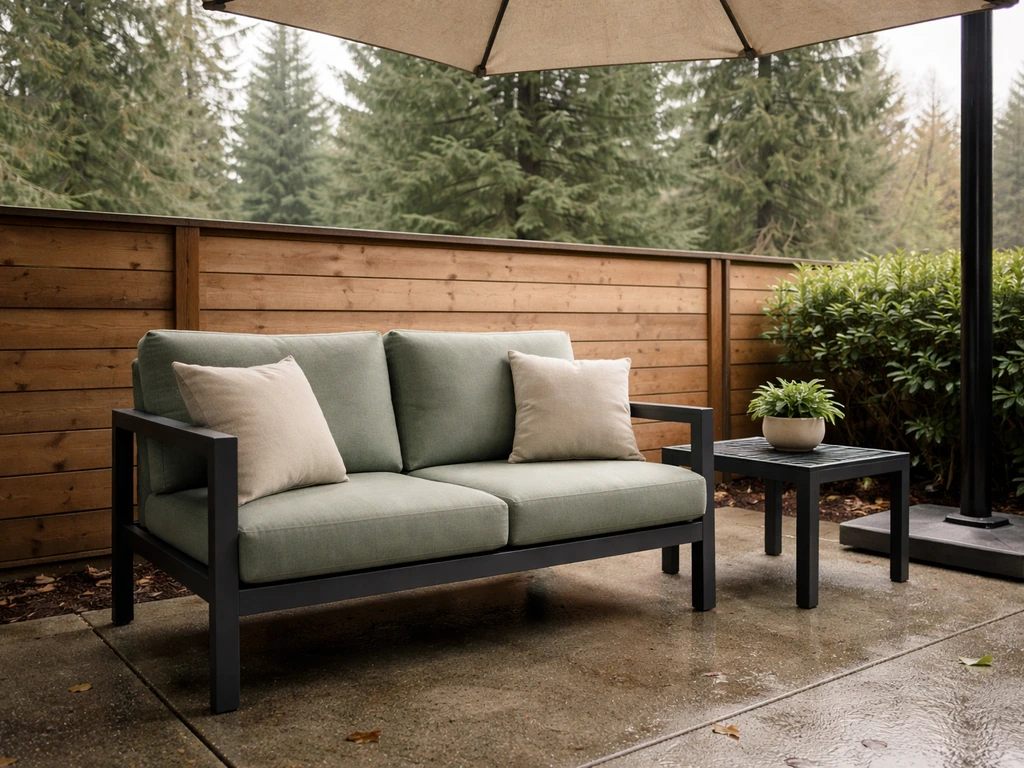
What Seattle's climate actually does to patio furniture
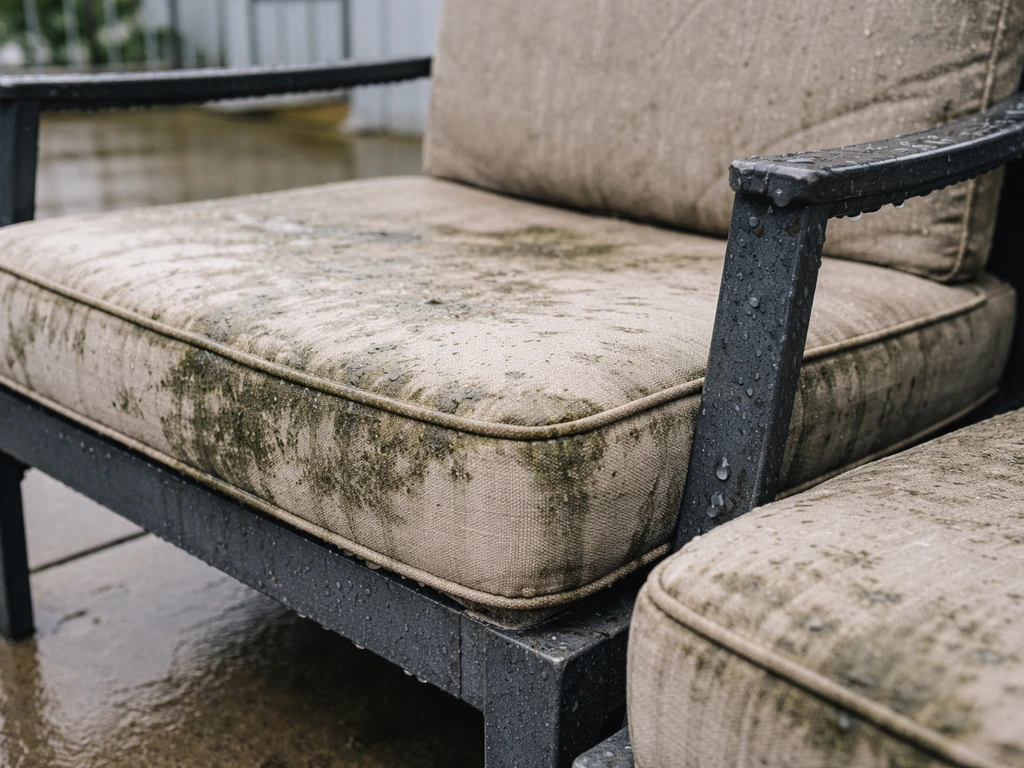
Seattle doesn't get brutal winters or scorching summers, but it puts furniture through a different kind of punishment. Based on NOAA's 1991–2020 climate normals for Seattle-Tacoma International Airport, the city gets meaningful precipitation in every single month of the year, with the heaviest rain falling November through February. Average high temperatures rarely crack 80°F even in July and August, which sounds easy on furniture, but the flip side is that surfaces stay cool and damp for long stretches. That combination is perfect for mildew, rust creep, and wood rot, and hard on anything with a porous or uncoated surface.
UV damage is less severe here than in Los Angeles or Houston, which means finishes don't bleach out as fast. But moisture is relentless, and that shifts your priorities. You're not shopping primarily for UV stability, you're shopping for corrosion resistance, water-shedding design, and mildew-resistant materials. Seattle homeowners in covered outdoor spaces or under deep eaves get a bit more flexibility, but even a covered patio sees humidity and splash-back. Uncovered patios and exposed decks face the full force of it.
Material by material: what actually works here
Teak and eucalyptus wood
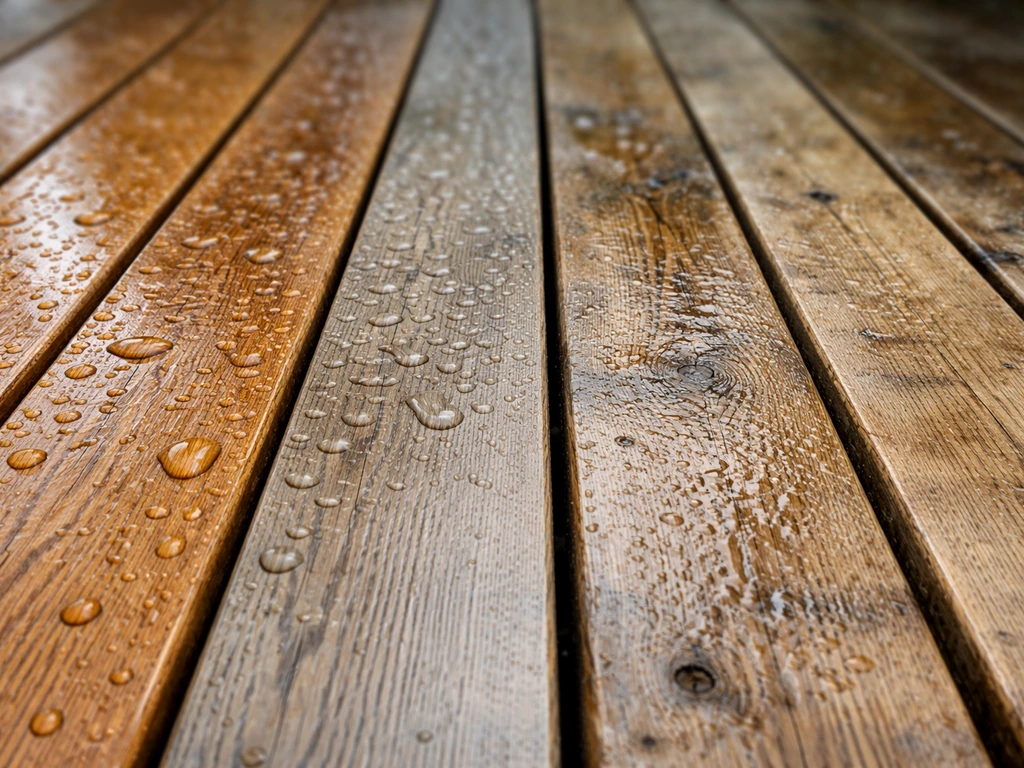
Teak is still the gold standard for wet climates, and Seattle is exactly the environment it was designed for. The wood's natural silica and oil content repel water, resist rot, and require very little intervention to survive years of rain exposure. Grade A teak (cut from the heartwood of mature trees) is the only grade worth buying, it has the tight grain and high oil content that makes it durable. Grade B and C teak are softer, have more sapwood, and will check and crack faster in constant moisture. Eucalyptus is a solid alternative that runs 30–40% cheaper than teak and performs comparably in wet conditions, though it does benefit from an annual oiling.
Left untreated, teak weathers to a silver-grey patina that many Seattle homeowners actually prefer, it looks intentional in a Pacific Northwest landscape. If you want to maintain the warm honey-brown color, one application of teak oil or a penetrating sealer each spring does the job. Avoid film-forming finishes like varnish on outdoor teak.
They trap moisture under the surface and peel badly in Seattle's damp conditions, and USDA Forest Service finishing guidance confirms that film finishes are especially vulnerable to moisture-driven failure in constantly wet environments. The USDA Forest Service finishing guidance also notes that outdoor film finishes are especially vulnerable to moisture-driven failure when surfaces stay constantly wet [film finishes are especially vulnerable to moisture-driven failure in constantly wet environments](https://www. fpl. fs.
us. usda. gov/documnts/fplgtr/fplgtr190/chapter_16. pdf).
Powder-coated aluminum
This is the most practical all-around frame material for Seattle. Aluminum doesn't rust, period. It's lighter than steel, which matters when you're dragging furniture under cover before a big storm or moving it seasonally. The quality variable is the powder coat itself, look for a thermally bonded powder coat at least 2–3 mils thick, applied to an aluminum alloy frame (not thin-gauge tubing). Cheap aluminum furniture uses very thin-walled tubing that bends under load and develops hairline cracks in the powder coat that admit moisture. That eventually causes oxidation even on aluminum.
Marine-grade or commercial-grade aluminum furniture is worth the premium in Seattle. Cast aluminum, which uses thicker molded sections rather than extruded tubing, is more rigid and holds up better under real use. The trade-off is weight, cast aluminum pieces can be heavy enough that you're not moving them often, which is fine for a permanent dining setup but less ideal for a flexible balcony arrangement.
HDPE composite (recycled plastic lumber)
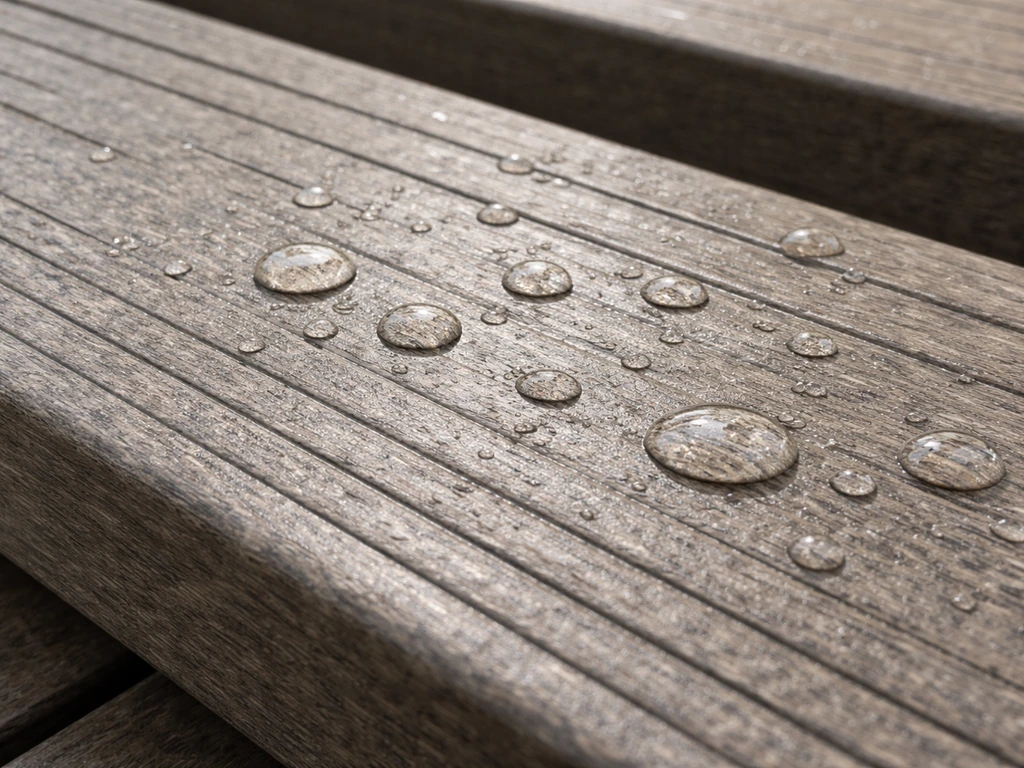
High-density polyethylene composite is the most genuinely waterproof option available. It will not rot, rust, splinter, fade significantly, or absorb moisture, at all. Brands like POLYWOOD and Highwood use this material, and it was literally engineered to replace wood in wet outdoor environments. The look has improved dramatically in the last several years; it no longer reads as obviously plastic at a glance. For Seattle, HDPE furniture is particularly smart on docks, covered patios that stay damp, or anywhere you can't easily cover and dry furniture regularly.
The downsides are aesthetic and tactile. Some people find it looks less premium than teak or cast aluminum, especially in design-conscious spaces. It can also feel slightly hollow under the hand compared to solid wood. But if your priority is zero-maintenance durability in a wet climate, nothing beats it. HDPE furniture typically comes with 20-year warranties and genuinely earns them.
Wicker and resin wicker
Natural rattan wicker belongs indoors in Seattle. Full stop. It absorbs moisture, develops mold, and deteriorates quickly when left exposed to Pacific Northwest weather. Synthetic resin wicker, made from HDPE or polyethylene strands woven over an aluminum frame, is a different story, done right, it's actually quite durable. The key phrase there is "done right." The market is flooded with cheap resin wicker on steel frames, and that's a combination that fails fast in Seattle. The steel frame rusts from the inside out, and the rust bleeds through the weave.
If you want the wicker look, insist on all-weather resin wicker over an aluminum frame. Check the weave density, tighter weaves hold their shape longer and don't stretch or sag. UV-stabilized resin wicker won't fade as fast, though in Seattle's low-UV environment, this is less critical than it would be in Southern California. For covered patios, good quality resin wicker on aluminum can last 8–12 years with minimal maintenance.
What to look for in weatherproofing features
Frames and hardware
Beyond the base material, look at the hardware. Stainless steel fasteners (grade 304 or 316) won't rust and won't stain your decking the way zinc or standard steel hardware will after a wet winter. Joints should be welded or pinned, not just screwed together, screw-together connections loosen over time, especially in furniture that expands and contracts with temperature swings. For dining chairs that see real daily use, welded joints are non-negotiable. Also check whether the frame has drainage holes at low points; water that pools in hollow frame members accelerates corrosion even in aluminum.
Cushion fabric and fill
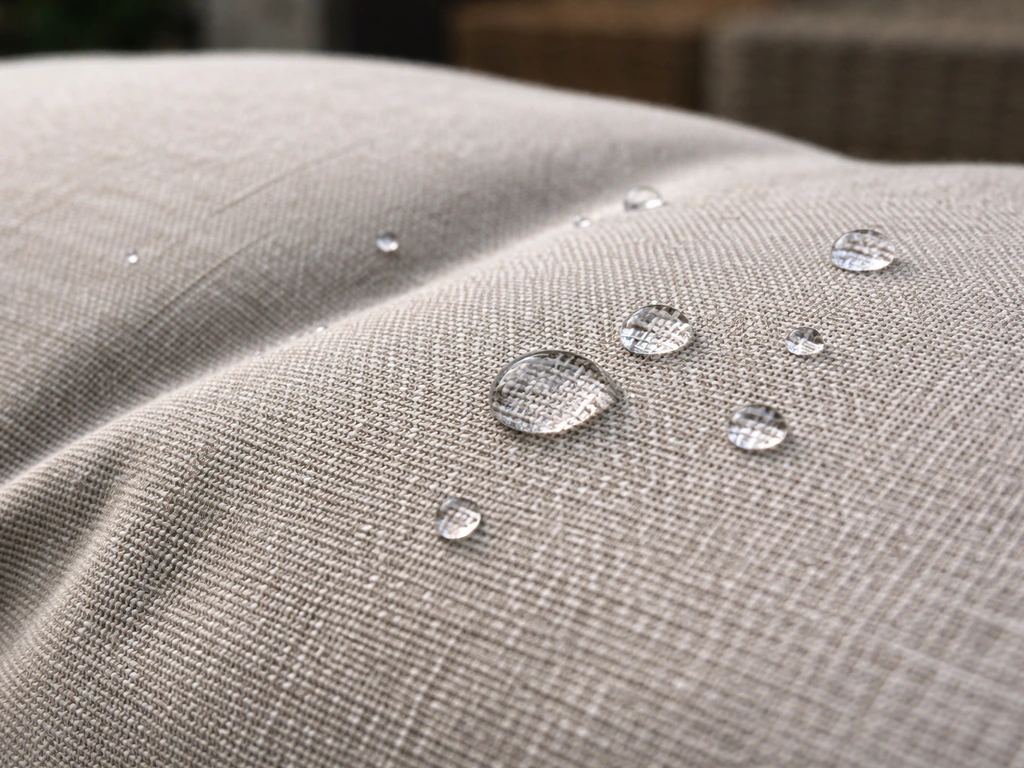
Cushions are where most Seattle patio setups fail early, and they fail because of cheap fill material and non-weather-rated fabric. The Seattle Times has specifically called out cushion failure as a faster point of deterioration than frames, and recommended reticulated foam fill because it wicks moisture out rather than absorbing and holding it. Standard polyurethane foam soaks up water like a sponge, stays wet for days, and grows mildew in the core where you can't clean it.
For fabric, solution-dyed acrylic (Sunbrella is the most recognized brand, but Outdura and Tempotest are solid alternatives) is the right choice. The dye goes all the way through the fiber rather than sitting on the surface, so the color holds and the fabric doesn't degrade when wet repeatedly. It's also mildew-resistant and can be cleaned with a diluted bleach solution without damaging the color. Polyester cushion covers, even ones marketed as "outdoor," simply don't hold up in a consistently wet environment. Spend the extra money on solution-dyed acrylic cushions or you'll be replacing them every two years.
Finishes and coatings
On metal furniture, the finish is as important as the base material. A quality powder coat is baked on and creates a continuous barrier against moisture. Look for furniture where the finish is applied after fabrication, not before, coating pre-cut tubing and then welding it together leaves exposed metal at every joint. On wood furniture, penetrating oil finishes outperform film finishes in Seattle because they don't trap moisture under a surface layer. If you see furniture with a thick lacquer or varnish coating at the showroom, know that coating will peel within a season or two in this climate and you'll need to strip and refinish it.
Matching furniture style and layout to your Seattle space
Most Seattle patios fall into one of a few categories: a small covered porch or balcony (very common in denser neighborhoods like Capitol Hill, Queen Anne, or Ballard), a larger uncovered backyard patio, or a deck attached to the back of a house that gets partial cover from an overhang. Each calls for a different approach.
Small balconies and covered porches
Space is the primary constraint here. A bistro set, two chairs and a small table, or a compact loveseat with one side table is usually the practical maximum. Folding or stackable chairs make a huge difference on small balconies where you might want to clear space seasonally or store furniture indoors during heavy winter rain. Aluminum is ideal here both for its weather resistance and its lighter weight. For covered porches where rain exposure is limited, you have more material flexibility and wicker becomes a viable choice.
Larger uncovered backyard patios
If you have a full patio and it's uncovered, your material choices matter most. This is where teak or HDPE composite really earns its value because you're not always going to cover and uncover the furniture after every rain. A dining set with 4–6 chairs, or a sectional with a coffee table for lounging, works well in a 12x16 foot or larger patio space.
Build in a cover strategy: waterproof fitted covers for cushion storage are essential, and storing loose cushions in a deck box when not in use extends their life dramatically. Deep-seated lounge chairs and sectionals tend to collect water in the seat cushions, so raised designs with good drainage gaps between slats are preferable to solid seat pans.
Families, pets, and design-focused spaces
For families with kids and pets, the practical answer is HDPE composite or powder-coated aluminum with reticulated foam cushions in a dark or patterned Sunbrella fabric. If you're shopping specifically for the best patio furniture in Vancouver, prioritize these same weatherproof materials and construction details best patio furniture vancouver. These combinations are nearly indestructible and clean up with a hose.
For design-conscious homeowners who want the patio to look good, Grade A teak with a consistent oiling routine is the move, it ages beautifully and photographs well without looking like outdoor furniture. Powder-coated aluminum in matte charcoal or deep navy reads as architectural and pairs well with modern Seattle home aesthetics. Avoid white powder-coat in this climate; it shows mineral deposits and algae staining much faster than darker finishes.
Reliable brands and what to actually spend
Here's a realistic breakdown of brands and product categories worth considering at different price points. These aren't the only options, but they represent known quality levels and are widely available through retailers that serve the Seattle market.
| Brand / Product Type | Material | Price Range (set) | Seattle Suitability | Best For |
|---|---|---|---|---|
| POLYWOOD Vineyard or Nautical collection | HDPE composite | $600–$1,400 | Excellent | Uncovered patios, zero-maintenance situations |
| Highwood USA Adirondack or dining sets | HDPE composite | $400–$1,200 | Excellent | Budget-conscious HDPE, families, casual spaces |
| Barlow Tyrie teak dining/lounge | Grade A teak | $1,800–$5,000+ | Excellent | Design-focused, long-term investment |
| Kingsley-Bate teak and aluminum | Grade A teak, aluminum | $1,200–$3,500 | Excellent | Mid-to-high end teak, wide style selection |
| Brown Jordan aluminum collections | Cast aluminum | $1,500–$4,000 | Very Good | Classic aesthetic, commercial-grade durability |
| Telescope Casual aluminum | Extruded aluminum | $800–$2,000 | Very Good | Mid-range aluminum, made in USA, solid warranty |
| Hanamint aluminum collections | Cast aluminum | $1,000–$3,000 | Very Good | Mid-tier cast aluminum with good dealer support |
| Outer sectional with all-weather cushions | Powder-coated aluminum + reticulated foam | $2,500–$4,500 | Very Good (covered patio ideal) | Modern aesthetic, comfort-forward lounging |
| IKEA ÄPPLARÖ series | Acacia wood | $300–$800 | Fair (needs sealing) | Budget entry, requires annual maintenance |
| Costco Member's Mark aluminum dining | Aluminum frame | $400–$800 | Good for price | Value dining sets, limited style options |
For most Seattle homeowners trying to balance durability, aesthetics, and budget, the sweet spot is a powder-coated aluminum frame dining set or sectional in the $800–$2,000 range, paired with Sunbrella-cushioned seats stored in a deck box when not in use. POLYWOOD is the smart pick if you truly never want to think about maintenance. Teak from Barlow Tyrie or Kingsley-Bate is the right call if you want something that improves with age and justifies the price over a 15-year lifespan.
One note on buying local: Seattle has a handful of specialty outdoor furniture retailers in the greater metro area (look for authorized dealers of the brands above) where you can actually see and handle the construction before buying. Seeing how a frame joint is finished, feeling the cushion fill, and checking how tight the wicker weave is in person is worth the trip compared to buying blind online for larger purchases.
Maintenance and seasonal care for Seattle's weather
Seattle's maintenance calendar is different from drier climates. You're not dealing with deep winter freezes or intense UV bleaching, you're fighting mildew, surface algae, and slow moisture infiltration over a long wet season. A consistent routine prevents small problems from becoming frame-threatening ones.
Spring startup (March to April)
- Remove furniture from storage or uncover it and inspect for any mildew, rust spots, or cracked powder coat.
- Clean all frames with a mild soap solution and a soft brush. For powder-coated aluminum, avoid abrasive pads that scratch the finish.
- For teak, decide whether to oil or let it silver. If oiling, clean the wood first with a teak cleaner to remove any surface gray, let it dry completely (at least 24 hours in Seattle weather), then apply one coat of penetrating teak oil.
- Wash cushions before putting them back in service. Mix 1/4 cup mild dish soap and 1/4 cup borax per gallon of water, scrub, rinse thoroughly, and let air dry fully before using.
- Inspect all hardware for early rust or looseness. Tighten any wobbling joints and treat any bare metal spots with a rust-inhibiting primer.
Summer and fall maintenance (May to October)
- Bring cushions inside or store in a deck box whenever extended rain is forecast. Seattle's summer rain events are shorter and drier than fall/winter, but any cushion left wet for more than 24 hours can begin developing mildew in the core.
- Wipe down hard surfaces after heavy rain, especially joints and low points where water pools.
- Check under furniture regularly during fall — leaves and organic debris holding moisture against frame legs is a major contributor to surface damage and rust creep.
- For resin wicker, a monthly rinse with a garden hose prevents dust and pollen from working into the weave and trapping moisture.
Winter prep and storage (November to February)
Seattle doesn't get hard freezes most years, so full indoor storage isn't always necessary. But November through February is when moisture damage accumulates fastest, so how you handle this period matters a lot. Cushions must come inside for winter, full stop. Storing them in a dry space like a garage or basement prevents the mildew growth that ruins cushions faster than any other factor.
For frames, covering with breathable, fitted outdoor furniture covers (not plastic tarps, which trap condensation) is a good middle ground if you can't store furniture indoors. Breathable covers from brands like Classic Accessories or Duck Covers allow airflow while blocking direct rain. If you have aluminum or HDPE furniture and can leave it semi-covered, it'll survive fine. Teak can stay out uncovered and simply silver, it's weathering, not damage.
What teak cannot handle is sitting in pooled water for months; elevating legs slightly off a wet surface helps.
Buying smart: sizing, warranties, and spotting bad construction
Get your sizing right first
Measure your space before you shop, and measure generously, account for chair pull-out distance (typically 2.5–3 feet behind the chair when seated) and walkway clearance. A 6-person outdoor dining set needs at least a 10x12 foot space, and that's tight. A sectional that looks manageable in a showroom photo can easily require a 14x16 foot footprint with traffic clearance. Many Seattle patios are smaller than buyers assume, and returning large outdoor furniture is a logistical nightmare. Tape out the footprint on your actual deck or patio before ordering.
Warranties worth trusting vs. marketing language
A real warranty covers the frame for at least 5 years against structural failure and the finish against peeling or cracking. HDPE composite furniture typically offers 15–20 year warranties on the material itself. Fabric warranties from Sunbrella and similar manufacturers cover fade and weather degradation for 5 years on most products. Be skeptical of "outdoor rated" labels without specific warranty terms. A warranty that says "1 year" on a $1,500 patio set is telling you something real about the expected lifespan of the product. Ask retailers specifically: what does the warranty cover, and what's the actual return/exchange process if the finish fails in year two?
How to spot low-quality construction in the store
- Lift a chair and feel for thin, flexible tubing that bends slightly under hand pressure — that's a sign of under-gauge aluminum that will wobble and loosen quickly.
- Look at every weld point. Rough, lumpy, or inconsistent welds indicate lower manufacturing quality and potential stress points.
- Push down on the seat and rock it side to side. Any immediate flex or creaking in a brand-new piece means the joints are already not tight.
- Check the finish at edges and inside corners — cheap powder coat is often thin or inconsistent at corners, which is exactly where moisture attack starts.
- For wicker, pull at a strand of the weave. It should be taut and spring back. If it feels loose or stretchy, the weave will sag and separate within a season.
- Look for drainage holes in seat frames and slat gaps in seat pans. Solid seat pans with no drainage pool water directly on cushions.
- Ask where the furniture is manufactured and who stands behind the warranty. No-name brands with a big box retailer warranty (not the manufacturer's warranty) often have no real support if something goes wrong.
Online vs. in-store buying for Seattle
For smaller pieces like bistro sets, folding chairs, or Adirondack-style HDPE pieces, buying online from a known brand direct (POLYWOOD, Highwood, Telescope Casual's website) is low-risk because the construction quality is consistent and well-documented. For larger sectionals, dining sets, or any significant investment over $1,500, the in-store advantage is real. You want to inspect the frames, feel the cushion fill, and confirm the finish quality before committing.
Seattle has retailers that stock major outdoor furniture brands, NSCS Home + Garden in Bellevue, local patio specialty shops, and some Restoration Hardware and Crate and Barrel locations carry outdoor lines. Compare pricing against direct-brand pricing online; many dealers are willing to price-match or include delivery/assembly for the same money. Always confirm the return policy on assembled furniture, some retailers won't take returns on assembled pieces, which is a problem if your dining table shows up with a finish defect.
Seattle's climate punishes furniture that wasn't designed for moisture, and rewards the right material choices with genuinely long lifespans. Buy aluminum, teak, or HDPE with quality cushions, cover or store those cushions through winter, and do a 30-minute spring cleaning each year. That's the whole formula. Everything else, the style, the layout, the brand, is secondary to getting the material and cushion quality right for this specific climate.
FAQ
Is powder-coated aluminum definitely enough for an uncovered Seattle patio?
It can be, but only if the powder coat is properly applied after fabrication and the design sheds water. Check for drainage holes in hollow members, fully welded or pinned joints, and stainless (304 or 316) hardware. If the set sits in puddles during winter rain, even aluminum will corrode at hidden seams over time.
Can I leave teak outside year-round on a Seattle deck?
Yes, teak can stay outdoors uncovered, it typically just weathers to silver-grey. The exception is prolonged contact with standing water. If your deck creates puddles around the legs, elevate the furniture slightly or use a breathable deck mat so the bottom stays dry between rain events.
What cushion foam should I avoid for Seattle, even if it’s sold as “outdoor”?
Avoid standard polyurethane foam cores that absorb and hold water. In Seattle’s persistent humidity, that foam stays wet for days and can develop mildew deep inside the cushion where cleaning is difficult. Reticulated foam is the safer bet because it wicks moisture out and dries faster.
How should I clean mildew or algae on furniture in Seattle without damaging finishes?
Use gentle, infrequent cleaning that targets growth on the surface, then rinse thoroughly. For solution-dyed acrylic cushions, diluted bleach is typically safe for the fabric when used as directed, but do not flood porous wood cores or soak cushions for long periods. For metal, avoid aggressive solvents that can thin or strip powder coat.
Do I need to store furniture in winter if it’s powder-coated aluminum or HDPE?
Often no, but cushions must come inside every winter. For the frames, you can leave aluminum or HDPE out semi-covered using breathable fitted covers so trapped condensation doesn’t sit on joints. Plastic tarps that seal air out tend to increase moisture buildup, which speeds up staining and can stress connections.
Are all “resin wicker” products the same for Seattle?
No. Seattle failures usually come from cheap resin woven over a rust-prone metal frame, or from loose weaves that sag and trap water. Look for resin wicker explicitly labeled for all-weather use over an aluminum frame, and check weave tightness and the frame material before you buy.
What warranty details should I verify before paying for the “best patio furniture for seattle”?
Don’t just look at the number of years. Confirm what’s covered (structural frame, finish, rust-through, hardware), and whether the warranty includes replacement versus reimbursement. Also ask the return or exchange process for defects discovered after assembly, since some retailers exclude assembled items.
How do I choose between teak and HDPE composite if I care about look and maintenance?
Teak will give you the warmer, higher-end natural look and will age in a preferred way in Seattle, but it benefits from an annual oil or sealer if you want to maintain color. HDPE prioritizes zero-maintenance durability, it will not rot or splinter, but it can feel less premium to some people and tends to look more uniform than wood.
Should I buy stackable or folding chairs for a Seattle balcony?
Usually yes, if space is tight or you can store them indoors during the wetest months. Folding and stacking designs can be easier to shelter, and that reduces the time cushions spend damp. Just verify that the joints and fasteners are corrosion-resistant and that the cushions can be removed or stored dry.
How can I prevent mineral staining on patio furniture in Seattle rain and mist?
Choose darker powder coat finishes (often matte charcoal or deep navy) and use stainless hardware to reduce staining. Mineral deposits show up faster on light finishes in humid climates, and algae can establish in damp corners. Regular spring rinsing and a quick scrub before growth spreads helps a lot.
What’s the best way to measure space for outdoor dining in Seattle so I don’t misbuy a set?
Measure your usable footprint and include chair clearance behind seats, typically around 2.5 to 3 feet for pull-out space. Then tape the footprint on-site to test traffic flow, because a set that looks compact in a showroom often needs a noticeably larger footprint when people are seated.
Next Articles
Common Patio Furniture Wood: Best Choices, Care & Tips
Compare common patio furniture wood types, teak, cedar, redwood, oak, with durability, finishes, and care tips.
Best Wood Patio Stain: Choosing Durable, Low-VOC Finishes
Compare and choose the best wood patio stain: durability, finish, climate tips, prep, and top product picks.
Common Patio Furniture Wood: Teak, Cedar, Redwood and More
Compare common patio woods like teak cedar redwood and pressure-treated: durability, quality checks, and care for long l