
Good patio furniture holds up for years in real outdoor conditions, stays comfortable enough to actually use, and doesn't require constant babysitting to keep it from falling apart. That means welded frames over bolted ones, powder-coated aluminum or quality hardwood over cheap steel or soft pine, and fabric rated for UV and moisture, not just fabric that looks nice in the showroom. The material, the construction details, and whether the warranty matches the marketing are the three things worth investigating before you hand over any money.
Good Patio Furniture Guide: Choose the Best by Material

Theo Tierney
28 Apr 2026
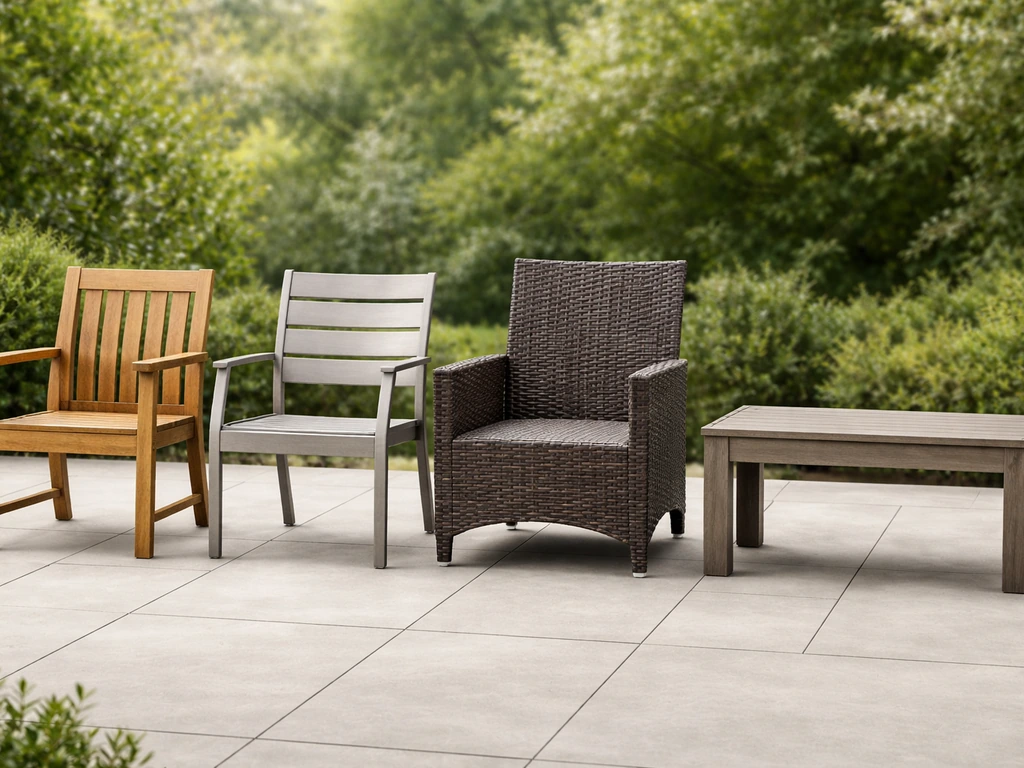
What 'good' actually means when it comes to patio furniture
Most furniture marketing leans hard on aesthetics and vague words like 'durable' or 'weather-resistant.' Neither tells you anything useful. Good patio furniture has specific, verifiable characteristics, and once you know what to look for, it's not hard to sort the genuinely solid stuff from the things that will be wobbling and fading within two summers. If you're still trying to define the basics, check out what is patio furniture so you know what to look for before comparing styles and materials.
The frame is the most important component. If the frame fails, nothing else matters. After that, hardware quality determines how long the joints stay tight. Then come the fabric and cushions, which typically wear out faster than frames but can be replaced if the rest of the piece is worth keeping. A furniture set where all three are well-made is genuinely good. If you want to avoid the worst patio furniture, start with these same frame, hardware, and cushion quality checks rather than judging by looks alone. One where the frame is excellent but the cushions are cheap is still a reasonable buy, because you can upgrade the cushions. One where the frame is flimsy is never a good buy at any price.
Here's a practical quality checklist to run through before buying:
- Frame joints: welded or reinforced connections are stronger than simple bolted connections; wiggle the piece in the store or check product specs if buying online
- Hardware: stainless steel (specifically 18-8 grade for coastal use) or corrosion-resistant coated fasteners, not bare zinc or painted steel
- Finish on metal: powder coat is more durable than spray paint; ask whether it's been tested under ASTM G155 (UV) or similar accelerated weathering standards
- Fabric: look for solution-dyed acrylic (Sunbrella is the benchmark) with UV fade resistance built into the fiber, not applied as a surface coating
- Warranty split: does the warranty cover the frame and cushions separately? Fabric warranties of one year are typical at the low end; five to ten years signals better quality
- Weight and feel: genuinely solid aluminum or hardwood furniture has a satisfying heft; very lightweight pieces often indicate thin walls or low-density material
- Leveling feet or non-corrosive glides: small detail that prevents wobble and protects decking over time
If you want to go deeper on what separates mediocre from outstanding across every price range, the site's guide on what is the best patio furniture covers specific brand comparisons and rating criteria in more detail. If you want a straightforward answer, the guide on what is the best outdoor patio furniture walks through the top picks by material and climate, plus what to look for so you can compare products confidently.
Choosing by material: wood, metal, wicker, and composite
Each material category has a real sweet spot and a real failure point. Knowing both lets you match material to climate and budget instead of just buying what looks good in a catalog photo.
Wood
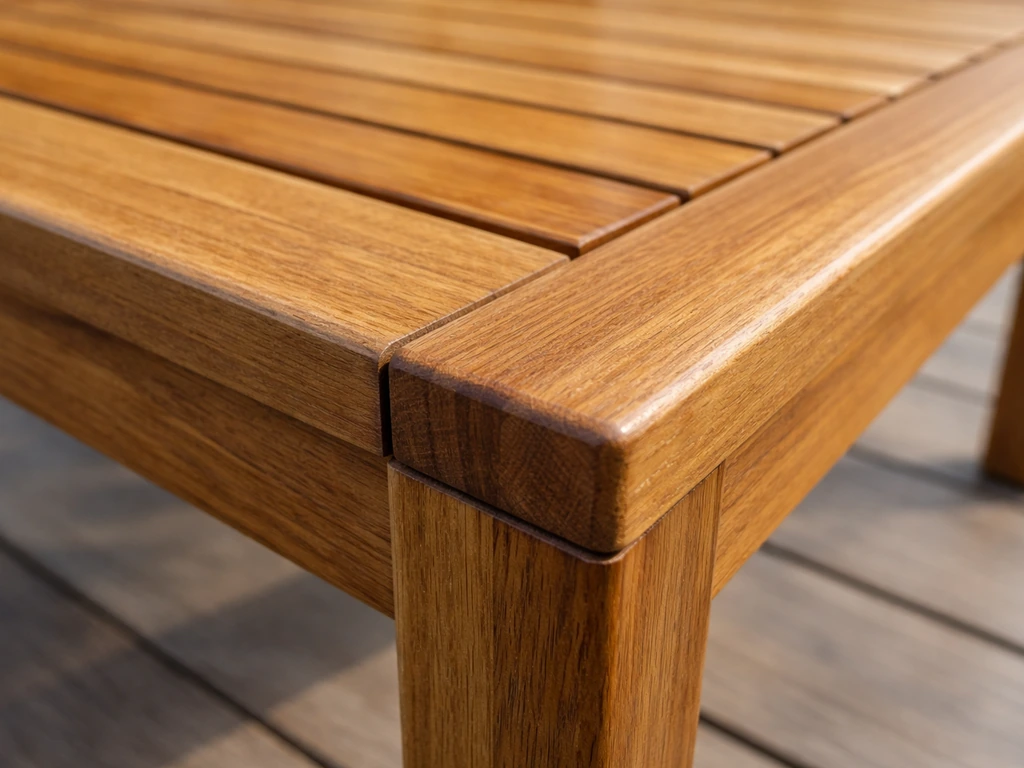
Teak is the gold standard for outdoor wood furniture and has been for decades for good reason: it contains natural oils that resist moisture, insects, and rot without requiring constant sealing. Eucalyptus and acacia are cheaper alternatives that perform reasonably well if sealed annually. Shorea and ipe are also solid choices. What you want to avoid is furniture made from pine, cedar, or any soft wood labeled vaguely as 'hardwood' without specifying the species, because softwoods absorb moisture, swell, crack, and invite mildew quickly. On wood furniture, check that the joints are mortise-and-tenon or doweled, not just screwed together, and that the hardware is stainless steel. Teak grays beautifully without any treatment if you don't mind the weathered look; if you want to preserve the warm honey color, a teak oil or sealant applied once a year handles that.
Metal
Aluminum is the most practical metal for most climates. It doesn't rust, it's light enough to rearrange easily, and when it's cast or wrought aluminum (thicker walls, more complex shapes) rather than extruded aluminum (thinner walls, simpler shapes), it can last decades with minimal care. The key quality marker is the powder coat finish: a quality powder coat is applied electrostatically and baked on, giving you a hard, even layer that resists chipping and UV degradation far better than liquid spray paint. Cast iron and wrought iron are extremely durable but very heavy and do rust if the finish is scratched and not touched up. Steel is fine if it's galvanized or powder-coated properly, but it's heavier than aluminum and more vulnerable to rust at cut edges or drill points. For coastal environments specifically, look for hardware rated to marine-grade standards, like 18-8 stainless steel fasteners with corrosion-resistant coatings.
Wicker and resin wicker
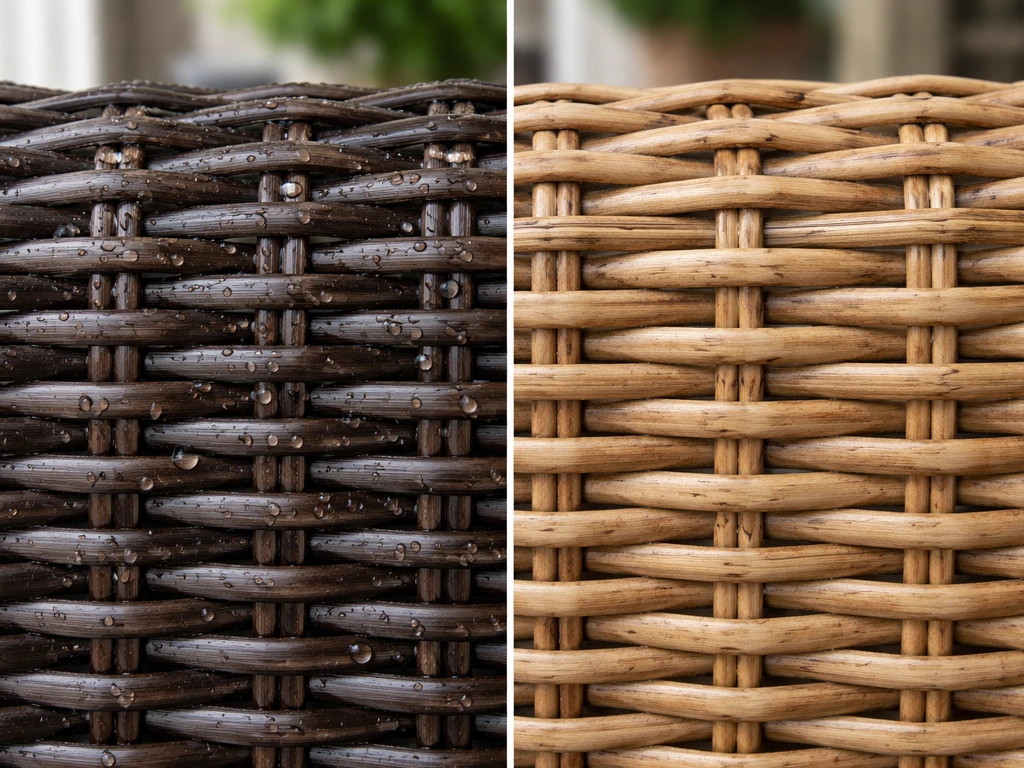
Natural wicker (rattan, bamboo) belongs indoors or in a covered porch. It degrades fast with direct rain and sun exposure. Resin wicker, also called all-weather wicker or PE wicker, is the outdoor version and it performs very differently: the weave is made from polyethylene resin over a metal frame, and quality versions resist UV fading, moisture, and temperature swings well. The critical thing to evaluate is weave tightness and the frame underneath, because the weave is only as durable as what it's wrapped around. A steel frame under resin wicker will eventually rust at joints if the frame coating chips; an aluminum frame eliminates that risk. Also check that the weave is continuous (no visible splice points that can unravel) and that the ends are cleanly tucked and secured. Warranties on woven furniture from reputable brands, like POLYWOOD, typically cover structural failure, cracking, unraveling, and excessive fading for five years of residential use, which is a useful benchmark.
Composite and recycled plastic lumber
High-density polyethylene (HDPE) lumber, the material used by brands like POLYWOOD and Trex Outdoor Furniture, has become one of the most practically durable options available. It doesn't rot, splinter, or absorb moisture, holds up in coastal salt air without corroding, and the color goes all the way through the material so surface scratches don't show a different color underneath. The tradeoff is that it can feel plasticky and doesn't have the warmth of wood grain, though the better manufacturers do a reasonable job of mimicking the look. It also expands and contracts with temperature changes more than wood, so check that the design accounts for that with appropriate spacing. For anyone who genuinely doesn't want to do maintenance, HDPE composite is the closest thing to set-it-and-forget-it outdoor furniture that exists.
| Material | Best for | Main weakness | Maintenance level | Coastal suitability |
|---|---|---|---|---|
| Teak/hardwood | Classic look, longevity | Cost, needs oiling to retain color | Low to medium | Good if hardware is stainless |
| Powder-coated aluminum | Lightweight, rust-free, versatile | Thin extrusions can dent | Very low | Excellent |
| Cast/wrought iron | Durability, wind resistance | Heavy, rust risk if finish chips | Medium | Fair (needs touch-up) |
| Resin wicker (PE) | Comfort, aesthetics, all-weather | Frame under weave may rust (if steel) | Low | Good with aluminum frame |
| HDPE composite | Zero-maintenance, rot/moisture proof | Can feel plastic, expands in heat | Minimal | Excellent |
Durability and weather resistance by climate
Where you live should genuinely influence which material you buy. Furniture that's perfect for Phoenix will underperform in coastal Florida, and what works on a covered Minnesota porch is a different question than what works exposed in the Pacific Northwest rain. Here's how to think about it by climate type.
Hot and sunny climates (Arizona, Southern California, Texas)
UV is the primary enemy here. It breaks down finishes, fades fabrics, and degrades plastics from the outside in. For fabric, look for solution-dyed acrylic like Sunbrella, which is UV-resistant through the entire fiber, not just at the surface. Sunbrella's shade and marine fabrics carry a 10-year limited warranty against becoming unserviceable from UV exposure in applicable product lines, which gives you a real benchmark for what good UV protection looks like in practice. For frames, powder-coated aluminum or HDPE composite handle intense sun better than painted steel or natural wicker. Avoid dark cushion fabrics in extreme sun climates if heat retention is a concern for sitting comfort.
Rainy and humid climates (Florida, Gulf Coast, Pacific Northwest)
Moisture is the issue here, and it attacks everything: it rots wood, rusts bare metal, grows mildew on cushions, and degrades cheap wicker weaves. Aluminum frames win by default because they simply don't rust. HDPE composite is equally immune. For fabric, even mildew-resistant fabrics like Sunbrella can develop mildew if dirt sits on them, because the mildew feeds on the dirt rather than the fiber itself. The maintenance requirement is regular rinsing and keeping cushions dry when not in use, not just buying a mildew-resistant label. In consistently humid climates, quick-dry foam cushion inserts (with drainage holes and open-cell foam) are worth paying extra for because standard foam holds water and develops mildew inside.
Coastal and salt air environments
Salt air accelerates corrosion on any metal that isn't specifically rated for it. Industry corrosion testing standards like ASTM B117 (continuous salt spray) and ASTM G85 (cyclic salt fog, which better mimics real-world wet-dry cycles) exist precisely because not all coatings survive salt exposure equally. For real coastal use, you want either fully non-metallic frames (HDPE composite, quality resin wicker on aluminum) or aluminum frames with quality powder coat and marine-grade hardware. If a product specifies 18-8 stainless steel fasteners with a corrosion-resistant coating like Xylan, that's a meaningful spec, not just marketing. Regular rinsing with fresh water and drying the hardware area after rain or spray genuinely extends hardware life in salt environments.
Cold winters and freeze-thaw climates (Northeast, Midwest, Mountain West)
Freeze-thaw cycles crack anything that holds water: this includes low-quality plastics, wood with open grain, and cushion foam that isn't fully dried before a freeze. Teak and HDPE handle freeze-thaw well. Powder-coated aluminum is fine as long as you're not leaving cushions out to freeze. The more practical issue in cold climates is usually storage: furniture that stacks or folds makes off-season storage dramatically easier, and pieces that can be left out with just a quality furniture cover (not a flimsy plastic tarp) save a lot of hauling. A fitted cover that ventilates, rather than traps, moisture underneath is the right call.
Comfort and build quality: what to check beyond looks
A patio set you never use because it's uncomfortable is a waste regardless of how durable it is. For the most comfortable patio furniture, focus on seat depth, cushion thickness, back angle, and overall proportions that match how you actually sit A patio set you never use because it's uncomfortable. Comfort comes from a combination of seat depth, back angle, cushion thickness, and whether the overall proportions fit how you actually sit. Here's what to look at in each component.
Frames and seating geometry
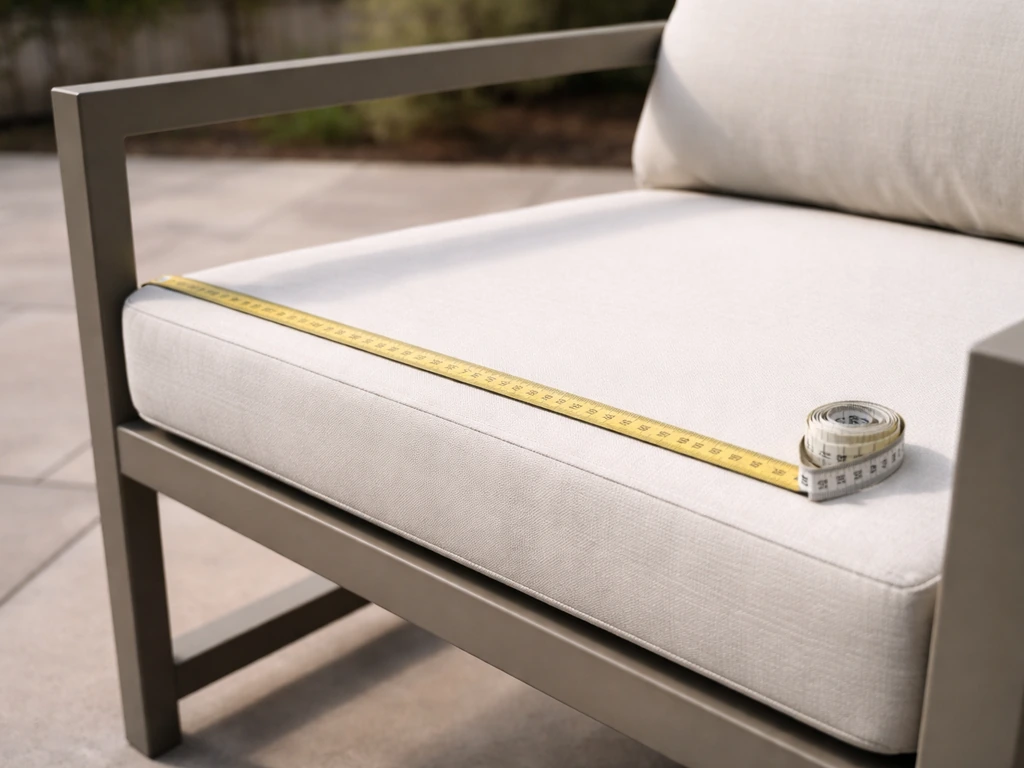
Seat depth matters more than most people realize. A seat that's 20 to 22 inches deep works for most adults in an upright dining context. Lounge and conversation furniture works better at 24 to 26 inches or more with a reclined back angle. If you can't test it in person, look for the seat height (standard is 16 to 18 inches for dining), back height, and back angle in the product specs. Chairs with a slight backward recline in the back angle (roughly 5 to 10 degrees off vertical for dining, more for lounge) are consistently more comfortable than perfectly upright frames. Also check armrest height: too high forces your shoulders up, too low gives you nothing to push off from when standing.
Cushions and foam
Cushion thickness of 3 to 4 inches is the minimum for genuine comfort over extended sitting; 5 inches or more is better for lounge chairs. More important than thickness is foam density: high-density foam (1.8 lb per cubic foot or higher) holds its shape over seasons; low-density foam compresses into flat padding within one summer of regular use. Look for cushions with a zipper-accessible cover so you can remove and wash the fabric separately. Outdoor fabric should be either Sunbrella-grade solution-dyed acrylic or a comparable marine-grade fabric; polyester cushion covers are typically not UV or mildew resistant enough for consistent outdoor exposure.
Slats, weave, and surface details
On slatted furniture (teak or HDPE benches, chairs), look for even spacing between slats (about 0.25 to 0.5 inches) to allow water drainage without creating pressure points when sitting without cushions. Slats should be sanded smooth with no rough grain or sharp edges. On resin wicker, run your hand across the surface: quality weave feels smooth and tight with no rough ends poking out. Loose or uneven weave is a sign of a lower-quality manufacturing process and typically starts unraveling at stress points, usually the armrests and back corners, within a few years.
Hardware and joints
Sit in a chair and shift your weight sideways. If you feel flex or hear creaking, the joint construction is weak. Quality outdoor furniture uses welded joints on metal frames rather than just bolted connections, which loosen with seasonal thermal expansion and contraction. On wood furniture, reinforced corner blocks or mortise-and-tenon joints are the equivalent sign of quality. Hardware should be recessed or capped so it doesn't snag clothing or skin, and on pieces that require assembly, check that the assembly points use threaded inserts rather than just screws going directly into aluminum or plastic, which strip out over time.
Picking the right set for your space and budget
Before you shop, measure your outdoor space and leave clearance for chairs to pull out (at minimum 3 feet behind each chair) and for traffic paths (at least 2 feet wide). A dining set that seats six in a showroom floor plan may barely fit four on your actual patio once you account for movement. Round tables are more space-efficient in tight areas; rectangular tables are better for longer, narrower spaces. Conversation sets with a central coffee table work well for spaces that aren't shaped for dining but have a covered area for relaxed sitting.
On budget: the honest reality is that genuinely good patio furniture costs more upfront but less over time. A $300 box-store set may need replacing in three to five years. A $900 to $1,500 set in powder-coated aluminum or quality HDPE with Sunbrella cushions, bought on end-of-season sale, will reasonably last ten to fifteen years in most climates. That's a better cost-per-year outcome. If budget is tight, prioritize the frame and buy cheaper cushions you can replace. Don't do it the other way around.
Here's a simplified budget-to-material guide:
| Budget range | Realistic material options | What to compromise on | What not to compromise on |
|---|---|---|---|
| Under $500 | Powder-coated steel, basic aluminum, resin wicker | Cushion thickness, aesthetic details | Frame weld quality, hardware grade |
| $500–$1,200 | Extruded aluminum, quality resin wicker, entry HDPE | Cushion fabric grade | Frame material, joint construction |
| $1,200–$2,500 | Cast aluminum, teak, quality HDPE composite | Minor style preferences | Everything above plus cushion foam density |
| $2,500+ | Teak, wrought aluminum, premium HDPE, full Sunbrella | Very little | Expect full quality across all components |
End-of-season sales (late August through October) and holiday weekend sales are the best times to buy patio furniture at meaningful discounts, sometimes 30 to 50 percent off, without sacrificing quality. If you're replacing a set, buying the same brand's current year model in fall means you can often get matching replacement cushions the following spring.
Maintenance that actually makes patio furniture last
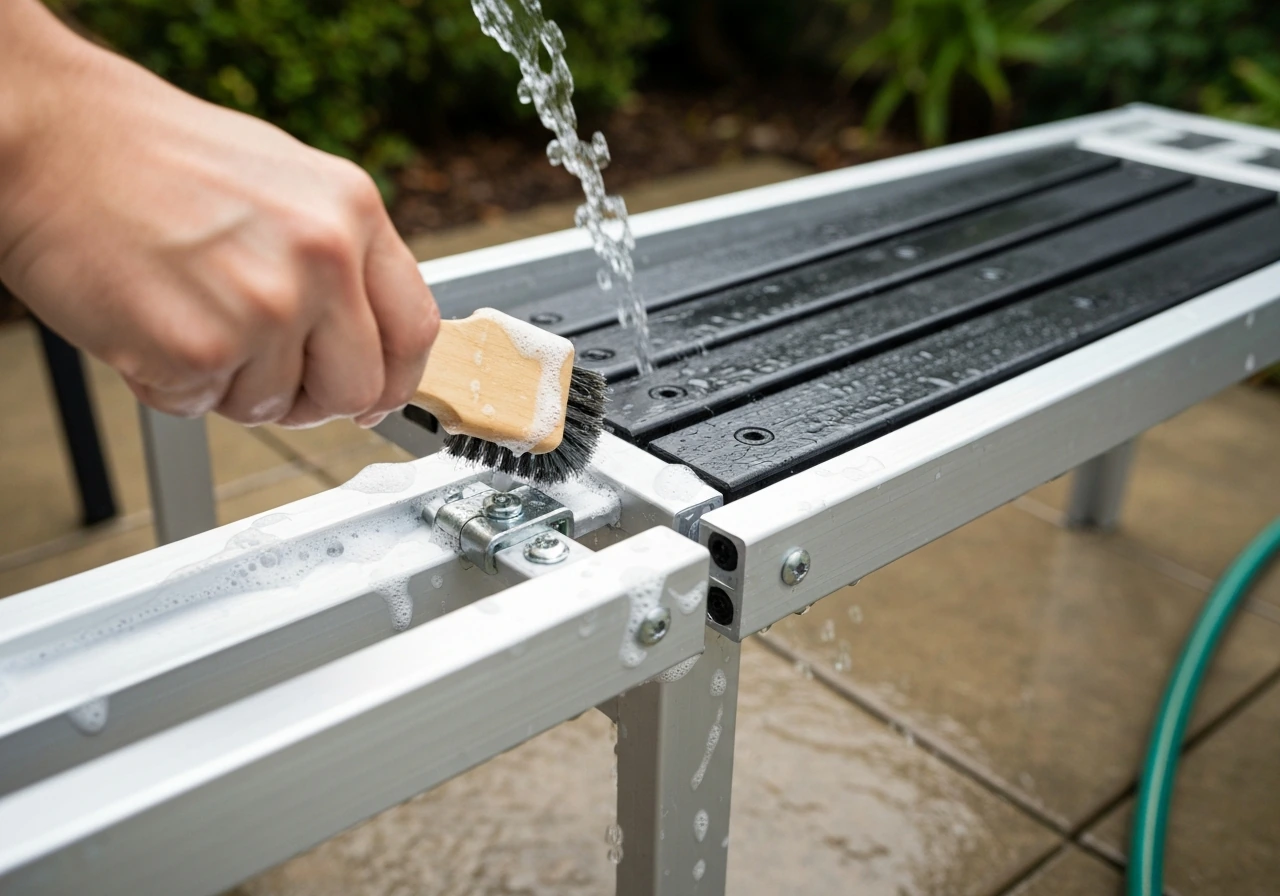
Even the best patio furniture needs some attention. The difference is that quality furniture responds well to simple maintenance, while cheap furniture develops problems that maintenance can't fix. Here's what actually matters.
Cleaning frames and hardware
For aluminum and HDPE frames, a mild soap and water rinse two to four times per year is sufficient. In coastal environments, rinse the frame and especially the hardware with fresh water after any rain or salt spray exposure, then towel-dry the hardware. This is a simple step that genuinely extends hardware life by reducing the time salt sits on metal surfaces. For wrought iron, inspect the finish annually and touch up any chips immediately with a rust-inhibiting primer and matching paint; once rust starts on iron, it spreads under the finish. For teak, clean with a teak-specific cleaner once a year before applying oil or sealant if you want to maintain the color.
Cushion and fabric care
For Sunbrella and equivalent solution-dyed acrylic fabrics, the standard cleaning method is a mild soap (Woolite or Dawn) in water, applied with a soft brush, then rinsed thoroughly. Bleach solutions can be used for mildew spots at reduced concentrations (roughly 1 cup bleach per gallon of water with a small amount of mild soap), but always rinse completely and allow the fabric to air-dry fully. Mildew on outdoor fabric almost always means dirt or organic matter is sitting on the fabric surface and providing food for mold. Regular brushing and rinsing prevents most mildew issues even in humid climates. Always let cushions fully air-dry before storing them.
Seasonal prep and storage
At the end of the season (or before any extended period of non-use), clean everything thoroughly, apply a fabric protectant spray to cushions to repel water and stains, and store cushions indoors or in a vented storage box. Leaving cushions out in winter, even under a cover, invites mildew from condensation. Frames that stay out year-round benefit from fitted furniture covers that are breathable, not sealed plastic, because trapped moisture under an airtight cover is worse than rain exposure in most climates. Check tightness on all hardware bolts in the spring, as thermal cycling loosens fasteners over the winter even on quality pieces.
When to repair versus replace
A quality frame that's structurally sound but has worn cushions is worth repairing. Replacement cushions from the original manufacturer or aftermarket suppliers can extend the life of a good frame by another five to ten years at a fraction of replacement cost. A frame that's rusting through welds, has cracked weave that's unraveling beyond isolated spots, or has joints that flex visibly is telling you the piece has reached the end of its useful life. Understanding the difference between a worn consumable (cushions, surface finish) and a structural failure (frame, core joints) is the key to knowing when maintenance makes sense and when it's time to invest in something new.
FAQ
How can I tell if a patio furniture set is “good” without seeing it in person?
Use the specs and construction details to verify the frame type (welded or properly mortise-and-tenon), hardware (stainless or marine-grade in coastal areas), cushion core density (look for a foam density rating), and fabric type (solution-dyed acrylic, not generic polyester). If the listing only says “durable” or “weather-resistant” with no material species, finish description, or warranty terms, treat it as a red flag.
Is it better to buy the cheapest furniture with a good warranty, or a higher-quality frame and skip the warranty drama?
A strong warranty helps, but only if it covers structural failure for years and specifies what counts as “serviceable.” If a warranty excludes fading, uses short coverage periods, or limits what qualifies as a defect, it may not protect you. Prioritize a quality frame and hardware first, then use warranty terms as a backup for consumables like cushions.
Can I just buy outdoor covers and leave patio furniture out year-round?
Covers help, but the fit and breathability matter. A sealed plastic tarp can trap moisture and speed rust, mildew, and frame corrosion. Use a fitted, breathable cover when you must leave items outside, and remove it periodically in dry weather to let cushions fully dry.
What’s the biggest mistake people make when choosing cushions for good patio furniture?
They focus on cushion thickness while ignoring foam density and cover fabric. Low-density foam can collapse quickly even if the chair frame is excellent. Also, avoid polyester-only cushion covers in intense sun or humid climates, because they often lose color and mildew resistance faster than solution-dyed acrylic fabrics.
For wood patio furniture, what should I look for beyond “hardwood” labels?
Ask for the exact wood species, and confirm the joinery style (mortise-and-tenon or doweled with reinforced construction), not only the finish. If it says cedar or pine, or it uses vague terms without species, expect faster swelling, cracking, and mildew risk in wet climates.
How do I choose between cast iron, wrought iron, and aluminum for my climate?
Cast iron and wrought iron are durable but heavy, and iron rusts if the finish is scratched or not maintained. Aluminum is usually the better “buy it and use it” option because it doesn’t rust, especially when powder-coated properly. For coastal areas, also confirm fasteners are corrosion-resistant and ideally marine-grade.
Is resin wicker really “all-weather,” or can it still fail?
It can still fail if the underlying frame isn’t protected. Check that the weave is continuous with no obvious splice points, that the weave is tight, and that the frame beneath is corrosion-resistant (aluminum is the safer option). If the coating chips and the frame underneath is steel, you can get rust at joints even though the wicker looks fine.
Does HDPE patio furniture expand and contract enough to matter?
Yes. HDPE moves more with temperature swings than many wood types, so the design should include appropriate spacing and assembly allowances. If a model uses tight, inflexible connections without room for movement, you can see squeaks, loosened joints, or surface stress over time.
What should I check for salt-air homes if I want good patio furniture?
Verify the hardware and fastener specs, not just the frame material. Look for marine-grade corrosion-resistant fasteners (such as properly rated stainless options with additional coatings), and plan for rinsing after rain or sprinkler overspray. If the product makes no mention of hardware ratings or coatings, assume you’ll need more upkeep.
What’s the best way to evaluate comfort if I’m buying online?
Compare seat depth and back angle to your typical posture, not just “lounge” or “dining” labels. Look for specs around seat depth ranges (upright dining vs reclined conversation) and cushion thickness, then consider armrest height for standing comfort. If possible, check user photos or reviews showing how the chair looks when seated, because proportions affect comfort more than people expect.
How do I know whether cushions are replaceable on a set?
Check if the manufacturer offers replacement cushions as separate SKUs and whether covers are removable with a zipper so you can wash fabric without replacing the entire cushion. If the cushions are permanently attached or the brand does not sell replacements, you may end up replacing the whole set when cushions wear out.
How often should I re-tighten bolts or check hardware on good patio furniture?
In most climates, check in spring and again after periods of intense heat cycling or seasonal temperature swings. Thermal expansion and contraction can loosen fasteners even on quality frames, and catching a loose joint early prevents wobble and extra stress on cushions and frames.
When does repair stop making sense and it’s time to replace the furniture?
Repair is usually worth it when the frame is structurally sound and only the consumables are worn, such as cushions or surface finishes. Replace when you see structural flex at joints, rust continuing through welds, cracked weave that keeps unraveling across multiple areas, or any failure where the frame can no longer stay tight or stable.
Next Articles
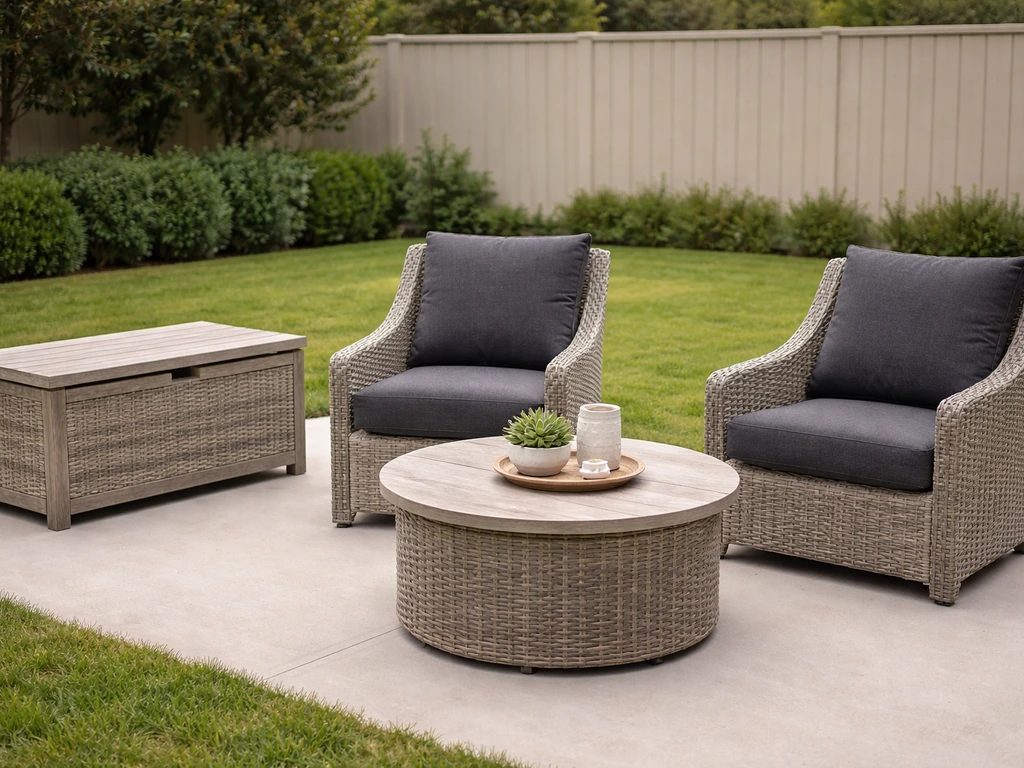
Definition of Patio Furniture: What Counts and How to Choose
Clear definition of patio furniture plus how to choose by material and climate and keep outdoor sets looking new.
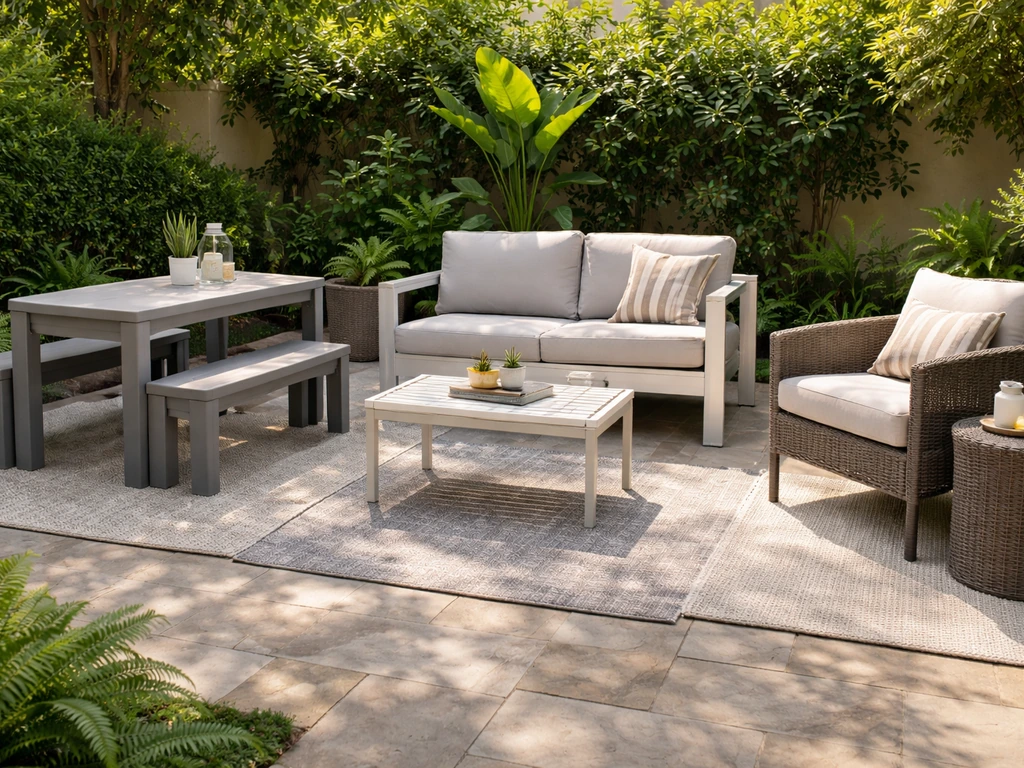
What Is the Best Outdoor Patio Furniture? Materials, Brands
Find the best outdoor patio furniture by material and climate, with brand and retailer picks plus buying tips to avoid m
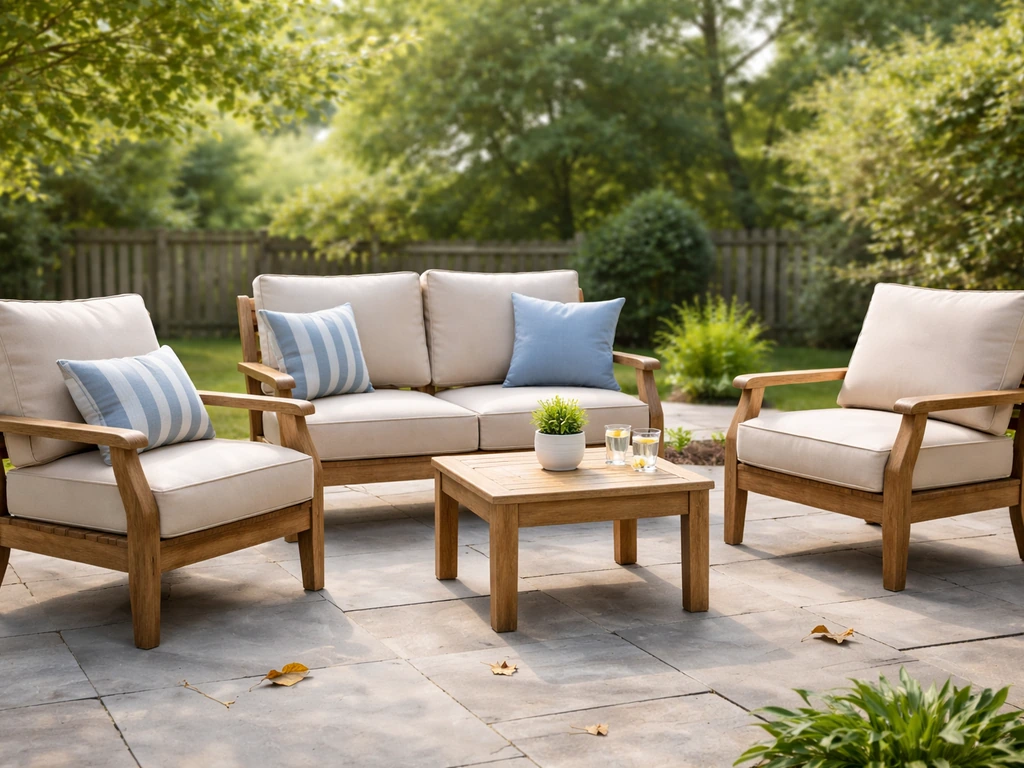
What Is the Best Patio Furniture to Buy Today
Find the best patio furniture for your climate, style, and budget with material tradeoffs and simple care tips to last.