
Patio furniture is made from four main material families: wood, metal, wicker, and composite/resin plastics. Within each category, the specific species, alloy, weave type, or plastic blend determines how long a piece actually lasts outdoors, how much work it takes to maintain, and whether it holds up in your specific climate. Most outdoor furniture is also a combination of materials: an aluminum frame might be paired with polyester sling fabric, a steel base might support a teak tabletop, and almost every seating piece relies on separate cushion fabric that has its own durability story. Knowing what each component is made of is the most useful thing you can do before buying.
What Is Patio Furniture Made Of? Materials Guide

Theo Tierney
16 May 2026
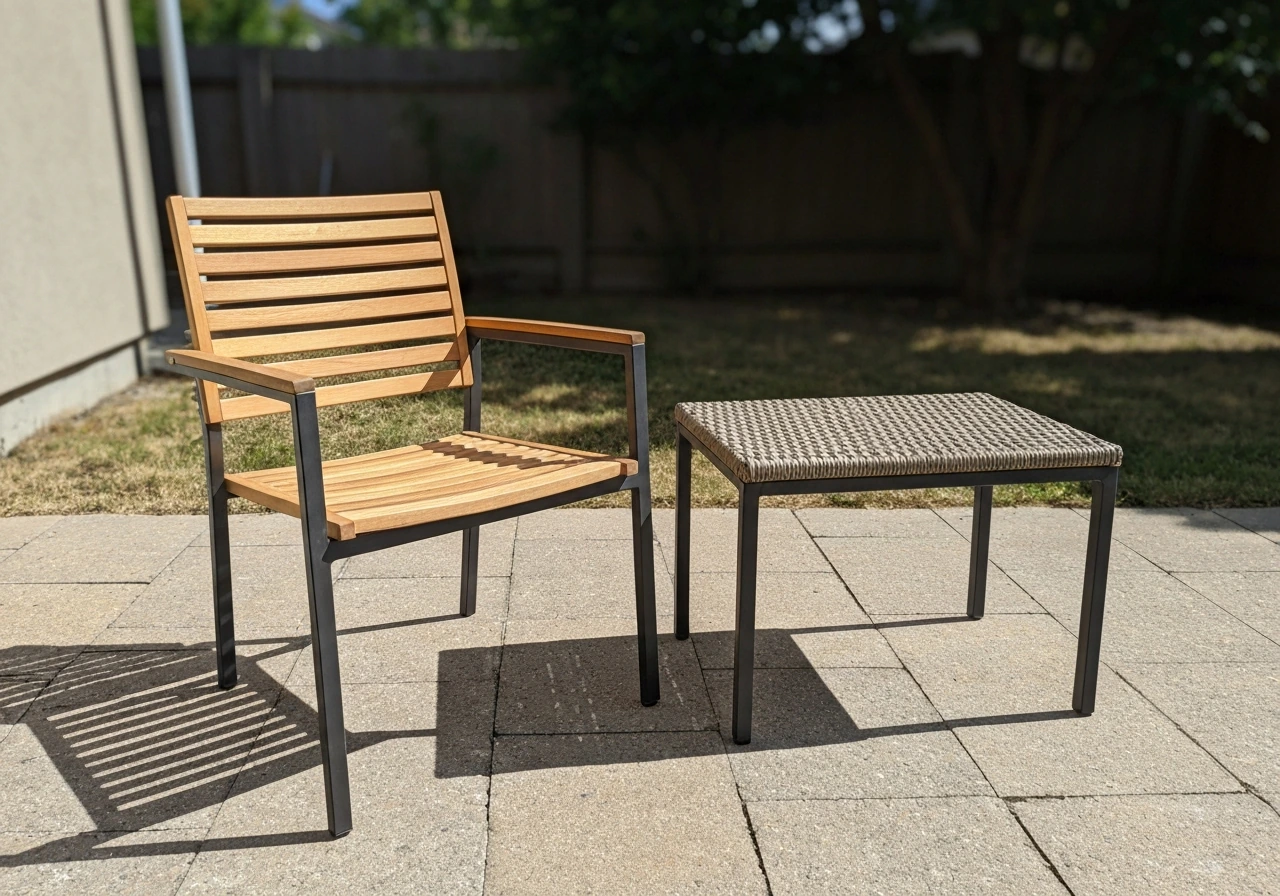
The four main material families
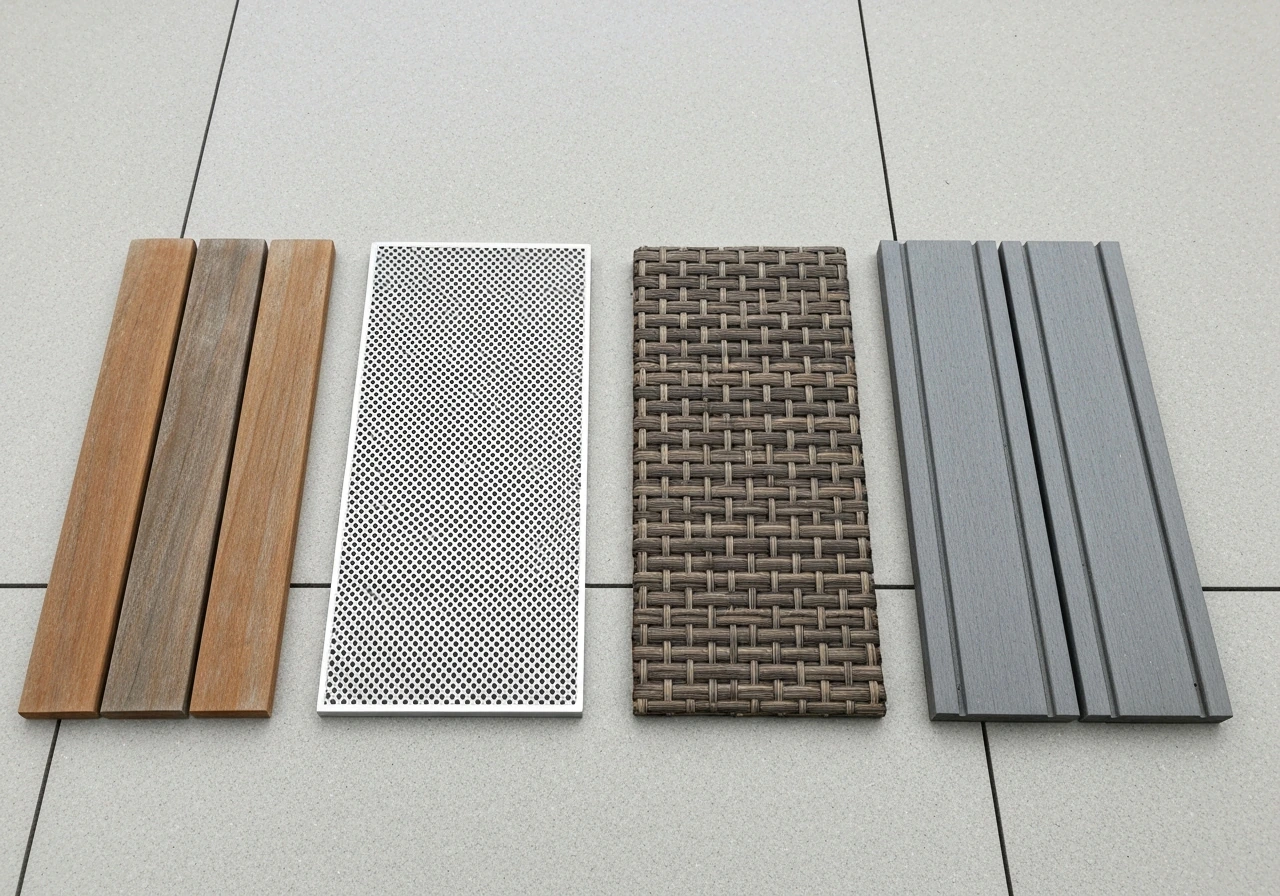
Walk through any outdoor furniture retailer and you'll encounter the same four categories over and over. Wood covers everything from cheap pine to premium teak. Metal spans lightweight cast aluminum to heavy wrought iron. Wicker includes both genuine rattan (a natural vine) and synthetic resin wicker that looks nearly identical at a glance. Composite/resin covers molded plastics like HDPE and wood-plastic composites (WPC) that blend wood fiber with plastic binders. Each one has a real performance profile outdoors, and the best material for your situation depends on your climate, how much maintenance you're willing to do, and your budget over a 5 to 10-year horizon, not just the sticker price. If you want the simplest way to narrow down the best material for outdoor patio furniture, compare how each family holds up in your specific climate and maintenance routine.
It's not just the material, it's the component
When people ask what patio furniture is made of, they often mean the whole piece, but a single chair can have four or five different materials in it. A sling chair might have a powder-coated aluminum frame, a PVC-coated polyester or solution-dyed acrylic sling, and plastic glide caps on the feet. A dining set might combine a steel frame, a tempered glass tabletop, and polyurethane foam cushions wrapped in acrylic fabric. Understanding the material by component matters because the weakest one determines how long the set lasts.
- Frames: usually aluminum, steel, wrought iron, or wood — the structural skeleton of the piece
- Slings: stretched fabric seats or backs, typically solution-dyed acrylic or vinyl-coated polyester, no cushion required
- Tabletops: can be glass, wood, tile, aluminum, concrete, or WPC regardless of what the frame is
- Cushions: foam or fiber fill wrapped in outdoor fabric — the part most likely to fail first if the fabric is low quality
- Hardware and connectors: often stainless steel or galvanized steel, and easily overlooked until they rust
Pay attention to the cushion fabric spec in particular. Budget sets often ship with thin polyester covers that fade and mildew within one season. Cushion fabric rated for outdoor use should be solution-dyed acrylic (the same technology behind Sunbrella fabric) or at minimum a coated polyester with a high UV-resistance rating. Solution-dyed means color is locked into the fiber at the molecular level, not printed on the surface, so it resists fading far longer than surface-treated alternatives.
Wood: species, finishes, and how it actually handles weather
Wood patio furniture ranges from softwoods like pine and fir (cheaper, prone to rot and warping outdoors) to dense tropical hardwoods like teak, eucalyptus, and shorea, and to domestic hardwoods like acacia and cedar. The species dictates the natural oil content and density, which are the two main factors controlling weather resistance.
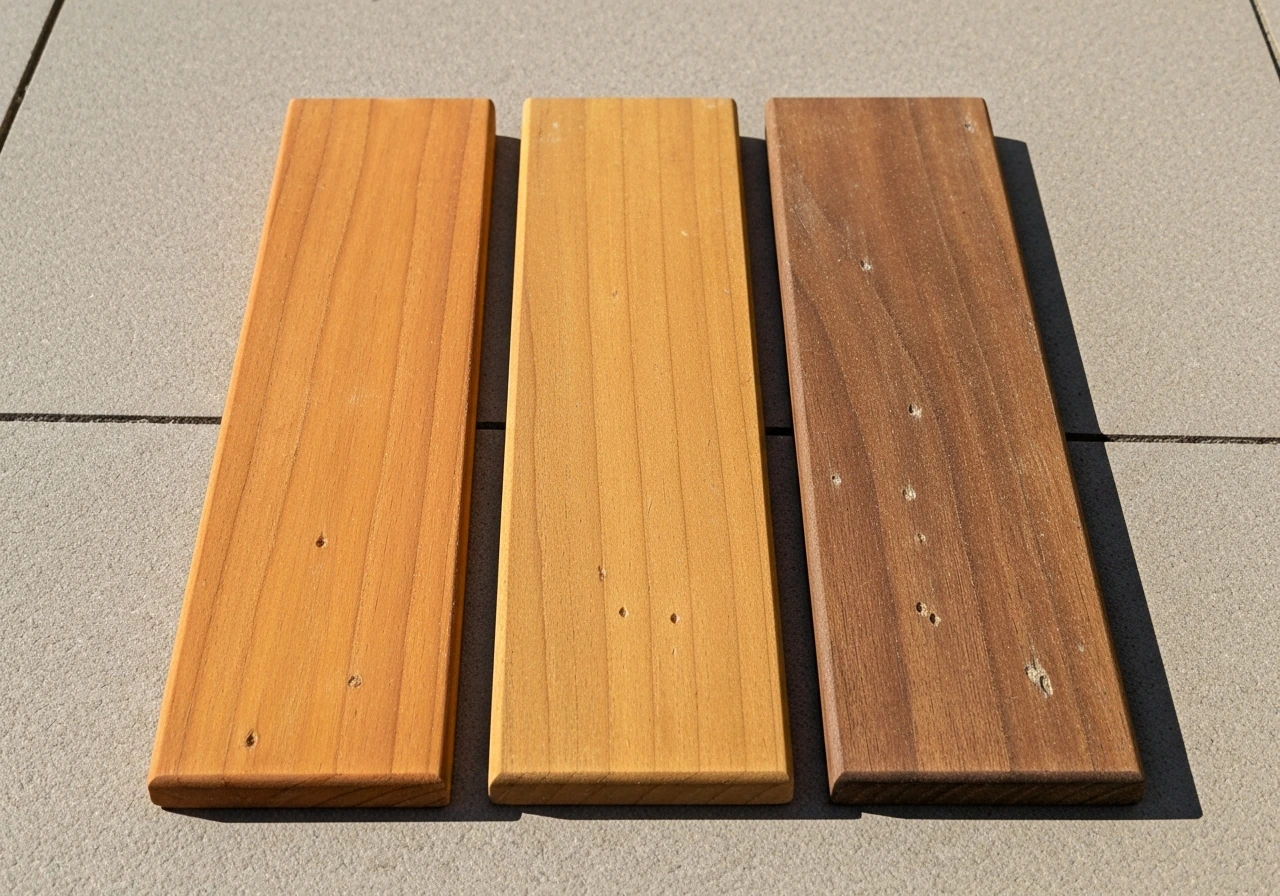
Teak, eucalyptus, and acacia compared
| Wood | Natural oil content | Weather resistance | Maintenance need | Relative cost |
|---|---|---|---|---|
| Teak | Very high | Excellent — resists rot, insects, and moisture naturally | Low (oiling optional) | High |
| Eucalyptus | Moderate-high | Good — performs well in rain and humidity with finish | Moderate (annual oil/seal) | Mid |
| Acacia | Moderate | Fair — needs consistent sealing, can crack in dry climates | Moderate-high | Mid-low |
| Cedar | Moderate | Good in humid climates, weathers to grey without treatment | Low-moderate | Mid |
| Pine/fir | Low | Poor — rots and warps quickly without heavy treatment | High | Low |
Teak is the gold standard for outdoor wood furniture and the price reflects it. Left untreated, it weathers to a silver-grey patina while staying structurally sound for decades. If you want to maintain the warm honey color, a teak oil or sealer applied once or twice a year does the job. Eucalyptus is a legitimate budget-friendly alternative that performs well in most climates when sealed annually. Acacia is increasingly popular but it's a looser category, quality varies, and in low-humidity climates like Arizona, it can check and crack without consistent oiling.
Finish matters almost as much as species for everything except premium teak. Look for furniture-grade outdoor finishes: penetrating oils (teak oil, tung oil blends), spar urethane, or exterior stains with UV blockers. Factory-applied finishes are fine to start, but most wood outdoor furniture needs refinishing within 12 to 24 months depending on sun and rain exposure. If a listing just says 'natural finish' with no further detail, that's a red flag.
Metal: aluminum vs steel and what coatings actually do
Metal is the dominant frame material in outdoor furniture for good reason: it's strong, doesn't absorb moisture, and when the right alloy and coating is used, it can last decades with almost no maintenance. The important distinction is aluminum vs. steel or iron, and the coating applied over it.
Aluminum: cast vs. extruded
Aluminum doesn't rust. That single fact makes it the most practical metal for most homeowners, especially in humid or coastal climates. Cast aluminum is poured into molds to create thick, ornate pieces (think classic bistro chairs). Extruded aluminum is formed through a die into consistent tubing and used in more modern, linear designs. Both hold up well outdoors. What to check: the wall thickness of tube aluminum (thicker is more rigid) and the quality of the powder coat finish. Powder coating is an electrostatically applied dry powder baked onto the metal. A quality powder coat resists chipping, UV degradation, and salt air far better than liquid paint. Look for listings that specify powder-coated finish and, ideally, mention testing standards like AAMA 2604 (a common benchmark for coating durability).
Steel and wrought iron: strong but they rust
Steel and wrought iron are heavier and more rigid than aluminum, which some buyers prefer for stability in windy conditions. But both will rust when the coating is breached. Wrought iron in particular is made from nearly pure iron with a fibrous structure and is susceptible to rust wherever the protective finish chips or scratches. Steel frames in outdoor furniture are usually coated with powder coating, galvanizing, or both. In coastal environments with salt air, even well-coated steel requires periodic inspection and touch-up. If you're in a salt-air zone within a mile of the ocean, aluminum is almost always the better choice over steel. If you're inland and dry, well-coated steel or wrought iron can last a very long time with occasional upkeep.
Wicker: natural rattan vs synthetic resin
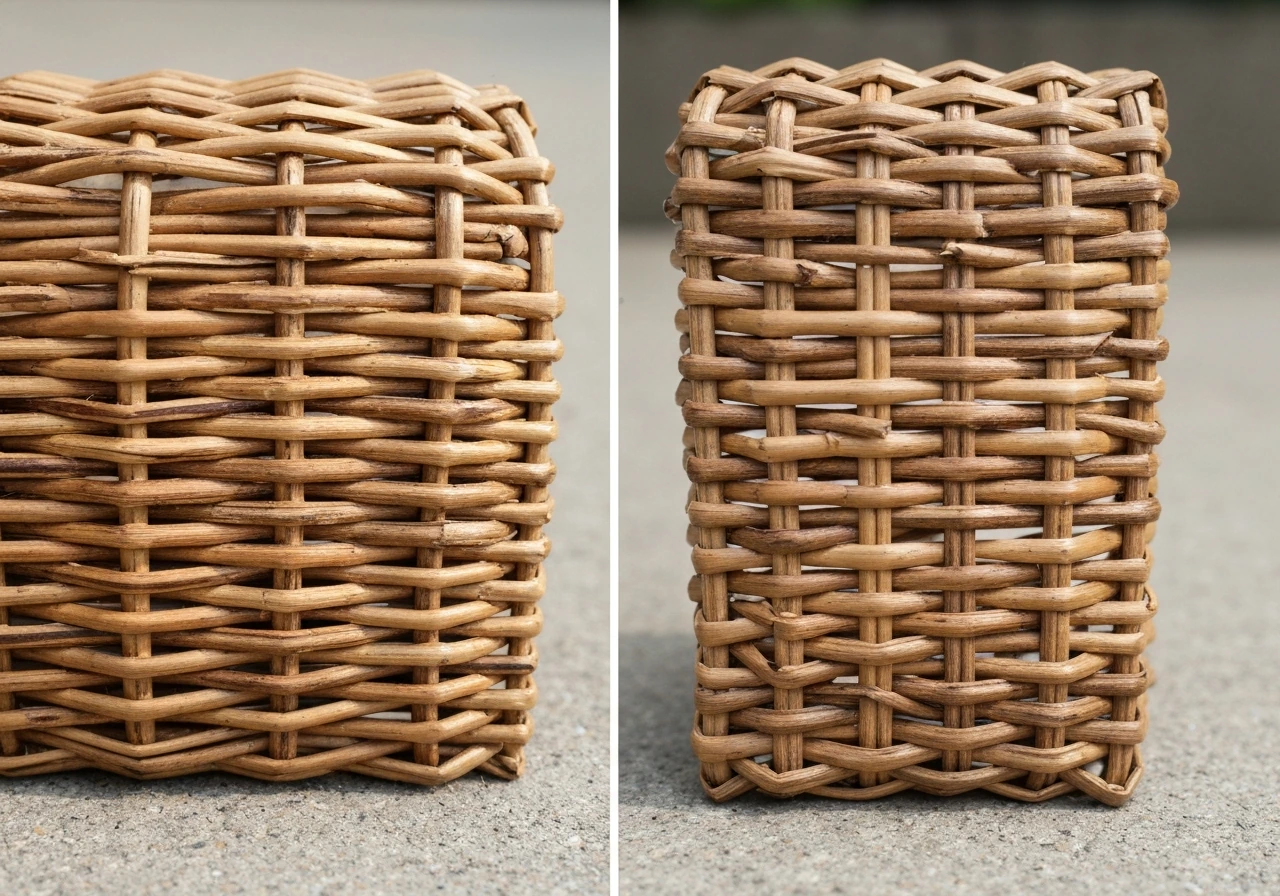
The word 'wicker' describes a weaving technique, not a material. Natural wicker is made from rattan (a tropical vine), willow, or bamboo. Synthetic wicker is made from resin strands, usually polyethylene (PE) or PVC, woven over a metal frame. From five feet away they can look nearly identical, but they behave completely differently outdoors.
| Type | Material | Outdoor suitability | Lifespan outdoors | Care |
|---|---|---|---|---|
| Natural wicker/rattan | Organic vine/grass fiber | Poor — must be covered or stored; swells, cracks, and mildews in rain | 2-5 years exposed, longer if protected | Dust, occasional wipe, store or cover in rain |
| Synthetic resin wicker | PE or PVC resin strands over aluminum frame | Good to excellent — UV and moisture resistant if quality resin used | 8-15+ years with basic care | Rinse with hose, mild soap, no sealing needed |
Most outdoor wicker sold today is synthetic, and that's the right call for anything living outside full time. The quality variable in synthetic wicker is the resin blend and UV stabilizers added to the strands. Cheap resin wicker turns brittle, fades, and starts cracking within a few years under direct sun. Better-quality synthetic wicker uses HDPE or a high-grade PE with UV inhibitors that keep it flexible and color-stable for many more seasons. To tell the two apart: natural rattan and bamboo will have visible natural grain, are slightly rough to the touch, and feel lighter. Resin wicker has a slightly waxy feel, consistent texture, and is typically woven over a visible metal frame at the base or joints.
Composite and resin plastics: what they actually are
Plastic outdoor furniture covers a range of materials, and the specific plastic type matters a lot for longevity. The most durable option is high-density polyethylene (HDPE), which is used in premium poly lumber furniture (Adirondack chairs, dining tables). HDPE is dense, UV-stable, doesn't absorb moisture, and won't crack in freeze-thaw cycles. It's the material in recycled plastic lumber furniture that's marketed as virtually maintenance-free, and that claim is largely accurate for quality HDPE. Cheaper plastic furniture is often made from polypropylene (PP) or general-purpose polyethylene, which can become brittle and fade faster under UV exposure.
Wood-plastic composites (WPC)
WPC is a blend of wood fiber and plastic binders, most commonly polyethylene (PE), polypropylene (PP), or PVC. A common blend is roughly 50% wood content and 50% plastic, though some products go up to about 70% wood. WPC is frequently used for tabletops, decking-style furniture, and outdoor dining surfaces because it looks more like wood than solid plastic does. The trade-off: WPC can still experience moisture-related swelling stress, mechanical property changes from UV exposure, and temperature cycling effects that pure HDPE avoids. Wood-plastic composites can degrade outdoors through mechanisms including UV exposure, rain, temperature cycling, and moisture effects such as swelling stress that alter mechanical properties moisture-related swelling stress. It performs better than raw wood, but it's not as stable long-term as a 100% HDPE product. Check listings for the specific plastic used in the blend, PE-based WPC handles moisture better than PVC-based formulations in most climates.
Choosing the right material for your climate
Your climate is the most honest filter for material selection. What works beautifully in San Diego can fail in Miami or Minneapolis within a couple of seasons.
| Climate | Top material picks | What to avoid |
|---|---|---|
| Hot and humid (Florida, Gulf Coast) | Powder-coated aluminum, HDPE poly lumber, quality synthetic wicker | Natural rattan, untreated wood, bare steel |
| Coastal/salt air (within 1 mile of ocean) | Marine-grade aluminum, teak, HDPE | Steel, iron, cheap powder coat, natural wicker |
| Hot and dry (Arizona, Southwest) | Aluminum, HDPE, cedar, teak with regular oiling | WPC (can crack in extreme dry heat), cheap resin wicker |
| Snowy winters / freeze-thaw (Midwest, Northeast) | Aluminum, HDPE, teak (stored or covered) | Cast iron (can crack), WPC without UV/moisture stabilizers, cushioned sets left outside |
| Mild / temperate (Pacific Northwest, mid-Atlantic) | Nearly any material works — wood, metal, synthetic wicker | Natural rattan (rain still degrades it), untreated pine |
Beyond climate, think about how you actually use the space. If you're furnishing a covered porch, you can get away with more delicate materials (natural wood, even natural wicker). Full sun on a south-facing deck demands UV-resistant materials throughout: frame, sling or cushion fabric, and any tabletop surface. If you hate maintenance, HDPE poly lumber and powder-coated aluminum are your best friends. For patio furniture material best results, start with the climate factor and then prioritize UV resistance and easy-care materials like HDPE or powder-coated aluminum. If you love the look of wood and don't mind a seasonal ritual, teak or eucalyptus will pay off over a decade.
What to actually check in a product listing
- Frame material: look for 'aluminum' vs 'steel' and 'powder-coated' as a minimum spec
- Aluminum grade or wall thickness: heavier gauge (e.g., 1.5mm to 2mm tube wall) = more rigid and durable
- Cushion fabric fiber type: 'solution-dyed acrylic' or Sunbrella brand = good; 'polyester' alone = weaker
- Sling material: 'vinyl-coated polyester' or 'solution-dyed acrylic sling' are durable; generic 'fabric sling' needs more digging
- Plastic type for resin or composite pieces: HDPE is preferred; PP is acceptable; avoid listings that just say 'resin' with no further detail
- WPC tabletop: check whether it's PE- or PVC-based if you're in a wet or cold climate
- Wood species and finish: 'teak' or 'FSC-certified eucalyptus' with 'teak oil finish' beats 'hardwood with natural finish'
- Hardware: stainless steel fasteners are worth the premium; zinc or untreated steel screws will rust and stain
Maintenance by material: what it actually takes to make it last
Every outdoor material has a maintenance rhythm. The ones marketed as 'maintenance-free' usually mean 'low maintenance if you do the basics.' Here's the honest breakdown by material.
Wood
Clean annually with a mild soap and soft brush to remove mildew and dirt. Reapply penetrating oil or sealant on a schedule, typically once a year for eucalyptus and acacia, every one to two years for teak. Sand lightly before refinishing if the surface is rough or grey. Store or cover in winter in freeze-thaw climates; cushions should always come indoors when not in use.
Metal (aluminum and steel)
Rinse aluminum frames with a hose a few times per season to remove salt, pollen, and grime. Inspect the powder coat annually for chips or scratches; touch up any bare metal with a matching outdoor spray paint or powder coat touch-up pen before rust starts. For steel and iron, this step is mandatory, not optional. Tighten fasteners in the spring, metal furniture flexes seasonally and bolts can loosen. Store steel and iron furniture or use quality covers in wet climates.
Synthetic wicker
Spray down with a garden hose and scrub occasionally with mild dish soap to clear debris from the weave. Inspect the frame underneath for rust if the wicker is woven over a steel core (aluminum core pieces need no rust checks). No sealing or oiling needed. In very cold climates, bring synthetic wicker inside or cover tightly to prevent any chance of the resin becoming brittle over time from sustained freeze exposure.
HDPE and composite plastic
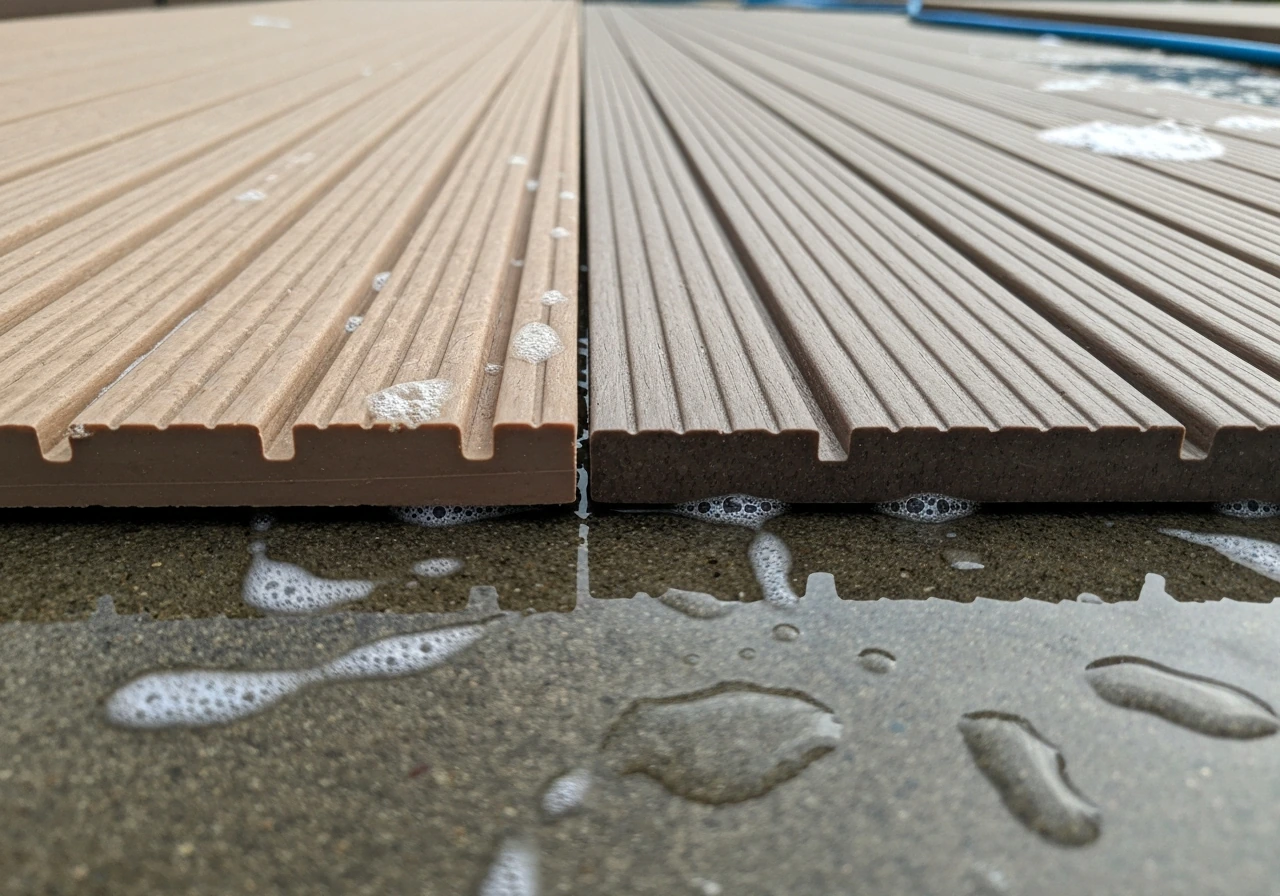
Rinse with a hose and scrub with soap and water. For HDPE poly lumber, an occasional treatment with a UV protectant (the same type used on vinyl) can extend color life, though quality HDPE furniture is built to handle UV without it. WPC pieces should be cleaned of standing water and debris regularly to reduce moisture-related swelling over time. Neither type needs sealing, painting, or staining.
Cushions and slings
Cushion covers made from solution-dyed acrylic can be scrubbed with a mild bleach solution (about a tablespoon of bleach per quart of water) to remove mildew without damaging the fiber. Rinse thoroughly and let air dry completely before storing. Never store damp cushions in a closed bin, that's how mildew takes hold. Sling fabric should be wiped down with soap and water; avoid harsh solvents that can degrade the coating. If a sling is sagging or permanently stretched after several seasons, replacement sling kits are available for most major frame brands and cost far less than replacing the whole chair.
The material question is really a durability and lifestyle question. If you want a longer answer on which specific material wins for your situation, the comparison between the top contenders goes deeper than what any single category overview can cover. Matching the material to your climate, maintenance tolerance, and budget over time is where the real decision lives, and that comparison is worth working through before you buy rather than after.
FAQ
How can I tell what patio furniture is made of if the listing is vague (for example, “wood” or “metal frame”)?
Look for component-specific wording, not just the umbrella material. For wood, check for the species and whether it’s finished (penetrating oil, spar urethane, or exterior stain with UV blockers). For metal, confirm the alloy type (aluminum vs steel) and the coating method (powder-coated, galvanized, or both). If the listing only says “natural finish” or “metal finish,” assume the surface protection details are missing and compare other retailers that specify coatings or coating standards.
Is “wicker” furniture always natural rattan, or is it sometimes plastic?
“Wicker” is usually a weaving style, not the base material. Most outdoor wicker sold for full-time outdoor use is synthetic resin wicker woven over an aluminum frame, typically PE/HDPE with UV stabilizers. Natural rattan or bamboo can be more vulnerable to rot and weathering unless it’s part of a protected setup and you maintain it.
What’s the easiest patio furniture material to maintain year after year?
In most climates, HDPE poly lumber and powder-coated aluminum are the lowest-effort options. They typically do not need sanding, staining, or routine oiling. The main maintenance is periodic rinsing (especially for pollen and salt) and occasional inspection of coatings, plus bringing cushions fully indoors when not in use.
Can I leave cushions outside in freezing weather?
It’s a bad idea to leave cushions in winter in freeze-thaw areas. Even if the fabric resists UV, trapped moisture and repeated freezing can accelerate mildew growth and degrade cushion materials. Store cushions indoors and keep sling fabric wiped and dry, then cover the furniture only after everything is completely dry.
If I’m near the ocean, should I avoid steel patio furniture?
For coastal locations, aluminum is usually the safer long-term choice because it doesn’t rust. Steel and wrought iron can still work if they have a robust coating plus periodic inspections and touch-ups, but salt-air accelerates damage when the finish chips or scratches. If you buy steel anyway, treat coating checks as mandatory, not optional.
Is HDPE plastic furniture truly “maintenance-free,” or is that marketing exaggeration?
It’s close to maintenance-free for the furniture body, but not for everything. You should still rinse away salt, pollen, and grime a few times per season, and inspect for damage at joints and fasteners. UV protectant sprays are generally unnecessary for quality HDPE, but if you choose a cheaper polymer, color stability may be worse and you may need additional care.
How do I compare wood furniture quality without getting lost in marketing claims?
Start with the species and the finish system. Teak generally weathers without structural failure, while softwoods like pine are far more prone to rot and warping outdoors. Then check for specific finish types and whether the seller provides a maintenance expectation (for example, refinishing roughly every 12 to 24 months depending on sun and rain). Listings that only say “natural finish” without details are a common weak signal.
What should I prioritize for outdoor cushions, fabric type or cushion foam?
Fabric type matters most for outdoor longevity. Solution-dyed acrylic typically resists fading much longer than surface-printed or basic coated polyesters, and it handles sun and mildew better when properly dried. Foam matters too for comfort and shape, but even excellent foam will look and smell bad if the fabric holds moisture or mildew.
Do patio tables and chair frames use the same materials as the seating parts?
Often not. Many sets combine materials, for example a powder-coated aluminum frame with separate sling fabric and cushion upholstery. Because the weakest component determines service life, ask what the tabletop surface is made of (tempered glass, stone-look composite, HDPE, WPC blend) and whether it’s supported by corrosion-resistant hardware.
How can I tell if resin wicker is likely to last, or if it will become brittle?
Check for clues that the resin is UV-stabilized. Quality resin wicker typically uses PE/HDPE-style strands with UV inhibitors, stays flexible, and keeps color longer. Cheaper wicker often turns brittle, fades, and cracks within a few seasons under direct sun. Physical cues can help too, look for a consistent resin texture and a visible metal frame at the base or joints.
What’s the biggest mistake people make when choosing patio furniture materials?
Choosing based on appearance alone, then ignoring the climate and the maintenance requirements. A material that feels “right” in a store can fail quickly under your specific sun intensity, salt air, or freeze-thaw cycles. Before buying, match the frame and upholstery materials to your exposure level (covered porch vs full sun vs coastal).
Is WPC (wood-plastic composite) the same as HDPE, and is it just as durable?
No. WPC is typically a blend of wood fiber plus plastic binders, often PE-based or sometimes PVC-based. It can be more “wood-like” and may resist moisture better than pure wood, but it generally isn’t as dimensionally stable long-term as 100% HDPE, because temperature cycling and moisture-related swelling stress can still affect it. If longevity is the priority, HDPE poly lumber is usually the safer bet.
Should I replace sling fabric instead of the whole chair if it sags?
Often yes. If sling material becomes stretched or permanently sagging after a few seasons, many major brands offer replacement sling kits sized to the frame. That can be a fraction of the cost of replacing the entire chair, and it lets you upgrade the fabric spec if you’re currently using a lower-grade material.
Next Articles
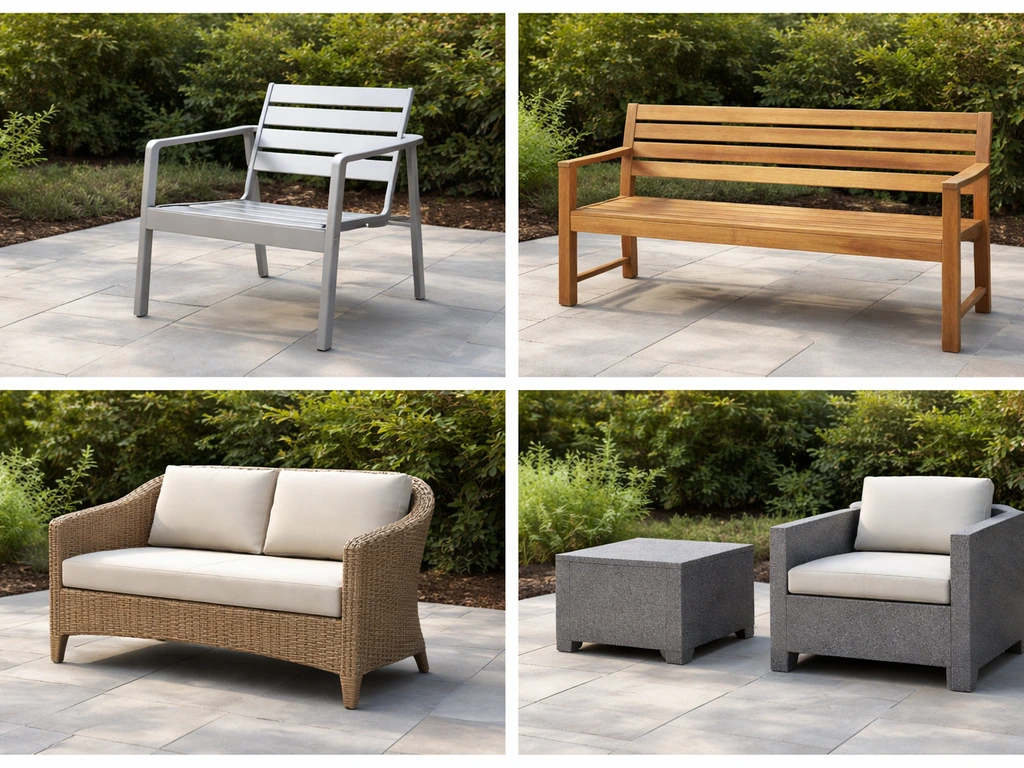
What Material Is Best for Patio Furniture?
Compare wood, metal, wicker, and composite to find the best patio furniture material for your climate and upkeep needs.
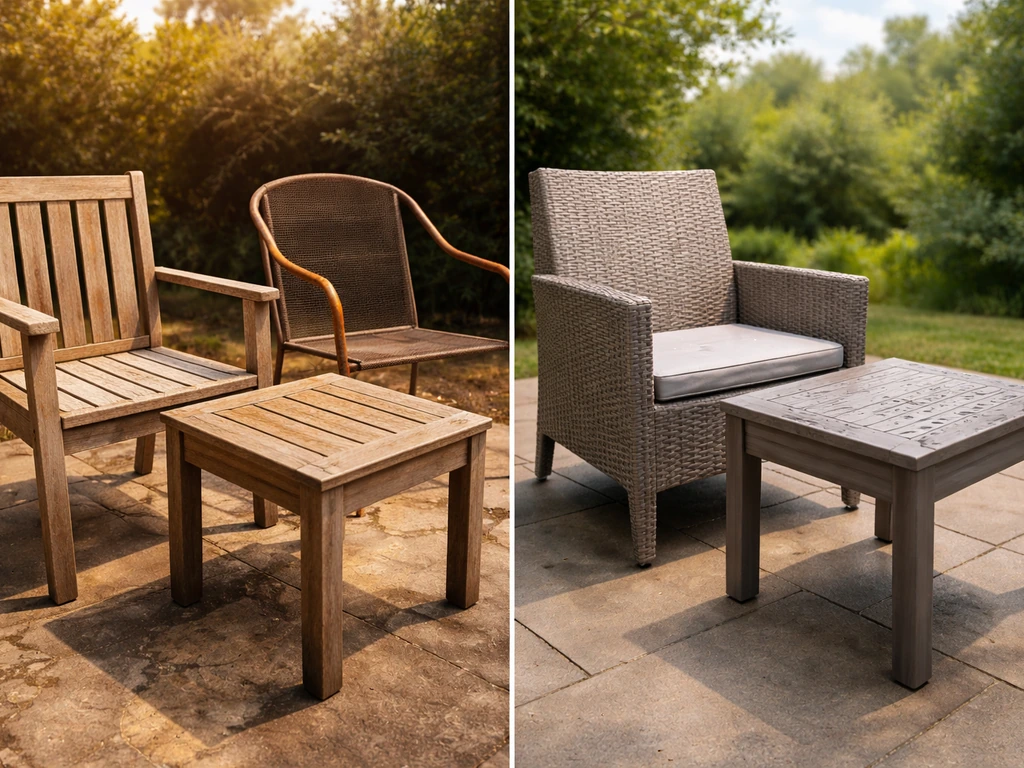
Best Patio Furniture Material: Choose the Right One by Climate
Climate-based guide to the best patio furniture material: compare wood, metal, wicker and composite by weather, cost, du
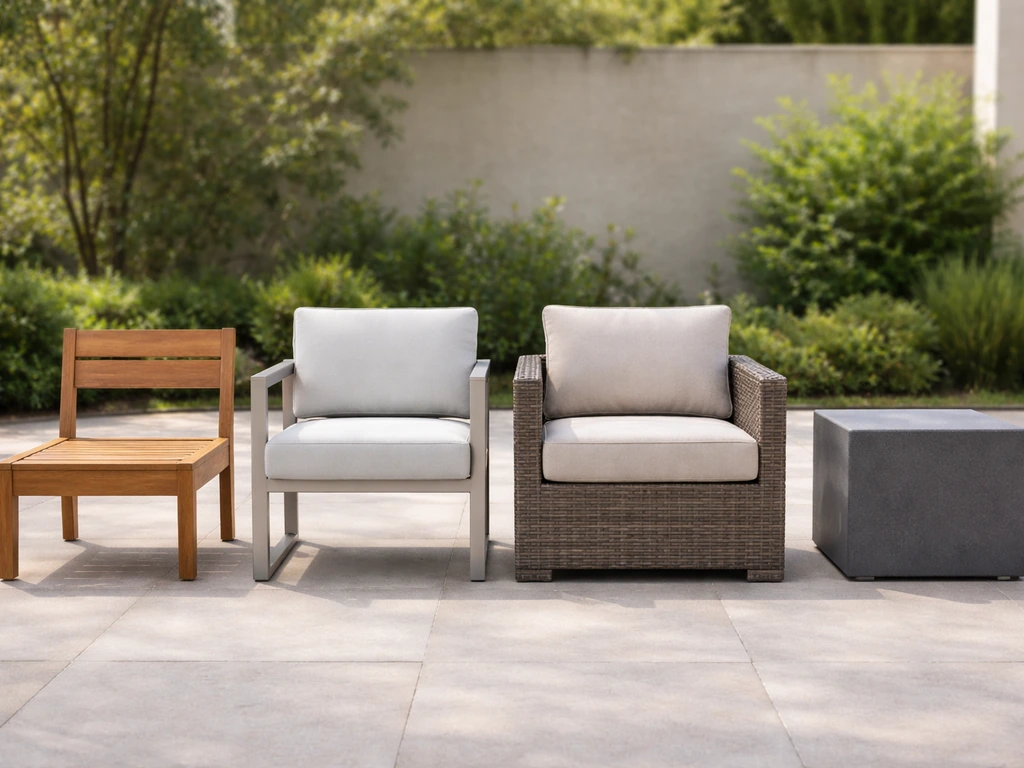
Patio Furniture Material Best Choice by Climate and Use
Choose the patio furniture material best for your climate and use, comparing wood, metal, wicker, composite and upkeep.