
If you want one default answer: powder-coated aluminum is the best patio furniture material for most people in most climates. It doesn't rust, it doesn't rot, it's light enough to move around, and it needs almost no maintenance beyond an occasional rinse. But that's the default, not the universal answer. Teak outperforms aluminum in coastal salt-air environments and looks far better doing it.
Best Patio Furniture Material: Choose the Right One by Climate

Theo Tierney
2 May 2026
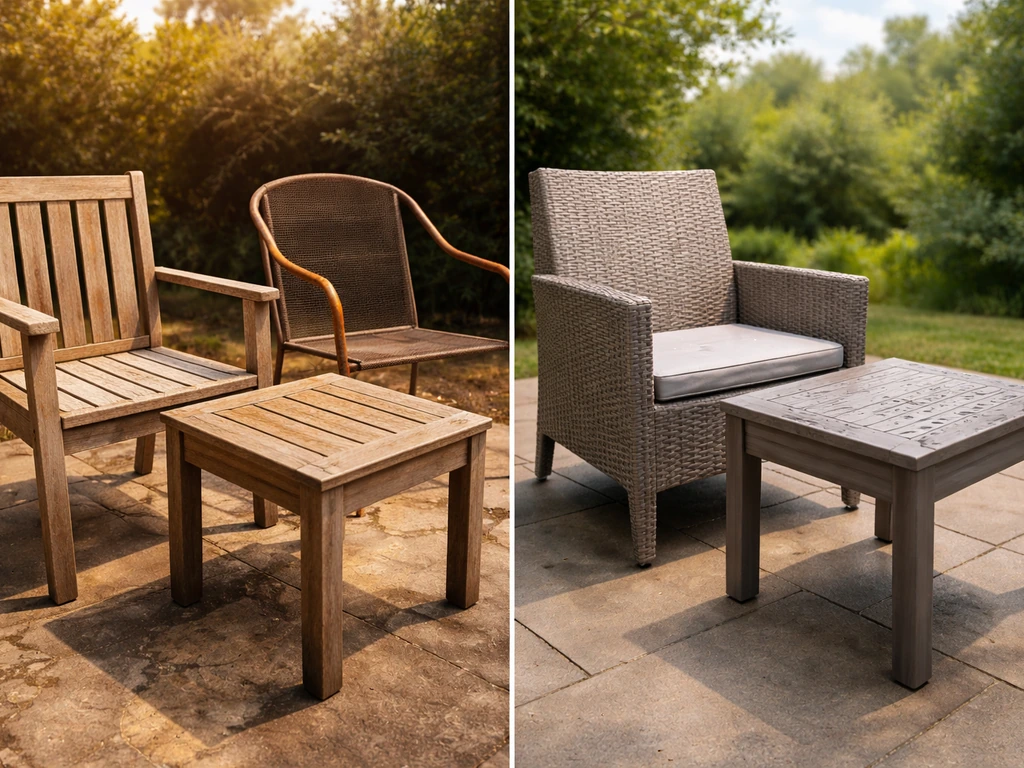
HDPE poly lumber (the composite material brands like POLYWOOD and Finch use) is the better call if you want something that can sit in standing water, bake in the sun for 20 years, and still look presentable. And if you're in a dry, mild climate and you actually enjoy weekend maintenance projects, a good teak or acacia set will reward you.
The right answer depends on three things: where you live, how you use the space, and how much upkeep you're willing to do consistently.
Best patio furniture material by climate and lifestyle
Every material family has a climate it thrives in and conditions that destroy it faster than the marketing copy admits. Here's the honest mapping before we get into the details of each material.
| Climate / Situation | Best Material Pick | Avoid |
|---|---|---|
| Hot and dry (Arizona, Nevada, inland Southwest) | Powder-coated aluminum or HDPE poly lumber | Natural wicker, untreated wood |
| Humid and rainy (Florida, Gulf Coast, Pacific Northwest) | HDPE poly lumber or teak | Steel/iron, natural wicker, cheap acacia |
| Coastal salt air (within 1 mile of ocean) | Marine-grade aluminum or teak | Steel/iron, powder-coated aluminum (lower grades), natural wicker |
| Cold winters with snow and freeze-thaw cycles | Powder-coated aluminum or HDPE poly lumber | Cast iron, natural wicker, most natural woods left outside |
| Low-maintenance lifestyle (set it and forget it) | HDPE poly lumber or powder-coated aluminum | Teak (needs oiling), acacia (needs sealing), natural wicker |
| DIY/design-focused owner who enjoys upkeep | Teak or quality cedar | HDPE poly lumber (no maintenance reward), cheap resin wicker |
| Renting or frequent moves | Lightweight aluminum sets | Cast iron, heavy teak, large HDPE sectionals |
One thing worth noting before diving in: frame material and cushion material are separate decisions. Even the best aluminum frame paired with cheap polyester cushions will disappoint you within two seasons. If you're spending real money on a frame, budget for solution-dyed acrylic fabric cushions (Sunbrella is the benchmark). Standard dye-coated fabrics fade and mildew; solution-dyed acrylic is engineered to resist both from the fiber level outward.
Wood: teak, cedar, and acacia compared
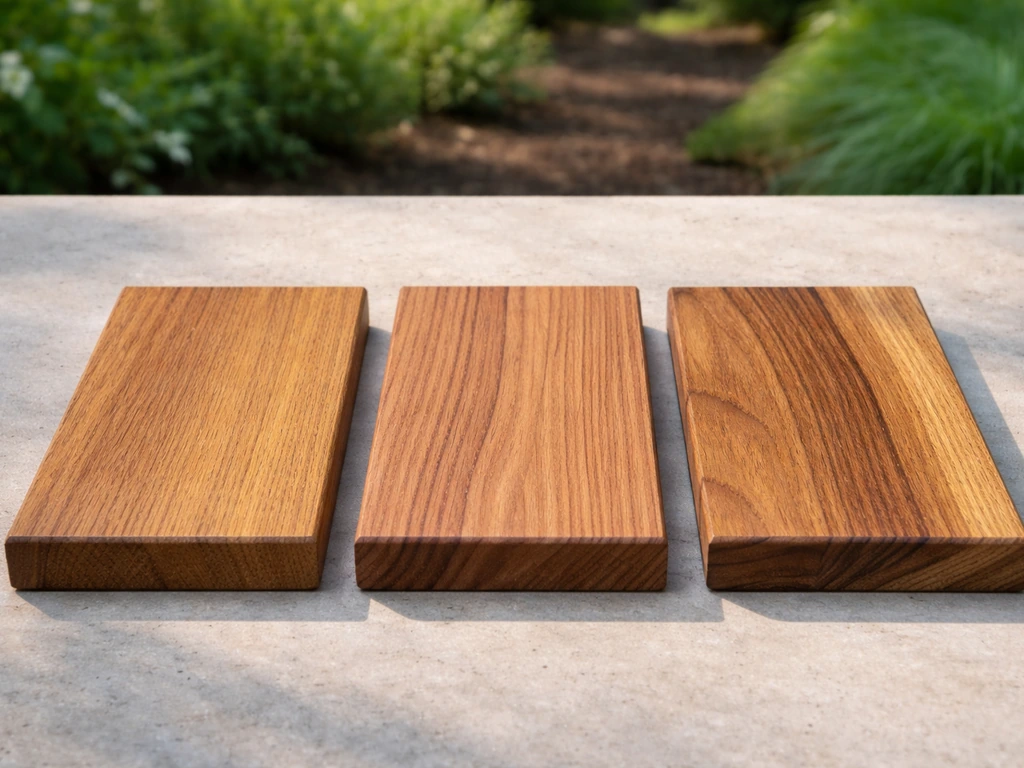
Wood is the material people romanticize, and honestly, the best versions of it deserve that. The problem is that not all outdoor wood performs remotely the same, and the gaps between teak, cedar, and acacia are large enough to matter enormously over a decade.
Teak: the benchmark outdoor wood
Teak is genuinely elite for outdoor use. Its naturally high oil content and extremely dense grain resist moisture, rot, and insect damage better than almost any other wood without treatment. If you leave teak outside untouched, it weathers to a silver-gray patina that many people actually prefer. If you want to preserve the honey-brown original color, a light sanding and a coat of teak oil once or twice a year does it.
That's the maintenance reality: it's not zero, but it's minimal. Grade-A teak (cut from the heartwood center of mature plantation trees) is what you should be buying. Grade-B and Grade-C teak has more sapwood, more variability, and won't last anything like what Grade-A does. Expect to pay $800 to $2,500+ for a quality two-chair-and-table teak set.
It's expensive, but a well-made teak set bought once often outlasts two or three cheaper sets.
Cedar: the honest budget wood
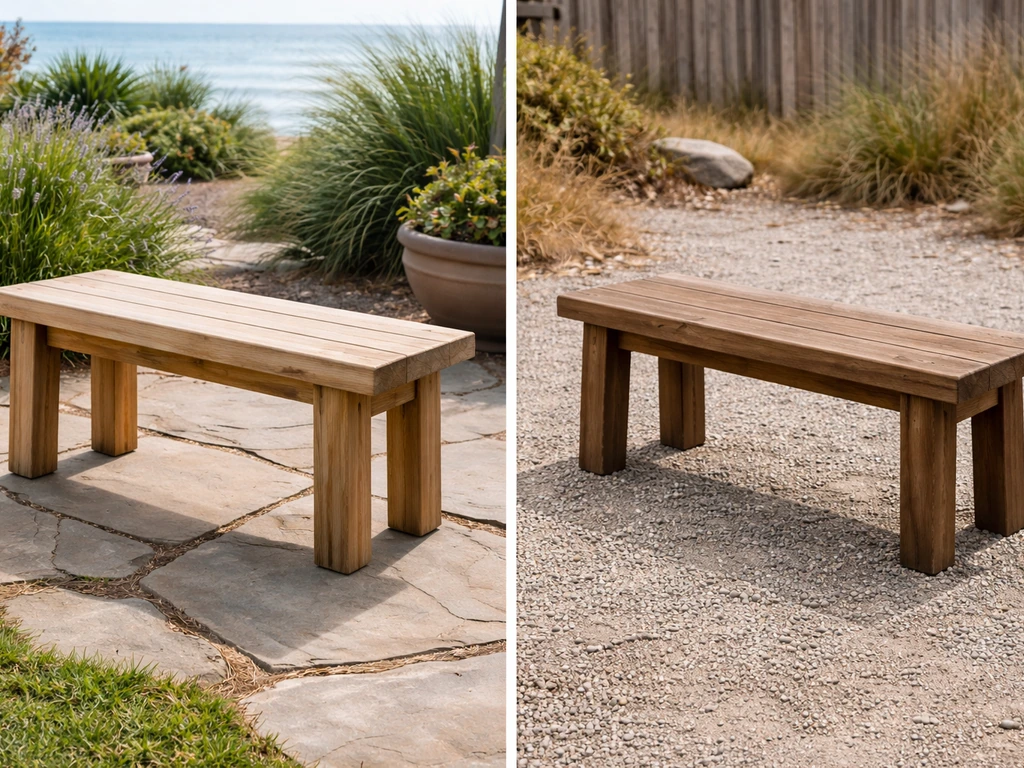
Western red cedar has natural tannins that resist rot and insects reasonably well. It's lighter than teak, cheaper, and works well in mild climates. The problem is that it dents and scratches easily, requires more frequent sealing to prevent cracking in dry heat or sustained wet exposure, and won't survive harsh coastal or freeze-thaw conditions the way teak does. If you're in the Pacific Northwest or a mild inland climate and you enjoy seasonal maintenance, cedar is a solid mid-range choice. If you're in Florida or coastal New England, skip it.
Acacia: watch the quality range carefully
Acacia is what you find at most mid-price retailers ($300 to $800 for a set) because it's dense, looks good in product photos, and machines well. The catch: acacia is much thirstier than teak. It needs regular oiling to prevent cracking, especially in hot-dry or high-UV environments, and it's more variable in quality than teak. A well-sealed, well-maintained acacia set can last 5 to 8 years in moderate climates. A neglected one in Arizona or coastal humidity can look terrible within 18 months. If you're buying acacia, budget time for sealing twice a year and plan to bring cushions and smaller pieces indoors in winter.
Metal: aluminum vs steel and cast iron
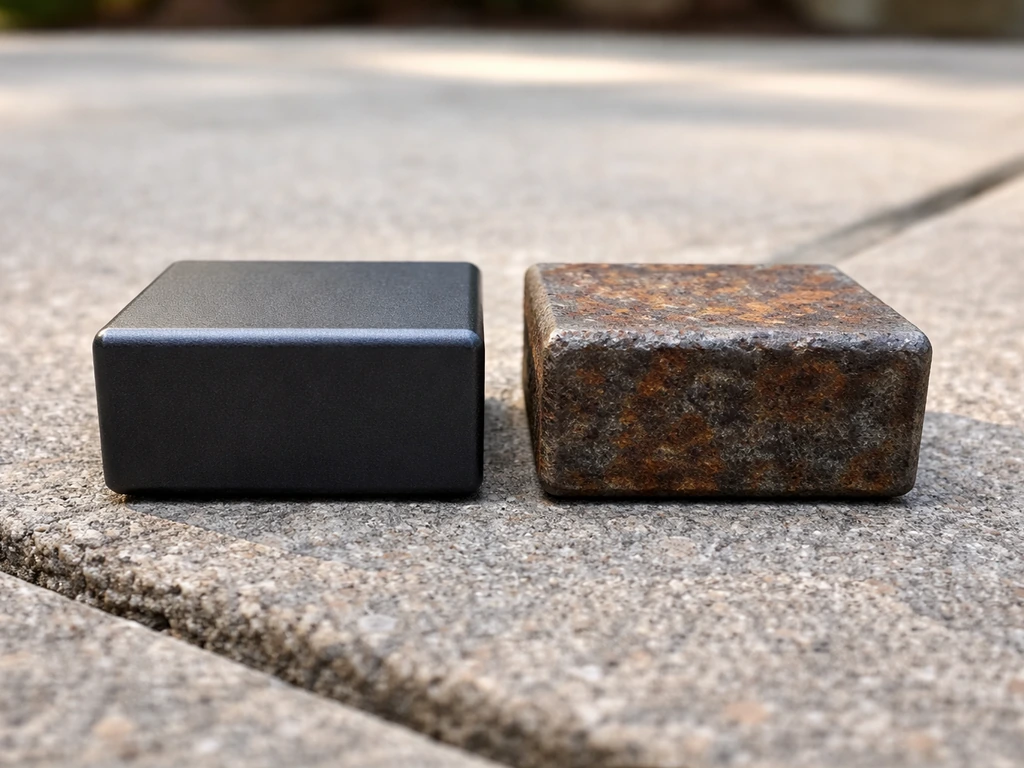
Metal patio furniture breaks into two very different camps: aluminum (which doesn't rust) and steel/cast iron (which does, unless you maintain it). The gap in real-world maintenance burden between these two is significant.
Aluminum: the practical default
Powder-coated aluminum is rust-proof, lightweight (typically 15 to 30 lbs per chair vs 40 to 80+ lbs for cast iron), and handles UV exposure, rain, and moderate salt-air exposure well. The powder coating matters more than most buyers realize. A quality electrostatic powder coat applied over properly etched aluminum resists chipping and UV fade for years. A thin, cheap coat starts chipping within a season, and once the bare aluminum is exposed, it oxidizes and the finish deteriorates fast.
Ask about the coating thickness (good outdoor furniture uses at least 60 to 80 microns) and look for textured finishes rather than high-gloss, because textured coatings tend to hide minor wear better. One real limitation: even corrosion-resistant aluminum can be affected by prolonged coastal salt-air exposure at the joint hardware level, especially if stainless hardware wasn't used at the fasteners. Even brands known for quality outdoor aluminum explicitly note that proper placement and care matter.
Tubular aluminum is lighter and cheaper; cast aluminum is heavier, more solid-feeling, and usually more expensive but also more stable in wind.
Steel and cast iron: beautiful but demanding
Wrought iron and steel furniture is heavy, extremely stable, and has a classic aesthetic that aluminum simply can't replicate. The problem is rust. Any chip or scratch in the powder coat exposes bare steel to moisture, and rust follows. In a dry inland climate with covered storage in winter, steel furniture can last decades if you catch and touch up chips quickly.
In coastal, humid, or rainy climates, it becomes a rust-management project within a few years. Cast iron is even heavier, which makes it wind-resistant and permanent-feeling, but the weight also makes it difficult to move, reposition, or store seasonally. If you're committed to the aesthetic and live in a dry climate, steel or cast iron can absolutely be worth it. Everyone else should default to cast aluminum, which delivers a very similar look and feel without the rust vulnerability.
Wicker and resin rattan: natural vs synthetic
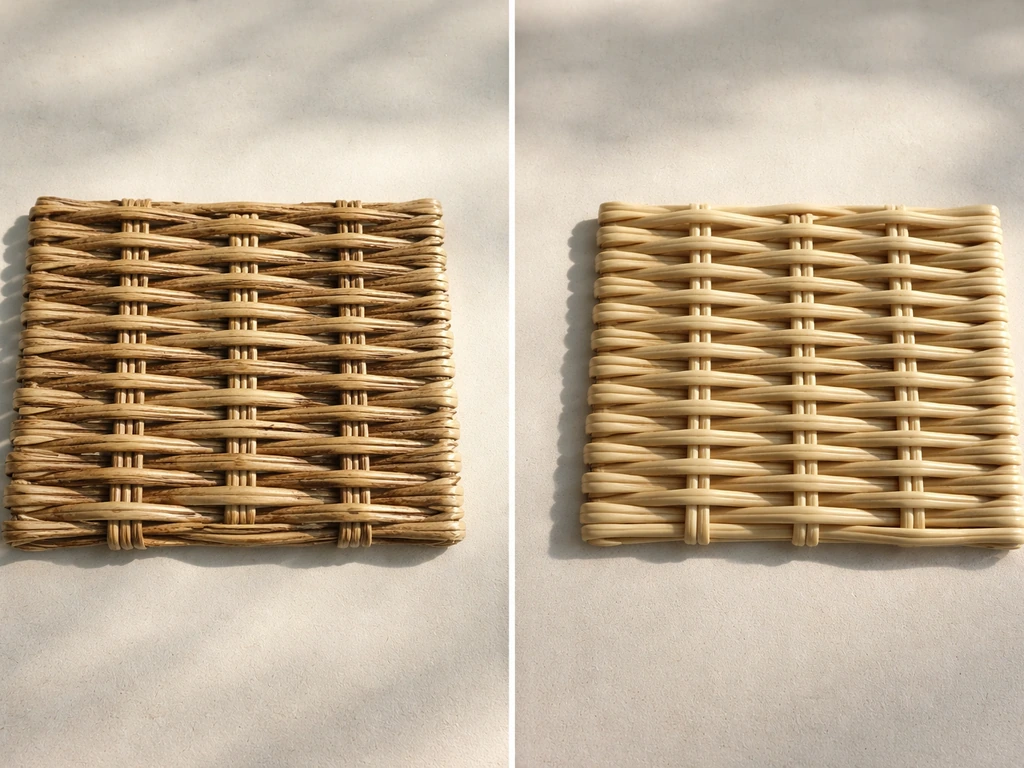
"Wicker" describes a weaving technique, not a single material, which is why the performance difference between natural wicker and synthetic resin wicker is enormous. Most people shopping for wicker furniture are actually looking at synthetic resin wicker, which performs completely differently than traditional natural wicker.
Natural wicker: keep it inside
Natural wicker is made from plant materials (rattan, reed, bamboo) that absorb moisture, swell, crack, and become brittle with UV exposure. It belongs on a covered porch, a screened-in patio, or indoors. Left in open rain or direct sun, natural wicker deteriorates within a season or two. If you see a set at a low price point labeled simply as "wicker" with no mention of resin or all-weather material, assume it's natural and treat it accordingly.
Synthetic resin wicker: the all-weather version
All-weather resin wicker is typically HDPE or PVC strands woven over a powder-coated aluminum or steel frame. The resin strands resist UV, moisture, and mildew far better than natural fibers.
Quality matters a lot here: look for flat resin wicker (not round), tight weave density with no visible gaps or hollow spots, and an aluminum (not steel) frame underneath. Good synthetic wicker sets from reputable brands can last 7 to 12 years with reasonable care. The failure point is usually the strands becoming brittle and cracking after years of UV exposure, or the frame rusting if it's steel and the weave lets moisture into scratched areas.
For humid and rainy climates, synthetic resin over aluminum is a solid choice if HDPE poly lumber isn't your aesthetic. For high UV or coastal use, check specifically that the resin strands are UV-stabilized.
Composite and HDPE poly lumber: the low-maintenance long game
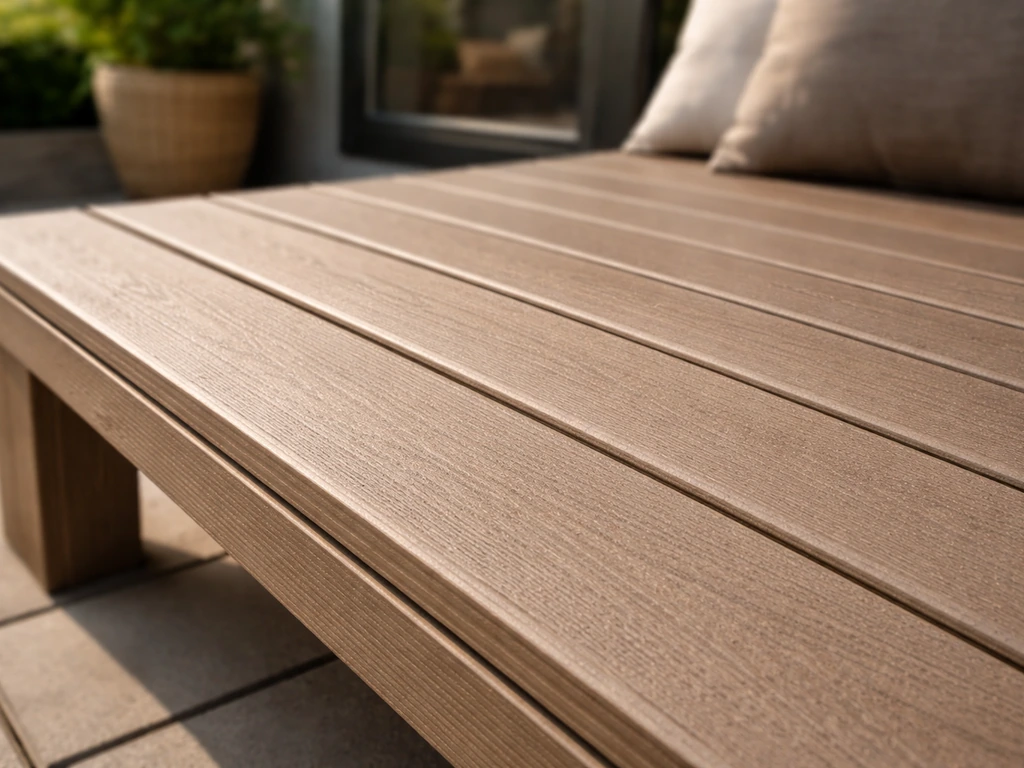
When furniture is labeled "composite" or "poly lumber," it almost always means HDPE (high-density polyethylene) lumber made from recycled plastic, sometimes mixed with wood fiber for texture. Brands like POLYWOOD and Finch have built their entire lines around this material, and the longevity case for it is genuinely strong. POLYWOOD backs their furniture with a blank" rel="noopener noreferrer">20-year residential warranty and explicitly states it won't splinter, crack, chip, peel, or rot under normal use. Finch makes similar claims and backs them with the same 20-year guarantee. Those aren't marketing numbers they pulled from thin air. HDPE is genuinely dense, heavy, UV-stabilized, and impervious to water at the material level.
What you should know: HDPE poly lumber will still fade somewhat over decades of sun exposure. POLYWOOD acknowledges this directly in their warranty language, noting that UV stabilizers minimize fading but some color change is expected. It also doesn't have the warmth or texture of real wood, and it's heavier than aluminum. A full HDPE dining set is not something you're repositioning casually.
But if you want furniture that can sit in a wet, sunny, salty environment for 15 to 20 years without requiring oiling, sealing, rust-prevention, or any seasonal treatment beyond a soap-and-water rinse, this is it. For humid climates, coastal zones, and anyone who genuinely wants low-maintenance outdoor furniture, HDPE poly lumber is the strongest long-term value, even though the upfront cost ($600 to $3,000+ for a quality set) is significant.
Maintenance and protection: what actually matters
Every material has a maintenance reality that manufacturer marketing understates. Here's what actually extends furniture life and what the common mistakes are.
Cleaning
For most frames, mild soap and water with a soft brush is all you need. Avoid pressure washing wicker weave (it forces water into the weave and frame connections) and avoid abrasive cleaners on powder-coated aluminum or HDPE. For teak and acacia, a light clean before oiling helps the oil penetrate. For steel or iron, inspect every chip and nick while cleaning and touch up exposed metal immediately with rust-inhibiting paint.
Covers: the right ones and the wrong way to use them
Covers extend life significantly, but only if used correctly. One of the most damaging mistakes is covering furniture that's still wet or damp. Moisture trapped under a tight waterproof cover creates a perfect mildew environment, especially for woven materials and natural wood. Always let furniture dry fully before covering. Equally important: remove cushions before covering for any extended period. Wet cushions left under covers are a reliable way to grow mold. Look for covers that are water-resistant but breathable rather than fully waterproof and airtight, which reduces the condensation buildup that shortens frame and cushion life.
Seasonal storage and oiling
- Teak and acacia: clean and oil with teak oil or a comparable penetrating oil once or twice per year, more frequently in dry/hot climates. Don't over-oil. Let it absorb and wipe excess.
- Aluminum: no seasonal treatment needed, but inspect powder coat annually and touch up chips before moisture gets underneath.
- Steel and iron: sand rust spots to bare metal, prime, and repaint before storing for winter. A single season of ignored rust becomes a structural problem.
- HDPE poly lumber: rinse clean at season's end. That's genuinely all it needs.
- Synthetic resin wicker: rinse clean, let dry fully, cover loosely or store indoors for winter in freeze-thaw climates.
- Cushions: store cushions indoors for winter in any climate. Even 'weatherproof' cushions degrade faster when left outside through freeze-thaw cycles.
How to evaluate a set before you buy
Product pages often obscure the details that determine real-world durability. Here's what to look for and verify before purchasing.
- Frame material specifics: 'aluminum' should specify whether it's tubular or cast, and ideally the alloy grade. '100% aluminum' isn't enough. Ask or search for whether the fasteners and hardware are stainless steel, because aluminum frames with zinc or plated steel hardware still corrode at the joints.
- Powder coat details: look for 'electrostatic powder coat' or '60+ micron' thickness. Avoid thin gloss finishes on anything meant for full outdoor exposure.
- Wood grade: for teak, look for Grade-A certification and plantation-sourced labeling. For acacia, look for kiln-dried (reduces cracking risk) and oil-finished versus raw.
- Wicker frame underneath: for resin wicker sets, confirm the frame is aluminum, not steel. If the listing doesn't specify, assume steel and factor in rust risk.
- HDPE purity: for poly lumber, look for 100% HDPE or virgin HDPE specifications. Blended or recycled-content-only composites vary in density and UV resistance.
- Cushion fill and fabric: look for quick-dry foam inserts and solution-dyed acrylic fabric. Avoid polyester fill (retains moisture) and dye-coated fabric (fades fast).
- Warranty length and what it covers: a 1-year warranty on an outdoor set is a red flag. Reputable brands offer 3 to 5 years on frames at minimum; HDPE poly lumber brands typically offer 20 years.
- Weight as a quality signal: for cast aluminum and HDPE, heavier usually means thicker walls and more material. Very light aluminum chairs (under 8 lbs) often have thin-gauge frames that bend and fail early.
The direct recommendation: if you're unsure, here's what to choose
If you're in a cold or freeze-thaw climate and want something you can leave outside (covered) without significant seasonal work: powder-coated aluminum is your best move. It's the most practical all-climate default.
If you're in a wet, humid, or coastal environment and you want furniture that truly doesn't care about water or salt air: HDPE poly lumber is the stronger long-term choice. The 20-year warranty isn't a marketing gimmick; these products genuinely outlast the alternatives in wet and salty conditions.
If you love the look of wood, live in a moderate climate, and you'll actually do seasonal oiling: Grade-A teak is worth the premium. Nothing looks or ages as gracefully, and the maintenance is genuinely minimal compared with other natural woods.
If you want the wicker aesthetic on a covered patio in a mild climate: quality synthetic resin wicker over an aluminum frame will serve you well. Just keep it out of standing water, inspect the weave annually, and store or cover it for winter.
The single most common mistake buyers make is choosing material based on aesthetics alone without checking how that material performs in their specific climate. A gorgeous acacia set from a reputable retailer will frustrate you in coastal Florida. A beautiful wrought iron bistro set will require constant rust management in the Pacific Northwest. Match the material to your climate first, then filter for the aesthetic and price point. That order of operations is what separates furniture that lasts a decade from furniture that looks tired in three years.
FAQ
Is powder-coated aluminum actually rust-proof in coastal areas?
It is rust-resistant, but not maintenance-free. The biggest failure risk is at joint hardware (bolts, screws, weld points) where coating scratches or breaks down. Choose stainless fasteners, check for full coverage at welds, and rinse salt spray regularly to prevent oxidation at those small exposed spots.
What cushion material should I pair with the best patio furniture material?
Cushion fabric matters as much as the frame in real life. For wet or humid climates, prioritize solution-dyed acrylic with quick-dry foam. Also remove cushions during extended rain or when storing for winter, because trapped moisture under cushions causes mildew even if the frame is durable.
Can I leave HDPE poly lumber outside year-round in freeze-thaw weather?
In most cases, yes, because the material does not absorb water and is stable under UV and moisture. The weak points are usually not the boards themselves, but hardware and frame connections. Look for corrosion-resistant fasteners and avoid designs with tight seams that trap water.
Do I need to oil teak if I do not care about keeping its original color?
You can skip annual oiling if you accept the natural transition to a silver-gray patina. Oiling is mainly for preserving the honey-brown tone and for slowing down excessive surface drying. If you oil, do it lightly after a clean so the finish can penetrate rather than sit on grime.
How do I tell the difference between natural wicker and synthetic resin wicker quickly?
Natural wicker listings often just say “wicker” or they describe the fiber (rattan, reed, bamboo) without calling it all-weather or resin. Synthetic resin wicker is usually described as UV-stabilized resin, HDPE or PVC strands, and it should specify the frame material too (ideally powder-coated aluminum).
What should I do if my powder-coated aluminum chips or scratches?
Treat it early. Clean the spot, let it fully dry, then touch up with a rust-inhibiting paint made for metal, or a powder-coat compatible touch-up product. Small chips at exposed edges tend to expand over time if you ignore them.
Are covers safe for all patio furniture types?
Covers help most, but they can accelerate damage if they are non-breathable or if you cover damp furniture. Use water-resistant but breathable covers, allow the set to dry fully before covering, and remove cushions. For natural wood or wicker, this is especially important because trapped moisture leads to mildew.
Does “composite” patio furniture always mean HDPE poly lumber?
Not always. Some products labeled composite can be wood-plastic blends or other synthetics that behave differently in UV and moisture. Verify the exact material type, look for HDPE-specific wording, and check warranty language tied to fading, splitting, or rotting rather than relying on the word “composite.”
What is the best material for people who want minimal seasonal effort?
If you want one low-maintenance default, powder-coated aluminum and HDPE poly lumber are the easiest. The practical difference is that aluminum is light and can be repositioned, while HDPE is heavier and more “set-and-forget.” Either way, you will still need routine rinse cleaning and fastener checks.
Will pressure washing shorten the life of my patio furniture?
Often, yes. Pressure washing can drive water into wicker weaves and frame seams, and it can damage finishes on powder-coated aluminum. For most materials, use mild soap and a soft brush, and keep water exposure gentle around joints, hinges, and fasteners.
Next Articles
Patio Furniture Material Best Choice by Climate and Use
Choose the patio furniture material best for your climate and use, comparing wood, metal, wicker, composite and upkeep.
Best Material for Outdoor Patio Furniture: Wood, Metal, Wicker, Composite
Compare wood, metal, wicker and composite to find the best outdoor patio furniture material for your climate, comfort an
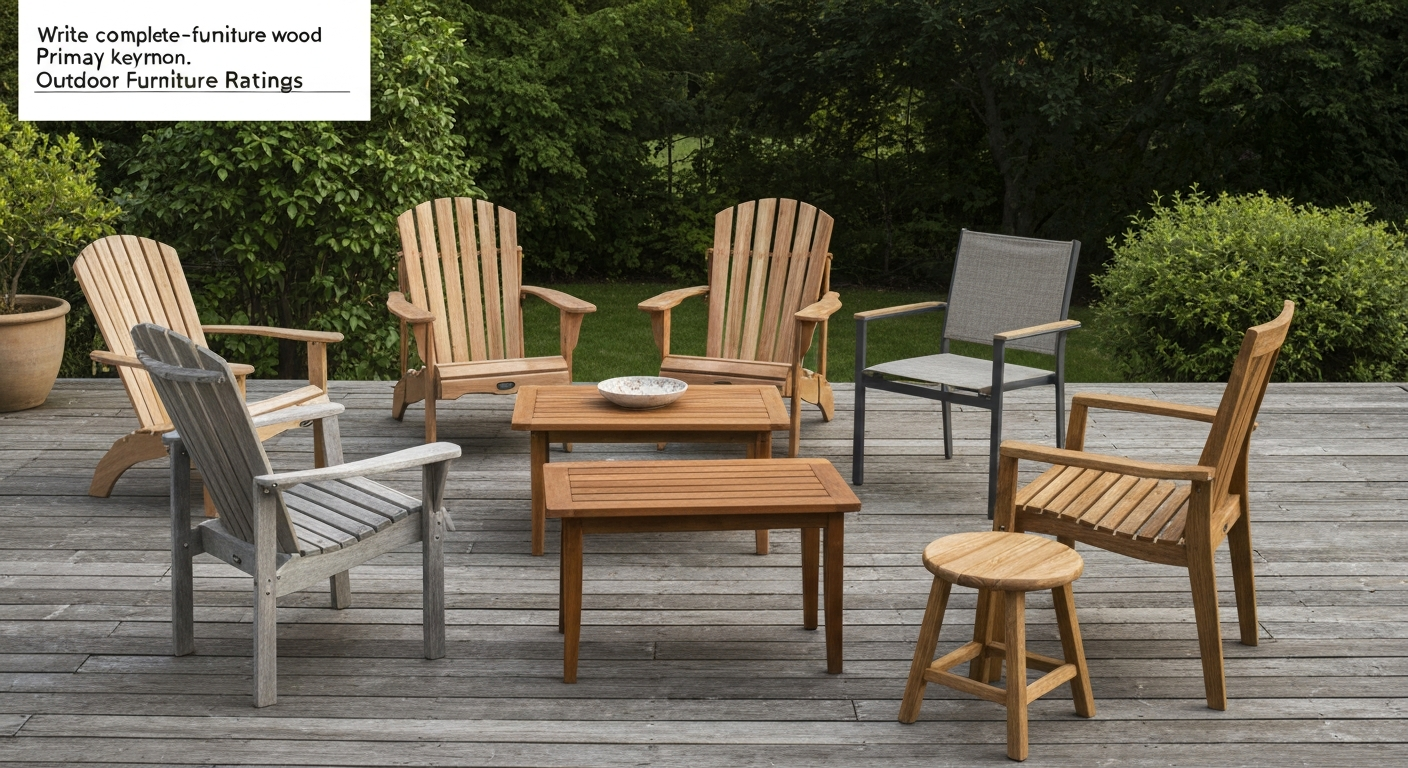
Common Patio Furniture Wood: Best Choices, Care & Tips
Compare common patio furniture wood types, teak, cedar, redwood, oak, with durability, finishes, and care tips.