
For winter weather, powder-coated aluminum, HDPE (high-density polyethylene) lumber, and teak are the three materials worth your money. They handle freeze-thaw cycles, snow, ice, and wet cold better than almost anything else on the market. Cast iron rusts too easily, natural wicker falls apart in prolonged moisture, and cheap steel frames fail within a season or two once the finish chips. If you're buying one set and you want it to last five-plus winters without major intervention, stay in those three lanes.
Best Patio Furniture for Winter Weather: Buyer Guide

Theo Tierney
22 Jun 2026
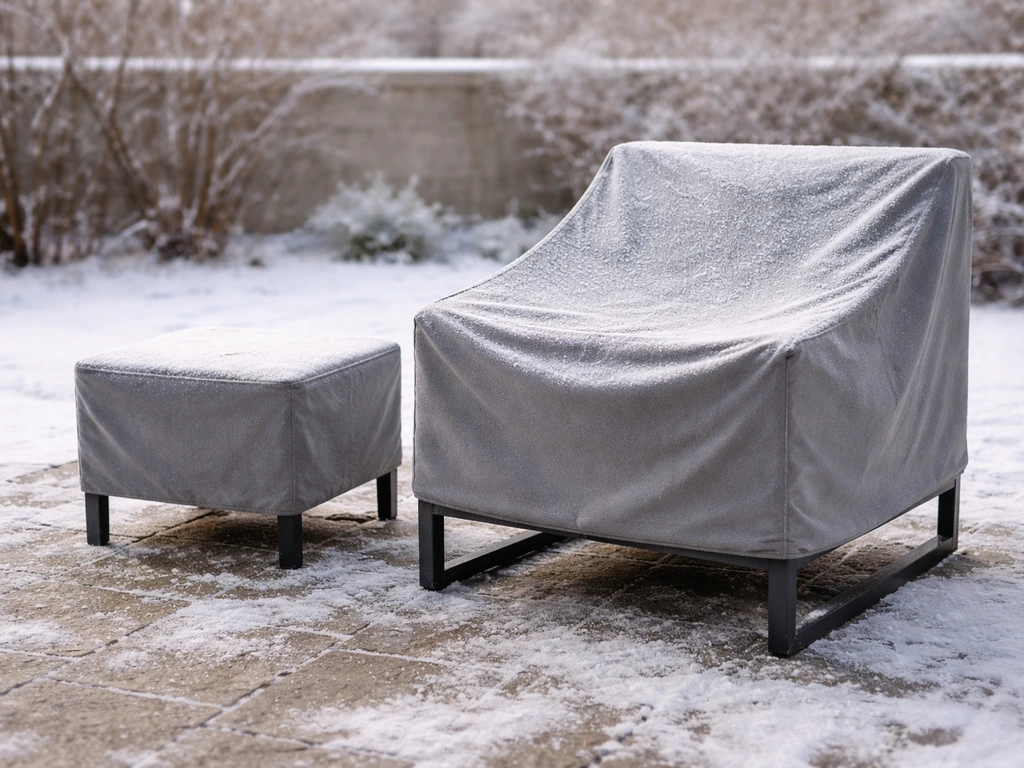
What winter weather actually does to patio furniture
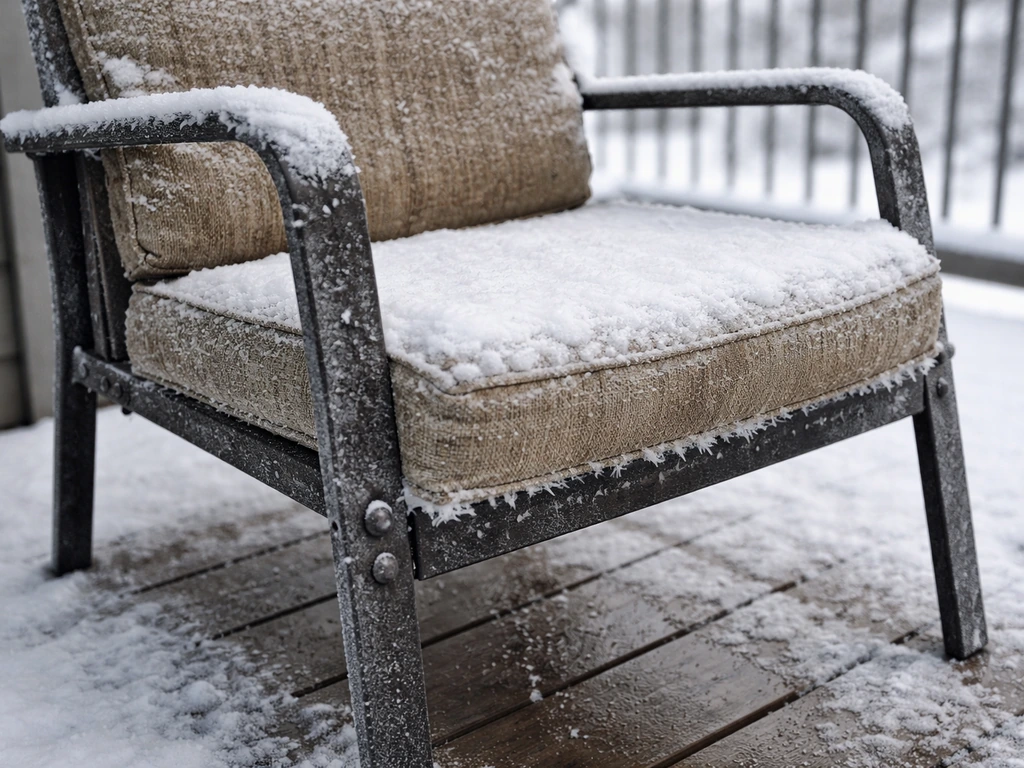
Most people think about snow sitting on cushions and call it a day. The real damage is more insidious. The biggest threat to outdoor furniture in winter isn't cold temperature by itself, it's the freeze-thaw cycle. Water gets into micro-pores in wood, tiny gaps in welds, and hollow frame tubing. When that water freezes, it expands. It does that repeatedly all winter. That expansion stress is what cracks wood across the grain, causes frame tubing to crack or burst, and eventually flakes protective coatings off metal frames. Once the coating is compromised, rust sets in fast.
Salt exposure compounds everything. If you're in a coastal region, salt aerosols accelerate corrosion on any metal that isn't properly rated for it. But even inland homeowners face salt risk because road de-icing salt gets tracked onto patios, blown by wind, and washed into drainage gaps in frames. Chloride from those salts drives corrosion in ways that standard powder-coat finishes aren't always built to handle. In laboratory salt-spray testing, a salt water atomized environment (commonly 5% NaCl) is used to induce corrosion and compare materials or coatings. Beyond metal, moisture and cold also create ideal conditions for mold and mildew in woven materials and foam cushions, especially when furniture is covered tightly without ventilation.
Which materials actually hold up through winter
Powder-coated aluminum
Aluminum is the workhorse pick for winter durability. It doesn't rust the way steel does, it's light enough to move when you need to store it, and a quality powder-coat finish adds meaningful corrosion resistance. The catch is that not all powder coat is equal. Film thickness matters: a thin coat in a harsh environment (coastal, heavy de-icing salt use) will fail faster than a properly applied thick coat. For coastal or high-salt-exposure patios, look for frames with zinc-enriched powder coat, which is specifically formulated for chloride-heavy environments. For standard cold-winter use, a quality standard powder coat on an aluminum frame will hold up well with routine care.
HDPE lumber (like POLYWOOD)
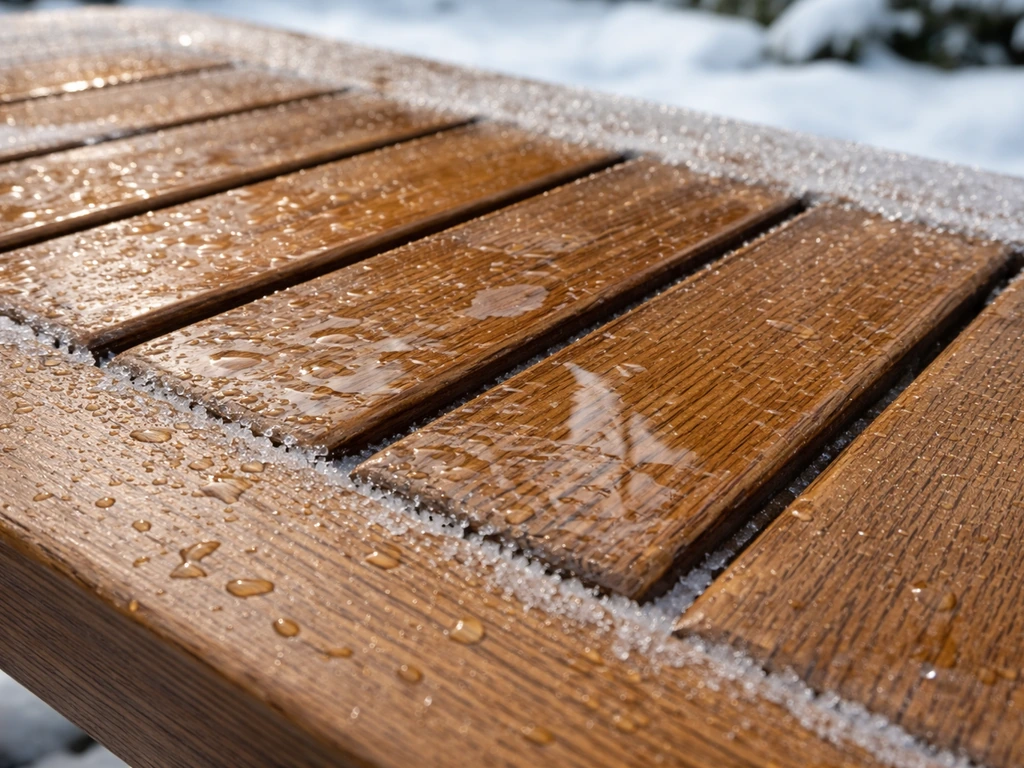
HDPE lumber is essentially recycled plastic engineered to look like wood. It doesn't absorb water, won't crack in freeze-thaw cycles, and resists mold, mildew, and UV fading. POLYWOOD is the most recognized brand using this material, and they market it specifically for harsh weather conditions because it genuinely performs. It won't warp, splinter, or need annual sealing. If you want something that can realistically stay outside through a full winter without any preparation, HDPE furniture is about as close as you get. The trade-off is that it can look and feel slightly plastic compared to teak or powder-coated aluminum, though the better products have improved significantly.
Teak
Teak has natural oils that make it genuinely weather-resistant among hardwoods. It can be left outside through winter in most climates, including cold and wet ones. The risk is unfinished teak left in prolonged wet cold will eventually gray and can develop surface cracks if the wood dries out and re-wets repeatedly without maintenance. Moisture-induced stress is what causes wood to crack when it exceeds the tensile strength perpendicular to the grain. Applying a teak oil or sealant before winter and again in spring extends its life significantly. Budget or lower-grade teak doesn't perform the same way as Grade A teak with tight grain, so that distinction matters when you're shopping.
Synthetic (resin) wicker
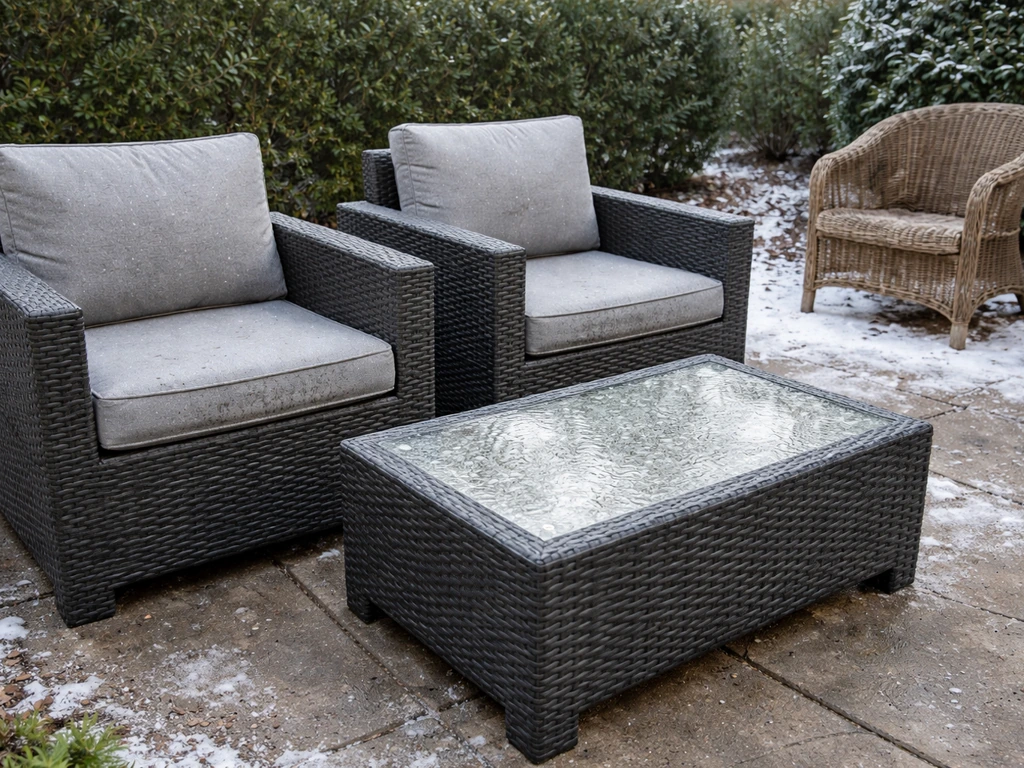
There's a critical distinction here that retailers don't always make clear. Natural rattan wicker should not be left outside through winter. It absorbs moisture, mildew grows in the weave crevices during damp cold periods, and the material degrades fast. Synthetic resin wicker made from PE or HDPE is a completely different product. Quality PE/HDPE wicker is moisture and temperature resistant and can handle winter exposure reasonably well. The frame underneath is usually aluminum or steel, and that's where winter risk creeps in. Make sure water isn't pooling in the frame tubing, because trapped water in a steel subframe will cause corrosion even if the wicker itself is fine.
Steel and cast iron
Steel is heavier and often less expensive than aluminum, but it's genuinely more vulnerable to winter rust. Road salt and de-icing chemicals accelerate corrosion on steel finishes, and once a chip or scratch exposes bare metal, rust spreads under the coating. Cast iron has the same rust vulnerability plus significant weight, making it harder to store. If you have steel furniture and want to keep it, the maintenance investment is higher and storage during harsh winters is worth doing. For a new purchase in a cold-winter climate, I'd steer most people toward aluminum over steel.
Best picks by furniture type
Dining sets
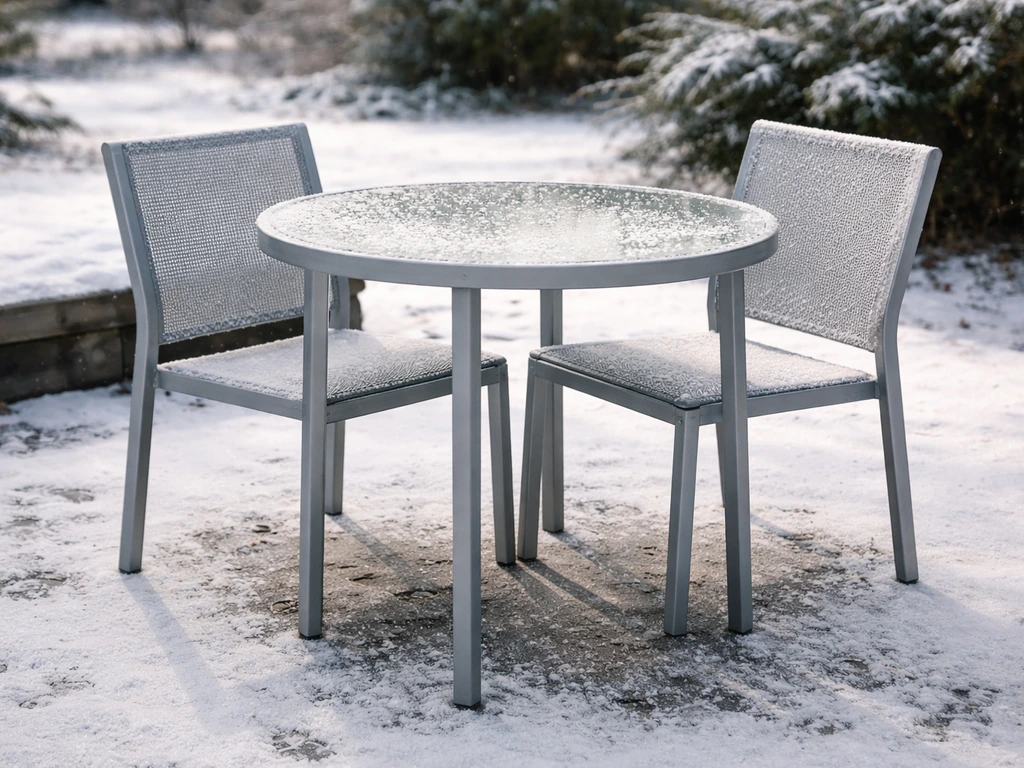
For a full dining set that will survive winters with minimal fuss, a powder-coated aluminum frame with a tempered glass or aluminum slat table top is a smart combination. Look for patio furniture that is weatherproof, focusing on materials like powder-coated aluminum or HDPE lumber for the best winter performance. Avoid glass if you're in a heavy-snow region (stacking snow weight on glass is asking for problems). Aluminum slatted tops let water and melting snow drain without pooling. HDPE lumber dining sets are also excellent: no corrosion risk, and the table surface is effectively impervious to moisture. Teak dining sets look the best but require seasonal oiling to perform over many winters.
Chairs
For individual chairs left outside in winter, HDPE Adirondack-style chairs are the easiest call. They're designed to stay out, they're stackable in many cases, and there's nothing to rust or warp. Aluminum sling chairs work well too, as the sling fabric doesn't hold water the way thick cushions do. If you prefer a cushion chair, choose one with a frame that drains well and plan to bring the cushions inside when temperatures drop below freezing.
Loungers
Aluminum-framed chaise loungers with solution-dyed acrylic slings or quick-dry foam cushions are the top pick for winter. Solution-dyed acrylic fabrics resist mold, mildew, and UV degradation significantly better than standard outdoor textiles. Quick-dry foam (sometimes called reticulated foam) has an open cell structure that sheds moisture instead of holding it, which matters a lot if you're getting rain and cold. For loungers, also look for frames with drainage holes at low points so water doesn't sit in the tubing.
Tables
Aluminum or HDPE table tops handle winter best. Avoid uncoated concrete or ceramic tops in freeze-thaw climates because water that enters micro-pores expands and can cause surface cracking or spalling. Teak table tops are excellent but need the same seasonal sealing as teak chairs. If you have a glass top, remove and store it before heavy snow season. Powder-coated aluminum table frames with slatted tops are low maintenance, drain well, and look clean through most winters with just occasional wiping down.
Weather resistance features worth paying for
When you're evaluating specific furniture, these are the construction details that actually separate winter-ready pieces from things that will fail in two seasons:
- Frame material: aluminum over steel for corrosion resistance; HDPE over natural wood for zero-maintenance moisture resistance
- Powder coat quality: look for thick, evenly applied finishes with no thin spots at edges and welds; for coastal or salt-heavy environments, ask specifically about zinc-enriched formulations
- Drainage: frames and table tops should have drainage holes or gaps that let water exit rather than pool in tubing or on surfaces
- Weld quality: smooth, fully sealed welds prevent moisture intrusion at joints, which is a primary rust entry point
- Fabric: solution-dyed acrylic (like Sunbrella) resists mold, mildew, and UV fading far better than standard polyester outdoor fabric
- Cushion foam: quick-dry or reticulated open-cell foam sheds water rather than absorbing and holding it
- Hardware: stainless steel or galvanized fasteners prevent rust bleeding that stains frames and weakens joints
Cold winters vs. mild wet winters: different problems, different priorities
Not every winter is the same, and your material priorities should shift based on what your climate actually does. A freeze-thaw winter in Chicago or the Upper Midwest is a fundamentally different stress environment than a wet, mild winter in the Pacific Northwest or coastal Southeast. If you want the best patio furniture for midwest winters, prioritize freeze-thaw capable materials like aluminum and HDPE and add seasonal care.
| Climate type | Primary threats | Top material picks | Key precaution |
|---|---|---|---|
| Harsh freeze-thaw (Midwest, Northeast, Mountain West) | Frame tubing cracking, wood splitting, coating delamination | Powder-coated aluminum, HDPE lumber | Store or cover furniture; remove cushions before hard freezes |
| Mild wet winters (Pacific Northwest, coastal Southeast) | Mold/mildew on fabric, surface corrosion, wicker degradation | Aluminum with quality powder coat, teak, PE wicker | Prioritize drainage, breathable covers, and seasonal fabric cleaning |
| Coastal salt-air winters (any coast, year-round salt exposure) | Accelerated corrosion on all metals, chloride damage | Marine-grade aluminum, zinc-enriched powder coat, HDPE | Rinse salt deposits regularly; inspect coatings for chips |
| Moderate cold with some snow (mid-Atlantic, parts of South) | Occasional freeze damage, moisture buildup under covers | Powder-coated aluminum, teak, HDPE | Treat like a freeze-thaw climate for storage decisions |
If you're in Chicago or a similar climate with serious winters, the deeper dives on best patio furniture for Chicago weather and best patio furniture for the Midwest go into regional specifics worth reviewing alongside this guide. For primarily wet, rainy winters without hard freezes, the concerns around mold, drainage, and fabric performance matter more than freeze-thaw resistance, which is a different set of trade-offs. For mild wet climates, the best patio furniture choices focus on moisture resistance, drainage, and fabrics that resist mildew rather than battling freeze-thaw damage mold, drainage, and fabric performance.
A practical winter care and storage routine
The difference between furniture that lasts a decade and furniture that looks bad after three winters is usually routine seasonal care, not the price tag. Here's what actually matters:
- Clean everything before the season ends: wash frames with mild soap and water, rinse thoroughly, and let everything dry completely before covering or storing. Salt, bird droppings, and organic debris accelerate corrosion and mildew if left sitting all winter.
- Inspect powder coat and finishes: look for chips, scratches, or bubbling. Touch up small chips with a matching powder coat paint or rust-inhibiting primer before winter sets in. A small scratch ignored in October is a rust streak by March.
- Remove cushions before hard freezes: even quality outdoor cushions aren't designed to freeze solid repeatedly. Bring them inside or store them in a dry space. If you're in a mild wet winter climate without hard freezes, store them somewhere ventilated to prevent mildew.
- Drain frame tubing: for any hollow-frame furniture, tip pieces on their side briefly to drain any standing water from frame tubing before cold weather arrives. Trapped water freezing inside tubing is a direct cause of frame cracking.
- Apply teak oil or sealant to wood furniture: do this in fall before temperatures drop, and again in spring. It prevents the repeated wet-dry cycling that leads to cracking.
- Cover with breathable, fitted covers: use covers designed for outdoor furniture with ventilation. Non-breathable, tightly sealed covers trap condensation underneath, which creates a humid environment that encourages mildew on frames, wicker, and any residual fabric. The furniture inside a bad cover can come out worse than furniture left open to air.
- Store in a protected space if possible: a garage, shed, or covered area is ideal for freeze-thaw climates. The goal is keeping furniture clean and dry, upright (not stacked in ways that trap moisture), in a place where temperature swings are moderated.
The winter mistakes that lead to early replacements
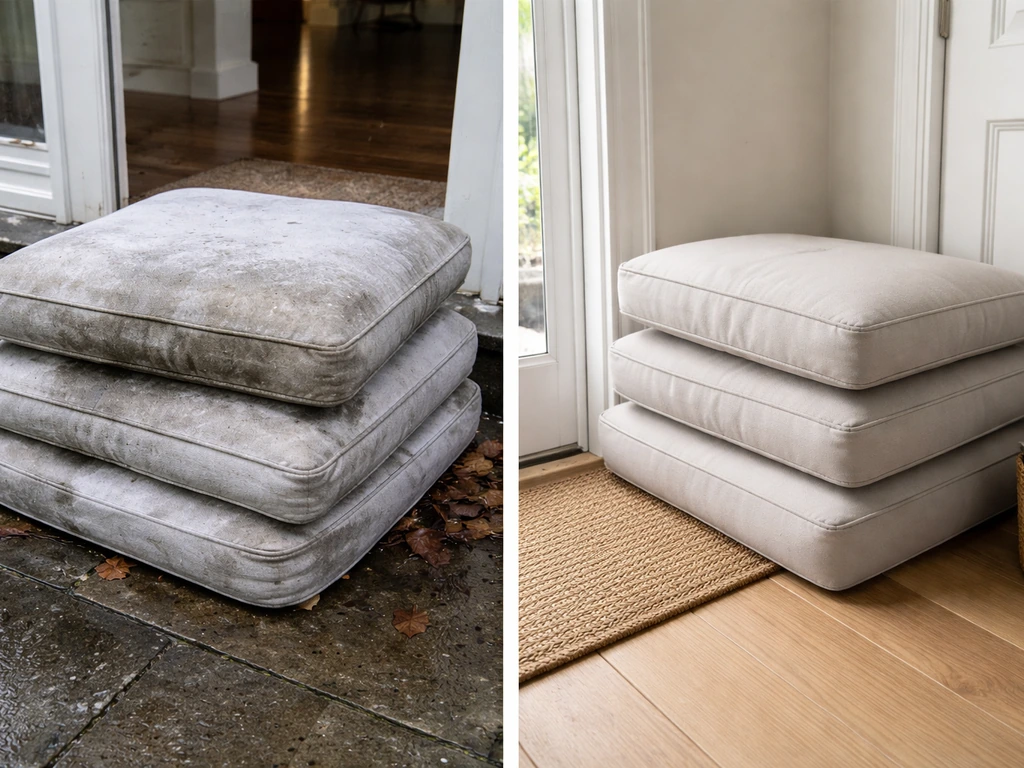
These are the failure patterns I see repeatedly, and all of them are avoidable: Moisture and condensation under coverings are best prevented with breathable designs, keeping furniture dry, and ensuring sufficient air circulation rather than relying on fully sealed, non-vented covers breathable fitted covers help reduce condensation.
- Leaving cushions out through freeze cycles: even 'outdoor' cushions will develop mildew and eventually break down if they freeze wet repeatedly. Bring them in. It takes ten minutes.
- Using non-breathable covers: a plastic tarp draped over furniture traps condensation against the surfaces all winter. That moisture accelerates rust, mildew, and wood warping more than leaving furniture uncovered in many climates.
- Ignoring coating chips: a small chip in powder coat feels harmless. But bare metal under that chip corrodes through winter and the rust spreads laterally under the surrounding finish. By spring you have a larger problem.
- Assuming 'all-weather' means zero maintenance: manufacturers use 'all-weather' loosely. HDPE truly requires almost no maintenance. Aluminum needs occasional cleaning and coating inspection. Teak needs seasonal oiling. Know what your material actually needs.
- Skipping the pre-winter drain: hollow frame tubing that holds standing water through a freeze will eventually crack. It doesn't happen the first winter, which is why people skip this step, but it catches up.
- Buying natural wicker for outdoor winter use: natural rattan looks great in showrooms and fails fast in wet, cold winters. If you want the wicker aesthetic, buy PE or HDPE resin wicker and verify the subframe material.
- Storing furniture dirty: organic matter trapped in crevices, joints, and weave patterns holds moisture and feeds biological degradation all winter. A proper cleaning before storage is the single cheapest thing you can do to extend furniture life.
The bottom line on winter-ready furniture
If you want to stop replacing patio furniture every few years, match the material to your actual winter conditions rather than buying on looks alone. If you're looking for the best patio furniture for Chicago weather, focus on hard freeze durability like powder-coated aluminum and HDPE, plus solution-dyed cushions that handle repeated freeze-thaw. For hard freeze climates, powder-coated aluminum and HDPE lumber are the most reliable combination of durability, low maintenance, and long-term value. Teak is excellent but requires seasonal attention. Synthetic PE wicker can work well if the subframe is aluminum. Natural wicker, low-grade steel frames, and poorly finished wood don't belong in climates that get hard freezes and significant snow. Pair any of the good materials with quality solution-dyed acrylic cushions, breathable fitted covers, and a basic fall cleaning routine, and you'll get a decade or more out of a single purchase.
FAQ
Can I leave patio cushions and fabric chairs outside all winter if I have a good cover?
You can leave the frames out, but cushions and foam should go inside once temperatures drop below freezing or after heavy snow. Tight covers can trap moisture, so use breathable covers (vented sides or loose enough to reduce condensation) and shake off standing snow or meltwater before it refreezes.
What should I do differently for a mild wet winter versus a freeze-thaw winter?
In mild, rainy climates, prioritize mildew resistance, quick drainage, and mold-resistant fabrics over freeze-thaw toughness. In freeze-thaw climates, prioritize materials that resist expansion stress (powder-coated aluminum and HDPE) and avoid anything that can hold water inside micro-pores or hollow tubing.
Is tempered glass really a bad idea in heavy snow regions?
Tempered glass is stronger than regular glass, but snow weight can still create stress on the tabletop supports and edges, which can lead to chipping or cracking over time. If snow load is common, switch to slatted aluminum or HDPE tabletops so meltwater drains instead of pooling and refreezing.
How can I tell if a powder-coated aluminum set has winter-grade coating?
Look for thicker, fully cured coating and, if you live near the coast or use de-icing salts, zinc-enriched or chloride-rated powder coat. Also inspect for full coverage on welds and edges, since those are the first areas where chips and corrosion start if the coat is thin.
Do I need to store aluminum furniture during winter?
Not usually. Aluminum handles winter exposure well, but storing is still smart if you expect frequent heavy storms with abrasive debris or constant de-icing overspray. Even if the frame survives, cushions and any removable tops (like glass) should be stored to prevent damage and trapped moisture.
Can I use a synthetic PE/HDPE wicker set if the frame is steel?
You can, but it depends on the steel subframe and drainage. If water can pool in frame tubing, corrosion will still happen even if the wicker itself is winter-tolerant. Choose designs with drainage paths and keep the underside accessible for occasional cleaning and drying.
Is teak “set and forget” for winter, or do I need seasonal care?
Teak is more weather-resistant than most woods, but it is not maintenance-free. For best longevity, apply a teak oil or sealant before winter and again in spring, especially if your teak is exposed to prolonged wet cold that causes repeated wet-dry stress and surface checking.
What is the fastest way to ruin winter-ready furniture?
The most common mistake is leaving pooled water where it can freeze repeatedly, especially inside frames or around cushion storage. Another frequent issue is using non-breathable plastic-style covers that trap condensation, which increases mildew risk in textiles and woven materials.
Should I rinse off de-icing salt from patio furniture?
Yes, especially for any aluminum joints, steel components, and even wicker frames. Salt residue can keep reacting with metal finishes over time, so a gentle rinse with fresh water after storms helps reduce chloride buildup, then allow items to dry fully.
What tabletop materials should I avoid in freeze-thaw climates?
Avoid uncoated concrete or ceramic as primary outdoor table surfaces in areas with hard freezes. Water can enter pores and expand, causing surface cracks, spalling, and edge failure even if the top looks intact at first.
How do I prepare patio furniture before winter hits?
Do a basic fall cleaning, remove loose debris, and address any existing chips or scratches on metal frames before temperatures drop. For cushions, plan early to bring them indoors before the first hard freeze, and for teak, apply protection before winter so oils or sealants aren’t washed out by the first wet spell.
What seasonal care is actually worth doing for winter longevity?
Focus on three actions: keep water from pooling (check drainage holes and frame low points), prevent moisture lock-in (use breathable covers and avoid tightly sealed plastic wrap), and do quick inspections in late winter and spring for coating chips, loose joints, or early rust around welds.
Next Articles
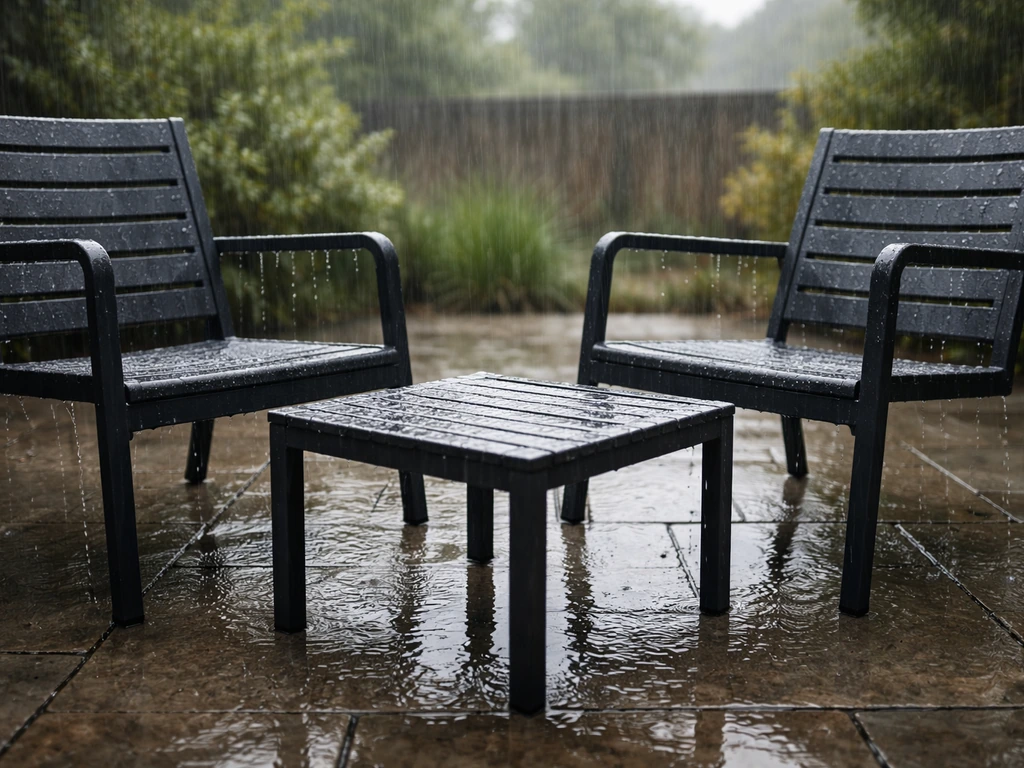
Best Patio Furniture for Wet Climates: Materials and Care
Choose wet-climate patio furniture that resists rust, rot, mildew, and swelling with materials, features, and care routi
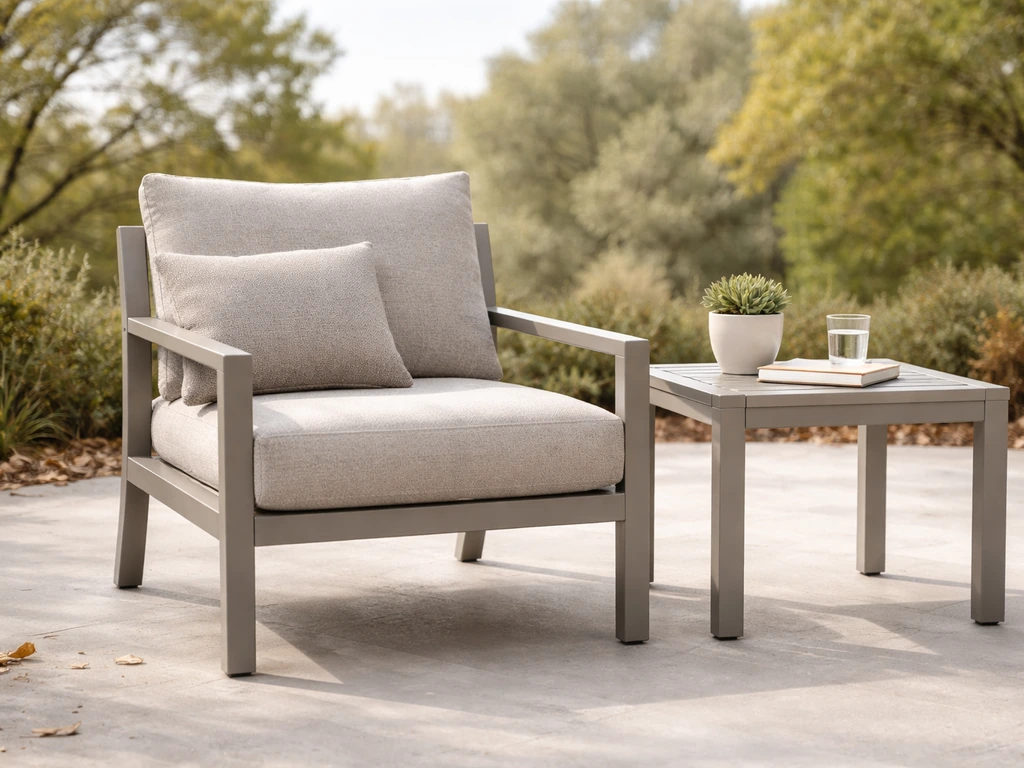
Patio Furniture That Is Weatherproof: Buying Guide
Weatherproof patio furniture buying guide: materials, UV and rust resistance, what to avoid, and maintenance for lasting
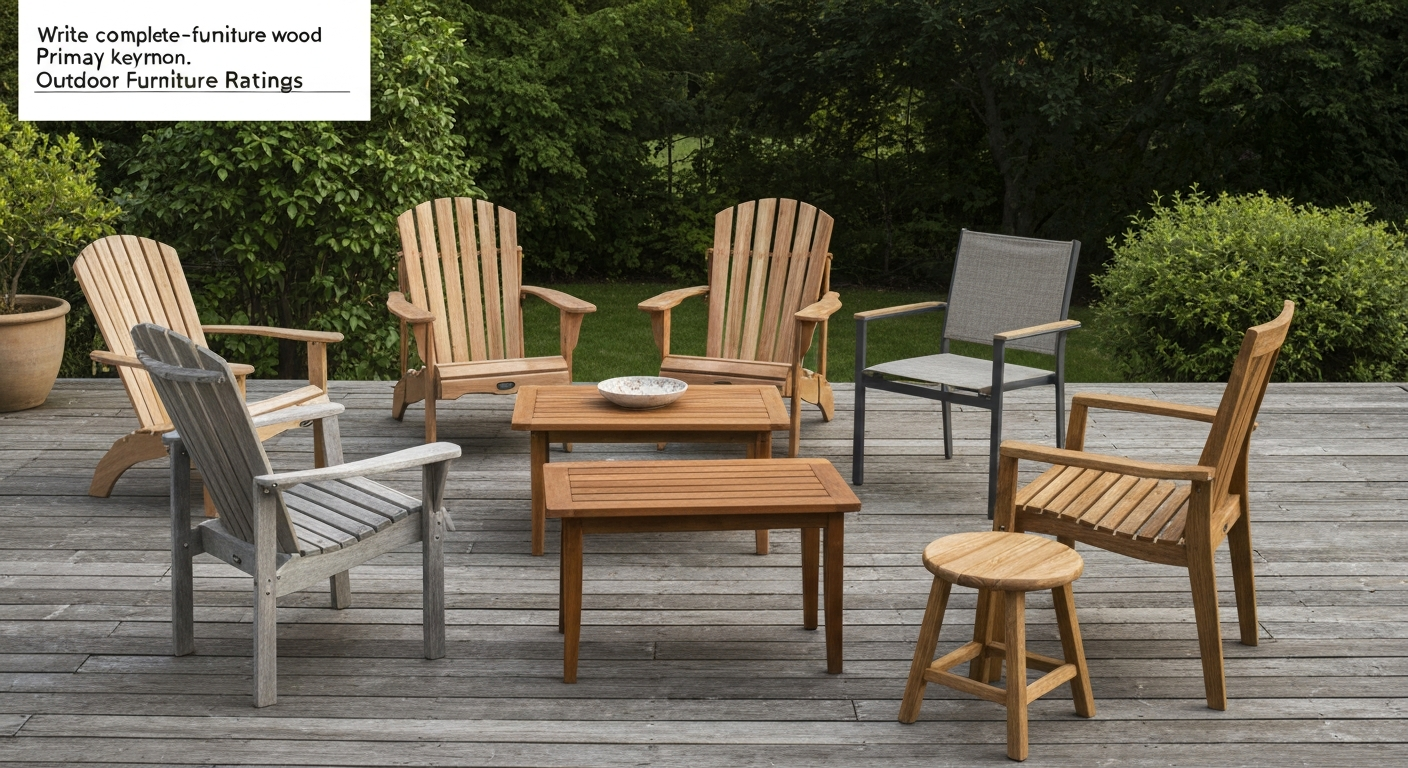
Common Patio Furniture Wood: Best Choices, Care & Tips
Compare common patio furniture wood types, teak, cedar, redwood, oak, with durability, finishes, and care tips.