
For Chicago weather, powder-coated aluminum and high-density polyethylene (HDPE) lumber are the two best patio furniture materials you can buy. Both handle freeze-thaw cycles, snow, melt water, and summer humidity without rusting, cracking, or rotting. To get truly patio furniture that is weatherproof in Chicago, focus on materials like powder-coated aluminum and HDPE, plus weather-conscious setup and maintenance. If you want cushioned seating, pair either frame with solution-dyed acrylic fabric and quick-dry foam. That combination will survive Chicago winters with minimal fuss, last 10-plus years, and require maybe a few hours of maintenance each season.
Best Patio Furniture for Chicago Weather: What Lasts

Theo Tierney
24 Jun 2026
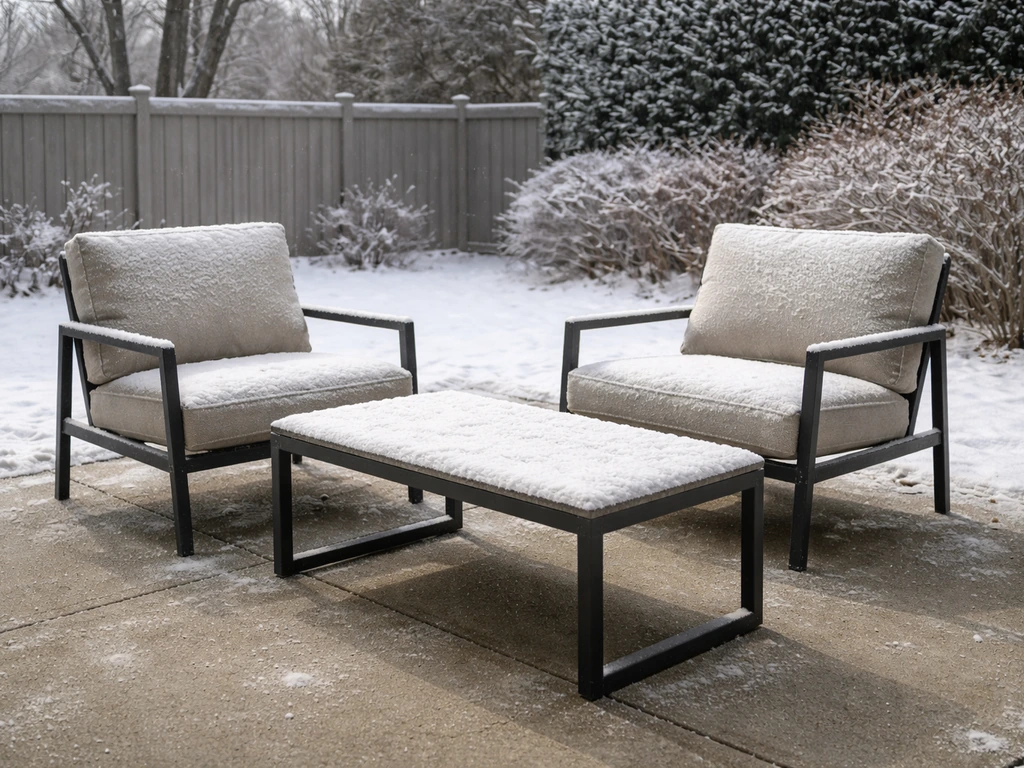
What Chicago weather actually does to patio furniture
Chicago is one of the hardest climates in the country on outdoor furniture, and it hits from multiple directions at once. The city averages around 35 inches of annual precipitation, including significant winter snowfall. Chicago’s average annual precipitation is about 35. 25 inches, and precipitation timing can include wet snow or rain events that soak furniture and then refreeze [35.
25 inches of average annual precipitation](https://www. usharbors. com/harbor/illinois/chicago-il/weather). That moisture soaks into porous materials and then, during freeze-thaw cycles (Chicago sees roughly 6 or more freeze-thaw events per year at O'Hare), it expands and contracts inside the material.
For example, ExtremeWeatherWatch compiles a Chicago yearly history of days below 32°F (back to 1901), which can be used to quantify how often freeze-thaw stress occurs days below freezing. Wood splits.
Paint pops. Steel starts to rust under hairline cracks in powder coat. Over a few winters, weak materials just fall apart.
Wind makes things worse. January is the windiest month, averaging around 14.2 mph hourly, but gusts off Lake Michigan regularly push well beyond that. Wind doesn't just knock things over; it drives rain and sleet horizontally into furniture joints and cushion seams, and it accelerates freeze-thaw damage by forcing moisture deeper into any crevice. If your patio is exposed, that lateral load is a real concern for anything lightweight or poorly anchored.
Then summer shows up with a completely different problem set. Chicago's average annual humidity runs around 70%, and summer humidity can push much higher, especially near the lake. UV peaks hard from June through August, with UV index readings between 8 and 10, which is enough to fade, crack, and degrade untreated fabrics and finishes in two or three seasons. You're essentially asking furniture to survive a harsh subarctic winter and then a hot, humid, high-UV summer back to back, every single year.
The best materials for Chicago patios
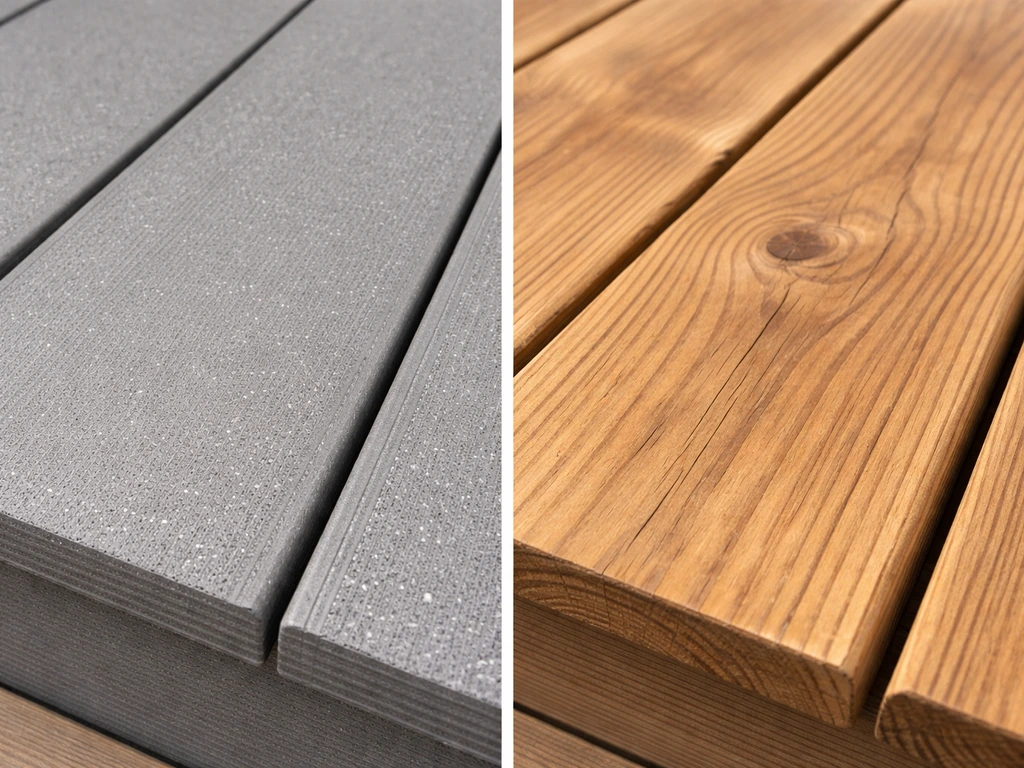
Not all outdoor furniture materials are created equal, and the marketing language around "all-weather" is nearly meaningless without understanding what the construction actually involves. Here's an honest breakdown of how each major material performs in Chicago-specific conditions.
Powder-coated aluminum
This is the top pick for frames. Aluminum doesn't rust, which alone puts it ahead of steel in a wet-freeze climate like Chicago's. The powder coating adds UV and abrasion resistance, but quality varies enormously. Look for frames that specify marine-grade or architectural-grade powder coat, applied at least 2-3 mils thick, over a pre-treated aluminum surface.
Thin powder coat on a raw frame will chip within a couple of winters and the exposed aluminum, while not rusting, will oxidize and pit. Welded joints are stronger than bolted ones for long-term durability. Aluminum is also light enough to move but heavy enough in thicker gauges (look for 1. 5-2mm wall thickness on tubular frames) to resist moderate wind.
For windy balconies and open patios, you'll still want to anchor or store it.
HDPE lumber (recycled plastic lumber)
High-density polyethylene lumber is the best choice for Chicago if you want the look of wood without any of the maintenance. It's made from recycled plastics and will not crack, splinter, rot, or absorb moisture, which makes freeze-thaw cycles a non-issue. It doesn't need sealing, staining, or oiling. The color goes all the way through the material, so scratches aren't catastrophic. HDPE is heavier than aluminum (good for wind resistance), and genuinely good HDPE furniture from brands like Trex, Seaside Casual, or POLYWOOD carries 20-year warranties on the lumber itself. The main trade-off is cost. Quality HDPE sets run $800-$2,500 and up, but the long-term cost of ownership beats cheaper alternatives that need replacing every 3-5 years.
Wrought iron and steel
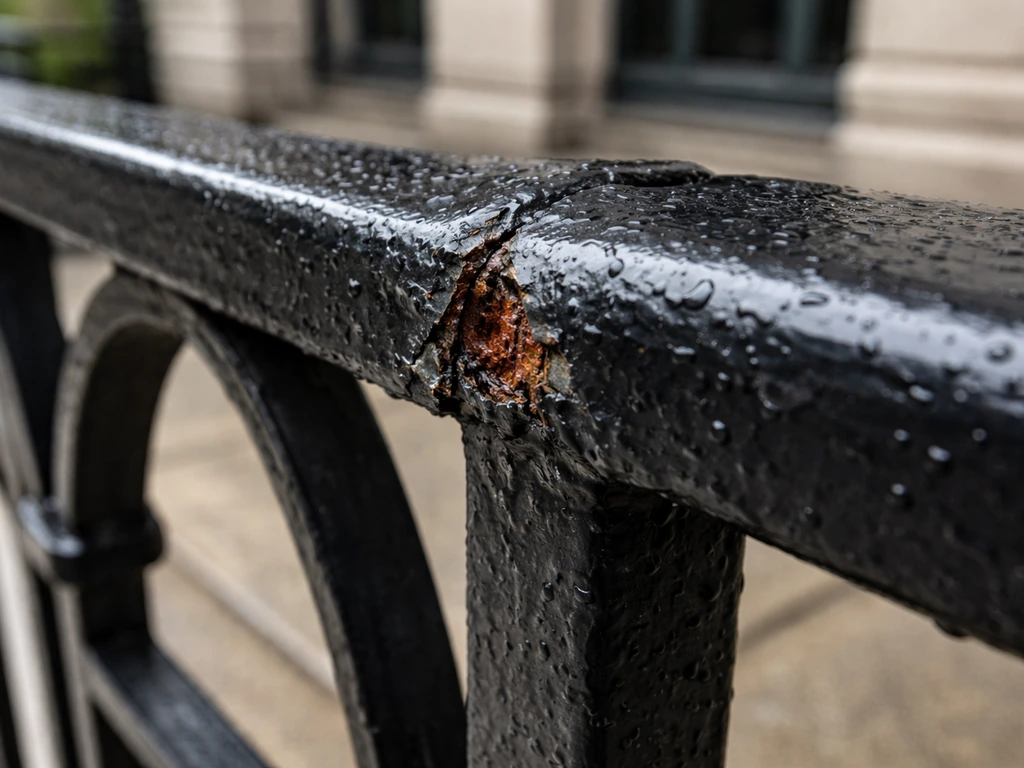
Steel and wrought iron are heavy, which helps with wind, and they look fantastic. The problem in Chicago is rust. Any chip, scratch, or weld gap in the coating is a rust entry point, and once rust starts under the coating it spreads fast in a freeze-thaw environment. If you want steel or wrought iron, you need to do a rust inspection every spring, touch up chips immediately with a rust-inhibiting primer, and store the furniture indoors for winter.
That's not a deal-breaker, but it's real ongoing work. Stainless steel (grade 316) is dramatically better but also dramatically more expensive, and it's usually found on high-end commercial products. For most Chicago homeowners, aluminum gets you most of the weight and aesthetic benefits of steel without the rust risk.
Teak and hardwoods
Teak is genuinely excellent outdoor wood because of its high natural oil content, which makes it resistant to moisture and rot. It handles Chicago winters better than any other wood. But even teak needs attention in this climate: the freeze-thaw cycle still stresses the wood over time, and without regular oiling (every 1-2 years), teak will grey and begin to show surface checks. Shorea, eucalyptus, and similar dense hardwoods perform similarly but are usually cheaper. Avoid cedar, pine, or acacia for Chicago unless you're prepared for heavy annual maintenance. Teak is a reasonable choice if you like the look of real wood and don't mind oiling it. HDPE gives you similar aesthetics with less work.
Synthetic wicker (resin wicker)
The key word here is synthetic. Natural wicker will not survive a Chicago winter outdoors; it will crack, swell, and deteriorate within one season. Synthetic resin wicker, woven over a powder-coated aluminum frame, is a completely different product. The weave should be UV-stabilized and use a flat or half-round weave style with tight interlocking; round-strand weave tends to unravel faster.
The best resin wicker is rated for outdoor freeze exposure, but in practice it's still better suited to covered porches or spaces where you can store it indoors November through March. Direct snow and ice sitting on resin wicker all winter accelerates cracking at the weave intersections. For uncovered Chicago patios, aluminum or HDPE is more durable. For a covered porch or three-season use, quality resin wicker is comfortable and attractive.
Cushion fabrics and foam
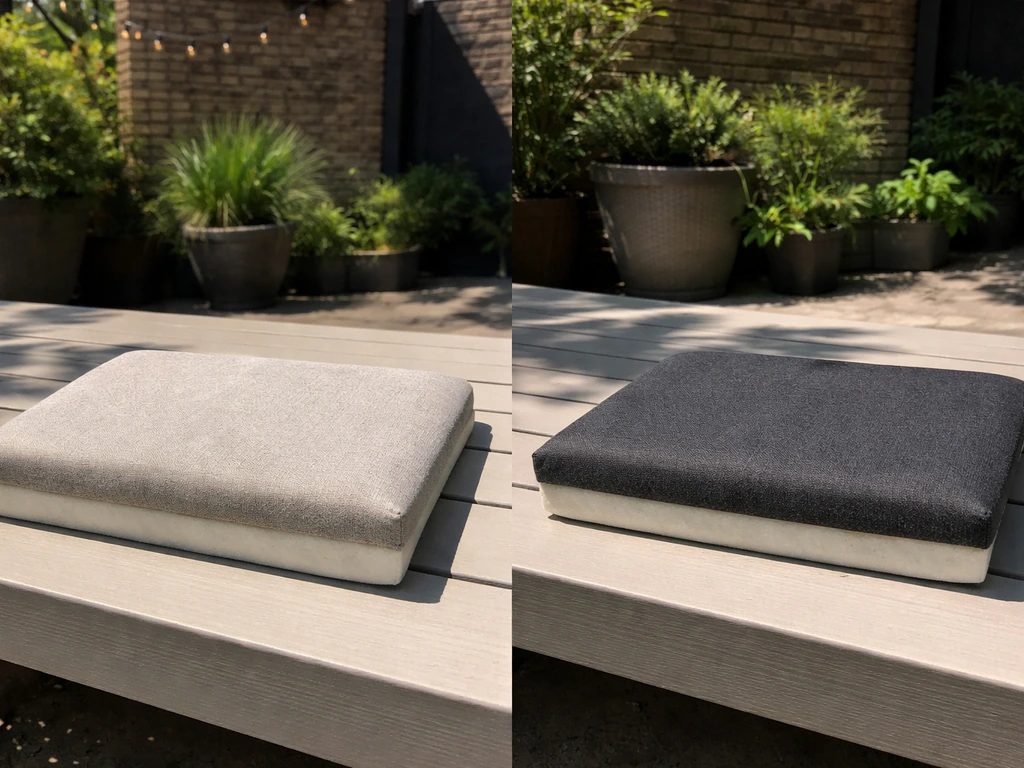
Whatever frame you choose, cushions deserve as much attention as the frame in Chicago. Solution-dyed acrylic (Sunbrella is the most recognized brand, but others like Outdura and Tempotest make comparable fabric) is the gold standard. The dye is baked into the fiber during production, not applied as a surface coating, so UV and moisture can't fade it easily. It resists mildew significantly better than polyester. For foam, look for open-cell, quick-dry foam or Dryfast-style foam, which drains water rather than trapping it. Trapped moisture in cheap foam leads to mildew in Chicago's humid summers and foam breakdown in freeze-thaw winters. Removable, machine-washable covers are worth paying for.
| Material | Rust/Rot Risk | Freeze-Thaw Durability | Maintenance Level | Wind Resistance | Best For |
|---|---|---|---|---|---|
| Powder-coated aluminum | None | Excellent | Low | Moderate (anchor in wind) | Most patio types, balconies |
| HDPE lumber | None | Excellent | Very low | Good (heavy) | Open patios, uncovered spaces |
| Teak / hardwood | None (rot) | Good with oiling | Medium | Good (heavy) | Design-focused setups |
| Steel / wrought iron | High if chipped | Poor without storage | High | Excellent (heavy) | Covered spaces only |
| Resin wicker (over aluminum) | Frame: none | Fair (covered best) | Low-medium | Low (light) | Covered porches, 3-season use |
| Natural wicker | High | Very poor | Very high | Low | Not recommended for Chicago |
Top picks by furniture type
Patio sets (full conversation or sectional sets)
For a full outdoor living setup, a powder-coated aluminum sectional with Sunbrella-grade cushions is the most practical choice in Chicago. Brands like Brown Jordan, Telescope Casual, and Homecrest build aluminum sectionals at the higher end. At mid-range, Polywood makes HDPE sectionals that are virtually indestructible and come in a wide range of colors. For budget-conscious buyers, brands like Outer and even some Costco aluminum sets (look for the frame gauge specs) offer reasonable value if you commit to storing cushions and covering frames through winter. Avoid any set that uses MDF internal bracing, hollow thin-wall aluminum under about 1mm, or polyester fabric as a primary cushion cover.
Outdoor dining furniture
For an outdoor dining table and chairs, a solid aluminum or HDPE tabletop beats tempered glass in Chicago. Glass is heavy and expensive to replace when a windstorm drops a chair onto it, and thermal stress from sitting snow and rapid temperature swings is a real crack risk. Porcelain-top tables (thick-gauge sintered stone or porcelain) are excellent, durable, and look great, but they're heavy to move for winter storage. Aluminum slatted tabletops drain water rather than pooling it, which reduces freeze damage and mold. For chairs, stacking aluminum chairs are ideal for Chicago: easy to store, rust-free, and durable. Look for chairs with at least four cross-braces and glides on the feet to prevent moisture wicking up the legs.
Lounge seating (sofas, chairs, ottomans)
This category lives or dies on the cushion system. For lounge seating in Chicago, prioritize a deep-seat design with cushion covers that zip off completely, Dryfast or equivalent foam, and solution-dyed acrylic fabric. The frame should be thick-wall aluminum or HDPE. Resin wicker lounge sets work well here too, especially for covered patios, because they're comfortable and visually warmer than all-metal. If you're on a budget, an aluminum-frame loveseat or sofa from a brand like Hanover or Christopher Knight Home can work, but verify the fabric spec before buying, since most budget sets use polyester that fades and mildews within two Chicago summers.
Chaise loungers
Chaise loungers in Chicago need to either be stored indoors after Labor Day or be made of a material that doesn't mind sitting in snow. HDPE chaises from POLYWOOD or Trex Outdoor are the clear winner here: you can leave them out year-round with no covers required, they don't fade, and the slatted design means snow just slides off rather than pooling. Aluminum chaises are lighter and easier to move around, which is useful if you're rearranging for sun angles. Avoid wood-slat loungers with metal hardware unless the hardware is stainless steel; the differential expansion between the wood and standard steel hardware is a splitting and corrosion risk over multiple freeze-thaw cycles.
Matching furniture to your porch, balcony, or backyard
Your specific setup matters as much as the material you choose. A covered back porch in Lincoln Square is a very different environment from an exposed rooftop deck in River North, and buying the same furniture for both is a mistake.
Covered porches and screened areas
If you have a covered porch or roof overhang that blocks most precipitation, you have more flexibility. Resin wicker is a realistic option here. Teak looks great and ages gracefully without as much weather abuse. You still want to store cushions indoors through winter, but the frames themselves can often stay out. Wind is still a factor on any exposed side, so anchoring or bringing in lightweight pieces during major storms is wise.
Open and exposed patios and decks
On a fully exposed patio or deck, stick to aluminum or HDPE frames as a baseline. If you want the best patio furniture for midwest conditions, prioritize frames and fabrics that can handle freeze-thaw cycles, UV, and heavy wind. Everything should drain well: slatted or mesh surfaces beat solid tops for standing water. Elevate table and chair feet off the deck surface with rubber glides or furniture feet so they're not sitting in pooled melt water for weeks in late winter. Consider furniture weight carefully; heavier pieces resist wind but are harder to store, while lighter aluminum needs anchoring or storing during high-wind events.
High-rise balconies and rooftop decks
Wind is the dominant concern at elevation. High-rise balconies in Chicago can see gusts significantly above street-level averages, especially in winter. Furniture here should either be heavy enough to stay put (HDPE lumber) or light enough to bring inside easily (folding aluminum pieces). Avoid large-surface items like wide umbrellas unless you have a very secure base and can take them down for any wind advisory. Check building rules too: many Chicago high-rises have weight limits and restrictions on what can be on balconies.
Full sun vs. shaded spaces
Full-sun Chicago patios hit peak UV between June and August, which means fabric choice matters. Solution-dyed acrylic is worth the premium specifically for this reason; a cheap polyester cushion in full sun in Chicago can start fading noticeably after a single summer. HDPE lumber in full sun will get hot to the touch (lighter colors help), but it won't degrade. Dark aluminum frames in full sun can get extremely hot, so light grey or white powder coat is a practical choice for seating you'll actually want to use in July.
Weatherproofing, covers, and setup
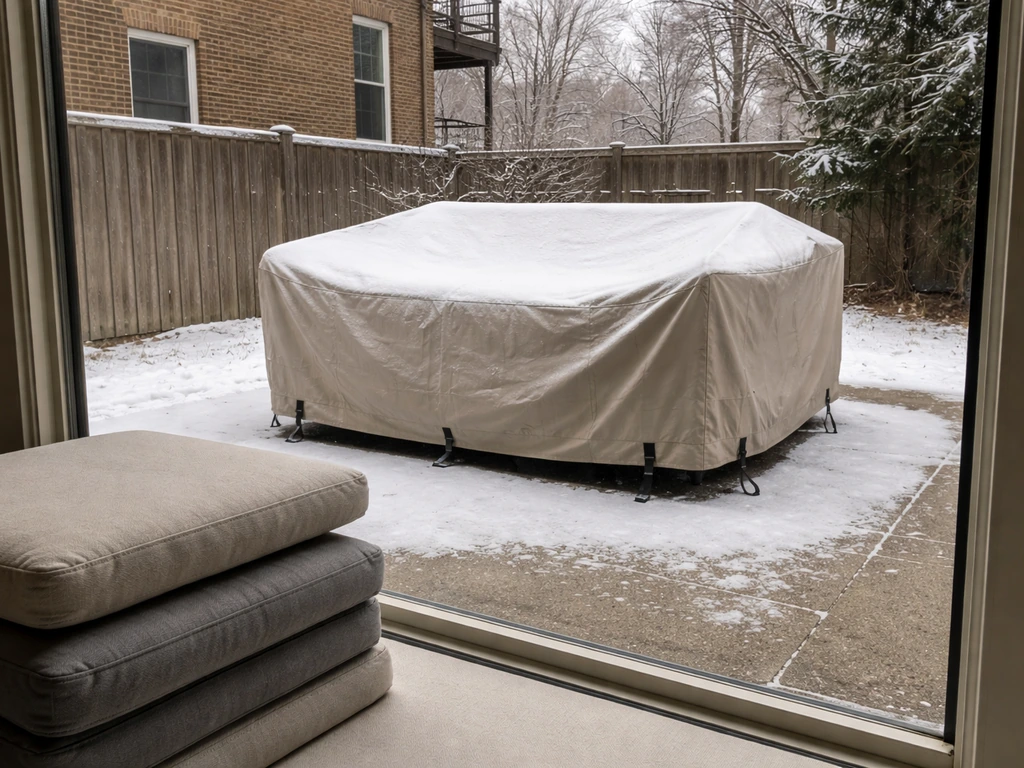
Even the best materials last longer with a few basic weatherproofing habits. These are not optional extras in Chicago; they're part of the real cost of outdoor furniture ownership here.
- Use fitted furniture covers through winter for any frames staying outside. Look for covers with UV-stabilized polyester or polyethylene outer layers, a soft inner lining (to prevent scratching), and vents to prevent condensation buildup and mold underneath. Cheap tarps trap moisture and do more harm than good.
- Elevate furniture off the deck or patio surface if it's staying out. Rubber feet, furniture risers, or even just small plastic shims keep metal and wood legs out of standing melt water, which is where most winter rust and rot damage starts.
- Anchor anything lightweight before a storm. Screw-in patio anchors, furniture leg straps, or heavy planters placed strategically can prevent a $600 chair from becoming a projectile in January. Chicago's wind doesn't give much warning.
- Store cushions indoors from November through April. Even the best Sunbrella fabric doesn't need to spend four months under snow. A waterproof storage bin or a bag that can go in a garage or basement extends cushion life significantly.
- Keep drainage clear. If your patio surface doesn't drain well and water pools, periodically move furniture to prevent it from sitting in standing water. On wood decks, check that deck boards around furniture feet aren't holding moisture.
Maintenance, storage, and how long things actually last
Spring startup routine
In April or early May, do a full inspection before you start using anything. Check aluminum frames for powder coat chips and touch up with a color-matched outdoor enamel immediately; even small chips let moisture under the coating and the damage spreads quickly through a Chicago summer. Check all hardware (bolts, screws, brackets) for rust or loosening. Wash frames with mild soap and water, then rinse thoroughly. For HDPE, a simple wash is all you need. For teak, this is the time to oil or seal if the wood looks dry or grey. Let teak dry fully for at least 48 hours before applying teak oil.
Summer maintenance
Rinse cushions regularly with a garden hose and let them dry standing upright, not lying flat, so water drains out of the foam. A mild soap and soft brush handles most mildew spots on Sunbrella; Sunbrella also has a specific cleaning guide for tougher stains. Wipe down metal frames monthly to remove bird droppings and sap, which are acidic and can etch powder coat over time. For resin wicker, a soft brush and soapy water keep grime out of the weave.
Fall winterization
By mid-October in Chicago, start the winterization process. Bring all cushions indoors. Clean and dry everything before covering or storing. For any steel or wrought iron pieces you're keeping outside, apply a thin coat of paste wax or a metal protector spray before covering. For teak, a final oil application in fall helps it handle the moisture exposure of winter better. Cover aluminum and HDPE frames if they're staying outside, or store them in a garage if you have room. Folding aluminum furniture is easy to stack and store; solid HDPE pieces are heavy but can stay outside if needed.
Realistic lifespan expectations
| Material | Expected Lifespan in Chicago | With Good Maintenance | Main Failure Mode |
|---|---|---|---|
| Quality powder-coated aluminum | 10-15 years | 15-20+ years | Powder coat chipping at joints |
| HDPE lumber | 20-30 years | 30+ years (lumber warranty) | Hardware corrosion if not stainless |
| Teak / hardwood | 10-15 years | 20+ years with regular oiling | Surface checking, joint loosening |
| Steel / wrought iron | 5-10 years outdoors | 10-15 with indoor winter storage | Rust at chips and welds |
| Quality resin wicker (over aluminum) | 7-12 years | 12-15 on covered porch | Weave cracking, UV degradation |
| Budget polyester cushions | 2-3 years | 3-4 with careful storage | Fading, mildew, foam breakdown |
| Solution-dyed acrylic cushions | 5-8 years | 8-12 with indoor winter storage | Seam wear, foam compression |
Price, value, and how to judge brand quality
What actually costs more upfront but saves money long-term
In Chicago specifically, the math strongly favors spending more once rather than replacing cheap furniture every 3-5 years. A $300 steel-and-polyester patio set from a big-box store will look tired and rust-spotted by year three and need replacing by year five. That's $600 over ten years, plus the frustration of the cycle. A $1,200 powder-coated aluminum set with solution-dyed acrylic cushions, maintained properly, runs 15 or more years. HDPE furniture at $1,500-$2,500 can realistically outlast the house itself with minimal maintenance. The break-even math is easy, and that's before accounting for your time spent on annual maintenance of inferior materials.
How to judge brand quality beyond marketing
Almost every patio brand claims their products are "all-weather" and "durable. " Here's what to actually look for. For aluminum frames, ask for the alloy grade (6061 is commercial quality; most budget furniture uses unspecified alloys) and the powder coat thickness specification. For HDPE, check if the lumber is virgin or recycled HDPE and whether it carries a specific lumber warranty (20 years is the benchmark).
For cushion fabric, check whether the spec sheet says "solution-dyed acrylic" or just "outdoor fabric" (a red flag for polyester). For any wicker product, look for a named frame specification, not just "metal frame. " Brands that publish these specs: POLYWOOD, Brown Jordan, Telescope Casual, Homecrest, Restoration Hardware (RH Outdoor), Gloster, and Loll Designs. Brands that don't usually publish detailed specs are telling you something important.
Budget tiers for Chicago buyers
Entry-level ($300-$700 for a set): Aluminum frame is the minimum requirement. Skip any steel at this price point; the coating quality won't hold up. Expect to replace cushions at year 3-4. Look for sets that spec aluminum frames even if they don't specify alloy, and replace stock cushions with aftermarket Sunbrella covers if you want longevity.
Mid-range ($700-$1,800): This is where quality powder-coated aluminum with genuine solution-dyed acrylic cushions starts appearing. Brands like Hanover, Outer, and some Christopher Knight Home lines hit this tier at the high end. POLYWOOD HDPE entry sets also land here. This is the best value tier for most Chicago homeowners.
Premium ($1,800 and up): You're getting commercial-grade aluminum, designer HDPE from POLYWOOD or Loll, or teak from brands like Gloster or Kingsley Bate. The construction quality jumps noticeably at this level and the lifespan expectation justifies the cost for anyone who plans to stay in their home for a decade or more.
Quick buyer checklist before you purchase
- Frame material: Is it powder-coated aluminum or HDPE? If steel, is it galvanized or stainless? If wood, is it teak or another proven hardwood?
- Frame construction: Welded joints or bolted? (Welded is stronger long-term.) Wall thickness on tubular aluminum: 1.5mm minimum, 2mm preferred.
- Cushion fabric: Does the spec say solution-dyed acrylic? (Sunbrella, Outdura, Tempotest.) Not just 'outdoor fabric' or 'polyester.'
- Cushion foam: Is it open-cell, quick-dry, or Dryfast foam? Are covers removable and washable?
- Hardware: Are all visible bolts, screws, and brackets stainless steel or coated? Bare steel hardware on otherwise good furniture is a common failure point.
- Drainage: Does the design drain water, or will it pool? Slatted or mesh tops beat solid surfaces in Chicago.
- Storage plan: Do you have space to store cushions indoors November through April? Do you have covers for frames staying outside?
- Warranty: Does the manufacturer offer a frame warranty of at least 3-5 years (aluminum) or 20 years (HDPE lumber)?
- Wind plan: Is the furniture heavy enough to stay put, or do you have an anchoring or storage plan for high-wind events?
Chicago is genuinely one of the tougher tests for outdoor furniture in the US, combining the freeze-thaw stress of a northern climate with the humidity and UV of a Midwest summer and the wind exposure of a lakefront city. The good news is that the materials that work here (quality aluminum, HDPE, teak with maintenance) are the same materials that hold up in other demanding climates, so you're not buying niche specialty products.
You're just buying the actually good stuff and skipping the furniture that looks fine in a showroom but falls apart after one Chicago winter. Get the frame right, get the cushion fabric right, store cushions in the off-season, and you'll be sitting outside on the same set a decade from now. The same principles apply if you're shopping for the best patio furniture for wet climates, especially prioritizing rust-resistant frames and quick-dry cushions.
FAQ
Can I leave patio furniture outside all winter in Chicago?
Yes, but only if you can manage water pooling and wind. For uncovered patios, choose slatted aluminum or slatted HDPE tabletops and chairs that drain, use rubber glides to keep feet off the deck, and anchor pieces that can sail in strong gusts. Covers alone often trap moisture against cushions and frames, which can speed mildew or finish breakdown.
Are furniture covers enough to protect outdoor sets from Chicago winters?
Cover the furniture only when it’s dry and you can ventilate. Use breathable covers for frames and avoid tight plastic wraps on cushions, because trapped condensation from melt water can refreeze and worsen freeze-thaw stress. Cushions should be brought indoors most years, especially on exposed decks.
How should I clean and store cushions so they do not get moldy?
For solution-dyed acrylic cushions, a good rule is rinse, then air-dry upright fully before storage. Leaving cushions in a sealed bin while damp encourages mildew and can permanently damage foam. If you notice a musty smell after storage, skip spot treatment and do a full wash and dry cycle before reusing.
What should I do if my aluminum patio furniture powder coat chips?
If a powder-coated frame has a chip, touch up as soon as you discover it, ideally in spring before heavy rain. Use a color-matched outdoor enamel or a product labeled for powder-coated aluminum, and keep the repair area clean and dry while it cures. Small chips can become rust-start zones indirectly by letting moisture reach vulnerable spots around hardware.
What cushion details matter most for Chicago weather?
Look for cushion thickness and foam type, not just fabric. Quick-dry or open-cell foam drains better and recovers faster after rain, which matters during Chicago freeze-thaw cycles. Also prioritize covers that zip off so you can wash mildew-prone seams instead of trying to scrub stains while the cushion is stored away.
Do I need to anchor furniture on Chicago patios or balconies?
Yes, but buy with the anchoring plan in mind. Wind tends to exploit lightweight frames, umbrella stands, and wide tabletop surfaces. For aluminum, choose thicker-wall construction and add a base weight or anchor kit, and plan to remove or stow large umbrellas during any wind advisory.
How can I tell if a patio set is truly Chicago-weather rated?
If the store does not provide material and construction specs, treat the “all-weather” claim as marketing. For aluminum, ask for alloy grade and powder coat thickness, and for cushions, demand “solution-dyed acrylic” rather than generic “outdoor fabric.” For HDPE, check whether the lumber is virgin or recycled HDPE and confirm a lumber warranty term before buying.
Is resin wicker actually good for Chicago, or will it fail?
Resin wicker can work, but uncovered patios are the risk point because snow and ice sit on the weave longer than you expect. If you choose wicker, pick UV-stabilized resin with tight interlocking weave and plan to store indoors or under a protected area in November through March. For fully exposed decks, aluminum or HDPE generally outperform wicker.
Is teak the best option if I want real-wood aesthetics in Chicago?
Teak can last, but it requires a light maintenance rhythm. Oiling every 1 to 2 years helps slow greying and surface checking, and you still want to clean and fully dry it before applying oil. If you hate maintenance, HDPE lumber will keep the “wood look” with far less upkeep.
What color should I choose for aluminum frames on sunny Chicago patios?
Use lighter colors strategically. Light grey or white powder coat stays more comfortable in summer sun, and it reduces how hot the surface gets when humidity is high. Even if the coating is durable, heat can make cushions feel unusable and degrade some finishes faster.
Should I avoid tempered glass and choose aluminum or porcelain instead?
Yes, but only if you ensure compatibility. For dining sets on windy patios, aluminum or HDPE tabletops with good drainage beat tempered glass, and porcelain is fine if you can store it safely. The bigger issue is stability, wide surfaces, and replacement risk, so avoid glass tops unless the base is heavy and the furniture can be stored during storm season.
Why does steel rust faster than aluminum in Chicago, even if it’s coated?
Most “steel outdoor” problems in Chicago are about coating breaks and unsealed hardware. If a set includes steel or wrought iron, confirm whether any parts will be in contact with wet surfaces or hidden weld gaps, and plan for an annual spring inspection and touch-up. For many homeowners, switching to aluminum avoids the recurring maintenance cycle.
Next Articles
Best Patio Furniture for Winter Weather: Buyer Guide
Choose the best winter patio furniture: weatherproof materials, rust-resistant frames, cushion strategy, and care tips.
Best Patio Furniture for Wet Climates: Materials and Care
Choose wet-climate patio furniture that resists rust, rot, mildew, and swelling with materials, features, and care routi
Patio Furniture That Is Weatherproof: Buying Guide
Weatherproof patio furniture buying guide: materials, UV and rust resistance, what to avoid, and maintenance for lasting