
For most Midwest backyards, powder-coated aluminum frames with solution-dyed acrylic or polyester cushions are the best all-around choice. Aluminum won't rust through a Chicago winter, a good powder coat survives freeze-thaw without peeling, and quality outdoor fabrics resist the mold and UV fading that humid summers dish out. If you want something that looks more like wood, HDPE composite (think POLYWOOD) is the next best call for uncovered patios. Resin wicker works well under a covered porch but needs storage in hard winters. Natural teak or cedar can last, but only if you're willing to maintain it. Steel is cheaper upfront but rusts faster unless the coating is exceptional. That's the framework. Here's how to apply it to your specific setup.
Best Patio Furniture for Midwest Weather: Buyer Guide

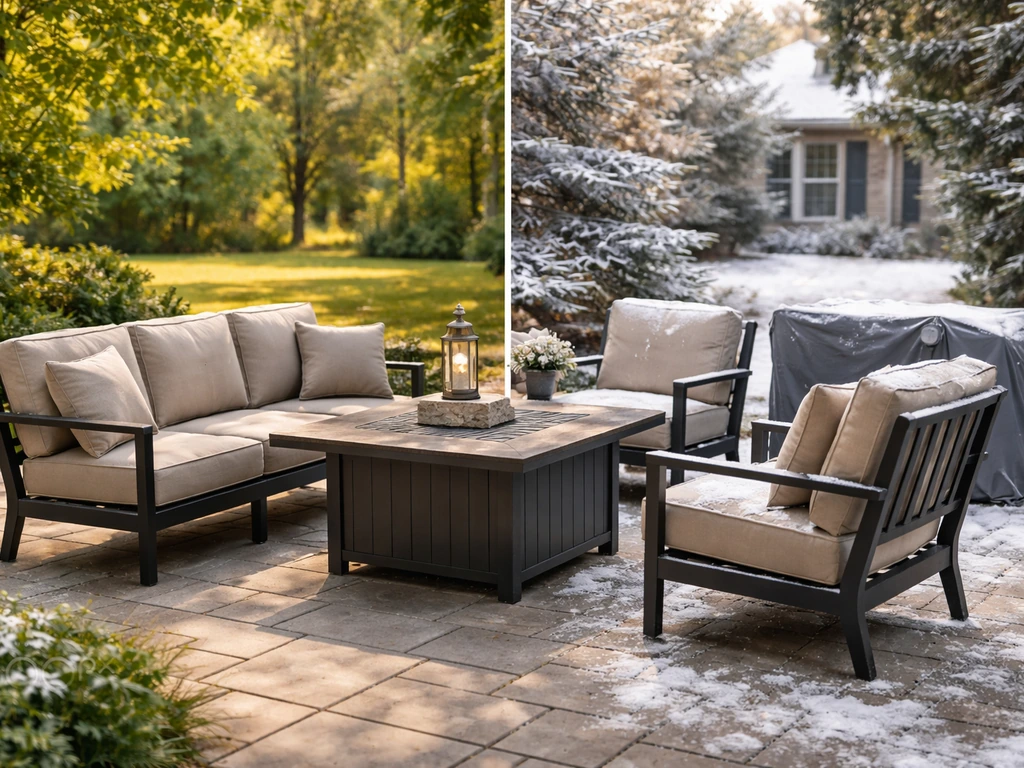
What Midwest Weather Actually Does to Patio Furniture
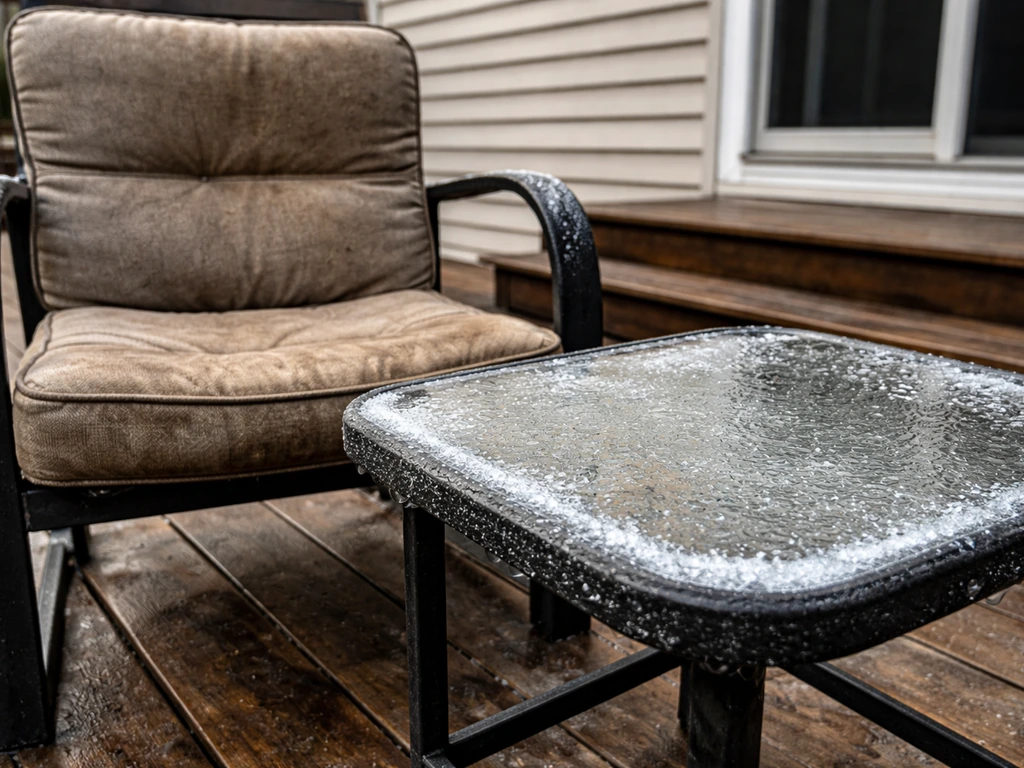
The Midwest throws more at outdoor furniture than almost any other region. You're dealing with hot, humid summers where temps regularly push into the 90s, hard winters with multiple freeze-thaw cycles, heavy spring rains, and UV exposure that rivals the South. That combination is genuinely brutal on furniture finishes, foam, fabric, and frame joints. Cities like Chicago, Minneapolis, Columbus, and Kansas City all cross the 32°F threshold dozens of times each winter, and that repeated freeze-thaw action is what really separates furniture that lasts from furniture that doesn't. If you're focusing on Chicago specifically, use these Midwest freeze-thaw and moisture factors to pick the best patio furniture for chicago weather instead of just judging by looks. Water gets into joints, porous materials, and cushion foam, then expands as it freezes. Do that 30 or 40 times a season and you'll see cracked welds, split wood, delaminated coatings, and mildewed cushions.
Summer brings its own problems. High humidity combined with warm temperatures creates ideal mold and mildew conditions, especially for cushions left outside after rain. UV exposure fades and degrades fabrics, foam, and plastic components year over year. Midwest precipitation is also frequent enough that "I'll just bring it in when it rains" isn't a realistic strategy for most homeowners. NOAA's long-term climate normals show many Midwest cities averaging 100 or more precipitation days per year. NOAA’s normals documentation explains that precipitation statistics in the 1991, 2020 normals include things like blank" rel="noopener noreferrer">precipitation-day frequencies and percentiles, which is useful for quantifying rain-frequency exposure for mildew and rot risk. If your patio is uncovered, that moisture exposure is constant from April through November. The furniture you buy has to handle that reality without constant intervention.
The key variables that determine what's right for you are: covered porch versus open patio, how much hands-on maintenance you're willing to do, and whether you'll store furniture or cushions over winter. Everything else flows from those three questions.
Choosing the Right Material: What Each Option Actually Does in Midwest Conditions
Powder-Coated Aluminum
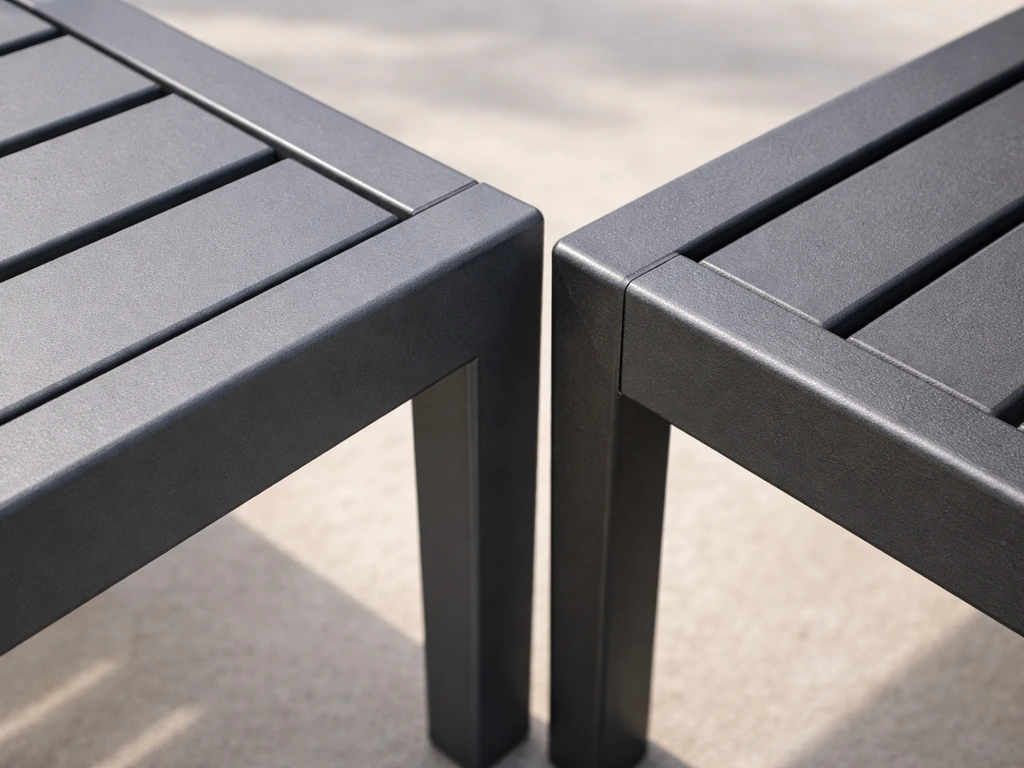
This is the most reliable workhorse for Midwest outdoor furniture. Aluminum doesn't rust, it's lightweight enough to move around easily, and a quality powder coat is genuinely tough. The coating standard to look for is AAMA 2604 or AAMA 2605. AAMA 2605 represents the highest exterior performance level, with documented resistance to UV, humidity, chalking, and color/gloss loss for roughly a decade. AAMA 2604 is still solid for residential use. When a brand references ASTM B117 salt spray testing at 3,000 hours or more on their powder-coated aluminum, that's a meaningful quality signal. Avoid aluminum furniture where the powder coat feels thin or where you can see bare metal at corners and edges, that's where failures start. Properly prepared and coated aluminum is the closest thing to a set-it-and-forget-it frame you'll find in the Midwest.
Steel
Steel frames are heavier and feel more substantial than aluminum, which some people prefer. The problem is steel rusts once the coating is compromised, and it will get compromised in Midwest conditions. Powder-coated steel can last a long time if the prep work before coating was thorough, but poor surface prep leads to early failure in moisture-heavy environments. The rule of thumb is: the cheaper the steel furniture, the worse the prep. Budget steel sets are often showing rust at welds and cut edges within two or three seasons. If you go steel, spend more to get it right and touch up chips with rust-inhibiting paint the moment you see them.
HDPE Composite (Poly/POLYWOOD-style)
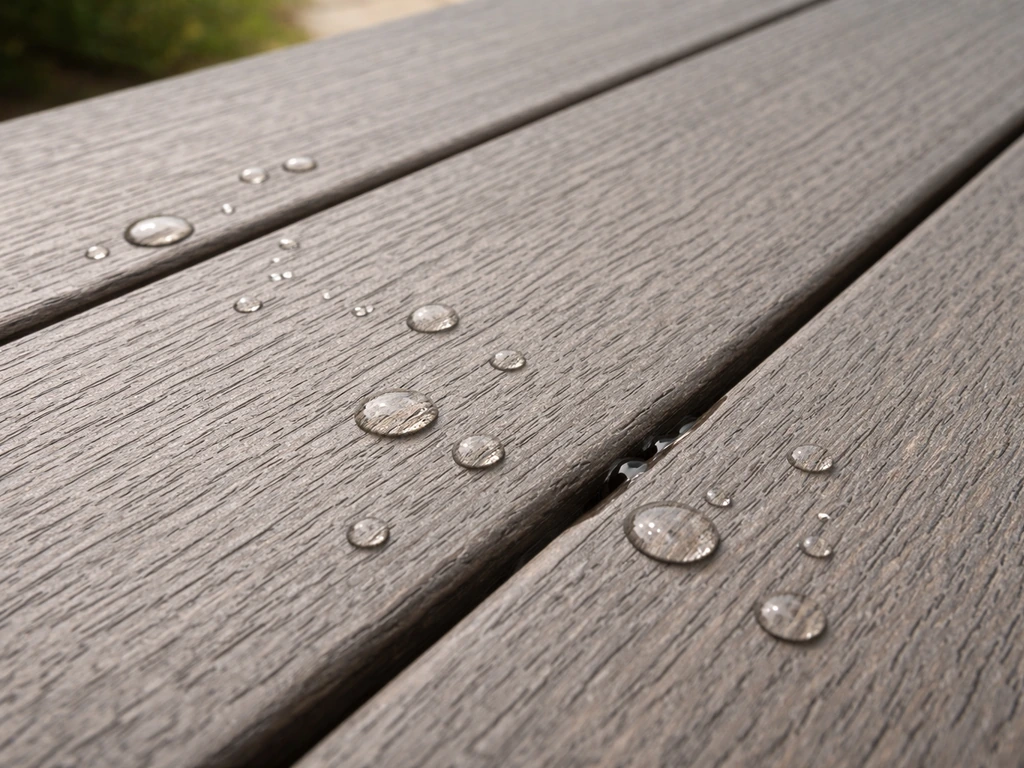
High-density polyethylene lumber is made from recycled plastic and is genuinely one of the best options for open, uncovered Midwest patios. It doesn't rot, it doesn't rust, it's UV-stabilized at the material level (not just a surface coating), and it handles freeze-thaw cycles without cracking or splitting. It's heavier than aluminum and can fade slightly over many years, but it won't fall apart. Cleaning is simple, maintenance is minimal, and it legitimately survives year-round outdoor exposure in snowy climates. The trade-off is cost and aesthetics: it looks like plastic because it is plastic, which isn't everyone's preference. But for pure durability on an uncovered Midwest patio, it's the most honest low-maintenance choice available.
Resin Wicker (Synthetic/Polyethylene)
Resin wicker is woven synthetic polyethylene over a metal (usually aluminum or steel) frame. It's water-resistant, UV-resistant, and looks far better than it did a decade ago. Good quality resin wicker on an aluminum frame is a solid choice for covered porches and partially protected patios. The main vulnerabilities are the frame underneath and the weave itself over many years of UV exposure. On an uncovered patio in harsh winters, even high-quality resin wicker benefits from winter storage or at least a fitted cover. The weave can become brittle after years of UV and freeze-thaw stress, and repairing individual strands is tedious. For a covered Midwest porch, resin wicker on an aluminum frame is comfortable, attractive, and durable. For a fully exposed patio, aluminum or HDPE will outlast it.
Natural Wicker and Rattan
Don't use natural wicker outdoors in the Midwest. It's porous, it holds water, it molds, and it deteriorates rapidly through freeze-thaw cycles. Natural rattan and wicker belong indoors or in a fully enclosed screened room. Any retailer selling "natural wicker patio furniture" for a Midwest backyard is selling you something that will look rough within a season or two. If you love the wicker look, go with synthetic resin wicker on an aluminum frame.
Wood (Teak, Cedar, Eucalyptus, Acacia)
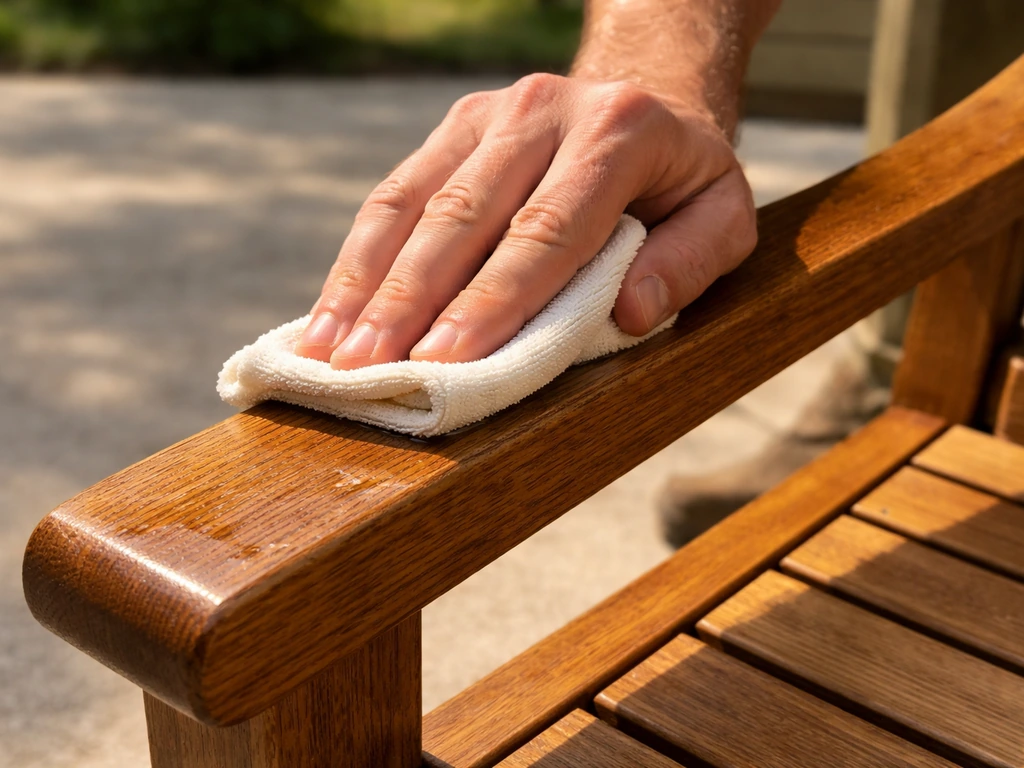
Wood furniture can absolutely work in the Midwest, but it requires real maintenance commitment. Teak is the gold standard for outdoor wood because its natural oils resist moisture and rot better than most alternatives. Sealed cedar and eucalyptus are solid mid-tier options. Acacia is beautiful but needs annual sealing or it will gray out and crack. The honest maintenance reality for wood in the Midwest is this: you need to clean and re-oil or re-seal at minimum once per year, store cushions every winter, and ideally bring lighter wood pieces inside or under cover during the harshest months. Skip the maintenance and you'll have peeling, cracking, or greying wood within two to three years. If that sounds like too much, go aluminum or HDPE.
| Material | Rust/Rot Risk | Freeze-Thaw Performance | UV Resistance | Maintenance Level | Best For |
|---|---|---|---|---|---|
| Powder-Coated Aluminum | None (rust-free) | Excellent | Good to Excellent (AAMA 2604/2605) | Low | Uncovered or covered patios, any Midwest climate |
| Powder-Coated Steel | Moderate (if coating chips) | Good if coating intact | Good | Medium | Covered patios, budget-conscious buyers willing to maintain |
| HDPE Composite | None | Excellent | Excellent (UV-stabilized material) | Very Low | Uncovered patios, harsh winters, low-maintenance priority |
| Resin Wicker (Aluminum Frame) | Low (frame dependent) | Good | Good | Low to Medium | Covered porches, partial exposure |
| Natural Wicker/Rattan | High (mold/rot) | Poor | Poor | High | Indoors only |
| Teak/Cedar/Wood | Moderate (rot if unsealed) | Fair to Good | Fair (needs sealing) | High | Covered patios, maintenance-willing homeowners |
What Furniture Types Work Best on Midwest Patios
Dining Sets
A dining table and chair set is the most versatile choice for a Midwest patio because it works for everyday family use and for entertaining. Look for aluminum frames with slatted tabletops, either aluminum or HDPE slats. Slats drain rain instead of pooling it, which matters a lot when you're getting frequent summer storms. Glass tabletops look elegant but are a liability in the Midwest: hail, wind, and heavy snow loads can crack or shatter them, and a glass table left outside in a hard winter needs a cover or removal. For chairs, look for ones with drainage holes in seat frames and avoid fully upholstered seats unless they come with fast-dry cushion cores. Four to six chairs with stacking capability is ideal for storage flexibility.
Deep Seating and Lounging Sets
Deep seating chairs and loveseats with thick cushions are the comfort category of patio furniture, and cushions are where Midwest conditions do the most damage. The frame choices apply the same as dining: aluminum is the safest bet. What matters most here is the cushion construction. Look specifically for cushion cores made with "open-cell" or reticulated foam (sometimes marketed as Dry Fast foam) that drains water in minutes rather than holding it like a sponge. Pair that with solution-dyed acrylic or solution-dyed polyester fabric covers. Solution-dyed means the color goes through the entire fiber, not just the surface, so UV doesn't bleach it out. These fabrics also resist mildew better than standard polyester prints. For a covered porch, standard cushion foam with a quality outdoor fabric works fine if you bring cushions in before major rain events.
Sectionals
Sectional sets are popular and they can work well in the Midwest, but they present specific storage challenges. A large L-shaped or U-shaped sectional is hard to break down and move, which means it often stays outside all winter. If that's your plan, the frame absolutely needs to be aluminum or HDPE and the cushions need to be stored indoors. Do not leave standard cushions out on a Midwest patio through winter. Any sectional marketed with a steel frame and standard polyester fill is going to show its age fast in this climate. Modular sectionals are better than monolithic ones because individual pieces can be moved, stacked, or stored more easily.
Benches and Accent Chairs
Benches and occasional chairs are the easiest pieces to deal with in the Midwest because they're light, easy to move, and cheap enough to replace if needed. Aluminum or HDPE benches can legitimately stay out year-round with minimal care. These are also the pieces where spending a little more on HDPE solid lumber pays off because you get a genuinely no-maintenance piece that handles snow and ice without complaint.
Quality Markers That Separate Good Furniture from Junk
Frames and Welds
On aluminum and steel frames, look at the welds. Quality welds are smooth and consistent. Rough, porous, or lumpy welds indicate poor preparation and are the first places moisture and rust attack. On powder-coated pieces, the coating should be even across the whole surface including corners, edges, and weld points. If you can see raw metal or thin coating anywhere, that piece will fail faster. Tube wall thickness matters on aluminum: thicker-walled tubing is more rigid and resists denting. For wood furniture, check that joints are pinned or bolted rather than just glued, and look for stainless steel or hot-dipped galvanized hardware at connection points. Plain zinc or chromed hardware rusts out and loosens joints over time.
Cushions and Foam
Cushion quality is where budget patio furniture consistently cuts corners and where you feel the difference immediately. Good outdoor cushions use reticulated open-cell foam that drains quickly, often called Dry Fast foam. They're covered with removable, washable fabric covers made from solution-dyed acrylic (Sunbrella is the best-known brand) or solution-dyed polyester. The covers should have zippers so you can remove and wash them. Look for antimicrobial treatment on the foam itself, which helps resist mold even when moisture gets through. Avoid cushions that feel dense and heavy like indoor sofa cushions: those are indoor foam in outdoor fabric and will mildew within a season of real Midwest use.
Hardware and Fasteners
The screws, bolts, and connectors holding furniture together are easy to overlook and genuinely important. Stainless steel hardware (304 or 316 grade) resists corrosion far better than zinc-plated or standard steel fasteners. On good furniture, you'll often find stainless or brass hardware at joint connections. On budget pieces, you'll find bare steel screws that start rusting at the head within a season. Loose fasteners also allow micro-movement in joints, which accelerates finish wear and eventually leads to wobbly chairs and tables.
Best Picks by Patio Situation and Budget
Uncovered Open Patio, Maximum Durability
If your patio is fully exposed and you want furniture that can stay outside through Midwest winters with minimal fuss, HDPE composite furniture is the top recommendation. POLYWOOD and Trex Outdoor Furniture are the most well-known brands in this space. The material is UV-stabilized throughout, won't crack in freeze-thaw, and cleans up with mild soap and water. For seating with cushions on an uncovered patio, go with an aluminum frame deep-seating set paired with Dry Fast foam cushions in solution-dyed acrylic. Store the cushions inside from November through March. The frames can stay out.
Uncovered Open Patio, Budget-Conscious
For a more budget-friendly uncovered patio, a powder-coated aluminum dining set with slatted tabletop and stackable chairs gives you the best longevity-per-dollar. Expect to spend $400 to $800 for a decent quality four-person set. Skip the cushions entirely or buy inexpensive replacement cushion covers and bring them in after use. Avoid steel or natural materials at this budget point; the coating quality on budget steel sets is not good enough to hold up to Midwest conditions.
Covered Porch or Pergola
A covered porch gives you more options. Resin wicker on an aluminum frame is a great choice here and will hold up for many seasons with basic care. Deep seating sets with standard outdoor foam cushions (not necessarily Dry Fast) work fine if the porch keeps heavy rain off. You can also use sealed wood furniture more comfortably under a covered porch, though you'll still want to re-oil or seal it annually. The Chicago area's wind-driven rain and snow can still reach covered porches, so don't skip cushion storage entirely in winter. For covered patios with serious entertaining use, a teak dining table with aluminum chairs is a combination that balances aesthetics and durability well.
Long-Term Investment Buyers
If you're buying once and want furniture that lasts 15 to 20 years in the Midwest, spend on quality aluminum frames with AAMA 2605-rated powder coating, Sunbrella or equivalent solution-dyed acrylic cushions with Dry Fast foam cores, and stainless hardware throughout. Brands like Brown Jordan, Telescope Casual, and Woodard represent this tier. Yes, the upfront cost is significantly higher. But the math changes quickly when you factor in that budget sets need replacing every three to five years while quality pieces run 15 or more. Similar logic applies to weather-specific choices: if you're also thinking about winter weather more broadly, the material choices here align closely with what works best for the most demanding cold-climate conditions. For the best results in cold conditions, prioritize frames and cushions that can handle freeze-thaw cycles and winter moisture, not just summer heat winter weather.
Maintenance, Cleaning, and Winter Storage
Cleaning Aluminum and Steel Frames
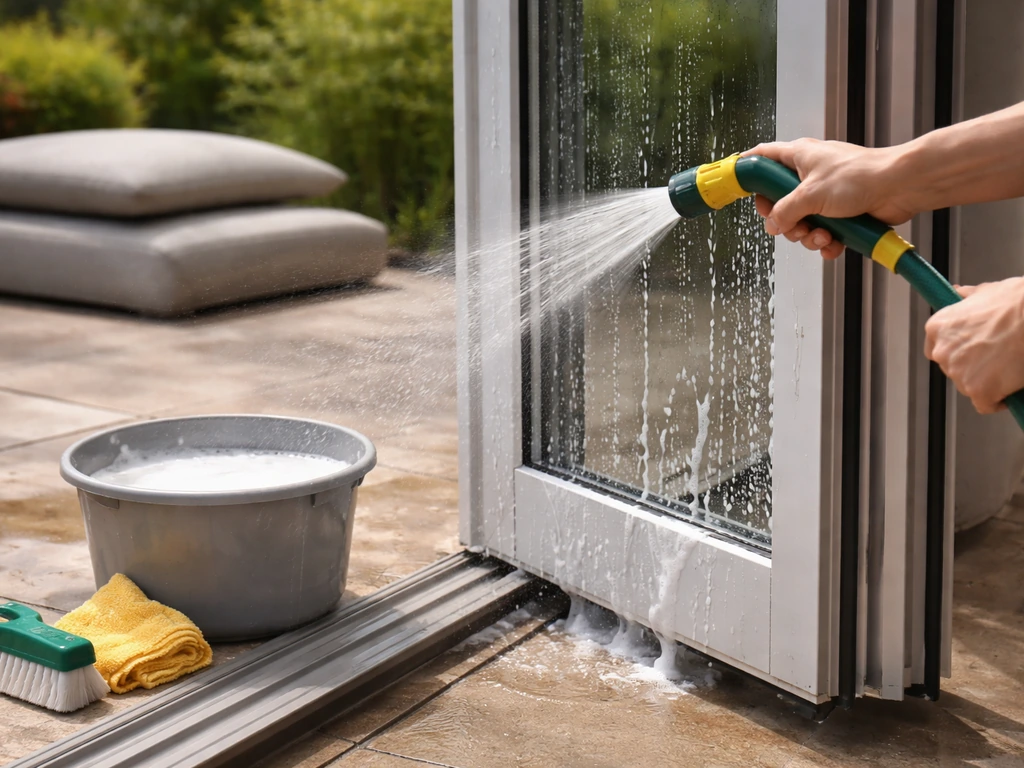
Wash aluminum and steel frames with a bucket of mild soapy water and a soft cloth or brush, then rinse with a garden hose on a gentle setting. Do this at least twice a season, more often if you're near trees dropping sap or near a road with salt spray. Dry thoroughly after cleaning. Do not use bleach on aluminum or on any coated metal surface: bleach degrades powder coat and can strip protective finishes. If you see small chips in the powder coat on a steel frame, address them immediately with a rust-inhibiting touch-up paint rated for outdoor metal. On aluminum, chips matter less urgently since there's no rust risk, but they still compromise the finish over time.
Cleaning Resin Wicker and HDPE
For resin wicker and HDPE composite, mix one-quarter cup of dish soap per gallon of warm water and scrub with a soft-bristle brush. This gets into the texture and weave without scratching. Rinse thoroughly and let dry completely before covering or storing. For mold or mildew on resin wicker, a 25% white vinegar and 75% water solution works well: apply it, let it sit a few minutes, then wipe clean and rinse with plain water. For tough mildew on fabric covers, a mild bleach solution (follow the fabric manufacturer's ratio, typically one part bleach to ten or more parts water) applied carefully and rinsed thoroughly is effective, but only on colorfast fabrics.
Cushion Care and Mildew Prevention
Outdoor cushion care in the Midwest comes down to one rule: don't let them stay wet. After rain, stand cushions on edge so water drains and air circulates. If you have Dry Fast foam cores, this isn't as critical since they drain in minutes, but drying them out still matters for the fabric. For mold and mildew on cushion covers, a bleach-and-mild-soap solution works on most solution-dyed acrylic and polyester fabrics, but check manufacturer guidance first. Covers that zip off can go in a top-load washing machine on a gentle cycle. Store cushions somewhere dry (garage or basement) from late October through April. Even a well-protected covered porch lets in enough humidity and cold in a Midwest winter to shorten cushion life significantly.
Winterizing Frames and Furniture
Aluminum and HDPE frames can stay outside year-round in most Midwest climates with minimal risk. If you're in a region with heavy snow loads or ice storms, bring lightweight pieces inside or at least stack and cover them to prevent snow accumulation damage. For resin wicker on an aluminum frame, a fitted cover is a good minimum and indoor storage through the worst months is better. For wood furniture, the conscientious move is cleaning, re-oiling or re-sealing in fall, and storing or covering through winter. Teak can handle outdoor winters better than other woods, but even teak benefits from a cover in Minnesota or Wisconsin. Make sure anything stored indoors is completely clean and dry before going into storage or mold will follow it inside.
Wood Maintenance
For teak, cedar, and eucalyptus furniture, the annual maintenance routine is: clean in spring with a mild wood cleaner or diluted dish soap, rinse and let dry fully, then apply teak oil, tung oil, or an appropriate exterior wood sealer depending on the species. This needs to happen every 12 to 18 months to maintain moisture resistance. Check hardware annually and replace any corroded fasteners with stainless replacements. Sanding lightly before re-oiling on teak helps the new oil penetrate. Skip this and the wood grays and cracks over time. It's not a massive amount of work, but it is real work, and if you're not going to do it, wood is the wrong material choice for your patio.
Your Midwest Patio Furniture Buying Checklist
- Decide covered vs uncovered: covered patios allow more material flexibility; open patios demand aluminum or HDPE frames and quick-drain cushion cores
- Choose your frame material: aluminum (best all-around), HDPE composite (best for open patios with zero maintenance preference), steel (only with exceptional coating quality), wood (covered patio with annual maintenance commitment)
- Check the powder coat standard: look for AAMA 2604 or AAMA 2605 on aluminum and steel frames, and ask about ASTM B117 salt spray testing hours if available
- Verify wicker is resin/polyethylene, not natural rattan, for any outdoor Midwest application
- Inspect welds and hardware before buying: smooth welds, no visible bare metal, stainless or brass fasteners at key joints
- Specify cushion foam type: Dry Fast or open-cell reticulated foam for open patios; standard outdoor foam is acceptable for covered porches
- Choose cushion fabric: solution-dyed acrylic (Sunbrella or equivalent) for maximum UV and mildew resistance; solution-dyed polyester is a solid budget alternative
- Plan your winter storage: have a place for cushions and lighter pieces before you buy, not after
- Set a realistic budget with longevity in mind: quality aluminum deep seating sets run $800 to $2,500 and will outlast two or three budget sets over a decade
- Schedule seasonal maintenance: a spring cleaning and fall cushion storage routine is the minimum for any material; wood requires annual sealing on top of that
Where to Go From Here
If you're still narrowing down your choice, the most important next step is to figure out your patio's exposure level and how much maintenance you're realistically willing to do. Those two answers cut through 80% of the decision tree. Fully exposed Midwest patio with minimal maintenance time? Get aluminum frames and HDPE or buy a quality aluminum set with Dry Fast cushions you'll store each fall. Covered porch where you entertain regularly? Resin wicker or teak with quality cushions gives you the look and comfort without constant worry. If cold-climate durability in the hardest conditions is a specific concern, the same logic behind these Midwest recommendations applies directly to what works in dedicated winter-weather scenarios. And if you're looking at a specific city like Chicago, local wind load and lake-effect moisture are factors worth weighing on top of the general Midwest framework covered here.
FAQ
Can I just cover patio furniture during winter instead of bringing cushions inside?
Yes, but only if the covers are breathable. Use furniture covers labeled as breathable or vented, and keep cushions off the wet frame by storing them in a dry place instead of leaving them inside the cover all winter. Non-breathable covers trap condensation, which can still lead to mildew and freeze damage.
What cushion types should I avoid for the Midwest?
For Midwest winters, prioritize furniture that can handle repeated freeze-thaw without cracking, and avoid “indoor foam” comfort cores. If a set uses standard polyurethane foam or thick cushions with no drainage or quick-dry construction, plan to store cushions indoors from late fall through spring even if the frame is durable.
Do aluminum patio frames need rustproofing or touch-ups in winter?
Assuming the coating is intact, aluminum frames rarely need rust prevention, but you still should protect the finish. Touch up any powder-coat chips promptly, especially at corners and weld points, because even non-rusting aluminum can lose UV-protective coating and look prematurely weathered.
How can I tell if a patio set’s hardware and frame build is truly Midwest-grade?
Look for stainless fasteners (304 or 316) or hot-dipped galvanized hardware at joints, and inspect weld quality before buying. Budget sets often rely on zinc-plated screws or thin tube walls, which can loosen as temperatures cycle; tighten hardware after the first month of use, then re-check annually.
For an uncovered patio, is HDPE always better than aluminum?
If your patio is fully exposed and you want to leave furniture out, HDPE is generally the safer long-term bet for armchairs and tables, but only for the parts that are made from HDPE. Avoid cushions staying out, and for dining tops choose slats that drain quickly rather than flat surfaces that pool water.
What are the best indicators of powder-coat quality when shopping in person?
A good powder coat is more than color, it is thickness and coverage. Inspect for even coating at seams, edges, and corners, and avoid sets where you can see bare metal, inconsistent texture, or thin spots around welds.
Is powder-coated steel a good buy for Midwest patios, or is it a waste?
It can be tempting because it is cheap, but cheap steel usually means weaker surface prep, so rust starts at welds, cut edges, and scratched areas. If you choose steel anyway, budget for early inspection, quick touch-ups, and expect a shorter life than quality aluminum or HDPE in freeze-thaw conditions.
How do I choose a dining table design for Midwest rain and snow?
Yes, but you need a drainage plan. Choose dining tables with slatted tops or a design that prevents pooling, and make sure chair frames have drainage paths. If your table stores standing water, the frame joints and upholstery edges will age faster even in durable materials.
How often should I clean patio furniture in the Midwest, and when should I do it more than twice a year?
You should clean more often if trees are nearby or you drive past roads that use salt. In those cases, a quick wipe-down or rinse after heavy rain and a deeper wash a couple of times per season helps keep dirt and salt from sitting in joints where moisture freezes.
What’s the biggest mistake people make with sectional sets in Midwest climates?
Measure your planned storage access, because sectionals often require more than just covering. If you cannot easily move and stack cushions indoors, pick a set with smaller modules or a different style, like individual chairs and a bench, so winter storage is realistic.
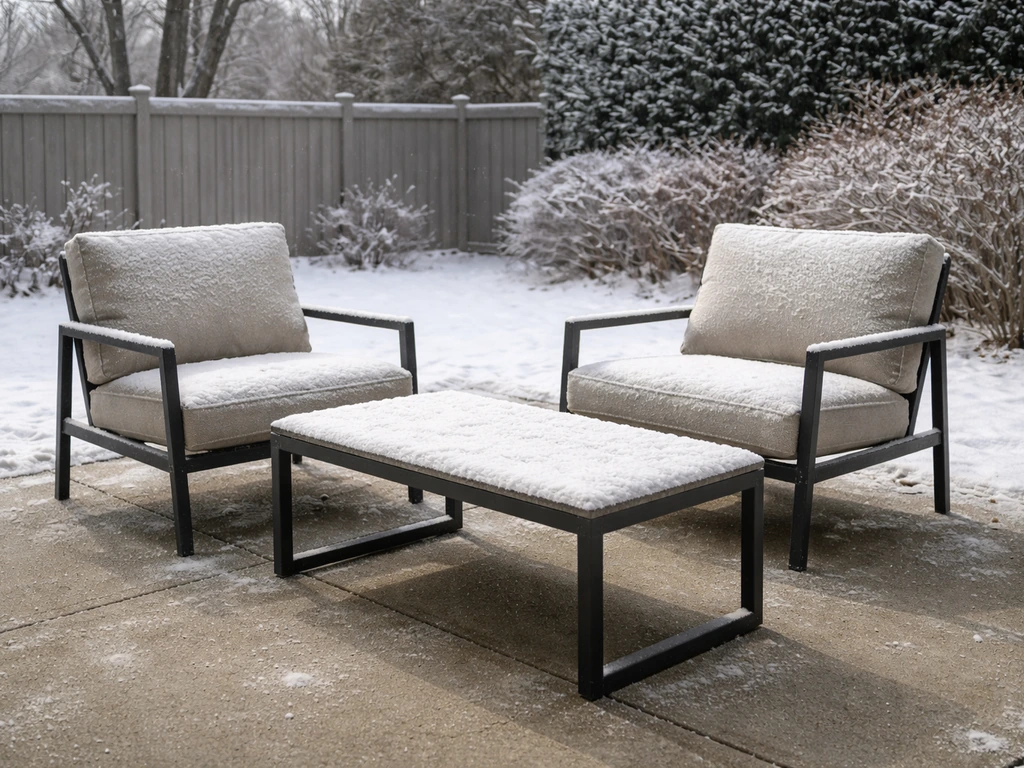
Durable patio furniture picks for Chicago freeze thaw, sun, and snow, with materials, construction, upkeep, and winter c
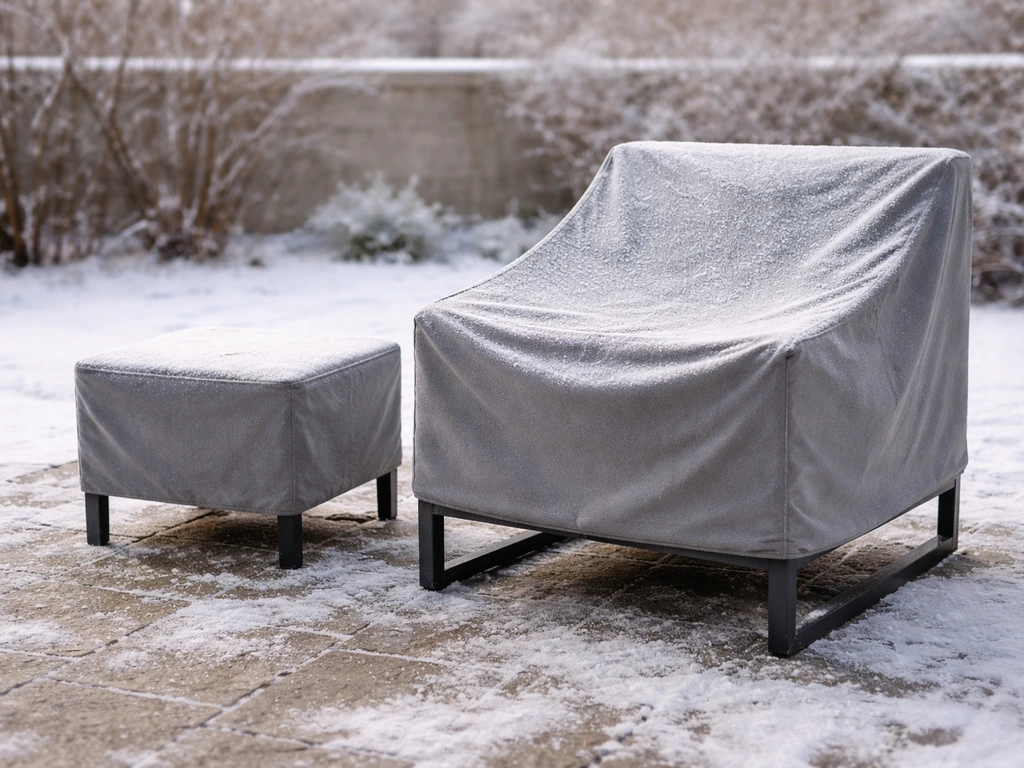
Choose the best winter patio furniture: weatherproof materials, rust-resistant frames, cushion strategy, and care tips.
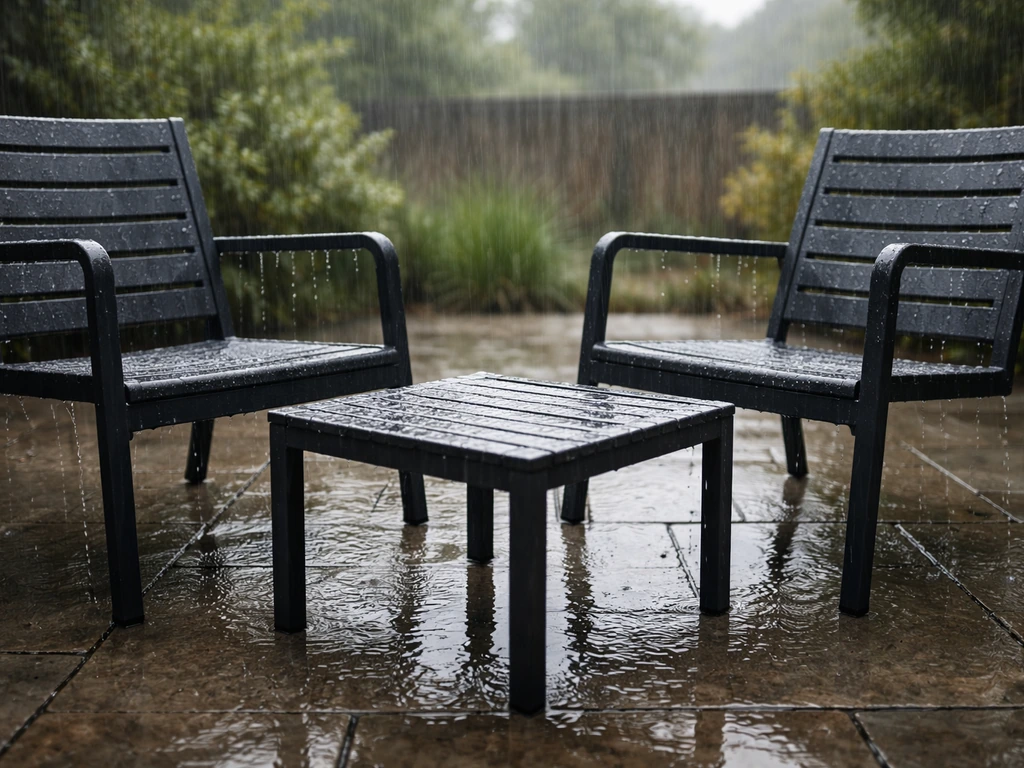
Choose wet-climate patio furniture that resists rust, rot, mildew, and swelling with materials, features, and care routi