
For most climates and uses, a medium-toned neutral like charcoal gray, warm bronze, or slate blue gives you the best all-around performance on metal patio furniture. These colors absorb less heat than black but hide scratches and surface wear far better than white or light beige. If you're in a hot, sunny climate and you sit directly on bare metal, lean lighter. If you have kids or pets and care more about the furniture looking good for years, lean darker. The right color isn't just a style call, it affects how hot your furniture gets, how fast the finish fades, and how visible every chip and ding becomes.
Best Colors for Metal Patio Furniture: Heat, Fade, Durability

Theo Tierney
14 Jun 2026
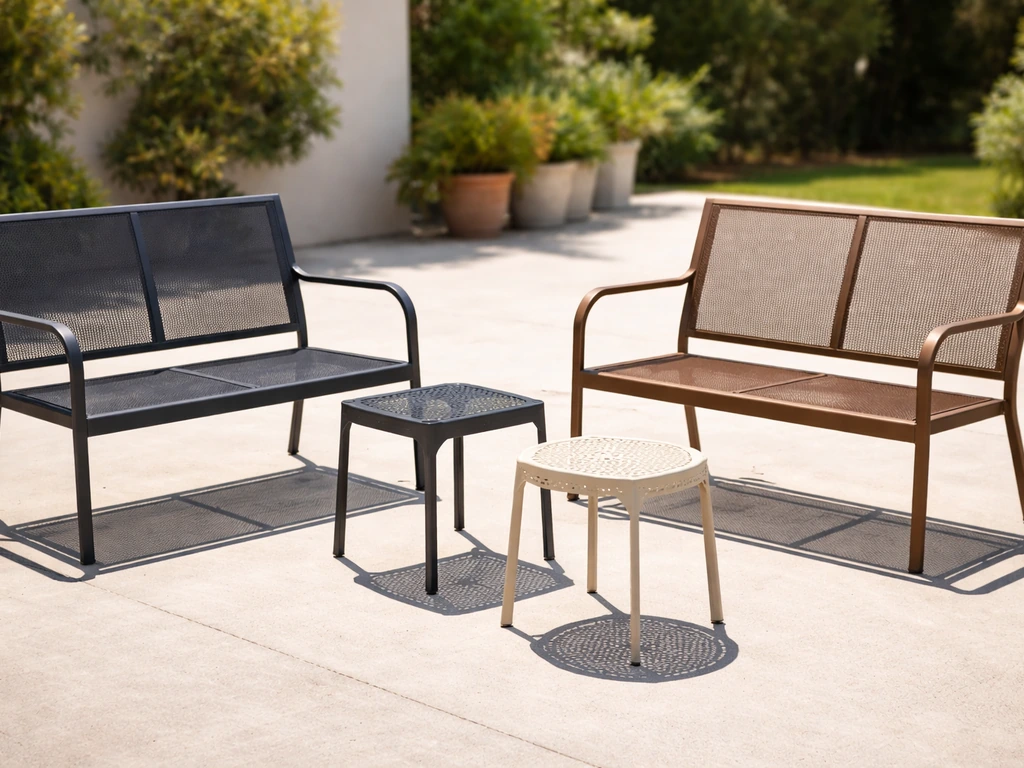
Why color actually matters for metal patio furniture
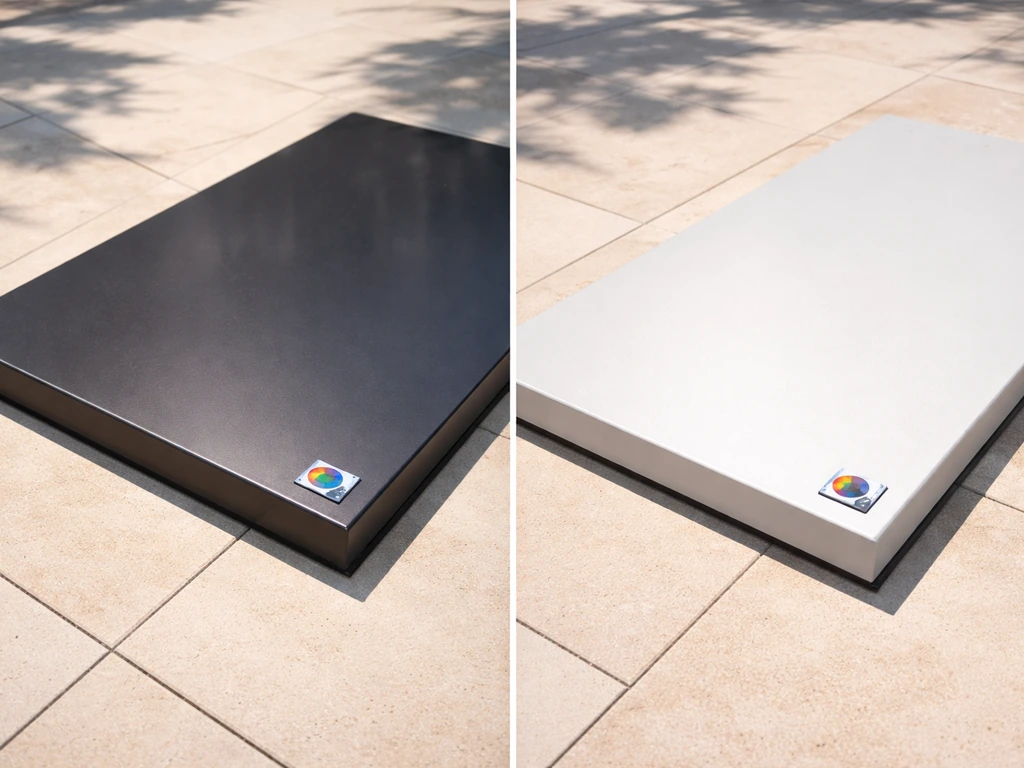
Metal furniture sits in one of the harshest environments any coating can face: direct UV, rain, humidity, temperature swings, and physical contact. Color plays a bigger role in that durability equation than most people realize.
The most obvious issue is heat. Research measuring surface temperatures of different coating colors under direct sun shows white surfaces running meaningfully cooler than darker colors like red or gray under identical exposure conditions. For metal furniture, that's not just a comfort issue, it's a structural one. Repeated heat cycling causes the metal to expand and contract, which stresses the coating at the surface and speeds up micro-cracking, especially on cheaper liquid paint finishes.
Fade is the next problem, and it's color-dependent in a way most buyers don't expect. It's not that dark colors fade more than light ones, it's that they fade more visibly. A vibrant navy or forest green that chalks (the powdery UV-degradation you can rub off with your finger) will look washed out within a few seasons unless the coating has real UV protection built in.
Lighter colors like sand or off-white chalk too, but the visible color shift is smaller. The technical term for this color drift is delta-E (ΔE), and quality coatings target a ΔE of 5 or less after 10 years of South Florida exposure under the AAMA 2605 standard, that's the benchmark worth knowing when you're shopping.
Scratch and chip visibility is the third factor. This one is purely about color contrast. A dark charcoal piece that chips down to bare metal shows a bright silver mark. A mid-tone bronze piece shows a subtler ding. White furniture shows rust streaks almost immediately if the coating is breached anywhere near bare steel. Understanding this helps you match color not just to your patio aesthetic, but to how much maintenance you're realistically going to do.
Finally, rust risk. Color itself doesn't cause rust, the coating system underneath does the protective work. But lighter colors on steel frames are particularly unforgiving because any rust bleed shows as a vivid orange or brown stain against the light background. If you're buying steel (rather than aluminum) furniture, this is a real consideration when choosing a pale finish.
Best colors by climate and sun exposure
Climate should be the first filter you apply. Here's how to think through it by region and sun situation.
Hot, sunny climates (Arizona, Texas, Southern California)
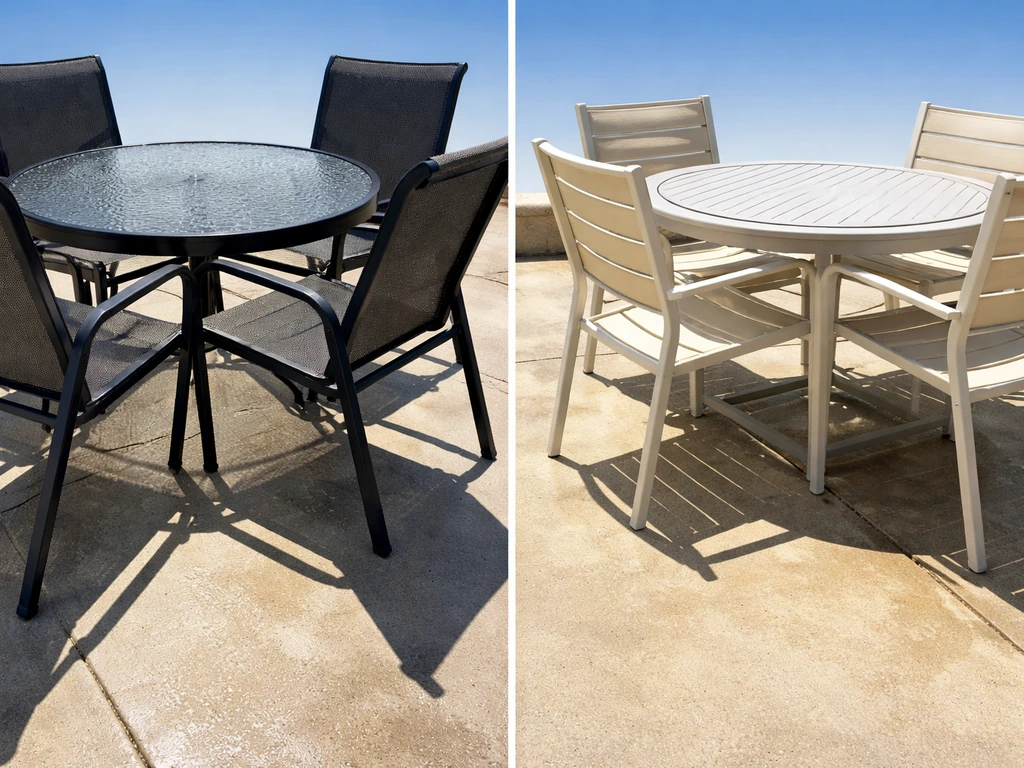
In full-sun, high-heat environments, stay away from black and deep navy. Those colors can reach surface temperatures that genuinely burn skin on contact, and they put the most thermal stress on the coating over time. Light gray, warm white, sand, and champagne are strong performers here. They reflect more solar energy, stay touchable on hot afternoons, and pair well with the earthy or modern architectural palettes common in the Southwest. If you want something with more visual weight, a lighter warm bronze or sage green gives you a bit more character without going dark enough to cause problems.
Humid and rainy climates (Southeast, Pacific Northwest)
Moisture is the enemy here, and it's less about color and more about what's under the color. That said, mid-tones, charcoal, slate, warm gray, olive green, are your best friends in humid zones because they hide the water spotting, mold smudges, and general grime that humid environments deposit on light-colored surfaces. Bright white furniture in a humid Southeast backyard looks great for about six months. After that, you're cleaning it constantly. Darker finishes mask that real-world patina much better between deep cleans.
Coastal salt-air environments
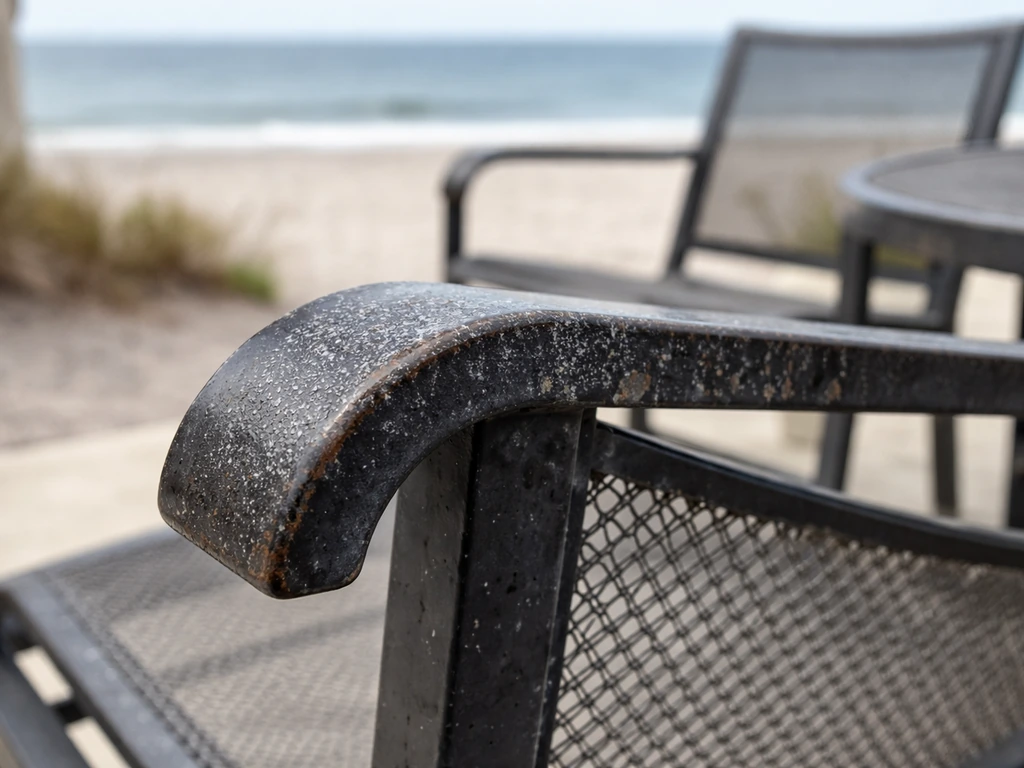
Salt air is aggressive, and it doesn't stop at the waterfront, coastal salt can penetrate 10 to 20 kilometers inland in some geographies. In these environments, the coating quality and system matter more than the color, but color choice still affects how quickly you notice damage. Medium neutrals (dark gray, bronze, slate) hide the early signs of coating failure better than white or bright colors. Rust bleed and corrosion spotting are far less visible on a charcoal frame than a cream one. Whatever color you pick, look for furniture built for salt exposure, that means multi-coat systems (ideally a zinc-rich primer base, epoxy intermediate, and polyester or polyurethane topcoat) and a warranty that specifically covers coastal conditions.
Mild, temperate climates (Midwest, Mid-Atlantic, Pacific Northwest interior)
You have the most flexibility here. Heat stress is lower, UV intensity is moderate, and you can choose based on aesthetics with less performance compromise. Classic black is a legitimate option if the furniture is quality powder-coated aluminum, in a mild climate with moderate sun, a good black finish holds up well and looks sharp for years. Whites and light neutrals also work in these zones because you get less UV punishment and less humidity constantly working against the finish.
Aesthetic winners that also wear well
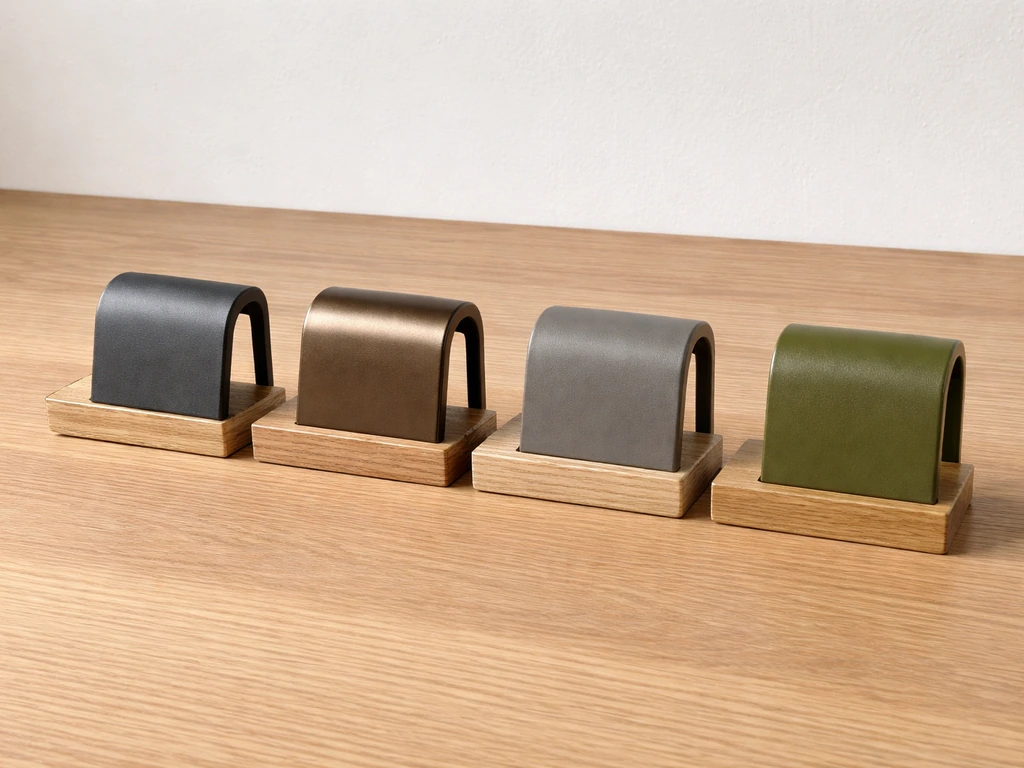
The best-looking choices and the most durable choices overlap more than you'd think. Here are the combinations that consistently deliver on both fronts.
| Color | Best Finish | Works Best With | Climate Fit |
|---|---|---|---|
| Charcoal Gray | Matte or satin powder coat | Modern, Scandinavian, farmhouse palettes | All climates except extreme heat (full sun) |
| Warm Bronze / Antique Bronze | Textured powder coat | Traditional, Mediterranean, rustic styles | Most climates; excellent at hiding wear |
| Slate Blue / Dusty Blue | Satin powder coat | Coastal, cottage, transitional styles | Mild to moderate climates |
| Matte Black | Flat or satin powder coat | Modern, industrial, minimalist | Mild climates; avoid in direct full-sun hot zones |
| Champagne / Warm White | Satin powder coat | Classic, French country, garden styles | Hot sunny climates; poor in humid/coastal zones |
| Sage Green / Olive | Matte powder coat | Natural, earthy, tropical garden palettes | Hot and humid climates; good UV stability in mid-tones |
| Sand / Taupe | Satin powder coat | Desert, Mediterranean, transitional | Hot dry climates; reflects heat, very forgiving |
Textured finishes (a slight hammered or granular surface, as opposed to smooth gloss) are worth seeking out regardless of color. They scatter light in a way that makes scratches and minor surface imperfections nearly invisible compared to a smooth gloss finish. If you're choosing between a glossy black and a textured matte charcoal, the textured option will look newer for longer in real-world use.
Gloss finishes do look premium when new, but they show every water spot, fingerprint, scratch, and UV dull patch as the coating ages. Satin and matte powder coats age much more gracefully and require fewer touch-ups to look presentable.
Best color choices for heavy use (kids, pets, frequent seating)
If your patio furniture gets dragged around, climbed on, scraped by pet nails, or used daily by a family, color choice shifts from 'what looks good' to 'what hides damage and stays low maintenance.' The answer here is consistent: go darker and go textured.
Charcoal, bronze, and dark olive are the top picks for heavy-use households. The reason is simple physics: a scratch or chip on a dark-colored piece exposes bare metal that's similarly dark (or at least not strikingly contrasted against the finish). On a white or cream piece, every scratch exposes a bright silver or gray mark. Every rust trace shows as a vivid orange stain. You'll be touching up paint constantly or accepting furniture that looks beat up within a year.
Bronze and antique bronze finishes are particularly forgiving because the natural variation in the finish color already absorbs minor inconsistencies. A small chip just looks like part of the texture. This makes textured bronze one of the most practical options for outdoor furniture that sees real use.
- Charcoal gray (matte or satin): hides scratches, finger marks, and pet contact; works with almost any outdoor palette
- Textured bronze or antique bronze: extremely forgiving of chips and wear; the texture variation absorbs visual imperfections
- Dark olive or sage: earthy enough to camouflage grime and wear; better UV stability than saturated greens
- Slate or pewter: mid-tone that splits the difference between heat absorption and visibility of damage
- Avoid: bright white, cream, light gray (stark contrast with scratches and rust), and high-gloss any color (every mark shows)
What to look for when buying: powder coating, UV ratings, and warranties
The color you pick only performs as well as the coating system it's applied in. This is where most buyers go wrong, they focus on the color swatch and ignore the finish specification. Here's what actually matters.
Powder coat vs. liquid paint
Powder coating is genuinely better for outdoor metal furniture, and the difference is meaningful in practice. Liquid spray paint for outdoor use typically lands at around 0.5 to 1 mil of dry film thickness. Powder coating comes in at 2 to 6 mils for decorative applications, and functional coatings go even thicker. That extra film thickness isn't just cosmetic, it directly translates to better scratch resistance, better corrosion protection, and a longer lifespan before the coating starts failing at edges and joints where metal furniture takes the most stress.
When a manufacturer says 'powder coated,' that's a starting point, not a finish line. Ask what type of powder coat. Standard polyester powder coat is fine for covered patios or mild climates. For hot, coastal, or humid environments, you want TGIC polyester at minimum, and ideally a fluoropolymer system (PVDF or FEVE) if you're investing in quality furniture. Fluoropolymer coatings are the only ones that consistently meet AAMA 2605 requirements, the spec that targets 10 years of South Florida exposure with tight limits on color change (ΔE of 5 or less), chalking, and gloss retention (50% minimum retained).
UV and weather resistance ratings
Look for AAMA 2604 or AAMA 2605 compliance if the manufacturer lists finish specifications. AAMA 2604 targets 5-year South Florida exposure and requires 3,000 hours of salt spray resistance. AAMA 2605 steps that up to 10-year exposure, 4,000 hours of humidity resistance at 100°F and 100% relative humidity, and stricter color retention thresholds. These aren't marketing numbers, they're standardized test results. If a brand can point to AAMA 2605 compliance, they've done the testing. If they just say 'UV resistant,' that's meaningless without specification.
Warranties and what they actually cover
A finish warranty on outdoor furniture should cover fading, chalking, peeling, and corrosion, not just structural defects. Five years is baseline. Ten years is strong. Read the exclusions: most coastal or salt-air disclaimers void coverage close to the water, so if you're on the coast, ask specifically. Also check whether the warranty covers the finish alone or the full product. A frame warranty and a finish warranty are different things, and outdoor furniture brands sometimes offer one but not the other.
How to keep your color looking new
The best color choice in the world won't save a poorly maintained piece. Fortunately, maintaining powder-coated metal furniture is simple, the main rule is to be gentle and be consistent.
- Clean two to four times per year with warm water and a mild dish soap or automotive soap. Use a soft cloth or sponge — nothing abrasive. For coastal or humid environments, rinse more frequently (monthly) to remove salt and biological buildup before it works into micro-cracks.
- Rinse thoroughly after washing. Soap residue left on the surface attracts dirt and can dull the finish over time.
- Skip the pressure washer. It feels satisfying, but high-pressure water drives moisture into any micro-crack or joint gap in the coating and accelerates the exact corrosion you're trying to prevent. A garden hose with light pressure is fine.
- Avoid abrasive cleaners, steel wool, scouring pads, or solvent-based cleaners. These remove the coating's protective surface layer even when the damage isn't immediately visible. Use a plastic brush for stubborn debris.
- Touch up chips and scratches promptly. Every exposed metal area is a rust initiation point. Most quality brands sell touch-up paint matched to their powder coat colors. A small chip ignored through one wet season can become a rust spot that spreads under the coating.
- Apply a car wax or furniture wax (non-abrasive formulation) once a year to add a hydrophobic layer over the powder coat. This is especially useful in coastal and humid environments where moisture is constantly working against the finish.
- Store or cover during off-season if possible. Even quality AAMA 2605-rated finishes age faster under unnecessary UV and moisture exposure. A breathable outdoor furniture cover in fall and winter extends finish life noticeably.
If you notice chalking, a white powdery residue that wipes off on your finger, that's early UV degradation. Mild chalking can be addressed with a thorough wash and a coat of protective wax. Severe chalking means the coating's UV protection is spent and a professional re-coat may be the better move than letting it degrade to the metal.
The short list: top color picks by situation
To wrap it up with direct recommendations, here are the best color choices by scenario. If you want a quick answer to what color patio furniture should i get, start by matching the shade to your climate and sun exposure, then factor in how much wear it will get. If you just need a quick starting point, the best color for outdoor patio furniture is usually a medium neutral like charcoal gray, bronze, or slate blue for balanced performance. These aren't just aesthetic opinions, they're grounded in heat behavior, fade visibility, wear camouflage, and coating performance reality.
| Situation | Best Color Pick | Why It Works |
|---|---|---|
| Hot, full-sun climate | Champagne, sand, or warm light gray | Reflects heat, stays cooler to the touch, less thermal stress on coating |
| Humid or rainy environment | Charcoal gray or dark olive | Hides water spotting, mold traces, and grime between cleans |
| Coastal salt air | Dark gray or bronze with multi-coat system | Obscures early corrosion signs; coating system matters more than color here |
| Heavy use (kids, pets, daily seating) | Textured bronze or matte charcoal | Maximum scratch and chip camouflage; textured finish absorbs visual wear |
| Mild climate, design-forward patio | Matte black or slate blue | Classic longevity; works across modern and transitional styles with less heat concern |
| All-around best single pick | Charcoal gray (matte/satin powder coat) | Versatile across climates, forgiving of wear, pairs with nearly every outdoor palette |
Color choice connects to broader decisions about your whole outdoor palette, if you're also selecting cushions, planters, or hardscaping, the color of your metal frames anchors everything else. A common starting point is choosing patio furniture colors that complement the warmth and undertones of red brick rather than fighting them. If you're working through that bigger patio palette, this guide on how to choose patio furniture colors can help you narrow the best frame shade faster how to build a cohesive patio color scheme. That broader question of how to build a cohesive patio color scheme, or which colors pair best with specific materials like red brick or wood decking, is worth thinking through as a system rather than picking furniture color in isolation.
FAQ
Are black metal patio furniture finishes always the worst choice for heat?
Not always, but black is high-risk in full sun because it typically reaches the highest surface temperatures. If you really want black, prioritize a fluoropolymer or high-grade TGIC powder coat, choose a matte or satin texture, and avoid direct sit-on-bare-metal exposure by using breathable cushions or relocating furniture slightly off the hottest spot.
How do I tell if a “UV resistant” coating is actually high quality?
Look for named finish specifications and test standards, not just marketing language. The most useful clue is whether the manufacturer can state AAMA 2604 or AAMA 2605 compliance for the specific finish system, since that ties to measurable limits on color shift and chalking.
What’s the best color if I have to mix new metal furniture with older pieces?
Match the undertone more than the shade. Charcoal gray, bronze, slate, and dark olive each have different warmth and contrast behavior, so two “gray” pieces can age differently. If you cannot re-buy everything, choose a mid-tone neutral with similar undertone and texture (matte/satin or hammered) so chips and wear look consistent across sets.
Will a textured finish hide rust better than a smooth finish?
Texturing helps conceal minor chips and surface imperfections, but it does not stop rust if the coating system is breached. Rust control depends on coating thickness, adhesion, and the primer system (especially for steel). If rust is a concern, prioritize multi-coat systems and a warranty that covers corrosion or coating failure, then choose texture for improved visual camouflage.
Is it better to choose lighter or darker colors for metal patio furniture if I plan to cover it part of the year?
If you use a high-quality cover that reduces rain and UV exposure, you get more flexibility, and lighter neutrals become more viable. Still, choose texture and confirm the coating system quality, because covers that trap moisture or rub can create wear points that expose metal at edges and joints.
Do powder-coated colors look different from the online swatches after installation?
Yes, especially with matte, satin, and hammered textures where lighting changes how color appears. If possible, request a sample in the same finish type, not just the color name. Also remember that sun-driven fading is measured as color drift over time, so a sample helps you judge appearance, but performance depends on the finish rating.
Should I worry about color choice if my furniture is aluminum instead of steel?
You can be slightly more relaxed about rust visibility, since aluminum doesn’t behave like steel when the coating fails. However, aluminum furniture can still show corrosion spotting or staining and still suffers heat cycling and coating fade. The best practice remains the same: prioritize the coating system and avoid glossy finishes in high-sun areas.
What maintenance routine best reduces visible fading and chalking?
Wash regularly with gentle soap and water, then rinse thoroughly and let it dry completely before adding any wax or sealant. For early chalking, a protective wax can slow further UV degradation, but if chalking becomes severe or you see coating failure at edges, plan for a re-coat rather than repeated spot-cleaning.
Can I use a touch-up paint on scratches without ruining the finish?
Only if you use a compatible outdoor touch-up product and prep correctly (clean, dry, and lightly abrade if needed) to ensure adhesion. Touch-ups will usually not perfectly match texture and gloss, so for best results choose products from the same manufacturer or one specifically designed for powder-coated systems and apply sparingly to the damaged area.
What should I ask the retailer about warranties if I live near the ocean?
Ask whether the warranty explicitly covers finish fading, chalking, peeling, and corrosion for salt-air conditions, and whether exclusions apply when you are within a stated distance of the coast. Also confirm whether you are covered for the finish only or the full product, since some brands separate frame and finish coverage.
Next Articles
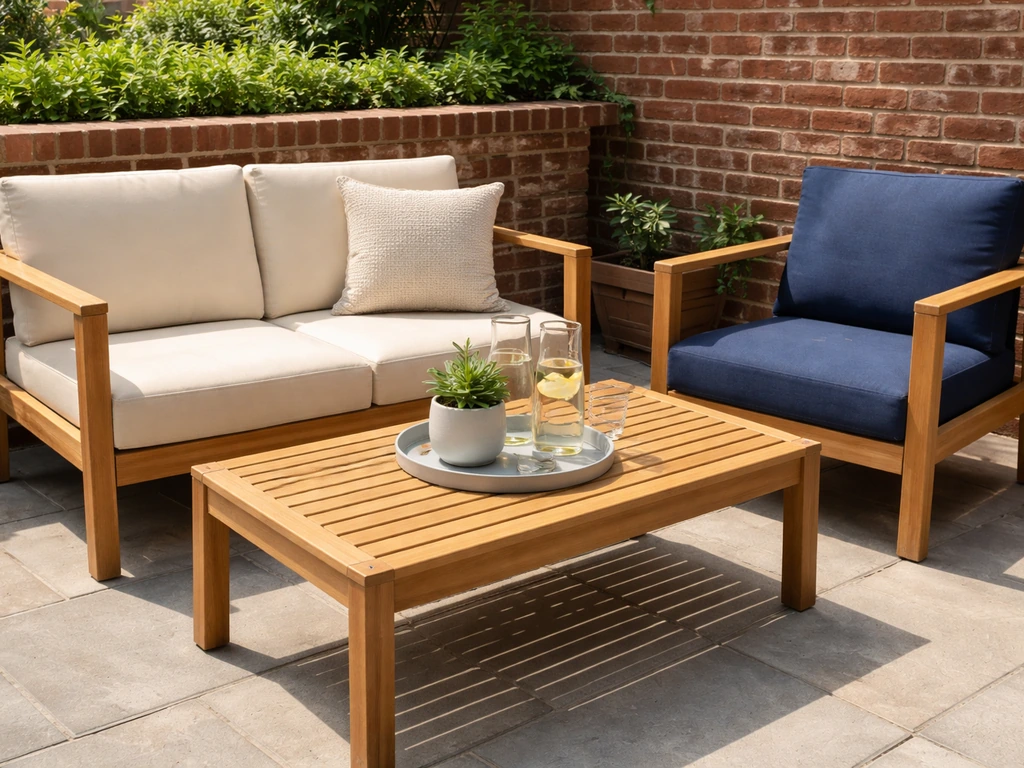
What Color Patio Furniture Goes With Red Brick?
Best patio furniture colors for red brick, including neutrals, modern hues, and what to avoid plus quick testing tips.
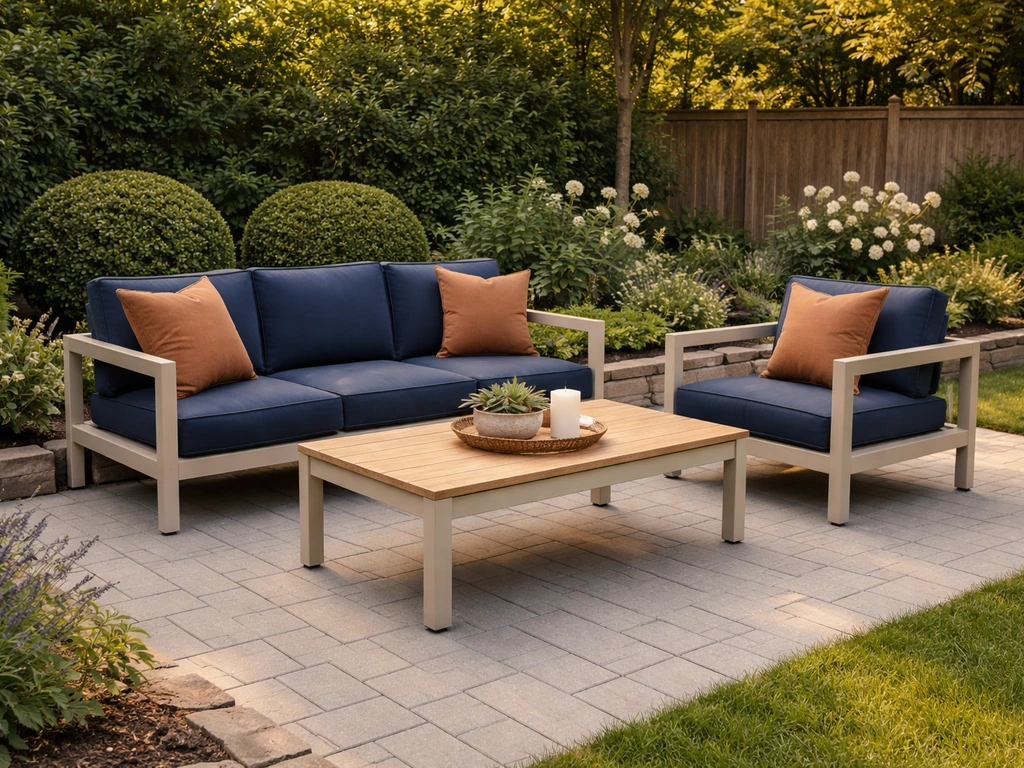
How to Choose Patio Furniture Colors for Any Yard
Step-by-step how to choose patio furniture colors that match your yard, materials, and climate for lasting, balanced sty
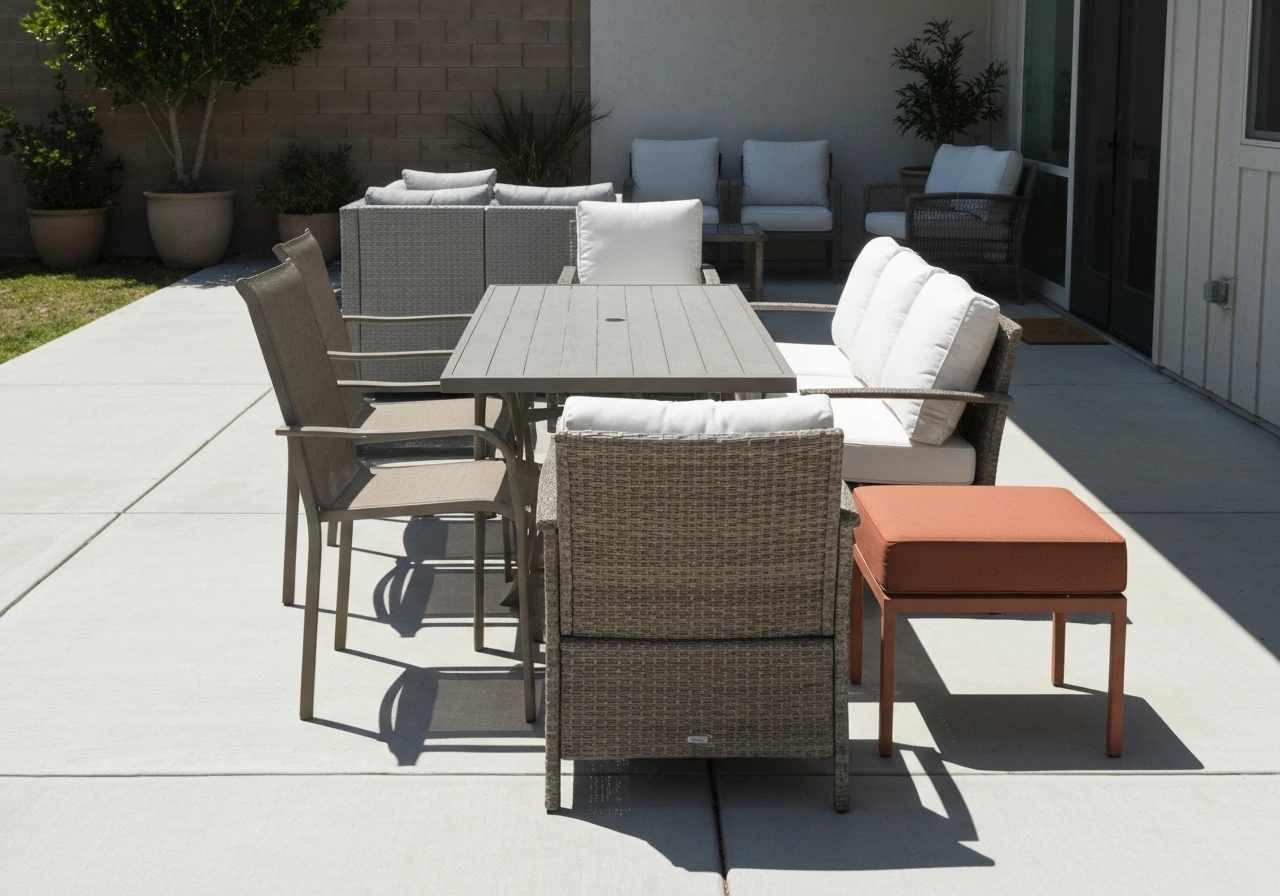
What Color Patio Furniture Should I Get Today? A Guide
Choose the best patio furniture color for your sun, UV fading, dirt visibility, and your existing outdoor palette.