
The best colors for outdoor patio furniture are charcoal gray, warm beige, off-white/cream, and black with light cushions. If you want more tailored recommendations beyond general color tips, use this guide on how to choose patio furniture colors by your space, materials, and climate outdoor patio furniture are charcoal gray, warm beige, off-white/cream, and black.
Best Color for Outdoor Patio Furniture: Top Picks

Theo Tierney
14 May 2026
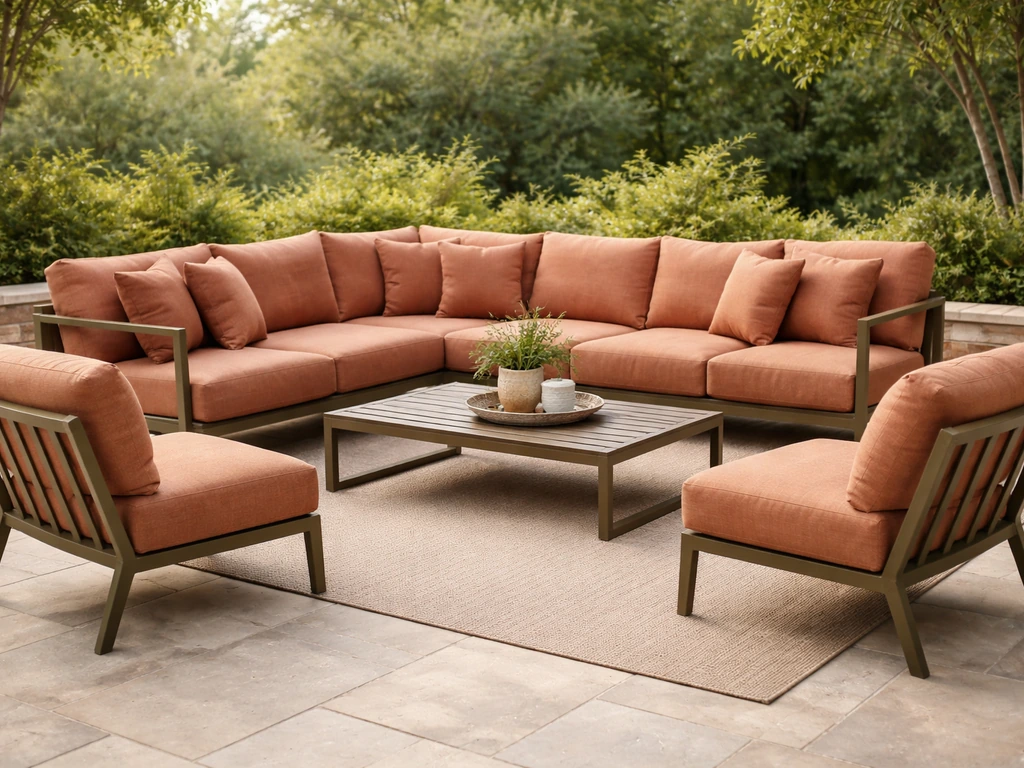
These four options win across the most conditions because they're timeless, coordinate with nearly every home exterior, hide everyday dirt and wear better than saturated colors, and are widely available in durable finishes across wood, metal, wicker, and composite materials. If you want a bolder choice that still holds up well over time, earthy terracotta is the strongest accent color for 2026. [Earthy tones like terracotta](https://www. idealhome.
co. uk/garden/outdoor-living/garden-furniture-colour-trends-replacing-green-2026) are positioned as a versatile outdoor color because they look natural outdoors and coordinate easily with warm, Mediterranean-inspired palettes. Your specific best pick depends on your climate, sun exposure, and what your patio is surrounded by, and that's exactly what this guide will walk you through.
How to choose a patio furniture color that matches your outdoor style
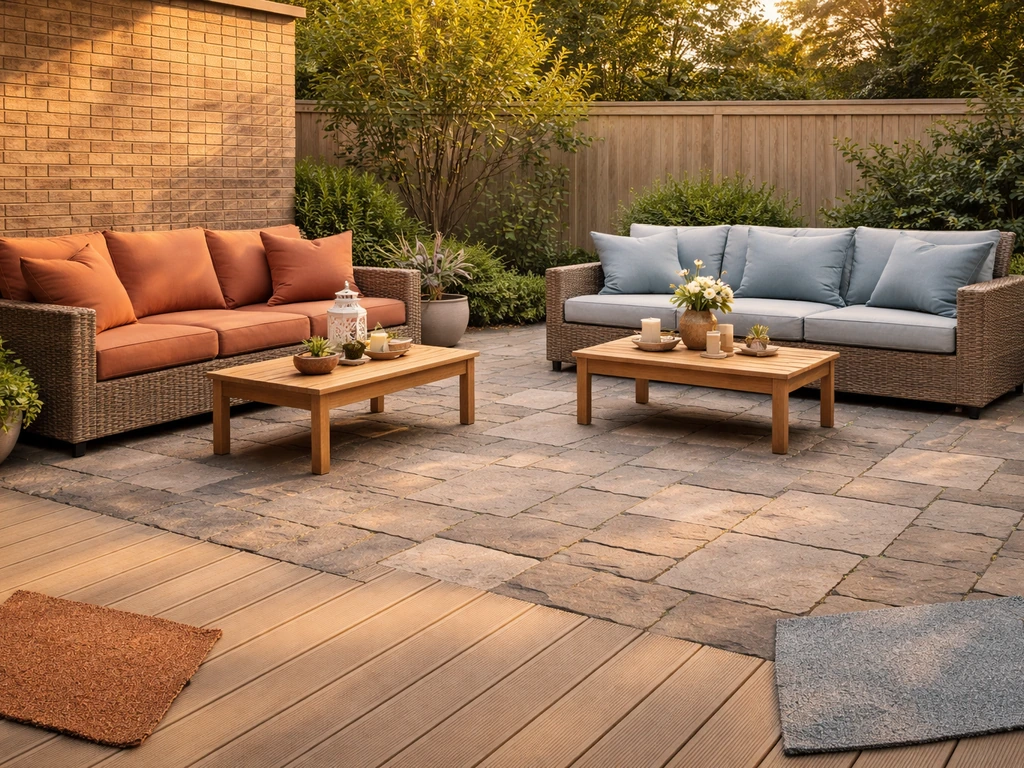
Before you even look at color swatches, take stock of what already exists in your outdoor space. Your siding color, brick, stone pavers, wood decking, fence stain, and even the dominant plant colors all create a palette you're working within. Fighting that palette usually looks off. Working with it takes almost no effort and consistently looks better.
If you have warm-toned surroundings like red brick, cedar decking, or tan stucco, you'll want furniture that pulls warm. Beige, warm gray, terracotta, and natural wood tones all coordinate naturally here. Cool surroundings like gray stone, white concrete, or blue-gray siding pair better with charcoal, slate gray, black, or crisp white. Neutral gray furniture sits comfortably in both worlds, which is one reason it dominates outdoor furniture sales.
The other question is how much visual complexity you actually want. Bold, saturated colors like navy, forest green, or coral look striking in photos but demand more commitment. They can clash with seasonal plantings, and they show fading faster than neutrals because the color loss is more obvious on a rich, saturated finish. If you rotate cushions or change up your outdoor decor seasonally, starting with a neutral frame gives you much more flexibility. Cushion colors are where you can afford to take risks since replacing cushions is dramatically cheaper than replacing frames.
Think also about dirt and visibility. A busy family with kids and pets will do much better with mid-tone furniture (warm gray, tan, weathered wood tones) than with bright white or jet black, both of which show grime and dust quickly. If you're in a dusty or pollen-heavy environment like many parts of the Southeast or Southwest, this matters a lot for how the furniture looks week to week without constant cleaning.
Best overall color options (and when each one wins)
There isn't a single universally correct answer here, but there are clear winners for different situations. If you're asking what color patio furniture should i get, start with the best overall color options for your conditions, then fine-tune for climate and sun exposure. Here's how the top color choices actually stack up in practice.
| Color | Best For | Weakness | Material Fit |
|---|---|---|---|
| Charcoal / Dark Gray | Modern, minimalist, and contemporary patios; pairs with any cushion color | Absorbs heat; shows dust on smooth finishes | Powder-coated metal, composite, wicker |
| Warm Beige / Tan | Traditional, coastal, and Mediterranean styles; blends with natural surroundings | Can look dingy if not cleaned regularly | Wicker, teak/wood, cast aluminum |
| Off-White / Cream | Bright, airy, resort-style spaces; makes small patios feel larger | Shows dirt and mildew faster; needs frequent cleaning | Metal, composite, cushion-heavy sets |
| Black (frame) + Light Cushions | High-contrast, graphic look; pairs with nearly any exterior | Black frames absorb heat; shows white dust | Powder-coated steel/aluminum, wicker |
| Terracotta / Rust | Warm Mediterranean, Southwestern, or earthy garden styles | Bold enough to clash with cool-toned homes | Ceramic accents, powder-coated metal, cushions |
| Natural Wood Tones | Organic, warm, transitional spaces; ages gracefully | Requires maintenance; darkens or silvers with weathering | Teak, eucalyptus, acacia, FSC hardwoods |
Charcoal gray is the single most versatile choice right now. It reads as modern without being trendy, it hides a lot of everyday grime that lighter colors reveal, and it's available in quality finishes across almost every material category. If you're paralyzed by choice and just want a strong default, charcoal is it. Black is close behind but runs hotter to the touch and shows dust more on smooth surfaces. Warm beige and off-white are excellent for resort or coastal aesthetics but require more maintenance discipline to keep looking clean. Natural wood tones are the most organic-looking option but come with real maintenance obligations depending on the species.
Color-by-material: what different materials show in real life
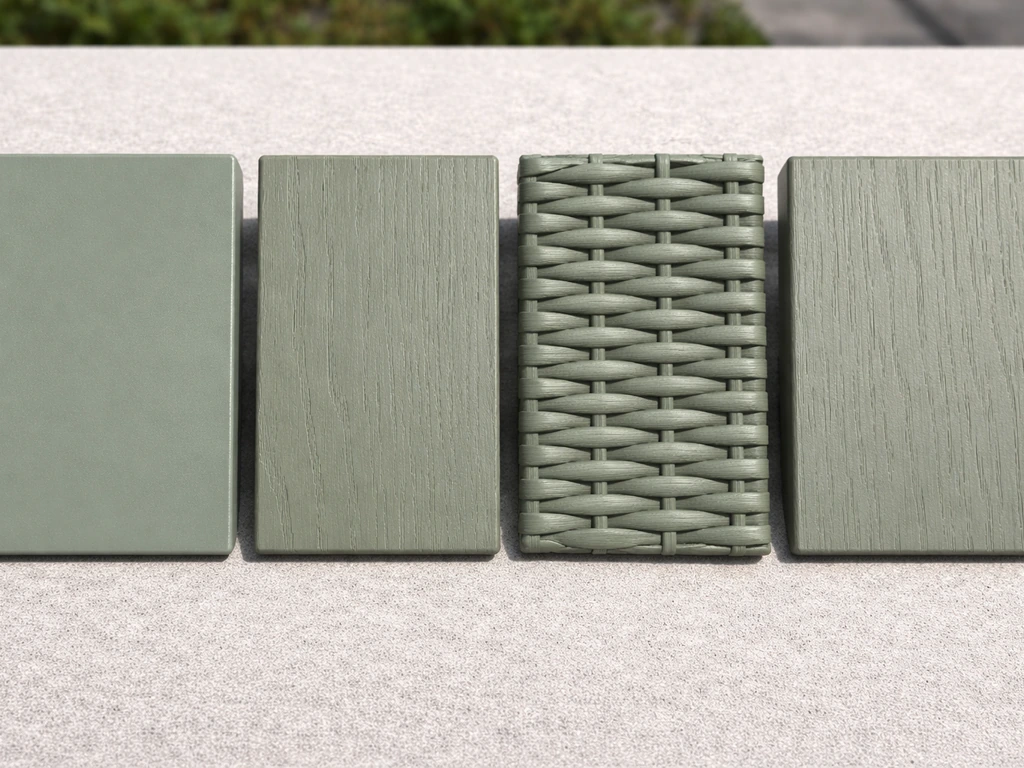
The same color behaves completely differently depending on what material carries it. This is one of the most overlooked factors in outdoor furniture shopping, and it directly affects how long that color looks good.
Metal (powder-coated steel and aluminum)
Powder coating is how most metal patio furniture holds color, and quality matters enormously. A high-quality powder coat on aluminum will hold its color for 5 to 10 years without significant fading. A thin or low-quality coat on steel can start chalking or chipping within two seasons, especially in humid or coastal climates. Dark colors like charcoal and black look sharp on powder-coated frames and the finish texture helps hide minor scuffs.
White and light gray powder coats show chalking and rust bleed-through (on steel) much more visibly, so these are better choices in aluminum than steel. For metal furniture, charcoal and dark bronze are the most forgiving long-term color choices. If you want specifics on colors that perform best in metal, the topic of best colors for metal patio furniture goes deeper into this.
Wood (teak, eucalyptus, acacia)
Natural hardwoods don't come in a painted color the way metal does. Their color is the color of the species and its finish. Teak starts honey-golden and silvers to a driftwood gray if left untreated. Eucalyptus runs lighter with blonder tones.
Acacia tends toward reddish-brown with dramatic grain. If you want to preserve the warm wood tone, you need to apply teak oil or a penetrating wood sealer annually. If you let it silver naturally, that's a legitimate and beautiful look but it's a deliberate choice, not neglect. Painted wood furniture exists but performs poorly outdoors unless the paint system is specifically designed for exterior use on wood, and even then, peeling is an ongoing maintenance issue.
Stick to stained or natural-finish wood if you want the color to last.
Wicker and resin wicker
Natural rattan wicker isn't appropriate for outdoor use in most climates because it absorbs moisture and breaks down quickly. What most people call outdoor wicker is actually resin wicker, a synthetic material woven over a metal frame. Resin wicker comes in several standard colors: natural/honey, espresso/dark brown, gray, and sometimes white or black. Espresso and dark gray are the most common because they hold their appearance longest. Lighter colors, especially natural honey tones, tend to yellow or fade faster with sustained UV exposure. The weave texture also hides minor soiling better than smooth metal surfaces, which is a practical advantage in most outdoor settings.
Composite and HDPE
High-density polyethylene (HDPE) furniture, often marketed as recycled plastic lumber, is colorfast in a way no other material matches because the color runs all the way through the material. Surface fade is minimal even after years of direct sun. HDPE furniture typically comes in earth tones like weathered wood browns, grays, greens, and white. The color you choose will look nearly identical five years from now, which is a genuinely unique advantage. The trade-off is that the color range is more limited and the look is heavier or chunkier than metal or wicker.
Climate and sun exposure effects (fade, heat retention, and mildew)
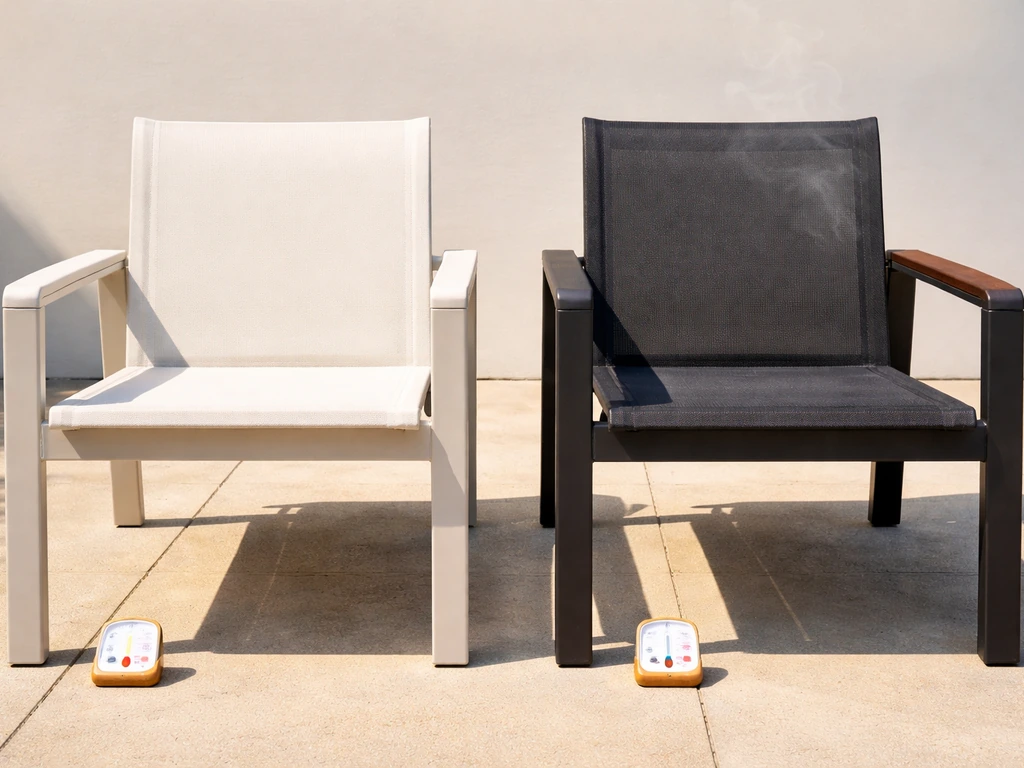
Where you live has a major effect on which color choice holds up best. This isn't just about aesthetics, it directly impacts how much maintenance you'll do and how long the furniture actually looks good.
Sun and UV fade
UV radiation is the primary cause of color degradation in all outdoor furniture. Saturated, bold colors like navy, hunter green, and deep red show fading more obviously than neutrals because the color shift is visually dramatic. A navy chair that fades to a washed-out medium blue looks obviously aged. A charcoal chair that fades slightly lighter just looks like a slightly different shade of charcoal.
This is a real, practical reason to favor neutrals if your patio gets significant direct sun, especially in high-UV climates like the Southwest, South Florida, or high-altitude areas. For fabric cushions specifically, look for solution-dyed acrylic fabrics (Sunbrella is the industry benchmark) rather than screen-printed fabrics. Solution-dyed means the color is built into the fiber rather than applied to the surface, and the UV resistance is dramatically better.
Heat retention
Dark colors absorb significantly more solar heat than light colors. In practical terms, a black powder-coated metal chair sitting in direct Arizona or Texas sun can become uncomfortably or even painfully hot to the touch. This isn't a dealbreaker if you have shade, use cushions, or are in a milder climate. But if you have an exposed south-facing patio in a hot climate and plan to use the furniture without cushions, lighter colors and materials like natural wood or light gray HDPE will be much more comfortable. Charcoal and dark gray are better choices than black if you want dark tones in a hot climate since they absorb somewhat less heat while still giving you that sophisticated, modern look.
Mildew and moisture
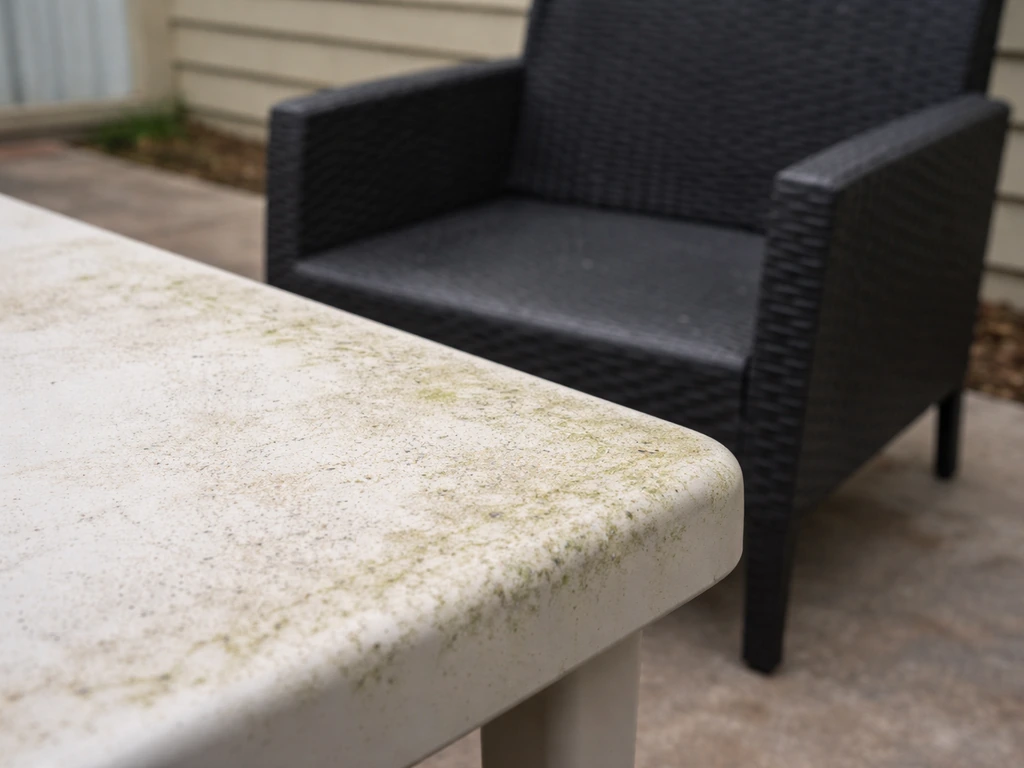
In humid climates like the Southeast, Pacific Northwest, or any coastal environment, mildew is a recurring reality. White and light-colored furniture shows mildew growth quickly and visibly. Dark furniture also grows mildew but it's less immediately obvious. The real defense against mildew is material choice and regular cleaning rather than color, but if you're in a humid zone and worried about appearance between cleanings, mid-tone colors and textured surfaces (like woven resin wicker) are more forgiving than smooth, light-colored finishes. Beige and gray both outperform white in this regard.
Practical buying tips: matching cushions, frames, and finishes
The most reliable approach is to choose a neutral frame and use cushions to add the color or pattern you want. Frames last 10 to 20 years with proper care; cushions typically last 3 to 7 years depending on quality and climate. Designing around the cushion as the interchangeable element and the frame as the permanent anchor is just smarter long-term planning.
The neutral-with-contrast pairing principle works well here. Black frames with white or cream cushions is a classic high-contrast combination that photographs beautifully and works with almost any home exterior. Warm beige or tan frames with warm white or dusty linen cushions feel softer and more relaxed. Charcoal gray frames are the most flexible of all since they pair naturally with warm whites, cool blues, greens, terracotta tones, and deep navy cushions without clashing.
When buying cushions separately, confirm the fabric type before purchasing. Solution-dyed acrylic (Sunbrella or equivalent) is worth the premium in any sunny or humid climate. Polyester cushions are cheaper but start fading and degrading noticeably within one to two seasons in direct sun. If a set comes with cushions included, check whether they're solution-dyed acrylic or just polyester fill with a basic outdoor fabric cover. Budget sets almost always use lower-grade fabrics, which is fine if you plan to replace cushions in a few years or if the set lives in a covered area.
- Match frame finish to the weight of your outdoor style: matte finishes feel more natural and casual, glossy finishes read as more modern and formal
- If your patio has warm-toned pavers or brick, avoid cool-toned gray or white furniture as a primary choice; warm beige or wood tones will always look more intentional
- For small patios, lighter furniture colors (cream, light gray, natural wood) make the space feel more open; dark colors compress the visual space
- Check that cushion fabric has UV-resistant rating listed, not just 'fade-resistant' marketing language
- Buy one extra cushion cover set when you purchase, so you have replacements when the primary set needs washing or starts to wear
On finishes specifically: look for powder-coated metal furniture described as having a two-stage or multi-coat finish. Single-coat powder coat is lighter and wears through faster, especially on edges and welds. Cast aluminum with a quality powder coat is the gold standard for colored metal outdoor furniture because aluminum doesn't rust, so chips and scratches don't start a corrosion cascade the way they do on steel.
Maintenance and longevity by color (cleaning, touch-ups, protecting finishes)
Color choice affects how much maintenance work you'll actually do in practice, not just how the furniture looks when new. Here's the honest breakdown by color category.
Light colors (white, cream, light beige)
These require the most regular cleaning. A once-monthly wipe-down with mild soap and water is realistic in most climates; in humid or pollen-heavy environments you may need to clean bi-weekly in peak seasons. For powder-coated metal in white or cream, inspect annually for any chips or rust spots (especially if it's steel) and touch up with matching spray paint rated for outdoor metal use. Touch-up paint for furniture is widely available and takes 15 minutes to apply. Don't skip this step because bare metal, once exposed, will start rusting within a season in most climates.
Dark colors (charcoal, black, espresso)
Dark powder-coated furniture hides most soiling well but shows dust and pollen, especially on smooth flat surfaces. A quick wipe with a damp cloth weekly or after storms is usually enough. The bigger concern with dark colors is long-term UV chalking: the outer layer of the powder coat can gradually become chalky and dull, particularly on south-facing furniture in high-UV climates. An annual application of automotive-grade spray wax or outdoor furniture polish rated for powder-coated surfaces slows this process noticeably and keeps dark finishes looking sharp. For dark resin wicker, a rinse with a garden hose and an occasional scrub with mild soap keeps the weave clean.
Natural wood tones
If you want to maintain the original warm honey or brown tone of teak, eucalyptus, or acacia, apply a penetrating teak oil or wood-specific outdoor sealer once per year, or twice per year in high-UV or high-moisture climates. Clean the wood before applying with a dedicated wood cleaner and a soft brush to remove any mildew or gray surface weathering. If you prefer to let it silver naturally, you still need to clean it annually to prevent actual surface mildew from taking hold in the grain. Silvered teak is beautiful but it's not maintenance-free.
HDPE and composite
This is the lowest-maintenance color option by a significant margin. Since the color runs through the material, there's no coating to chip, peel, or fade dramatically. Cleaning is just soap and water. You don't need to apply sealers, oils, or touch-up paint. Over many years in extreme UV, the surface can develop a slight haze, which you can address with a plastic restorer product (similar to what you'd use on faded car trim). But honestly, for most homeowners, HDPE furniture just gets hosed off and stays looking good for a decade or more. It's the lowest color-maintenance category available.
Whatever color and material you choose, storing cushions indoors or in a weather-resistant storage box during off-season months is the single highest-impact thing you can do to extend the life of the color. Sun and moisture cause far more degradation in fabric color than almost anything else. A UV-protective furniture cover for the frames themselves, used when the patio is idle for extended periods, adds a few years of life to most finishes without any real effort.
FAQ
What is the best color for outdoor patio furniture if my patio is in full sun most of the day?
Choose a charcoal-gray frame and solution-dyed acrylic cushions (or another neutral frame with UV-resistant cushion fabric). Full sun accelerates chalking and visible fading, so neutrals hide the shift better, and cushion color performance matters as much as the frame.
Should I match my patio furniture color to my house siding, or pick something totally different?
Either can work, but the low-risk approach is to match by undertone, not exact color. Warm siding generally pairs best with warm-beige, warm gray, terracotta, and natural wood tones, while cool siding works better with charcoal, slate gray, black, and crisp white.
Is black patio furniture a bad idea in hot climates?
Not necessarily, but it is a comfort risk. Black absorbs more heat, so if you will sit without cushions on hot, exposed days, prefer charcoal gray or dark bronze and use cushions, or choose a lighter frame material like light gray HDPE.
What color hides dirt and pollen best for families with kids and pets?
Mid-tone neutrals usually perform best. Warm gray, tan, weathered wood tones, and charcoal gray show less grime than bright white and smooth jet-black, and textured finishes (like resin wicker) hide dust better than smooth surfaces.
If I like white furniture, what’s the smartest way to make it work outdoors?
Use white where it will be cleaned often, and avoid smooth light frames if you are in a humid or pollen-heavy zone. For cushions, pick solution-dyed acrylic, and plan for more frequent wipe-downs to prevent mildew visibility and surface dirt buildup.
How do I choose cushion color if the frame color is neutral?
Treat cushions as the changeable layer. Start with a neutral frame (charcoal, warm beige, or off-white) and then pick cushion color by your seasonal preference, with patterns or brighter tones in cushions since replacing them is typically far cheaper than replacing the frame.
Does cushion fabric matter more than frame color for longevity?
In sunny climates, yes. Even if the frame is a great neutral, screen-printed or less UV-stable cushion fabrics will fade faster. Look for solution-dyed acrylic cushions, especially in high-UV or humid regions.
What should I check before buying powder-coated metal furniture to protect the color?
Confirm the finish is described as two-stage or multi-coat. Single-coat powder can wear through sooner at edges and welds, which makes touch-ups more likely and can reveal corrosion risk on steel.
Is there a difference between resin wicker colors for fading?
Yes. Espresso and dark gray tend to hold up best visually, while natural honey tones often yellow or fade faster under sustained UV. If you want a lighter look, consider gray rather than honey-brown.
Can I stain or paint wood patio furniture to get a specific color, and will it last?
Staining or natural-finish options last longer than typical exterior paint systems. Painted wood outdoors usually requires an exterior-rated paint system and still faces peeling risk, so if you want color stability, use a wood stain/sealer designed for exterior exposure.
What’s the most maintenance-proof color option mentioned in the article?
HDPE furniture is the lowest color-maintenance choice because the color runs through the material. Expect minimal surface fade, and plan to just clean with soap and water, with occasional haze treatment if it develops after many years of extreme UV.
What off-season storage step matters most for keeping the color looking good?
Store cushions indoors or in a sealed, weather-resistant storage box. Fabric color degrades faster from sun and moisture than most frame colors, and this one step typically gives the biggest improvement in how long your cushions look new.
Next Articles
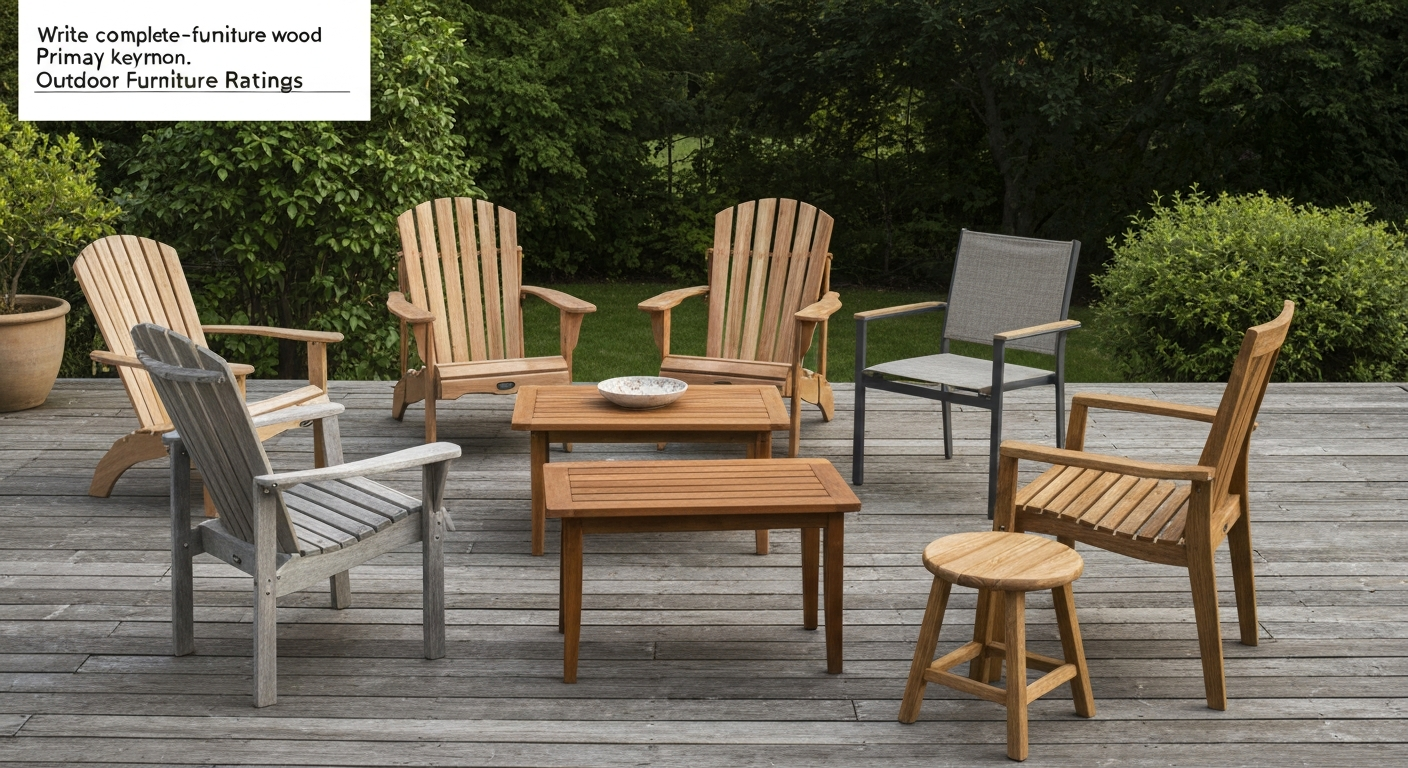
Common Patio Furniture Wood: Best Choices, Care & Tips
Compare common patio furniture wood types, teak, cedar, redwood, oak, with durability, finishes, and care tips.
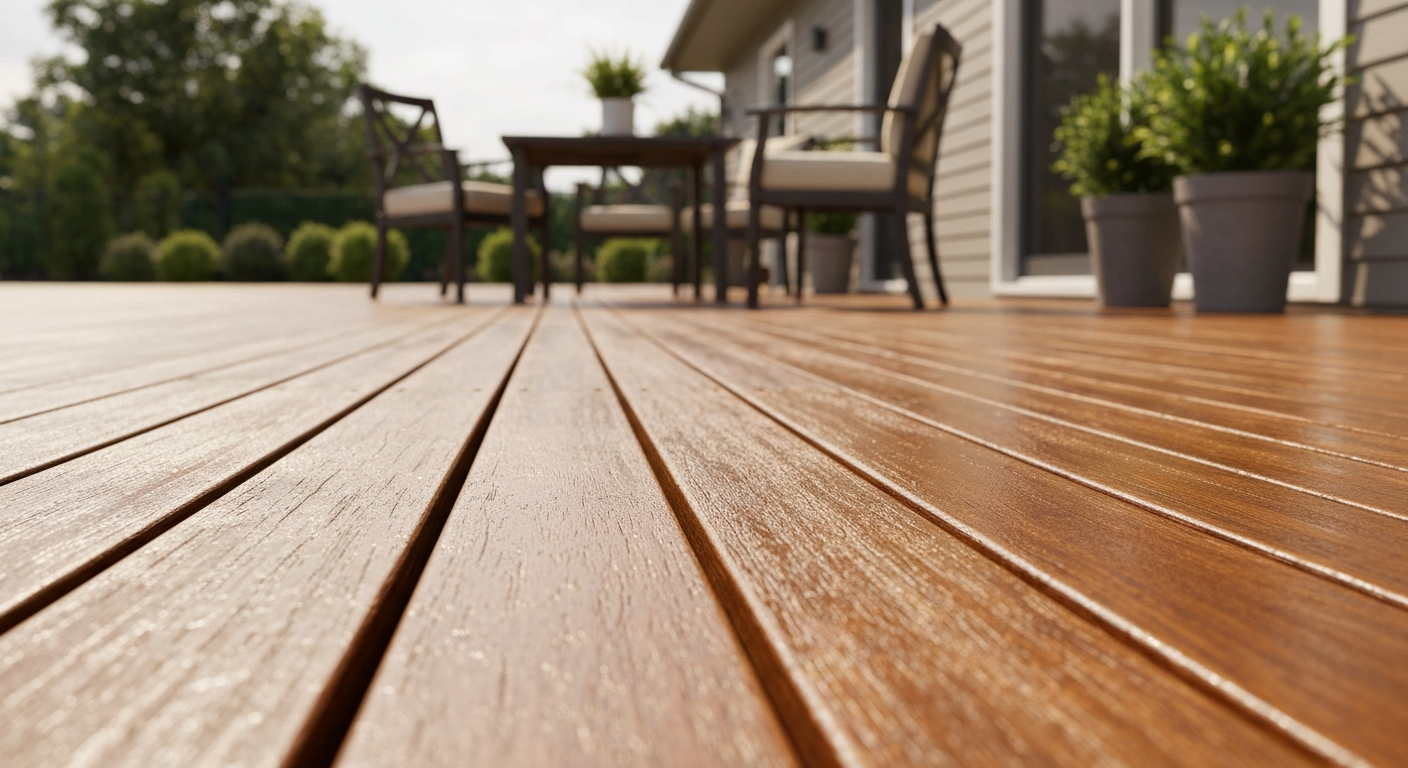
Best Wood Patio Stain: Choosing Durable, Low-VOC Finishes
Compare and choose the best wood patio stain: durability, finish, climate tips, prep, and top product picks.
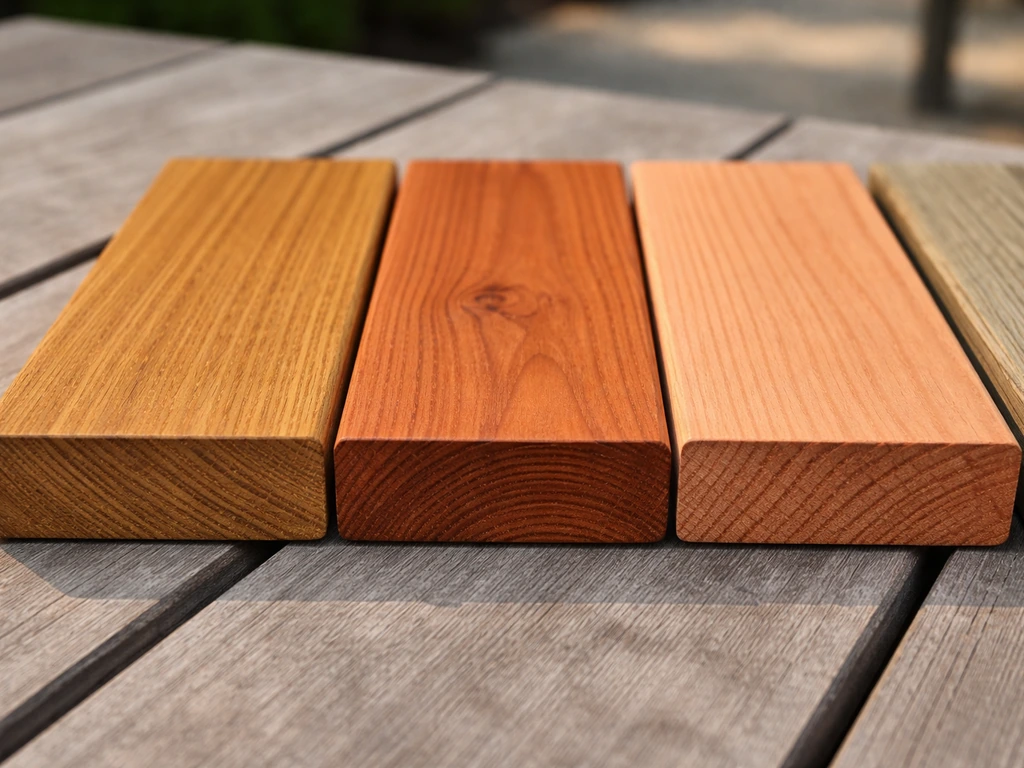
Common Patio Furniture Wood: Teak, Cedar, Redwood and More
Compare common patio woods like teak cedar redwood and pressure-treated: durability, quality checks, and care for long l