
Powder-coated aluminum, quality teak, HDPE resin wicker, and composite/sling-style furniture can all stay outside through winter, including freeze-thaw cycles and snow. Steel, wrought iron, natural rattan, untreated wood, and foam cushions are a different story: leave those out unprotected and you'll be dealing with rust, rot, mold, and cracked frames before spring. The material your furniture is made from is the single biggest factor, followed by how you prep it before the cold hits.
Patio Furniture That Can Be Left Outside in Winter: Guide

Theo Tierney
14 May 2026
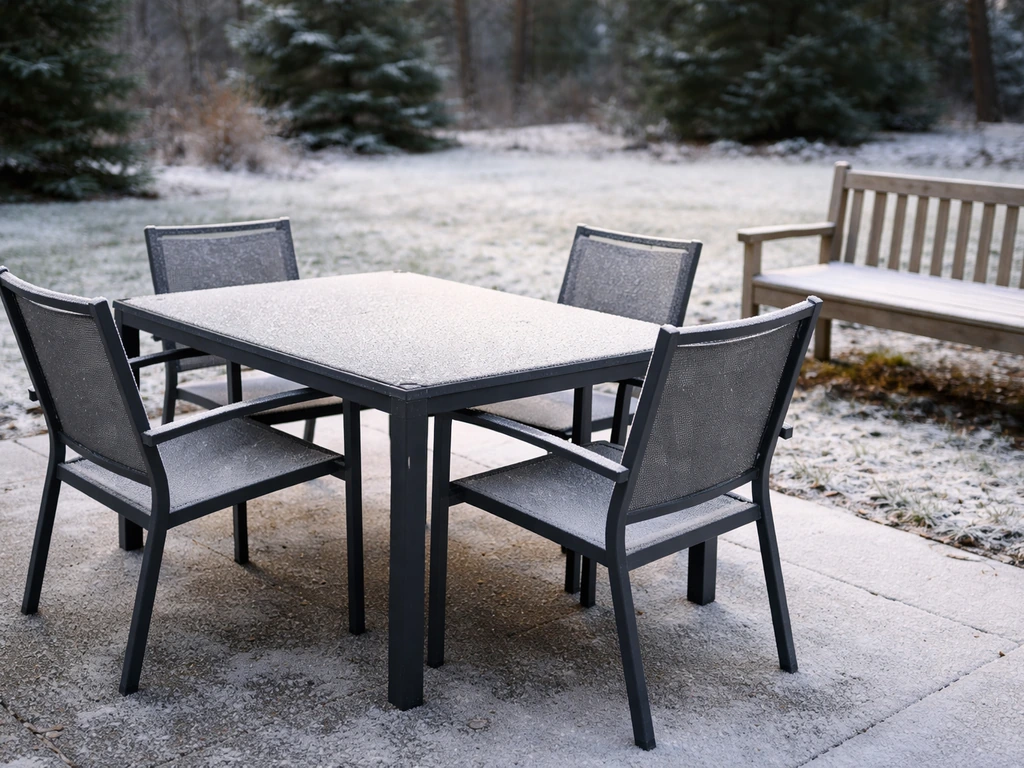
Which patio furniture can actually stay out all winter
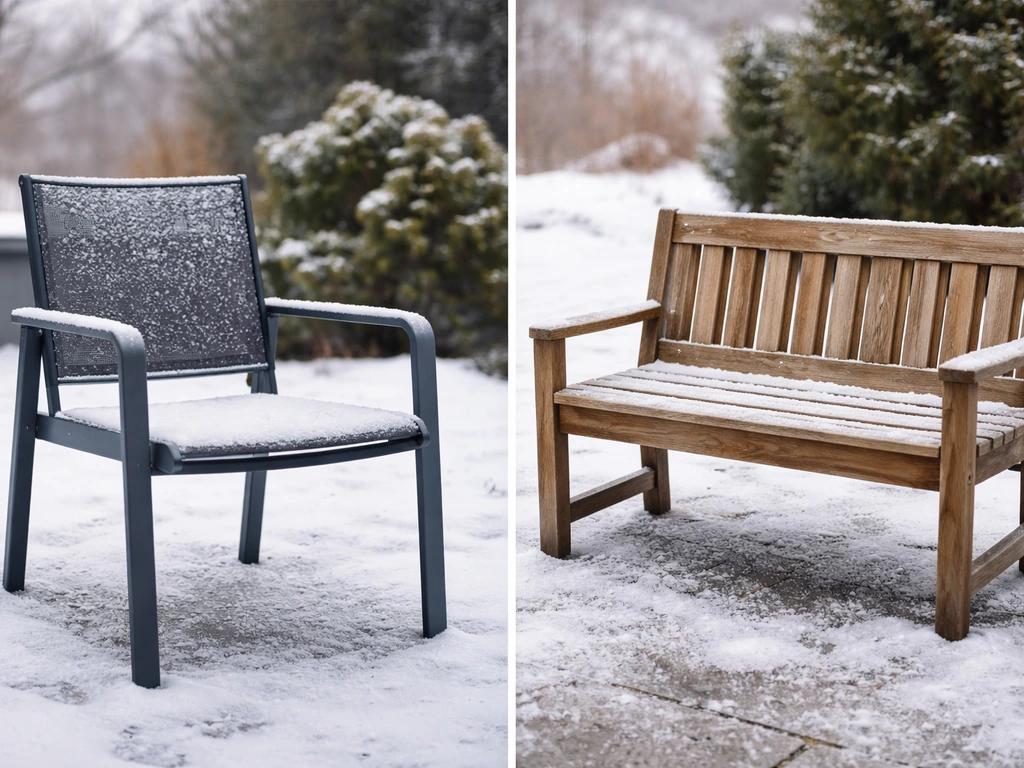
Here's the quick breakdown: aluminum with intact powder coating is the safest all-winter outdoor material. Solid teak can literally be left outside uncovered in harsh winters without damage. HDPE resin wicker (the synthetic stuff, not natural rattan) is rated to handle freezing and sweltering temperatures. Composite and PVC-coated sling mesh handles freeze-thaw well too. The problem materials are untreated or lightly sealed wood, steel and wrought iron in wet climates, natural wicker/rattan, and any cushion that isn't stored indoors.
Material-by-material breakdown
Aluminum
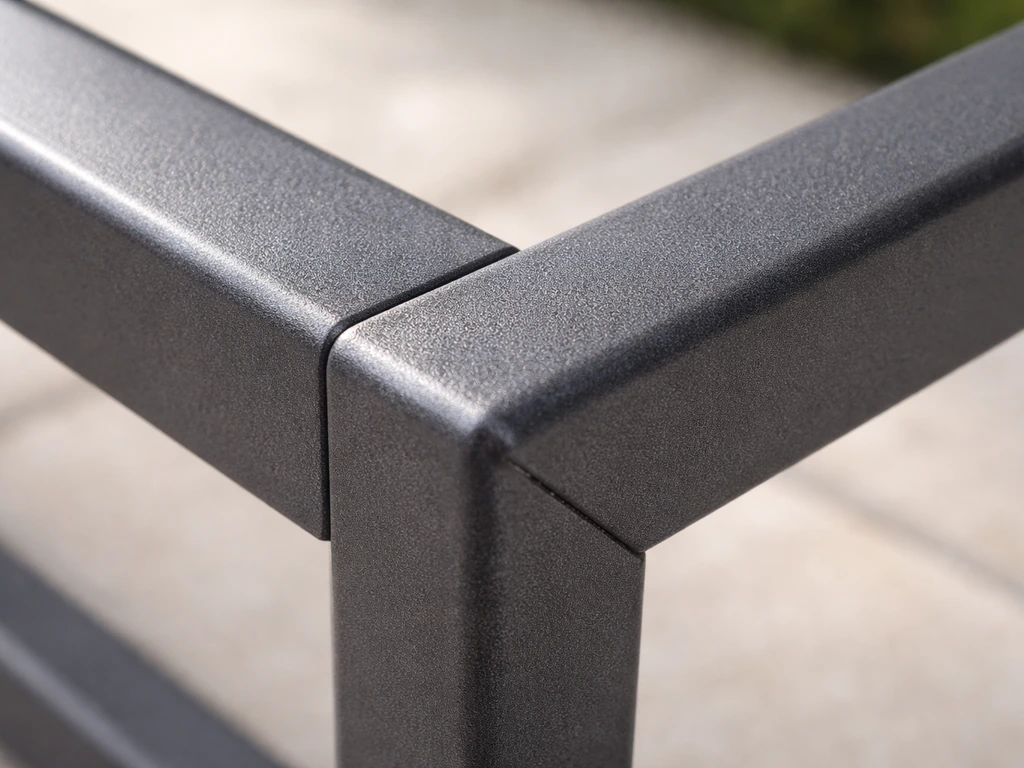
Powder-coated aluminum is probably the most practical all-winter patio material for most climates. It doesn't rust, doesn't absorb water, and the powder coat finish handles UV and freeze-thaw without cracking when it's applied correctly and stays intact. The key phrase there is 'intact powder coat.' A chip or scratch that exposes bare aluminum near salty coastal air will start to pit and corrode. If you're in a salt-air environment, look for products that have passed ASTM B117 salt spray testing, that 5% salt fog test is the actual standard used to certify corrosion resistance. Moving aluminum furniture to a covered porch or even a garage for the winter will extend its lifespan noticeably, but it's not required the way it is with steel.
Steel and wrought iron
Steel and wrought iron are durable and heavy enough to resist wind, but they rust when the protective coating gets compromised. In a dry climate or a covered patio, steel does fine through winter. In wet, snowy, or coastal conditions, leaving unprotected steel outside all winter is a recipe for surface rust that works its way deeper over time. If you have a steel set, store it in an unheated garage or shed for the winter and keep it dry, that's the practical standard. Products like Rust-Oleum touch-up paint are worth keeping around to address chips before winter arrives.
Wood (teak, acacia, eucalyptus)
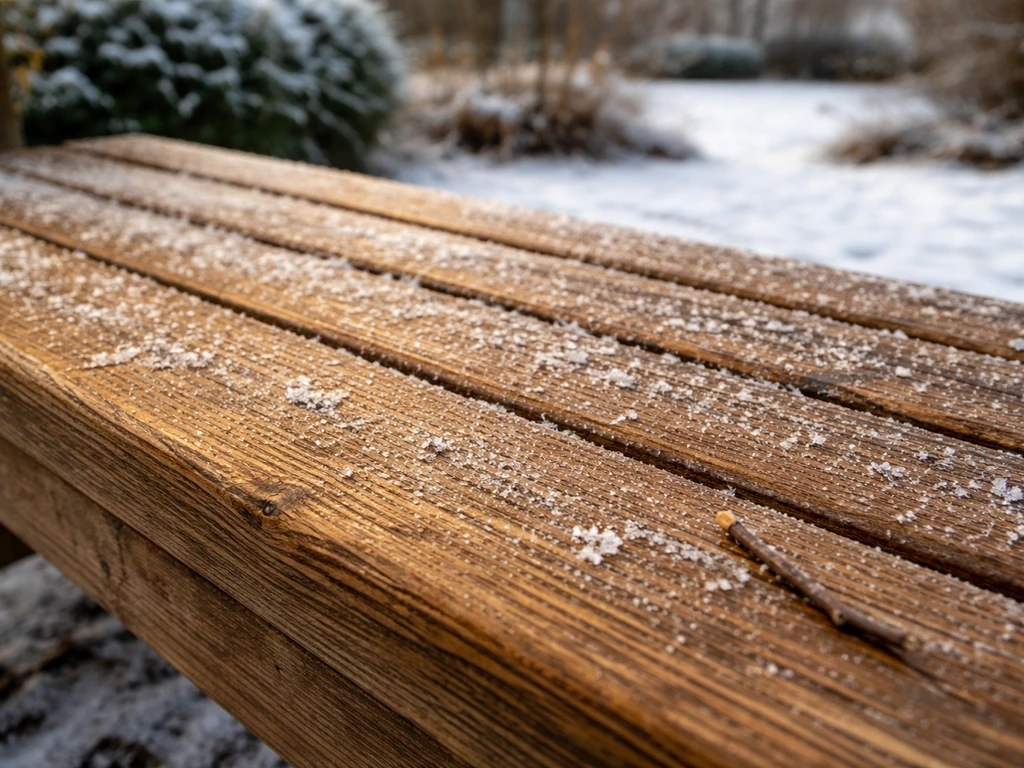
Teak is in a class of its own. The natural oils in teak make it genuinely resistant to moisture, rot, and insects, and quality teak furniture can be left outdoors uncovered even through harsh winters without structural damage. It will weather from honey-brown to silver-gray over time, which many people actually prefer. If you want to preserve the original color, clean it and apply teak oil or a sealer before winter. Home Depot’s Outdoor Furniture Care and Cleaning Guidelines recommend applying teak oil to help maintain the wood’s coloring and grain blank" rel="noopener noreferrer">apply teak oil to maintain the wood’s coloring and grain. The one thing you absolutely don't want to do is blank" rel="noopener noreferrer">wrap teak in plastic or a non-breathable tarp, cutting off airflow traps condensation against the wood and causes mildew and darkening of the grain. If you do cover it, use a breathable, vented, water-repellent cover and let the furniture dry completely first (allow at least 48 hours after cleaning before covering).
Acacia and eucalyptus are popular budget alternatives to teak. They're attractive but require more maintenance. Left untreated through wet winters, they'll crack, warp, and degrade. If you have acacia furniture, apply a wood oil or protectant before the season ends and cover it or bring it inside for harsh winters. It's genuinely worth the effort to preserve the investment.
Wicker and rattan
This is where a lot of people get burned. 'Wicker' describes the weaving style, not the material, and the material makes all the difference. Natural rattan (true botanical wicker) is an organic material that cracks, breaks, and deteriorates outdoors. It isn't designed for rain, snow, or freezing temperatures, and leaving it outside all winter will destroy it within a season or two. Resin wicker made from HDPE (high-density polyethylene) is the complete opposite. Quality HDPE resin wicker is engineered to handle both freezing and high heat without becoming brittle or cracking. If you want patio furniture no assembly required that you can leave outside all year, prioritize quality HDPE resin wicker and look for products rated for freezing temperatures. If you're prioritizing the best weatherproof patio furniture, choose HDPE resin wicker that is rated for freezing and heat without getting brittle. If you're buying wicker-style furniture specifically to leave outside year-round, make sure the product description says 'all-weather resin wicker' or 'HDPE wicker', that distinction is everything.
Composite, sling, and mesh fabrics
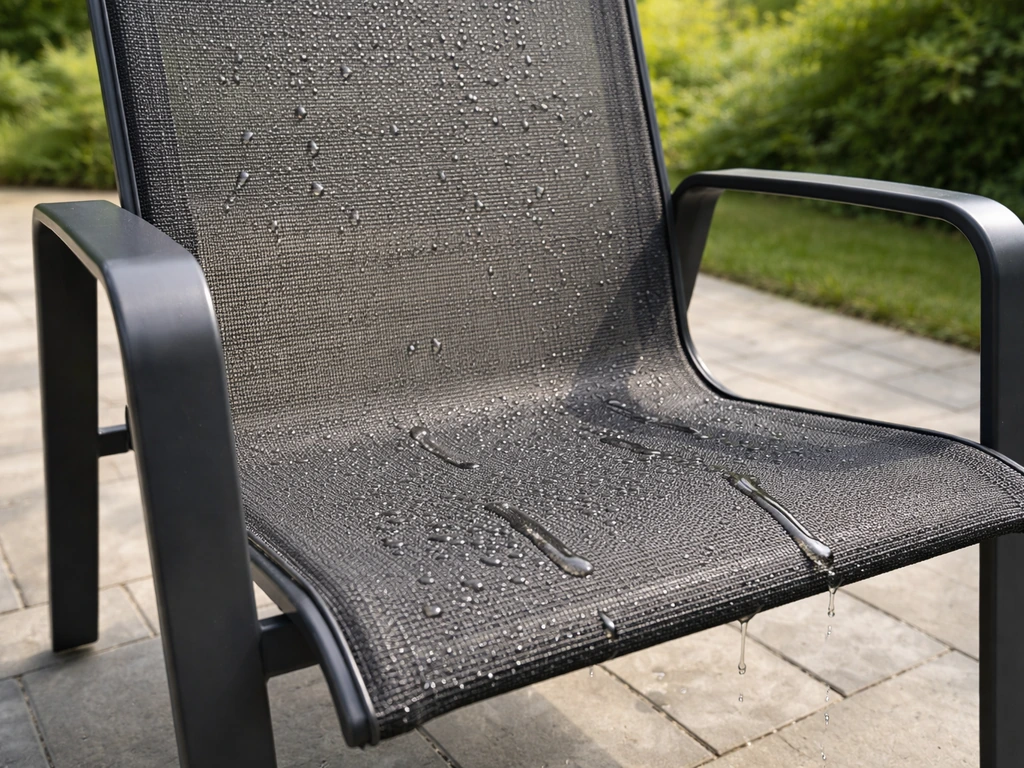
Sling-style chairs with PVC-coated polyester or vinyl mesh (like Phifertex or Batyline fabric) handle outdoor conditions well because the fabric is breathable, waterproof, and quick-drying, properties that directly reduce the moisture buildup risk in winter. POLYWOOD and similar recycled-HDPE lumber furniture is specifically designed to be left outside year-round with minimal maintenance. For sling-style pieces in very harsh climates with extended winter exposure, storing them in a dry, shaded space like a garage is still the best practice to protect the fabric from prolonged UV and freeze stress.
| Material | Winter Durability | Leave Outside? | Key Risk | Best Climate Fit |
|---|---|---|---|---|
| Powder-coated aluminum | Excellent | Yes (cover preferred) | Chipped coating near salt air | All climates |
| Teak | Excellent | Yes, even uncovered | Mildew if covered with plastic | All climates |
| HDPE resin wicker | Very good | Yes | Cushion mold if not stored | All climates |
| Composite/HDPE lumber | Very good | Yes | Minimal; cover recommended | All climates |
| Sling/mesh (PVC-coated polyester) | Good | Yes, but store in harsh winters | Prolonged UV and freeze stress | Mild to moderate |
| Steel / wrought iron | Moderate | Covered/dry areas only | Rust when coating chips | Dry or covered patios |
| Acacia / eucalyptus wood | Moderate | With treatment and cover | Cracking, warping, rot | Mild winters only |
| Natural rattan wicker | Poor | No | Cracking, brittleness, rot | Indoor/covered only |
Winter-readiness checklist
Before the first freeze, run through this checklist on every piece you're planning to leave outside. Most of this takes less than a day and dramatically extends how long your furniture looks and functions.
- Covers: Use breathable, UV-resistant, waterproof covers — not plastic tarps or cheap polyethylene sheeting. Plastic traps condensation against the furniture surface and promotes mold and mildew, especially on wood and wicker. A vented or breathable cover lets moisture escape while blocking precipitation.
- Cushions: Remove all foam-core cushions before winter. Wash them, let them dry completely before storing, and bring them indoors to a clean, dry, critter-free space. Leaving foam cushions outside through freeze-thaw cycles destroys them — water gets in, freezes, expands, and breaks down the foam structure. This applies even to Sunbrella-covered cushions, which resist water but aren't immune to long-term outdoor winter exposure.
- Finishes and coatings: Inspect powder coat, paint, or sealant for chips and scratches before winter. Touch up bare metal with a rust-inhibiting primer or product like Rust-Oleum. Re-apply teak oil or wood sealant to any wood furniture you're covering but leaving outside.
- Hardware: Check all bolts, screws, and connectors for existing rust. Stainless steel hardware is the standard to look for — zinc or untreated steel fasteners will rust and seize. Apply a light coat of WD-40 or similar penetrating oil to hardware joints on steel furniture before winter.
- Drainage and airflow: Don't let furniture sit in standing water. Position pieces so water drains off and airflow can reach all surfaces. For furniture on low-drainage surfaces, consider moving it slightly or using furniture feet/risers.
- Leveling and stacking: If stacking chairs or nesting furniture for the winter, do it on a flat, dry surface and use the furniture's designed stack pattern so weight is distributed correctly and frames aren't stressed.
What your climate changes about the rules
Climate matters more than most product descriptions acknowledge. Mild winters (USDA zones 8-10, think Pacific Coast, Gulf Coast, mild Southeast) are genuinely different from snowy Northern winters with multiple hard freeze-thaw cycles. Here's how to think about it by climate type.
Mild winters (rarely below freezing, low snow)
In mild climates, almost all weather-rated furniture can stay outside year-round with basic care. Aluminum, teak, HDPE resin wicker, and composite furniture all do fine. Even sling-style furniture and properly treated wood furniture hold up well. The main concern in mild, wet climates (Pacific Northwest, for example) is mold and mildew on cushions and in woven surfaces, not freeze damage. Keep cushions covered or stored, and make sure covers are breathable.
Cold winters with freeze-thaw cycles (Midwest, Northeast, mountain climates)
This is where material selection really matters. Freeze-thaw cycles stress any material that absorbs water, because water expands roughly 9% when it freezes. Porous materials like untreated wood, natural wicker, and compromised finishes will crack and degrade fast when they absorb water and freeze repeatedly. In these climates: aluminum, teak, and HDPE resin wicker are your all-winter outdoor options. To help you narrow it down fast, look for the best all weather patio furniture options that are rated for freezing, moisture, and repeated freeze-thaw cycles. Steel and wrought iron should be stored in a garage or shed if possible. Natural wicker must come inside. Acacia and untreated wood need protection and ideally indoor storage.
Coastal and high-humidity climates
Salt air accelerates corrosion on any metal, even aluminum. In coastal areas, look specifically for furniture with corrosion-tested coatings (ASTM B117 salt spray tested) and prioritize teak or HDPE materials over metal when possible. Rinse metal furniture more frequently during winter if it's exposed to salt air or salt used on nearby roads.
When to bring furniture inside no matter what
Natural rattan/wicker should always come inside for winter in cold climates, the organic material becomes brittle below freezing and will crack. Foam cushions always come inside. Acacia and budget wood furniture benefit enormously from indoor storage through harsh winters. And if you have steel or wrought iron furniture without well-maintained protective coatings, a garage or shed is worth the effort.
Maintenance steps to run before and after winter
Before the first freeze
- Clean everything thoroughly — a mild soap and water scrub removes dirt, pollen, and surface mold that will get worse under a cover over winter.
- Let all furniture dry completely before covering. For teak, this means at least 48 hours after washing before you put a cover on.
- Inspect and touch up any damaged coatings, finishes, or sealants on metal or wood.
- Remove and clean all cushions, then store indoors in a dry space. Unzip cushion covers and allow the interior to air out fully before storage.
- Apply teak oil or wood protectant to any wood furniture staying outside.
- Cover remaining outdoor pieces with breathable, weather-rated covers.
When winter breaks
- Remove covers and inspect for any rust, mold, cracking, or finish damage that developed over winter.
- Wash furniture again before bringing cushions back out.
- Address any rust spots immediately with a rust converter or touch-up paint before the season starts.
- Re-oil or re-seal wood furniture if you skipped it in fall.
- Check hardware for corrosion and replace any compromised fasteners.
How to choose furniture that will actually last through winters
When you're shopping, the product description rarely tells you the full story. Here's what to look for in specs and how to translate them into real-world durability.
- Frame material: Look for 'cast aluminum' or 'extruded aluminum' with 'powder-coated finish' for metal. For wicker-style, the words 'HDPE resin wicker' or 'all-weather resin wicker' are what you want. 'Steel' or 'wrought iron' require more maintenance diligence in wet climates.
- Fabric and sling specs: PVC-coated polyester, vinyl mesh (Phifertex, Batyline), and Textilene-style sling fabrics are legitimate all-weather materials. Generic 'polyester' fabric without a vinyl or protective coating is not.
- Cushion fill: Look for quick-dry foam rated for outdoor use. Even with that, plan on storing cushions indoors for winter — it's just better practice regardless of fill rating.
- Hardware: Stainless steel fasteners are the standard for outdoor longevity. Zinc-plated or regular steel hardware will corrode and cause problems at the joints.
- Corrosion testing: For coastal or high-humidity areas, look for products that reference ASTM B117 salt spray testing compliance in their specs — that's the actual benchmark for corrosion resistance.
- Brand transparency: Brands that publish specific care guides, warranty terms that address weather exposure, and material specs by name tend to back their products. Be skeptical of listings that just say 'weather resistant' without specifying how.
- Weight and construction: Heavier aluminum furniture (typically commercial or semi-commercial grade) uses thicker wall tubing and holds up better than lightweight residential pieces over multiple winters. If wind resistance is also a concern, the weight of the piece matters.
If you're already thinking about broader all-weather furniture options or furniture that resists wind uplift specifically, those considerations tie directly into material weight and frame construction, the same specs that determine winter durability. For truly windy areas, prioritize heavier frames and tightly woven, all-weather materials so the set stays stable in gusts best patio furniture for windy area.
Common problems and how to fix them
Rust on metal furniture
Surface rust on steel or wrought iron furniture is usually fixable if you catch it early. Sand or wire-brush the rust down to bare metal, apply a rust converter product to neutralize any remaining oxidation, then prime and repaint with an outdoor metal paint. On powder-coated aluminum, visible rust usually means the coating has been compromised and bare aluminum is oxidizing, sand the area, apply a rust-inhibiting primer, and touch up with matching outdoor paint. Rust that's worked into joints or structural welds is a harder problem and may mean the piece is past its economical repair point.
Mold and mildew on furniture or covers
Mold on outdoor furniture almost always comes from trapped moisture, usually from covering furniture before it's fully dry, using non-breathable covers, or leaving wet cushions on furniture. For mold on furniture frames or woven surfaces, a solution of mild soap and water with a small amount of white vinegar or a product designed for outdoor furniture mold removal handles most surface mold. Scrub, rinse thoroughly, and dry completely before recovering. For Sunbrella cushion covers, a mild bleach-and-soap solution (check the brand's care instructions) addresses mold without damaging the fabric. Always let everything dry completely before storage or re-covering. The bigger fix is prevention: breathable covers, dry furniture before covering, and cushions stored inside.
Cracking in wood or natural wicker
Cracking in wood furniture after winter almost always means the wood dried out unevenly (from being exposed and then covered without treatment) or absorbed water that froze. For minor surface cracks in teak or acacia, sanding and re-oiling can restore the surface and slow further cracking. Deep structural cracks are harder to reverse and compromise the piece's longevity. Going forward, the fix is consistent pre-winter treatment with wood oil or sealant and avoiding plastic or non-breathable covers. For natural wicker that cracked through a cold winter, the honest answer is that repair is temporary, the material will continue to degrade outdoors. Replace it with HDPE resin wicker if you want a wicker style that can stay outside year-round.
Water damage and warping in wood
Warped or swollen wood usually means it absorbed more water on one face than the other over an extended wet period. Minor warping in acacia or eucalyptus can sometimes reverse as the wood dries in a warm, low-humidity environment, but significant warping is usually permanent. The prevention is consistent sealing before winter and not leaving unsealed wood furniture sitting on wet surfaces for extended periods. Elevating wood furniture off wet concrete or decking with furniture pads helps significantly.
FAQ
Can I leave patio furniture under a tarp or plastic cover all winter?
You can, but only if the cover breathes and sheds water. Avoid tight plastic wraps or non-breathable tarps, those trap condensation and increase mold risk. For covered areas, use a water-repellent, vented cover and let the furniture dry completely first (after cleaning, wait about 48 hours before covering).
What should I do if my patio set mixes materials, like aluminum frames with foam cushions?
For mixed sets, treat each material differently. Bring in foam cushions and natural rattan, store steel in a dry garage or shed when possible, and leave year-round only the weather-rated pieces like intact powder-coated aluminum, quality teak, HDPE resin wicker, and composite or all-weather sling fabric. This prevents you from damaging the whole set because one component holds moisture.
How can I tell if my powder-coated aluminum is at risk before freezing weather?
Check the finish at the most vulnerable spots: weld seams, chair legs, armrests, and any areas that rub during use or storage. With powder-coated aluminum, even a small chip that reaches bare metal can start pitting, especially in coastal salt air. Fix chips before winter with proper outdoor touch-up paint or primer, don’t wait until spring.
What’s the best pre-winter routine, clean and then treat, or treat first?
Yes, but the order matters. First, wash off pollen, dirt, and grime, then fully dry, then apply the right pre-winter treatment for the material (teak oil or a compatible sealer, or a wood protectant for acacia). Avoid treating wood and then covering immediately, uneven dryness increases cracking and darkening.
Should I put patio furniture on blocks or risers for winter?
Elevating helps a lot for wood and for any furniture that sits on snowmelt or wet concrete. Use furniture pads or risers so air can circulate under the legs, reduce direct moisture contact, and prevent the “one side soaked longer” problem that leads to warping.
If I cover teak furniture for winter, what’s the correct way to do it?
For teak, the article’s guidance applies: don’t wrap it in plastic or non-breathable covers. Use breathable, vented, water-repellent covers only if you need protection, and keep airflow. If you want to preserve color, apply teak oil or sealer before winter, but still prioritize breathability.
Is rust on steel or wrought iron always repairable before winter?
With steel or wrought iron, surface rust is often fixable if you catch it early. Sand or wire-brush down to bare metal, use a rust converter if needed, then prime and repaint with an outdoor metal paint. If rust is in joints or structural weld areas, repairs may not be economical and storing the piece dry may be the safer long-term option.
Can I leave outdoor cushions outside if they have removable covers?
You should not leave untreated foam cushions outside all winter, even if the frame is weather-rated. Foam absorbs water and holds it, which increases freeze damage and mold risk. Store cushions indoors, or at minimum store them in a dry, protected area with breathable cover and ensure they are completely dry.
Do sling chairs need to be brought inside in extreme winters, or is the fabric fully safe?
If you have sling-style fabric in very harsh climates, the fabric often tolerates winter well, but prolonged UV and freeze stress can still shorten its lifespan. For extended winter exposure, store sling pieces in a dry shaded space, like a garage, even if you can keep the frames outside.
I live near the ocean, should I rinse my patio furniture during winter?
Salt air speeds up corrosion across metals, so you should treat metal care as part of your winter routine. Rinse metal furniture more frequently during winter if it’s exposed to sea spray or salt used on nearby roads, and prioritize teak or HDPE resin wicker over metal when choosing new pieces for coastal properties.
In mild climates, what’s the most common winter problem besides freezing?
In milder regions, mold is usually the bigger threat than freeze cracking, especially with cushions and woven surfaces that stay damp under covers. Use breathable covers, keep cushions dry and covered only when they are dry, and avoid trapping moisture with tight coverings that prevent airflow.
My natural wicker already cracked after one winter, can it be repaired for next season?
If natural rattan or natural wicker has already cracked from winter exposure, repairs are usually temporary because the material continues to degrade outdoors. Replacing with HDPE resin wicker is the reliable fix if you want wicker-style furniture to remain out year-round.
Next Articles
Patio Furniture No Assembly Required: Buyer Guide
Buy outdoor patio furniture that arrives assembled. Understand real no-assembly terms, choose materials, set up fast, an
Best All Weather Patio Furniture: What to Buy Today
Best all-weather patio furniture picks by climate and materials, plus real buying tips and maintenance to prevent rust a
Best Weatherproof Patio Furniture: What Holds Up Best
Best weatherproof patio furniture picks by material and construction, plus what to look for in UV, rain, and coastal hum