
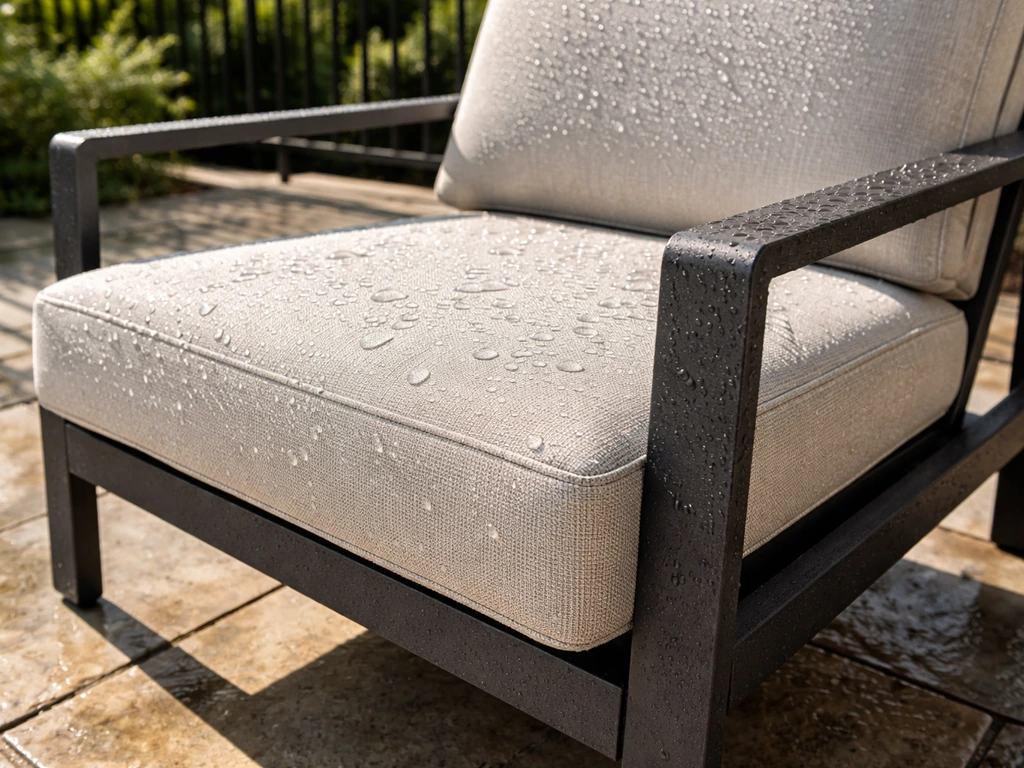
The most weatherproof patio furniture you can buy today is made from powder-coated aluminum frames with solution-dyed acrylic fabric cushions. That combination handles rain, UV, humidity, and temperature swings better than anything else on the market, and it does so without demanding much from you in return. If you want one answer and nothing else, that's it. But if your situation involves salt air, heavy snow loads, or brutal Arizona sun, the details matter, so keep reading.
Best Weatherproof Patio Furniture: What Holds Up Best

Theo Tierney
2 May 2026
How to actually judge 'weather resistant' (cut through the marketing)
Every outdoor furniture brand claims their products are 'weather resistant' or 'all-weather.' That language means almost nothing without specifics. Real weather resistance comes down to four things: UV stability (does the finish or material degrade under prolonged sun exposure?), moisture resistance (does water absorb, pool, or corrode the material?), thermal stability (does it crack, warp, or expand under heat and cold cycles?), and structural integrity over time (do the joints, fasteners, and welds hold up after years of stress?).
When manufacturers back up their claims with actual test data, that's worth paying attention to. blank" rel="noopener noreferrer">Industry standards like ASTM G154 (UV fluorescent lamp exposure) and ASTM G155 (xenon-arc exposure) are the tests that measure color change, fading, and material degradation in accelerated conditions. BIFMA's OF-2025 outdoor furniture whitepaper also lays out accelerated weathering frameworks for structural durability. BIFMA OF-2025 describes an accelerated weathering framework intended to evaluate durability and structural integrity of exterior furnishings blank" rel="noopener noreferrer">OF-2025 outdoor furniture whitepaper. You don't need to memorize those standards, but if a brand can't tell you how they tested their product's weather resistance, treat the claim skeptically. Measurable results beat marketing copy every time.
- Ask for specific UV test results or fade warranties on fabrics (a 1,000-hour or more accelerated test is a meaningful benchmark)
- Look for powder-coat thickness specs on metal (1.5–2.5 mil is typical; thicker is better for coastal or humid climates)
- Check that stainless steel fasteners are used even on aluminum frames (mixed metals accelerate corrosion)
- Confirm frame joints are welded, not just bolted or riveted (welded joints resist racking forces from wind)
- Avoid vague claims like 'weather-treated wood' without knowing what treatment was applied and how often it needs reapplication
The most weather-resistant materials, ranked honestly
Not all outdoor materials are equal. Here's how the main options actually perform when you leave them outside.
Aluminum (the clear winner for frames)
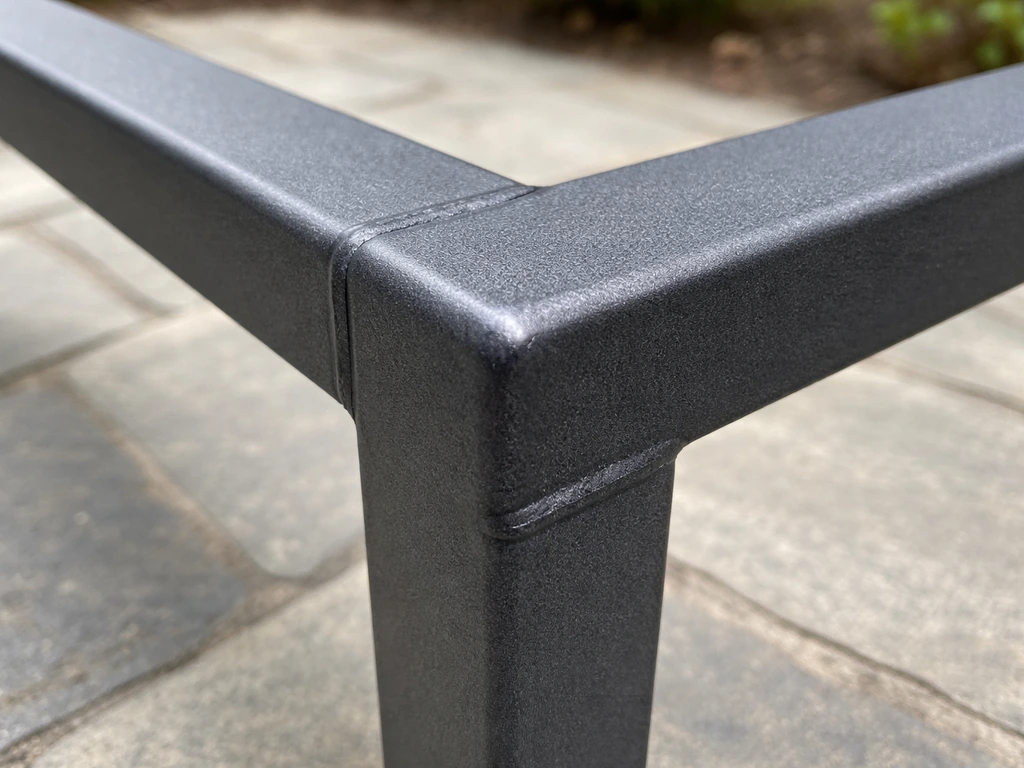
Powder-coated aluminum is the gold standard for outdoor furniture frames. It doesn't rust, it's light enough to move around, and a quality powder coat finish resists UV fading and chipping for a decade or more with basic care. Marine-grade or 6061-series aluminum alloys hold up especially well in humid or coastal conditions. The one weakness is wind: aluminum is light, which is great for moving furniture around but a problem in genuinely windy areas where you need heavier materials or anchor solutions.
Stainless steel and galvanized steel
Grade 316 stainless steel is essentially rust-proof and extremely heavy, which makes it ideal for windy coastal settings. Grade 304 stainless is more common and works well in most climates but can show surface rust in sustained salt environments. Galvanized steel is strong and affordable but can eventually rust at cut edges and welds if the coating chips. For most people, aluminum beats steel on the practicality vs. performance tradeoff, but if you're near the ocean and need furniture that stays put, 316 stainless is worth the cost.
HDPE and composite materials
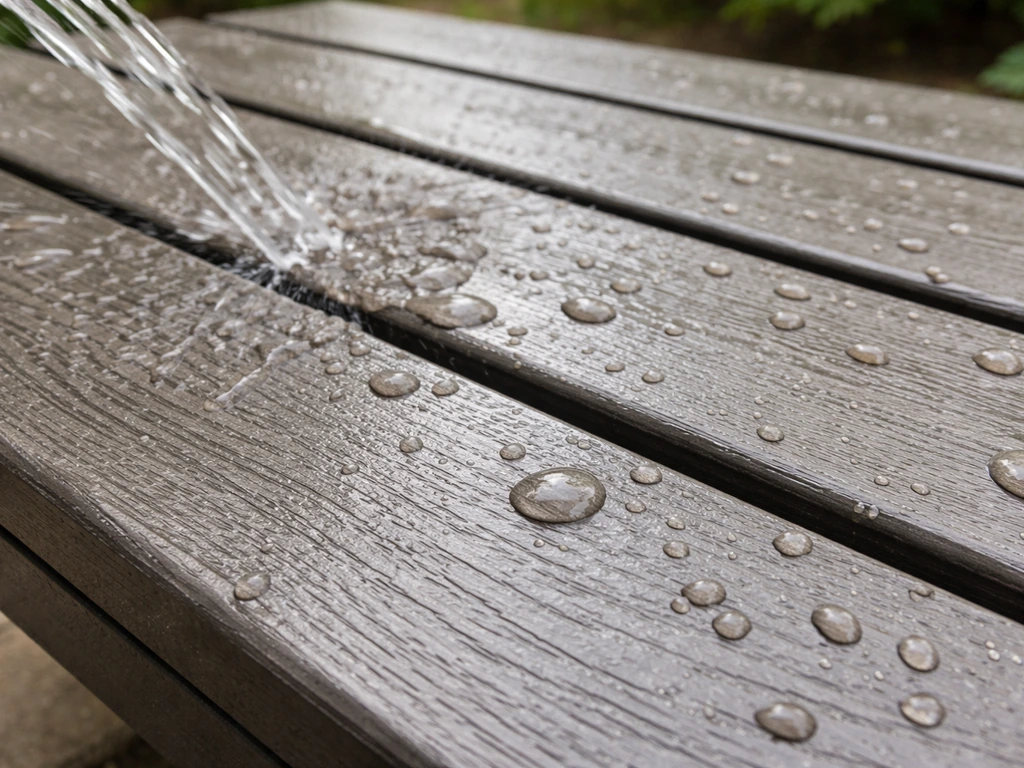
High-density polyethylene (HDPE) lumber, often sold under brand names like Polywood or Trex Outdoor Furniture, is one of the most genuinely low-maintenance materials available. It won't rot, splinter, or absorb moisture, and the color runs through the entire piece so it can't peel. It does fade slightly over many years of intense UV exposure, but quality manufacturers add UV stabilizers that slow this considerably. HDPE is heavy (a plus for stability in wind), and it has a slightly plasticky look that not everyone loves, but for pure weather resistance it's outstanding.
Wood (teak, eucalyptus, and shorea)
Teak is the benchmark for naturally weather-resistant wood. Its high oil and silica content repel moisture, resist insects, and prevent cracking across a wide temperature range. Left untreated, teak weathers to a silver-gray patina that many people find attractive. Eucalyptus and shorea are solid budget alternatives with similar density and oil content. The downsides of wood: it costs more, it needs periodic oiling or sealing if you want to maintain the original color, and it's heavier to move. That said, quality teak furniture routinely lasts 20 to 30 years outdoors with minimal maintenance.
All-weather wicker (resin wicker)
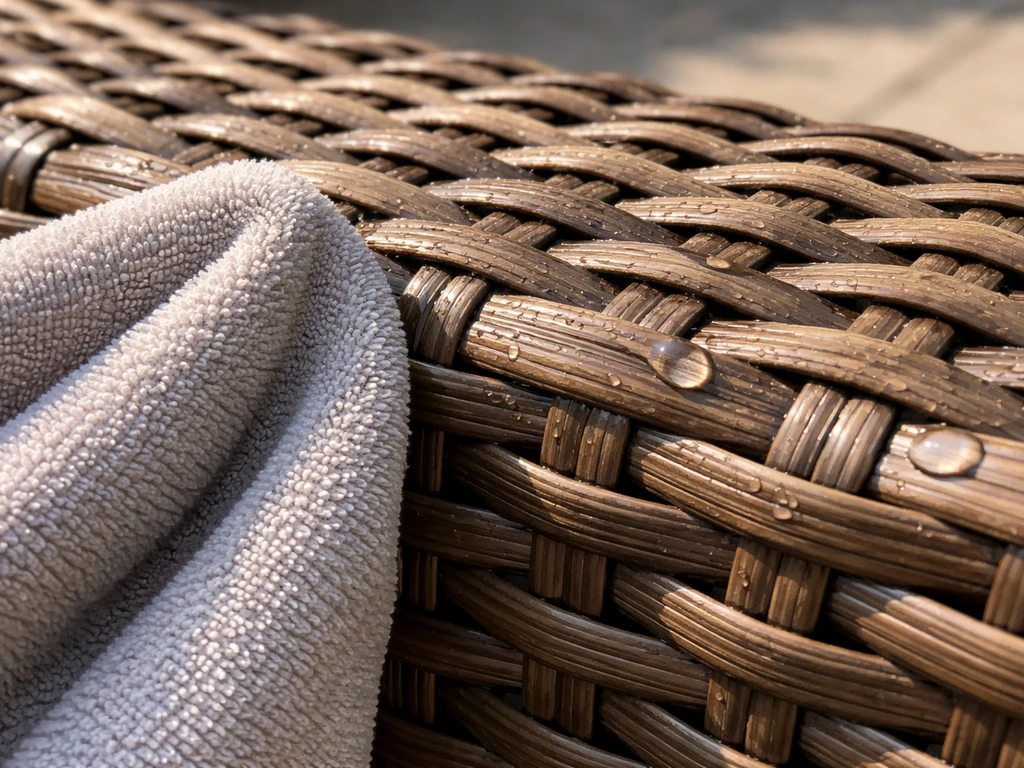
Real wicker is terrible outdoors. It dries out, cracks, and falls apart quickly. 'All-weather wicker' or resin wicker is something entirely different: it's HDPE or polyethylene resin woven over an aluminum frame. Quality resin wicker resists UV, moisture, and temperature swings well. What to watch for: weave tightness (loose weaves unravel faster), the quality of the underlying frame (cheap steel frames rust right through the weave), and UV stabilizers in the resin. Well-made all-weather wicker from brands like Woodard, Brown Jordan, or Keter holds up for 7 to 12 years in most climates.
Cushions and fabrics
Cushions are usually the weakest link in any outdoor furniture set. Even if the frame lasts forever, cheap cushion fabric fades, mildews, and breaks down in a few seasons. The best outdoor fabrics are solution-dyed acrylics like Sunbrella, Outdura, or similar brands. Solution-dyed means the color is embedded throughout the fiber rather than applied on top, so UV can't strip it away. These fabrics also resist mold and mildew, and they can be cleaned aggressively. The foam insert matters too: open-cell, quick-dry outdoor foam dries out after rain instead of staying soggy and growing mildew.
| Material | Rust/Rot Resistance | UV/Fade Resistance | Maintenance Level | Best For |
|---|---|---|---|---|
| Powder-coated aluminum | Excellent | Very good | Low | Most climates, general use |
| 316 Stainless steel | Excellent | Excellent | Low | Coastal/salt air, windy areas |
| HDPE composite | Excellent | Very good (with UV stabilizers) | Very low | Wet climates, zero-maintenance preference |
| Teak wood | Very good | Good (grays naturally) | Low to moderate | All climates, classic look |
| Resin wicker over aluminum | Good (frame-dependent) | Good | Low to moderate | Covered patios, mild climates |
| Solution-dyed acrylic fabric | N/A | Excellent | Low | All cushion applications outdoors |
Best furniture for your specific exposure level
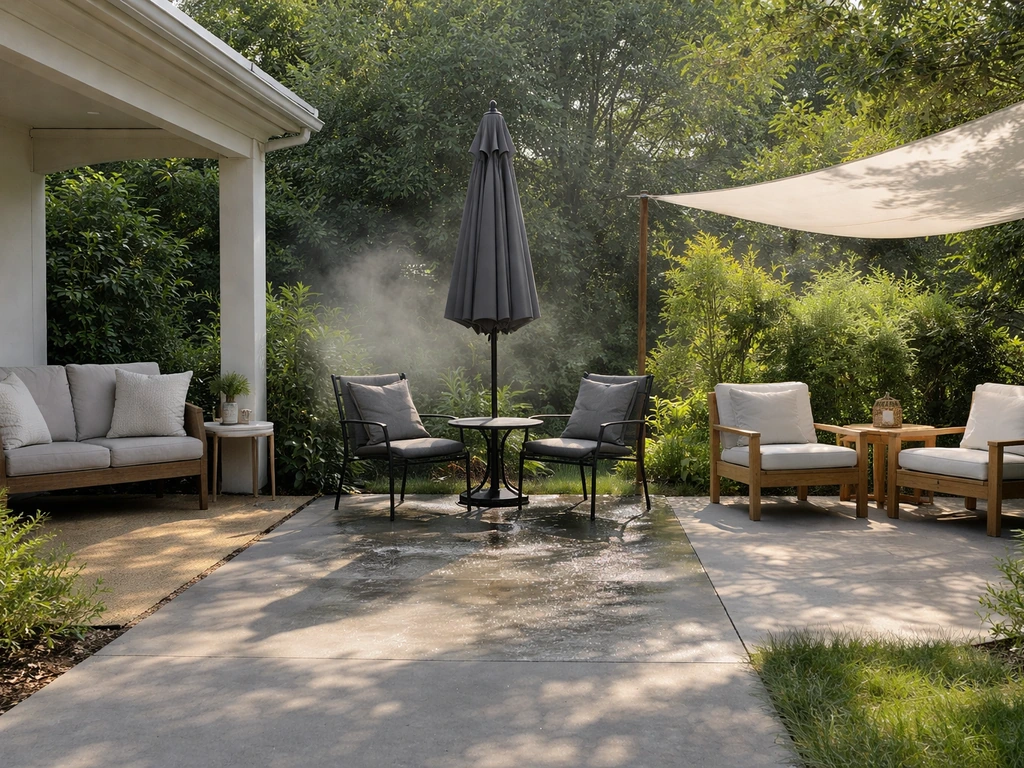
The 'best' material shifts depending on what weather you're actually dealing with. A furniture setup that's perfect for a covered patio in Seattle is different from what works on an open deck in Tampa or a rooftop in Chicago. If you want a hassle-free setup, look for patio furniture no assembly required that arrives ready to use covered patio. Here's how to match material to exposure.
Heavy rain and snow
For climates with serious precipitation and hard winters, your priorities are rust resistance, water drainage, and the ability to survive freeze-thaw cycles. Powder-coated aluminum and HDPE composite are the top choices here. Avoid hollow steel legs (water gets in, freezes, and splits the metal) and any frame with painted-on finishes that chip easily. Sling-style seating (woven mesh stretched across the frame) is ideal because it has no cushion to drag inside and no surface that pools water. If you want cushions, make sure they're removable and have quick-dry foam. If you're in a snowy climate and plan to leave furniture out all winter, HDPE is probably your single best bet because there's genuinely nothing to worry about.
Intense sun and UV exposure
In Arizona, Southern California, Texas, or anywhere with 300+ sunny days a year, UV degradation is your biggest enemy. Powder-coated finishes on aluminum hold up well, but cheap powder coats chalk and fade. Look for high-gloss or thermoset powder coat finishes, which are denser and more UV stable. HDPE with UV stabilizers is another great option. For fabrics, there's no substitute for solution-dyed acrylic: standard polyester outdoor fabric fades noticeably within two seasons in high-UV environments. Teak handles UV well and simply grays out rather than degrading structurally.
Coastal humidity, salt air, and wind
Salt air is brutal on metal. It accelerates oxidation, gets into every joint and fastener, and will rust standard steel furniture in one season if you're close enough to the water. For oceanfront or near-coastal settings, the material hierarchy is: 316 stainless steel or marine-grade aluminum at the top, teak wood and HDPE composite in the middle, and everything else a distant third. Every fastener should be stainless steel, not plated steel. For wind, weight and low profile matter: heavy HDPE or cast aluminum furniture is significantly harder to tip than lightweight tubular aluminum. This overlaps with what to consider for specifically windy areas, where anchoring and furniture weight become primary concerns.
Top picks by product category
Here's how to think about materials when you're shopping specific furniture types, along with what features to prioritize in each category.
Outdoor dining chairs
For dining chairs, powder-coated aluminum with either a sling seat or solution-dyed acrylic cushion seat is the most practical combination. Look for welded frame construction (not just bolted), non-marking feet (rubber or nylon glides prevent rust staining on concrete), and stackability if storage space is limited. Brands like Brown Jordan, Telescope Casual, and Woodard have solid track records in this category. For budget shoppers, Polywood's dining chairs offer genuine durability with HDPE construction at a lower price than premium aluminum.
Outdoor dining sets
A dining set is one of the higher-investment outdoor purchases, so material quality matters even more here. For the table, look for either powder-coated aluminum with a tempered glass, concrete, or teak slat top. Glass breaks but doesn't degrade; concrete is nearly indestructible but heavy; teak slats allow water to drain and look beautiful. Avoid resin tabletops in high-UV climates; they yellow and get brittle. The chair frames should match or complement the table frame metal to avoid galvanic corrosion at contact points.
Outdoor sectionals
Sectionals are the trickiest category for weather resistance because they almost always rely on cushions for comfort, and the cushion volume is large. Frame quality is critical: powder-coated aluminum or all-weather wicker over aluminum are the right choices. For the cushions, don't compromise. If the set comes with standard polyester cushions and you're in a wet or high-UV climate, budget for a cushion upgrade to Sunbrella or equivalent. Quick-dry foam inserts (look for open-cell or reticulated foam) are non-negotiable for any sectional that will stay outside in the rain.
Chaise loungers
Pool-side and deck loungers get arguably the harshest treatment: wet swimsuits, sunscreen, pool chemicals, and direct sun for hours. Sling-style aluminum chaise loungers are the most practical option because the sling fabric dries fast and there's no cushion to manage. If you want cushion comfort, go with solution-dyed acrylic and quick-dry foam. For structure, look for heavy-gauge aluminum tubing (3/4 inch or larger) and welded, not bolted, leg joints. Adjustable backrests should lock positively, not rely on a single bolt that loosens over time.
Weatherproof cushions and fabrics: what actually matters
This is the section most buying guides skip, and it's the one that will make or break your experience after year one. Even the best outdoor frames will outlast two or three rounds of cheap cushions if you don't pay attention to fabric quality upfront.
Solution-dyed acrylic is the clear standard for outdoor fabric. Sunbrella is the most recognized brand, but Outdura, Tempotest, and Recacril make equally high-quality alternatives. The key is that 'solution-dyed' means pigment is locked into each fiber during manufacturing, not applied as a surface coating. UV light can't strip away color that's part of the fiber itself. These fabrics also resist mold and mildew because acrylic doesn't absorb water the same way cotton or polyester does.
Polyester outdoor fabrics, even those labeled 'UV resistant,' degrade faster. They can be treated with DWR (durable water repellent) coatings that make water bead up initially, but those coatings wash out over time. In a low-sun, low-humidity environment, treated polyester can last 3 to 4 seasons. In Florida or the desert Southwest, expect 1 to 2 seasons before noticeable fading.
The foam insert inside the cushion cover matters as much as the fabric. Standard upholstery foam stays wet for days after rain and becomes a mold and mildew breeding ground. Open-cell outdoor foam or reticulated (filter) foam drains and dries in hours. Some manufacturers use a wrapped polyester fill instead of foam, which dries quickly but compresses over time. For long-term comfort and hygiene, open-cell outdoor foam wrapped in a polyester fiber layer is the best combination.
- Always choose solution-dyed acrylic (Sunbrella or equivalent) for cushion fabric in full-sun or wet climates
- Confirm cushion inserts use open-cell or quick-dry outdoor foam, not standard upholstery foam
- Look for removable, zippered covers so you can wash the fabric and replace inserts separately
- Check that cushion piping and zippers are UV-stabilized; cheap plastic zippers crack and fail in sun
- Store cushions in a weatherproof deck box or bring them inside during extended periods of non-use
Maintenance and seasonal care that actually extends furniture life
Even the most weatherproof furniture benefits from basic maintenance. This isn't about being fussy; it's about protecting a real investment. The difference between furniture that lasts 5 years and furniture that lasts 15 years is usually a handful of hours of maintenance spread across those years.
Aluminum and metal frames
Rinse aluminum furniture with fresh water a few times per season to remove salt, pollen, and grime that trap moisture against the finish. For powder-coated frames, a mild soap and water wash once or twice a year keeps the finish from degrading. If you see any chips or scratches in the powder coat, touch them up immediately with a matching touch-up paint or clear coat to prevent corrosion starting at the exposed metal. Wipe down stainless steel with a microfiber cloth and a stainless cleaner annually to remove any surface oxidation before it becomes a problem.
Wood furniture
Teak and similar dense woods need minimal maintenance if you're comfortable with the natural gray patina. If you want to maintain the golden-brown color, apply a teak sealer or teak oil once or twice a year after cleaning with a teak cleaner. Don't over-oil; too much oil application can actually cause surface staining and mildew. For any outdoor wood, keep an eye on joints and fasteners. Stainless fasteners shouldn't be a problem, but any standard steel screws will rust and stain the wood surface within a season or two.
Resin wicker and HDPE
Both resin wicker and HDPE are genuinely low-effort. A hose-down and mild soap wash once or twice a season is usually all they need. For HDPE, if surface oxidation occurs after years of sun exposure, a light sanding with 220-grit sandpaper followed by a plastic UV protectant like 303 Aerospace Protectant restores the surface. For resin wicker, check the weave annually for any unraveling strands at stress points (corners and armrests are most vulnerable) and trim any loose ends before they pull further.
Cushions and fabrics
Solution-dyed acrylic fabric can be cleaned with a solution of 1/4 cup mild dish soap and 1/4 cup bleach per gallon of water. Let it soak on the fabric for 15 minutes, scrub gently, and rinse thoroughly. This kills mildew without damaging the acrylic fiber. Store cushions in a deck box or breathable storage bag during extended rain or when not in use for more than a week or two. Compressing cushions in airtight bags over winter can flatten the foam; a breathable cover or deck box is better for long-term storage.
Seasonal storage and covers
The honest answer on winter storage is that it depends on your climate and your material. Aluminum, HDPE, teak, and stainless steel can technically be left outside year-round in most climates, though covering them extends their life noticeably. Furniture that can be left outside through winter is a real category worth exploring if you're in a snowy climate and want to skip the storage hassle. If you do cover furniture, use breathable covers, not plastic tarps. Plastic tarps trap moisture underneath and create exactly the mold and condensation environment you're trying to avoid. Look for polyester covers with ventilation panels and a secure tie system to prevent them from blowing off in wind.
At minimum, bring cushions inside or into a deck box before winter. Clean all frames before storage or covering so you're not trapping grime against the finish for months. Tighten any bolts or fasteners in the fall since thermal cycling through summer loosens them over time. That's a 30-minute once-a-year task that prevents joint wobble and structural loosening down the line.
FAQ
What should I look for if a brand only says “weather resistant” but won’t share testing details?
Treat vague claims as a red flag and focus on specifics you can verify, like whether the finish is powder-coated (and what type), whether cushions are solution-dyed acrylic, and whether frames use stainless or corrosion-resistant fasteners. If they do not describe durability outcomes or testing approach at all, assume marketing rather than proven weather performance.
Are powder-coated aluminum frames truly rust-proof, or can they fail?
They are highly corrosion-resistant, but they can still rust at damaged spots. Chips, scratches, and holes where water reaches bare aluminum are the usual failure points, especially near joints and screws. The practical fix is quick touch-up of any coating damage before corrosion spreads.
How do I choose weatherproof patio furniture for windy areas beyond just using heavier materials?
Use weight plus stability design. Look for furniture with wider feet, lower center of gravity, and non-marking glides that do not lift on uneven surfaces. In extreme wind, anchoring should be part of the plan, especially for dining tables and large lounge sets with umbrella cutouts or tall backs.
Is “all-weather wicker” actually weatherproof?
Only if it is resin wicker over a corrosion-resistant frame. The wicker strands themselves may resist UV and moisture, but a cheap underlying frame can rust and collapse the weave over time. Confirm the frame material (ideally aluminum) and check that the resin is UV-stabilized, not just “painted” or loosely labeled.
Can I leave cushions outside year-round if the fabric is solution-dyed acrylic?
It’s still not ideal, because foam can retain moisture and seams can collect debris. In most climates, bring cushions into covered storage during prolonged rain or long winter periods, even if the fabric resists fading and mildew. If you must leave them out, use a deck box or ventilated cover and make sure the cushion is fully dry first.
What’s the biggest mistake people make when buying the “best weatherproof patio furniture”?
They judge durability by the frame alone and ignore cushion internals. Polyester cushions and slow-drying foam are a common early-failure point, even on excellent aluminum frames. Prioritize open-cell, quick-dry foam and removable covers if rain exposure is frequent.
How can I tell whether a cushion is likely to mildew quickly after rain?
Look for open-cell or reticulated quick-dry foam, and avoid dense upholstery foam that stays wet for long periods. Also check whether the cushion design allows water to drain, and whether covers unzip for cleaning. If the manufacturer does not mention quick-dry foam or drainage behavior, assume you will have more drying time than you want.
Is teak actually “maintenance-free” in harsh weather?
It is low-maintenance, not zero-maintenance. Teak can gray gracefully without special treatment, but if you want to preserve the original color you’ll need periodic cleaning and a sealer or teak oil. Also confirm that the fasteners are corrosion-resistant, because standard steel screws can stain and degrade the surrounding wood.
Should I avoid plastic tarps for winter cover?
Yes, in most situations. Plastic tarps trap moisture and limit airflow, which increases condensation and mildew risk. Use breathable covers with ventilation panels, or a deck box, and ensure everything is dry before covering.
Do I need to rinse patio furniture differently in salt air versus inland climates?
Yes. In coastal settings, salt residue accelerates corrosion at joints and fasteners. Rinse aluminum and stainless more frequently (often after windy saltstorms or at least a few times per season) to remove salt, pollen, and grime that hold moisture against metal.
Next Articles
Common Patio Furniture Wood: Best Choices, Care & Tips
Compare common patio furniture wood types, teak, cedar, redwood, oak, with durability, finishes, and care tips.
Best Wood Patio Stain: Choosing Durable, Low-VOC Finishes
Compare and choose the best wood patio stain: durability, finish, climate tips, prep, and top product picks.
Common Patio Furniture Wood: Teak, Cedar, Redwood and More
Compare common patio woods like teak cedar redwood and pressure-treated: durability, quality checks, and care for long l