
Patio furniture labeled "no assembly required" means the pieces arrive fully built and ready to place on your patio. You unbox, wipe off any packaging residue, position the furniture, and you're done. That said, there are a few realistic exceptions: some sets ship with legs folded or detached for safety during transit, gliders may need a quick snap-in connection, and the coffee table in an otherwise pre-assembled conversation set occasionally requires a few screws. The seating itself almost always arrives ready to use. Knowing exactly what to expect, and choosing the right material for your climate, is what turns a simple purchase into furniture that still looks good three summers from now.
Patio Furniture No Assembly Required: Buyer Guide

Theo Tierney
13 May 2026
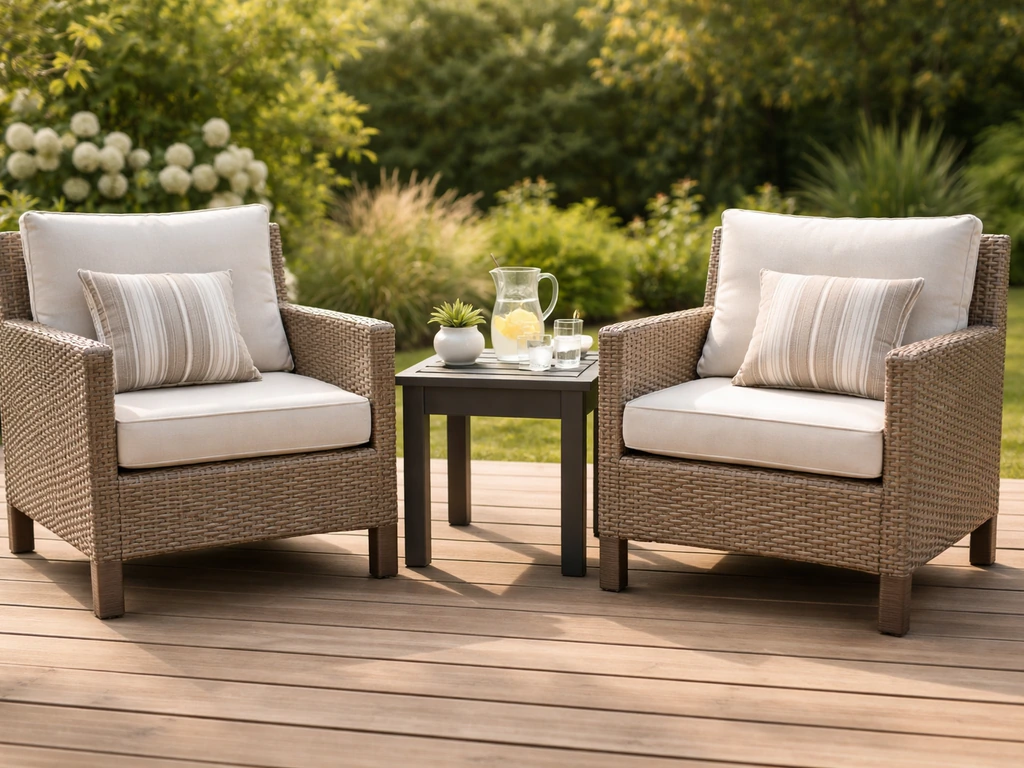
What 'No Assembly Required' actually means in practice
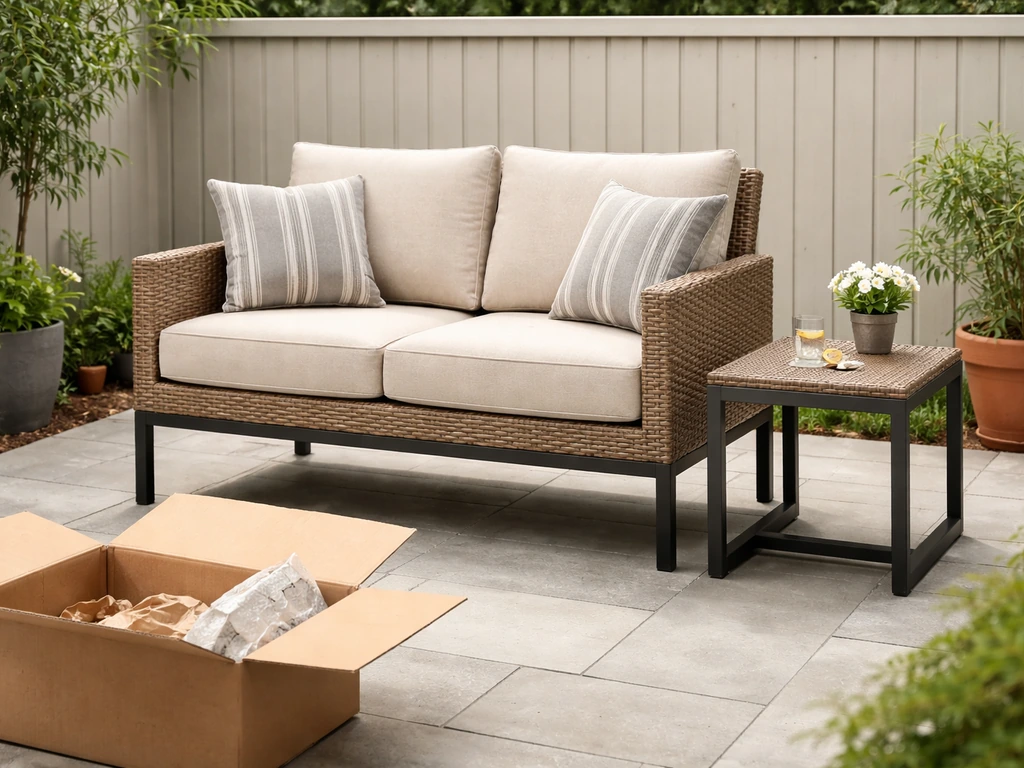
When a retailer like The Home Depot or Wayfair applies a "No Assembly Required" filter to a product, it generally means the item ships fully assembled and is ready for use out of the box. Your job is unpacking, wiping it down, and placing it where you want it. That's the promise, and most of the time it holds.
The exceptions are small but worth knowing before delivery day. Manufacturers sometimes remove legs, fold frames, or leave minor components unattached to prevent damage in transit. In these cases you might need to screw in two to four legs or click a folding frame into its open position. Leveling feet, which are small threaded adjusters under each leg, may need a quick turn to stabilize the piece on an uneven surface. Some sets also include anchoring hardware if you're placing furniture on a deck. None of this is "assembly" in any meaningful sense, but it's not zero effort either.
The practical takeaway: read the product description carefully. Look for language like "fully assembled and ready for use out of the box" rather than just a checkbox label. POLYWOOD, for example, explicitly states that some of their chairs and benches unfold right out of the box. If the listing mentions that the coffee table or side table "does require simple assembly" while the seating does not, that's honest product copy and worth accepting since the seating is the heavy lifting anyway.
Best materials for zero-assembly patio sets
Fully assembled furniture skips the build, but you still have to choose a material that holds up in your specific climate. Choosing the best all weather patio furniture for your climate helps you avoid constant replacement and upkeep. Here's an honest breakdown of the five main options.
Powder-coated aluminum
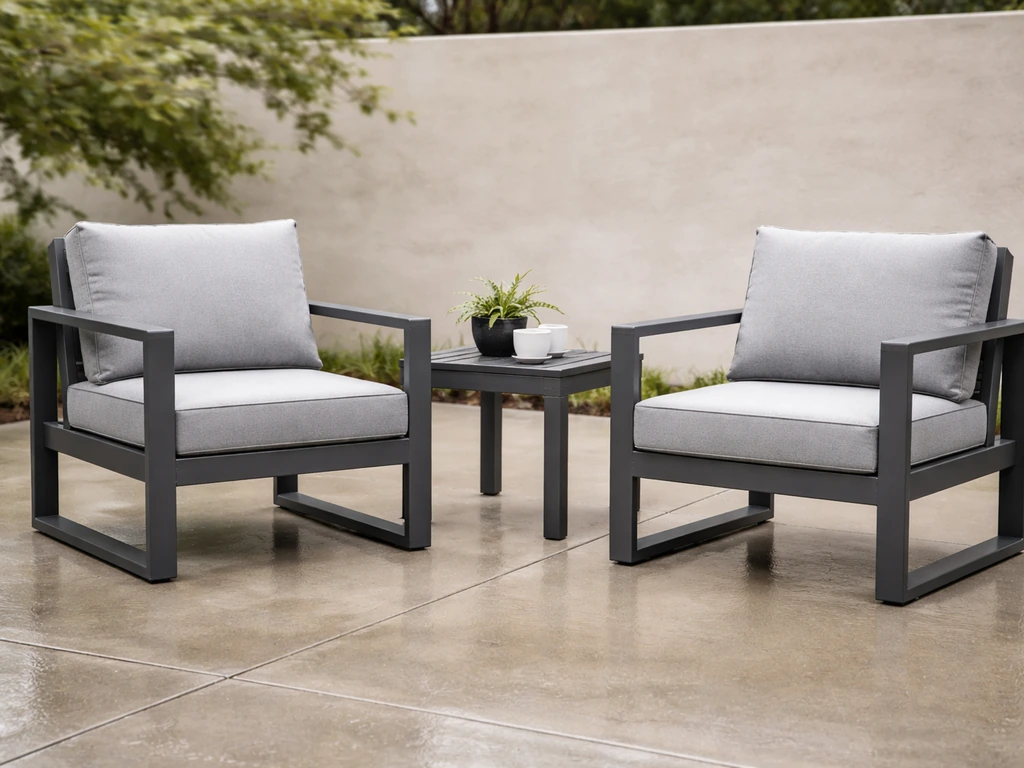
This is the most versatile all-around choice. Aluminum is lightweight enough to move around easily, genuinely rust-resistant, and holds up well in high winds, which matters more than most people realize until a storm hits. The powder-coat finish adds UV and moisture protection. One real-world note: if you're within a mile or two of saltwater, check the warranty language carefully, because some manufacturers carve out coastal environments from finish guarantees. For most inland climates, hot or cold, powder-coated aluminum is a set-it-and-forget-it material that earns its price.
All-weather resin wicker (HDPE)
"Wicker" is a weaving style, not a material, and that distinction matters enormously outdoors. Natural rattan wicker dries out, becomes brittle in sun and wind, and rots when it gets wet. What you want is synthetic resin wicker, typically made from high-density polyethylene (HDPE) or a similar polymer. HDPE resin wicker resists moisture, stains, mildew, and insects without any special treatment. It's the material behind most of the conversation sets you see in fully-assembled patio categories. Paired with a powder-coated aluminum frame, it's one of the most practical combinations available.
HDPE lumber (Polywood-style)
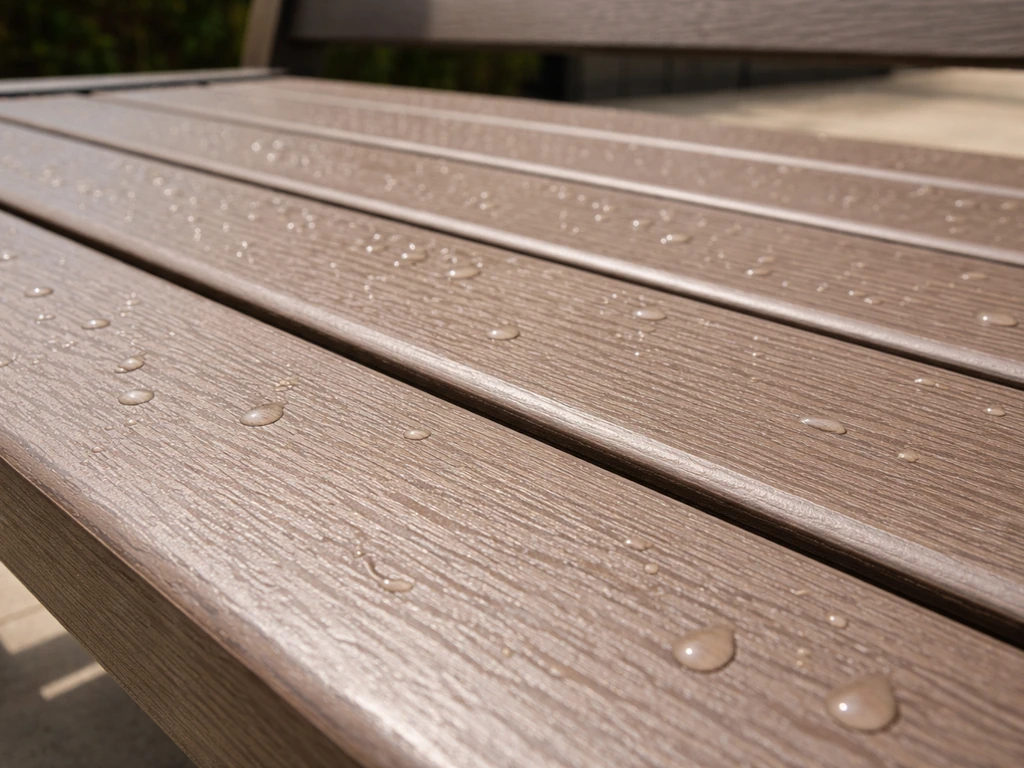
High-density polyethylene boards molded to look like wood are genuinely low maintenance. They won't rot, splinter, or need staining, and they handle freeze-thaw cycles better than most materials. POLYWOOD specifically markets their products on minimal assembly, with some pieces unfolding straight out of the box. The trade-off is aesthetics: if you want the real warmth of wood grain, HDPE looks like a convincing substitute to some people and an obvious plastic to others. For anyone in a humid climate like the Southeast or Pacific Northwest, the durability-to-maintenance ratio is hard to beat.
Steel and cast iron
Steel and cast iron furniture arrives heavy and fully formed. The weight is actually a benefit in windy areas since these pieces don't blow around. The downside is rust: powder-coated or galvanized steel resists it for years, but any chip or scratch in the coating is a vulnerability. Cast iron is especially prone to rust at contact points where the finish wears. These materials work well in dry climates, but if you're in Florida, the Gulf Coast, or anywhere with year-round humidity, you'll spend more time maintaining steel than you would aluminum or HDPE.
Natural wood
Teak, eucalyptus, and acacia are the common choices for fully assembled wood outdoor furniture. Teak has natural oils that make it inherently weather-resistant and it's the most forgiving of the wood options. Eucalyptus and acacia are budget-friendly but need annual oiling to stay in good condition. Wood furniture that arrives "no assembly required" is typically a bench, Adirondack chair, or side table where the piece ships as a single unit. Full dining sets in wood usually require at least leg attachment. If you love the look and are willing to do a simple annual oil treatment, hardwood outdoor furniture lasts decades. If you're not into maintenance, pick something else.
| Material | Weather Resistance | Weight | Maintenance Level | Best For |
|---|---|---|---|---|
| Powder-coated aluminum | Excellent (all climates) | Light | Low | Most climates, windy areas |
| HDPE resin wicker | Excellent (humidity, rain) | Medium | Low | Humid/coastal, conversation sets |
| HDPE lumber (Polywood-style) | Excellent (freeze-thaw, UV) | Medium-heavy | Very low | Cold climates, minimal-care buyers |
| Powder-coated steel/cast iron | Good (dry climates) | Heavy | Medium | Dry climates, windy areas |
| Hardwood (teak, eucalyptus) | Good to excellent (with care) | Heavy | Medium | Traditional aesthetic, long-term investment |
Choosing the right size, style, and layout without assembling first
One advantage of no-assembly furniture is that you can place it immediately and rearrange easily on delivery day. That said, getting the sizing right before you order saves you a return. Here's how to approach it practically.
Measure your space before you shop
Before ordering, grab a tape measure and a few rolls of painter's tape. Mark the footprint of each piece on your patio surface. This sounds overly simple but it genuinely prevents the most common mistake: buying a set that technically fits the patio dimensions but leaves no room to move. For a dining table, plan for at least 36 inches of clearance on all sides so people can pull chairs out and walk past comfortably. In high-traffic areas, 36 to 40 inches is even better; in a more intimate corner spot with low traffic, 24 inches can work. For a conversation set, the coffee table should sit roughly 18 to 24 inches from the seating for a comfortable reach without leaning forward.
Dining set sizing by seat count
Allow about 24 to 30 inches of table edge per person for comfortable outdoor dining. A 60-inch round table seats four comfortably; a 72-inch rectangular table handles six. If you're buying a pre-assembled dining set, most arrive with the table top attached and just need leg installation, so measure the table dimensions in the product listing and add your clearance distances to get the total patio space required.
Conversation vs. dining layout
Conversation sets (a sofa, two chairs, and a coffee table) are the most common fully-assembled patio grouping and work well on square or moderately rectangular patios. Dining sets need more linear space. If your patio is narrow, a bistro set (two chairs and a small round table) arriving fully assembled is a cleaner fit than cramming in a four-piece dining set. For very large patios, consider sectional conversation sets, which often ship in pre-built pieces you connect end-to-end without tools.
Style considerations
Zero-assembly furniture tends to lean toward casual and contemporary styling simply because traditional ornate designs usually require more structural connections during manufacturing. If you want a more classic look, cast iron bistro sets and teak benches arrive fully assembled and bring more visual weight. If modern or coastal casual is the goal, HDPE resin wicker sets in neutral tones are widely available fully assembled and photograph well without needing any staging.
Weather resistance, durability, and storage
The ease of setup doesn't change what weather does to outdoor furniture over time. Cover your furniture when it's not in use, especially if it's sitting on an uncovered patio. A breathable furniture cover prevents mildew buildup, slows UV fading, and keeps rust from forming at joints on metal frames. This is the single highest-return maintenance habit you can build.
For cold-weather climates, bring cushions inside before the first freeze and store the frames somewhere sheltered if possible. HDPE and aluminum handle freeze-thaw cycles well, but repeated ice expansion in joints can eventually loosen connections. Wood furniture especially benefits from being moved under cover or into a garage during winter months. If you're choosing furniture specifically for year-round outdoor exposure, the topics of weatherproofing and what materials can genuinely stay outside all winter are worth researching in depth, since the material choice matters as much as the storage decision. When you choose the best weatherproof patio furniture, the right combination of materials and storage habits is what keeps everything looking good season after season.
In high-wind environments, weight and low center of gravity matter. Aluminum conversation sets with wide bases and cast iron bistro tables stay put better than lightweight resin chairs, which can scatter across a patio in a strong gust. If your patio is consistently exposed to wind, either choose heavier materials or stake/anchor the furniture using the hardware that some manufacturers include with fully-assembled sets.
For coastal homes dealing with salt air, aluminum is significantly more corrosion-resistant than steel, and HDPE products are completely immune to salt corrosion. Any bare metal hardware, screws, or connection points on otherwise corrosion-resistant frames are still vulnerabilities in salt-air climates. Rinse metal frames with fresh water after storms.
What to check when your furniture is delivered
Fully assembled furniture arrives in large, heavy boxes. Don't let the delivery driver leave before you've done a basic inspection. Most damage policies require claims to be reported within 48 hours of delivery, and some require you to note damage on the delivery receipt before the driver leaves. That window closes fast.
- Inspect the outer packaging for obvious damage before signing anything. If boxes are crushed or punctured, note "Damage: Further Inspection Required" on the delivery receipt.
- Open each box and check for cracks, bent frames, broken welds, and scratched finishes. For sets with glass tabletops, inspect glass surfaces carefully for chips, cracks, and edge damage before moving the piece.
- Check frame joints and legs for rust spots or cracks. On wicker sets, look for loose or broken strands near the joints where stress concentrates.
- Do a simple stability test: place the piece on a level surface, put a glass of water on the table or seat surface, and press lightly on the frame. The water shouldn't slosh significantly. A wobbly frame on delivery isn't going to get better with use.
- Confirm leveling feet are present under each leg if the product includes them, and adjust them so the piece doesn't rock on your patio surface.
- Check that all cushions, covers, and hardware-less connections are accounted for and undamaged. Photograph everything before reporting any issues.
If something is wrong, contact the retailer immediately with your photos. Most reputable brands will ship replacement parts or full replacement pieces within their return/exchange window. Waiting even a few days risks putting you outside the claim period.
Maintenance and care by material
"No assembly required" does not mean "no maintenance required." The good news is that the right material in the right climate needs very little ongoing attention. Here's what each material actually needs.
Powder-coated aluminum
Clean with mild dish soap and warm water using a soft cloth or non-abrasive sponge. Do this a few times per season and after storms. Avoid abrasive cleaners, scouring pads, and pressure washers; they will scratch and erode the powder-coat finish, which is the primary protection against corrosion. A few times a year, apply a non-abrasive, silicone-free car or marine wax to repel dirt and water. This one step adds years to the finish life. If you notice any chips in the coating, touch them up with a matching powder-coat spray or exterior metal paint to stop rust before it starts.
HDPE resin wicker
Rinse the weave with a garden hose to clear out dust, pollen, and debris caught in the strands. For a deeper clean, use a soft brush with mild soap and water, scrubbing gently along the weave direction, then rinse thoroughly. If mildew develops in humid conditions, a diluted white vinegar solution applied with a brush and rinsed off handles most cases. The frame underneath is typically powder-coated aluminum, so apply the same wax treatment to exposed frame sections. Resin wicker doesn't need sealing or oiling.
HDPE lumber (Polywood-style)
HDPE boards are low-drama. Soap, water, and a brush handle almost any cleaning task. The material doesn't absorb water or stain easily, so most grime sits on the surface. For stubborn mildew, a diluted bleach solution works without damaging the material, which is one advantage HDPE has over natural wood. No oiling, no sealing, no annual treatment required.
Steel and cast iron
Mild soap and water for regular cleaning, same as aluminum, but the rust vigilance needs to be higher. Inspect contact points, joints, and any area where the finish shows wear at the start and end of each season. Sand rust spots down to bare metal, apply a rust-inhibiting primer, and repaint with exterior metal paint. In humid climates, doing this annually is realistic maintenance, not an edge case. A light coat of paste wax on clean, dry surfaces adds a useful moisture barrier.
Hardwood (teak, eucalyptus, acacia)
Teak has enough natural oil to be left untreated if you're happy with it weathering to a silver-gray patina. If you want to maintain the original honey-brown color, apply teak oil or a dedicated teak sealer once a year after a thorough cleaning. Eucalyptus and acacia need that annual oiling regardless; skipping it leads to cracking and splitting within a few seasons. For all hardwoods, clean with mild soapy water and a soft brush, rinse well, and let dry completely before applying any oil or sealer. Never use a pressure washer on wood; it raises the grain and opens the surface to moisture damage.
Cushions and fabric
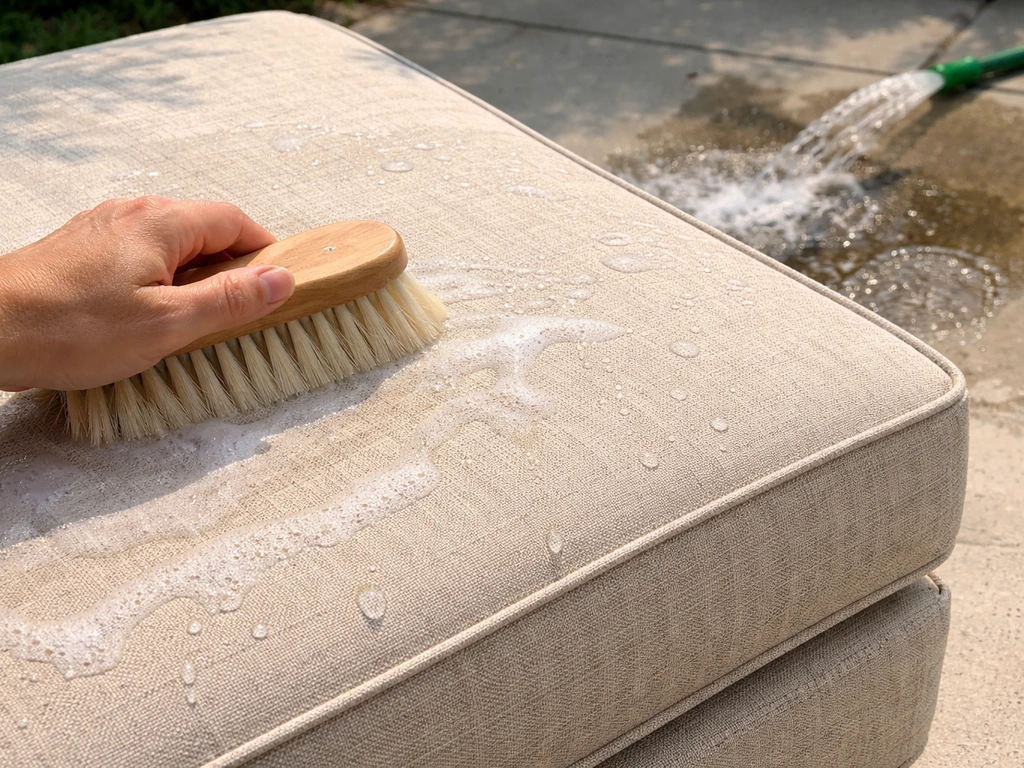
Most fully-assembled outdoor sets come with cushions covered in solution-dyed acrylic fabric (Sunbrella is the most recognized brand, but similar fabrics appear under various names). These fabrics resist fading and mildew better than standard outdoor polyester, but they're not immune. For mold and mildew, a solution of one cup bleach and one-quarter cup mild soap per gallon of water, applied with a soft brush and rinsed thoroughly, removes most staining without damaging the fabric. Sunbrella’s SGS care and cleaning guidance also covers mold and mildew removal, including use of Sunbrella Renew Mold & Mildew stain remover and retreatment instructions solution of one cup bleach and one-quarter cup mild soap per gallon of water. Rinse and let cushions air-dry completely in the sun before storing or recovering. During heavy rain or when furniture isn't in use for extended periods, store cushions in a dry, covered area or use a cushion storage box. This simple habit prevents the majority of cushion deterioration.
FAQ
If a set says no assembly required, do I still need to inspect anything before using it?
Sometimes “no assembly” still means you must do quick checks before using it. Look for loose connections like a folded frame that clicks fully open, legs that may be unthreaded for shipment, or feet levelers that are packed in place. Give every leg a hand check and confirm the furniture sits flat on the floor before taking it outside.
Can “no assembly required” still include small steps like attaching legs or tabletops?
Yes, because labels can be inconsistent across retailers. “No assembly required” usually applies to the main seating unit and often the coffee table top, but side tables and some glass-topped tables may include brackets, hardware, or an attachment step. Verify in the item’s details whether it says “fully assembled” versus “requires simple assembly,” especially for tables and umbrella bases.
Is it safe to move patio furniture right after delivery if it’s truly fully assembled?
You can, but it depends on what was left partially disconnected for transit. Move the furniture with two people when possible, keep it upright to avoid stressing joints, and avoid pulling on cushions or fabric covers as handles. If a piece ships with leveling feet, do not crank them immediately on an uneven move, set it down first, then level on the final patio spot.
Does “no assembly required” change warranty coverage if something arrives damaged or corrodes early?
Typically yes, but don’t expect blanket coverage. Many warranty exclusions focus on damage from improper use, coastal salt exposure, or normal wear to coatings, especially at scratches and chips. Read the warranty language for corrosion and finish coverage, and keep a photo log of the item after delivery in case a claim is needed.
What should I do if my no-assembly patio furniture feels wobbly or uneven?
If it arrives wobbly, the fix is usually leveling, not tightening “mystery screws.” Start by checking that all feet are fully down, then adjust threaded levelers so the furniture rocks less. For metal frames, stop if you see coating damage at a joint, because you may need touch-up rather than continued adjustment.
What photos should I take on delivery day to protect a return or damage claim?
Most of the time, warranty and return claims are based on condition at delivery. Take photos before and immediately after unboxing, including close-ups of corners, legs, and any hardware areas. If damage is visible, note it on the delivery receipt (if your retailer requires it) and contact the retailer right away with your photos.
What should I check specifically for cushions when buying patio furniture no assembly required?
Cushions are usually the weak point for “no assembly” sets. Check that cushion covers are fully closed and that the cushions are completely dry before storage, especially after unboxing if the boxes were exposed to humidity. If you see mildew at arrival, ask for replacement cushions rather than trying to “clean later,” because trapped mildew can return.
Do I ever need tools or anchoring for fully assembled patio furniture?
Yes, some pieces may ship in large boxes that are heavy enough to require additional manpower. Also, “no assembly” does not always mean “no installation.” For certain decks or anchored sets, you may need to use included anchors or hardware to secure the furniture, especially in wind-exposed areas.
If my set includes a glass tabletop, is that still covered by “no assembly required”?
Be careful with glass and removable table components. Even when the seating is ready, the coffee table or dining table may include a glass top or protective packaging that must be installed or seated correctly. If the listing mentions glass, confirm how it attaches and whether any adhesive pads or brackets are included.
What placement mistake causes the most returns for patio furniture no assembly required?
Not usually. “No assembly required” mainly means no build, but placement still needs clearance planning so chairs can pull out and people can walk. Use painter’s tape to mark footprints, then add clearance around high-traffic paths (often more than you think for dining). Buying based on exact footprint without clearance is the most common reason people regret the purchase.
Next Articles
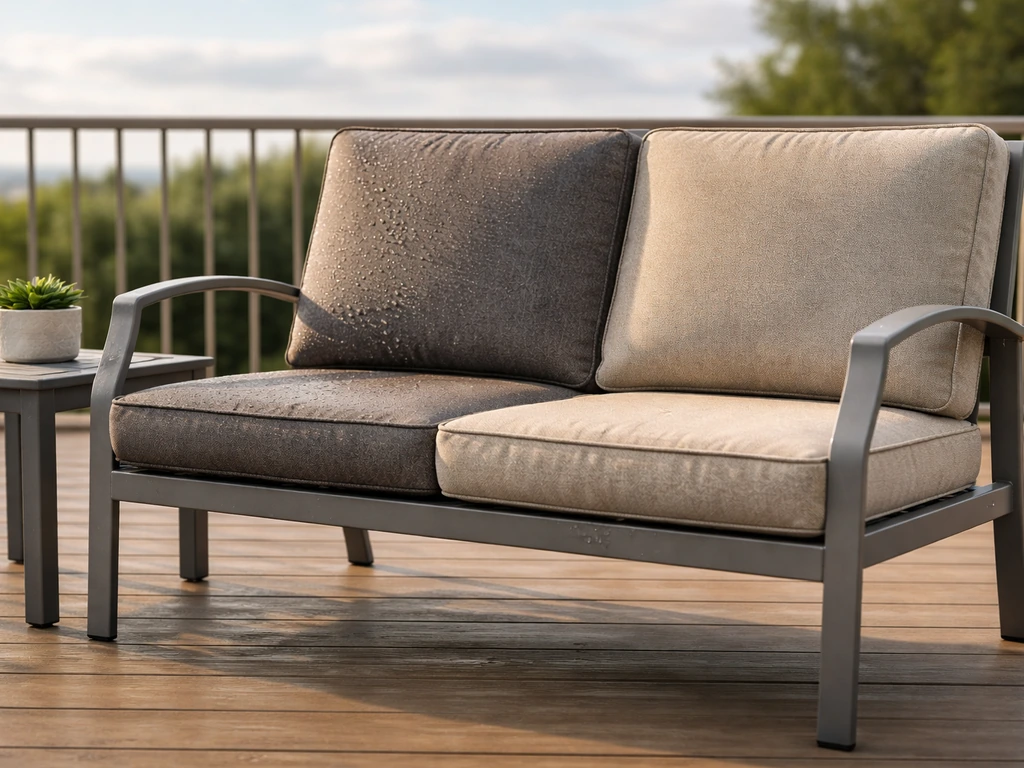
Best All Weather Patio Furniture: What to Buy Today
Best all-weather patio furniture picks by climate and materials, plus real buying tips and maintenance to prevent rust a
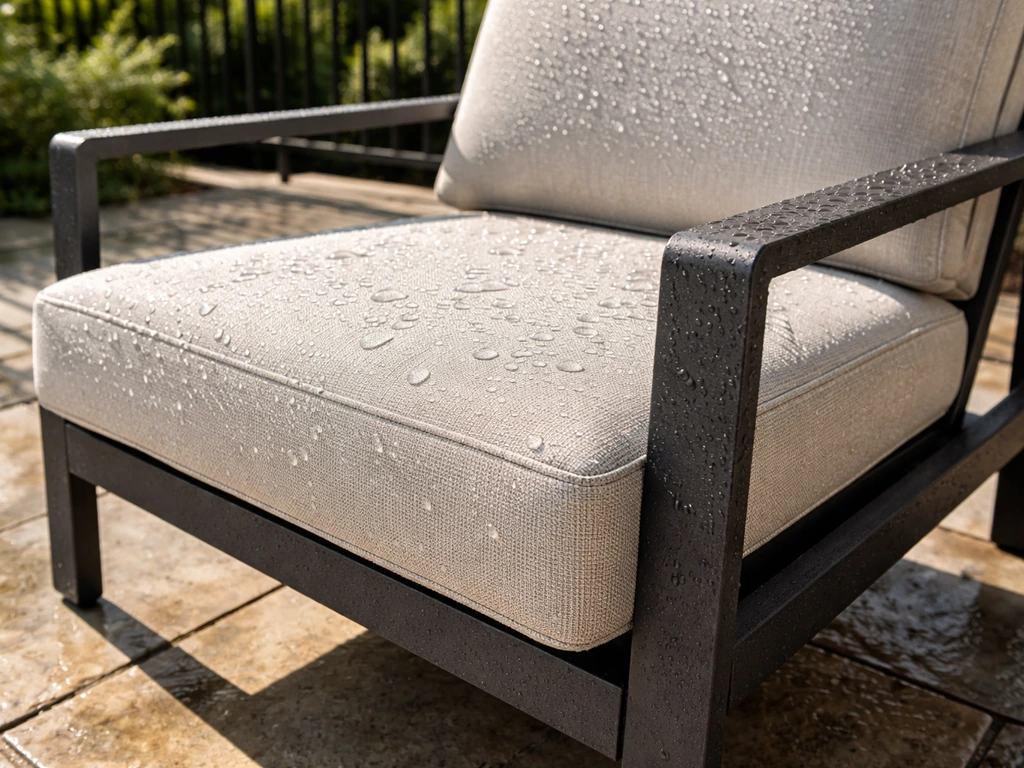
Best Weatherproof Patio Furniture: What Holds Up Best
Best weatherproof patio furniture picks by material and construction, plus what to look for in UV, rain, and coastal hum
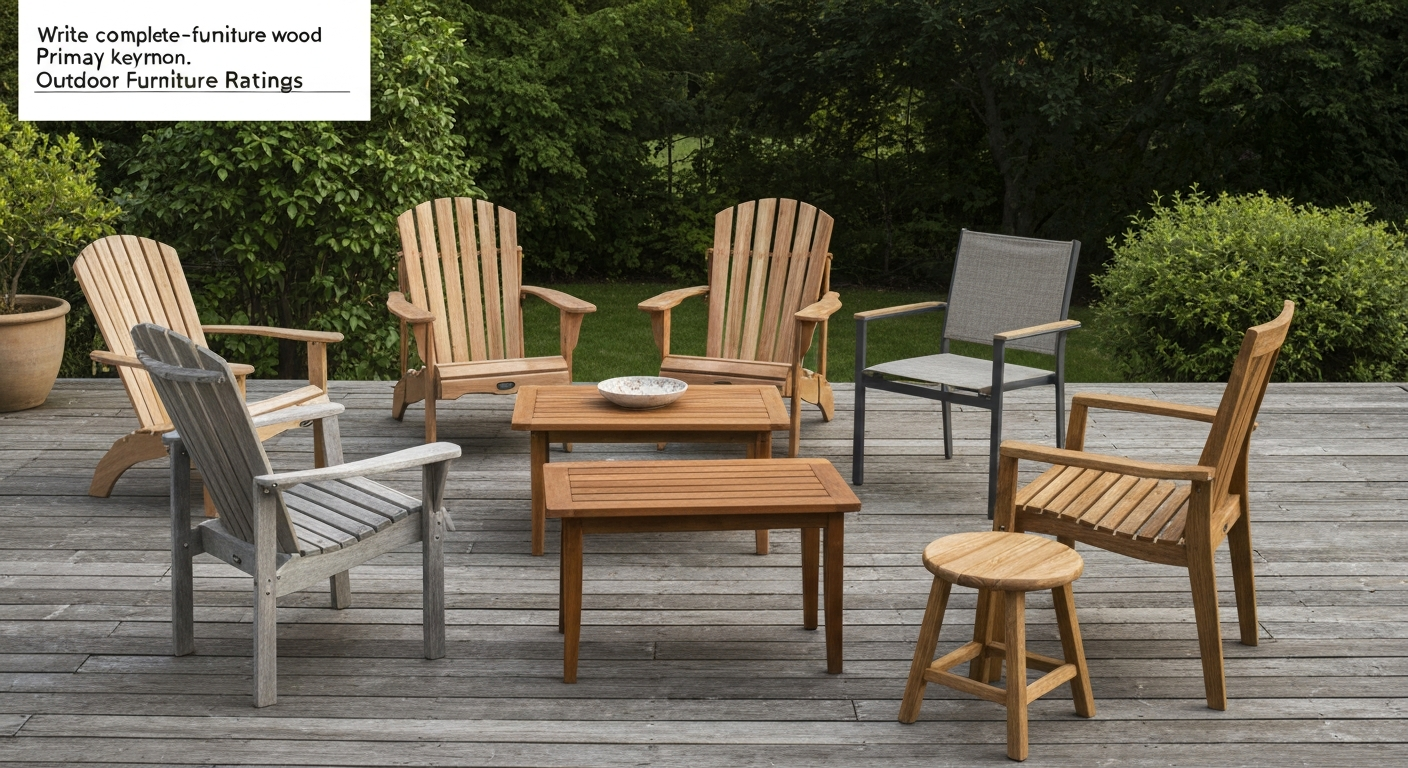
Common Patio Furniture Wood: Best Choices, Care & Tips
Compare common patio furniture wood types, teak, cedar, redwood, oak, with durability, finishes, and care tips.