
The best all-weather patio furniture for most people right now is powder-coated aluminum framing paired with solution-dyed acrylic cushions and either a sling or high-density polyethylene (HDPE) composite seat surface. That combination handles rain, UV, humidity, temperature swings, and even freeze-thaw cycles better than anything else at a reasonable price. If you want wood aesthetics, teak and ipe are legitimate, but they take real maintenance. If budget is tight, go with a powder-coated steel or resin wicker set and spend what you saved on quality covers. Here's how to think through the decision for your specific climate and what to actually check before you buy.
Best All Weather Patio Furniture: What to Buy Today

Theo Tierney
5 May 2026
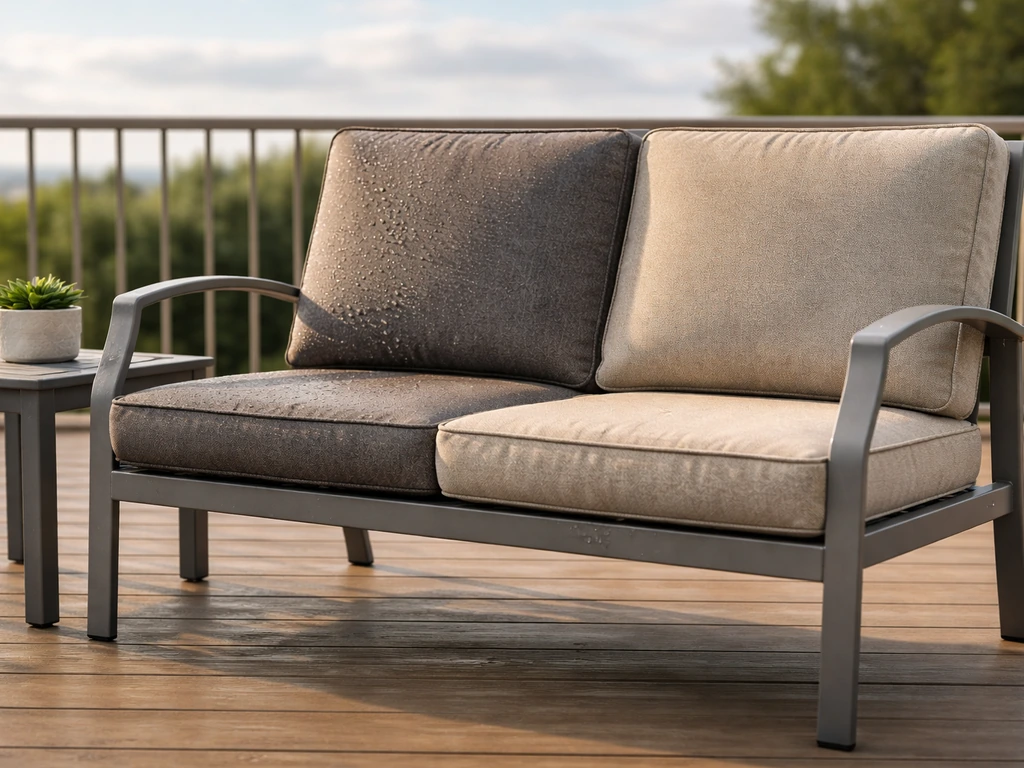
What 'all-weather' actually means
Manufacturers put 'all-weather' on almost everything, which makes the label nearly useless. In practice, true all-weather furniture has to survive at least five distinct stress categories: UV radiation (which fades, bleaches, and embrittles materials), moisture (rain, dew, humidity, condensation), wind loading (uplift and lateral force), freeze-thaw cycling (water expanding in joints and fabric), and heat (thermal expansion, finish degradation). A piece that handles three out of five will still disappoint you.
Real all-weather performance means the frame won't rust or crack, the finish won't chalk or peel, the fabric won't fade or grow mildew, the joints won't work loose, and the whole assembly won't blow off your deck when a storm rolls through. That's a high bar, and meeting it requires specific materials and construction choices, not just a marketing badge.
Climate matters enormously here. A set that thrives in Phoenix will be wrong for Miami, and something built for a screened porch in Minnesota won't cut it on a coastal deck in the Carolinas. The 'all-weather' conversation really splits into climate-specific performance, which is why this guide spends real time on that before giving you a shopping checklist.
Quick picks by material: wood vs metal vs wicker vs composite
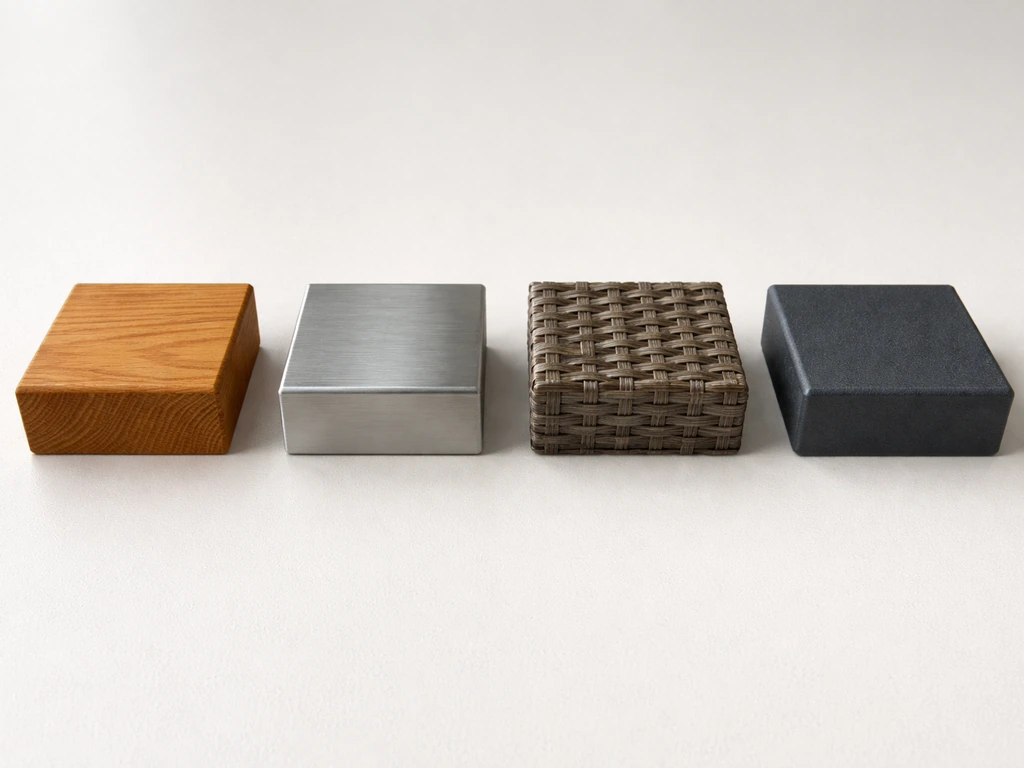
Here's a fast comparison across the four major material categories so you can orient yourself before going deeper. Each has legitimate strengths and real weaknesses that marketing copy rarely admits.
| Material | Best For | Biggest Weakness | Lifespan (with care) | Maintenance Level |
|---|---|---|---|---|
| Teak / Ipe (hardwood) | Classic look, high-end durability | Cost, weight, needs oiling or sealing | 20+ years | Moderate to high |
| Powder-coated aluminum | Most climates, lightweight, rust-free | Cheaper grades dent easily | 15-20 years | Low |
| Powder-coated steel | Budget builds, heavy/wind-stable | Chips expose bare metal, can rust | 5-10 years | Moderate |
| Wrought iron | Windswept areas, classic look | Heavy, rusts if finish chips | 10-15 years | Moderate |
| Synthetic resin wicker (HDPE) | Coastal, humid climates, looks great | Cheap grades fade and crack | 8-15 years | Low |
| Natural rattan/wicker | Covered patios only | Rots, molds, not truly outdoor | 2-5 years outdoors | High |
| HDPE composite (Adirondack, etc.) | Snow, rain, coastal areas | Limited style range | 20+ years | Very low |
| Cast aluminum | All climates, heavy-duty look | More expensive than tubular aluminum | 20+ years | Low |
Wood: when it's worth it
Teak is genuinely the gold standard among woods because its natural silica and oil content make it dimensionally stable and rot-resistant even without finishing. Left untreated, it weathers to a silver-gray patina that many people actually prefer. Oiled annually, it stays warm honey-brown. Ipe is harder and denser than teak, nearly impervious to moisture and insects, but it's notoriously difficult to work with fasteners and needs pre-drilling. Both cost more upfront but easily outlast three rounds of cheaper alternatives. Eucalyptus and shorea are budget-friendly hardwood alternatives that are legitimately good, just not quite at teak's level. Any softwood labeled 'weather-resistant' or 'outdoor pine' should make you skeptical unless it has a serious factory finish or treatment rating.
Aluminum: the practical winner
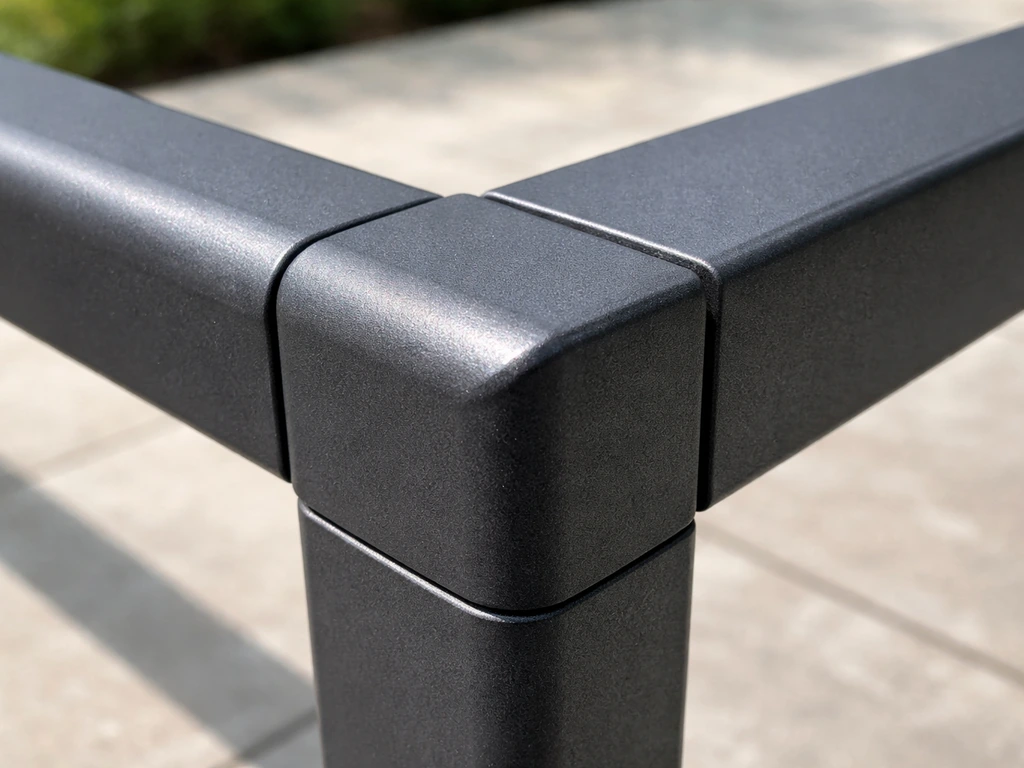
Aluminum doesn't rust, ever. That alone separates it from steel for most outdoor applications. The quality differences come down to wall thickness (look for 1.2mm minimum on tubular frames), alloy grade (6000-series is stiffer and stronger than 1000-series), and coating quality. Good powder coating is applied electrostatically and cured at high heat, creating a surface that resists chipping, UV degradation, and salt air far better than wet paint. Cast aluminum is thicker and heavier than tubular extruded aluminum, so it feels more substantial and holds up better to physical abuse, but it also costs more. For most buyers, extruded aluminum with a quality powder coat is the sweet spot.
Wicker: synthetic only for outdoors
If a wicker set is listed for outdoor use, it should be synthetic resin wicker, specifically HDPE (high-density polyethylene) rather than PVC. HDPE is UV-stabilized at the resin level, meaning the color is throughout the material, not just a surface coating that peels. It's also more flexible in cold temperatures than PVC, which can crack when it gets brittle. The frame underneath the weave matters just as much as the weave itself: look for aluminum frames, not steel, inside wicker furniture. And never buy natural rattan or cane for an exposed outdoor space. It will rot, mold, and fall apart.
HDPE composite: the set-it-and-forget-it choice
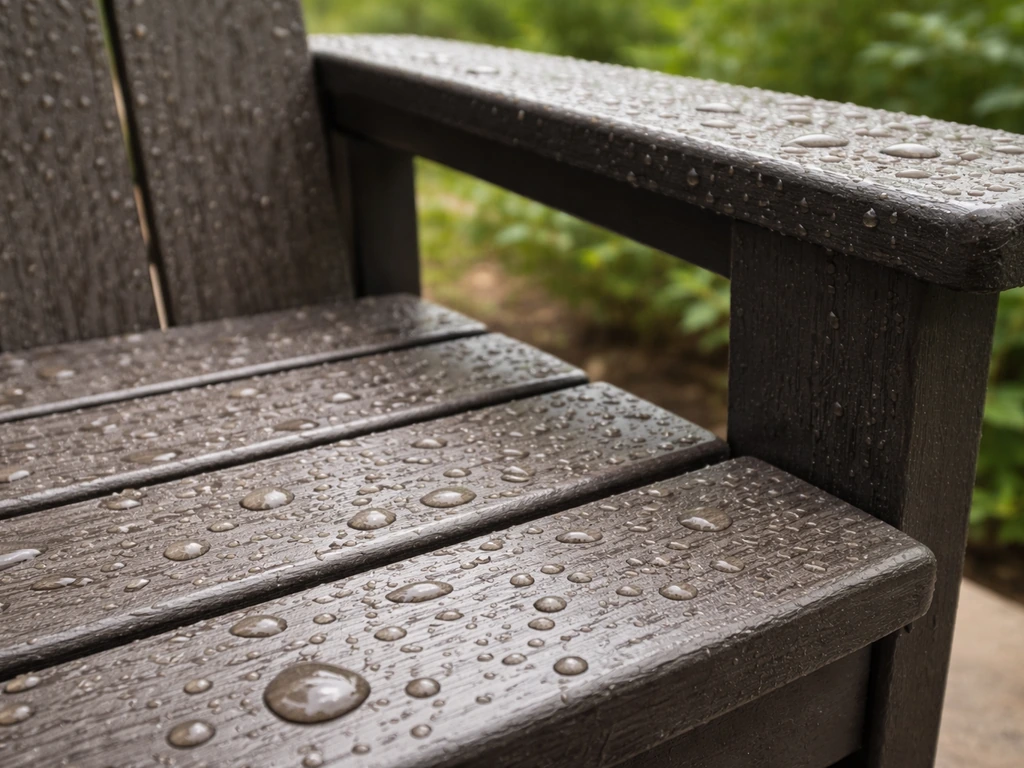
HDPE composite furniture (think Polywood and similar brands) is made from recycled plastic that's been reformulated into lumber-like planks. It doesn't absorb water, it won't rot or splinter, UV stabilizers are built into the material, and it can literally be left outside through a Minnesota winter without a second thought. The trade-off is that it mostly comes in Adirondack chairs, Adirondack-style dining sets, and a fairly limited selection of silhouettes. If you want a sleek modern lounge set, HDPE composite isn't going to scratch that itch. But for durability per dollar, it's hard to beat, especially in climates with serious freeze-thaw cycles or near-constant rain.
How to choose based on your climate
Your climate should drive your material shortlist before anything else. Here's how to think through the major climate scenarios.
High humidity and coastal (Gulf Coast, Southeast, Hawaii, Pacific Northwest)
Salt air is furniture's worst enemy. It accelerates corrosion on any metal with a compromised coating, attacks natural fibers, and degrades low-grade synthetic weaves. In coastal or high-humidity environments, aluminum frames are non-negotiable unless you're going full HDPE composite or quality hardwood. Marine-grade stainless steel fasteners (316-grade) matter at every connection point. Resin wicker with a genuine HDPE weave over an aluminum frame works very well here. Cushion fabrics in these climates need mildew resistance built in, look for solution-dyed acrylic (Sunbrella is the benchmark brand) and fabrics that have passed AATCC TM30 testing for mildew and rot resistance, not just a generic 'mildew resistant' claim.
Intense sun and heat (Southwest, desert climates)
UV degradation is the main killer in Arizona, New Mexico, and similar climates. Plastics, cheap synthetic weaves, and anything with a surface-applied color rather than through-body pigment will fade, crack, or chalk within a few seasons. Solution-dyed fabrics resist UV at the fiber level because the pigment runs through the yarn rather than sitting on top. For frames, look for UV-resistant powder coatings rather than standard finishes. HDPE composite handles heat and UV exceptionally well. Aluminum and quality resin wicker are also solid choices. Cast iron can be used but gets extremely hot to the touch, factor that in for seating.
Snow, freeze-thaw, and cold winters (Midwest, Northeast, Mountain West)
Water that gets into joints, cracks, or fabric and then freezes creates enormous expansion pressure. Materials that are porous or have small structural gaps suffer the most. HDPE composite is genuinely the best performer in freeze-thaw environments because it doesn't absorb water at all.
blank" rel="noopener noreferrer">A Reddit thread on Outer/HDPE outdoor furniture discusses performance through winter use, with commenters pointing to common material or wicker failure modes and the kind of seasonal maintenance people find necessary HDPE composite is genuinely the best performer in freeze-thaw environments.
HDPE composite is designed to endure outdoor conditions year-round, and POLYWOOD’s customer service says you can leave its furniture outdoors without concern HDPE composite is genuinely the best performer in freeze-thaw environments because it doesn't absorb water at all. .
Aluminum frames also handle freezing well as long as joints aren't holding standing water. Teak and other dense hardwoods do okay if maintained, but softwoods and cheaper woods can split. For wicker, lower-quality PVC weaves can crack in deep cold; true HDPE is more flexible and handles it better. Cushions should come inside for winter in freeze-prone climates, full stop, no fabric handles repeated freeze-thaw cycling well.
Wind-prone areas
Weight and anchor points matter in consistently windy locations. Heavier furniture (cast aluminum, wrought iron, solid hardwood) stays put better than lightweight tubular aluminum or resin pieces. Low-profile furniture with wide bases is more stable than tall, narrow pieces. For more detail on wind-specific selection, that's a topic worth looking at separately since it adds some specific construction criteria around ballast weight and furniture geometry.
The basics: if you're in a consistently windy zone, go heavier, go lower, and consider furniture designed to stack or store easily so you're not fighting the wind every time a storm approaches. If your yard is also consistently windy, focus on heavier frames, wider bases, and stable materials like cast aluminum or HDPE composite for the best results best patio furniture for windy area.
Weatherproofing features worth checking before you buy
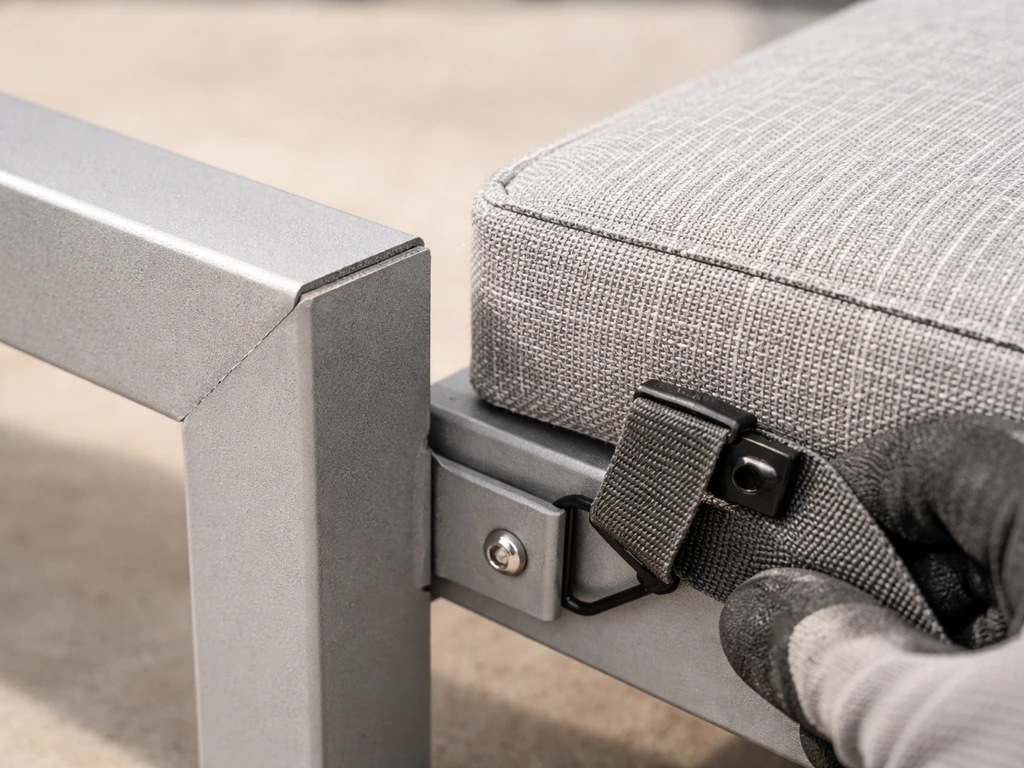
Don't shop by category or brand first. Shop by construction features. These are the things that separate furniture that lasts from furniture that looks good on the showroom floor and deteriorates in two seasons.
Frames and joints
- Aluminum frames: minimum 1.2mm wall thickness on tubular sections; heavier is better
- Steel frames: look for galvanized or zinc-coated steel underneath powder coat, not bare steel
- Welded joints are stronger than bolted joints in high-stress areas like armrests and leg-to-seat connections
- Fasteners: stainless steel (316-grade for coastal) at every connection; zinc-coated at minimum inland
- Drainage holes in hollow frame sections prevent water from pooling and causing internal corrosion
- No plastic end caps on tubular legs that pop off and let water in — look for crimped or welded closures
Coatings and finishes
Powder coating is better than wet paint for outdoor furniture. Quality powder coating is applied at 1.5-2.5 mils dry film thickness, electrostatically bonded, and heat-cured. Ask or look for whether a brand tests to ASTM B117 (salt spray resistance), that's the standard practice for evaluating how well metal coatings hold up against corrosion under salt fog conditions. A finish rated to 500+ hours in salt spray testing is meaningfully different from one with no published spec. For wood, look for penetrating oils (teak oil, linseed, danish oil blends) or high-quality film finishes rated for exterior UV exposure rather than generic 'wood sealant.'
Cushions and fabric
Cushion fabric is where a lot of otherwise solid furniture sets fall apart. The standard you want is solution-dyed acrylic, Sunbrella is the brand name most people know, but other manufacturers produce competitive solution-dyed acrylics. The key word is 'solution-dyed,' which means the pigment is part of the fiber, not applied to the surface. This matters because UV doesn't just fade surface color, it degrades the fiber itself, and solution-dyed fabrics are substantially more resistant.
For actual water performance, look for fabrics tested to AATCC TM22 (water repellency spray test), which measures real resistance to wetting rather than a marketing claim. For mildew resistance, AATCC TM30 testing gives you an actual measured result. Foam core matters too: open-cell foam labeled 'quick-dry' or 'outdoor foam' drains water rather than holding it, which prevents mildew growth and prolongs cushion life.
Sunbrella and comparable outdoor fabrics also have published colorfastness data under ISO 105-B03 or similar weathering standards, so you can compare products on actual numbers rather than vague claims.
Seat and surface design
Sling seats (fabric stretched across the frame with no cushion) are extremely practical in rainy or humid climates because there's nothing to absorb water. Slatted seats in aluminum or HDPE composite drain instantly. Flat solid surfaces on cheap composite or plastic furniture hold water and encourage mildew. If you're going with cushions, make sure the seat surface underneath allows airflow and drainage. A fully upholstered seat sitting directly on a solid flat frame in a rainy climate will develop mold on the cushion underside within a season.
How to spot marketing traps and judge real quality
The outdoor furniture market is full of vague claims that sound meaningful but aren't. 'Weather-resistant,' 'outdoor-rated,' 'durable construction,' and 'all-weather wicker' tell you almost nothing without specifics. Here's how to actually evaluate what you're looking at.
Red flags that signal cheap construction
- No published material specs (alloy grade, wall thickness, fabric composition)
- Wicker listed as 'UV resistant' with no mention of whether it's HDPE or PVC resin
- 'Weather-resistant' cushions made from polyester rather than solution-dyed acrylic
- Steel frames with powder coat but no mention of galvanizing or zinc treatment underneath
- Warranty shorter than 1 year on frames (quality aluminum and HDPE brands offer 5-15 year warranties)
- Fasteners that appear to be standard zinc-plated rather than stainless steel
- Cushion foam described only as 'high-density' with no mention of drainage design
- Weight that feels unusually light for the frame size (indicates thin wall sections)
What good brands actually tell you
Quality outdoor furniture brands publish the information that cheap brands hide. Brands like Brown Jordan, Polywood, Telescope Casual, and Tropitone publish frame specifications, fabric test data, and warranty terms that back up their claims. Polywood, for example, publishes that their HDPE lumber is made from 90%+ recycled material and explicitly tested for color stability in UV environments. Sunbrella publishes colorfastness and water repellency data. If a brand's product page lists 'all-weather' in the headline but has no material details in the specs, that's a meaningful signal.
Price is an imperfect but real indicator. Genuinely durable aluminum furniture with quality powder coat, stainless fasteners, and solution-dyed cushions costs money to build. A six-piece outdoor dining set at $400 is not using the same materials as one at $1,800, even if both say 'all-weather aluminum' on the box. The $400 set will need replacement in 3-5 years in most climates. The $1,800 set, well-maintained, can last 15-20 years. Over a 15-year window, the cheap set costs more. That said, budget sets with quality covers and good storage habits do significantly better than budget sets left fully exposed, so the maintenance section matters more for lower-end purchases.
A quick feature checklist before you buy
- Frame material: aluminum (preferred), steel (acceptable with galvanizing), or HDPE composite
- Coating: powder coat for metal; UV-stabilized material for HDPE; penetrating oil or exterior finish for wood
- Fasteners: stainless steel throughout, especially at stress points
- Fabric: solution-dyed acrylic (not polyester) for cushions
- Foam: open-cell quick-dry outdoor foam, not standard upholstery foam
- Joints: welded at high-stress connections, not plastic-to-metal clamps
- Frame warranty: 5 years minimum for decent quality, 10+ years for premium
- Weight: heavy enough to not blow around in moderate wind without anchoring
Maintenance and storage that actually extend lifespan
Even the best all-weather furniture benefits from basic care. The goal isn't intensive upkeep, it's a simple routine that prevents the small problems (surface oxidation, mildew spores, water pooling in joints) from becoming expensive ones.
Seasonal cleaning
Clean metal frames at the start and end of the season with mild dish soap and warm water, then rinse fully. For aluminum, this is mostly about removing pollen, bird droppings, and grime that can sit on powder coat and slowly degrade it. For steel, it's also about catching chips or scratches in the powder coat early, touch those up with a color-matched rust-inhibiting paint before they spread. For wood, inspect for gray weathered spots (fine, just sand lightly and re-oil) versus cracking or splitting (deeper problem that needs immediate treatment). For HDPE composite, a pressure washer on low setting once a season is essentially all it needs.
Cushion care
Solution-dyed acrylic fabrics like Sunbrella can be cleaned with a dilute bleach solution (1/4 cup bleach per gallon of water) without damaging the fiber, this is actually the manufacturer-recommended method for removing mildew and deep staining. Rinse thoroughly and allow to air dry completely before storing or recovering with a cushion bag. Cushions should come indoors or into a deck box during extended rainy periods and definitely for winter in cold climates. Even 'outdoor' foam will compress and degrade faster with constant wet-dry cycling. A quality waterproof deck box for cushion storage pays for itself in extended cushion life.
Furniture covers
Covers are worth using, but quality matters. Cheap polyester covers trap moisture against the furniture surface and can cause more mildew than no cover at all. Look for covers with a breathable top layer and waterproof lower section, or ventilation vents that allow humidity to escape. Covers should fit snugly but not hold water in pockets on top.
For steel furniture in particular, a good cover that keeps water off compromised finish spots is meaningful rust prevention. If you're in a climate with real winters, pairing covers with indoor storage for cushions and covers on frames is the most protective combination. For those who want more detail on leaving furniture outside through winter specifically, that's a scenario worth its own dedicated look.
Year-round maintenance calendar
| Season | Task |
|---|---|
| Spring (setup) | Inspect frames for rust/chips, touch up metal finishes, clean all surfaces, re-oil wood if needed, reinstall cushions |
| Summer (ongoing) | Rinse cushion fabric monthly, check fasteners for loosening, hose down frames after salt air or storms |
| Fall (prep) | Deep clean all surfaces, treat wood with penetrating oil, store cushions indoors or in deck box, cover frames |
| Winter (cold climates) | Bring cushions fully inside, cover or store lightweight aluminum pieces, leave heavy cast iron or HDPE in place if needed |
So what should you actually buy?
If you want the most practical all-weather furniture for the money right now: go with a powder-coated aluminum frame set with solution-dyed acrylic cushions. For $800-$1,500 you can get a legitimate 15-year set from mid-tier brands in that category. If you're near the coast or in a high-humidity climate, add 316 stainless fasteners to your checklist and verify the wicker (if you're going that route) is HDPE over an aluminum frame.
If you're in a cold climate and want truly zero-maintenance outdoor furniture, Polywood-style HDPE composite is the honest answer, it just won't cover all the silhouette options you might want. If you want patio furniture no assembly required, look for fully assembled options made from materials like HDPE composite or powder-coated aluminum zero-maintenance outdoor furniture.
Whatever you buy, invest in decent covers and bring cushions in for winter. That single habit extends the practical life of even mid-budget furniture by years. The all-weather claim handles the normal stress. The cover handles the accumulated stress. Together, they're what actually makes patio furniture last.
FAQ
How can I tell if a set marketed as “all-weather” will actually survive my weather, not just the brand’s testing?
Check the materials at the joint level and the fabric pigment system. For metal, look for a published corrosion standard such as salt-spray performance, plus stainless hardware grades. For cushions, confirm solution-dyed acrylic (not just “fade resistant”) and look for water and mildew test references. If the product page lists no construction specs or test data, treat it as weather-resistant rather than true all-weather.
Is powder-coated aluminum always better than powder-coated steel for all-weather patio furniture?
Usually yes for low-maintenance performance, because aluminum will not rust even if the coating chips. Powder-coated steel can last, but you must be more proactive about touching up chips and selecting marine-appropriate hardware in coastal areas. If you are in a salt-air zone and want minimal maintenance, aluminum plus covers and sealed cushions typically wins.
Do I need to bring cushions inside in winter if I buy the “best all weather” fabric and frame?
In most freeze-thaw climates, yes. Even quick-dry foams and solution-dyed acrylic perform better when they do not repeatedly freeze while wet. A practical rule: store cushions in dry conditions for winter, and if you cannot store them, use a breathable cover plus an indoor-style dry storage approach like a deck box.
What’s the biggest mistake people make with outdoor covers that ruins otherwise good furniture?
Using covers that trap moisture against the surface. Polyester that is not truly breathable can increase mildew, especially on cushion undersides and seat surfaces that do not fully drain. Look for covers with a waterproof lower layer and venting or breathable top, and avoid covers that create puddling in top pockets.
Can I leave resin wicker or HDPE composite furniture fully exposed year-round?
HDPE composite can typically stay outside, including through cold winters, because it does not absorb water. For “outdoor wicker,” confirm it is HDPE resin wicker over an aluminum frame. Also note that while it resists moisture, cushions and fabric components still need seasonal attention in wet or freezing climates.
Are stainless fasteners enough for coastal areas, or do I need to upgrade other parts?
Stainless fasteners (often 316 grade in salt air) are critical, but they only solve the hardware corrosion risk. You also need a coating system that resists chipping and a furniture design that prevents water from sitting in joints. If the set has mixed materials, like steel components hidden under decorative panels, verify those parts as well.
Does “solution-dyed” mean my outdoor cushions cannot fade?
It greatly improves fade resistance because pigment is in the fiber, but it does not eliminate color change under extreme sun or long exposure. Expect some tonal shift over time, especially in very high UV regions. The bigger practical benefit is slower fiber degradation, which helps the cushion stay resilient longer.
What should I do when I see small cracks, chips, or tears on otherwise all-weather furniture?
Address them early. For coated metals, touch up chipped areas with a rust-inhibiting, color-matched product before corrosion starts. For cushions, patch small tears promptly and keep water from wicking into seams. Waiting usually turns a cosmetic issue into a structural or mold problem.
Is heavier furniture always more stable in windy areas?
Heavier generally helps, but geometry matters too. Low-profile pieces with wide bases resist tipping better than tall, narrow designs. If you are shopping for windy locations, prioritize wide footprints, robust frames, and anchor-ready construction, not just weight.
What’s the best all-weather choice if I want a sleek modern look and minimal upkeep?
Powder-coated aluminum with solution-dyed acrylic cushions is the most flexible option for modern silhouettes while still staying low maintenance. HDPE composite is extremely durable but tends to be limited in style variety. If your priority is zero maintenance plus modern design, aluminum plus proper covers is usually the best compromise.
Next Articles
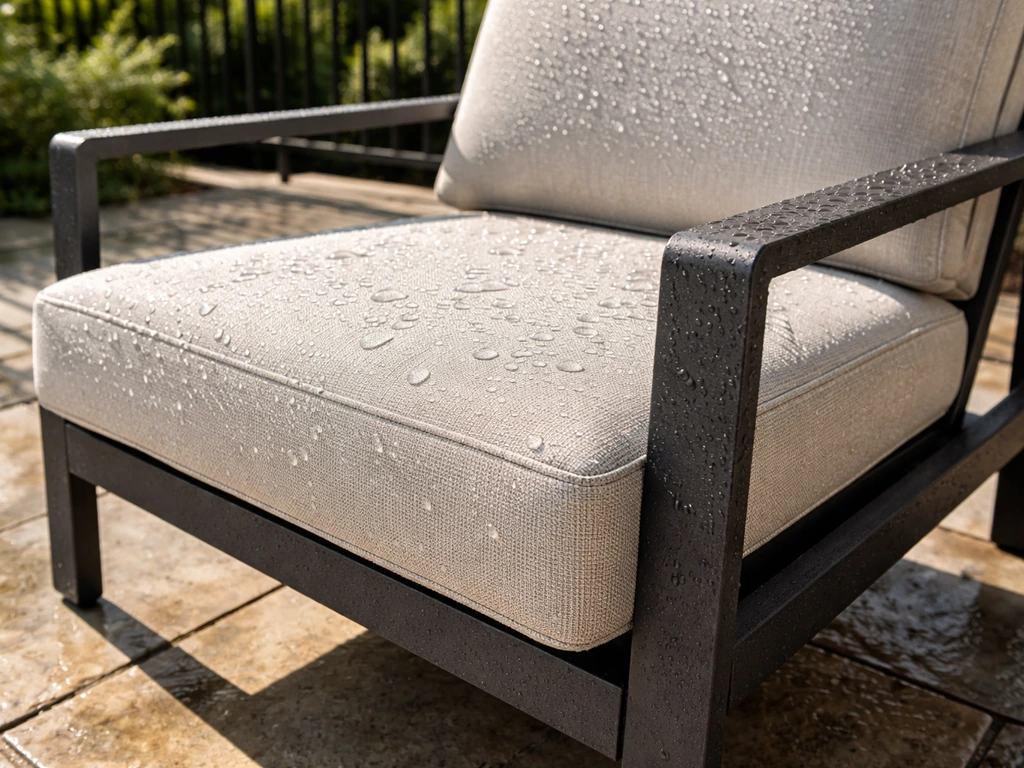
Best Weatherproof Patio Furniture: What Holds Up Best
Best weatherproof patio furniture picks by material and construction, plus what to look for in UV, rain, and coastal hum
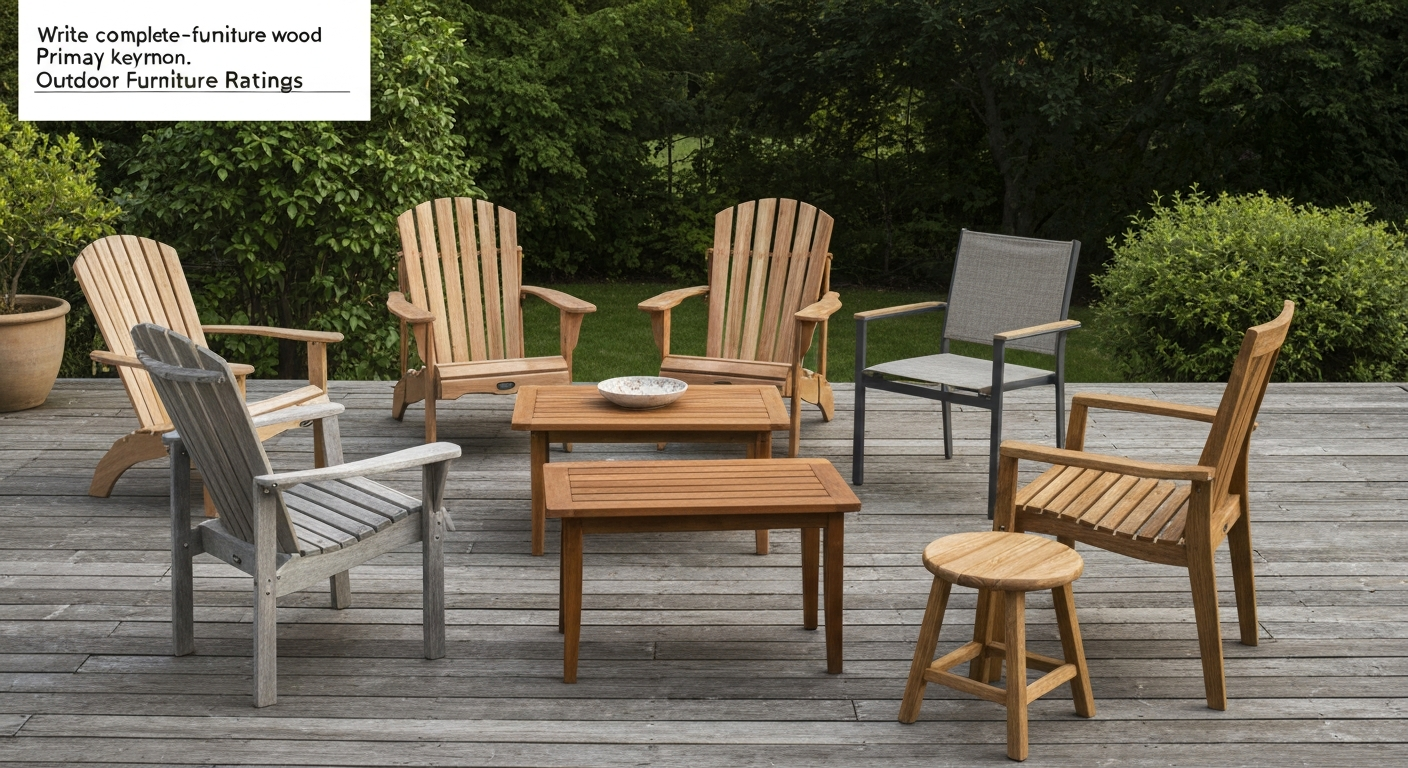
Common Patio Furniture Wood: Best Choices, Care & Tips
Compare common patio furniture wood types, teak, cedar, redwood, oak, with durability, finishes, and care tips.
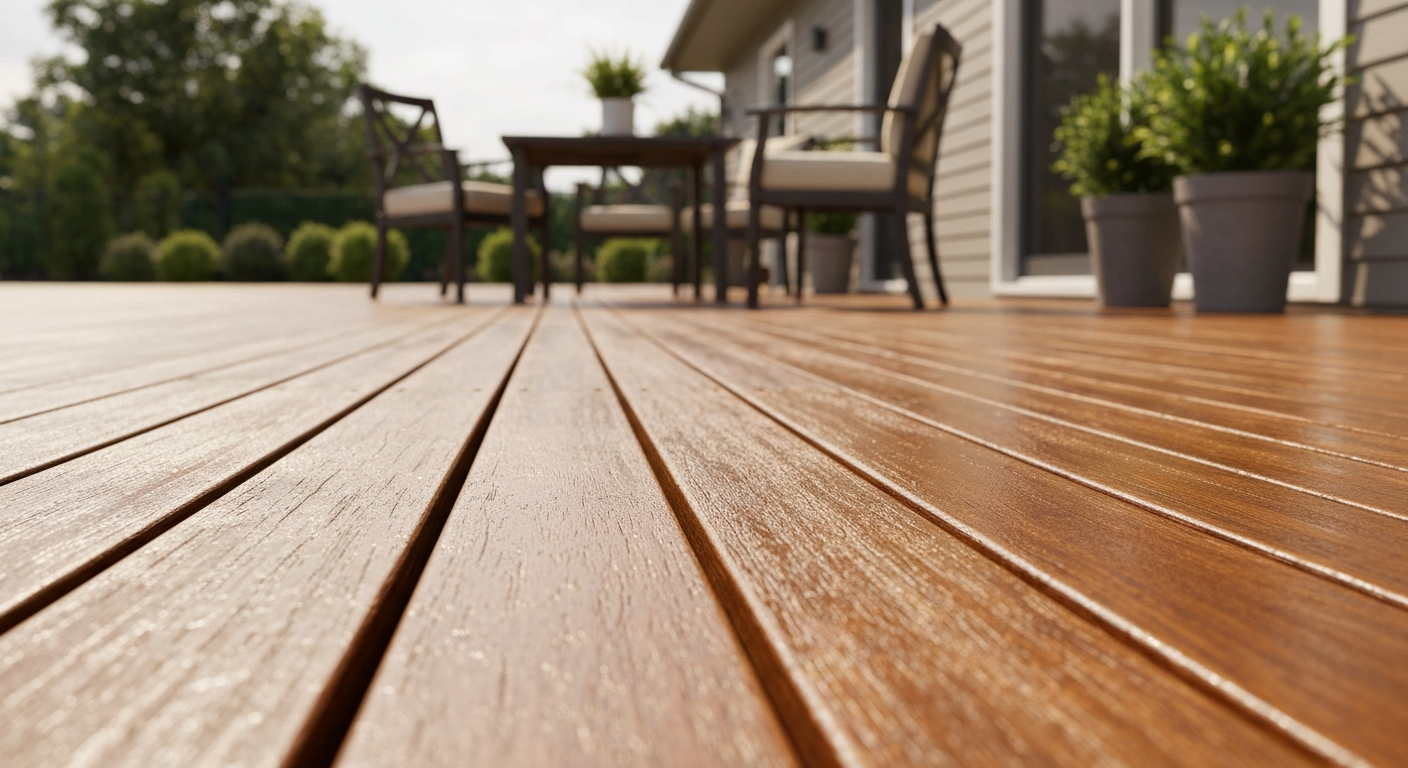
Best Wood Patio Stain: Choosing Durable, Low-VOC Finishes
Compare and choose the best wood patio stain: durability, finish, climate tips, prep, and top product picks.