
For New England, your best patio furniture materials are powder-coated aluminum, HDPE (high-density polyethylene), teak, and all-weather resin wicker built on aluminum frames. These hold up against freeze-thaw cycles, coastal salt air, heavy wind, and the wide temperature swings that destroy cheaper furniture within two or three seasons. If you want a short answer before we dig in: avoid steel without serious coating, skip thin-walled aluminum, stay away from natural rattan, and be skeptical of any wood that isn't teak or cedar. Everything else in this guide is about helping you pick the right category, size, and price point for your specific yard.
Best Patio Furniture for New England: Buyer Guide

Theo Tierney
6 Jul 2026
What New England Weather Actually Does to Patio Furniture
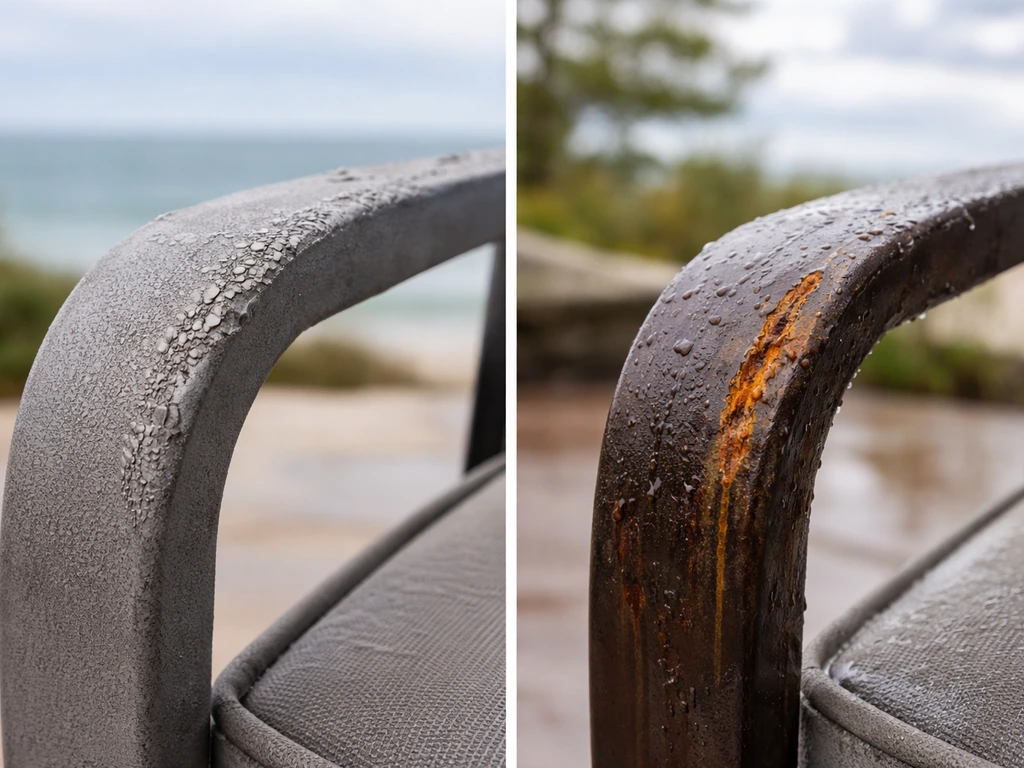
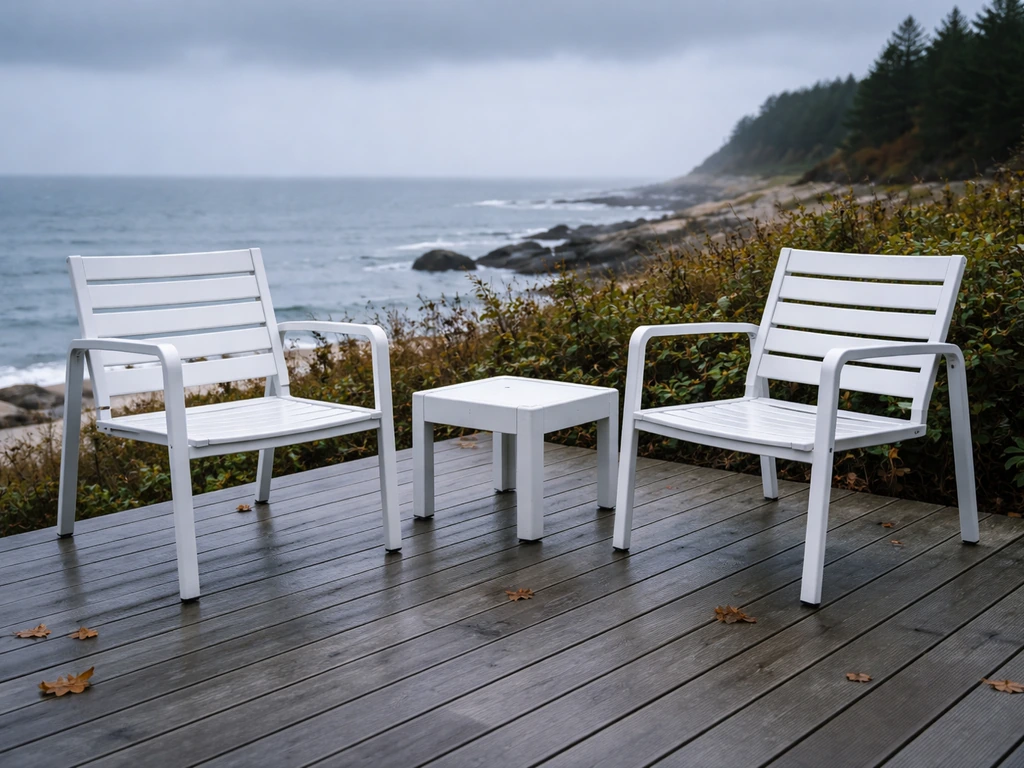
New England throws four genuinely different seasons at your patio furniture, and each one creates a different failure mode. The biggest culprit is the freeze-thaw cycle. Water gets into tiny cracks, welds, or wood grain, then freezes and expands, widening those gaps. By spring thaw, joints are loose, finishes are bubbling, and wood is splitting. If you leave furniture out through winter (even covered), this cycle repeats dozens of times between November and March.
On the coast from Cape Cod to the Maine shoreline, salt air compounds every problem. Salt is corrosive, and it doesn't need direct ocean spray to do damage. Microscopic chloride particles travel inland on wind and settle on every surface. This is why coatings matter so much here: the ASTM B117 salt-spray test is the industry benchmark for evaluating how well a finish resists this kind of exposure, and it's worth asking whether the furniture you're considering has been tested to that standard. ASTM B117 is a standardized salt-spray (fog) test method used to evaluate corrosion resistance of coatings and finishes under chloride exposure ASTM B117 salt-spray test.
Wind is serious in New England, especially in fall and spring. As a rule of thumb, higher wind speeds can lift lightweight patio furniture unless it is heavy, well-anchored, or designed to resist tipping Wind is serious in New England. Lightweight furniture without ballast or weighted bases gets thrown around decks and patios. UV exposure in summer is stronger than most people expect this far north, fading cushion fabric and degrading plastic components faster than advertising photos suggest. Put all of this together and you have a climate that is genuinely punishing to outdoor furniture in ways that, say, a mild Mid-Atlantic or Pacific Northwest climate is not.
Materials: What Actually Holds Up Here
Material choice is the single most important decision you'll make. Everything else (cushion fabric, fastener quality, design) is secondary to getting the frame and structural material right.
Powder-Coated Aluminum
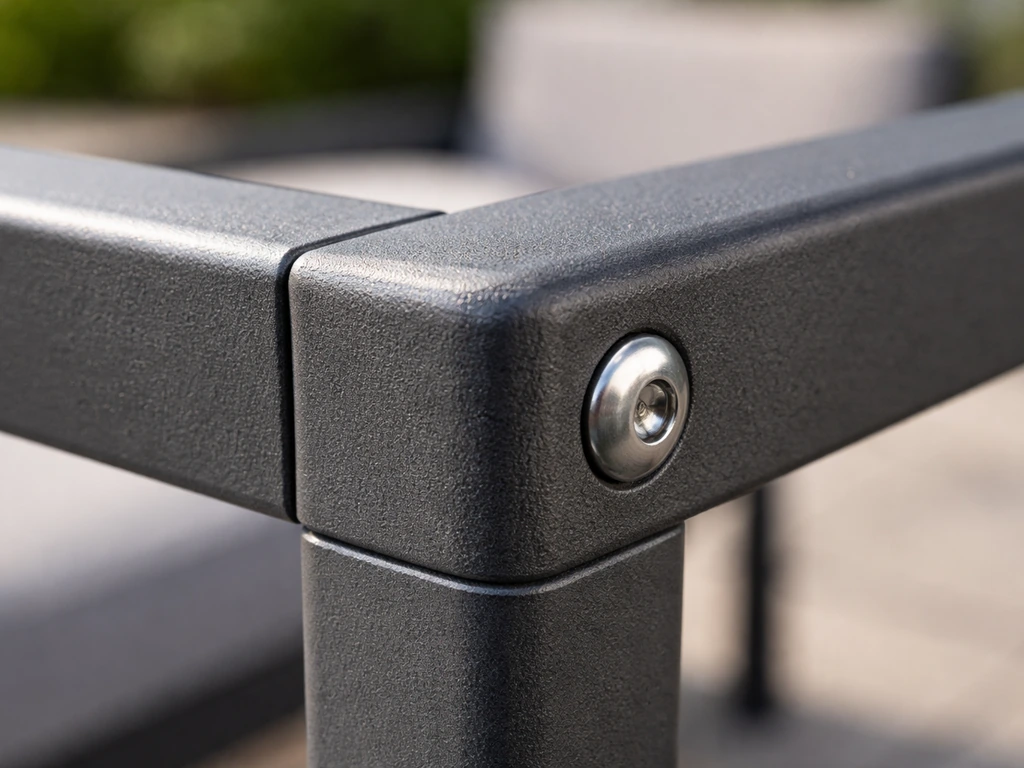
This is my top recommendation for most New England buyers. Aluminum doesn't rust, it's lightweight enough to move into storage without breaking your back, and a quality powder coat (look for at least 2 to 3 mil thickness) resists chipping, UV fading, and salt air effectively. The key word is quality: thin powder coat on cheap aluminum frames will start flaking within a few years. Cast aluminum is heavier and more rigid than tubular aluminum, which makes it better for dining chairs and tables that need structural stability. For coastal locations especially, aluminum paired with stainless steel hardware is the combination you want.
HDPE (High-Density Polyethylene)
HDPE, often sold under brand names like Polywood, is the most genuinely low-maintenance material available. It won't rot, crack, splinter, or rust, and it's made to resist UV fading for 20 years or more. The trade-off is aesthetic: it looks like plastic, because it is plastic. Some people love that it mimics the look of painted wood. Others find it too casual or sterile. For a shaded porch, coastal yard, or anyone who wants to spend zero time on maintenance, HDPE is hard to beat. It's also heavy enough that wind is less of a problem.
Teak
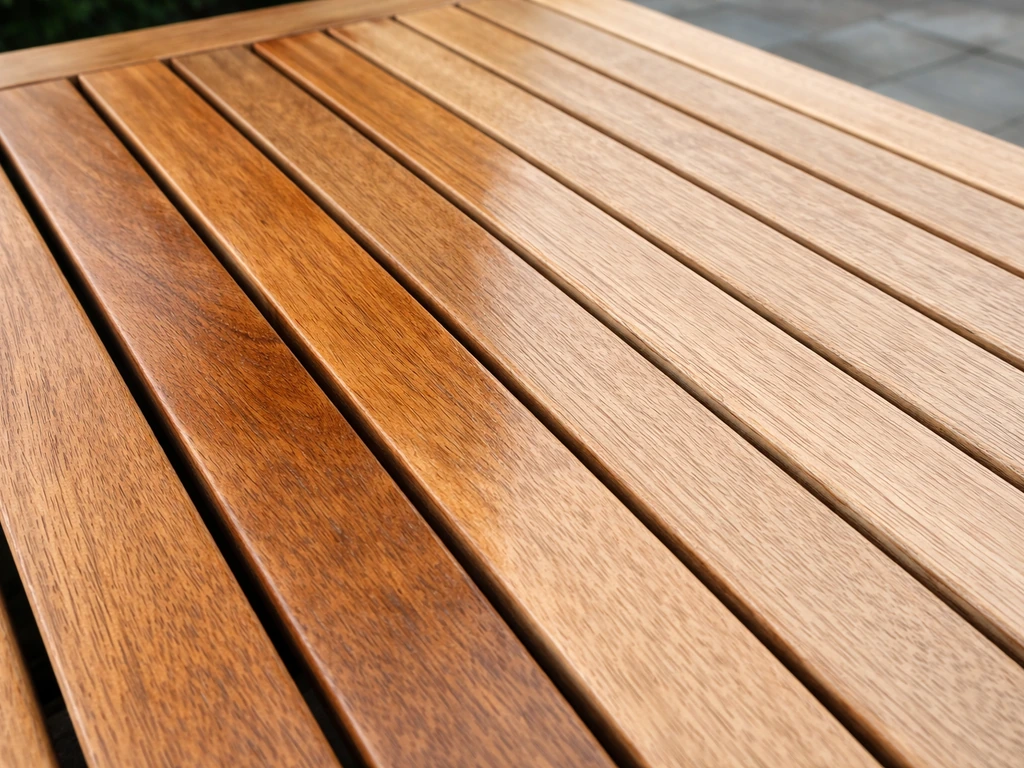
Teak earns its reputation. The natural silica and oils in the wood make it highly resistant to moisture, rot, and insect damage, and it handles freeze-thaw cycles better than any other wood because its dense grain doesn't absorb water easily. Left untreated, teak weathers to a silver-gray patina that many people find attractive. Treated with teak oil annually, it stays warm golden-brown. The real downside is cost: quality teak furniture is expensive, and you'll encounter a lot of furniture marketed as teak that's actually lower-grade plantation teak or a completely different species. Grade A teak from the heartwood is what you want.
Cedar and Other Woods
Western red cedar is the best budget-friendly wood for New England. It's naturally rot-resistant, lighter than teak, and widely available. It does need more maintenance than teak: annual sealing or staining is not optional here if you want it to last more than four or five seasons. Pine, acacia, and eucalyptus are also sold as outdoor furniture, and some perform reasonably well, but none of them match cedar or teak for freeze-thaw resistance. Avoid any untreated softwood or furniture that just says "solid wood" without specifying the species.
Resin Wicker (All-Weather)
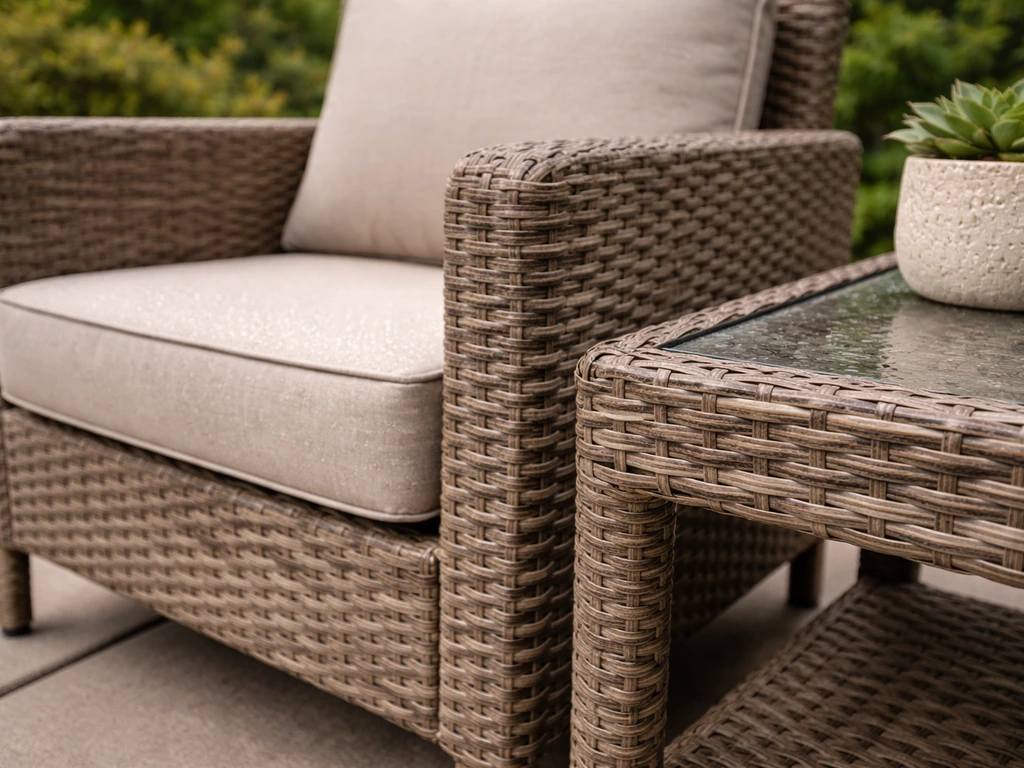
All-weather resin wicker is the correct choice if you want the woven look. Natural rattan wicker belongs indoors, period. Resin wicker is synthetic, UV-stabilized, and won't absorb moisture the way natural fibers do. The frame underneath is the critical variable: aluminum frames make resin wicker genuinely outdoor-capable, while steel frames will rust through the weave within a few years, especially in coastal conditions. A well-made resin wicker sectional on a rust-proof aluminum frame with anti-mildew performance fabric is a legitimate long-term choice for a covered patio or a yard that's not directly on the water.
Steel
Steel is heavy, strong, and attractive, but it rusts. In New England, that's a serious problem. Galvanized steel or steel with a thick epoxy powder coat can last, but any chip or scratch in the coating exposes bare metal that will begin corroding almost immediately, especially in salt air. Wrought iron and mild steel require a real maintenance commitment. If you're drawn to the look of steel furniture, aluminum is almost always the smarter swap for this climate.
Material Comparison at a Glance
| Material | Rust Risk | Freeze-Thaw | Salt Air | Maintenance | Best For |
|---|---|---|---|---|---|
| Powder-coated aluminum | None | Excellent | Excellent | Low | Most categories, coastal yards |
| HDPE / Polywood | None | Excellent | Excellent | Very low | Casual look, coastal, shaded porches |
| Grade A teak | None | Very good | Very good | Low-medium | Dining, premium look, long-term investment |
| Western red cedar | None | Good | Good | Medium-high | Budget wood option, inland yards |
| Resin wicker (aluminum frame) | None (frame) | Good | Good | Low-medium | Sectionals, conversation sets, covered patios |
| Steel (powder-coated) | Moderate if chipped | Fair | Poor-fair | High | Inland, non-coastal, meticulous owners |
| Natural rattan/wicker | N/A | Poor | Poor | High | Indoors only |
Best Picks by Furniture Category
Patio Dining Sets
For a dining set, cast aluminum or HDPE are your best bets. Cast aluminum tables and chairs are heavy enough to stay put in wind, easy to clean, and hold up to food, drinks, and years of outdoor use without special treatment. HDPE dining sets offer the same durability with even less maintenance, and they work especially well on covered or partially covered decks.
If you want a wood dining set, teak is the only wood I'd trust for a New England dining table that stays outside. Look for tables with drainage holes (critical for standing water), tempered glass or aluminum tabletops rather than wood tops if you're in a high-wind area, and chairs with rubber feet to protect both the chair legs and your deck.
Loungers and Adirondack Chairs
HDPE Adirondack chairs are one of the best value purchases in New England outdoor furniture. They're built for exactly this climate, they're nearly indestructible, and they require almost nothing in the way of upkeep. Teak loungers are the premium alternative if you want a more refined look by a pool or on a deck. For adjustable chaise loungers, look for aluminum frames with woven textilene or quick-dry fabric slings rather than padded cushions if the lounger will be fully exposed to rain. Cushioned loungers are fine on a covered porch but will absorb water and develop mildew if left out in summer rain without being brought in or stood up to drain.
Sectionals and Conversation Sets
This is where most people overspend on the wrong thing and underspend on the right thing. A good New England sectional needs a thick-walled aluminum frame (not thin tubular stock), all-weather resin wicker or powder-coated aluminum seating surfaces, and cushions with Sunbrella or equivalent solution-dyed acrylic fabric over a quick-dry foam core. The cushion quality often matters more than the frame on sectionals, because a frame can last 15 years but cheap cushions will need replacing in two. For coastal locations, I'd lean toward aluminum frame sectionals over resin wicker because there's no weave to trap salt and moisture.
Bistro Sets
Bistro sets are perfect for New England small yards, side porches, and narrow decks. The best material here is powder-coated aluminum or cast iron (if you're willing to maintain it). Many attractive bistro sets are thin-gauge steel, and these rust. Folding aluminum bistro sets are a smart choice for spaces where you need to move furniture in and out seasonally without the hassle of moving heavy furniture. Look for sets with woven or slatted seats rather than padded cushions if the bistro set will be on a fully exposed patio.
Weatherproof Performance Checklist
Before you buy any piece of patio furniture for New England, run through this checklist. It covers the construction details that marketing photos won't show you.
- Frame material: aluminum (best), HDPE, or Grade A teak. If steel, confirm galvanized or thick epoxy powder coat with no welding gaps that trap moisture.
- Fasteners and hardware: stainless steel screws and bolts only. Zinc-plated or cadmium-plated hardware will rust in coastal conditions within two seasons.
- Powder coat quality: look for at least 2 to 3 mil thickness. Ask the retailer or check the spec sheet. Thin coats chip easily and expose bare metal.
- Cushion fabric: solution-dyed acrylic (Sunbrella is the benchmark). Polyester fabric fades and deteriorates faster under UV and moisture.
- Cushion fill: quick-dry open-cell foam or outdoor-rated polyester fill. Dense closed-cell foam retains water and grows mildew from the inside.
- Drainage: tables and chairs should have drainage holes or slatted/mesh surfaces. Flat surfaces that pool water accelerate finish degradation and mold growth.
- Weld quality: look for smooth, fully sealed welds on aluminum furniture. Gaps or rough welds trap moisture and are the first place corrosion starts.
- Covers: high-quality covers (polyester with inner lining, vented to prevent condensation) are worth buying for any furniture that stays outside through shoulder seasons.
Cushions, Comfort, and Fitting Your Space
New England yards and decks tend to run smaller than what you see in furniture showrooms. A sectional that looks perfect in a showroom can make a 12 by 14 foot deck feel unusable. Measure twice before you buy, and leave at least 36 inches of clearance for walking paths around dining tables. For smaller spaces, bistro sets, two-piece conversation sets, and modular sectionals that can be reconfigured are more practical than large fixed-configuration sets.
On cushion comfort: seat depth matters more than cushion thickness. A 20 to 22 inch seat depth works for most adults in a dining chair. Deep-seated sectional cushions (24 inches or more) feel luxurious but require more back support, so pair them with firm cushion backs or lumbar pillows. For ergonomics, look for seat heights between 16 and 18 inches for standard dining chairs, and back angles of around 100 to 105 degrees for lounge seating.
Style-wise, New England outdoor living tends toward a coastal, relaxed-classic aesthetic, though that's obviously personal. What I'd push back on: don't choose a style over a material. A beautiful teak set that fits your style is better than a trendy composite set that doesn't hold up. Neutral cushion colors (gray, navy, sand, white) show less UV fading over time than bright colors, which is practical advice more than a design opinion.
Seasonal Maintenance: What You Actually Need to Do
The difference between furniture that lasts 5 years and furniture that lasts 15 years in New England is almost entirely maintenance. The good news is it's not complicated.
Spring (Setup)
- Inspect all frames for rust spots, chips, or cracks from winter freeze-thaw. Catch rust early: sand it back to bare metal, prime, and touch up with matching paint.
- Check all hardware. Tighten loose bolts and replace any fasteners showing rust or corrosion.
- Clean all surfaces with mild soap and water. Rinse thoroughly. Do not use bleach on aluminum or powder-coated finishes.
- Inspect teak or cedar for checking (surface cracks). Apply teak oil or sealant to wood pieces before heavy UV exposure begins.
- Wash cushion covers according to manufacturer instructions. Air dry completely before using.
Summer (In-Season)
- Stand cushions up or bring them inside during extended rain. Leaving saturated cushions flat encourages mildew growth in the core.
- Rinse furniture down after coastal storms. Salt residue accelerates corrosion.
- Keep furniture covers handy for multi-day periods of rain or when you're away.
- Re-tighten hardware mid-season, especially on chairs that get heavy daily use.
Fall (Winterization)
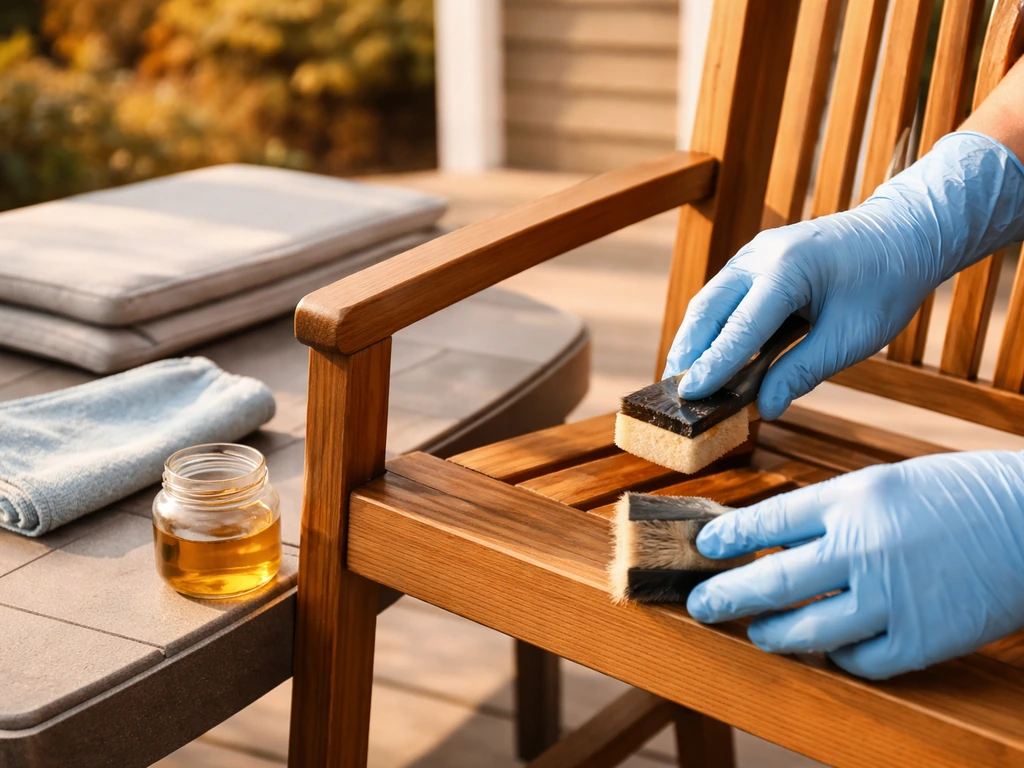
This is the most important maintenance window. Deep-clean all furniture: scrub frames, wash cushion covers, and clean the cushion cores. The critical step is making sure everything is completely dry before it goes into storage. ShelterLogic Knowledge Center also stresses ventilation as a key way to prevent mold, since trapped moisture in enclosed storage can support mold and mildew growth [making sure everything is completely dry before it goes into storage](https://www.
shelterlogic. com/knowledge/how-to-prevent-and-eliminate-mold-outdoor-storage-building). Moisture sealed into a storage shed or garage is what causes mildew and rust over winter, not just the cold. Stack furniture off the floor on pallets or storage blocks to allow air circulation underneath, and use a ventilated storage shed or garage rather than sealed plastic bins that trap humidity.
- Apply a fresh coat of teak oil or wood sealant to all wood pieces before storing.
- Apply a light coat of car wax or aluminum protectant to powder-coated metal to protect the finish through winter.
- Store cushions inside the house or in a climate-controlled space if possible. A dry garage works. An unventilated plastic storage bin does not.
- If furniture must stay outside (large pieces, HDPE, or heavy cast aluminum), use vented furniture covers secured with ties to prevent wind damage.
- For anything staying outside, elevate slightly off the deck surface to prevent moisture pooling at the base of legs.
Common Repairs to Handle Early
- Rust spots on steel or chipped powder coat on aluminum: sand, prime, and touch up immediately. Left alone, they spread fast in coastal air.
- Loose resin wicker strands: re-weave with matching replacement wicker cord, available from most outdoor furniture retailers.
- Cracked wood: seal immediately with exterior wood glue and a waterproof sealant. If the crack runs through a structural member, replace the piece.
- Mildew on cushions: mix one cup of bleach in one gallon of water for non-colored fabrics, or use a fabric-safe mildew cleaner for Sunbrella and similar textiles. Rinse thoroughly and air dry in sun.
Size, Layout, and Where to Put Your Money
Get the size right before anything else. A common mistake is buying a dining set for 6 on a deck that realistically fits 4. The rule of thumb is 24 inches of table width per person for comfortable dining. A 60-inch round table seats 4 to 5 people. An 84-inch rectangular table seats 6. For sectionals, sketch your space on paper first: include door clearances, steps, and any structural posts that limit placement.
Where to Invest More
- Cushion fabric quality: upgrade to Sunbrella or solution-dyed acrylic even if the base furniture is mid-range. Cheap cushions are the first thing that fails.
- Frame thickness: on sectionals and dining chairs especially, thicker wall tubing (1.5 to 2 mm minimum on aluminum) pays for itself in structural longevity.
- Fastener quality: this is where budget furniture shortcuts in ways you can't see. Stainless hardware is worth paying for.
- Teak (if you want wood): buy Grade A once rather than buying lower-grade wood sets twice.
Where You Can Save
- Covers: a $30 to $50 polyester furniture cover from a hardware store works nearly as well as $150 branded covers, as long as it's vented and fits properly.
- HDPE Adirondack chairs and side tables: these are relatively affordable and genuinely last decades with no maintenance.
- Bistro sets: a mid-range aluminum bistro set at $150 to $250 will outlast a $400 steel bistro set in this climate.
- End tables and side tables: these take less structural stress than chairs and dining pieces, so material quality matters less here.
Coastal vs. Inland: Where You Are Changes the Math
If you're within a mile or two of the coast, salt air exposure is real and changes your priorities. Go aluminum or HDPE for frames, avoid any steel, and rinse furniture after storms. If you're inland in Vermont, New Hampshire, or central Massachusetts, freeze-thaw is still your main enemy but salt air is less of a factor. That opens the door to sealed cedar, treated steel, and mid-grade resin wicker more confidently. Shaded yards with heavy moisture (near trees or north-facing) should prioritize mildew-resistant cushions and ventilated storage above everything else.
Quick Summary: What to Look For
New England is not a forgiving climate for outdoor furniture, but the right materials genuinely last decades here with basic care. Powder-coated aluminum and HDPE are your safest all-around bets. With the right materials and construction, you can pick the best patio furniture to withstand elements in New England without constantly replacing pieces. Teak is the premium wood choice if you want wood.
Resin wicker on aluminum frames works well on covered patios. Avoid steel in coastal areas, avoid natural wicker everywhere outdoors, and be skeptical of any wood furniture that doesn't specify the species. Whatever you buy, spend up on cushion fabric quality, bring cushions in or dry them out after heavy rain, and do a proper fall cleanup and dry-storage routine every year. That single habit will double the lifespan of almost any furniture you choose.
If you're also comparing options for other cold-weather climates or want to understand how wind loading specifically affects furniture stability and anchoring, those are worth exploring as connected considerations when you're finalizing your layout and furniture weight choices.
FAQ
Is powder-coated aluminum actually enough for the New England coast, or do I still need stainless hardware everywhere?
For coastal yards, you want both. Use aluminum with a thicker, well-adhered powder coat, and pair it with stainless fasteners. Even a great coat can be breached at drill holes, welds, or seams where salt air can start corrosion if hardware is basic steel.
Should I buy furniture that says “all-weather,” or should I insist on specific testing like salt-spray results?
For coastal locations, treat salt-spray testing as a decision tiebreaker. If a seller cannot provide any evidence the finish was tested for salt exposure, assume you will need more careful rinse-down after storms and expect a shorter life than stated.
How do I choose cushion fabric if my patio furniture is often left out in summer rain?
If your cushions will stay outside during rain, prioritize solution-dyed acrylic with quick-dry foam, and avoid thick, water-absorbing padding. Also check whether cushion covers zip off for drying, because the fastest way to prevent mildew is drying cores, not just covers.
Can I leave teak furniture outdoors year-round in New England, and what should I do about the patina?
Yes, teak can remain outdoors, but manage the finish choice. Untreated teak will gray evenly, which is normal. If you want to keep the golden tone, plan on annual teak oil or cleaner, and expect uneven color if you do spot treatments without fully cleaning first.
What’s the best way to store patio cushions and sectionals between seasons?
Don’t store furniture in closed, humidity-trapping bins. Clean and dry completely, then store on pallets or blocks with airflow underneath. For sectionals, separate cushion cores and covers if possible, and avoid stacking tightly, since trapped moisture is what drives mildew and rust.
Do I need to anchor patio furniture in windy New England conditions?
It depends on weight and layout. Dining sets and heavy cast aluminum usually don’t need anchoring, but lightweight chairs, bistro sets, and umbrellas often do. If you anchor, use corrosion-resistant hardware and make sure anchors do not interfere with deck drainage or cause standing water around fasteners.
How can I prevent rust when I buy a set with mixed materials (for example, steel frame with aluminum parts)?
Look for stainless or fully coated connections at every contact point. Pay extra attention to welded joints, hinge points, and any area where the coating could be chipped during assembly. If a manufacturer does not specify corrosion resistance for hardware, budget for replacement fasteners sooner.
What size dining set should I buy if my deck is smaller than showroom dimensions?
Use deck walk-path clearance first, then seat capacity. Leave about 36 inches of clearance around dining where people will stand and pull chairs out, and size the table to how many chairs you can realistically fit without blocking doors or steps.
Are resin wicker sectionals safe for coastal areas, or should I avoid them?
Resin wicker can work on covered patios, but coastal exposure raises the bar. Choose an aluminum frame, anti-mildew fabric, and consider aluminum sectionals over resin wicker in areas that frequently get wind-driven salt. If you choose resin wicker, plan on more frequent rinsing and thorough drying.
What is the quickest mistake to avoid when shopping: materials, cushions, or measurements?
Measurements. It is easy to overspend on the right materials and still end up with an unusable layout because of door clearance, posts, and walking space. Measure your actual deck or patio footprint and draw the chair swing and walkway paths before you pick style or brand.
Can I cover patio furniture with a tarp or furniture cover in winter?
A cover can help, but only if you manage moisture. If the cover traps humidity, you can cause mildew and accelerate rust at joints. Use ventilated storage solutions or allow airflow, and ensure furniture is completely dry before covering or storing.
Which furniture is most forgiving if I don’t have time for frequent maintenance?
Powder-coated aluminum and HDPE are the lowest-effort choices. Pair those materials with solution-dyed, quick-dry cushions and a routine of drying after heavy rain. If you cannot commit to annual wood sealing, avoid softwood and non-teak “wood” claims.
Next Articles
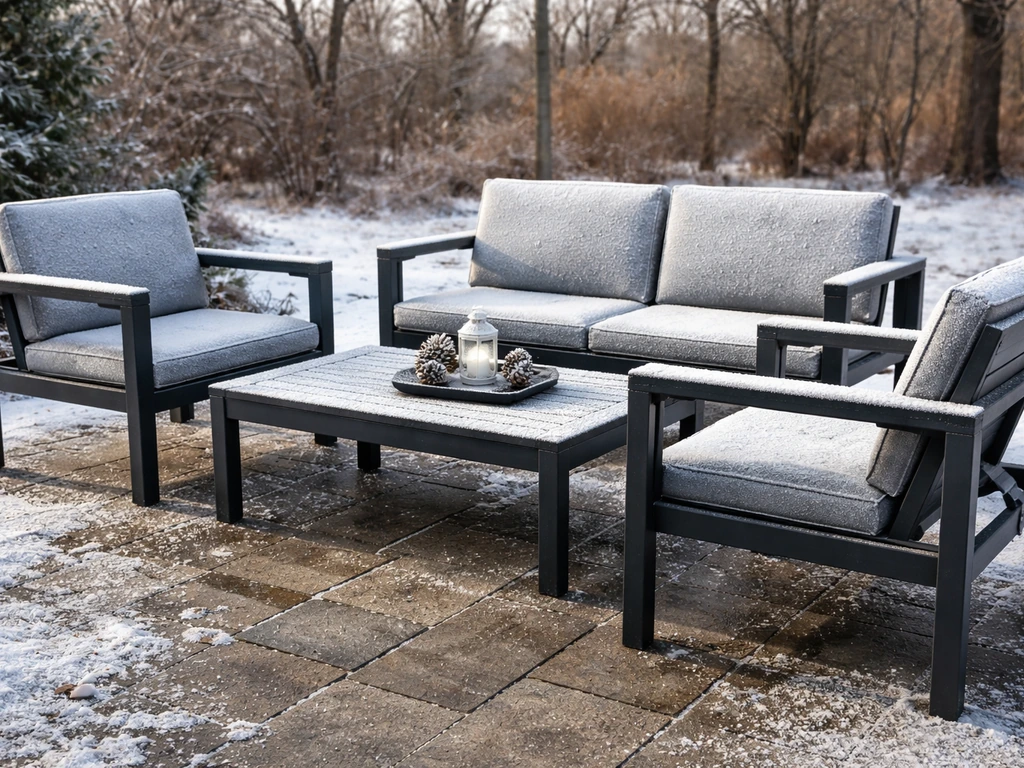
Best Patio Furniture for Cold Weather: Materials Guide
Compare wood, metal, wicker, and composite for cold climates, with durability tips and a shopping checklist.
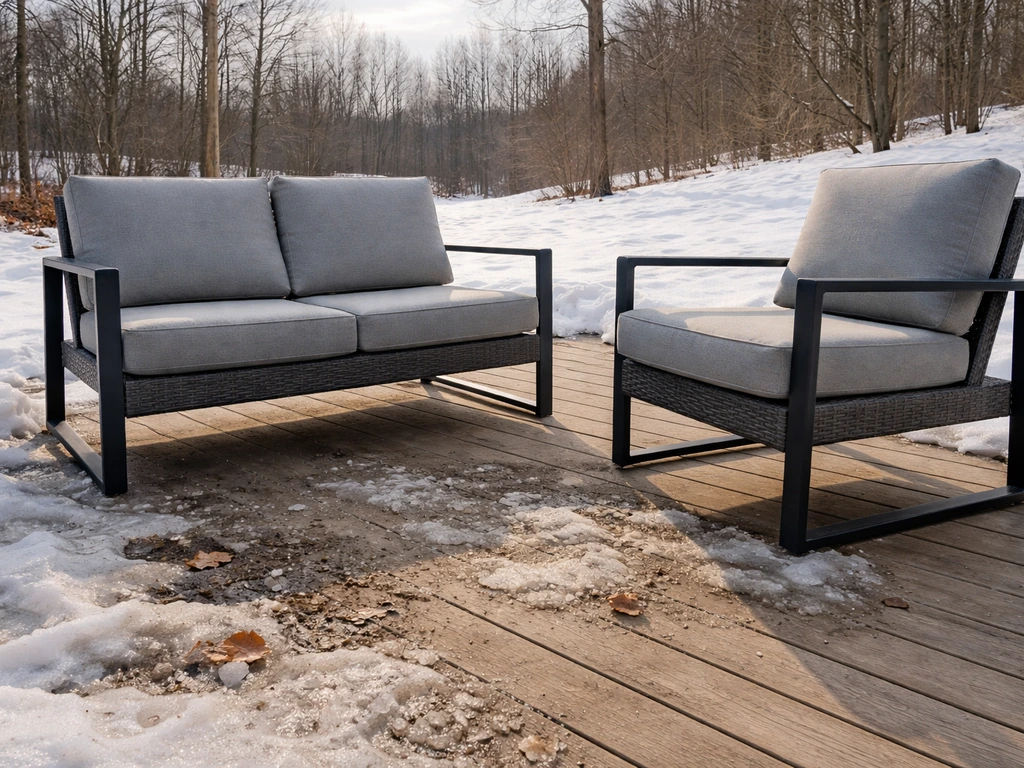
Best Patio Furniture for Minnesota Weather: What Lasts
Compare wood, metal, wicker and composite patio furniture for Minnesota freeze-thaw, sun and salt, with purchase and car
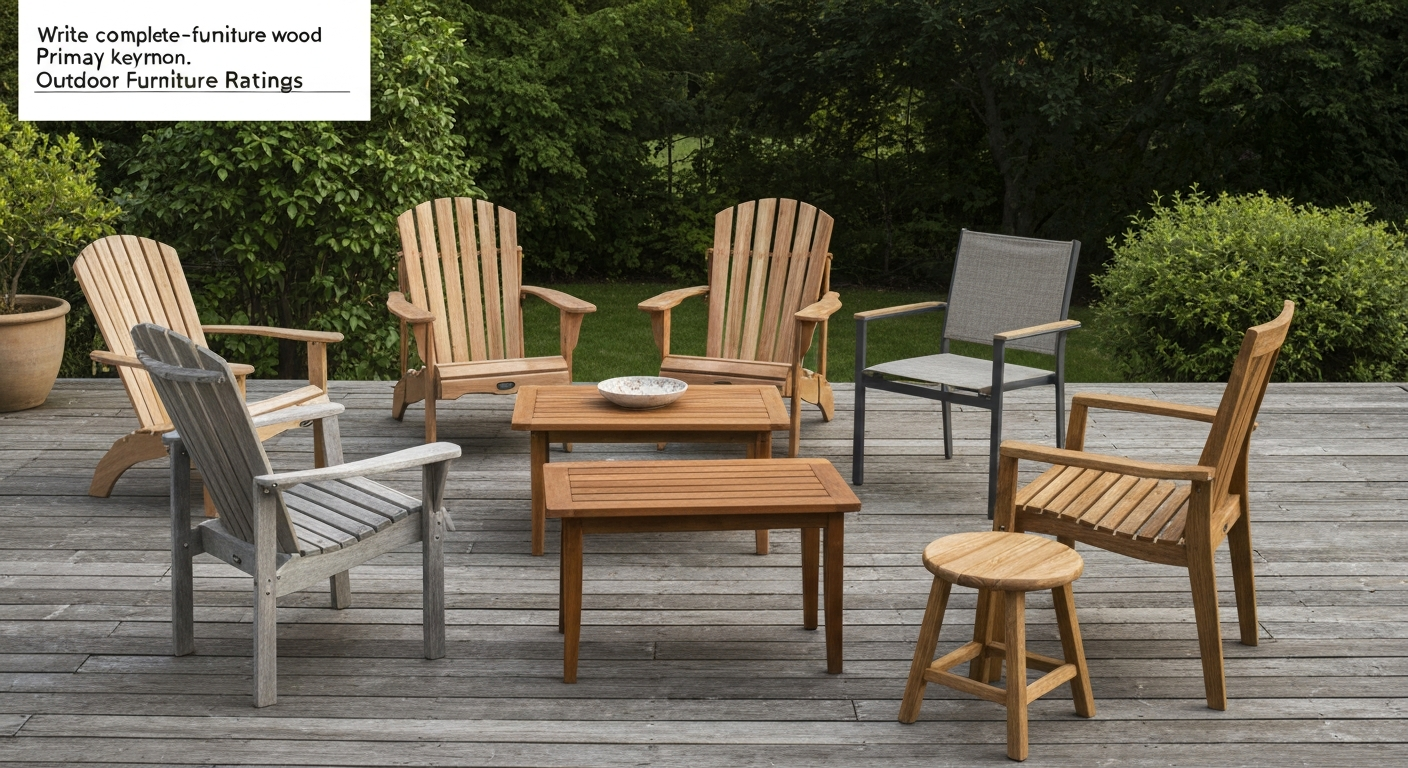
Common Patio Furniture Wood: Best Choices, Care & Tips
Compare common patio furniture wood types, teak, cedar, redwood, oak, with durability, finishes, and care tips.