
For cold climates, powder-coated aluminum frames with all-weather resin wicker or high-density polyethylene (HDPE) composite slats are your most durable options. They don't absorb water, so freeze-thaw cycling has nothing to crack or split. Teak and wrought iron can also work well, but they demand more maintenance to hold up through repeated winters. Cheap tubular steel, untreated softwood, and natural rattan wicker are the materials most likely to fail on you within a season or two.
Best Patio Furniture for Cold Weather: Materials Guide

Theo Tierney
2 Jul 2026
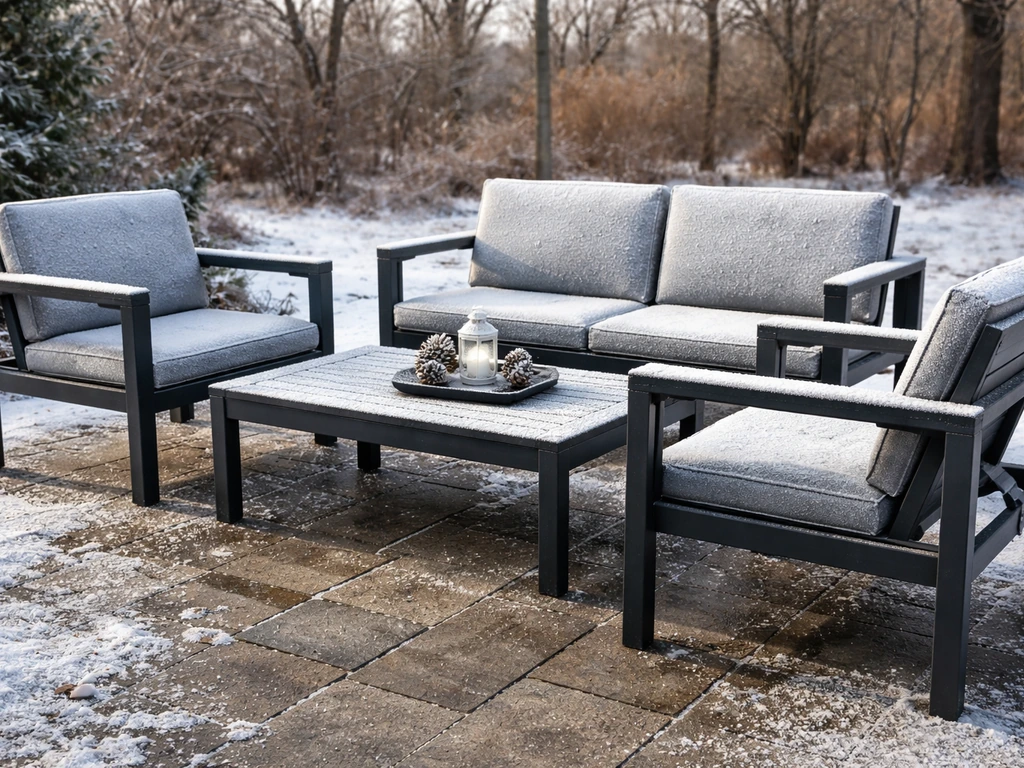
How cold weather actually destroys patio furniture
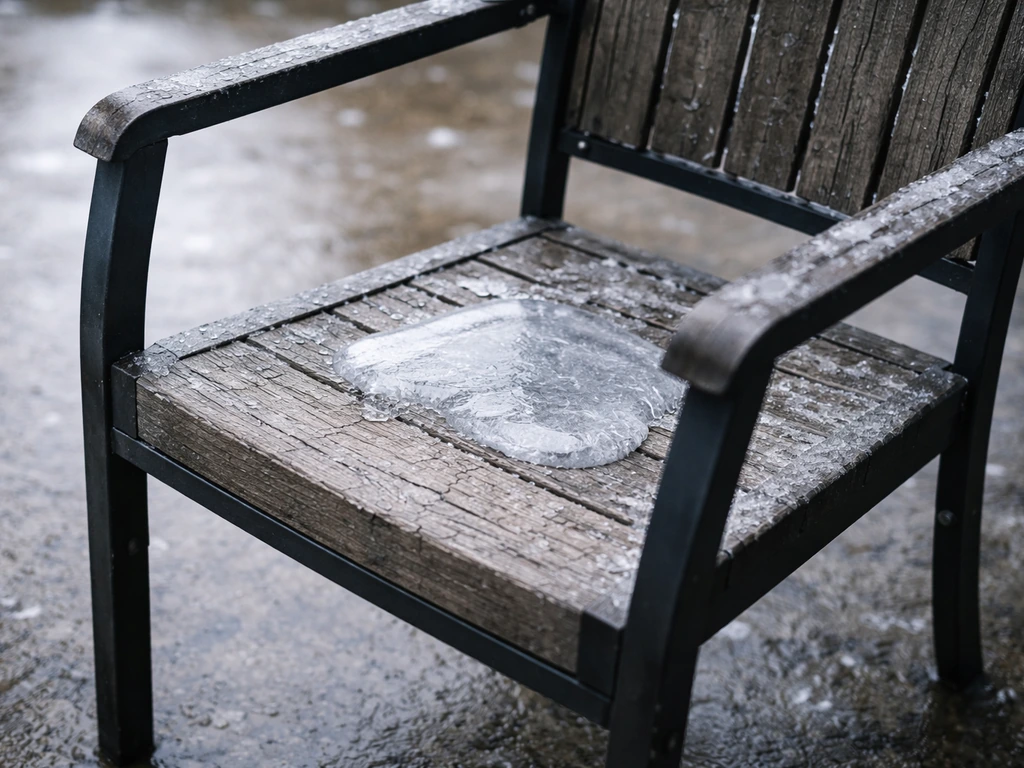
The real villain in cold climates isn't the cold itself, it's the freeze-thaw cycle. Water gets into a material, temperatures drop, that water expands as it freezes, and the material cracks slightly. Then it thaws, more water gets in, and the next freeze makes the crack bigger. According to NIH, freeze-thaw cycling is a major cause of damage to exterior concrete and brick assemblies, with damage accumulating over repeated cycles and appearing as cracking that worsens with subsequent freeze events blank" rel="noopener noreferrer">the next freeze makes the crack bigger. Repeat that dozens of times over a single winter and you can split a wood plank, pop a weld on a steel frame, or shatter a ceramic tile tabletop. This is the same mechanism that destroys brick and concrete on building exteriors, and it works just as efficiently on your outdoor furniture.
Beyond freeze-thaw, cold weather brings sustained moisture from snow and ice sitting on surfaces for weeks, salt from road spray or ice-melt products, and UV exposure on clear winter days that continues to degrade finishes even when it's 20 degrees. A piece of furniture that handles a Florida summer can fail completely in a Minnesota or New England winter if the construction isn't built for it. If you're in a genuinely cold climate, you need to be more selective about materials than someone in a mild zone.
Best materials for cold climates
Here's an honest breakdown of each major material category and how it handles cold-weather stress. I'm ranking these roughly from most to least cold-weather capable.
Aluminum
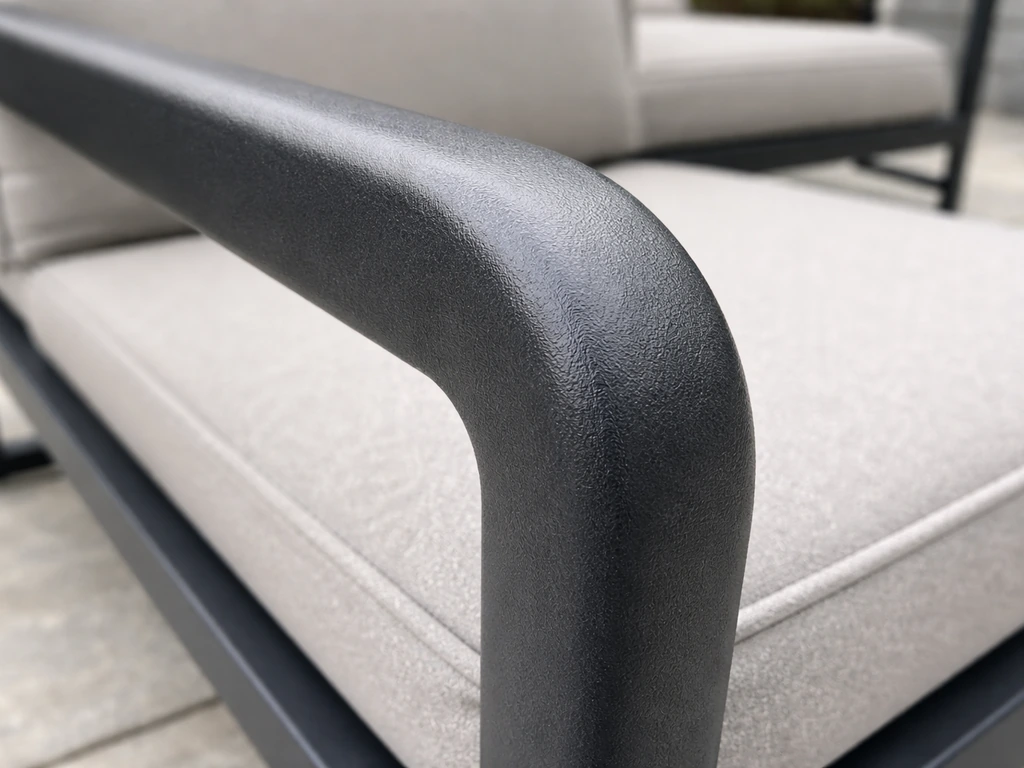
Powder-coated aluminum is the gold standard for cold-climate outdoor furniture. Aluminum doesn't rust, doesn't absorb water, and doesn't contract and expand enough at typical outdoor temperature swings to cause structural problems. The powder coating matters a lot here: a quality electrostatic powder coat applied over properly prepped aluminum creates a thick, seamless barrier that resists chipping and blocks moisture from reaching the metal underneath. Look for frames made from 6061 or 6063 aluminum alloy, these are strong enough that the walls of the tubing can be thinner without sacrificing structural integrity. Avoid raw aluminum or anodized-only finishes on furniture that will sit through wet winters; anodizing is protective but thinner than powder coat and more vulnerable at scratches and cut edges.
HDPE and composite lumber
High-density polyethylene (HDPE) composite, often sold under brand names like Polywood, is essentially dense recycled plastic formed into lumber-like slats. It has zero water absorption, which means freeze-thaw has nothing to work with. It won't rot, crack, splinter, or need annual sealing. It does expand and contract with temperature changes, so quality pieces are engineered with slotted fastener holes to allow movement, check that when you're buying. HDPE furniture tends to be heavier than aluminum, which is actually a plus in windy winters. The trade-off is it can look a bit plasticky up close, though higher-end profiles have improved significantly. For a cold climate where you want minimal maintenance, this material is hard to beat.
Teak and other dense hardwoods
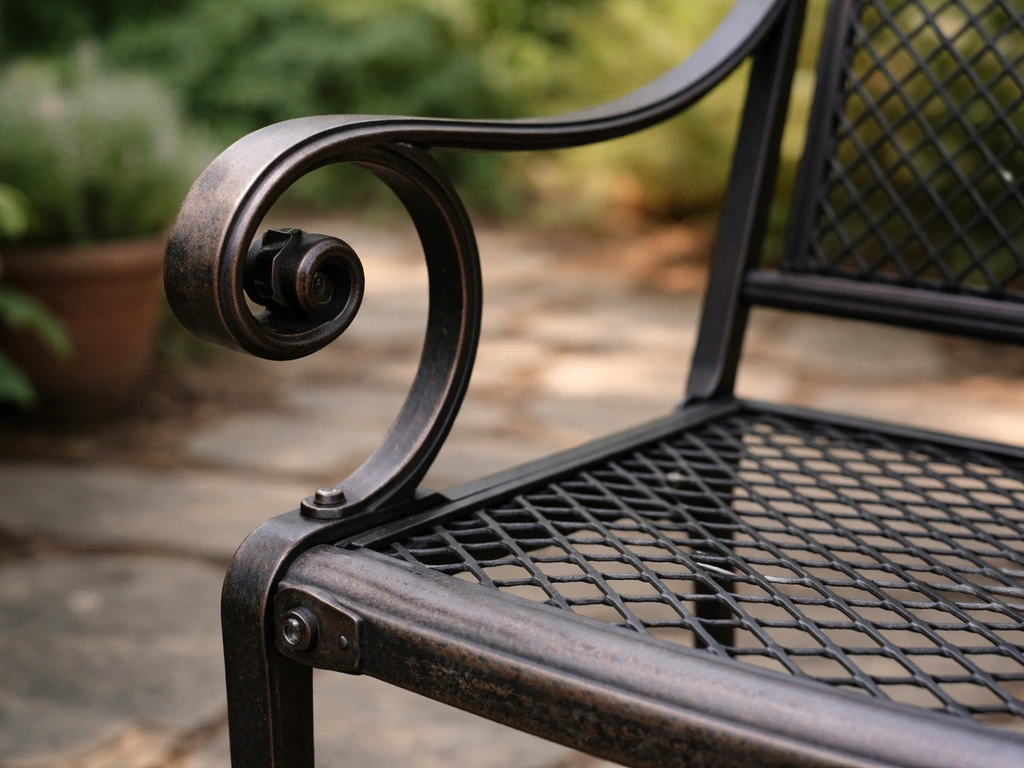
Teak is genuinely excellent cold-weather wood because of its naturally high oil content and very tight grain, both of which slow water absorption. The key vulnerability with any wood is end grain, the exposed cross-sections at the ends of boards and legs, which absorbs liquid water dramatically faster than face grain. Good teak furniture either seals those ends or keeps them off the ground entirely. Left unsealed and untreated, teak will weather to a silver-gray color and hold up structurally for years, but moisture will eventually find a way in. Applying a teak sealant every 1-2 years keeps the wood from absorbing water and significantly reduces freeze-thaw risk. Other dense tropical hardwoods like shorea and ipe perform similarly to teak and often cost less. Avoid softwoods like pine or fir for cold-climate outdoor use unless they're pressure-treated, and even then, they require consistent maintenance to last more than a few seasons.
Wrought iron and steel
Wrought iron is heavy, which makes it very wind-stable, and when properly finished it can last decades. But cold-climate moisture is its enemy. The risk isn't just surface rust, it's under-film corrosion that starts at a scratch, a weld point, or a fastener hole and works its way under the coating unseen until it compromises the joint structurally. Welds and joints are where this typically starts, and a weakened weld on a chair leg isn't something you notice until it fails. If you buy steel or wrought iron for a cold climate, look for thick powder coating over properly primed metal, check that welds are smooth and fully coated with no bare spots, and plan to touch up any chips immediately rather than letting them sit through winter. Galvanized steel (zinc-coated) is more corrosion-resistant than standard steel but still needs a good topcoat for cold-wet environments.
All-weather resin wicker
There are two completely different products called 'wicker' and they behave nothing alike outdoors. Natural rattan wicker absorbs moisture, softens, and will crack and unravel through repeated freeze-thaw cycles. Do not use it in a cold climate year-round. All-weather resin wicker, on the other hand, is UV-stabilized polyethylene strands woven over an aluminum frame. It doesn't absorb water, holds its color well, and when the underlying frame is aluminum (always verify this), the whole assembly is genuinely cold-weather capable. The quality difference between brands is in the weave density and the gauge of the frame. A tighter weave is more wind-resistant and less likely to snag or unravel. Check that the frame is aluminum, not steel, before you buy, some budget resin wicker uses a steel frame that will rust from the inside out within a couple of winters.
| Material | Water Absorption | Freeze-Thaw Risk | Rust/Rot Risk | Maintenance Level | Cold Climate Rating |
|---|---|---|---|---|---|
| Powder-coated aluminum | None | Very low | None (if coating intact) | Low | Excellent |
| HDPE composite | None | Very low | None | Very low | Excellent |
| Teak / dense hardwood | Low (sealed) | Low-moderate | Rot if untreated | Moderate | Good |
| All-weather resin wicker (aluminum frame) | None | Low | None (aluminum frame) | Low | Good |
| Wrought iron / steel | None (metal) | Low-moderate | High if coating damaged | Moderate-high | Fair |
| Natural rattan wicker | High | High | Rot and splitting | Very high / not viable | Poor |
| Untreated softwood | High | High | High | Very high | Poor |
What to look for in frames, finishes, and joinery
Material type is only half the story. How a piece is built matters just as much. Here's what to actually inspect when you're evaluating a piece for cold-weather durability.
Frame construction
- Wall thickness on aluminum tubing: look for at least 1.5mm wall thickness on chair and sofa frames. Thinner sections flex more and fatigue at welds faster.
- Weld quality: smooth, fully-covered welds with no pinholes or bare metal showing. Rough or incomplete welds are moisture entry points, especially in cold wet conditions.
- Joinery on wood pieces: mortise-and-tenon or bolted metal hardware holds better through temperature swings than doweled or purely glued joints. Check that hardware is stainless steel or galvanized, not bare zinc or plain steel.
- End grain protection on wood: look for sealed or capped ends on legs and slat ends. End grain absorbs water much faster than face grain and is the first place freeze damage starts.
- Leg levelers or feet: rubber or plastic caps on metal legs prevent moisture wicking up into the frame from standing water on a deck.
Finishes and coatings
For metal frames, powder coating applied over an etched or primed surface is the benchmark. The primer layer is what most budget furniture skips, without it, the powder coat adhesion is weaker and corrosion can start from underneath at any scratch. A quality powder coat will be at least 60-80 microns thick. You can't measure this without equipment, so use brand reputation and warranty as proxies. For wood, penetrating sealers (oils and waxes) do a better job than film-forming coatings at keeping moisture from vapor-phase penetration, but neither fully stops it, the goal is slowing absorption enough that freeze-thaw can't get traction. Film coatings like paint or varnish actually trap moisture once water gets under them, which can accelerate damage. For cold climates, I prefer penetrating teak oil or a quality spar urethane on wood over standard paint.
Fasteners and hardware
This is the detail most buyers completely overlook. Stainless steel fasteners (304 grade minimum, 316 for salt-air environments) won't rust and won't cause galvanic corrosion on aluminum frames. Mild steel screws on aluminum frames will rust quickly in wet climates and leave streaks that are difficult to remove. On HDPE furniture, look for slotted or oversized fastener holes that allow the material to expand and contract seasonally without stressing the joint.
Cushions and fabrics that actually survive winter
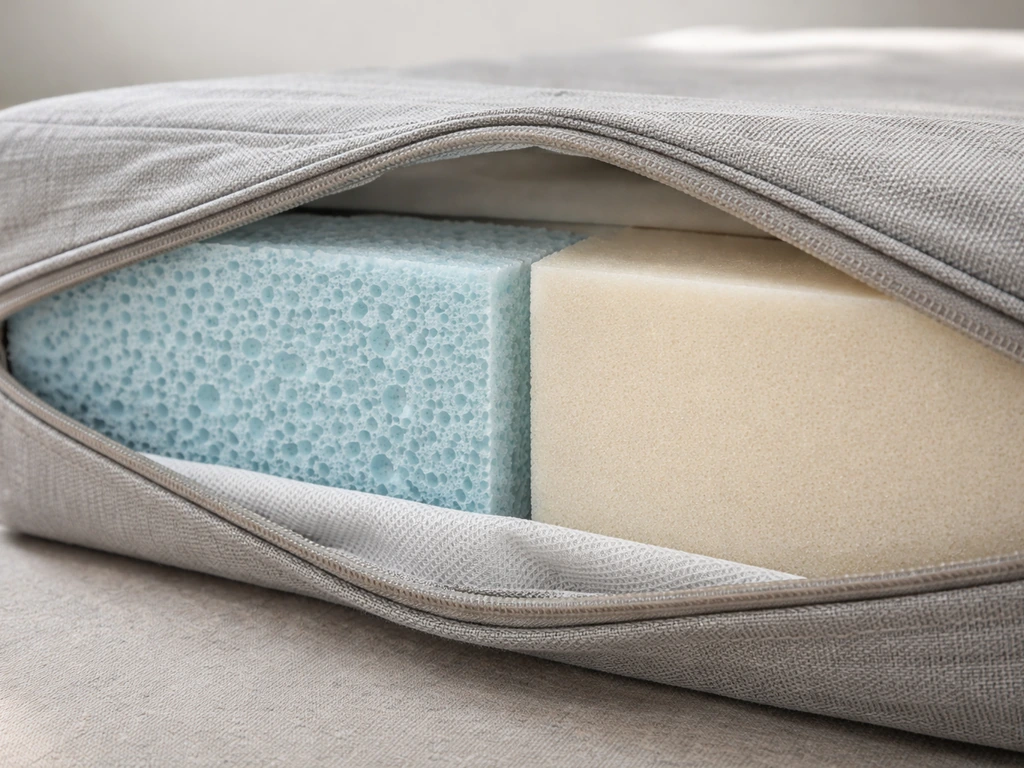
Cushion failure in cold climates comes from two things: water absorption in the foam core and UV degradation of the fabric. Most standard polyester cushions are not designed for year-round outdoor exposure in cold, wet climates. The foam stays wet, freezes, and the water expansion slowly breaks down the foam structure over one or two seasons. The fabric fades and weakens faster than you'd expect when it's wet-frozen repeatedly.
Foam and fill
Look for cushions with open-cell, quick-dry foam or Dacron-wrapped foam rather than solid closed-cell foam blocks. Open-cell foam drains and dries faster, which reduces freeze risk. The better option for cold climates is dry-fast foam (also called solution-dyed open-cell foam), which has a very porous structure that allows water to drain through almost immediately. Sunbrella and similar brands use it as their standard. If you're in a climate where cushions will get snowed on or rained on repeatedly, dry-fast foam is genuinely worth paying for.
Fabric
Solution-dyed acrylic fabric (Sunbrella is the most recognized brand, but Outdura and Tempotest are also excellent) is the correct choice for cold-climate cushions. Solution-dyeing means the color runs through the entire fiber rather than being coated on the surface, so UV exposure doesn't fade it as dramatically. The acrylic itself resists mildew and dries quickly. Avoid polyester covers on high-end foam, they pill, fade faster, and trap moisture at the seams. Also check that cushion covers have zippers that allow removal for washing; fabric that stays clean and dry lasts years longer than fabric that stays damp and is never fully cleaned.
Cushion strategy for cold climates
Even the best all-weather cushions last longer if you bring them inside during hard winters. My honest recommendation: use quality solution-dyed acrylic cushions with dry-fast foam during the season, and store them in a deck box or inside once temperatures start hitting freezing regularly. If you want true set-it-and-forget-it outdoor furniture through winter, choose frames without cushions or with fully attached, weather-sealed seat pads and plan to replace those pads every few years. For cushioned seating sets in climates like Minnesota or New England, removable cushion storage is just part of the maintenance routine.
Cover vs. store: what actually protects furniture through winter
Whether you should cover or store your furniture for winter depends on the material and your climate severity. Covers are not a complete substitute for proper storage in genuinely cold, wet, snowy climates, but they're a significant upgrade over leaving furniture uncovered.
When covers are enough
Powder-coated aluminum with all-weather resin wicker or HDPE slats can stay outdoors through most winters with a good cover. A quality cover needs to be breathable, non-breathable covers trap condensation underneath, which creates a wet microclimate against the frame all winter, which is exactly what you don't want. Look for covers with air vents built into the top or sides. The cover should fit snugly (tie-downs or drawstrings at the base) so wind doesn't get under it repeatedly. Even with these materials, covers extend the life of any finish and reduce cleaning time in spring.
When you should actually store it
Cushions should come inside whenever you're done with the season, period. Wrought iron and steel furniture lasts significantly longer if stored in a garage or shed rather than left outdoors through freeze-thaw cycles, the combination of snow, ice, and temperature swings is hard on the coating and any scratches become problems. Wood furniture benefits from indoor storage too, especially pieces without sealed end grain or annual oil treatment. If you have teak that you haven't oiled recently, bringing it in for winter (or at minimum getting a cover on it before the first hard freeze) is worth doing.
Pre-winter and spring maintenance routine
- Clean thoroughly before covering or storing: remove dirt, bird droppings, pollen, and any organic material that can trap moisture and accelerate decay under a cover.
- Dry everything completely before covering: covering damp furniture seals in moisture. Let frames and fabric dry in sun before putting covers on.
- Inspect and touch up finishes: look for chips or scratches on metal frames and apply touch-up paint or a thin coat of automotive wax before winter. On wood, apply a fresh coat of teak oil or spar urethane if the surface looks dry or shows bare wood.
- Remove and store cushions: clean with a mild soap solution, rinse well, let dry completely, and store indoors in a breathable bag or container.
- Apply stainless steel protectant to hardware: a thin coat of a corrosion inhibitor on fasteners and hinges extends their life in wet climates.
- In spring, rinse down aluminum and resin wicker before first use to remove any salt or grit that accumulated under covers.
Shopping checklist and best picks by budget and space
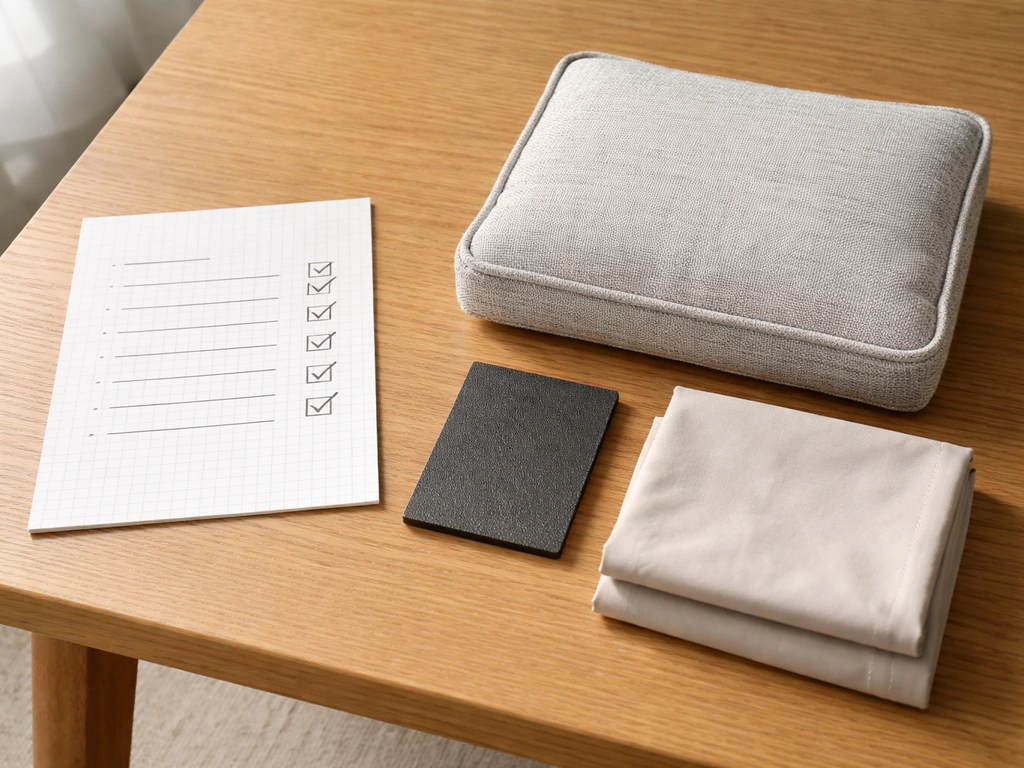
Here's how I'd approach buying for a cold climate at different budget levels. The core principle is the same across all budgets: prioritize frame material first, because that's the hardest thing to fix or replace. If you are comparing options for the best patio furniture to withstand elements, start by prioritizing the frame material first since it is the hardest to repair later.
Budget-conscious (under $500 for a set)
At this price point, focus on powder-coated aluminum bistro sets or simple folding aluminum chairs with a small table. HDPE furniture from brands like Polywood starts around this range for individual pieces. Avoid steel sets at this price, budget steel frames often have minimal coating and will rust within two winters in a cold, wet climate. A simple aluminum bistro set kept clean and covered will outlast a mid-range steel dining set in any cold climate.
Mid-range ($500 to $1,500 for a set)
This is where the best value in cold-climate furniture lives. You can get a quality powder-coated aluminum deep seating set or dining set with Sunbrella cushions, or a full HDPE Adirondack set. Brands like Telescope Casual, Brown Jordan's entry lines, and Polywood offer genuinely durable products in this range. For small spaces like a balcony or urban patio, an aluminum loveseat with a side table and two chairs is ideal, manageable to cover or move, and durable enough to stay out through all but the harshest winters.
Investment buy ($1,500 and up)
At this level you're looking at commercial-grade aluminum frames, teak dining and seating sets, or high-end HDPE modular sectionals. Teak from reputable sources like Gloster or Barlow Tyrie will last 20-plus years with reasonable maintenance. Commercial-grade aluminum (thicker walls, marine-grade powder coat) is effectively a permanent outdoor installation if you maintain the finish. These are worth the investment for a permanent patio you're designing once and maintaining long-term, which is common for homeowners in cold climates who put serious effort into their outdoor spaces.
Your cold-climate buying checklist
- Frame material: aluminum (powder-coated) or HDPE composite as first choice; teak if you'll maintain it; avoid uncoated steel and natural rattan
- Wicker: confirm frame is aluminum before buying any resin wicker set
- Welds and joints: inspect for smooth, fully-coated welds with no bare metal at stress points
- End grain on wood: sealed or capped, not left bare
- Fasteners: stainless steel, not plain steel or zinc
- Cushion foam: dry-fast or open-cell quick-dry foam, not standard polyester batting
- Cushion fabric: solution-dyed acrylic (Sunbrella, Outdura, Tempotest)
- Cover: breathable fabric with vents and tie-down system
- Storage plan: confirm you have space for cushions indoors before buying cushioned pieces
- Warranty: a meaningful warranty (5 years or more on frame, 1-3 years on fabric) is a useful quality signal
If you're furnishing a particularly demanding climate, think Minnesota winters, coastal New England, or any location where furniture regularly sits under snow for weeks, the frame and material choice matters more than anything else. If you're comparing options, look for materials like powder-coated aluminum, HDPE composite, and all-weather resin wicker that are actually built for coastal New England winters. Get the frame right, protect it with a proper cover, store the cushions, and even a mid-range set will give you many solid seasons. Those considerations apply across cold climates generally, though specific regional factors like salt air near the coast or extreme temperature swings in the upper Midwest can push you toward more protective measures at every step.
FAQ
Can I leave patio furniture outside all winter if I use a cover?
Sometimes, but plan by material and local snow habits. Even with aluminum or HDPE, a cover must be breathable (vents) to prevent condensation, and it should be secured so snowmelt water does not pool underneath. For cushions, the article’s guidance still holds, bring them in during freezing conditions, otherwise foam can degrade from repeated wet-freeze cycles.
What’s the easiest way to tell if “all-weather” resin wicker has a cold-climate-safe frame?
Verify the frame material explicitly, the safest combination is resin wicker woven over aluminum. If the listing doesn’t clearly state “aluminum frame,” treat it as a risk, some budget sets use steel frames that can rust from inside fasteners and weld areas even when the wicker looks fine.
Do I need to worry about powder-coat thickness, and how can I check it without special tools?
You cannot accurately measure microns at home, so you need buyer proxies. Look for a solid warranty and reputable brand construction, and pay attention to whether the listing mentions priming and electrostatic powder coating. Also inspect for uniform, fully coated welds and edges, bare seams usually indicate weak coverage where corrosion starts.
Is teak really “maintenance-free” in freezing weather?
No, it’s only low-maintenance, not zero-maintenance. The key vulnerability is end grain absorbing water, so check whether the piece has sealed ends or design details that keep ends off damp ground. If you want to reduce freeze-thaw risk, reapply a penetrating teak sealer or oil on a schedule (often every 1 to 2 years, depending on exposure and cover quality).
What’s the most common mistake people make with cold-weather furniture shopping?
Choosing by the surface look instead of the frame and build details. The freeze-thaw mechanism punishes hidden failures, like a weak powder-coat bond, unprimed metal, or mismatched fasteners. Prioritize frame material first, then confirm coatings, fasteners, and how joints are protected.
Are stainless steel fasteners always necessary on aluminum or HDPE furniture?
They are a big deal on metal, especially around joints. If you see mild steel hardware, expect rust streaks and corrosion initiation at scratches and fastener points. For HDPE, the requirement is different, look for slotted or oversized holes to allow seasonal expansion so the joint does not stress and loosen.
Should I store cushions indoors during winter even if they are “water-resistant” or have removable covers?
Yes, because the problem is often the foam core staying wet, then freezing, then breaking down over time. Removable covers help you clean and dry the fabric, but dry-fast foam and solution-dyed acrylic work best when the entire cushion is stored out of freezing conditions for the season.
Is a non-breathable cover actually worse than leaving furniture uncovered?
Often, yes in wet-snow climates. Non-breathable covers trap condensation and create a wet microclimate against the frame all winter, which speeds up corrosion and finish breakdown at scratch points. If you use a cover, choose one with vents and secure it so air can exchange rather than becoming a moisture chamber.
How do I handle furniture on a patio that gets road salt or ice melt splash?
Treat salt as a coating and fastener stress test. Even for materials like wrought iron, you need high-quality powder coating and immediate touch-up for chips. If you have any steel components, avoid them unless they are galvanized with a robust topcoat, and consider moving furniture away from direct spray paths or washing down with fresh water after storms.
Is it better to buy cushion-free furniture if I hate seasonal storage?
If your priority is true set-it-and-forget-it for hard freezes, cushion-free frames or fully attached, weather-sealed seat pads are the easier choice. Otherwise, plan for at least seasonal cushion removal to a dry location like a shed or deck box, because cushion degradation is one of the fastest failure modes in cold, wet winters.
Do aluminum and HDPE expand and contract, and could that loosen the furniture?
They do, and that’s why good HDPE designs use slotted or engineered fastener holes to permit movement. Aluminum frames also need appropriate joint design and protected weld/edge coating, because movement plus moisture at scratches can become a long-term corrosion problem. This is another reason to prefer known brands with construction details over generic budget sets.
Which cold-weather material choice is best if my patio is very windy?
Wind resistance favors a heavier, stable frame, powder-coated aluminum and HDPE are both strong options. HDPE’s weight can reduce movement in gusts, and resin wicker over an aluminum frame should have a tighter weave to prevent snagging or loosening. If you choose lighter pieces, make sure your cover is tie-down secured so wind cannot repeatedly lift it and create trapped wet pockets.
Next Articles
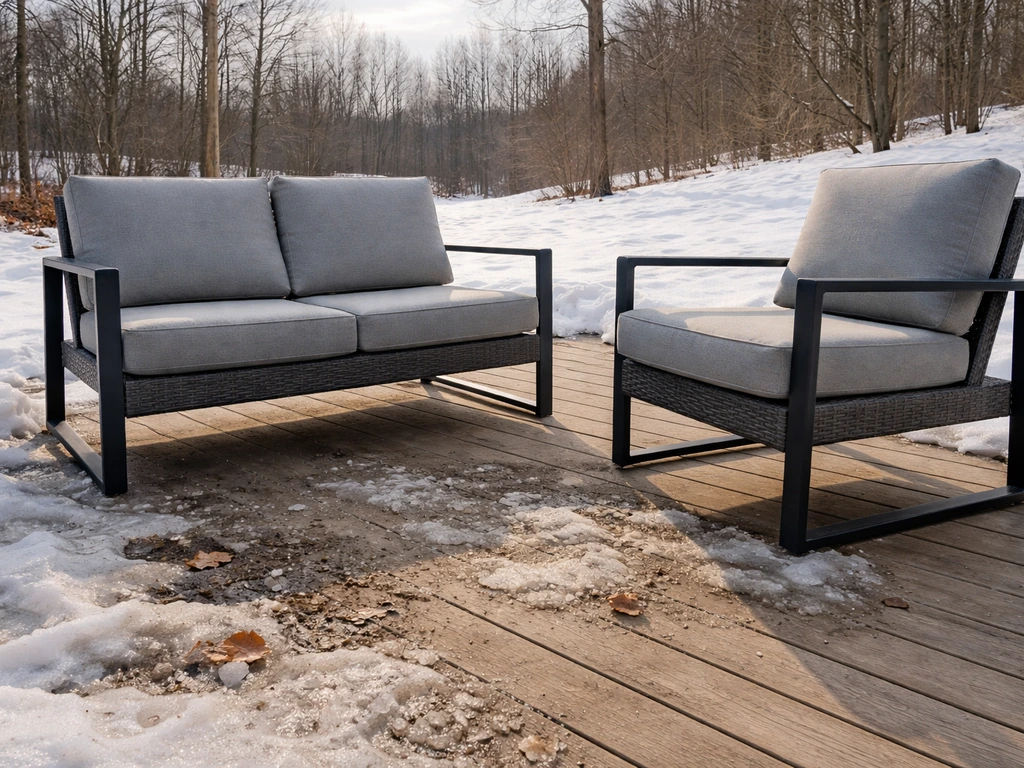
Best Patio Furniture for Minnesota Weather: What Lasts
Compare wood, metal, wicker and composite patio furniture for Minnesota freeze-thaw, sun and salt, with purchase and car
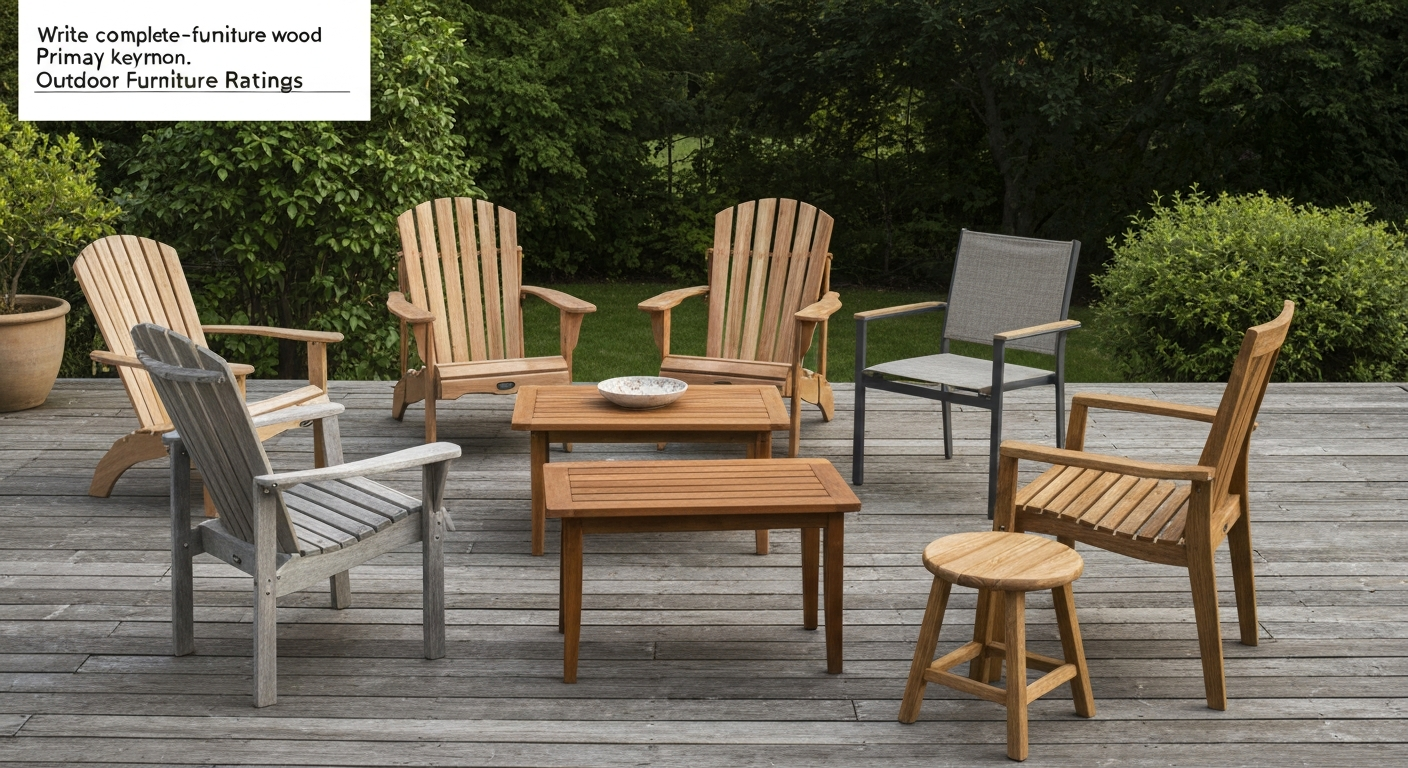
Common Patio Furniture Wood: Best Choices, Care & Tips
Compare common patio furniture wood types, teak, cedar, redwood, oak, with durability, finishes, and care tips.
Best Wood Patio Stain: Choosing Durable, Low-VOC Finishes
Compare and choose the best wood patio stain: durability, finish, climate tips, prep, and top product picks.