
For Minnesota weather, your best bets are powder-coated aluminum frames, high-density polyethylene (HDPE) lumber, and all-weather resin wicker over aluminum or steel frames. These materials handle the state's brutal freeze/thaw cycles, damp spring shoulder seasons, and strong summer UV without warping, rusting, or cracking apart at the joints. Teak and cedar are solid wood options too, but they need regular maintenance to hold up. What you want to avoid: thin-gauge steel without proper coating, natural rattan wicker, and untreated softwood frames, all of which start breaking down after their first Minnesota winter.
Best Patio Furniture for Minnesota Weather: What Lasts

Theo Tierney
28 Jun 2026
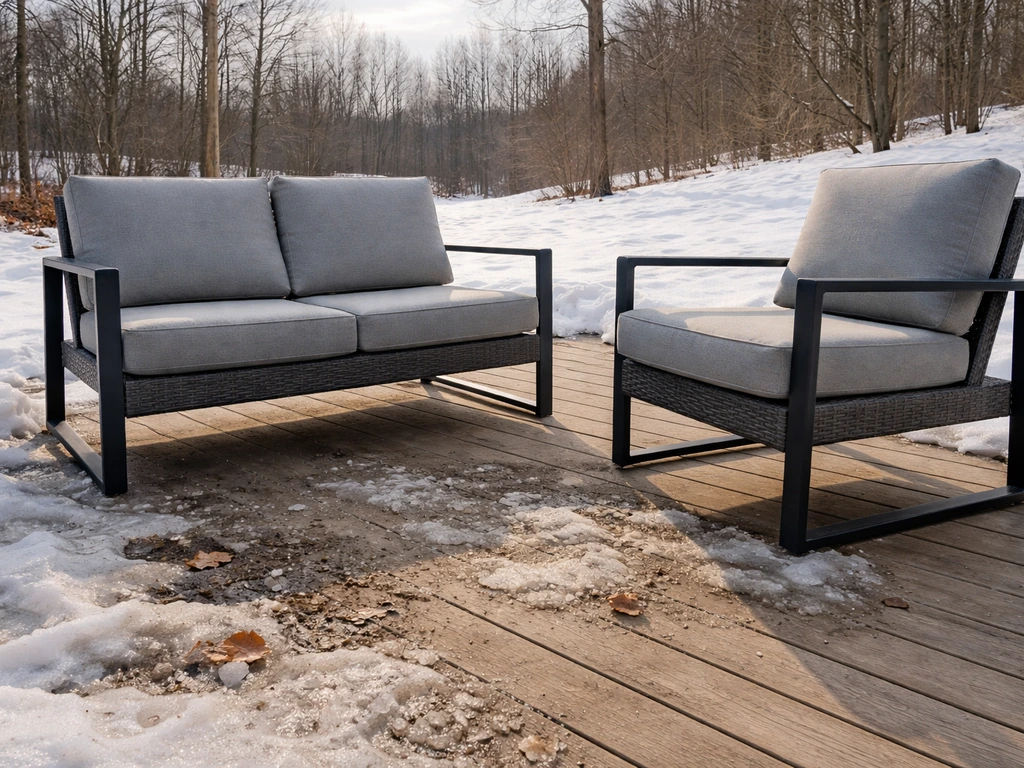
What Minnesota weather actually does to patio furniture

Minnesota is genuinely one of the hardest climates in the country for outdoor furniture. Minneapolis sees average January lows around -8.8°F and February lows around -6.3°F, which means furniture left outside is dealing with temperatures well below zero for weeks at a stretch. But the real damage isn't the cold itself. It's the freeze/thaw cycling, the pattern where temperatures drop below 32°F at night and then climb above freezing during the day, over and over again through late fall, winter warm spells, and especially March and April. The Minnesota DNR Twin Cities climatology describes the “spring thaw” transition period between the last spring freeze and the first spring-freeze-free thaw window, which matches the repeated above-freezing days and below-freezing nights that drive these wet thaw cycles temperatures drop below 32°F at night and then climb above freezing during the day.
Here's the problem that freeze/thaw creates: any water that has worked its way into a joint, a crack in a finish, or the grain of a wood board expands by about 9% when it turns to ice. That expansion is powerful enough to split wood fibers, pop paint and powder coat off metal, crack welds, and work screws loose from their holes. Do that a hundred times over a single Minnesota winter and you've got furniture that looks five years older than it is. The National Park Service has documented this same mechanism destroying stone masonry and historic structures; it does the same thing to your outdoor sectional.
Then spring arrives and brings its own problems. Minnesota's shoulder seasons are damp, and relative humidity regularly climbs above 60%, the threshold at which mold and mildew growth kicks off on porous surfaces. Foam cushions left outside, untreated wood, and natural fiber wicker are particularly vulnerable. Summer adds another layer: the Upper Midwest gets real UV intensity from June through August, and plastics, synthetic fabrics, and painted finishes that aren't UV-stabilized will fade, chalk, and get brittle fast. Plan for all three phases, frozen winter, wet spring, and hot UV-heavy summer, and you'll choose furniture that actually survives.
The best (and worst) materials for Minnesota conditions
Not all weather-resistant claims on packaging mean the same thing. Here's how the main material categories actually perform in freeze/thaw, moisture, and UV conditions.
Powder-coated aluminum
This is my top recommendation for Minnesota. Aluminum doesn't rust, it's lightweight enough to move for storage, and a quality powder coat finish is baked on at high temperature so it bonds tightly to the metal rather than sitting on top like spray paint. Look for frames made from 6061 or similar structural aluminum alloy with a powder coat thickness of at least 2 mils. The key vulnerability is the powder coat itself: if it chips or gets scratched down to bare metal, moisture can creep under the coating and cause corrosion (called filiform corrosion) even without rust. Inspect your aluminum furniture each spring and touch up chips with matching powder coat paint before they spread.
HDPE lumber (high-density polyethylene)
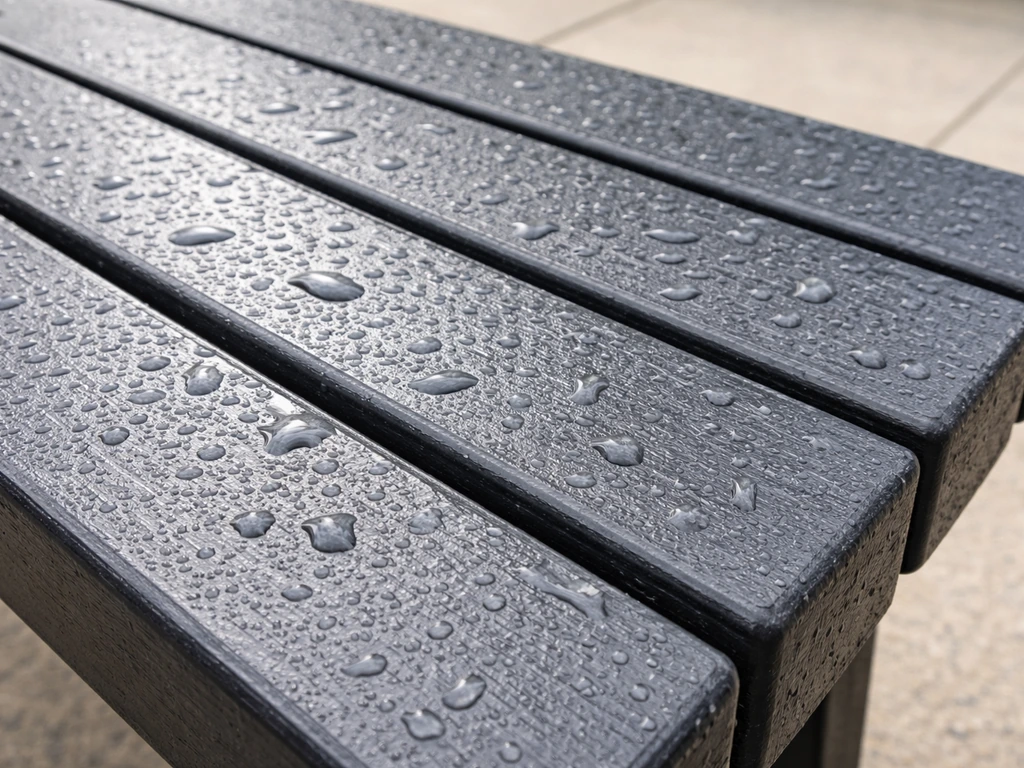
HDPE lumber, the material used in Polywood and similar brands, is genuinely all-season capable in Minnesota. It's made from recycled plastic, so there's no grain structure for water to penetrate, no finish to chip, and no fibers to swell and crack. It handles sub-zero temperatures without becoming brittle (unlike some cheaper plastics), and it won't fade the way painted wood does because the color runs all the way through. The trade-off is that it looks like plastic, because it is plastic. Premium brands nail the wood-grain texture reasonably well, but budget HDPE can look cheap. For Adirondack chairs, benches, and dining sets you're comfortable leaving out all winter, HDPE is the lowest-maintenance choice available.
Teak and cedar (natural wood)
Teak is the gold standard of outdoor wood because its high natural oil content resists moisture absorption and the fungal growth that causes rot. It also handles freeze/thaw better than most woods because there's less water being drawn into the grain to expand and crack. The catch is cost, quality teak furniture is expensive, and maintenance. Left untreated, teak weathers to a silver-gray color that many people actually like, but the surface can develop surface checks (small cracks) over time. If you want the original golden color, you need to clean it and apply teak oil or a teak sealer once a year. Cedar is a more affordable alternative that has decent natural rot resistance, but it's softer than teak and needs more frequent sealing in Minnesota's wet shoulder seasons. Both woods should be stored or covered for winter to get maximum lifespan.
All-weather resin wicker over aluminum frames
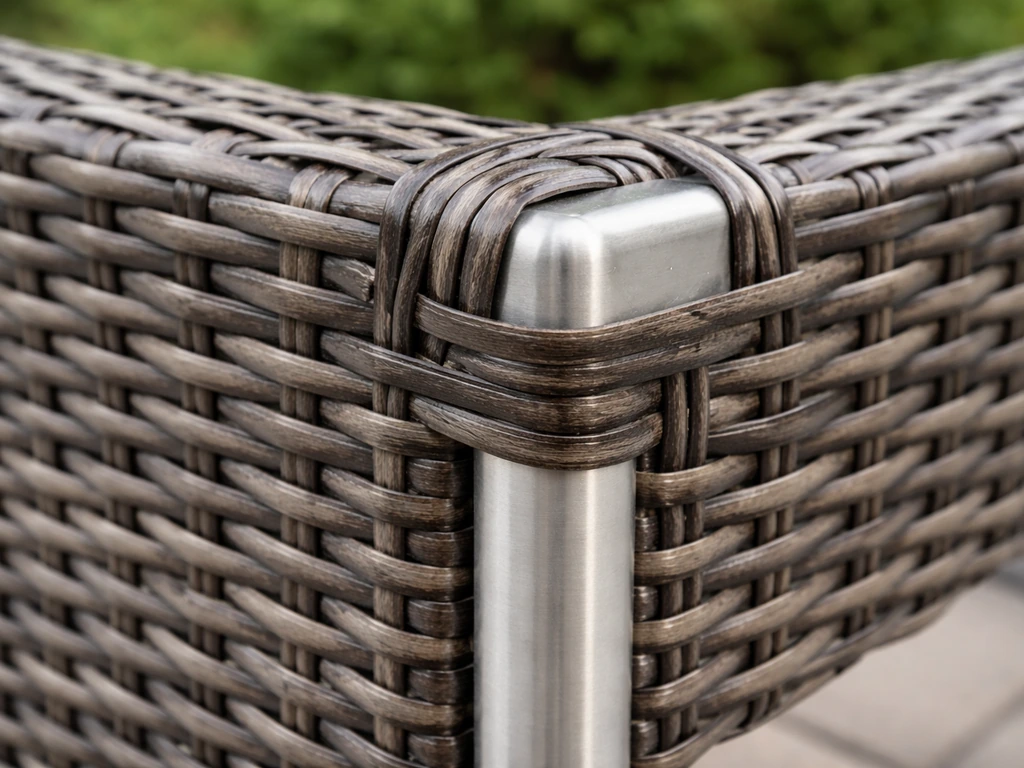
Synthetic resin wicker (often called all-weather wicker or PE wicker) is a completely different animal from natural rattan. The weave is made from polyethylene or similar plastic resin that's UV-stabilized and doesn't absorb water. Paired with an aluminum frame, it's a solid Minnesota choice. The critical detail is the frame underneath: if a wicker piece has a steel frame, it will eventually rust at welded joints even if the wicker itself holds up fine. Always check what the frame is made of before you buy. Natural rattan wicker is a total write-off for Minnesota, it absorbs moisture, becomes brittle in freezing temperatures, and can crack and unravel after a single hard winter outdoors.
Steel and wrought iron
Steel furniture can look great and feels very solid, but it requires more vigilance in Minnesota. Even galvanized or powder-coated steel will eventually rust if the coating is breached, and Minnesota's freeze/thaw cycles are good at finding and exploiting those breaches. Wrought iron is heavy, which helps it not blow around in wind, but weight alone doesn't protect the finish. If you buy steel furniture, inspect it every spring and fall, sand any rust spots back to bare metal, prime with a rust-inhibiting primer, and repaint. Done consistently, steel can last a long time. Ignored, it can rust through within a few years. Cast aluminum gives you most of the substantial feel of cast iron without the rust risk, and it's worth the price premium for Minnesota.
Material comparison at a glance
| Material | Freeze/Thaw Resistance | Moisture/Mold Resistance | UV Resistance | Maintenance Level | Minnesota Rating |
|---|---|---|---|---|---|
| Powder-coated aluminum | Excellent | Excellent | Good (if quality coat) | Low | Top choice |
| HDPE lumber | Excellent | Excellent | Excellent (UV-stabilized) | Very low | Top choice |
| All-weather resin wicker (aluminum frame) | Good | Good | Good | Low-moderate | Strong choice |
| Teak | Good | Very good | Good | Moderate (annual sealing) | Strong choice with care |
| Cedar | Fair | Fair | Fair | Moderate-high | Acceptable with storage |
| Powder-coated steel | Fair | Fair | Good | High (vigilant inspection) | Risky long-term |
| Natural rattan wicker | Poor | Poor | Poor | Very high | Avoid |
| Untreated softwood | Poor | Poor | Poor | Very high | Avoid |
Frame and construction details that actually matter
Material choice gets you 60% of the way there. The other 40% is construction quality. A well-made aluminum frame will outlast a poorly made one of the same alloy, because joints and hardware are where Minnesota weather does its most concentrated damage.
- Welded joints vs. bolted joints: Welded aluminum frames are stronger and have fewer points of water entry. If joints are bolted, look for stainless steel or marine-grade hardware — not zinc-plated or regular steel bolts, which rust at the head and stain the frame.
- Wall thickness: Aluminum tubing should be at least 1.5mm thick for dining chairs and tables. Thinner than that flexes, fatigues, and fails at welds under repeated weight and movement.
- Hardware: Every screw, bolt, and connector on Minnesota-worthy furniture should be 304 or 316 stainless steel. Anything less will show rust streaks within two or three seasons of freeze/thaw exposure.
- Drainage holes: Good outdoor furniture has small drainage holes at the low point of hollow frame tubes. Without them, water collects inside the frame, freezes, and can crack the tube wall from the inside out.
- Leveling glides: Rubber or plastic feet caps protect the frame ends from sitting in standing water and slow corrosion at the cut ends. These are cheap and easy to add if missing.
- Finish edges and welds: Run your hand over welds. On quality pieces they're smooth and continuous. Rough, porous, or skipped welds are paint-adhesion failure points waiting to happen.
For wicker furniture specifically, look at how the weave is attached at the frame endpoints. Cheap pieces just clip it on with plastic tabs that UV-degrade and break. Better construction weaves the material back through and ties it off, or uses stainless fasteners to secure the ends. When one weave strand breaks loose, it unravels fast, so this detail matters more than it looks.
Cushions, fabrics, and umbrellas that won't let you down
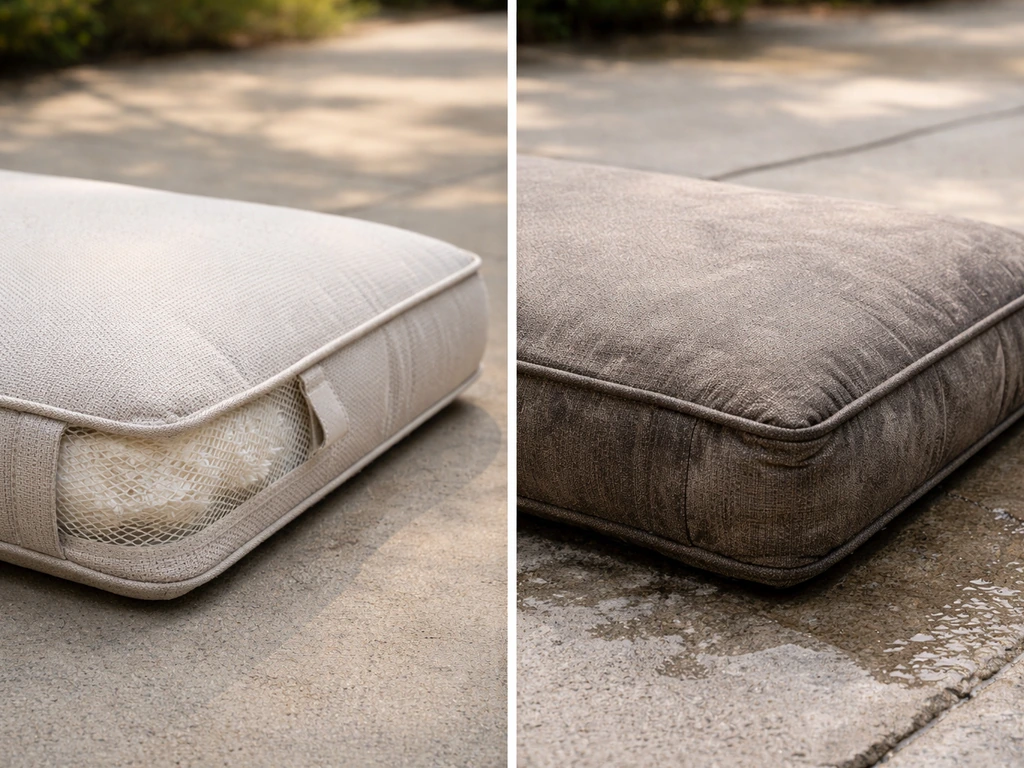
This is where a lot of otherwise good outdoor furniture sets get ruined. You can buy a great aluminum frame and wreck it with cheap cushions that hold moisture against the metal or grow mold that stains the fabric permanently. Minnesota's wet spring and humid summer demand specific materials here.
Cushion fill and covers
Look for cushions filled with open-cell outdoor foam or quick-dry polyester fiberfill rather than standard closed-cell foam. Standard foam holds water like a sponge and takes days to dry out, in a Minnesota spring with 60%+ humidity days in a row, it never really dries, and mold sets up inside the cushion where you can't see it. Open-cell foam and fiberfill drain and dry much faster. Cushion covers should be made from solution-dyed acrylic, with Sunbrella being the most recognized brand. Solution-dyed means the color is baked into the fiber during manufacturing, not printed on top, so UV doesn't bleach it out. Sunbrella and similar fabrics are also treated to resist mildew, which matters a lot during May and June in Minnesota.
Storage and off-season cushion care
Even the best outdoor cushions should come inside or go into sealed storage during the Minnesota winter. Frozen foam cushions can crack internally, and a winter's worth of snow and ice sitting on fabric accelerates color fade and fiber breakdown faster than a full summer of UV. Bring cushions inside when temperatures drop consistently below 40°F in the fall, usually October in the Twin Cities area, and store them somewhere dry. A sealed plastic tote in a dry garage works fine.
Umbrellas
Patio umbrellas in Minnesota face two threats: wind and UV. As a rule of thumb, if gusts are strong enough to tip a chair, that is already too much wind speed for patio furniture what wind speed will move patio furniture. For the canopy, solution-dyed acrylic or polyester with a UV protection rating of at least UPF 50 is the baseline. Avoid bargain umbrellas with printed polyester canopies, they fade dramatically in one to two seasons under Minnesota summer sun. For the frame, fiberglass ribs handle wind gusting better than aluminum ribs because they flex rather than snap. The pole itself should be aluminum or powder-coated steel with a rust-resistant base. Always close umbrellas when not in use (especially during storms), and take them down and store them before the first hard freeze. A frozen, snow-loaded umbrella canopy can crack ribs and strip the fabric at the seams.
All-season vs. seasonal storage: plan this before you buy
One of the first questions to answer before you shop is whether you want furniture you can leave out year-round or furniture you'll store each winter. These are genuinely different buying strategies, and mixing them up leads to either spending too much for storage-planned furniture or buying truly all-season pieces when you had space to store seasonal ones.
If you're leaving furniture outside all winter
You need the hardest-wearing materials: powder-coated aluminum frames, HDPE lumber, and all-weather resin wicker on aluminum frames. Even then, use furniture covers during winter. A breathable, water-resistant cover keeps ice and snow off surfaces, reduces freeze/thaw moisture cycling on the frame, and adds years to the finish life. Breathable covers are important here, non-breathable tarps trap condensation underneath, which creates exactly the mold and rust conditions you're trying to avoid. Covers sized for your specific furniture (not just 'large chair cover') stay in place better and protect more effectively. Stake or strap covers down so they don't blow off in winter wind.
If you're storing furniture each winter
Storing furniture seasonally opens up more material options, teak, cedar, and even steel become more viable when they're not spending five months under snow. It also shifts the value equation. You might get more years out of a mid-range teak set that you store than an all-weather aluminum set you leave out, depending on how consistent you are with maintenance. The practical reality is that storage takes space and discipline. A full outdoor dining set, sectional sofa, and a couple of loungers can fill a two-car garage. If you don't have the space or the motivation to actually bring things in every October, plan for outdoor-rated furniture instead of seasonal pieces.
A middle path that works well for many Minnesota homeowners: use all-weather frames (aluminum or HDPE) that can technically stay outside, but bring cushions inside every winter without fail. This protects the most vulnerable component, keeps the furniture looking fresh longer, and doesn't require moving heavy furniture frames in and out each season.
Care and maintenance by material, what you're actually signing up for
Every material has a maintenance reality. Here's what the annual upkeep actually looks like for Minnesota conditions, not what the packaging says.
Aluminum and HDPE
These are your low-maintenance options. For aluminum, wash frames with mild dish soap and water each spring to remove winter grime and road salt residue if you're near a road. Inspect the powder coat for chips and touch up anything you find with matching touch-up paint before it spreads. For HDPE lumber, soap and water is all you need. If the surface gets faded or chalky over years of UV exposure, a light application of a 303 Aerospace Protectant or similar UV-blocking polymer restorer brings the color back and adds UV protection going forward.
Teak and cedar
Teak needs cleaning once a year with a teak cleaner (a two-part oxalic acid and brightener system is most effective) and then a coat of teak oil or sealer if you want to maintain color. If you prefer the silver-gray weathered look, skip the sealer but still clean it to remove surface mold and grime. Cedar needs sealing every one to two years with a penetrating exterior wood sealer. Don't paint cedar on outdoor furniture, paint sits on top of the surface, traps moisture underneath, and peels in Minnesota's conditions faster than bare or properly sealed wood.
Steel and iron
Inspect every spring and fall. Sand any rust spots to bare metal with 80-120 grit sandpaper, apply a rust-inhibiting primer (Rustoleum Clean Metal Primer is widely available and works well), and topcoat with exterior enamel. Don't skip the primer step, painting over rust just traps the oxidation underneath and it continues spreading. Wipe frames dry after rain and don't let water pool in joints. This level of attention is genuinely needed every year in Minnesota, so go in knowing that.
Cushions and fabric
Brush off dry dirt before washing (wet dirt grinds into fibers). For solution-dyed acrylic covers like Sunbrella, a mix of 1/4 cup mild dish soap and 1/4 cup white vinegar in a gallon of cold water, scrubbed with a soft brush and rinsed thoroughly, handles most mildew and staining. For stubborn mildew, Sunbrella's own cleaner or a diluted bleach solution (1 cup bleach per gallon of water) is safe on their fabric. Always rinse completely and air dry before storing. Storing slightly damp fabric in a sealed container is a guaranteed way to grow mold.
Your buyer checklist and best-pick guidance by setup
Use this before you pull the trigger on any purchase. If a piece passes these checks, it's likely built to handle Minnesota conditions. To narrow down the best patio furniture for New England, focus on the same all-weather durability factors that work in cold, wet, and UV-heavy climates.
- Frame material confirmed: powder-coated aluminum, HDPE, teak, or cedar — not untreated steel, natural rattan, or softwood.
- Hardware is stainless steel (304 or 316 grade) — check the product specs, not just the listing title.
- Wicker pieces: confirmed aluminum frame underneath, not steel.
- Drainage holes present in hollow frame tubes.
- Cushion fill is quick-dry foam or polyester fiberfill, not standard closed-cell foam.
- Cushion covers are solution-dyed acrylic (Sunbrella or equivalent) — not printed polyester.
- You have a plan for cushion storage before first hard freeze.
- You have or will buy breathable furniture covers if frames are staying outside all winter.
- For steel pieces: you're committed to annual inspection and touch-up — if not, choose aluminum instead.
- Umbrella canopy is solution-dyed acrylic with UPF 50+ rating; ribs are fiberglass.
Best picks by furniture type and situation
| Furniture Type | Best Material Choice | Runner-Up | Avoid | Storage Notes |
|---|---|---|---|---|
| Dining set (table + chairs) | Powder-coated aluminum | Teak (with annual sealing) | Steel with basic coating | Bring cushions in; cover or store frames |
| Sectional sofa / conversation set | All-weather wicker on aluminum frame | Powder-coated aluminum with cushions | Natural rattan or steel frame wicker | Cushions inside; breathable cover on frame |
| Adirondack chairs / loungers | HDPE lumber | Teak | Painted softwood | HDPE can stay out; others store or cover |
| Chaise lounges | Powder-coated aluminum + quick-dry cushions | HDPE sling-style | Steel frame with fabric sling | Cushions inside; frames covered or stored |
| Umbrella | Fiberglass ribs, solution-dyed acrylic canopy | Aluminum ribs, Sunbrella canopy | Steel ribs, printed polyester canopy | Store inside all winter — no exceptions |
| Side tables / accent pieces | Cast aluminum or HDPE | Teak | Painted MDF or particleboard | Cover or store seasonally |
Minnesota's climate is demanding but not impossible to shop for. The biggest mistake people make is buying furniture that looks great at the store or in an online photo but isn't actually built for freeze/thaw stress and wet springs. Stick to the materials and construction details above, plan your winter storage or covering strategy before the first November storm, and your patio furniture can realistically last 10 to 20 years even in the Twin Cities. If you're also comparing options for other cold-weather climates or looking at what holds up year-round in snowy regions generally, the same material hierarchy applies, aluminum, HDPE, and quality all-weather wicker lead the pack everywhere freeze/thaw is a real concern.
FAQ
Can I leave patio cushions outside all winter if I use the best patio furniture for Minnesota weather?
You should not. Even with durable frames, cushions are the first to fail because moisture gets trapped and freezes inside foam and fabric seams. Bring cushions in when temperatures drop consistently below 40°F in fall (often October), and air them fully dry before storage.
What’s the best cover type for Minnesota (breathable vs tarp) and how do I prevent condensation?
Use a breathable, water-resistant cover, one that fits the set tightly enough to stay put. Avoid non-breathable tarps, they trap warm humid air that cools into condensation during freeze cycles, which increases rust and mildew risk under the cover.
How can I tell if an aluminum frame’s powder coat is thick enough before buying?
Look for manufacturer specifications for powder coat thickness or a statement about multi-step powder coating, then inspect finish quality in person. Avoid pieces with a very thin, glossy coating that scratches easily, and treat any chips immediately since moisture can creep under damaged coating even if the aluminum itself does not rust.
Is cast aluminum still a good option in Minnesota if I want heavier, more decorative patio furniture?
Yes, cast aluminum gives you better weight and feel without the same rust risk as steel. Still inspect welds and any dissimilar metal connections, since those areas can be where moisture intrusion starts and where coatings can fail first.
Do I need to worry about steel rust even if it’s galvanized or powder-coated?
Yes. Rust starts when the coating is breached at edges, welds, and fasteners, and Minnesota freeze thaw accelerates how fast damage spreads. If you buy steel, plan to inspect at least spring and fall, sand back to clean metal, prime, then repaint, and keep surfaces dry after rain.
What should I do if powder coating gets scratched and I notice bare metal?
Clean the spot, then touch it up with matching powder-coat or epoxy-based touch-up paint as soon as you find the scratch. Do not delay, because filiform corrosion can begin under coating where you cannot see the problem yet.
For HDPE furniture, does chalking or fading mean it’s failing in Minnesota weather?
Not necessarily. HDPE color loss and chalkiness are usually cosmetic, but it can also indicate surface UV wear. A periodic UV protectant or polymer restorer can reduce further fading, but the bigger priority is keeping joints and hardware clean and free of trapped moisture.
Is teak truly maintenance-free in Minnesota?
No. Teak resists rot and freeze/thaw better than many woods, but it still needs annual cleaning to prevent grime and mold buildup. If you want the original golden color, you must oil or seal about once per year, otherwise it will naturally silver and can develop fine surface checks over time.
How do I choose outdoor cushion foam that won’t grow mold during Minnesota’s wet spring?
Prefer open-cell outdoor foam or quick-dry polyester fiberfill that drains and dries faster. Standard foam can stay wet for days in humid conditions, which lets mildew form inside the cushion core even if the outer fabric looks fine.
Are Sunbrella-type covers enough, or do I still need to store cushions?
Sunbrella-style solution-dyed acrylic helps with UV and mildew resistance, but it does not eliminate winter freeze and moisture cycling damage. For Minnesota, store cushions or keep them in sealed, dry, and properly vented conditions during winter.
Should I waterproof wicker furniture or treat it with sealants?
For synthetic resin wicker, waterproofing is usually unnecessary because the resin does not absorb water like natural fibers do. The more important step is checking the frame material, especially avoiding steel frames under resin wicker, since rust at joints can occur even when the weave looks fine.
If I want year-round furniture on an uncovered patio, what’s the safest material stack?
A low-fail combination is powder-coated aluminum or HDPE as the base, plus all-weather resin wicker on aluminum frames, and breathable winter covers during colder months. If you cannot cover, you may still need to bring cushions in, since cushions are the weak point in freeze/thaw and humidity.
How tight should I secure winter covers in windy Minnesota?
Secure them with straps or stakes, especially around the corners and underside edges. A cover that shifts or billows repeatedly exposes surfaces to alternating wet and freeze cycles, which undermines the very protection covers are meant to provide.
What are the most common “good-looking but poor choice” mistakes people make in Minnesota?
They buy thin-gauge steel, assume “weather resistant” means “freeze/thaw proof,” leave cushions outside through winter, or use non-breathable tarps that trap condensation. Another common mistake is forgetting frame material under resin wicker, then dealing with rust at welded steel joints.
Next Articles
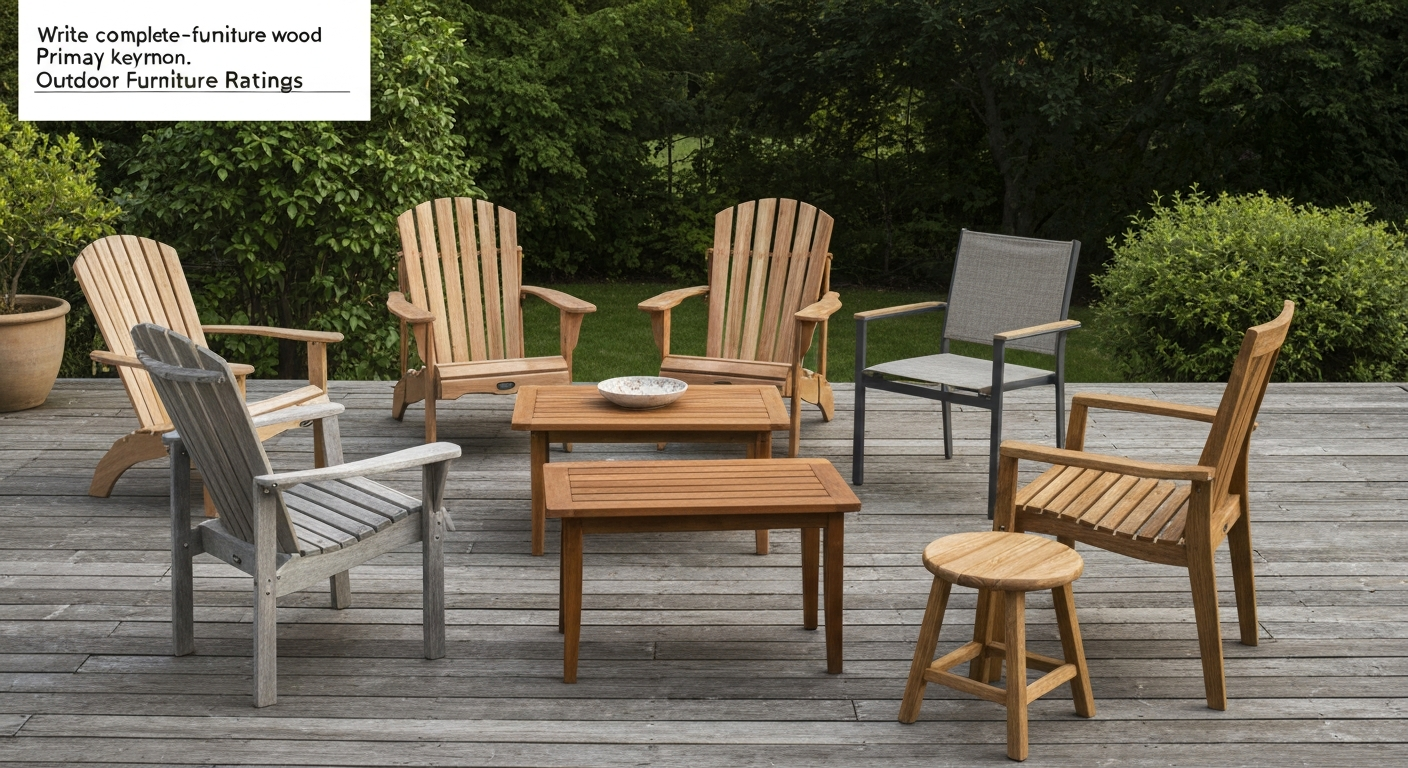
Common Patio Furniture Wood: Best Choices, Care & Tips
Compare common patio furniture wood types, teak, cedar, redwood, oak, with durability, finishes, and care tips.
Best Wood Patio Stain: Choosing Durable, Low-VOC Finishes
Compare and choose the best wood patio stain: durability, finish, climate tips, prep, and top product picks.
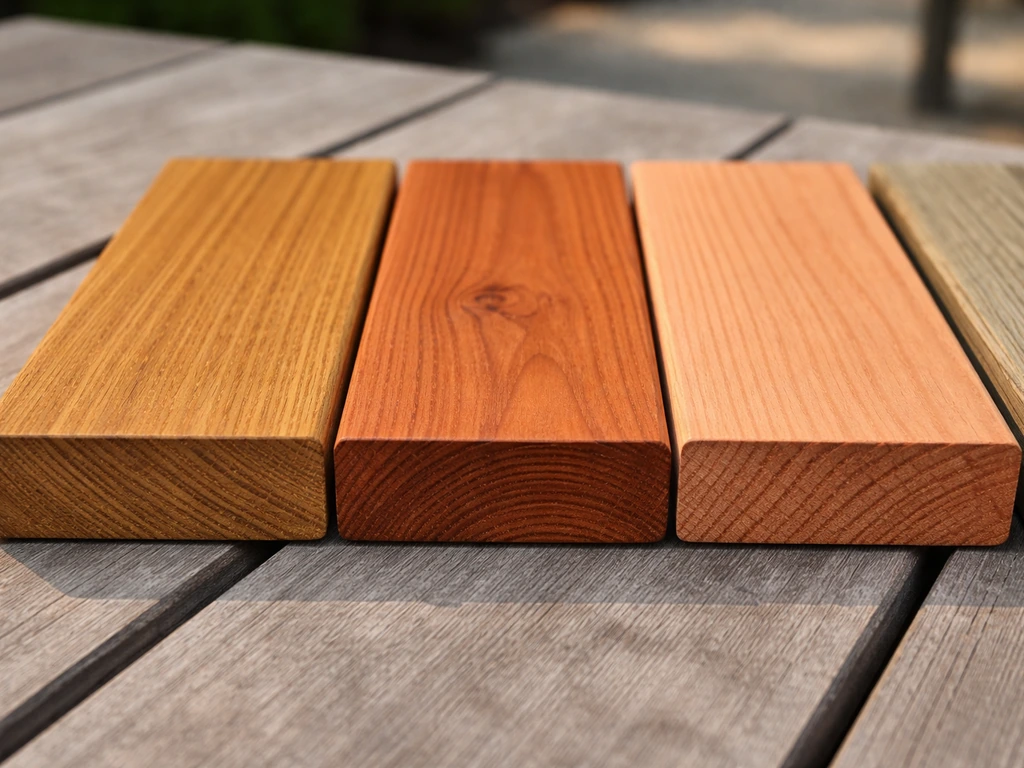
Common Patio Furniture Wood: Teak, Cedar, Redwood and More
Compare common patio woods like teak cedar redwood and pressure-treated: durability, quality checks, and care for long l