
For most homeowners, cast or extruded aluminum with a powder-coated finish is the best outdoor metal patio furniture choice. It resists rust in nearly every climate, weighs little enough to move around without a second person, and quality pieces carry warranties of 5 to 15 years on frames and finish. Wrought iron and steel have their place, but they demand more maintenance and suit specific situations. The right call depends on where you live, how much you want to fiddle with upkeep, and how long you expect to own the furniture.
Best Outdoor Metal Patio Furniture: Buyers Guide by Climate

Theo Tierney
9 Jul 2026
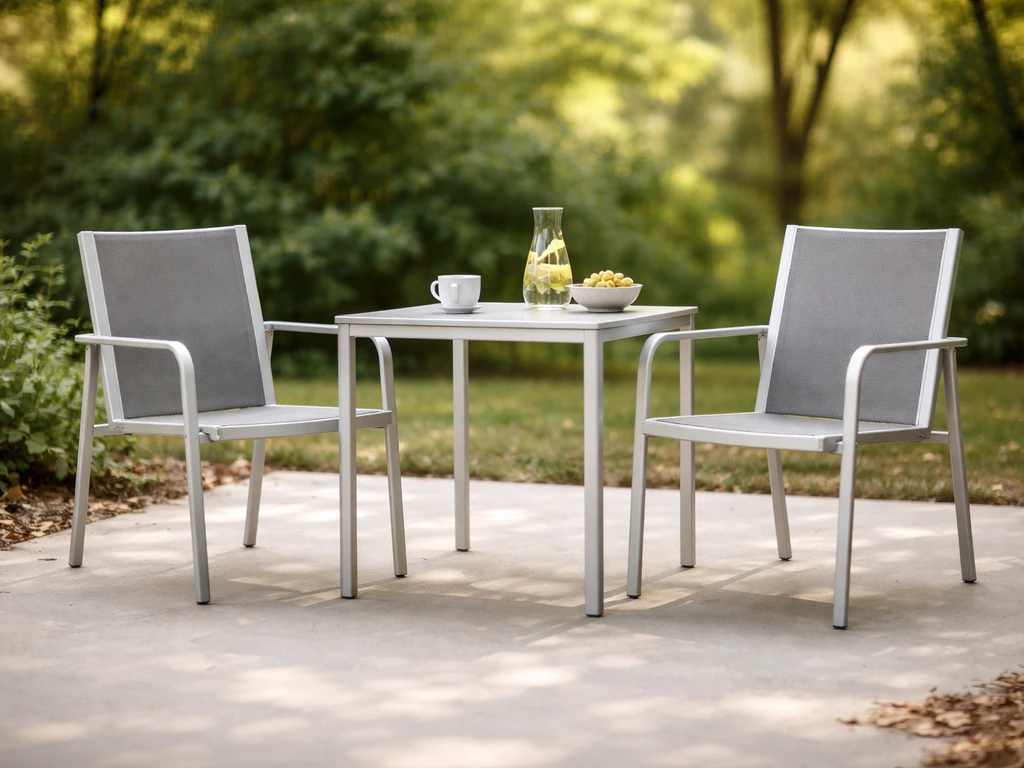
What 'best' actually means for metal patio furniture
Marketing copy loves words like 'commercial grade' and 'heavy duty,' but those labels don't tell you how a chair will look after three winters in Minnesota or two summers in Tampa. In real life, the best outdoor metal patio furniture earns that title across six dimensions: corrosion resistance, structural durability, finish longevity, comfort (either built-in or cushion-compatible), ease of maintenance, and weight suited to how you actually use your patio.
A piece that checks all six boxes for someone in coastal Florida may be overkill for someone in dry Phoenix, and vice versa. That's why the material conversation matters so much. It's not just about aesthetics or price point. It's about whether the metal and its finish can handle what your specific outdoor environment throws at it, year after year, without you repainting, sanding, or replacing hardware every spring.
Long-term value is also about honest cost of ownership. A wrought iron set for $800 sounds like a deal until you factor in the rust converter, primer, and spray paint you'll buy every two or three years, plus the time to apply it. A well-built aluminum set at $1,200 with a 5-year powder coat warranty and a 15-year frame warranty, like what Tropitone offers on residential aluminum furniture, is almost always the better financial decision over a decade.
Aluminum vs wrought iron vs steel: choosing the right metal
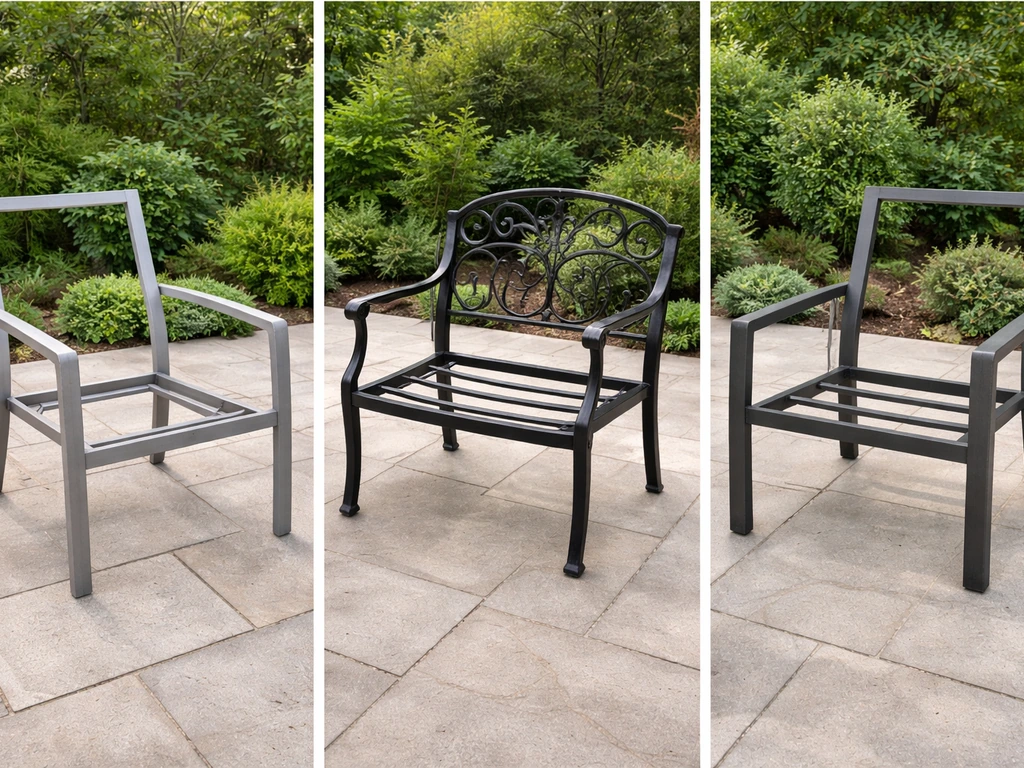
These three metals behave very differently outdoors. Understanding the core trade-offs will narrow your decision faster than any buying guide chart.
Aluminum
Aluminum doesn't rust. That's not marketing spin, it's chemistry: aluminum oxidizes to form a stable oxide layer that protects the metal underneath. In practice, this means you can leave quality aluminum furniture outside year-round in most climates without any special treatment. Brands like Polywood explicitly back this up, offering 5-year residential warranties on welds, joints, and powder-coat finish with the claim that their aluminum products can stay outdoors in any season. Tropitone pushes that even further with a 15-year residential frame warranty on aluminum. When a manufacturer is willing to stand behind a product for 15 years, that tells you something real about the material.
Aluminum comes in two main forms: extruded (hollow tube sections, lighter and often used for casual sets) and cast aluminum (molded into more ornate shapes, denser and heavier). Cast aluminum mimics the look of wrought iron with curved decorative details but without the rust risk. Extruded aluminum is cleaner and more modern in style, works well for sling chairs and minimalist dining sets, and is easier to move around. Either way, look for wall thickness in the tubing, not just overall weight.
Wrought iron
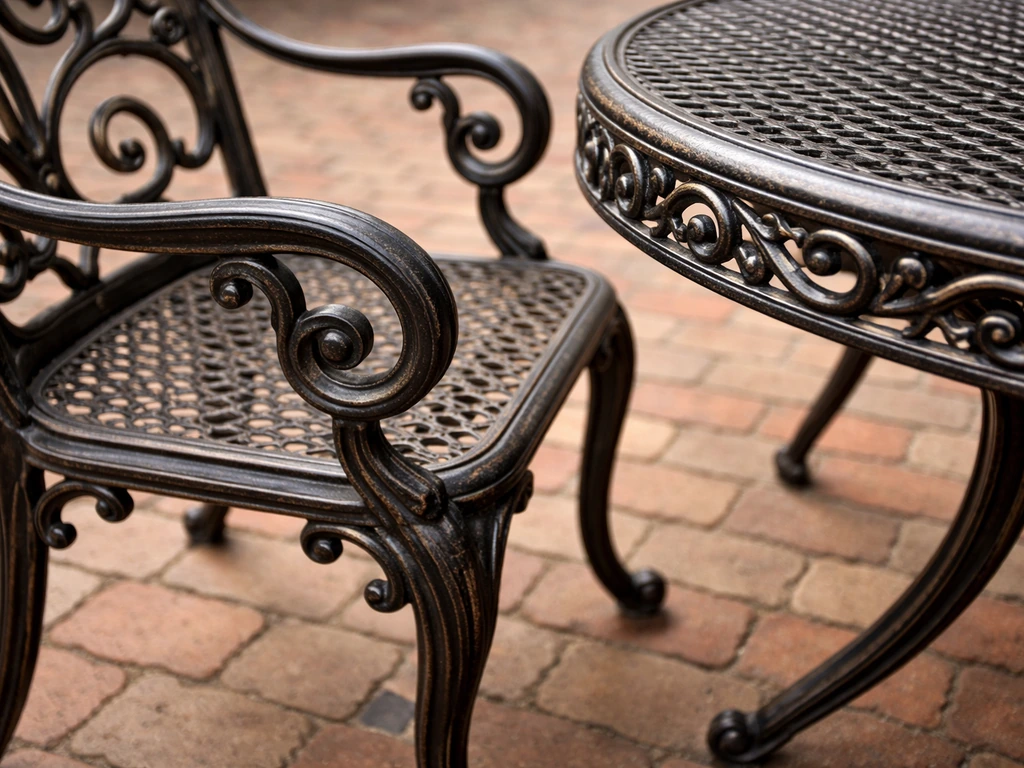
Wrought iron is dense, heavy, and genuinely beautiful in a traditional, formal way. A wrought iron bistro set on a brick patio is a classic look that ages well visually. The problem is that it ages less gracefully structurally: iron rusts, and it will rust on any exposed surface where the finish chips, scratches, or wears. In humid climates, near salt air, or anywhere you get significant rain, you're signing up for annual or biannual rust inspection and touch-up work. That's not a reason to avoid it entirely, but you should go in with clear eyes. Wrought iron makes the most sense for dry climates, covered patios, or homeowners who genuinely don't mind seasonal maintenance and value the weight and aesthetic.
Steel
Steel patio furniture sits between aluminum and wrought iron in most respects. It's lighter than wrought iron but heavier than aluminum, and it rusts if the finish is compromised. Powder-coated steel can perform well in mild climates, but the finish has to stay intact. Extremis, a commercial-grade manufacturer, warrants powder-coated metal parts for 5 years and states that steel should not rust through in a structurally damaging way under normal use, which is a reasonable standard for quality product. Extremis also publishes a commercial warranty statement describing its 5-year coverage for powder-coated metal parts and related components, including an expectation that steel should not rust through in a structurally damaging way under normal use. For residential buyers, though, steel generally requires more attention than aluminum and doesn't offer wrought iron's mass or classic look, so it occupies a narrow middle ground. It works well for contemporary-style furniture in covered or semi-protected outdoor spaces.
| Metal | Rust Risk | Weight | Best Climate Fit | Maintenance Level | Typical Frame Warranty |
|---|---|---|---|---|---|
| Aluminum | None (won't rust) | Light to moderate | All climates, coastal, snowy, humid | Low | 5–15 years |
| Wrought Iron | High if finish chips | Heavy | Dry climates, covered patios | High (annual touch-up) | 1–3 years typical |
| Steel | Moderate if finish chips | Moderate to heavy | Mild climates, covered spaces | Moderate | 3–5 years |
Climate first: matching your metal to where you live
Your climate is the single biggest factor in which metal makes sense. Here's how to think through it by region.
- Coastal and salt air (Florida, Gulf Coast, Pacific Coast, New England shore): Salt accelerates corrosion dramatically on both iron and steel. Aluminum is the only sensible default here. Even with aluminum, look for marine-grade powder coating and rinse furniture down periodically with fresh water to clear salt deposits.
- High humidity and heavy rain (Southeast US, Pacific Northwest, Hawaii): Moisture is relentless and finds every imperfection in a finish. Aluminum again wins on low maintenance. If you choose steel, it must stay covered or under a roof when not in use.
- Snow and freeze-thaw cycles (Midwest, Northeast, Mountain West): The bigger risk here is moisture getting into joints and expanding during freezes, which can crack welds on cheaper pieces. Look for fully welded, sealed joints and store cushions inside. Quality aluminum handles freeze-thaw well; wrought iron and steel need to be stored or covered.
- Desert and intense UV (Arizona, New Mexico, inland California): Rust isn't the main threat here. UV degradation of finishes and sealants is. Powder-coated aluminum and iron both hold up reasonably well, but the powder coat can fade and chalk over years of intense sun. Look for UV-stable finish ratings and consider covers during peak summer.
- Mild, temperate climates (much of the Pacific Coast, parts of the mid-Atlantic): You have the most flexibility here. Any metal can work with reasonable care, though aluminum still offers the lowest maintenance over time.
Build quality checklist: what to look for before you buy
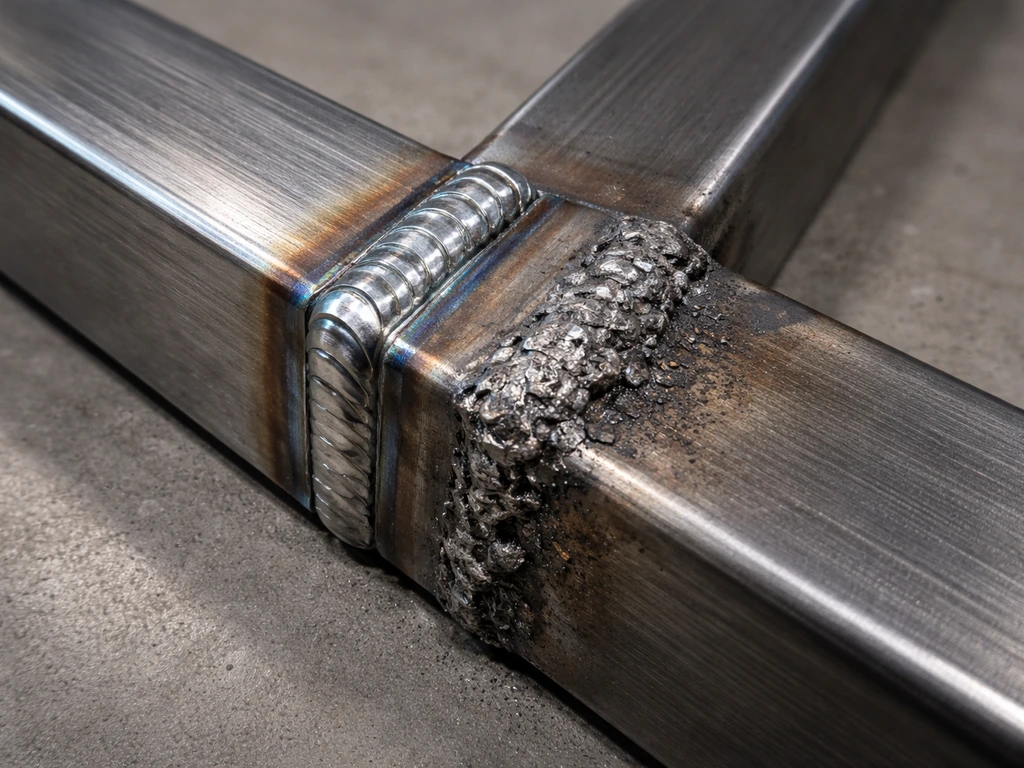
Whether you're buying in a store or from an online listing, these are the specific things to examine or ask about. A furniture set can look great in photos and fall apart in two seasons if the underlying construction is poor.
Frames and joints
Welded joints are stronger than bolted connections for metal outdoor furniture. Look for smooth, consistent welds with no gaps, pitting, or rough edges. Rough or uneven welds often indicate a rushed manufacturing process and can be spots where moisture infiltrates and corrosion starts from the inside. Durapatio specifically warranties their welds and joints not to break or crack for 5 years, which sets a reasonable standard. If a brand won't tell you anything about joint construction or warranty, that's a red flag. For leg-to-frame connections, check whether there are protective feet or glides on the bottom to prevent water from wicking up into hollow tubing.
Powder coat finish
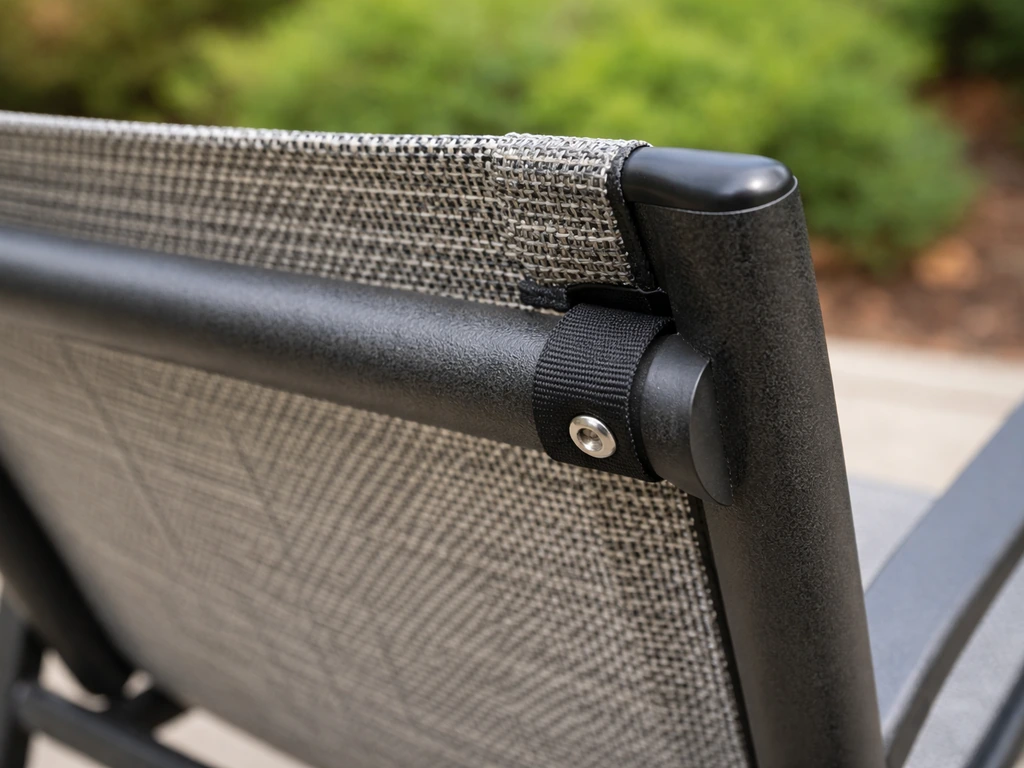
Powder coating is superior to liquid paint for outdoor metal furniture. It bonds electrostatically and bakes on, forming a thicker, harder layer that resists chipping and UV fade better than spray or brush-applied paint. The minimum standard to look for is a warranty that the finish won't peel, and 3 to 5 years is what quality brands back. CFR Patio covers powder coating for 3 years but explicitly excludes issues where design or welding flaws allow moisture to build up underneath, which is a reminder that coating is only as good as the underlying construction it's applied to. Check for even coverage with no thin spots, especially at bends and welds.
Seating comfort and cushion compatibility
Metal chairs without cushions need sling or mesh seating to be comfortable for extended sitting. Sling seating (a single piece of fabric stretched across the frame) is comfortable, breathes well in heat, and dries quickly after rain. Mesh panels work similarly. If you prefer cushioned seating, check that the frame includes cushion stops or straps to keep pads in place, and confirm the cushions are sold separately or included. Slat spacing on seat and back panels matters too: gaps of about 1 to 1.5 inches look clean and drain water, but wider gaps can be uncomfortable without cushions.
Stability and weight
Weight is a genuine trade-off. Heavier furniture (wrought iron, thick cast aluminum) stays put in wind but is harder to move for cleaning or reconfiguring your space. Lightweight extruded aluminum moves easily but can shift in strong gusts. If you live somewhere with regular wind, either go heavier or plan to store lightweight pieces when storms roll in. Wide leg bases and H-bar stretchers at the base of chairs improve stability without adding weight. Rock the piece in the store or before assembly to check for wobble.
Sets and styles that actually work for different spaces
Dining sets
For outdoor dining, aluminum is almost always the right material choice. A cast aluminum dining set handles the weight of a table with a heavy stone or glass top without flexing, and chairs stack or fold for storage in smaller spaces. Look for sets where the table has an umbrella hole with a closing plug so you have flexibility. Standard dining height (28 to 30 inches) works for most adults; counter-height sets (34 to 36 inches) feel more casual but limit your chair options. For large families, make sure the chairs are sold individually so you can add extras later.
Lounge and deep seating
Deep seating sectionals and lounge chairs in metal are typically extruded aluminum with thick cushions. This is where cushion quality matters as much as frame quality. Look for cushions with quick-dry foam cores and removable covers made from solution-dyed acrylic, which holds color under UV exposure far better than polyester. The frame should have a wide, stable base to prevent tipping when someone sits down hard. Sectional systems that connect via coupling hardware let you configure and reconfigure your layout, which is useful on a deck where you might want different arrangements for different occasions.
Small patios and balconies
For tight spaces, folding or stackable metal chairs paired with a small bistro table are the most practical solution. Folding aluminum chairs take up almost no storage space and can move inside quickly before a storm. Bistro sets in steel or cast aluminum in a two-chair, small-table format are a classic choice for apartment balconies. Make sure the pieces can actually fit through a sliding door or gate if you plan to store them inside seasonally.
Keeping metal patio furniture in shape for the long haul
Maintenance for metal outdoor furniture is mostly about staying ahead of small problems before they become structural ones. The good news is that quality aluminum needs very little. If you're shopping for the best patio furniture for outdoors, choosing aluminum with the right finish can mean much less upkeep over the years quality aluminum needs very little. The more attention you give to iron or steel, the longer it will last.
Routine cleaning
For aluminum, a few times per season, wipe down with a mild dish soap solution and rinse with a garden hose. That's genuinely all it needs in most climates. For coastal homeowners, rinse with fresh water monthly to clear salt residue. For steel and iron, clean similarly but dry immediately after rinsing, don't let water sit in joints or on horizontal surfaces. A quick wipe-down after rain goes a long way. Avoid abrasive scrubbers that can scratch the powder coat and expose bare metal.
Touch-ups and rust prevention
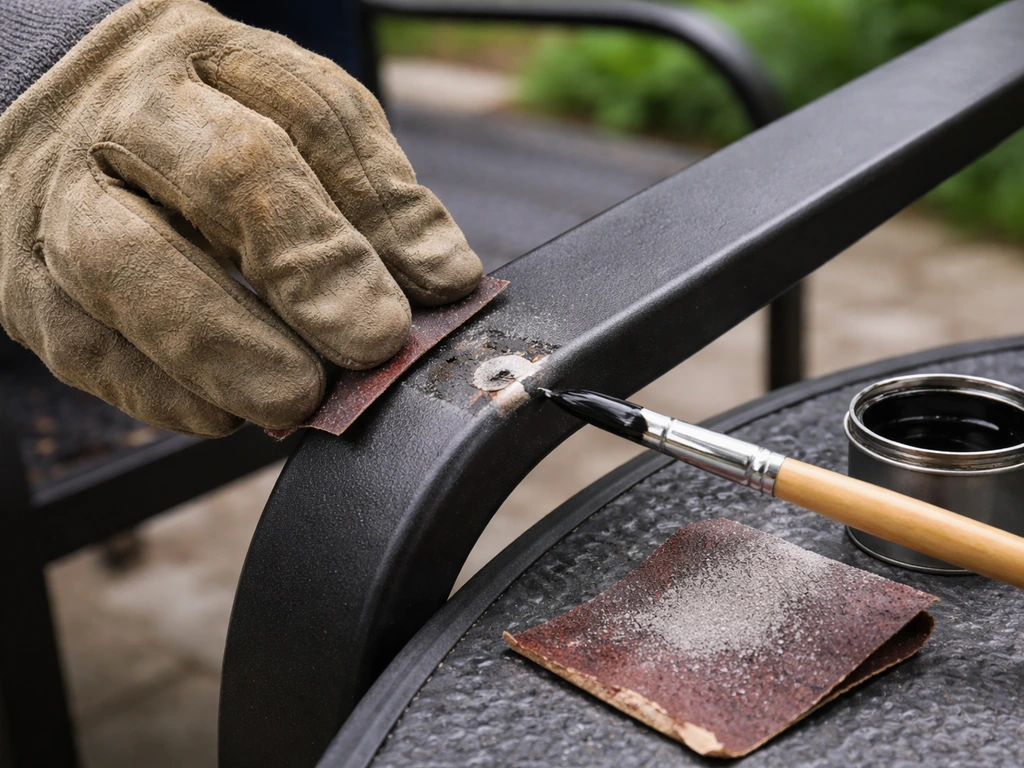
On iron or steel furniture, inspect the entire piece every spring. Any chip or scratch down to bare metal needs to be addressed immediately. Sand the exposed area lightly, apply a rust-inhibiting primer, and touch up with a color-matched outdoor spray paint or brush-on enamel. Catching a scratch in April costs you 20 minutes. Ignoring it until November means you're dealing with a spreading rust patch that requires wire brushing, rust converter, primer, and multiple paint coats. For aluminum furniture, chips are less urgent but still worth touching up to keep the aesthetic. Most furniture manufacturers sell touch-up paint matched to their finishes.
Covers and seasonal storage
Quality outdoor furniture covers are worth the investment, especially for steel and iron. Look for covers with a breathable lining rather than solid plastic, which traps moisture and can actually accelerate corrosion underneath. Secure them with tie-down straps or elastic hems so wind doesn't pull them off. For aluminum in mild climates, covers are optional but extend finish life. In snow climates, bringing cushions inside is mandatory. The frames can stay out if they're quality aluminum; steel and iron benefit from storage in a garage or shed during hard winters. Stack chairs to reduce the footprint.
How long should metal patio furniture last?
With proper care, quality cast aluminum should easily last 15 to 20 years. Extruded aluminum in good quality construction runs 10 to 15 years. Powder-coated steel with consistent maintenance can reach 10 to 12 years in mild climates, less in coastal or humid environments. Wrought iron, if you stay on top of annual touch-ups and keep it covered, can outlast everything else and last decades, but that maintenance commitment is real. Budget-grade steel from big-box stores typically shows visible rust or joint failure within 3 to 5 years regardless of how well you treat it.
Setting a realistic budget and spotting real value
The outdoor furniture market has a wide price range, and unfortunately, price doesn't always track with quality in a linear way. There's a lot of mid-range furniture priced like it's premium but built like it's budget. Here's how to orient yourself.
For a quality aluminum dining set (table plus four to six chairs), expect to spend $600 to $1,500 for solid mid-range options and $1,500 to $3,500 or more for premium brands with long warranties and better finish systems. A four-piece deep seating set in aluminum runs $800 to $2,500 at the mid range. Cast aluminum bistro sets for small patios start around $300 and go up from there. Anything selling a full dining set for under $400 in any metal is going to show its limitations within two or three seasons.
The fastest way to gauge value versus hype is to look at the warranty terms in detail, not just the headline number. A brand that advertises a '5-year warranty' but excludes finish peeling, weld failure, and rust in the fine print is not offering you real protection. Compare what's actually covered: frame integrity, powder coat adhesion, and structural welds. Brands like Tropitone (15-year aluminum frame), Polywood (5-year frame and finish), and Durapatio (5-year welds and powder coat) give you specific, meaningful commitments. That transparency is itself a signal of construction confidence.
Also look at where replacement parts are available. Can you buy a new sling if the fabric wears out? Can you get replacement feet, hardware, or umbrella bases from the manufacturer in five years? Brands that sell replacement components are planning for furniture to last. Brands that don't are planning for you to buy again.
Your buying checklist before you finalize a purchase
- Identify your climate's main threat: salt air, humidity, UV, or freeze-thaw. Match material accordingly, defaulting to aluminum unless you have a specific reason not to.
- Confirm the metal type and finish: extruded or cast aluminum, powder-coated steel, or wrought iron. Avoid pieces listed just as 'metal' with no specification.
- Check warranty terms specifically for frame integrity, weld coverage, and finish peeling. Look for at least 3 years on finish and 5 years on frame for any purchase you plan to keep long-term.
- Inspect or ask about joint construction: fully welded is stronger than bolted for permanent outdoor pieces.
- Assess weight relative to your use: do you need to move it often? Store it seasonally? Will wind be an issue?
- Verify cushion compatibility and quality if applicable. Confirm foam is quick-dry and fabric is UV-stable.
- Check whether replacement parts (slings, cushions, hardware, finish touch-up paint) are available from the manufacturer.
- Calculate total cost of ownership: add likely maintenance costs (covers, touch-up products, cushion replacements) to the purchase price over 5 years.
Once you've narrowed to two or three sets that meet these criteria, the final decision usually comes down to style and available space. If you're also evaluating other materials like wicker, composite, or wood for your patio, comparing them against metal on these same durability and maintenance dimensions will help you make a fully informed call. The choice between a metal-focused setup and a mixed-material arrangement often depends on how much visual warmth you want and how much ongoing care you're willing to commit to.
FAQ
Is powder-coated aluminum always better than cast aluminum, or is it more about construction quality?
Powder coating helps both, but the main difference is structural. For cast aluminum, prioritize table-chair wobble resistance and leg-to-frame weld quality since cast designs can hide thin stress points. For extruded aluminum, check tube wall thickness and the sturdiness of stretchers. If two pieces have similar warranties, the one with thicker-walled sections and stronger joint protection will usually outperform coatings alone.
Can I leave metal patio furniture out during winter storms if I live in a snowy climate?
Yes for quality aluminum frames, but not for cushions and not for any material with exposed, unprotected chips. Bring cushions inside (or use weatherproof, ventilated storage), and inspect after the first freeze-thaw cycle for any paint breaks. If you have wrought iron or steel, prioritize rust-touch-ups before temperatures drop so water cannot sit in scratches and joints.
What’s the best way to handle rust on wrought iron or steel before it spreads?
Do a “dry inspection” by wiping with your hand and a dry rag after rain, then treat any spot down to bare metal immediately. Lightly sand, apply a rust-inhibiting primer, then touch up with outdoor paint. Skip the temptation to repaint over active rust, it usually traps moisture and makes the patch larger later.
How can I tell if a welded frame is likely to fail from moisture intrusion?
Look under and at the weld seams, especially near hollow tubing. Indicators include visible gaps at welds, rough pitting, and missing protective end caps or feet. If the product has no end caps, moisture can wick inside, leading to internal corrosion even when the outside finish looks intact.
Do I need special cleaners for metal patio furniture, or will dish soap work year-round?
For aluminum, mild dish soap and water is usually enough, avoid abrasive pads that dull powder coat. For heavy grime, use a gentle cleaner that is explicitly safe for powder coating. For steel and iron, rinse thoroughly and dry quickly to prevent water from sitting in corners, seams, and horizontal surfaces.
Are breathable covers actually worth it, and what should I look for when buying one?
Breathable covers reduce trapped condensation, which is a common driver of rust under covers. Look for a lining that allows moisture vapor to escape, plus secure tie-downs or an elastic hem so wind cannot pull the cover into contact with the furniture. If you have tight patios, also confirm the cover size allows for stacked chairs without stressing fabric.
If a listing says “commercial grade” or “heavy duty,” what specific proof should I demand?
Ask for warranty terms tied to the real failure points: frame integrity, powder-coat adhesion or finish peeling, weld or joint failure, and any rust-through exclusions. Also check whether the brand sells replacement components like slings, feet, or umbrella plugs. Marketing claims are vague, warranty coverage and parts availability are concrete.
How do I choose between sling, mesh, and cushions for comfort and weather performance?
Choose based on how you want drying time and temperature feel. Sling and mesh dry quickly and breathe in heat, but they can feel cooler and may require proper seat tension. If you prefer cushions, confirm cushion straps or stops prevent pad shifting, and prioritize quick-dry foam cores so rain does not leave cushions heavy and slow to dry.
What should I check for wobble and stability before buying metal patio furniture?
On the showroom floor or right after assembly, rock the chair and check for independent leg movement. Wide bases and lower stretchers typically improve stability, but poor weld alignment can still cause rocking. If the piece is marketed as stackable or lightweight, verify the feet are firmly attached and not just friction-fit.
How important are replacement parts for long-term value, and which ones matter most?
Replacement parts are often the difference between “buy once” and “replace soon.” The most valuable are sling/mesh replacements, cushion hardware or straps, umbrella plugs, and protective feet or glides. If the manufacturer does not offer replacement items after a few years, plan on replacing the entire unit when wear shows up first.
Next Articles
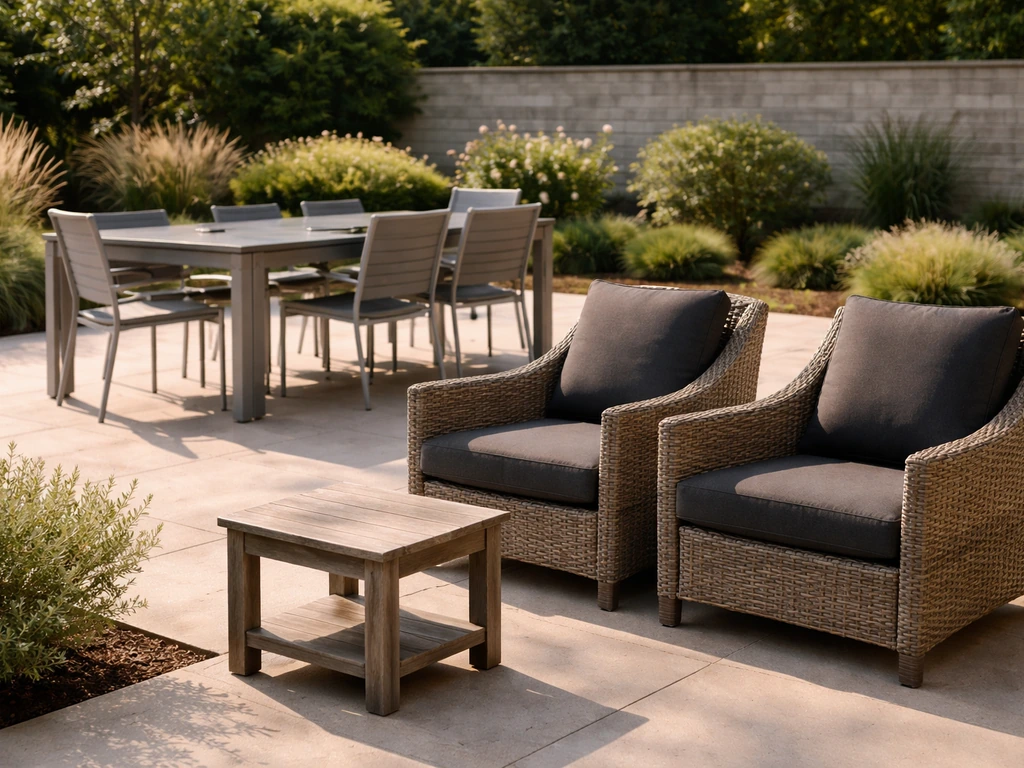
Best Type of Outdoor Patio Furniture for Your Climate
Choose the best type of patio furniture by climate, patio size, and use, with materials, durability, and care tips.
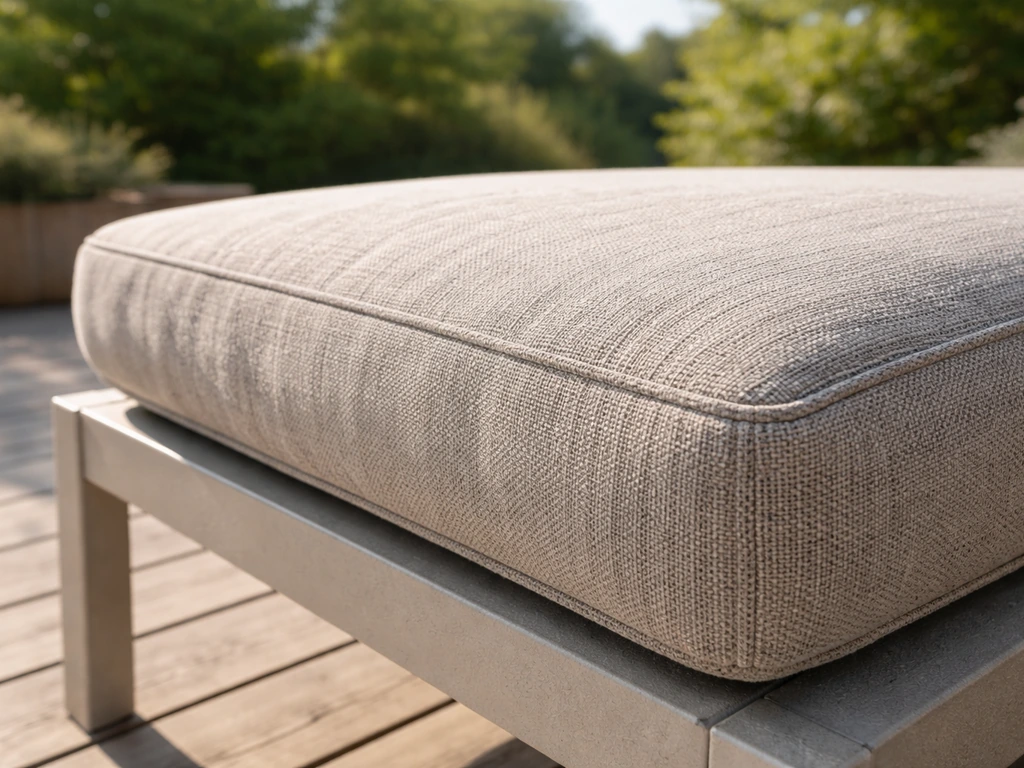
Best Outdoor Patio Furniture Fabric: How to Choose
Choose the best outdoor patio furniture fabric for your climate: durability, UV fade, mildew, comfort, and care tips.
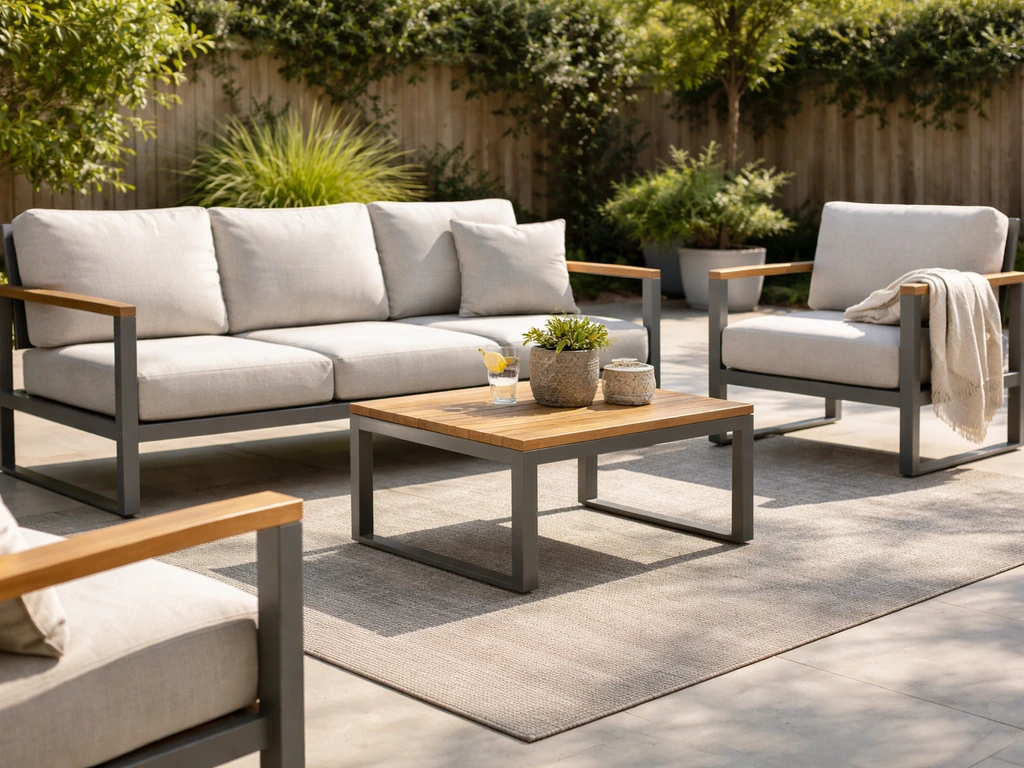
Best Patio Furniture for Outdoors: How to Choose
Choose the best patio furniture for outdoors by climate and material, with durability tips for sun, rain, UV and upkeep.