
The best patio furniture for outdoors in 2026 depends almost entirely on your climate and how much maintenance you're willing to do. For most people in most climates, powder-coated aluminum frames with solution-dyed acrylic cushions hit the best balance of durability, weight, and long-term value. If you're on the coast, aluminum is the clear winner. If you want zero maintenance and live somewhere with brutal sun or wet winters, HDPE (high-density polyethylene) lumber from brands like POLYWOOD is genuinely hard to beat. Teak is still the premium wood option if you're prepared to oil it. Wicker looks great but requires more care than most buyers expect. The sections below walk through every real decision you'll need to make, from matching material to climate, to cushion foam density, to how much space to leave around your dining table.
Best Patio Furniture for Outdoors: How to Choose

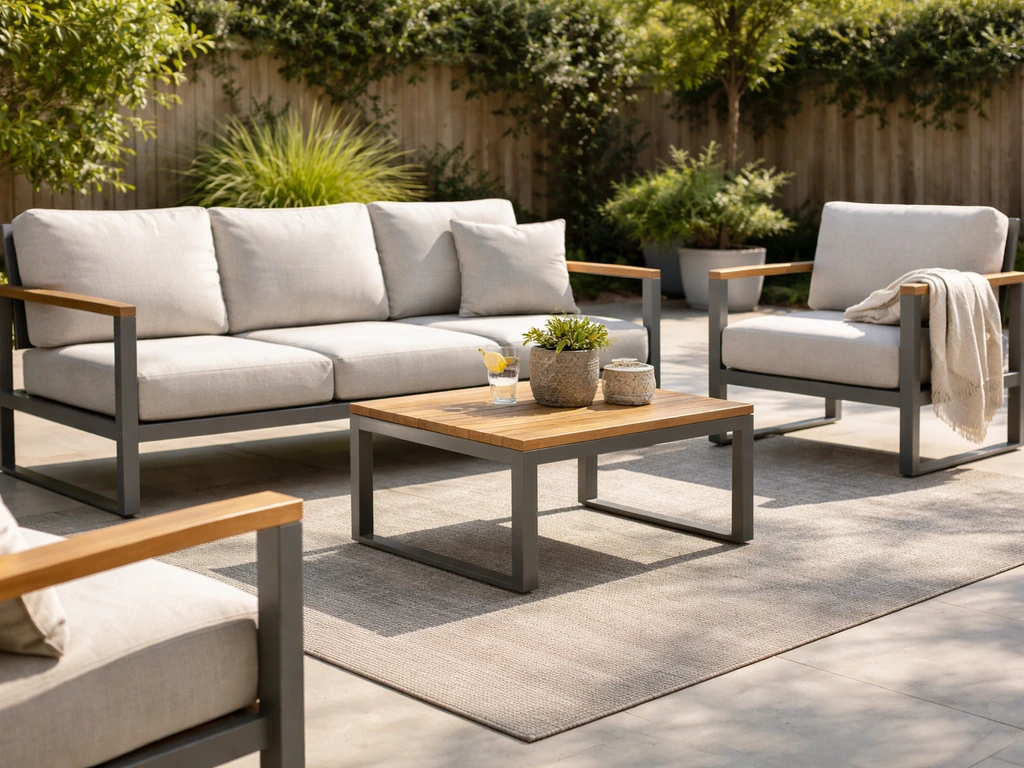
How to choose the best outdoor patio furniture for your climate
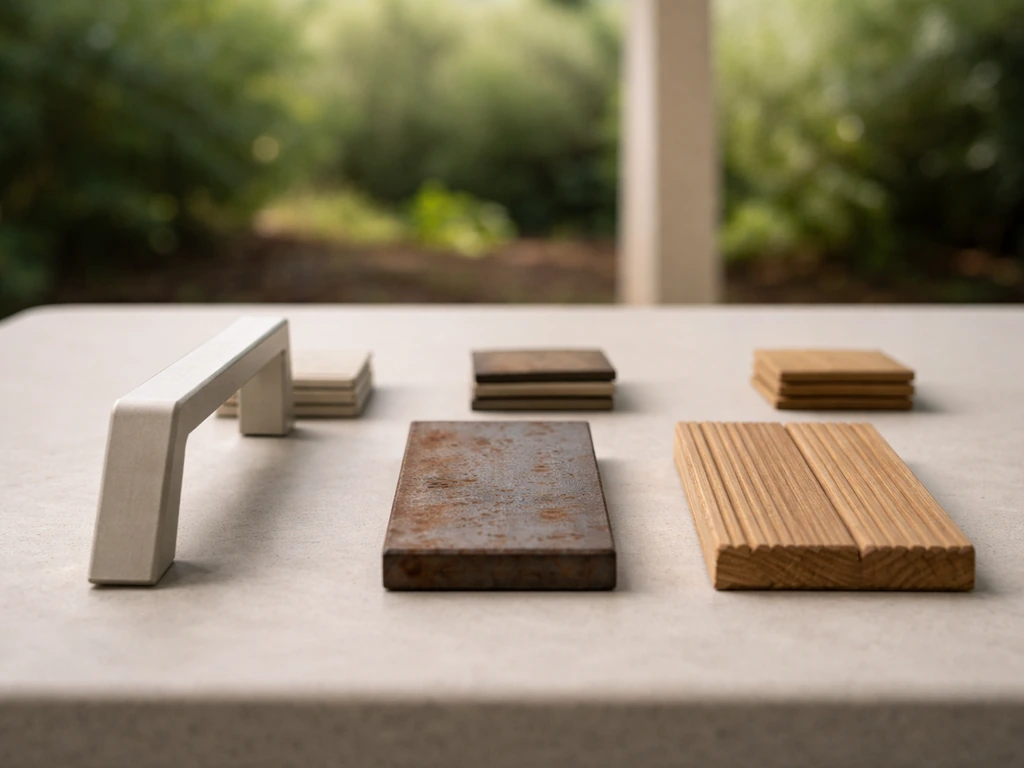
Climate is the single most important filter when buying outdoor furniture, and most buyers skip straight to style. That's how you end up with rusted steel on a Florida porch or warped wood in a rainy Pacific Northwest yard after two seasons. Before you look at a single product, nail down what your outdoor environment actually does to furniture.
Coastal salt air is the harshest environment for most materials. Salt accelerates rust on ferrous metals, speeds wood rot, degrades synthetic wicker coatings, and increases UV-driven fading on fabrics. Powder-coated marine-grade aluminum is the most reliable frame choice here, but only if the coating was applied correctly, over a properly prepared substrate with phosphate pre-treatment. Even then, any chip in the coating exposes the aluminum to pitting corrosion. Inspect coastal furniture annually for coating damage and touch up immediately.
High-humidity climates like the Gulf Coast, Southeast, or Hawaii push mold and mildew onto cushions and into wicker joints. The key mistake is leaving wet cushions on furniture frames. Moisture trapped in joints, weaves, or cushion foam is where mildew starts. Resin (PVC or HDPE) wicker outperforms natural rattan dramatically in humid conditions because there's no organic material for mold to colonize.
Intense UV climates, think Arizona, New Mexico, Southern California high desert, destroy furniture faster than any other factor. UV radiation is the primary driver of fading and photodegradation in both furniture finishes and textiles. Materials rated for UV resistance, specifically HDPE, synthetic wicker, and teak, hold up far better than painted woods or poorly sealed metals in relentless sun. For fabrics, solution-dyed acrylic is the only category I'd trust in full sun exposure year-round.
Cold-weather climates with snow and freeze-thaw cycles crack and warp wood that hasn't been properly sealed, and they stress welds on cheap metal frames. If you're in the Midwest or Northeast and leaving furniture outside all winter, HDPE composites are the most forgiving option because they don't absorb water and won't rot or splinter. Aluminum handles cold well too, as long as cushions come inside.
| Climate Type | Best Frame Material | Worst Choice | Key Risk to Avoid |
|---|---|---|---|
| Coastal/Salt Air | Powder-coated aluminum | Uncoated steel, natural rattan | Coating chips exposing substrate |
| High Humidity | HDPE composite, aluminum | Natural wood, thin-coated wicker | Mold in joints and cushion foam |
| High UV/Desert | HDPE, teak, synthetic wicker | Painted softwood, cheap resin | UV fading and finish breakdown |
| Snowy/Freeze-Thaw | HDPE composite, aluminum | Unsealed softwood, hollow steel | Water absorption and cracking |
| Mild/Temperate | Any quality material | N/A | Neglecting basic seasonal care |
Material showdown: wood, metal, wicker, and composite (what lasts and why)
Every material has a real-world durability ceiling, and understanding what limits each one helps you buy once instead of twice.
Aluminum
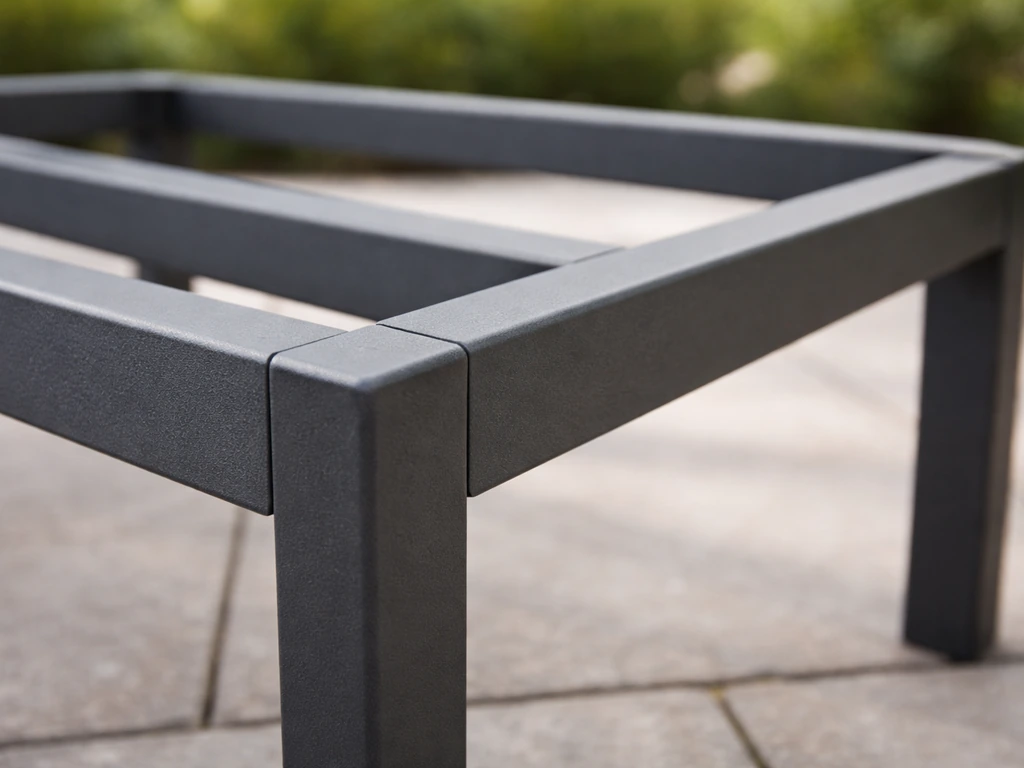
Powder-coated aluminum is the most versatile outdoor furniture frame material available right now. It's lightweight, genuinely rust-resistant thanks to aluminum's natural oxide layer, and the powder coat adds a secondary barrier against moisture and salt. Brands like Houe back their powder-coated aluminum with a 5-year structural warranty, which is a reasonable durability benchmark for mid-range products. The limitation is that the powder coat does the heavy lifting, and if it chips, you get pitting corrosion, especially near the coast. High-quality coating applied over a phosphate-pretreated substrate is what separates furniture that lasts a decade from furniture that looks rough in year three. Weight is another advantage: aluminum pieces are easy to move and store, which matters when a storm rolls in.
Wood (Teak and Hardwoods)
Teak is still the gold standard in wood outdoor furniture, and for good reason. Its high natural oil content resists rot, insects, and moisture without much help from you. It's also rated as one of the better materials for UV-heavy environments. The honest trade-off: teak is expensive, and if you want it to hold its warm honey color rather than going silver-gray, you need to clean and oil it at least once a year. Letting it gray out is fine structurally, but some buyers don't expect the color shift. Other hardwoods like eucalyptus or shorea can work, but they need more consistent sealing. Softwoods like pine or cedar are budget options that require aggressive sealing schedules and still won't last as long in harsh climates.
Wicker and Resin Wicker
Natural rattan wicker has no place in a true outdoor setting unless it lives under a fully covered patio in a dry climate. It swells, cracks, and molds. What most people buy today is all-weather resin wicker, either PVC or HDPE-based, woven over an aluminum or steel frame. HDPE wicker is the better option: it's more UV-stable, holds color longer, and doesn't become brittle as quickly as PVC in prolonged sun. The failure mode for all-weather wicker is still moisture sitting in the weave joints, and direct sunlight over many years will eventually weaken the fibers. Weekly cleaning and bringing cushions in when wet makes a real difference in longevity. For detailed fabric and type comparisons specifically for wicker and outdoor sets, it's worth looking at guides focused on the best outdoor furniture patio options and best type of outdoor patio furniture by material class. For detailed guidance across materials and seating types, see the best outdoor furniture patio options.
HDPE Composite (Poly Lumber)
HDPE composite lumber, most famously used by POLYWOOD, is made from recycled high-density polyethylene plastic. It does not rot, splinter, crack, chip, or absorb water. POLYWOOD backs their lumber with a 20-year residential warranty against those failure modes, and that warranty is meaningful because the material genuinely earns it. The woven inserts on composite-wicker versions carry a shorter 5-year warranty, and cushion fabrics are covered for 1 year. The trade-offs: HDPE furniture is heavier than aluminum and can feel plasticky to some buyers. Colors are built in, not coated, which means fading is much slower than on painted alternatives. For buyers in harsh climates who want furniture they can essentially ignore, this material category is the most honest value.
| Material | Rust/Rot Risk | UV/Fade Risk | Weight | Maintenance Level | Best For |
|---|---|---|---|---|---|
| Powder-coated aluminum | Low (coating intact) | Low-medium | Light | Low | Coastal, all climates |
| Teak | Very low (natural oils) | Low | Heavy | Medium (annual oiling) | UV, humid, all climates |
| HDPE composite | None | Very low | Heavy | Very low | Harsh/neglect-prone climates |
| All-weather resin wicker | Low-medium (frame) | Medium (HDPE better than PVC) | Medium | Medium | Covered patios, mild climates |
| Steel (powder-coated) | Medium (chips corrode) | Low-medium | Heavy | Medium | Inland, dry climates only |
| Softwood (pine/cedar) | High without sealing | High without finish | Medium | High | Budget, sheltered spaces |
Choosing by furniture type: sets, seating, dining, lounges, and outdoor accents
Most buyers start with a category, a dining set, a conversation set, a lounge chair, and then figure out material. That's a reasonable approach, as long as you don't let aesthetics override the durability checklist above.
Dining sets are the most functional purchase for most households. A 4-person rectangular table works for most standard patios; 6-person tables typically run 60 to 72 inches long and need serious square footage to function well (more on spacing below). Aluminum-framed dining sets with tempered glass or slatted tabletops are the most popular combination right now for good reason: they drain rain quickly and don't need much upkeep. HDPE dining sets are increasingly competitive and genuinely better for buyers who hate maintenance.
Conversation and seating sets are where wicker and resin wicker shine visually. A standard conversation set, sofa, two chairs, and a coffee table, works well on covered patios or in climates that aren't brutally harsh. For open-air exposure, aluminum frames with deep-seat cushions are more durable long-term. Look for thick cushions with covers you can remove and wash, especially if pets or kids are in the picture.
Lounge chairs, chaise lounges specifically, live in the most sun-exposed spots on any patio. That makes material choice critical. HDPE poly lumber chaise lounges require no cushions and take full sun without issue. Aluminum sling chairs (the mesh kind with no cushion) are another ultralow-maintenance lounge option. Both hold up far better than cushioned lounges left in direct sun all summer without covers.
Outdoor accents, side tables, ottomans, planters, and accent chairs, are worth buying in the same material family as your primary pieces for visual consistency. More practically, mixing a steel accent table with aluminum chairs creates a maintenance mismatch: the steel will show rust first and make the whole setup look neglected. Stick to one metal type if you can.
Comfort, cushions, and fabrics: what to look for to resist fading and moisture
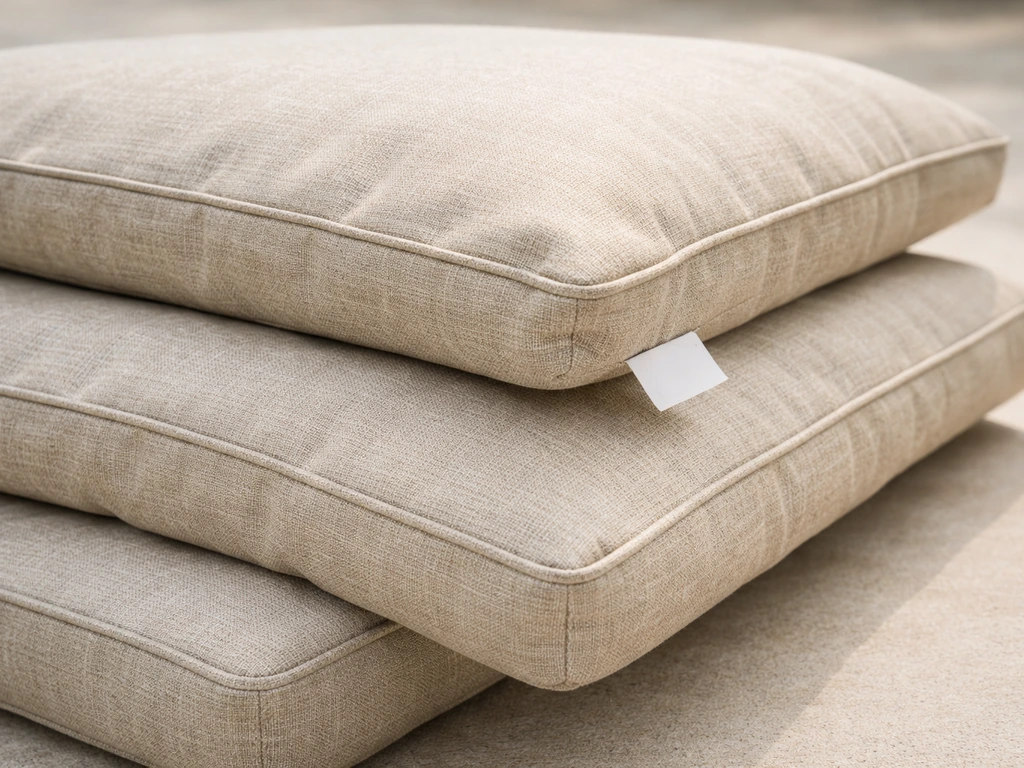
Cushions are where most outdoor furniture fails first, not the frame. Buyers spend time on frames and ignore fabric quality, and then they're replacing cushions after two seasons while the frame sits fine. Here's what actually matters.
Fabric: solution-dyed acrylic is the standard
Solution-dyed acrylic fabric, Sunbrella being the most recognized brand, is the benchmark for outdoor cushion fabrics. The reason it outperforms polyester and olefin for fade resistance is in how the color gets into the fiber: pigment is mixed into the polymer before it's extruded into threads. That means the color runs all the way through the fiber, not just on the surface. UV radiation degrades the surface of any fiber over time, but with solution-dyed acrylic, there's no color coating to strip away. Sunbrella backs this with a blank" rel="noopener noreferrer">10-year warranty against fading and mildew for relevant fabric categories. Sunbrella’s U.S. 10-Year Limited Warranty also covers fabric becoming unserviceable due to causes including sunlight and mildew for relevant fabric categories Sunbrella’s 10-year warranty against fading and mildew. Independent testing consistently ranks solution-dyed acrylic above printed polyester alternatives for fade performance. If a cushion fabric isn't labeled as solution-dyed acrylic, assume it will fade noticeably within two to three seasons of direct sun exposure.
Sunbrella also describes its fabric as mold and mildew resistant, stain resistant, and water resistant, which checks the main boxes for outdoor use. Look for fabrics that carry a DWR (durable water repellent) finish in addition to the base fabric properties: DWR coatings cause water to bead off the surface rather than soak in, which slows mildew development at the fabric level. For detailed guidance on outdoor cushion fabric selection across different set types, the best outdoor patio furniture fabric topic covers this in more depth.
Foam: density is the hidden durability factor
Cushion foam quality is almost never discussed in product listings, but it determines how long a cushion stays comfortable and structurally intact. For outdoor cushions, target a foam density of at least 1.8 lbs per cubic foot. Dry-fast reticulated foam (open-cell construction that drains water quickly) at 1.8 lb/ft³ is the standard for quality outdoor seating. Higher density correlates directly with longer-lasting cushions. Budget cushions typically run below 1.5 lb/ft³ and compress noticeably within a season or two of regular use. Rain and sun work together to deteriorate cushion foam over time, so starting with denser foam extends the useful life significantly.
Mildew prevention: it starts with wet cushions
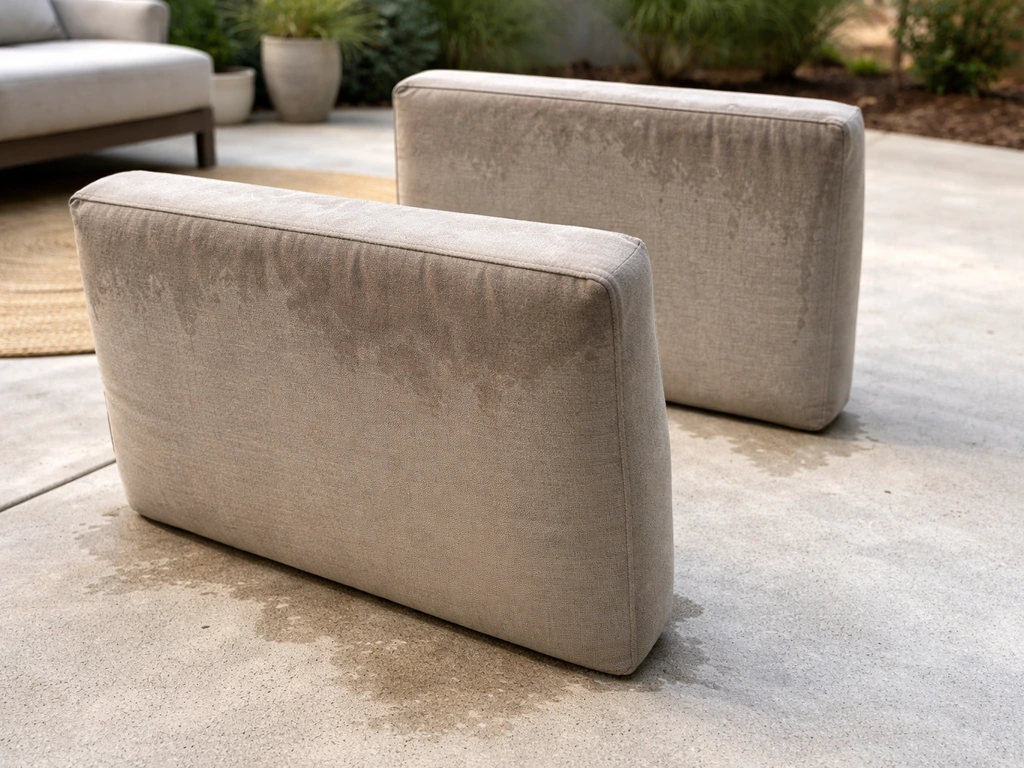
Mold spores grow where wet cushions stay on furniture frames. This sounds obvious, but it's the most common source of premature cushion failure. Remove wet cushions from the frame after rain or heavy dew and let them dry before putting them back. Store cushions in a dry, cool area when not in use for extended periods. For wicker furniture specifically, use a 1:1 vinegar-water solution to clean mildew-prone buildup in weave joints, and never cover furniture until everything is completely dry. A plastic cover trapping moisture against wet teak or wicker creates exactly the mildew conditions you're trying to avoid.
Sizing, layout, and practical fit: measuring your space and planning for use
The second most common mistake after ignoring climate is buying furniture that doesn't fit the actual space. Most patios are smaller than buyers think, and standard dining and conversation sets are larger than buyers realize.
For a dining setup, the key number is 36 inches of clear space around the table on all sides. That allows chairs to pull out (typically 24 to 30 inches) and still leaves a functional walkway behind them. If you can only manage 24 inches of clearance, that works for occasional use but will feel cramped if people are regularly getting up and down during meals. Measure from the table edge, not the chair back, and then add the pull-out depth. A 36-inch clearance target is the safer number to design around.
For walkways between pieces, 30 to 36 inches is the practical minimum. If you have any mobility considerations in the household, 36 inches is required for wheelchair access, and a 36 by 48-inch clear floor space should be maintained at each seating position to meet accessibility guidelines. Even if that's not a concern, designing to 36-inch walkways gives the whole space a less cramped feel and makes it actually functional rather than just photographable.
For conversation sets and lounge areas, map out the furniture footprint including the coffee table and the space for getting in and out of seating. Deep-seat sofas typically run 36 to 40 inches deep, and you need at least another 18 to 24 inches in front of the coffee table for comfortable leg room. A full 4-piece conversation set on a small apartment balcony almost never works. A loveseat, two chairs, and a small side table is often the more realistic configuration for spaces under 200 square feet.
- Measure the actual usable patio space (L x W) before looking at any product specs
- Mark out your furniture footprint with tape on the ground or use a furniture planning app before buying
- Leave at least 36 inches of clearance around dining tables (measured from table edge)
- Allow 24 to 30 inches for chair pull-out depth in dining layouts
- Plan walkways at 30 to 36 inches minimum between pieces
- Check that deep-seat lounge furniture leaves at least 18 inches of legroom in front of coffee tables
- Account for umbrella base diameter if you're adding a market umbrella (typically 22 to 24 inches)
Maintenance and weather protection: simple routines to extend lifespan
The best outdoor furniture in the world fails early if you ignore it completely. The good news is that consistent, simple maintenance beats expensive one-time treatments every time. Here's what actually moves the needle.
Weekly and after-storm basics
After any significant rain, take wet cushions off the furniture and stand them on edge to dry. This one habit prevents the majority of mildew problems. Wipe down metal frames after storms in coastal areas to clear salt residue. For wicker, lift the cushions and clear any debris from crevices weekly, as moisture and organic debris sitting in weave joints is where mold colonizes first.
Seasonal deep cleaning
At least twice a year, clean frames with mild soap and water. For all-weather wicker, a 1:1 vinegar-water solution handles mildew buildup in joints well. Cushion covers that are removable should be washed on a gentle cycle per the manufacturer's instructions. For Sunbrella and similar solution-dyed acrylic fabrics, a mild soap rinse and air dry is all that's needed for routine cleaning. Scrub brushes speed the process but use a soft brush to avoid abrading fabric fibers.
Wood-specific care
Teak needs to be fully dry before covering or storing. Covering wet teak promotes mold and mildew on the wood surface. If you want to maintain the warm color (rather than letting it silver naturally), apply teak oil once a year after a thorough cleaning. Never use a plastic cover directly against wet teak. If you're in a wet climate, a breathable furniture cover that allows air circulation is far better than an impermeable plastic sheet.
Metal-specific care
Inspect powder-coated aluminum annually for chips or scratches in the coating. Touch up any exposed spots with a matching powder-coat touch-up paint or enamel to stop pitting corrosion before it starts. This is especially important in coastal environments where salt air will find any exposed substrate. For steel furniture (which is less common in quality outdoor lines but still sold), this inspection is even more critical since steel corrodes faster than aluminum once the coating is breached.
Storage and covers
Covers protect frames from UV and debris accumulation but can trap moisture if used incorrectly. Always store cushions in a dry, cool area when not in use for more than a few days. For frames, breathable furniture covers are better than solid plastic tarps. If you live somewhere with heavy snow, bringing lightweight aluminum furniture inside for winter is easy and dramatically extends frame life. HDPE furniture can genuinely stay outside year-round without issue.
Top picks by budget and durability goals (what's the best value today)
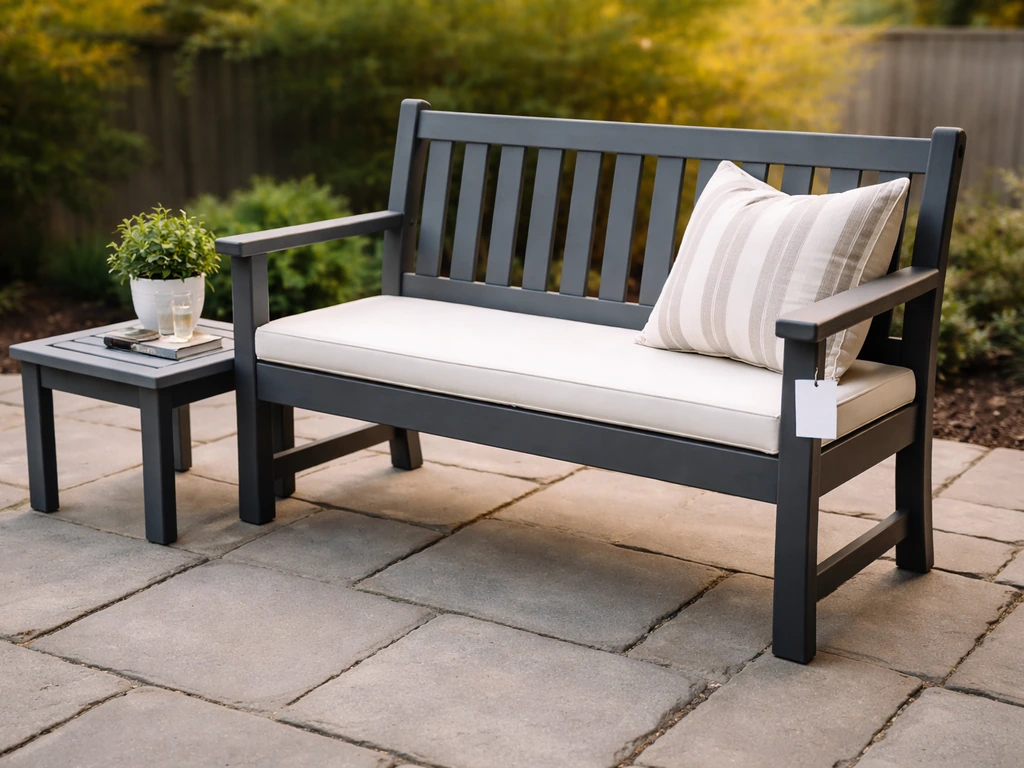
Here's the honest framework for spending decisions in 2026, organized by what you're actually trying to accomplish rather than price alone.
If you want maximum longevity with minimum maintenance
HDPE poly lumber furniture (POLYWOOD and comparable brands) is the best long-term investment for buyers who want to set it and forget it. The 20-year residential warranty on POLYWOOD lumber is not a marketing gimmick: the material genuinely does not rot, splinter, crack, or absorb water. It handles full sun, coastal air, freeze-thaw cycles, and neglect better than anything else on the market. Expect to pay more upfront, typically $800 to $2,500 or more for full dining or seating sets, but the cost-per-year is lower than almost any alternative over a 10 to 20-year horizon.
If you want the best balance of quality, style, and value
Powder-coated aluminum frames with Sunbrella or solution-dyed acrylic cushions is the combination I'd recommend to most buyers. Aluminum handles almost every climate well, it's lightweight, and the style options are broader than HDPE. Sunbrella's 10-year warranty on fabrics gives you real protection against the cushion failure that plagues budget sets. Mid-range aluminum sets from established outdoor brands typically run $600 to $2,000 for dining or conversation sets and are widely available. Look for sets where the cushion covers are removable and washable: that extends cushion life considerably.
If you're on a tighter budget but want decent durability
Budget resin wicker sets with aluminum frames (not steel) in the $300 to $700 range can work if you're on a covered patio in a mild-to-moderate climate and you actually maintain them. The keys: buy HDPE wicker over PVC wicker for better UV stability, confirm the frame is aluminum not steel, and check whether the cushion fabric is labeled as solution-dyed acrylic. Most budget sets skip that last point and use printed polyester, which will fade within two seasons of serious sun exposure. If a budget set uses polyester cushion fabric, budget to replace the cushions with Sunbrella alternatives within a year or two.
If you want premium outdoor aesthetics and don't mind upkeep
Teak is worth the premium for buyers who appreciate the material and are willing to do annual maintenance. A quality teak dining set from a reputable importer holds up for 20 to 30 years with proper care. For premium metal outdoor sets, look at brands that specify marine-grade aluminum with high-build powder-coat systems and offer structural warranties of at least 5 years. The best outdoor metal patio furniture in this category focuses specifically on frame material grades and coating quality, which is worth researching separately if metal is your priority.
Whatever your budget, the decision framework is the same: start with your climate, match the frame material to those conditions, choose solution-dyed acrylic cushion fabric if the set will see real sun exposure, and plan your layout with actual measurements before you buy. The furniture that lasts is the furniture you chose deliberately for your specific situation, not the set that looked best in a showroom photo.
FAQ
Can I leave patio furniture outside year-round if I use a cover?
Yes, but only if the covers breathe and you keep cushions dry first. For frames, choose breathable covers (vented fabric) rather than impermeable plastic tarps, and never cover while cushions or wood are still damp. If you use a cover in humid or snowy months, remove it periodically so trapped moisture can escape.
What cushion features matter most if my patio furniture gets lots of sun and rain?
For heavy-use dining sets, look for seat and back cushions that are removable, washable, and have solution-dyed acrylic fabric. Also prioritize cushion foam that is at least 1.8 lb/ft³ (open-cell reticulated foam is ideal) because it rebounds better after rain exposure. If the set won’t be covered during storms, this matters even more.
What should I do if I cannot bring cushions inside after storms?
If you can’t bring cushions inside, choose materials that tolerate moisture better and schedule faster drying. HDPE sling and chaise options reduce dependence on cushions, but for cushioned seating you still need removable covers and a plan to dry cushions on a rack after wet weather. Avoid leaving cushions seated overnight after rain in humid areas.
Is natural rattan ever a good option for outdoors?
All-weather resin wicker can be a great choice, but natural rattan is the key exception. Natural rattan should be treated as indoor-only unless it is in a very dry, fully covered location with minimal humidity. For true outdoor exposure, buy resin wicker woven over aluminum, and confirm the wicker is HDPE when UV and long-term color retention matter.
How can I tell if a cushion fabric will fade quickly before buying?
It usually signals the set is using printed or coated fabric rather than solution-dyed acrylic. In direct sun, printed polyester commonly fades within a couple of seasons, and you may need to replace cushions sooner than you expect. Check that the fabric is explicitly labeled solution-dyed acrylic, then confirm covers come off for washing.
What’s the real weak spot with powder-coated aluminum in coastal weather?
Powder-coated aluminum is generally fine, but the weak point is the coating itself. If the coating chips, moisture and salt can reach the aluminum and trigger pitting corrosion. In coastal areas, inspect yearly for scratches and touch up immediately with matching powder-coat touch-up paint to stop damage early.
What measurements should I double-check so my outdoor furniture doesn’t feel cramped?
A set can look right in a showroom and still be unusable outdoors. For dining, design for clear space around the table, target 36 inches on all sides for chair pull-out and comfortable circulation. For walkways, aim for 30 to 36 inches, and if you need wheelchair access, plan for 36-inch pathways and appropriate turning space at each seating spot.
Is it okay to mix aluminum furniture with steel side tables or accents?
Stepping between different metal types is a common mistake, because they age differently. If you mix steel accents with aluminum main pieces, steel will rust first and make the overall setup look neglected even if your main furniture is fine. Staying in the same material family (for example, all aluminum) makes maintenance and visual aging more consistent.
Do I need to oil teak, or can I just let it age?
You can safely treat teak as a low-maintenance premium option, but you must manage moisture and color. Teak should be fully dry before covering or storing, and applying teak oil once a year helps maintain the warm color. If it has already grayed, oil later after a thorough cleaning, and use breathable covers so you do not trap moisture against the wood.
Why do outdoor cushions wear out faster than the frame?
For true outdoor longevity, choose foam density and fabric first, and only then adjust style. Density below 1.5 lb/ft³ often compresses quickly with regular seating, while 1.8 lb/ft³ (reticulated open-cell) tends to stay comfortable longer. If you have pets or kids, prioritize removable covers you can wash and fabrics with strong mildew and water resistance.
Which is the best overall material choice for most people, HDPE or aluminum?
Yes, but it depends on what you mean by “best.” If you want near-zero maintenance and harsh-climate tolerance (sun, coastal salt, freeze-thaw), HDPE composite lumber is often the most forgiving. If you want lighter weight, easier reconfiguration, and broad styling, powder-coated aluminum with solution-dyed acrylic cushions is typically the best all-around choice.
Can aluminum patio furniture handle winter freeze-thaw cycles?
Aluminum works well in cold climates, but the cushions are still the weak point. Bring cushions inside during winter or store them dry, and avoid leaving them outdoors during freeze-thaw cycles because moisture will degrade foam and fabrics faster. If you use aluminum sling chairs, they tolerate cold better since they are not reliant on cushion materials.
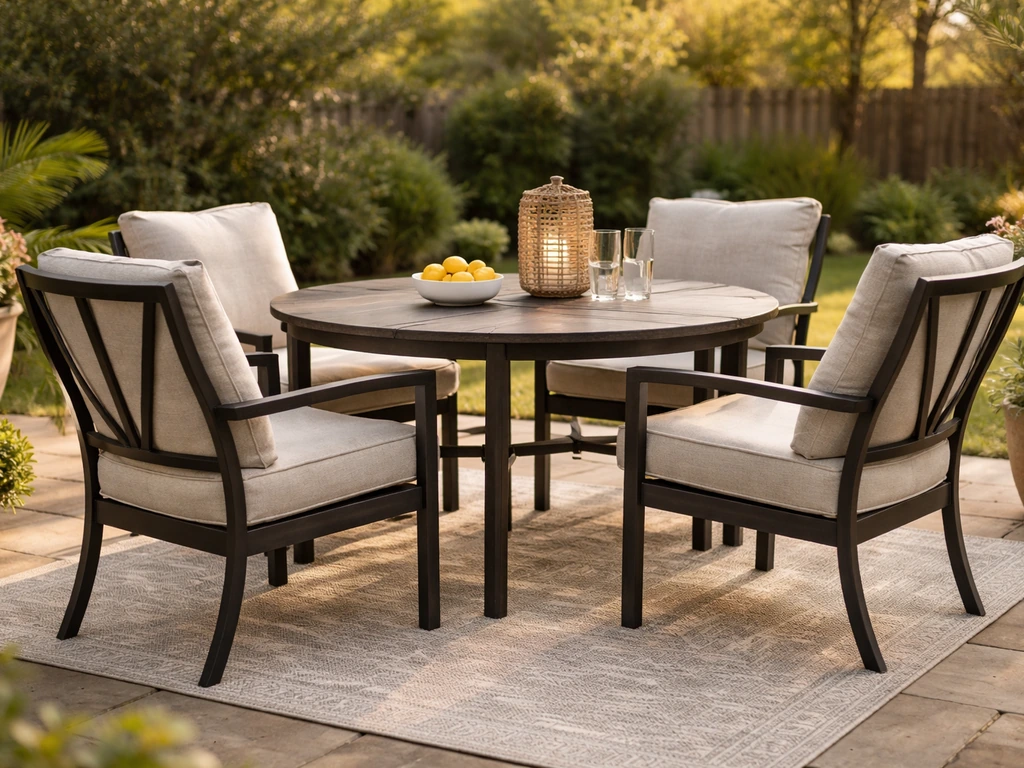
Choose the best outdoor patio furniture by material, climate, fit, and online specs for lasting patio dining comfort.
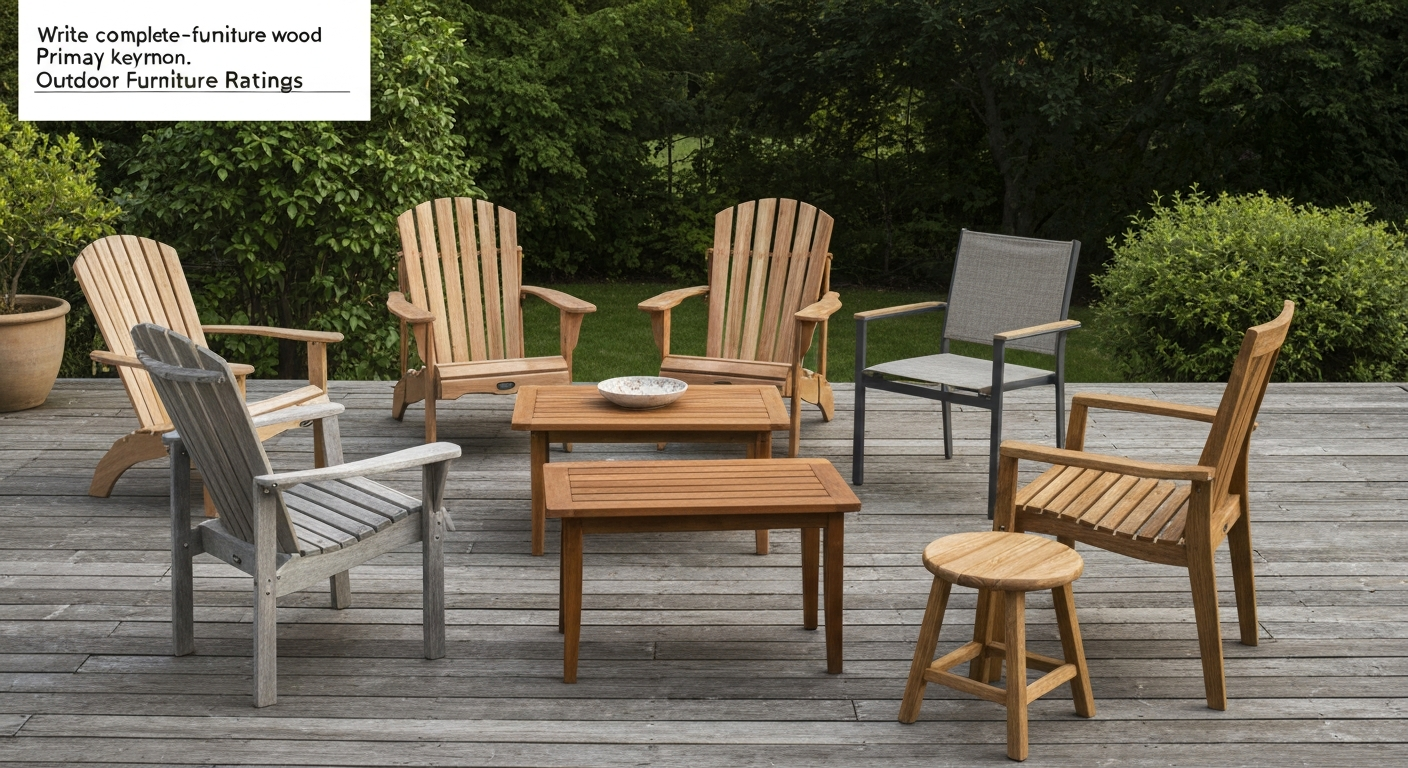
Compare common patio furniture wood types, teak, cedar, redwood, oak, with durability, finishes, and care tips.
Compare and choose the best wood patio stain: durability, finish, climate tips, prep, and top product picks.