Solution-dyed acrylic is the best outdoor patio furniture fabric for most people. It holds color longer than any other option, resists mildew without chemical treatments, and cleans up with soap and water (or a bleach solution for stubborn mold). Sunbrella and Outdura are the two names you'll see most often, and both earn their reputation. That said, solution-dyed acrylic isn't the right answer for every setup or budget, and polyester, olefin, and vinyl mesh all have legitimate places depending on your climate, how often the furniture sits in direct sun, and whether you're buying cushions, sling chairs, or upholstered pieces.
Best Outdoor Patio Furniture Fabric: How to Choose

Theo Tierney
11 May 2026
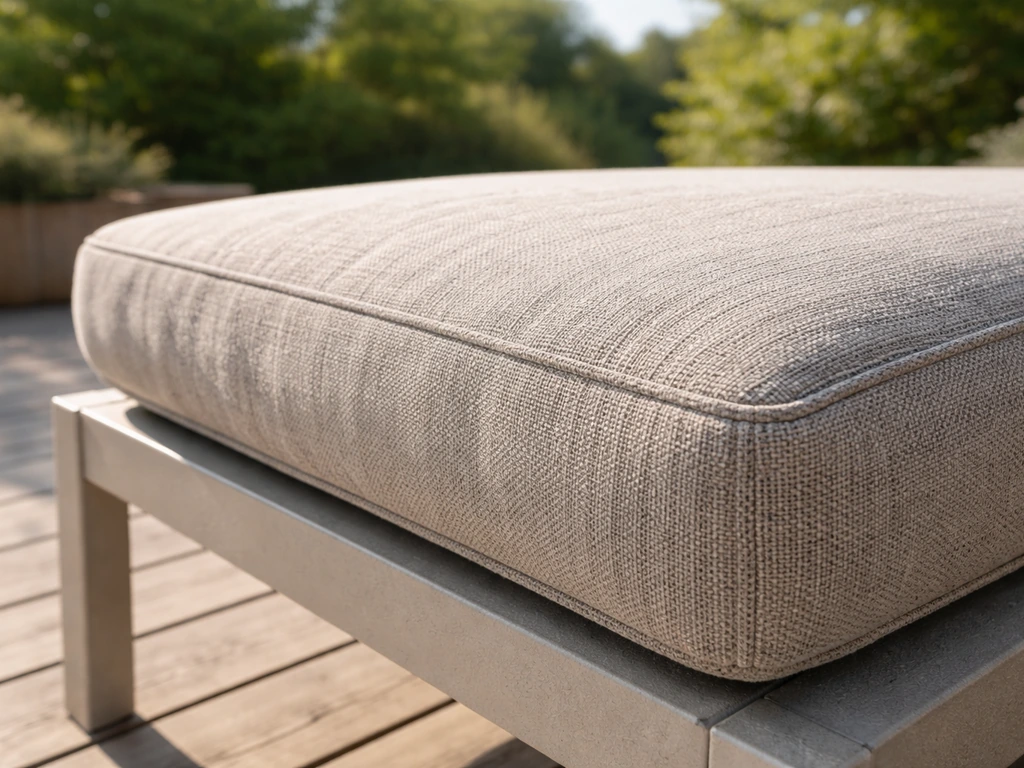
What 'best' actually means for your specific patio
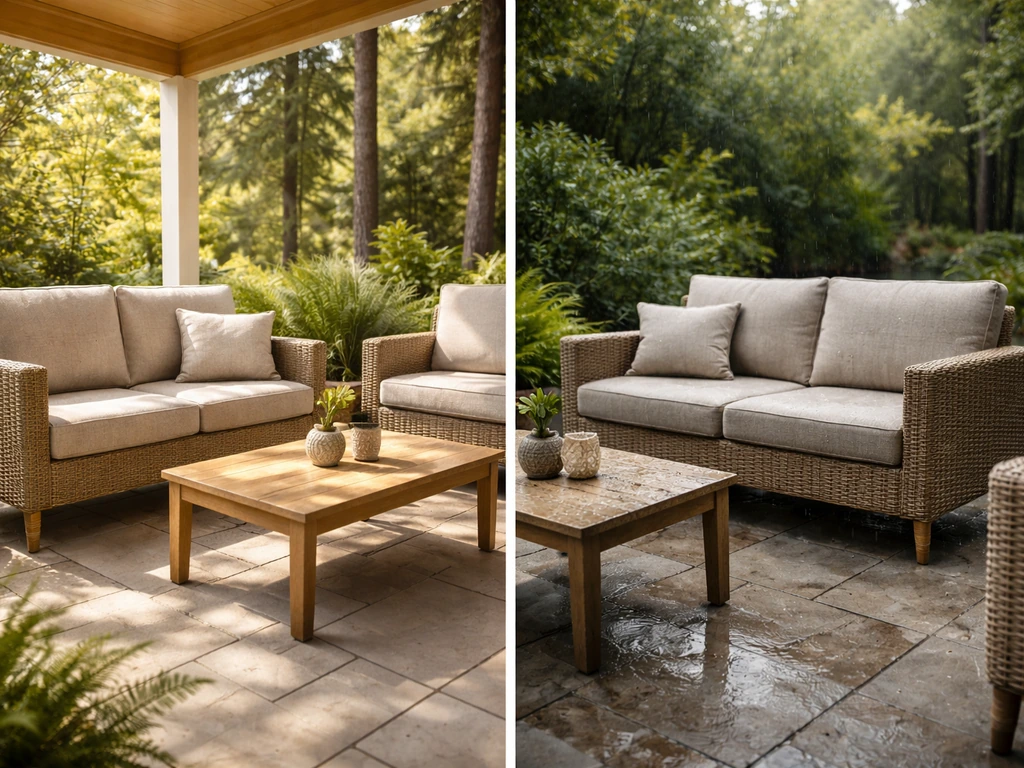
Before you start comparing fabrics, it helps to be honest about what your furniture actually goes through. A covered lanai in the Pacific Northwest is a completely different environment than a south-facing deck in Phoenix or a beachfront patio in Florida. The three variables that matter most are sun exposure, moisture exposure, and whether the furniture is covered or stored when not in use.
Sun intensity degrades fabric color and fiber structure faster than anything else. If your patio gets full afternoon sun with no shade coverage and you leave cushions out year-round, you need the highest-rated fade resistance you can find. Rain and humidity introduce a different problem: mildew. Fabric that stays damp for days at a time, especially when covered with a patio furniture cover, is at constant risk of mold growth. Salt air adds a third layer of stress, accelerating material breakdown even when sun and rain exposure are moderate. Once you know your primary enemy (UV, moisture, or salt), you can pick a fabric built to handle it.
Coverage matters too. Furniture that spends winters in a garage or under breathable covers lasts significantly longer than furniture left fully exposed. If you store cushions seasonally, you have more flexibility on fabric choice. If your cushions live outside 365 days a year, you need to spend more and be more selective about specs.
The fabric types that actually hold up outdoors
Solution-dyed acrylic
This is the gold standard for outdoor cushion fabric, and it's not particularly close. Brands like Sunbrella describe it as 'color to the core': the pigment is infused into the fiber before the yarn is even spun, rather than dyed onto the finished fabric surface. That means UV light has to degrade the entire fiber to fade the color, not just strip a surface dye. Outdura uses the same process and blank" rel="noopener noreferrer">markets its residential fabrics as 100% solution-dyed acrylic for the same reason. This construction is measurably more colorfast than piece-dyed alternatives, and some manufacturers publish AATCC 16 test data (a xenon arc light test for colorfastness) to back up those claims. It's the one spec worth asking for when comparing brands.
Solution-dyed polyester and spun polyester
Polyester costs less than acrylic and has gotten significantly better over the past decade, especially solution-dyed versions. It's widely used in mid-range and entry-level outdoor cushions and performs reasonably well in moderate climates with partial shade coverage. The honest trade-off: polyester doesn't hold up to intense UV exposure as long as acrylic does, and it can feel warmer against skin in direct sun. Spun polyester (made from recycled fiber content in many cases) is a popular budget option that gives you decent water resistance and some fade resistance, but it's not the right choice for high-sun, all-year-exposed setups.
Olefin (polypropylene)
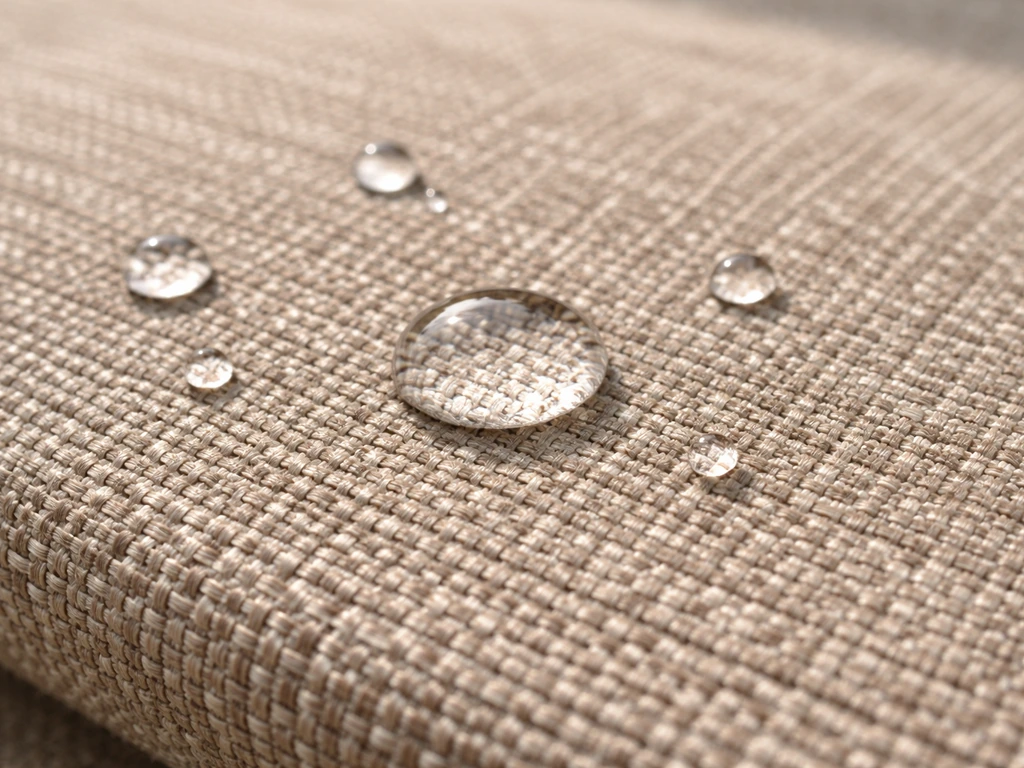
Olefin is naturally hydrophobic, meaning the fiber itself doesn't absorb water, which makes it inherently mildew-resistant in terms of the fabric structure. It's also solution-dyed in most outdoor applications. The weakness is UV resistance: olefin degrades faster in direct sun than acrylic, so it works better in shaded or semi-covered settings. For a covered porch in a humid climate where mildew is the main concern, olefin makes a lot of sense. For an exposed Arizona deck, it's not the right call.
Vinyl mesh (sling fabric)
Vinyl mesh, often seen in sling chairs and commercial outdoor seating, is a different category entirely. Products like Phifertex are made as breathable mesh that dries almost instantly, allows airflow underneath you, and resists mildew because moisture simply can't pool in the structure. Phifer infuses Phifertex with Microban antimicrobial protection as an additional layer. This is the most practical fabric for hot, humid climates where you want to actually sit comfortably in summer heat, and it works well for sling-style chairs that stay outside permanently. It's not a cushion fabric, so it's not competing directly with acrylic, but if you're comparing chair styles, it's worth knowing sling chairs essentially eliminate the cushion-care problem entirely.
Performance specs worth reading on the label
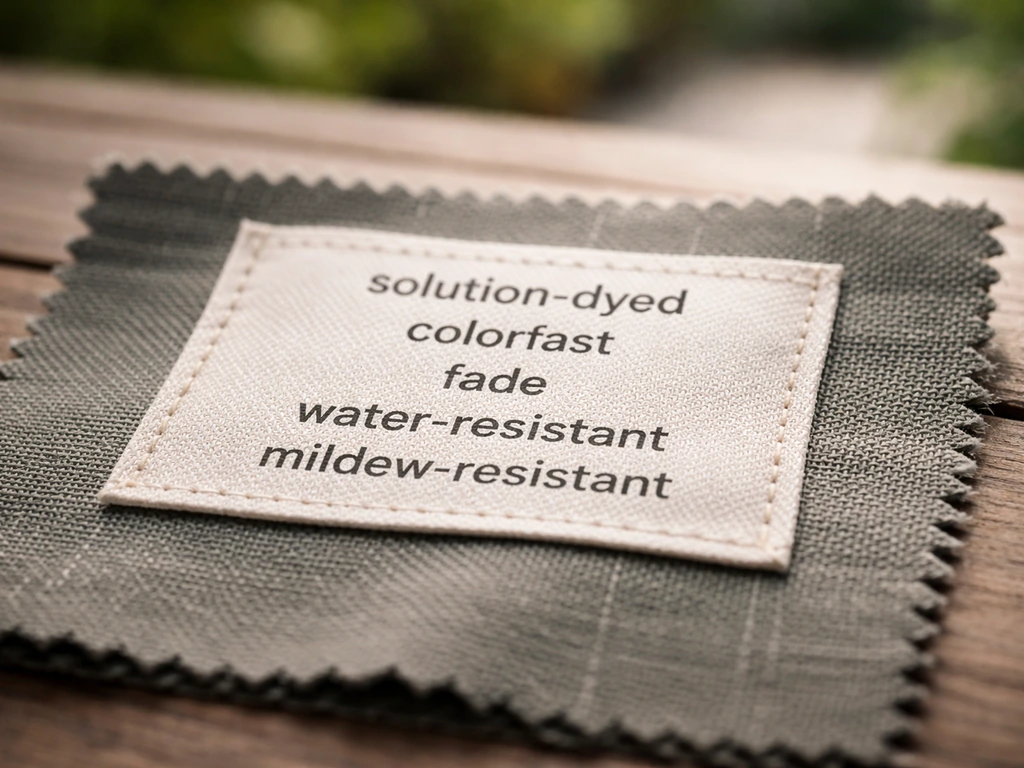
Most outdoor fabric marketing uses the same words: fade-resistant, water-resistant, mildew-resistant. Here's how to cut through the noise and find the specs that actually tell you something.
- Solution-dyed construction: Look for this phrase explicitly. 'Colorfast' or 'fade resistant' without 'solution-dyed' often means a surface-treated or piece-dyed fabric that will fade faster under real UV exposure.
- AATCC 16 colorfastness rating: Some brands publish test hours and grade scores from this xenon arc light test. Higher hours at a passing grade means better fade resistance. If a brand doesn't publish this, ask or be skeptical of vague fade claims.
- Water repellency vs. waterproofing: These are different things. Most outdoor fabrics are water-repellent (treated with a DWR finish, tested by the AATCC 22 spray test), meaning water beads and runs off initially. Waterproof means no moisture penetration. Cushion fabrics are almost never fully waterproof, and claiming otherwise is a red flag. Water repellency degrades with UV exposure and washing, which is why retreatment matters.
- Mildew resistance: Solution-dyed acrylic fabrics like Sunbrella don't promote mildew growth in the fabric fiber itself, but mildew can still grow on dirt or debris left on the surface. The distinction matters: the fabric isn't mold-proof, the fiber just doesn't feed mold the way cotton or polyester blends can.
- Antimicrobial treatment: Look for this in mesh/vinyl fabrics like Phifertex with Microban. It adds a meaningful layer of protection for humid environments.
- Weight (oz per yard): Heavier fabric generally means more durability and better UV resistance. Most quality outdoor upholstery fabrics run 8–12 oz per yard. Very light fabrics under 6 oz will break down faster.
Comfort, breathability, and how use case changes everything
Fabric choice and comfort are tied closely to what style of furniture you're buying. Cushion fabric (for lounge chairs, sectionals, dining seat pads) traps heat between the cushion surface and your body, and thick foam cushions can stay wet for days after rain. Sling fabric and mesh seats let air circulate underneath you and dry within minutes. If you're in a hot climate and prioritize summer comfort, the 'best fabric' might lead you away from cushions entirely, toward sling chairs or teak with no cushions at all.
For cushion fabrics specifically, solution-dyed acrylic has a soft, almost canvas-like texture that most people find comfortable but not especially cool to the touch. Polyester cushion fabrics can feel slightly warmer and sometimes have a shinier finish that some people find less premium. Olefin tends to feel slightly softer and is often used in woven textures that mimic indoor upholstery. If you're comparing fabrics at a store, run your hand across them and think about what a hot July afternoon will feel like, not just what looks good in the showroom.
One practical detail that doesn't get enough attention: cushion drainage. Quality outdoor cushions are typically designed with seams or vents at the bottom to let water drain out after rain. Even the best fabric will develop mildew problems if water is trapped inside the cushion foam. Tipping cushions on their side after rain and allowing them to drain and air dry is a real part of ownership, not a once-a-season task.
Best fabric by climate and situation
| Climate / Situation | Best Fabric Choice | Why It Works | What to Avoid |
|---|---|---|---|
| Hot and sunny (Arizona, Nevada, Southern California) | Solution-dyed acrylic (Sunbrella, Outdura) | Highest UV resistance, won't fade for years in direct sun, solution-dye construction holds color at the fiber level | Polyester without solution-dyeing, olefin in fully exposed settings |
| Rainy and humid (Pacific Northwest, Gulf Coast, Southeast) | Solution-dyed acrylic or vinyl mesh (Phifertex for sling chairs) | Acrylic fiber doesn't feed mildew; mesh dries instantly and includes antimicrobial protection | Cotton blends, untreated polyester, fabrics without mildew resistance claims |
| Coastal / salt air (beachfront, bay, waterfront) | Solution-dyed acrylic with confirmed UV and salt-air resistance | Saltwater accelerates degradation; acrylic holds up against salt and UV combined; look for marine-grade specs | Cheap polyester, any fabric with metal-coated or foil-based treatments |
| Cold winters / snow (Midwest, Northeast, Mountain regions) | Solution-dyed acrylic, but storage matters more than fabric spec | If cushions are stored indoors or under breathable covers for winter, most quality fabrics perform well; acrylic holds up to freeze-thaw cycles | Leaving cushions exposed through freeze-thaw; cheap polyester that becomes brittle when frozen |
| Covered porch / mostly shaded patio | Olefin or mid-range solution-dyed polyester | Lower UV stress means you can save money on fabric grade; olefin's natural moisture resistance shines in covered humid settings | Paying premium Sunbrella prices if furniture is in full shade year-round |
How to clean and maintain outdoor fabric (and when to replace it)
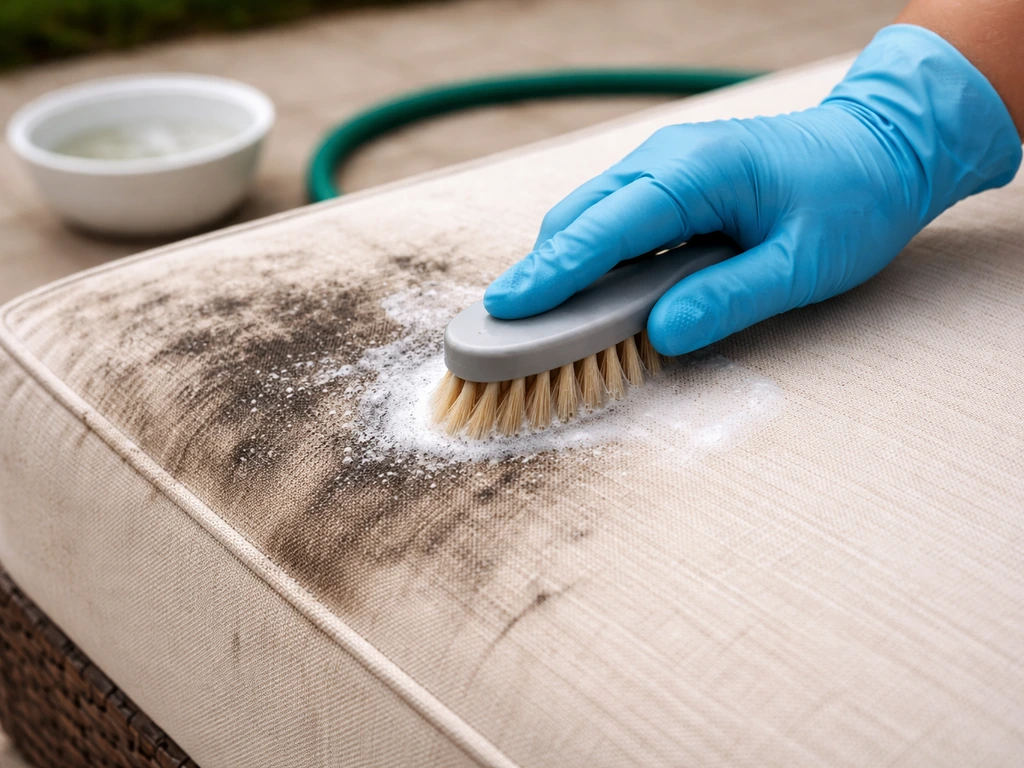
Routine maintenance
For most solution-dyed acrylic fabrics, routine cleaning is straightforward: brush off loose dirt, rinse with a hose, and clean with mild soap and lukewarm water. Outdura specifically recommends keeping wash water under 100°F to avoid fiber damage. After washing, let the fabric air dry completely before putting cushions back in place or covering the furniture. Sunbrella notes that cushions can take 1 to 3 days to fully dry depending on humidity and weather conditions, which is longer than most people expect. Don't rush it. Covering damp cushions or storing them before they're fully dry is how mildew starts.
Removing mold and mildew
If mildew develops, the standard fix across most brands (Sunbrella, Phifer, Richloom) is a diluted bleach solution: roughly 1 cup bleach and a small amount of mild dish soap per gallon of water. Apply it, let it soak into the affected area, scrub gently, and rinse thoroughly. Important: bleach cleaning strips water and stain repellency from the fabric finish. After any bleach treatment, retreatment with a DWR product (Sunbrella recommends a 303 Fabric Guard or equivalent; Outdura points to TEXGARD) is necessary to restore that protection. Skipping retreatment after bleach cleaning is one of the most common reasons people think their 'good fabric' stopped performing.
Covers and storage
Patio furniture covers help extend fabric life, but only if you use them correctly. Breathable covers are strongly preferable to non-breathable ones: trapped condensation under a sealed cover creates exactly the warm, damp environment mildew needs. Even breathable covers allow some moisture through over extended periods, so for storage lasting more than a few days, it's worth checking whether cushions are sitting damp underneath. Restoration Hardware and other makers recommend removing cushions from the furniture before covering frames for long-term storage, and making sure cushions are completely clean and dry before going into any enclosed space.
When to replace
Quality solution-dyed acrylic fabric, with reasonable maintenance, typically lasts 5 to 10 years in residential outdoor use. Fading that goes beyond a slight lightening, fabric that feels thin or has pilling, mildew that keeps returning despite cleaning and retreatment, or foam cushion interiors that no longer dry out properly are all signs it's time to replace. Recovering cushions with new fabric (which Sunbrella and others support as custom-cut fabric purchases) is often more economical than buying entirely new furniture, especially if the frames are in good shape.
Marketing hype to ignore (and mistakes to avoid buying)
A few things to watch for that indicate a fabric claim is more marketing than substance:
- Vague fade-resistance claims without 'solution-dyed' in the description. 'UV-resistant coating' or 'colorfast finish' on a polyester fabric usually means a surface treatment that degrades with sun and washing. Ask specifically: is the color in the fiber, or applied to the surface?
- Waterproof cushions. Cushion fabrics are water-repellent, not waterproof. A fabric that claims to be fully waterproof either has a backing that traps moisture inside the cushion (which creates mildew) or the claim is exaggerated. What you want is good water repellency with drainage, not an impermeable seal.
- Mold-proof fabric. As Sunbrella is careful to explain, even the best outdoor fabrics won't prevent mold if dirt and organic material are allowed to accumulate on the surface. 'Mold-proof' fabric that you never clean will still grow mildew.
- Cheap polyester labeled as 'performance fabric.' Polyester is a legitimate outdoor material, but it's not all equal. If a price seems too good compared to name-brand acrylic, the performance gap is real. Budget polyester cushions in full sun typically look shabby within two seasons.
- Buying fabric without thinking about the furniture frame. The best fabric won't compensate for frames that hold water in joints, trap moisture under cushions, or have no drainage design. The whole system matters, and it's worth looking at how the furniture is built to hold cushions and manage rain before committing to an expensive fabric investment.
The bottom line is that outdoor fabric selection is a lot more practical than it seems once you focus on a few real specs: solution-dyed construction, published colorfastness ratings, honest water repellency (not waterproofing), and a maintenance plan you'll actually follow. If you're shopping for the best outdoor furniture patio, start by matching fabric type to your sun, moisture, and coverage conditions outdoor fabric selection. For most homeowners, solution-dyed acrylic in a Sunbrella or Outdura-grade fabric is the right answer for cushions in exposed settings. For sling chairs in hot humid climates, vinyl mesh is genuinely the smarter choice. And if your patio is covered, shaded, and well-maintained, you have more flexibility on fabric grade than the premium brands would like you to believe. Choosing the right fabric type connects closely to choosing the right overall furniture style and material, and it's worth thinking about frame materials and construction at the same time as you evaluate fabric options. Once you decide on fabric performance, it also helps to pair it with the best outdoor metal patio furniture for the way you use your space.
FAQ
If multiple fabrics say they are “fade resistant,” how do I know which one is actually best outdoor patio furniture fabric?
Check whether the manufacturer reports a colorfastness test result, not just “fade resistant.” Look for AATCC 16 xenon arc light data or a similar published value, and confirm whether the fabric is solution-dyed (color to the core). A brand can claim “UV protection,” but without a test spec you cannot compare fade performance across competitors.
Can I leave outdoor cushions out year-round under a patio cover?
Yes, but only if you prevent trapped moisture. Rinse after rain, keep cushions elevated so air can circulate, and store cushions in a dry, ventilated area when possible. If you must cover everything, choose breathable covers and still verify cushions are fully dry before putting them away.
Does “best outdoor patio furniture fabric” mean it will stay cool to the touch?
Not always. Vinyl mesh and sling fabrics are designed to dry quickly and are not the same as cushion fabric, and even within “acrylic” you can get different weights and weave constructions. If your priority is comfort on skin, you may be better comparing fabric weight, texture, and cushion thickness rather than assuming one material type will feel cool or breathable.
What cleaners should I avoid on outdoor patio furniture fabric, especially if it was previously treated with a water-repellent finish?
Use the fabric’s care guidance to choose the right cleanser, and avoid harsh solvents unless the brand explicitly allows them. For routine dirt, mild soap and lukewarm water is usually safe, but always spot-test in an inconspicuous area because some finishes can dull when over-cleaned. If the fabric is solution-dyed and retreatment is needed after bleach, that also implies finish care matters for appearance.
How long do I really need to let outdoor cushion fabric dry after washing?
Drying time is part of the “system.” Don’t cover or store cushions until they are completely dry all the way through, not just surface dry, because foam interiors can hold moisture for days. In practice, plan for 1 to 3 days of drying in humid conditions, and if in doubt, remove cushions from covers to accelerate airflow.
Is it worth recovering outdoor cushions instead of replacing the whole furniture set?
Sometimes, but it depends on the damage and the foam. If the fabric is faded or mildewed but the foam can still dry properly, re-covering with new solution-dyed acrylic often restores performance more cost-effectively than replacing frames. If the foam stays damp or smells permanently, replacing foam and fabric together is usually the more durable fix.
How do I interpret “water-resistant,” “waterproof,” and “mildew-resistant” claims when buying outdoor patio furniture fabric?
Don’t rely on a “waterproof” label. What you want is water repellency or stain repellency (often from a DWR finish), plus fabric construction that allows drainage. Even water-repellent fabrics can become a mildew problem if cushions trap water inside foam, so seam/vent drainage design and ownership habits matter as much as the coating.
Why does mildew keep coming back even after I cleaned my outdoor fabric?
Yes, if you address both causes: cleaning and then restoring the finish. After bleach cleaning, multiple brands require retreating with a fabric guard or DWR to regain water and stain resistance, otherwise the fabric can foul faster and re-mildew more easily. The quickest way to confirm is to inspect whether water still beads after cleaning, if it doesn’t, retreatment is overdue.
I hate cushion drying time in summer. What are my best options if I still want comfortable outdoor seating?
Consider switching fabric type if comfort and maintenance expectations differ from your current setup. If you get intense direct sun and you are tired of waiting for cushions to dry, sling seats or vinyl mesh can eliminate the cushion-care problem because they dry within minutes and do not trap as much heat. For exposed sunny environments, fabric choice should be based on whether you want cushions that require drying time.
How should I store outdoor patio furniture fabric and cushions to prevent condensation and mildew under covers?
Yes. Breathable covers help, but the cover still changes airflow and can trap condensation during cool nights and humid days. For longer storage, remove cushions from frames, ensure cushions are clean and completely dry, then cover frames separately. Also check periodically for any dampness under the cover before temperatures rise.
Next Articles
Best Patio Furniture for Outdoors: How to Choose
Choose the best patio furniture for outdoors by climate and material, with durability tips for sun, rain, UV and upkeep.
Best Outdoor Furniture Patio Guide: Buy the Right Set
Choose the best outdoor patio furniture by material, climate, fit, and online specs for lasting patio dining comfort.
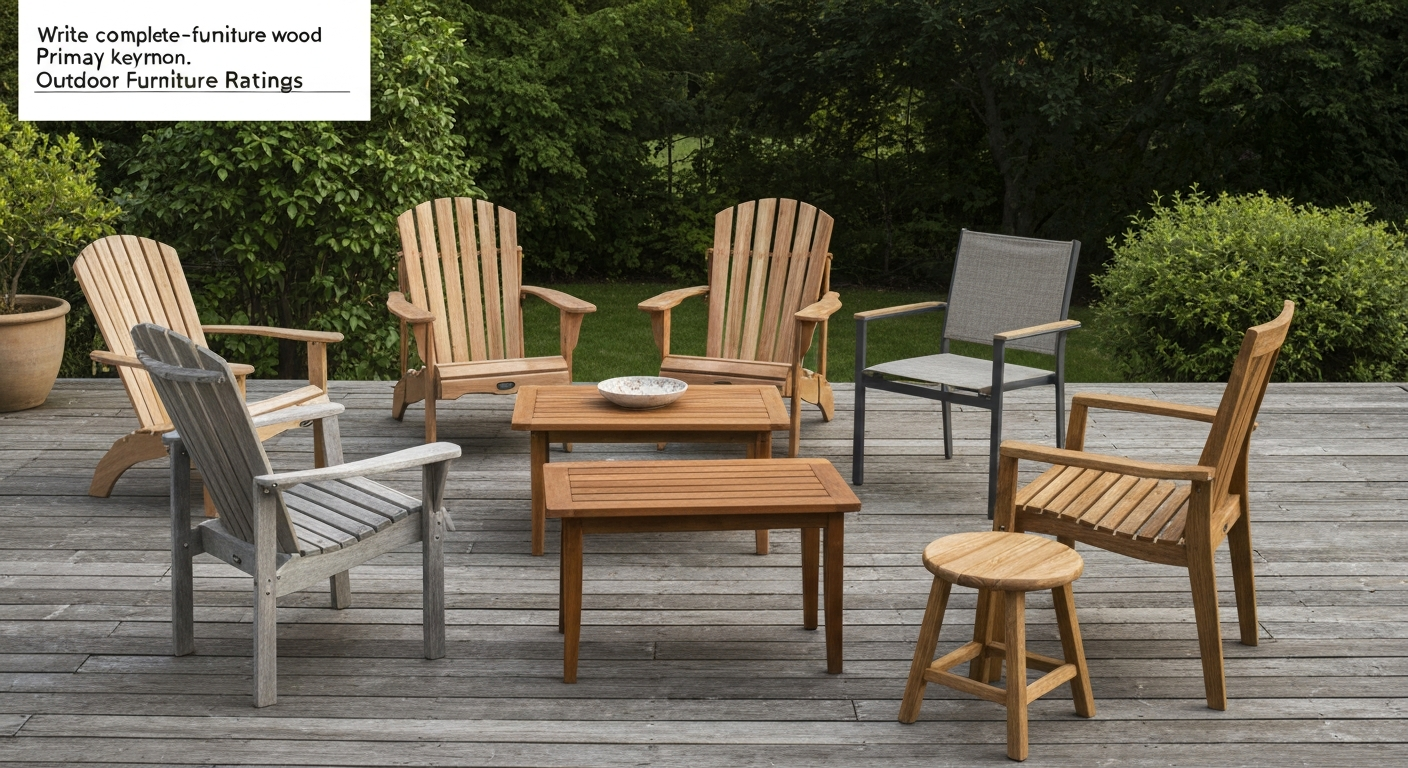
Common Patio Furniture Wood: Best Choices, Care & Tips
Compare common patio furniture wood types, teak, cedar, redwood, oak, with durability, finishes, and care tips.