
For most outdoor dining setups in 2026, a powder-coated aluminum frame paired with solution-dyed acrylic cushions is the best combination of durability, low maintenance, and genuine value. For lounging, an all-weather resin wicker set over a rust-resistant aluminum frame gives you comfort and style without the rot or brittleness problems you get with cheaper alternatives. The material choice matters far more than the brand name, and knowing what to look for means you don't have to spend a fortune to get furniture that actually survives a few seasons outdoors. Once you match materials to your climate and layout, choosing the best type of outdoor patio furniture comes down to whether you prioritize durability, comfort, or low maintenance.
Best Outdoor Furniture Patio Guide: Buy the Right Set

Theo Tierney
29 Apr 2026
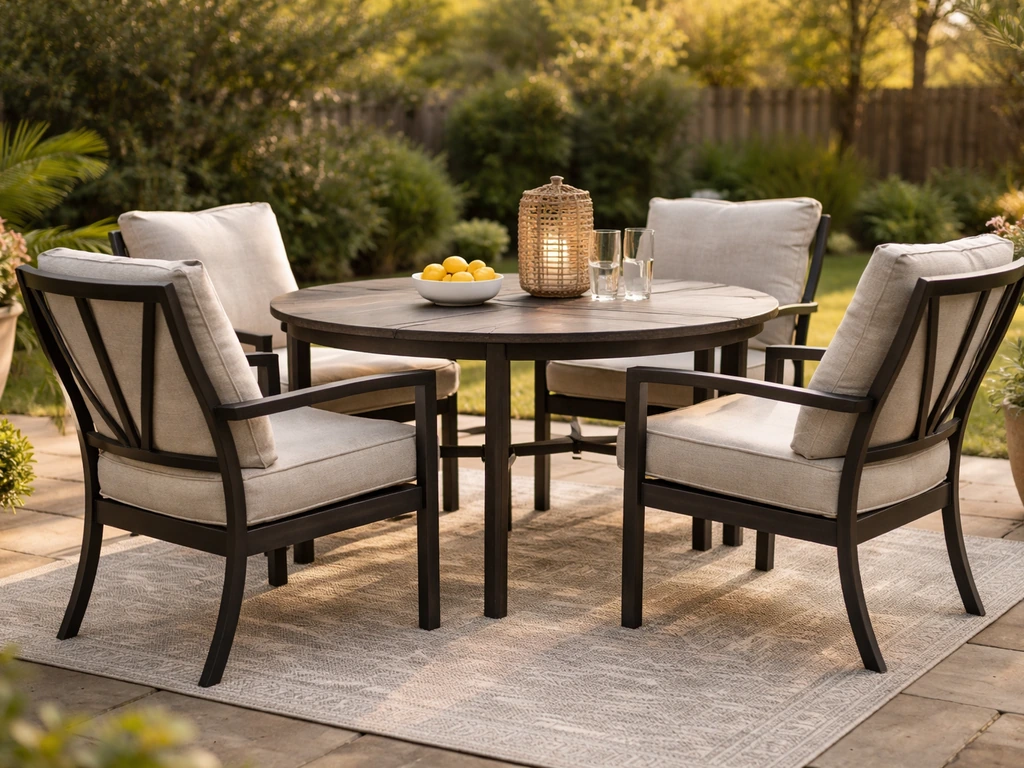
Quick picks: dining sets vs. lounging setups
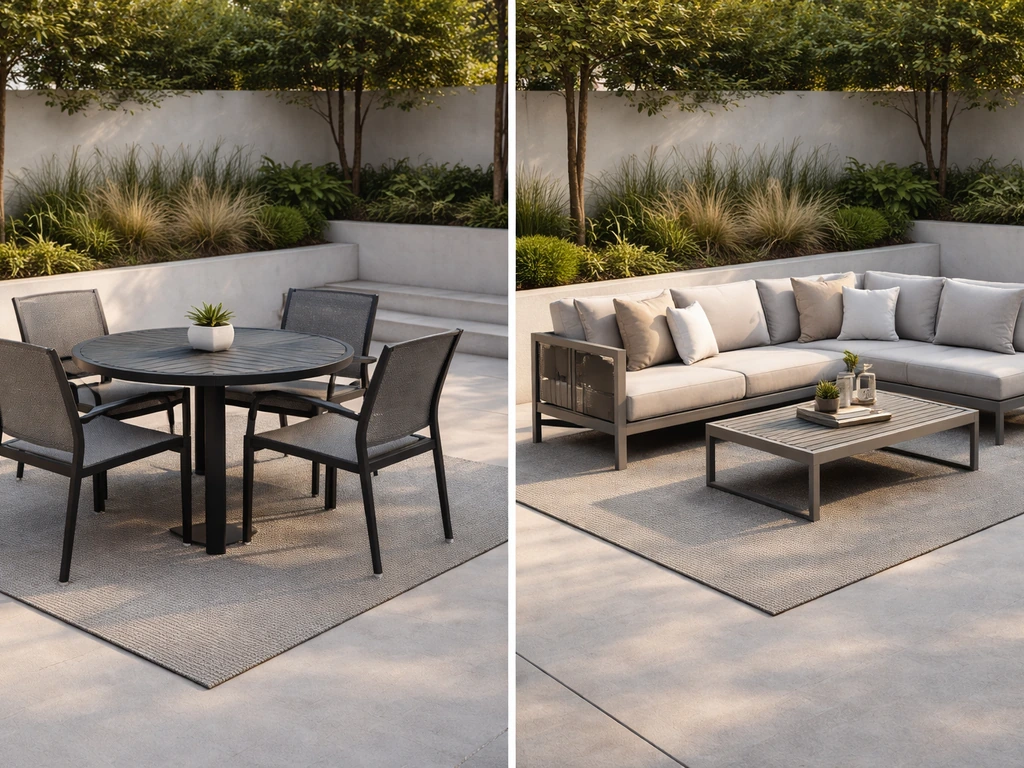
How you use your patio shapes everything about which set makes sense. A dining setup prioritizes stability, seat height, and tabletop durability. A lounging area is about comfort over long stretches, weather-resistant cushions, and flexible arrangement. Mixing the two on the same patio without thinking it through is one of the most common buying mistakes.
Best picks for outdoor dining
- Powder-coated aluminum dining sets: lightweight, rust-proof, and available in every price tier. Look for 6061 or marine-grade aluminum alloy if the spec is listed.
- Cast aluminum dining tables: heavier and more rigid than tubular frames, worth it for larger tables (60 inches or wider) where flex and wobble become noticeable.
- Teak dining sets: genuinely excellent for wet climates but require annual oiling to maintain color. Unfinished teak weathers to silver-gray, which some people love and others hate.
- Cushion dining chairs with Sunbrella or solution-dyed fabric: look for removable, machine-washable covers. This one feature dramatically extends how long they stay looking good.
Best picks for outdoor lounging
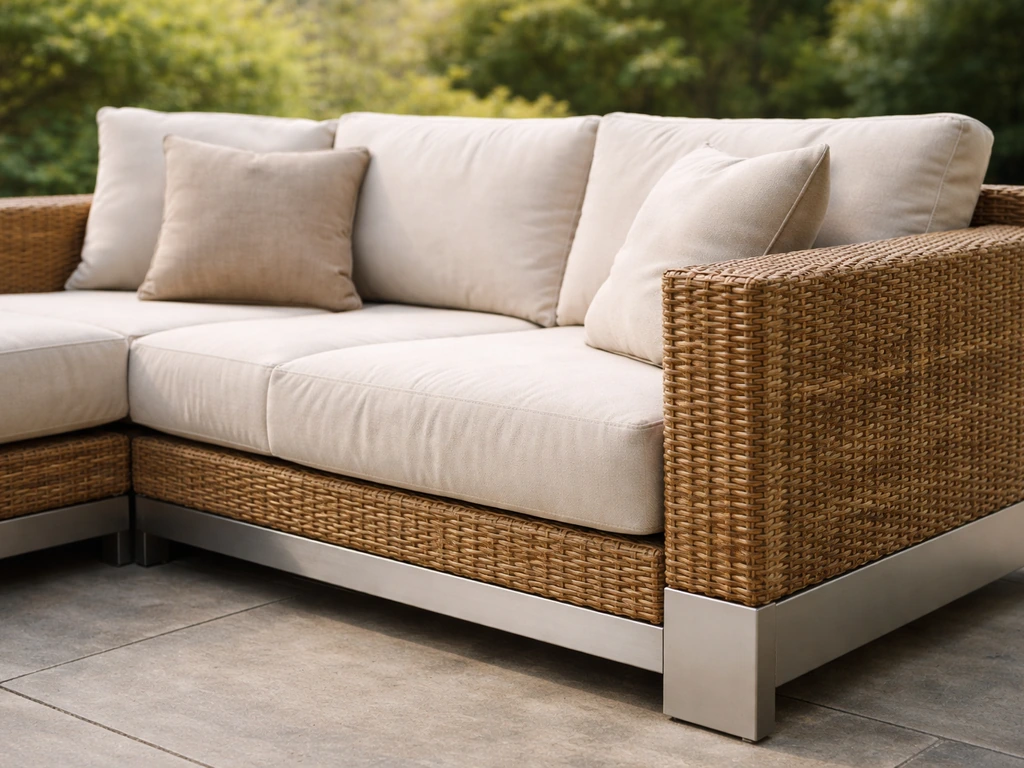
- All-weather resin wicker sectionals or deep-seat chairs over aluminum frames: comfortable, visually warm, and far more durable than natural wicker outdoors.
- Aluminum sling chaise lounges: ultralight, easy to move, dry instantly after rain, and very low maintenance. With proper off-season storage, a quality sling set can last well over a decade.
- Teak or eucalyptus Adirondack chairs: simple, durable, and genuinely comfortable for long sits. Eucalyptus is a cost-effective teak alternative if you maintain it.
- Outdoor sectionals with thick cushions: prioritize frame construction and cushion fill (quick-dry foam cores dry in hours, not days).
Material guide: what actually lasts outdoors
The material your furniture is made from determines almost everything about its lifespan, maintenance needs, and what climate it belongs in. Here is a plain-language breakdown of the four main categories you will encounter when shopping.
Wood
Teak is the gold standard for outdoor wood furniture because its natural oil content resists moisture, insects, and rot without constant treatment. High-quality teak comes from sustainably managed plantations (look for FSC certification). Eucalyptus and shorea are legitimate budget alternatives with similar density and oil content. Acacia is common in entry-level sets but is softer and more prone to cracking in dry climates. Pine and cedar look fine in a showroom but will need consistent sealing and are better suited to covered porches than fully exposed patios. If you go with teak, plan to clean it once a year and apply teak oil if you want to maintain the warm brown color; if you skip the oil, it turns silver-gray and that is completely fine structurally.
Metal
Aluminum is the most practical metal for outdoor furniture. If you want the best outdoor metal patio furniture, aluminum is usually the most practical starting point because it resists rust and holds up well outdoors. It does not rust, it is light enough to move around easily, and a good powder-coat finish holds up well against UV and moisture. Cast aluminum is denser and more ornate, while extruded or tubular aluminum is lighter and better suited to minimalist designs. Steel is cheaper but must be galvanized or powder-coated carefully, because once the coating chips, rust spreads fast. Wrought iron is heavy, beautiful, and extremely durable, but it will rust if the finish is scratched and left unattended, making it a higher-maintenance choice. For most buyers, aluminum is the right call. If you are specifically looking at metal options in depth, there is a lot more to unpack about grades, finishes, and brands worth considering.
Wicker
Natural wicker, which is real plant fiber woven around a frame, is not meant for outdoor use. Consumer Reports is direct about this: natural wicker belongs inside or on a fully covered, dry porch. It absorbs moisture, swells, cracks, and gets mildew. What you want outdoors is all-weather resin wicker, which is synthetic polyethylene or PVC woven in a wicker pattern over a rust-resistant frame (aluminum is best, steel is acceptable if galvanized). Quality resin wicker has a rounded weave profile, tight consistent spacing, and a UV inhibitor built into the material, not just a surface coating. Cheaper versions feel thin and brittle and start to unravel within two to three seasons.
Composite and recycled plastic
High-density polyethylene (HDPE) lumber, often sold as recycled plastic lumber or poly lumber, is one of the most genuinely low-maintenance materials available. It does not rot, warp, splinter, or need sealing, and it holds up well in almost every climate. Brands like Polywood popularized this category. The tradeoff is that it can look somewhat utilitarian, it expands and contracts noticeably in temperature swings, and cheaper versions fade over time. Pay attention to UV stabilizer content in the spec sheet. HDPE is worth the premium if you hate maintenance tasks or live somewhere with extreme weather.
Weather resistance: matching furniture to your climate
Most furniture failures happen because someone bought a set designed for mild coastal California and put it through Phoenix summers or Chicago winters. Climate fit is not optional.
| Climate | Best materials | What to avoid |
|---|---|---|
| Hot sun / desert heat (Arizona, Nevada) | HDPE, powder-coated aluminum, teak | PVC wicker (can become brittle), dark-colored steel (heat retention), untreated softwood |
| High humidity / heavy rain (Florida, Gulf Coast) | Teak, marine-grade aluminum, resin wicker over aluminum | Steel frames without galvanization, natural wicker, untreated softwood, open-cell foam cushions |
| Freeze/thaw cycles (Midwest, Northeast) | HDPE, aluminum, teak with off-season storage | Cast iron without rust protection, natural wicker, budget resin wicker that cracks when frozen |
| Salt air (coastal areas) | Marine-grade aluminum (6061 alloy), teak, HDPE | Standard steel, chrome hardware, powder-coat finishes without a primer layer |
| Mild / temperate (Pacific Northwest, Mid-Atlantic) | Almost any quality material works; focus on UV resistance | Budget sling fabric, untreated acacia, natural wicker in rainy spots |
Salt air deserves special attention because it accelerates corrosion faster than almost any other condition. If you are within about a mile of the ocean, standard powder-coated steel will eventually pit and rust through even with good upkeep. Marine-grade aluminum and HDPE are the practical choices. For cushions in any humid or rainy climate, look for open-weave fabric (like Sunbrella) over a quick-dry foam core. For the best outdoor patio furniture fabric, look for solution-dyed, UV-inhibitor fabrics designed to resist fading, mildew, and moisture open-weave fabric. Closed-cell or quick-dry foam drains and dries in a few hours. Standard polyester fill stays wet for days and grows mildew.
Sizing your set and planning the layout
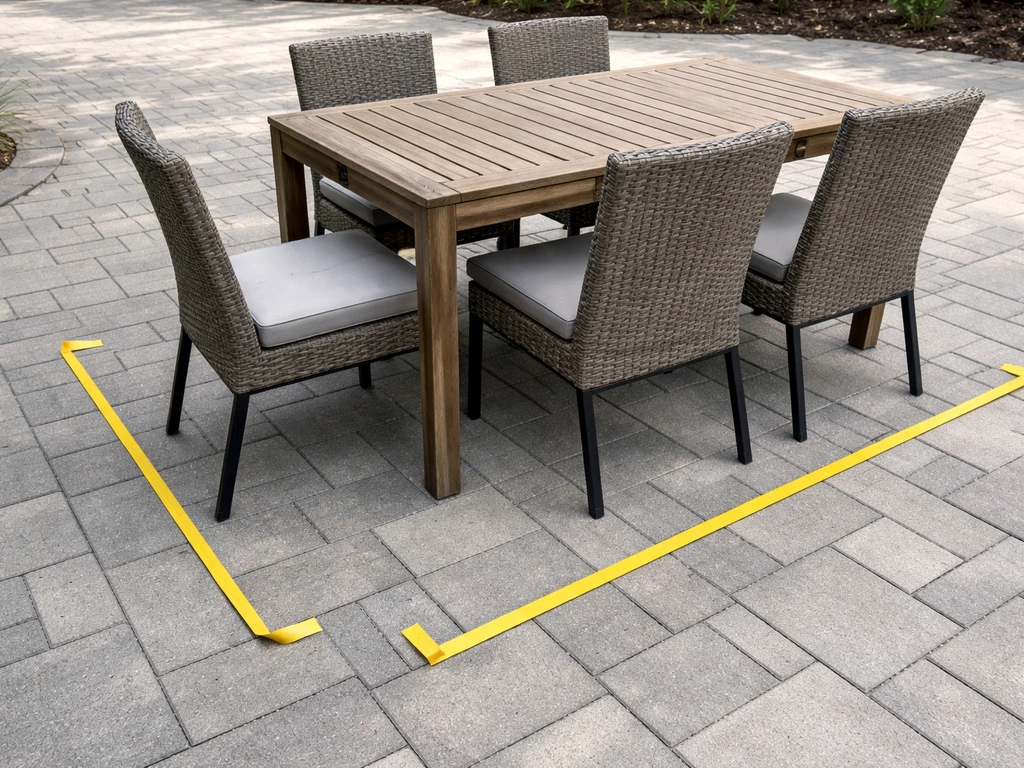
Measure your usable outdoor space before you look at a single product listing. This sounds obvious but more people skip it than you would expect, and it is the most common reason for returns.
Dining area sizing
For a dining table, allow at least 36 inches of clearance on all sides so chairs can pull out and people can walk around comfortably. A 4-person dining set typically needs a minimum patio area of about 10 by 10 feet. A 6-person set needs roughly 12 by 12 feet, and an 8-person set needs at least 12 by 16 feet. Round tables are more space-efficient when the patio is square; rectangular tables work better on longer, narrower patios. If the table has an umbrella hole, verify the hole diameter (usually 1.5 to 2 inches) matches any umbrella pole you plan to use.
Lounge and seating area sizing
For a conversation grouping, plan for a central coffee table or fire pit with 12 to 18 inches of clearance between it and the seating. Leave at least 30 inches of walking space behind each chair or sofa. A standard 3-piece bistro set (two chairs plus a small table) fits comfortably in a 6 by 6-foot space. A 5-piece sectional typically needs at least a 12 by 14-foot area. Sectionals are modular, so check whether individual pieces can be rearranged or if the configuration is fixed. If you want to separate a dining zone from a lounging zone on the same patio, use outdoor rugs to define each area visually and plan at least a 5-foot aisle between them.
What to check before buying patio furniture online
Buying patio furniture online without touching it first means you have to do more homework upfront. These are the specs and details worth verifying in any product listing before you click buy.
- Frame material and grade: look for 'powder-coated aluminum,' 'marine-grade aluminum,' 'galvanized steel,' or 'HDPE lumber.' Vague terms like 'metal frame' or 'rust-resistant finish' without specifics are red flags.
- Cushion fabric type: Sunbrella and other solution-dyed acrylic fabrics are the benchmark. The backing label matters too. Look for olefin or acrylic, not plain polyester, for anything left outdoors regularly.
- Cushion fill: 'quick-dry foam' or 'open-cell foam' means it drains water. Standard polyester fiberfill does not. This distinction is often buried in the details tab.
- Weight capacity per chair: especially important for dining chairs. A minimum of 250 lbs per seat is standard; 300 lbs is better for longevity.
- Assembly requirements: check whether hardware is included and whether any specialized tools are needed. Some flat-pack sets require two people and significant time.
- Dimensions with chairs pulled out: many listings show table dimensions only. Pull-out depth matters for space planning.
- Warranty terms: a 1-year structural warranty is the floor. Reputable brands offer 3 to 5 years on frames. Sunbrella offers a 5-year limited warranty covering loss of strength and color from normal use and exposure.
- Return policy: large furniture is expensive to return ship. Look for free returns or at least a policy that does not charge restocking fees on damaged or defective items.
- Shipping method: curbside delivery versus white-glove delivery. Large sets delivered curbside in heavy boxes can be difficult to move alone.
- Customer photo reviews: ignore staged product photos and read recent reviews with user-submitted photos. Look specifically for reviews after 12 to 24 months of use.
Maintenance that actually keeps furniture looking good
Good furniture without any maintenance will still deteriorate faster than budget furniture that is properly cared for. None of this is complicated, but it needs to be done consistently.
Seasonal routine
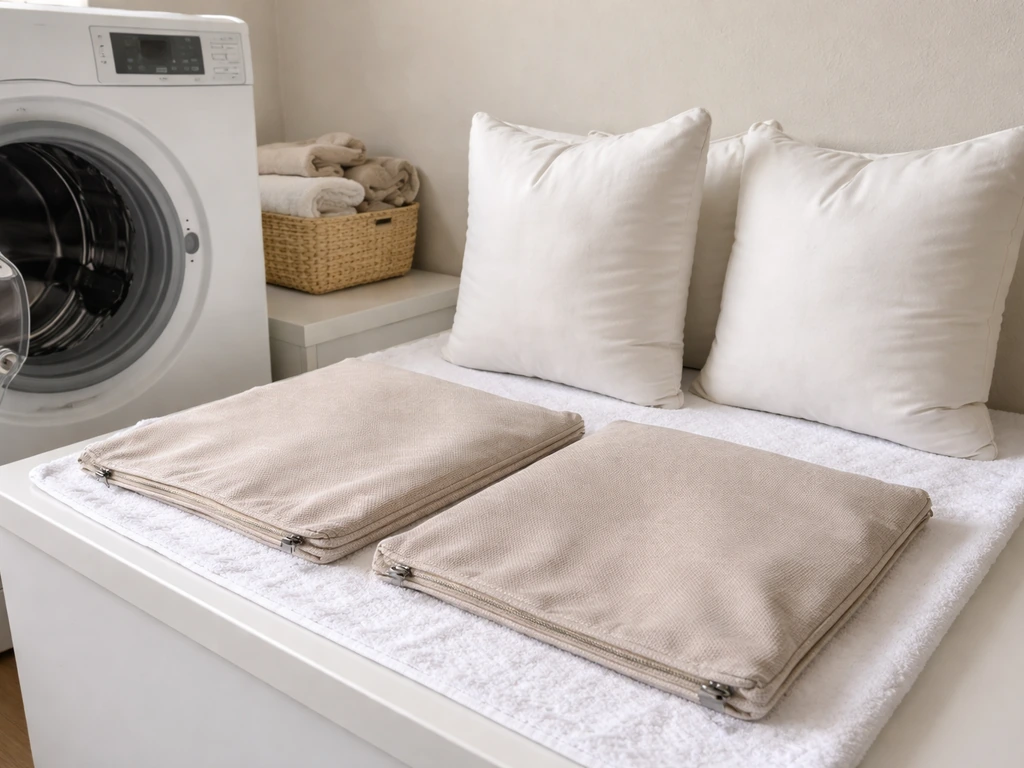
- At the start of the season: wipe down all frames with mild soap and water, check hardware for rust or loosening, inspect welds and wicker weave for any damage, and re-tighten any loose bolts.
- Monthly during use: rinse cushion covers and frames with a garden hose to remove pollen, bird droppings, and dirt that accelerate surface degradation. Spot-clean fabric with mild detergent and a soft brush.
- Before off-season storage: clean everything thoroughly, allow cushions to dry completely before storing, and stack or bag frames. Store cushions indoors or in a weatherproof deck box, not in a damp garage.
- For teak specifically: apply teak oil once a year if you want to maintain the warm brown color. If you prefer the silver-gray weathered look, a light sanding every two to three years keeps the surface from going rough.
- For powder-coated metal: touch up any chips with matching outdoor spray paint immediately. Exposed metal under a chip will begin to rust within one season in humid climates.
- For sling furniture: inspect the sling fabric annually for fraying or stretching. Sling replacements are available and are far cheaper than replacing the whole set. Stored properly off-season, quality sling sets last far longer than the five-year estimate given for sets left out through extreme weather year-round.
Cushion care
Cushion covers with removable, machine-washable covers (a feature Forbes Vetted specifically flags when evaluating outdoor sectionals) make this easy. Wash covers at the start and end of each season. For fixed covers, a solution of one tablespoon dish soap and one tablespoon bleach per quart of water works well on Sunbrella and most solution-dyed fabrics. Rinse thoroughly. Never put outdoor cushions in a dryer; air dry completely before storing or using.
What is actually worth paying for vs. where you can save
You do not need to spend top dollar to get outdoor furniture that holds up, but you do need to spend it in the right places. The biggest mistake is buying a cheap frame and then investing in expensive cushions, or vice versa. Here is where budget allocation actually matters.
| Feature | Worth the premium? | Why |
|---|---|---|
| Aluminum vs. steel frame | Yes | Aluminum does not rust. Steel requires perfect coating maintenance, especially near coasts or in humid climates. |
| Sunbrella or solution-dyed fabric | Yes | Solution-dyed fibers resist fading far longer than surface-printed fabric. The 5-year Sunbrella warranty on color and strength reflects real performance. |
| Quick-dry foam cushion core | Yes | Prevents mildew, extends cushion life, and saves you from hauling wet cushions inside after every rain. |
| Cast aluminum vs. tubular aluminum | Sometimes | Cast aluminum is more ornate and rigid for large tables. For chairs, tubular aluminum is lighter and perfectly durable. |
| Teak vs. eucalyptus | Depends on budget | Teak is genuinely superior in oil content and longevity, but eucalyptus maintained with teak oil performs well for a lower price. |
| Brand name premium | Rarely worth it alone | Brand name on its own is not a proxy for quality. Check the actual specs: frame material, fabric type, foam density, and warranty. |
| Matching set vs. mixing pieces | Personal preference | Mixing a quality metal dining table with chairs from a different line often yields better durability per dollar than buying a matched set at the same budget. |
Budget resin wicker sets under around $300 for a full grouping are almost always false economy. The wicker unravels, the frames are thin steel that rusts, and the cushion fabric fades within a season. Spending $600 to $900 on a resin wicker set with an aluminum frame and quality fabric gets you something that will realistically last 8 to 12 years with basic maintenance. The same logic applies to metal furniture: powder-coated aluminum at $400 outperforms painted steel at $250 every single time in a three-year window.
For the outdoor dining furniture specifically, the table is where you should concentrate spending because it takes the most direct abuse: sun, rain, heat from food and drinks, and constant surface contact. Chairs are easier to replace individually over time. A solid teak or cast aluminum table with mid-range aluminum sling or resin-wicker chairs is a smart allocation if you are working with a fixed budget. If you want the best patio furniture for outdoors, prioritize the materials and finishes that match your climate so the set lasts longer with less upkeep.
Your next steps before you buy
- Measure your usable patio space and mark out the footprint with painter's tape or a garden hose before you look at listings. Account for clearance around all sides.
- Identify your climate challenge: heat, rain, humidity, freeze/thaw, or salt air. This narrows your material choice before you waste time on options that will not survive your conditions.
- Decide on your primary use: dining, lounging, or both. If both, plan them as separate zones and measure accordingly.
- Set a realistic budget and allocate it to the frame and cushion fabric first, then secondary details like umbrella holes, storage boxes, and accessories.
- Build a shortlist of three to five sets. For each one, pull up the full spec sheet and verify frame material, fabric type, cushion fill, warranty, and return policy using the checklist above.
- Check recent customer reviews with photos, specifically filtering for reviews posted 12 months or more after purchase to see real weathering and wear.
- Plan your basic maintenance routine before the set arrives: where will you store cushions, what cleaning products will you keep on hand, and when will you do the annual frame inspection.
FAQ
What’s the safest “best outdoor furniture patio” material combo for year-round use?
If you plan to use the set year-round, prioritize nonporous or fast-drying materials, solution-dyed fabrics, and frames rated for corrosion resistance. In practice, that usually means marine-grade or well-powder-coated aluminum plus quick-drain foam and open-weave, UV-inhibitor fabric, then add weather covers for winter and storms. Natural wood or natural wicker can work only if the furniture stays mostly dry and covered.
Can I use the same patio furniture set if my cushions are often exposed to rain puddling?
Yes, but only if the cushions and fabric are built for pooling water. Look for quick-dry, open-cell or quick-drain foam (or at least closed-cell/rapid-drain designs), solution-dyed UV-resistant covers, and frames with stainless or coated hardware. If the cushions can stay wet for more than a day, mildew risk rises quickly, even with good outdoor fabric.
Which patio seating type dries faster after rain, cushions or sling seats?
For most dining setups, slings and tight, outdoor woven seat surfaces handle rain and morning dew better than dense cushion pads. If you prefer cushions, choose solution-dyed, UV-inhibitor fabric and foam cores designed to drain and dry fast. If you expect heavy rain or frequent wet mornings, avoid standard polyester fill because it dries too slowly.
How much maintenance is actually required for powder-coated aluminum outdoor furniture?
Do not assume powder-coating means “no maintenance.” You still need periodic rinsing to remove salt spray or grime, especially after coastal fog or winter road treatment. If you see chips or scratches, treat them early because metal undercuts corrosion faster than fully intact coatings. A yearly visual check is a simple habit that prevents premature frame failure.
Should I buy covers for outdoor furniture, and how do I use them without causing mildew?
Start with a “rainproof storage” plan, not just covers. Covers should fit snugly enough to block wind-driven water, and you must let cushions fully dry before storing to avoid trapped moisture. For long storage gaps, store cushions off the ground in a ventilated spot and use furniture feet risers to reduce contact with damp surfaces.
What should I check for patio furniture stability on uneven or sloped patios?
If your patio is on uneven ground or is slightly sloped, choose adjustable chair glides or furniture with level feet, because wobble makes dining and conversation setups feel unstable. Take measurements at the actual seating height and check whether chair legs are the same length across the set. This matters more than people expect, especially with sectional or modular lounge pieces.
How do I choose outdoor cushions and umbrellas for very hot, high-UV climates?
It depends on how hot your climate gets, but in general, avoid placing dark cushions directly against reflective surfaces that intensify heat. Also confirm the umbrella compatibility (umbrella hole diameter and pole size) before buying an umbrella. For high-UV areas, prioritize fabric with a built-in UV inhibitor and verify it is solution-dyed rather than relying on surface dyes.
Is “within a mile of the ocean” really a dealbreaker for standard powder-coated metal?
If you’re near the ocean, “within about a mile” is a strong rule of thumb for upgrading materials. Look for marine-grade aluminum or highly corrosion-resistant frames, and favor HDPE over metal accents when possible. Also prioritize stainless or marine-rated fasteners, because hidden hardware often fails before the visible frame.
What features matter most for stain resistance and easy cleaning on a busy patio?
If the furniture will be used by children, pets, or frequent parties, consider sacrificing some aesthetic perfection for cleanable surfaces. Solution-dyed, UV-inhibitor fabric is better for stain persistence, and washable cushion covers reduce long-term odor buildup. For tables, prioritize surfaces that wipe clean without requiring repeated treatments or sanding.
What are the most common “dimension” mistakes people make when buying patio furniture online?
A common online mistake is assuming the listed dimensions are “usable.” For dining, account for chair pull-out clearance, for armrests and backrest sway, and for any walkway you need. Measure gate and door widths to ensure deliveries fit, then confirm assembly requirements. If a set includes an umbrella base or insert, confirm accessories match the dimensions you need.
How should I think about weight and portability when choosing outdoor furniture for a patio?
If the set must be moved often, weight becomes a decision factor. Cast aluminum is heavier and harder to reposition, while tubular or extruded aluminum is lighter and more practical for rearranging. For portability, also check whether chairs are stackable or nesting. For a fire pit or heavy coffee table in a conversation area, plan for a lighter layout if you expect frequent changes.
Next Articles
Best Wooden Patio Furniture: Choose, Compare, and Care
Guide to best wooden patio furniture: pick the right wood, compare durability, hardware and finishes, and maintain long-
What Is Patio Furniture? Definition, Types, and What to Buy
Define patio furniture and how to choose weather-ready sets by material, types, and what to avoid for outdoor use.
What Is the Best Patio Furniture to Buy Today
Find the best patio furniture for your climate, style, and budget with material tradeoffs and simple care tips to last.