Solution-dyed acrylic is the best fabric for outdoor patio cushions in almost every situation. It resists UV fading, repels water, fights mildew, and lasts 5 to 10 years with basic care. Sunbrella is the most recognized brand in this category, but Outdura and Phifertex make solid solution-dyed acrylics too. If your budget is tighter, solution-dyed polypropylene (olefin) is a legitimate second choice. Performance polyester works for covered or occasional-use situations. Standard canvas and untreated cotton are not worth putting outside.
Best Fabric for Outdoor Patio Cushions: A Buying Guide
Theo Tierney
1 Jul 2026
How to pick outdoor cushion fabric (the real criteria)
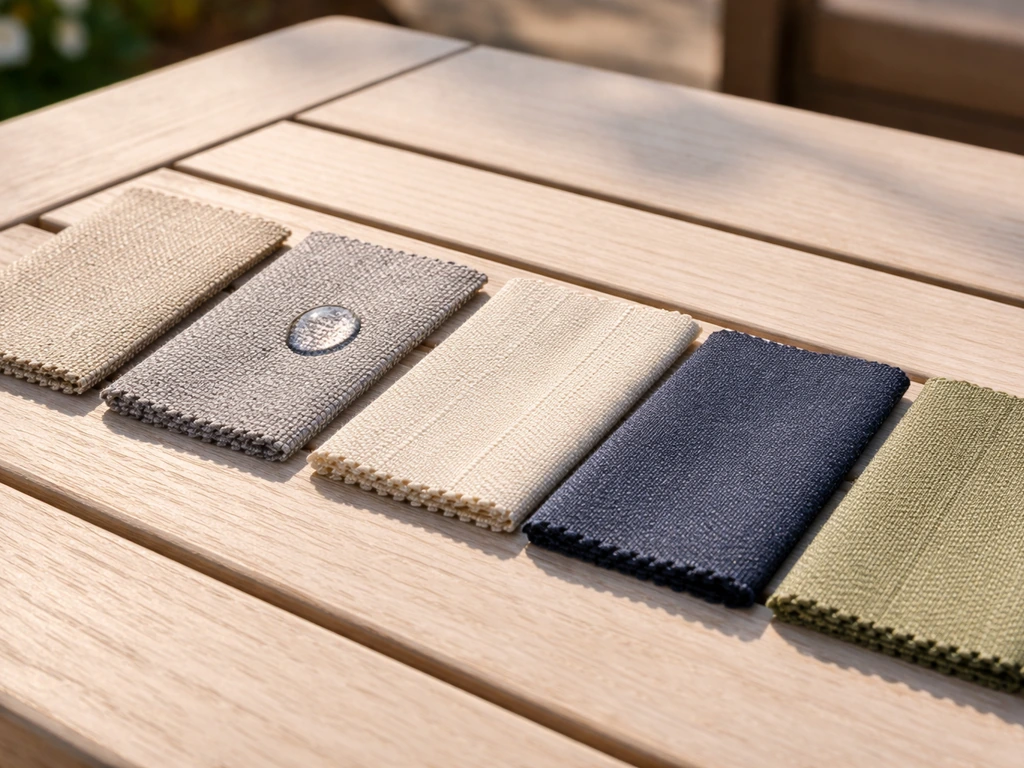
Most people focus on color and texture when they should be focused on five things: UV resistance, water handling, mildew resistance, colorfastness, and how the fabric integrates with the cushion fill underneath. A fabric that looks great at the store but fades in one season or stays wet after rain is a waste of money, no matter how nice it felt when you squeezed it.
- UV resistance: How well the fiber itself (not just a topcoat) holds up to sun. Solution-dyed fibers have colorant locked into the fiber core, so they do not fade the same way surface-printed fabrics do. Look for colorfastness ratings tested against AATCC 16 or ISO 105-B02, which use controlled xenon-arc light exposure to simulate outdoor sun.
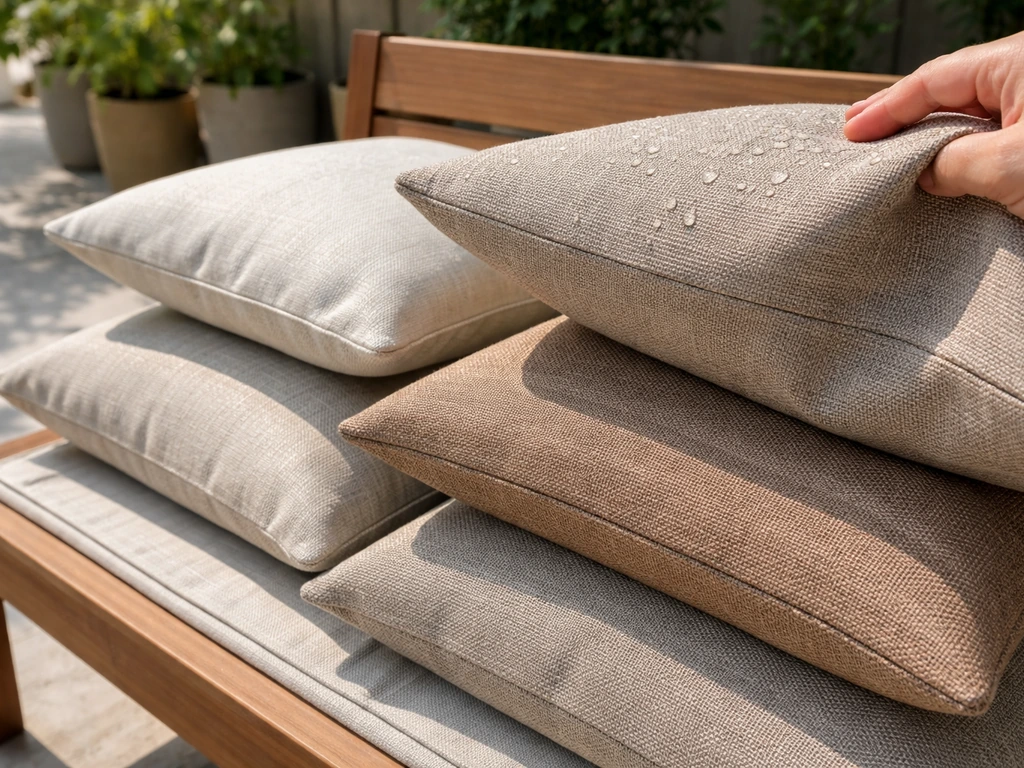
- Water handling: There is a difference between water repellency (surface beading, tested by AATCC TM22 spray rating) and true waterproofing. Most quality outdoor fabrics are water-repellent via a durable water repellent (DWR) finish, not fully waterproof. The DWR wears off over time, which is why re-treatment matters.
- Mildew resistance: The fiber itself should not feed mildew. Note that even mildew-resistant fabrics can grow mildew on top of embedded dirt, so this is about the fiber's chemistry plus your cleaning habits.
- Colorfastness to crocking: This measures how much dye transfers to other surfaces when rubbed, wet or dry. AATCC 8 covers this. Cheap polyesters often fail here, leaving color on your clothes or frame.
- Construction compatibility: The best fabric in the world underperforms on a cushion filled with dense closed-cell foam that traps moisture inside for days. Fabric choice and fill choice are a package deal.
The main outdoor cushion fabric types, ranked by durability
Here is how the four main fabric families actually compare when you put them through real outdoor conditions, not just showroom lighting.
Solution-dyed acrylic
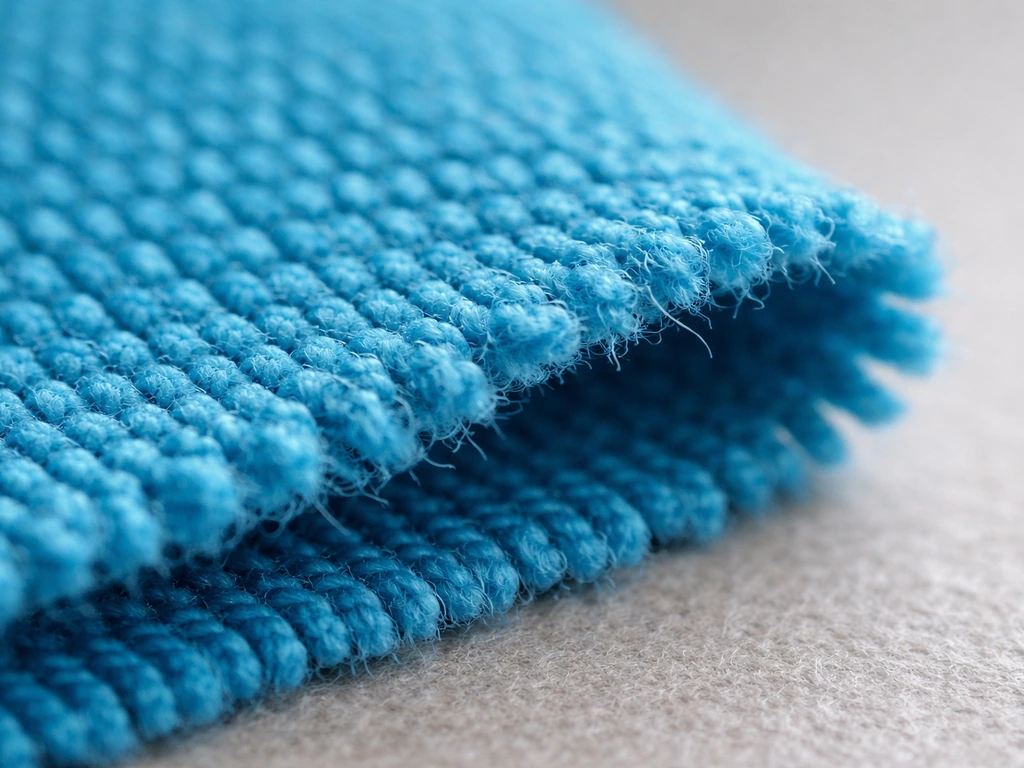
This is the gold standard for a reason. The dye is added during the fiber extrusion process, meaning the color runs all the way through each strand. There is no surface dye to wash away or bleach out. Brands like Sunbrella and Outdura apply a fluorocarbon DWR finish on top that makes the fabric bead water.
When that finish wears off after a few seasons, products like 303 Fabric Guard can restore it to roughly 85 to 90 percent of its original water repellency. Solution-dyed acrylic is also naturally mildew-resistant at the fiber level, though mildew can still grow on dirt sitting on the surface. The trade-off is cost: quality solution-dyed acrylic fabric costs more per yard than polyester, and finished cushions reflect that.
Solution-dyed polypropylene (olefin)
Olefin is solution-dyed polypropylene, and like acrylic, the color is baked into the fiber. Brands like Regal's Outshine line market it as having superior UV resistance plus hydrophobic properties that naturally resist moisture absorption, mold, and mildew. In practice, olefin holds up well for several years but tends to pill and abrade faster than acrylic under heavy use. It is a smart choice if you want solution-dyed durability at a lower price point, especially for cushions that get moderate rather than daily hard use.
Performance polyester
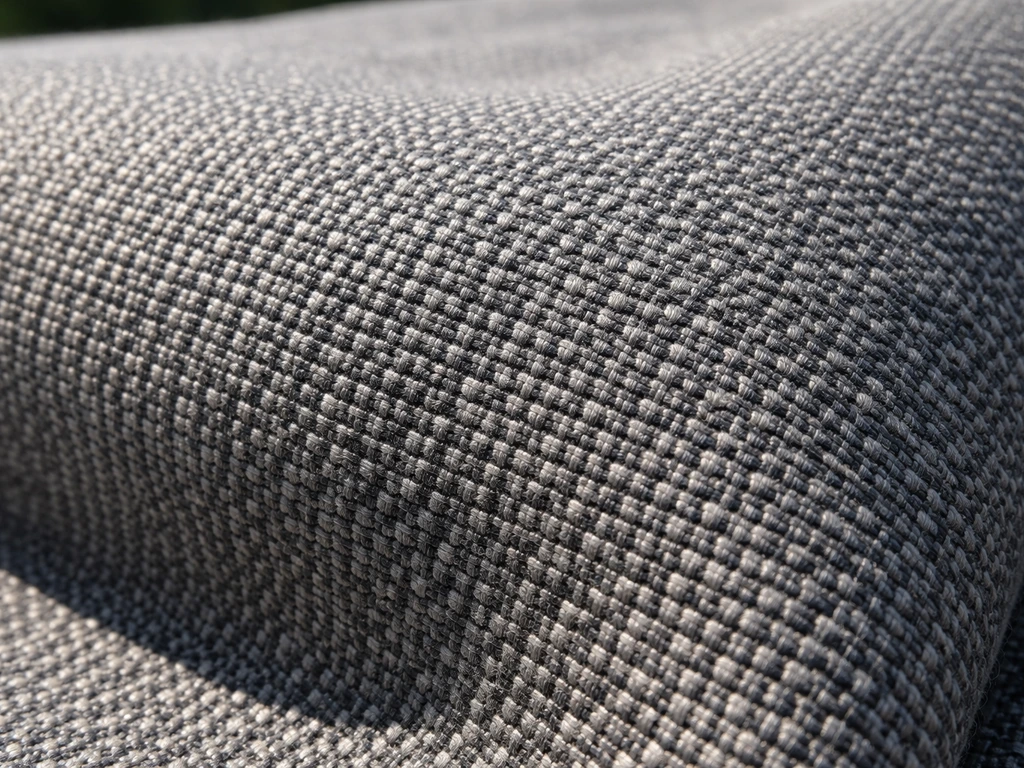
Polyester has improved a lot. High-denier, tightly woven performance polyester can hold up outdoors for 2 to 4 years with care. The problem is that most polyester cushion fabric is surface-dyed, not solution-dyed, which means UV exposure fades color from the outside in. It also tends to retain moisture more than acrylic or olefin. For covered patios, occasional-use furniture, or seasonal storage situations, polyester is a reasonable budget choice. For cushions that live outside year-round in sun and rain, it is not.
Canvas and cotton-blend fabrics
Treated canvas can work for covered or partially shaded spaces in dry climates, but it requires consistent re-treatment with waterproofing spray and still absorbs moisture more readily than synthetics. In humid climates, canvas is a mildew magnet. Cotton-blend fabrics marketed as 'outdoor' without a robust synthetic component or heavy treatment schedule belong indoors. Skip them for anything that stays outside in rain.
Side-by-side comparison: solution-dyed acrylic vs polyester vs olefin vs canvas
| Fabric Type | UV/Fade Resistance | Water Handling | Mildew Resistance | Durability (Years) | Relative Cost | Best Use Case |
|---|---|---|---|---|---|---|
| Solution-dyed acrylic | Excellent (color in fiber core) | Repels with DWR finish; re-treatable | Excellent at fiber level | 5 to 10 years | Higher | Cushions left outside year-round, high-sun or coastal climates |
| Solution-dyed olefin (polypropylene) | Very good | Naturally hydrophobic fiber | Very good | 3 to 6 years | Mid-range | Moderate use, budget-conscious buyers wanting solution-dyed benefits |
| Performance polyester | Moderate (surface-dyed fades faster) | Needs DWR finish; wears off quickly | Moderate; absorbs moisture | 2 to 4 years | Lower | Covered patios, seasonal use, stored when not in use |
| Canvas / cotton-blend | Poor to fair depending on treatment | Absorbs moisture; needs re-treatment | Poor in humid climates | 1 to 3 years | Variable | Dry climates, covered spaces, occasional use only |
The recommendation is straightforward: spend up for solution-dyed acrylic if cushions stay outside in any kind of weather. Use olefin if you want solution-dyed performance at a lower price and accept slightly less abrasion resistance. Polyester is a last resort for outdoor full-exposure situations but workable in sheltered ones.
Cushion fill and construction: why it matters as much as the fabric
You can buy the best solution-dyed acrylic fabric available and still end up with cushions that smell like mildew after one rainy week if the foam inside is wrong. Choosing the right patio cushion foam matters just as much as the fabric, and reticulated open-cell quick-dry foam is usually the best option. Conventional closed-cell foam absorbs water and holds it for days, creating a warm, wet environment that feeds mildew from the inside out. The fabric ends up looking like the problem when the real issue is the fill.
For cushions that stay outside, look specifically for reticulated open-cell foam, sometimes marketed as quick-dry, Dry Fast, DrainFast, or Qik-Dri foam. This foam has an open-cell structure with large connected pores that allow water to drain through and air to circulate. A good open-cell reticulated foam can go from soaking wet to dry in minutes after a rain, compared to hours or days for standard polyurethane foam. That difference is what keeps mildew from taking hold inside the cushion.
Fiberfill (polyester batting) is another option used in outdoor cushions, especially in seat-back and throw pillow applications. It dries faster than dense foam but compresses over time and provides less support. Hybrid constructions that use a quick-dry foam core wrapped in fiberfill get you support plus reasonable drying. The other construction detail to check is the barrier backing behind the outer fabric: a breathable but moisture-resistant inner liner helps manage condensation and further limits mildew inside the cushion shell. Zipper placement also matters; a zipper on the bottom or underside is less likely to allow pooling water to enter the cushion.
If you are choosing replacement cushions for existing patio furniture, the fill type affects which fabric performs best. This same approach helps you choose replacement cushions that match your existing frames and stay comfortable through sun and rain replacement cushions for existing patio furniture. For more detail on cushion fill options specifically, the topic of best foam for patio cushions goes deeper on the foam side of that equation.
Stain, mildew, UV resistance, and water handling: what to look for on spec sheets
UV and fade testing
When a fabric brand claims fade resistance, look for actual test method references. AATCC 16 (colorfastness to light) and ISO 105-B02 (xenon-arc fading lamp test) are the two standard methods. The AATCC 16 method evaluates fabric fade results against the AATCC Gray Scale at controlled exposure conditions AATCC 16 (colorfastness to light). A fabric rated at a Grade 4 or higher on the AATCC Gray Scale after significant light exposure hours is doing its job. Vague claims like 'fade resistant' with no test data behind them are marketing, not engineering.
Water repellency and DWR finishes
AATCC TM22 (the spray rating test) is the standard method for measuring surface water repellency. AATCC’s TM22 water repellency spray testing is framed as a method for assessing treated textiles’ water repellency performance AATCC TM22 (the spray rating test).
A rating of 100 means no wetting; 70 means slight random wetting. New quality outdoor fabrics typically ship near 100. Over time, the fluorocarbon DWR finish degrades from UV, abrasion, and washing. When you notice water soaking in rather than beading, it is time to re-treat.
Sunbrella's guidance via Sailrite points to 303 Fabric Guard as restoring water repellency to roughly 85 to 90 percent of like-new performance. There is also a companion test called WASR (Water Absorbency Spray Rating) that measures absorbency after extended wetting cycles, which is a better predictor of how a fabric performs after the finish has aged.
Mildew resistance
Solution-dyed acrylic and solution-dyed polypropylene do not promote mildew growth at the fiber level. Sunbrella's own care documentation makes this point explicitly but also notes that mildew can grow on dirt that accumulates on the fabric surface. This means mildew resistance is not a set-and-forget feature; it only holds up if you are cleaning cushions regularly. If mildew does appear, a diluted bleach and mild soap solution (Sunbrella's cleaning guide provides exact ratios) applied and rinsed thoroughly handles most cases without damaging solution-dyed acrylic fibers.
Stain resistance and colorfastness to crocking
Solution-dyed fibers resist staining better than surface-dyed ones because there is no dye gradient at the surface to interact with spills. Outdura specifically markets its solution-dyed stain resistance as a key feature alongside moisture and mildew resistance. For crocking (dye transfer to clothing or surfaces), AATCC 8 is the test to look for. Budget polyester fabrics with surface dyes often perform poorly here; quality solution-dyed fabrics do not have this problem.
What to buy based on your climate and how you use your patio
The best fabric for your situation depends on what your cushions actually face. Here is a practical breakdown by climate and use pattern.
Hot and sunny climates (Arizona, Texas, Southern California)
UV degradation is the primary threat here. Solution-dyed acrylic is non-negotiable if cushions stay outside. The solution-dyed fiber core handles direct sun far better than any surface-dyed alternative. Pair it with open-cell quick-dry foam for the rare but intense rainstorms. Look for fabrics with documented AATCC 16 or ISO 105-B02 colorfastness ratings. Light or medium colors also help because they absorb less heat, making the cushions more comfortable to sit on.
Humid and coastal climates (Florida, Gulf Coast, Pacific Northwest)
Mildew and moisture are the primary enemies. Solution-dyed acrylic with a current DWR finish is still the top pick, but the fill becomes even more critical here. Reticulated open-cell foam is essentially mandatory in Florida or coastal environments where cushions may not dry fully between rains. Salt air in coastal environments also accelerates fabric degradation and finish wear, so plan to re-treat the DWR finish annually rather than every few years. Rinse cushions with fresh water regularly if you are close to the ocean.
Rainy and temperate climates (Pacific Northwest, upper Midwest, New England)
Extended wet periods mean quick-dry foam is important, and the fabric's water repellency needs to stay current. A DWR re-treatment each spring before the wet season hits is good practice. If cushions will be stored for a real winter, even a solid polyester fabric can work for the outdoor months since it is not being hit with continuous sun year-round. But if they are staying outside through fall rains, solution-dyed acrylic with re-treated DWR is the right call.
Covered patios and occasional use
If your cushions are under a pergola, porch roof, or solid overhang and you bring them in when it rains, performance polyester or olefin is a reasonable budget choice. A covered environment cuts UV exposure significantly and keeps moisture off the fabric, which is where polyester suffers most. You can still get solid performance from mid-range polyester here for 3 to 5 years with basic care.
High-traffic daily lounging vs occasional use
High-traffic seats (the main sofa and primary chairs) get the most abrasion, which wears down DWR finishes faster and stresses fabric weave. Spend your money on solution-dyed acrylic for those specific pieces. For accent chairs, side tables, or rarely-used furniture, olefin or even a quality polyester is fine. You do not need to put premium fabric on every seat.
How to care for outdoor cushion fabric and when to replace it
Regular cleaning
For routine cleaning, brush off loose dirt and spray with mild soapy water (about 1 teaspoon of mild dish soap per quart of water works well), then rinse thoroughly. Following good housekeeping habits, like regular brushing and quick rinsing after rain, helps your patio cushion fabric resist mildew and fading good housekeeping patio furniture. Sunbrella's own guidance uses approximately 4 ml of mild soap per cleaning.
Do not let soap residue sit in the fabric; it attracts dirt and degrades the DWR finish faster. For mildew, a diluted bleach solution (mixed with mild soap) scrubbed in and rinsed completely is safe for solution-dyed acrylic and handles most mildew effectively. Do not machine-wash cushion covers regularly with heavy detergents; it strips the DWR faster than outdoor exposure does.
DWR re-treatment schedule
You will know the DWR is gone when water stops beading and starts soaking into the fabric surface. For cushions in full sun or coastal salt air, re-treat annually in spring. For covered or moderate-climate situations, every 2 to 3 years is usually enough. Clean the fabric first, let it dry completely, then apply a product like 303 Fabric Guard or a similar fluorocarbon-based DWR spray. Apply evenly, let dry fully before use. This step alone significantly extends fabric life and keeps mildew from getting a foothold.
Storage and drying habits
Never fold or store cushions while damp. Stand them on edge or prop them upright after rain to encourage airflow on both sides. If you have solid closed-cell foam cores, this is especially important since moisture is trapped inside and will not drain out on its own. For seasonal climates, storing cushions dry in a breathable bag or bin during winter is worth the effort; it is not just about temperature but about preventing months of trapped moisture from degrading the fabric and fill together.
When to replace vs reupholster
Solution-dyed acrylic cushion covers typically last 5 to 10 years before the fabric itself degrades meaningfully. If the cover is worn but the quick-dry foam inside is still holding its shape, reupholstering with new solution-dyed acrylic fabric is often worth it, especially on high-quality cushion forms. If the foam has compressed, broken down, or smells despite cleaning, replace the whole cushion.
For inexpensive polyester-covered cushions past year 3 or 4 showing fading, thinning, or persistent mildew, full replacement usually makes more financial sense than reupholstering. Related to this, if you are looking at complete cushion sets for specific furniture pieces, the broader guide on best cushions for patio furniture covers full-system recommendations. If you need a complete shortlist, use this as your guide to the best cushions for patio furniture.
What to avoid buying
- Cushion fabric labeled just 'polyester' or 'outdoor polyester' with no mention of solution dyeing, especially for full-sun or high-rain situations.
- Fabrics with no colorfastness test data (AATCC 16 or ISO 105-B02) to back up 'fade resistant' claims.
- Cheap closed-cell foam fills in cushions marketed for outdoor use; they trap moisture and create the mildew conditions even the best fabric cannot fix.
- Cotton or cotton-blend fabrics for any cushion that will regularly get wet or stay outside overnight.
- Cushion covers with top-facing zippers that allow water to pool and enter the cushion core.
FAQ
If my patio cushions are brought inside when it rains, do I still need solution-dyed acrylic?
Not automatically. If the cushion is stored indoors but stays damp in a bin or against a wall, mildew can still start. The practical test is odor and moisture: if it smells musty after being brought in, you likely need cleaning plus a full dry before storage, and you should avoid reassembling cushions until both cover and foam are completely dry.
How can I tell if an “outdoor” fabric is truly solution-dyed or just marketed as weather resistant?
Check for a solution-dyed claim for the whole fabric, not just the brand tagline. Some textiles use surface treatments that fade faster than the fiber itself, so you may see water beading initially but lose performance quickly. If the listing does not mention solution-dyed construction, AATCC 16/ISO 105-B02 style data, or a clear DWR rating/test info, assume you are paying more for appearance than longevity.
Can I restore water repellency with a spray once it stops beading, and will that always work?
Yes, but only if the product is meant for the fabric type and the DWR system is still present or can be restored. Re-treatment works best after cleaning and total drying, and it should be applied evenly, with enough cure time before use. If water is already fully soaking and the fabric looks generally lifeless, re-treating may extend life but will not fix UV damage to the fiber.
What’s the best way to clean outdoor cushion fabric without ruining the water-repellent finish?
Avoid heavy detergents and “laundry” products. They can leave residue that attracts dirt, and residue can accelerate DWR breakdown. Stick to mild soap diluted for outdoor fabric, rinse thoroughly, and let cushions dry flat or upright with airflow.
Is it okay to leave cushions lying flat to dry after a storm?
It depends on airflow and the foam type. With reticulated open-cell quick-dry foam, stand cushions on edge after rain so water drains and air reaches both sides. With closed-cell foam cores, trapped moisture is a bigger risk, so upright storage and longer drying time matter more, and you should never store them folded while damp.
Can I routinely machine-wash removable outdoor cushion covers?
Look for washability details on the zipper and liner design. If the cushion uses a moisture-resistant inner liner, spot-cleaning the cover often avoids disturbing the liner or foam, and frequent full cover washing can degrade DWR faster. If covers are removable, wash only as directed and do not use strong detergents or repeated hot cycles.
If my outdoor fabric pills, does that mean it will fail quickly?
Some pills are mostly cosmetic but they can signal faster abrasion and earlier DWR wear, especially in high-use areas like seat centers. If you notice early fuzzing on olefin-like fabrics under your body contact points, expect quicker surface wear than solution-dyed acrylic, and consider allocating the most durable fabric to the main seating pieces.
Do lighter colors always stay cooler, or can fabric type change that comfort?
Not necessarily. Heat build-up is often driven by color, weave, and sun exposure. Lighter colors usually feel cooler, but the fabric’s water behavior also affects comfort, because a fabric that stays wet can feel warmer and less breathable. Choose color for heat and choose DWR performance for drying speed.
Is bleach safe for any outdoor cushion fabric, or only certain ones?
Yes, but do it carefully. If you have solution-dyed acrylic and mildew, you generally want a diluted bleach approach with mild soap, scrub gently, then rinse extremely well. If you try bleach on fabrics with unknown dye systems or on untreated cotton/canvas, you can end up with discoloration or weakened fibers.
When should I reupholster versus replace the whole patio cushion?
It is usually cheaper to replace the entire cushion when the foam is broken down or the cushion keeps smelling even after proper cleaning and drying. If the foam still holds its shape and dries quickly, reupholstering with new solution-dyed acrylic fabric can be a smart option, but only if the form is structurally sound and the cover can be fitted properly.
Next Articles
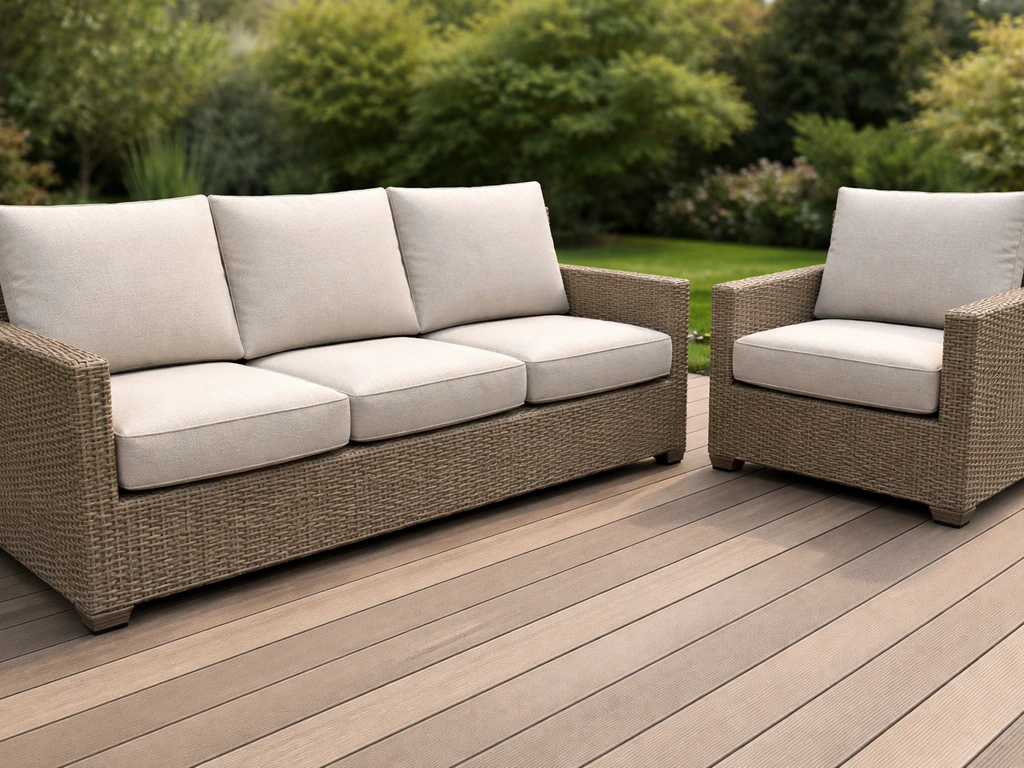
Good Housekeeping Patio Furniture Replacement Cushions: Fit, Durability
Guide to buying good housekeeping patio cushion replacements with exact fit, weatherproof durability, comfort, and care
Good Housekeeping Patio Furniture Care Guide by Season
Seasonal care guide for good housekeeping patio furniture: clean by material, stop rust and mildew, prevent fading and c
Best Cushions for Patio Furniture: Buying Guide by Climate
Choose the best patio furniture cushions by climate: fabric, foam, fit, weather testing, and cushion-free options.