
Good housekeeping for patio furniture comes down to four habits: clean regularly with the right method for each material, dry everything completely before you cover or store it, catch rust and mildew early before they spread, and protect surfaces before the worst weather hits rather than after. Do those four things consistently and your furniture will outlast anything that gets ignored, regardless of what it cost.
Good Housekeeping Patio Furniture Care Guide by Season

Theo Tierney
17 May 2026
What 'good housekeeping' actually means for patio furniture
It's not about scrubbing everything spotless every weekend. Good housekeeping for outdoor furniture is about interrupting the failures before they become expensive: stopping surface rust before it eats through a weld, catching mildew on cushions before it works into the foam, and keeping UV-exposed finishes from cracking by refreshing them on schedule. The enemies are predictable, grime, moisture, UV radiation, and neglect, and so are the solutions. Most of the real damage happens during transition seasons when furniture sits damp and covered, or gets left outside through a hard freeze, or just gets ignored from September through April.
The baseline standard is simple: wipe down surfaces after heavy use or rain, inspect hardware and joints every six months (tighten loose bolts and screws while you're at it, since loose contact points trap moisture and accelerate corrosion), and do a proper deep clean at the start and end of each outdoor season. Everything else builds on that foundation.
Cleaning by material: what works and what doesn't
Wood (including teak)
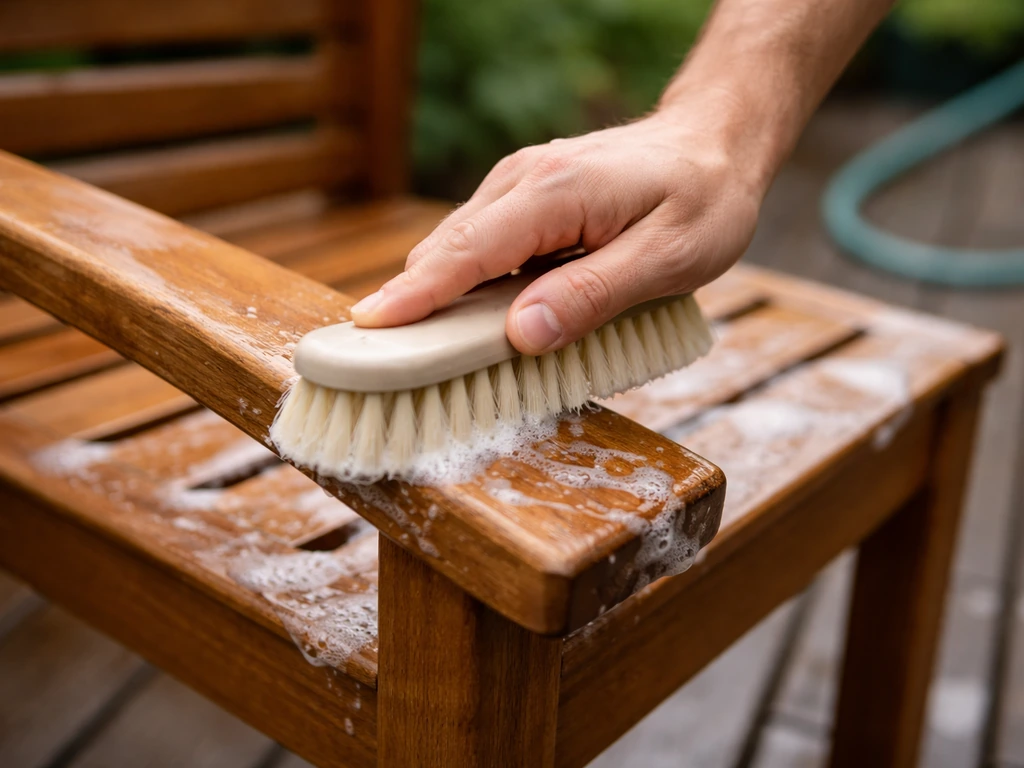
For most wood patio furniture, warm soapy water and a soft brush is all you need for routine cleaning. Rinse well with a garden hose, then dry the surface with a towel immediately, skipping the dry step leaves water marks and can push moisture into the grain. For teak specifically, a good rinse once or twice a month is usually enough to keep it looking clean. Skip the power washer: high-pressure water strips protective finishes and can raise and split wood grain, especially on softer species. Bob Vila's guidance is clear on this, power washing does more harm than good on furniture surfaces, and it's a mistake I've seen people make thinking they're being thorough.
For teak, annual oiling is optional but keeps the wood at a warm golden tone. Without it, teak turns a silver-gray, which is still structurally fine but aesthetically different. If you want to maintain color, use a purpose-made teak oil annually, or as frequently as every three months in hot, dry climates. Apply it to clean, dry wood only, oil over damp wood traps moisture and defeats the purpose.
Metal (aluminum, steel, wrought iron)
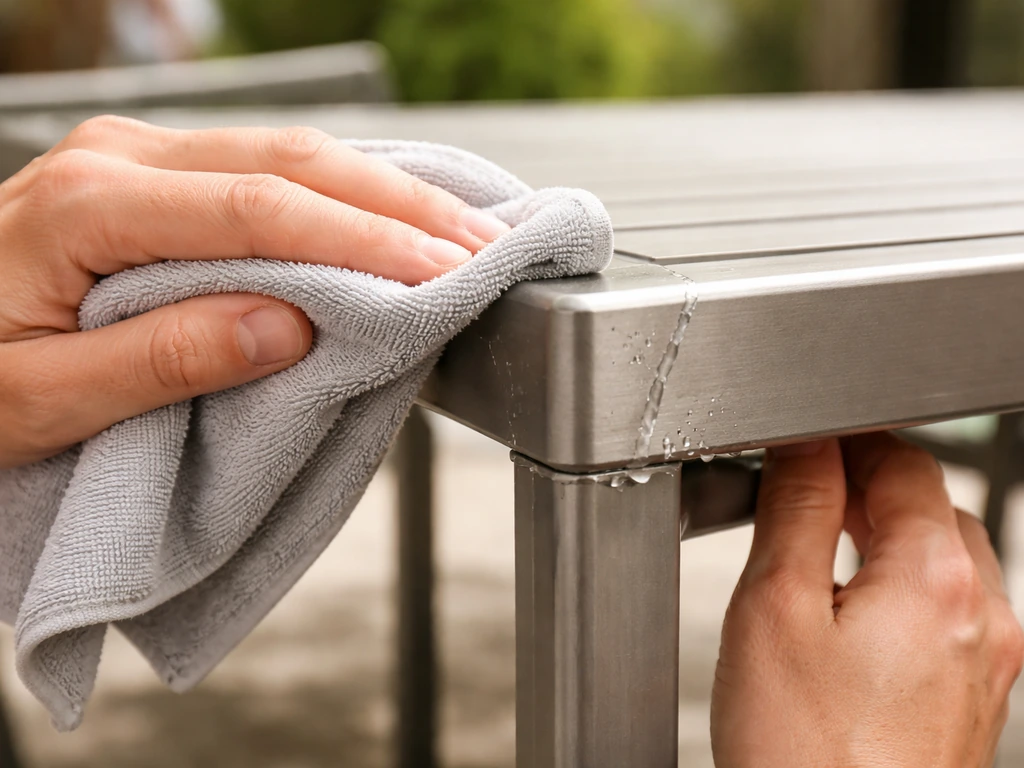
Routine cleaning for metal furniture is mild soap, warm water, a soft cloth or sponge, and a thorough rinse. The rinse matters more than people think: residue from cleaning products can affect metal integrity and contribute to discoloration and corrosion over time. After rinsing, dry the surface rather than letting it air-dry, standing water on metal is a rust accelerant, and drying prevents water spots from forming.
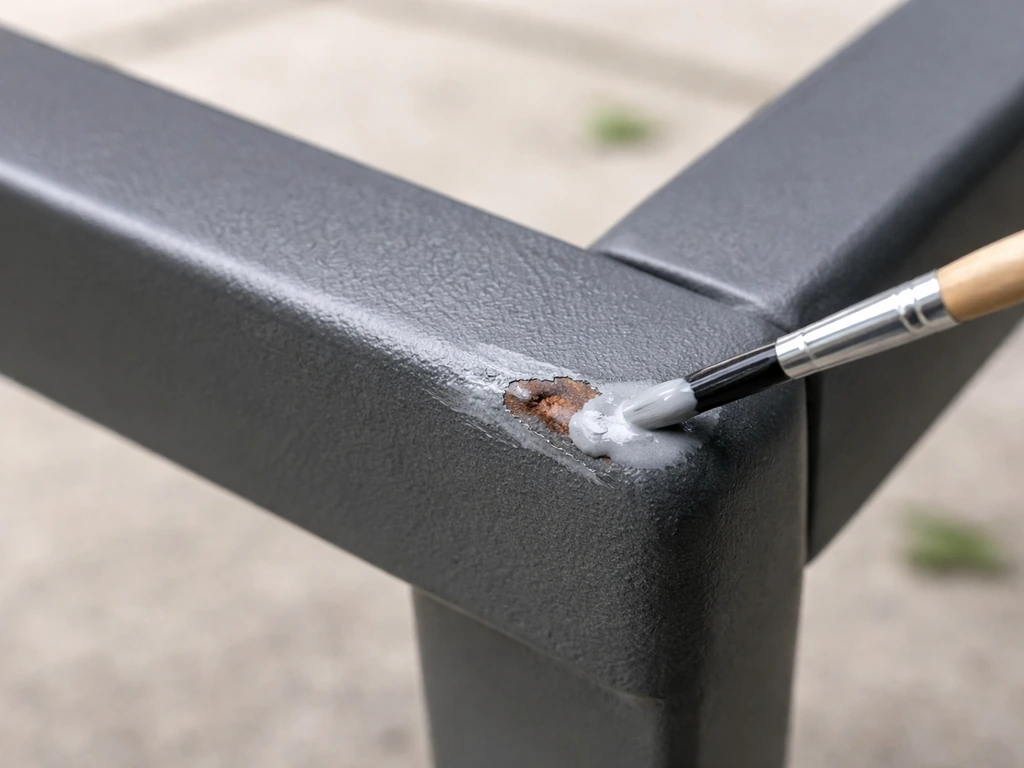
Pay special attention to the undersides and weld joints when you're cleaning. Those are the spots most people miss, and they're exactly where corrosion starts because water pools there and debris collects. If you find surface rust starting on wrought iron or steel, clean the area with a 50/50 vinegar-and-water solution or a mild detergent and scrub brush. For rust that's already established, use a wire brush or sandpaper to remove loose rust and flaking paint, then treat with a rust converter (a water-based primer containing tannic acid that stabilizes the rust chemically), and finish with a protective coating. For hard-to-sand surfaces, you can brush off rust and use a commercial gel-like rust remover as directed, then follow with coating steps finish with a protective coating. Rust-Oleum's Stops Rust primer is touch-dry in 15 to 30 minutes and handleable in one to two hours, but give it the full 48 hours to cure before exposing it to weather. Aluminum doesn't rust in the traditional sense but can oxidize and pit, so the same rinsing and drying discipline applies.
Wicker and rattan
Wicker is more delicate than it looks, and the weave construction means moisture and cleaning products can get trapped in the gaps. Use a damp microfiber cloth for routine wiping, Bob Vila specifically recommends this to avoid damaging the surface. For deeper cleaning, mild soap and warm water work fine; rinse with a garden hose on a gentle setting (not a pressure washer), and let it air-dry fully before putting cushions back. If you're using any liquid cleaner, wipe in the direction of the weave so you're not forcing debris or soapy residue into the gaps. Never soak wicker in water, natural rattan especially will swell, weaken, and eventually crack.
Cushions and outdoor fabrics
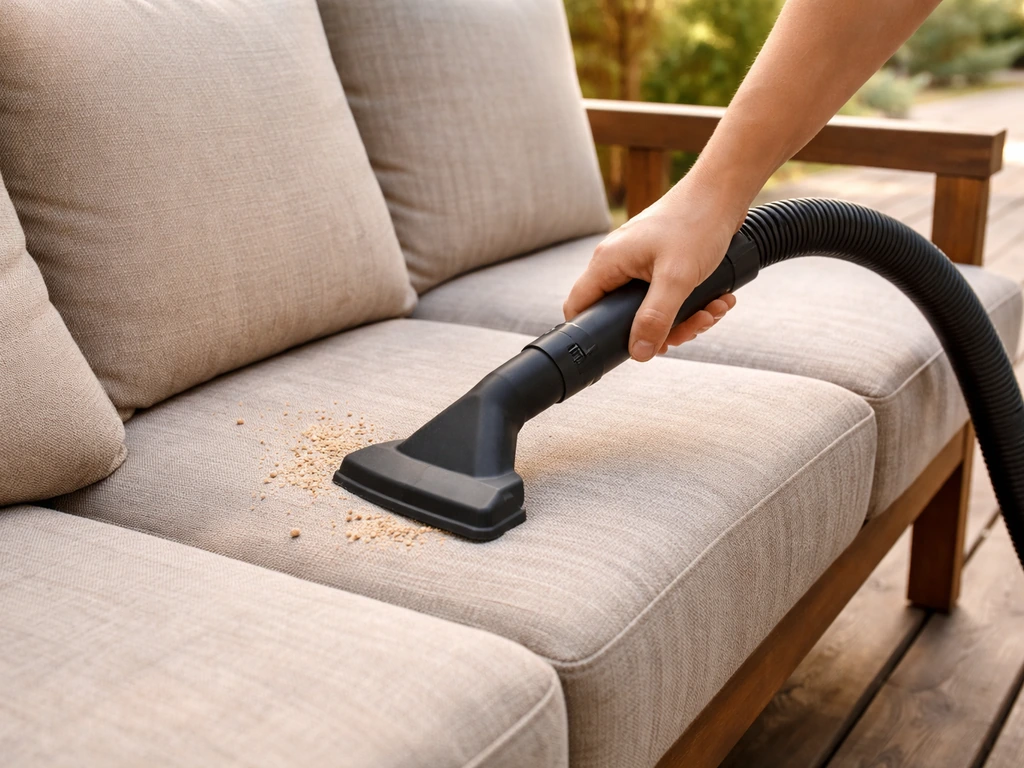
Start by vacuuming cushions with an upholstery attachment to pull out loose dirt and debris before applying any liquid. For general cleaning, mild soap and warm water is the default. Choosing the best fabric for outdoor patio cushions starts with matching the material to your sun and moisture conditions. Before using any new cleaning solution on your cushions, do a spot test on an inconspicuous area, the underside works perfectly, to make sure it doesn't affect the color or fabric integrity.
For mildew, which is almost always a moisture problem, Sunbrella's recommended formula is a reliable benchmark for most quality outdoor fabrics: 1 cup bleach plus 1/4 cup mild soap per gallon of clean water. Apply it, let it sit, scrub gently, and rinse completely. The rinse is critical, use a garden hose sprayer and make sure no soapy or bleach residue remains, because leftover cleaner can break down fabric over time. If your cushions have a coated backing (like Sunbrella Plus or Supreme), be more cautious with bleach solutions on that side since the coating reacts differently than the face fabric.
Machine washing is generally off the table unless the manufacturer explicitly says otherwise. Hand-clean covers that can't be removed, and clean non-removable covers in place. Whatever cleaning method you use, the most important step is drying: cushions must be completely dry before they go back on furniture or into storage. Prolonged moisture is the direct cause of mold and mildew, and surface mildew that gets ignored works its way into the foam core where it's almost impossible to fully eliminate. If you're shopping for the best foam for patio cushions, pay attention to how the foam core handles moisture and how quickly it dries after cleaning.
Composite and outdoor plastics
Composite and resin furniture is genuinely low-maintenance, but it's not no-maintenance. Mild soap and water cleans most dirt and grime. For stubborn staining, a baking soda paste or diluted white vinegar solution works well without scratching. Use a sponge rather than abrasive scrubbers, which can leave micro-scratches that dull the surface and create tiny grooves where dirt accumulates. Rinse thoroughly and dry. Unlike wood or metal, composites don't need annual sealing or oiling, but checking for surface cracks annually is worth doing because water that gets into cracks can expand during freeze-thaw cycles and accelerate breakdown.
Protecting your furniture from weather damage
Stopping rust before it spreads
The best rust prevention is a clean, dry surface with an intact protective coating. Once paint or powder coating is chipped or scratched, bare metal is exposed and rust starts immediately, especially in humid or coastal climates. Touch up chips and scratches as soon as you find them, clean the area, sand down any rough edges, apply a rust-inhibiting primer, and then a matching topcoat. Don't let a small chip turn into a patch the size of your palm over one winter. In saltwater environments, this inspection and touch-up routine needs to happen more frequently, salt air is aggressive, and powder-coated aluminum that looks fine in the Midwest will show corrosion pitting within a season near the ocean if it's not maintained.
Preventing mold and mildew
Mildew needs moisture and darkness to grow. The practical prevention strategy is keeping cushions dry and allowing airflow around furniture. Store cushions indoors after rain or at night in humid climates rather than leaving them to absorb overnight dew. If cushions get wet, remove the covers if possible and let everything dry in the sun. Never put damp cushions, fabrics, or blankets into storage bins or under covers, that combination of trapped moisture and darkness is exactly the environment mildew thrives in. In high-humidity climates like Florida or the Gulf Coast, this discipline is the single most important thing you can do for cushion longevity.
Managing sun exposure and UV fading
UV fading is cumulative and irreversible, so the time to act is before it happens. For cushions and fabric, solution-dyed fabrics like Sunbrella resist fading significantly longer than surface-dyed alternatives because the color runs through the fiber rather than sitting on top. For wood and metal frames, UV-protective sealers and powder coatings slow the degradation of finish surfaces. Positioning furniture under shade structures, umbrellas, or pergolas dramatically extends finish life, Arizona sun will fade a furniture set in two seasons that would last a decade in a shaded Pacific Northwest space. If you're in an intensely sunny climate, covers during the hottest midday hours aren't overkill.
Preventing cracking and finish failure
Wood cracks when it dries out past its natural moisture content, which happens fastest in hot, arid climates or when furniture is left through a dry winter without protection. Oiling or sealing wood surfaces before those conditions hit keeps the wood from drying and splitting. Composite materials crack from impact or freeze-thaw cycling if water has gotten into surface damage. Metal finishes fail when the protective coating is breached and moisture gets underneath, the coating then lifts and peels from below. In all three cases, annual inspection for early signs of failure gives you a chance to intervene cheaply before the damage requires a full refinish or replacement.
Covers and storage: when they help and when they hurt
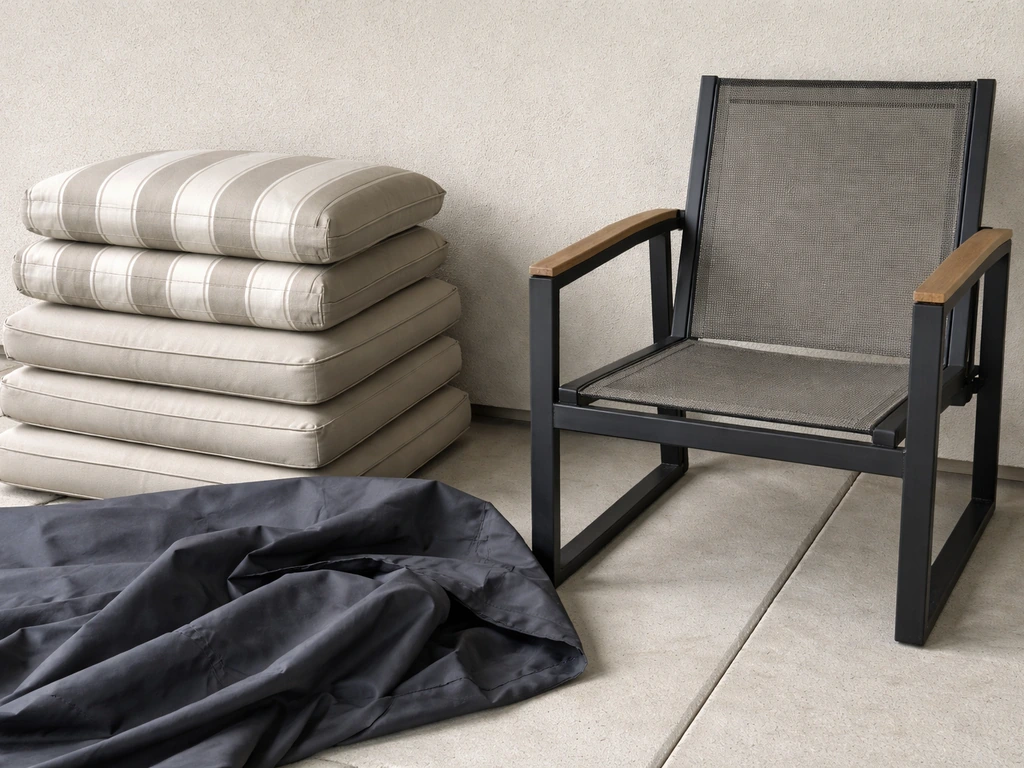
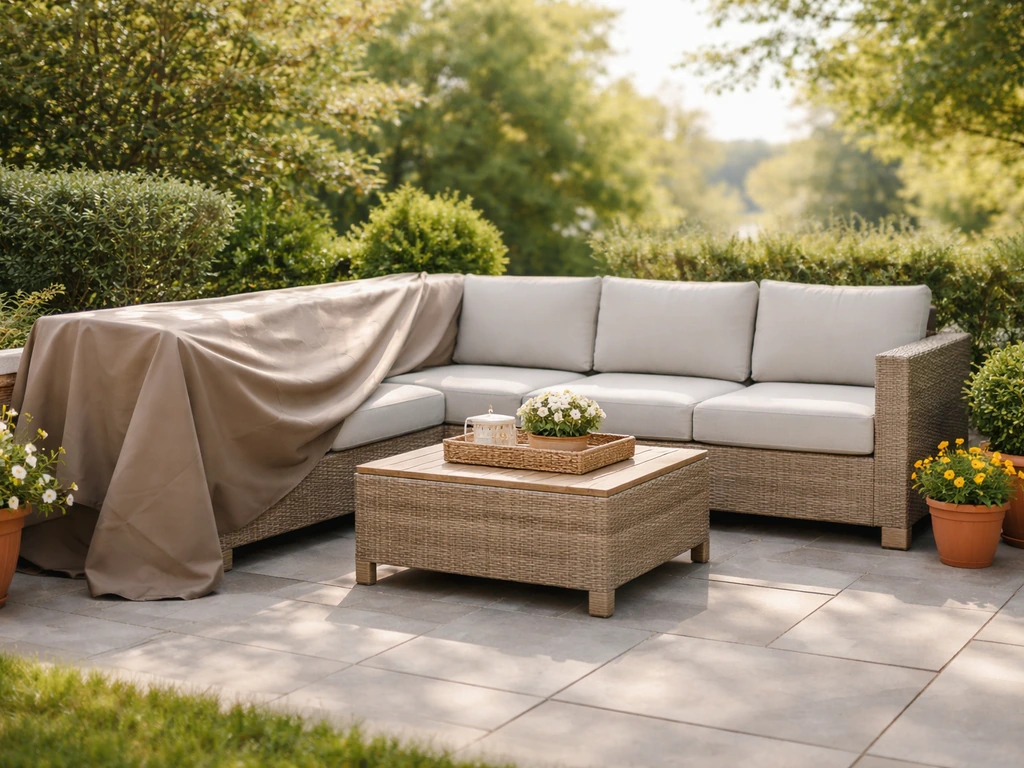
Covers are genuinely useful for keeping debris, bird droppings, and light rain off furniture during the season and for protecting it during off-season storage. But they can cause real damage if used incorrectly. The most common mistake is covering furniture while it's still damp or dirty, or using non-breathable covers in warm weather. Experts warn that impermeable covers in sunny conditions turn into a mini greenhouse: the trapped heat and moisture warps and cracks wood, causes metal to sweat and corrode, and creates the perfect mildew environment inside cushion fabric. The fix is straightforward: always use breathable, waterproof covers (not just waterproof), and never cover anything that isn't completely clean and dry.
During the active season, covers are most useful overnight, during extended rain events, or when you're away for more than a few days. On a sunny day with good airflow, your furniture is usually better off uncovered and ventilating. During the off-season, covers make sense for furniture left outside but should be paired with proper storage for cushions. Cushions should be stored indoors in a breathable bag or bin, completely dry and clean before they go in. If it's not possible to bring cushions inside, lay them flat on the seat and cover the whole piece, but understand that's a compromise and check them early in spring for any mildew development.
For storage: the best option is always indoors, a garage, shed, or basement keeps temperature and moisture stable. If storing outdoors under a cover, elevate furniture slightly off the ground if possible to prevent moisture wicking from concrete or soil. Stack chairs seat-to-seat rather than seat-to-ground to keep contact points dry. And again, nothing goes into storage wet.
Your seasonal maintenance plan
A written schedule is the difference between furniture that lasts 15 years and furniture that needs replacing in five. Here's a practical framework organized by season. Adapt the timing based on your climate, 'spring' means when you're actually bringing furniture out, and 'fall' means when your outdoor season genuinely ends.
Spring (season opening)
- Deep clean all frames by material (soap and water, rinse, dry thoroughly)
- Inspect all weld joints, hardware, and contact points for rust, corrosion, or cracking
- Tighten all bolts, screws, and nuts — outdoor elements loosen hardware over winter
- Touch up any chipped or scratched paint or powder coating with matching primer and topcoat
- Sand and re-oil or re-seal wood furniture if the finish looks dry, faded, or unprotected
- Inspect cushions for mildew, staining, or foam compression before putting them back out
- Treat any mildew on cushions with the bleach-soap solution before use
- Spot-test any new cleaning product on fabric before applying broadly
Summer (in-season upkeep)
- Wipe down frames after heavy rain or use — don't let grime and bird droppings sit
- Dry metal surfaces after cleaning or rain to prevent water spots and rust
- Bring cushions inside or cover them during extended rain or overnight in humid climates
- Rinse teak or hardwood furniture once or twice a month with a garden hose and wipe dry
- Check wicker and rattan for any loosening weave or moisture damage after wet stretches
- Cover furniture when away for more than a few days — use breathable covers only
Fall (season closing)
- Deep clean all frames and cushions before storage — nothing goes in dirty or damp
- Dry everything completely (frames, cushion covers, foam) before covering or storing
- Apply a fresh coat of teak oil or wood sealer if wood will be stored outside or partially exposed
- Treat any rust spots found during cleaning before storing — don't seal rust under a cover
- Store cushions indoors in breathable bags or bins in a clean, dry space
- Cover outdoor furniture with breathable waterproof covers if storing outside
- Tighten all hardware one more time before the furniture goes into storage
Winter (if leaving furniture outside)
- Check covers periodically after storms to make sure they haven't blown off or shifted
- Remove standing water or snow from covers to prevent pooling and moisture intrusion
- Keep cushions indoors — do not leave them outside under covers through freeze-thaw cycles
- Inspect metal and wood frames at least once mid-winter if temperatures swing significantly
Material-by-material quick reference
| Material | Routine Cleaning | Key Risk | Protective Step | How Often |
|---|---|---|---|---|
| Wood / Teak | Mild soap, rinse, dry immediately | Cracking, drying out | Oil or seal annually | Monthly rinse; annual oil |
| Steel / Wrought Iron | Soap + water, dry thoroughly; inspect welds | Rust at joints and chips | Touch up paint chips; rust converter on active rust | After every rain; inspect 2x/year |
| Aluminum | Mild soap, rinse, dry | Oxidation, pitting | Keep powder coat intact; touch up scratches | Monthly cleaning; annual inspection |
| Wicker / Rattan | Damp microfiber cloth; mild soap for deep clean | Moisture-swelling, weave cracking | Keep dry; avoid soaking | Wipe after use; deep clean 2x/year |
| Outdoor Cushions | Vacuum, hand-wash with mild soap, rinse completely | Mildew in foam/fabric | Dry completely before storage; bleach-soap solution for mildew | Clean monthly; full clean each season |
| Composite / Resin | Mild soap + sponge, rinse | Surface scratches, freeze-thaw cracking | Inspect for cracks annually; repair before winter | Monthly cleaning; annual inspection |
The cushion side of this equation deserves its own attention alongside the furniture frames. If you are exploring good housekeeping patio furniture replacement cushions, keep the cushion side as carefully maintained as the frames to extend overall lifespan. Choosing the best cushions for patio furniture starts with matching cushion materials to your weather and cleaning routine. Replacement cushions, cushion materials, and fabric choices all affect how much maintenance you'll actually be doing year to year, and how quickly the soft goods side of your setup shows wear compared to the frames.
FAQ
Can I put a cover on patio furniture the same day it gets wet?
If your patio furniture got rained on and is damp, don’t cover it. Give it time to air-dry fully in open air first, then clean any visible dirt, and only then put on breathable covers (or store cushions indoors). Covers go over clean and dry surfaces, otherwise you trap heat and moisture and speed up mildew and corrosion.
Is it ever okay to use a pressure washer on good housekeeping patio furniture?
Yes, but only if the label permits it and you keep the water pressure low. Even then, avoid pressure-washing wood, wicker, and any finish that can be stripped. Use a garden hose sprayer setting that’s gentle, and prioritize thorough rinsing and fast drying instead of blasting.
How should I care for stainless steel patio furniture, since it doesn’t rust?
For stainless steel, you still need soap, warm water, and a careful rinse, then drying to prevent spotting. Stainless resists rust, but mineral deposits and residue can cause discoloration and pitting over time, especially near the coast, so thorough rinse and towel-dry matters.
What should I do if rust keeps coming back around a weld or joint?
If rust has reached a weld, cracked paint, or pitted metal, spot-treating usually isn’t enough. Remove loose rust, stabilize with a rust converter, then rebuild with primer and a matching topcoat, checking edges and weld seams closely. If the coating repeatedly fails at the same joint, the underlying metal may be compromised and may need professional repair.
How can I tell if mildew is just on the fabric versus inside the foam?
If you suspect trapped moisture, check cushion seams and underside corners first (those collect the most water). Uncover and dry the cushions fully, then inspect the foam core and backing for persistent dark spots or odor. If mildew has penetrated, you may need to deep-clean repeatedly and consider replacing cushion components.
How many times should I rinse after cleaning outdoor cushions with bleach?
Don’t. Even when the cleaning solution seems mild, bleach and soaps left behind can degrade fabric and coatings. Rinse until the runoff looks clear, then let the fabric dry completely before it contacts the cushion or goes into storage.
What’s the best way to clean cushions when the covers can’t be removed?
For non-removable covers, keep them clean and focus on drying. Use gentle cleaning, then raise the cover (as possible) to improve airflow and avoid letting the cover stay bunched against damp cushions. If you cannot achieve complete drying, plan to remove the cover, if allowed by the manufacturer, or postpone storage until it’s dry.
Should I vacuum outdoor cushions before washing, and what about stiff brushing?
Vacuuming with an upholstery attachment is great, then follow with mild soap and water. Avoid stiff brushes that can snag outdoor fabrics, and always do a spot test on the underside before using any cleaner, especially for treated or coated backing materials.
How often should I inspect and touch up scratches on metal or wood frames?
Set a realistic rule, inspect every six months for hardware and joints, and touch up chips immediately. In coastal or humid locations, bump the frequency up to more than once per year because salt air accelerates coating failure and corrosion, especially on powder-coated metals.
My covered patio furniture feels damp, is that normal?
If your cover leaves a damp smell or you see condensation, that cover is doing harm. Switch to breathable waterproof covers, increase airflow (especially overnight), and remove the cover whenever you can dry the furniture outdoors. Also avoid covering on sunny days with high heat buildup unless the manufacturer specifies ventilated design.
If I can’t bring cushions inside during winter, what’s the least risky storage approach?
For off-season storage when you must keep cushions outside, lay the cushions flat on the seat and cover the entire piece only as a compromise, then check early in spring. Prefer breathable bins or bags indoors when possible, and never seal damp cushions because trapped moisture is what turns into mold.
How should I adjust the seasonal care schedule for different climates?
Change the plan based on how fast your location dries. In hot, dry climates, you may oil teak more often to maintain color, but for humid areas, the bigger priority is drying and airflow because mildew risk rises. Always base timing on your weather and inspect more frequently during transition months.
Do I treat the frame and cushions as the same priority when maintenance is limited?
For a lot of outdoor furniture, a top-level decision is whether you can safely remove cushions or covers. If cushions are removable, prioritize fast drying of the soft goods and keep frames protected from weather. If not, focus on cleaning and airflow around the frame, and treat the storage period as the highest-risk window.
Next Articles
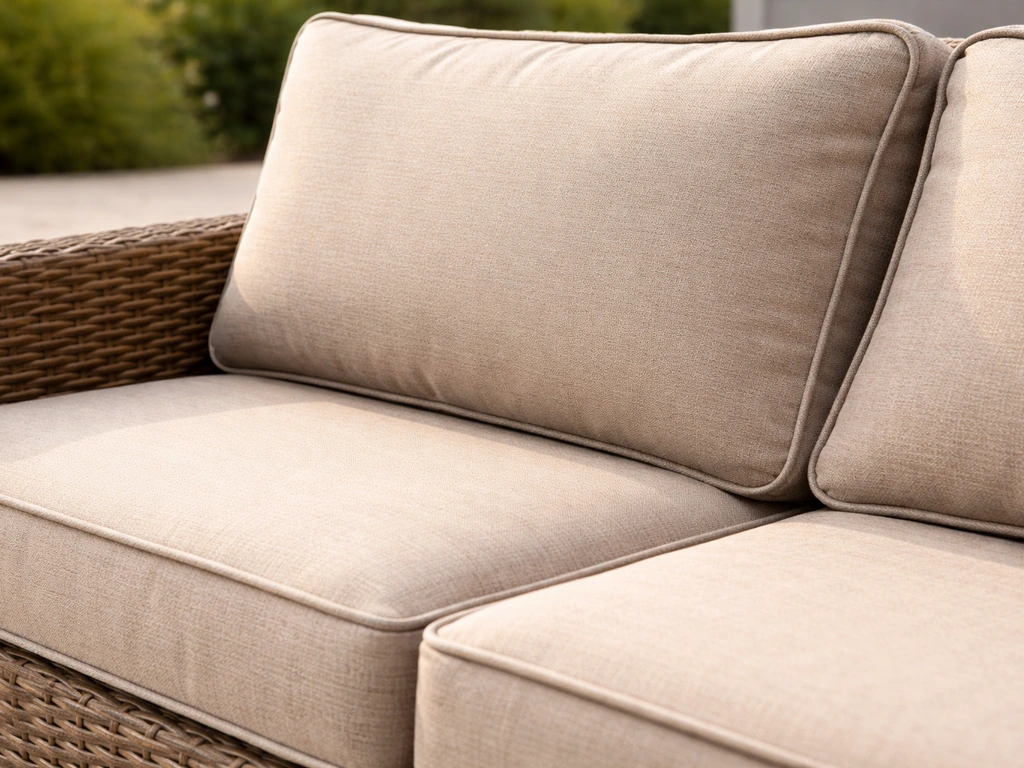
Best Cushions for Patio Furniture: Buying Guide by Climate
Choose the best patio furniture cushions by climate: fabric, foam, fit, weather testing, and cushion-free options.
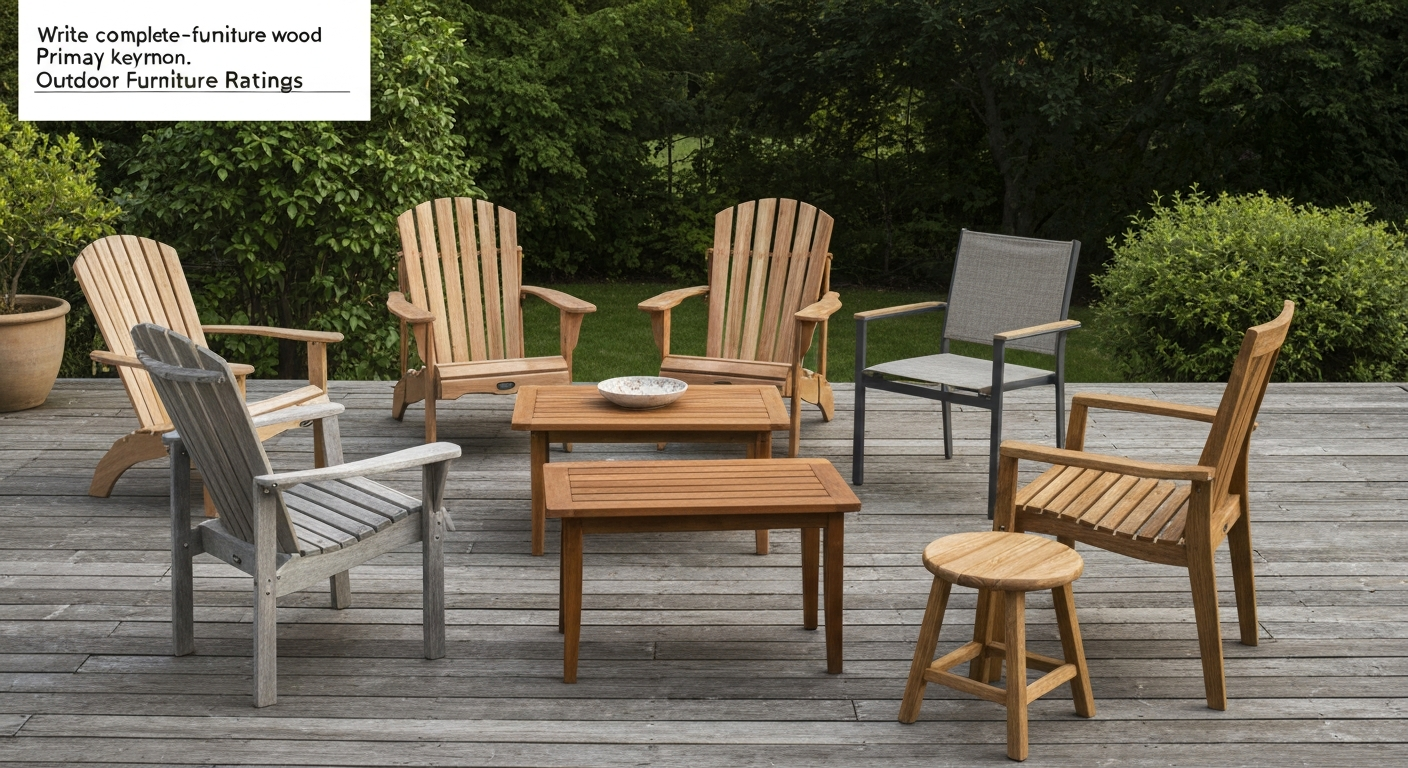
Common Patio Furniture Wood: Best Choices, Care & Tips
Compare common patio furniture wood types, teak, cedar, redwood, oak, with durability, finishes, and care tips.
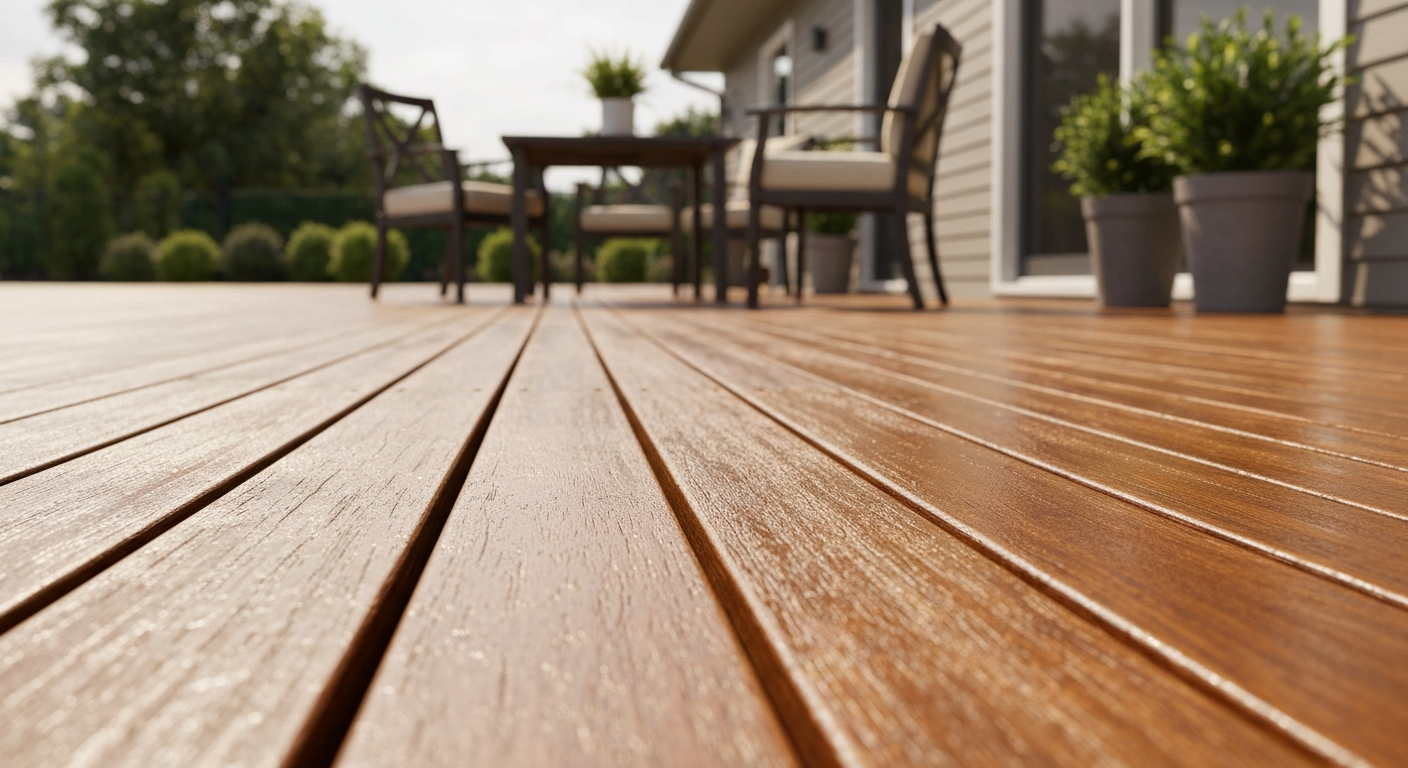
Best Wood Patio Stain: Choosing Durable, Low-VOC Finishes
Compare and choose the best wood patio stain: durability, finish, climate tips, prep, and top product picks.