
Picking patio furniture comes down to four things done in order: measure your space and decide how you actually use it, match the material to your specific climate, choose cushions and fabric that won't fall apart in a season, and then evaluate build quality and brand warranties before you spend a dollar. Skip any of those steps and you'll either end up with furniture that doesn't fit, rusts out after two winters, or needs replacing in three years. Do them in sequence and you'll have outdoor furniture that looks good and holds up for a decade or more.
How to Pick Patio Furniture: A Step by Step Buying Guide

Theo Tierney
15 May 2026
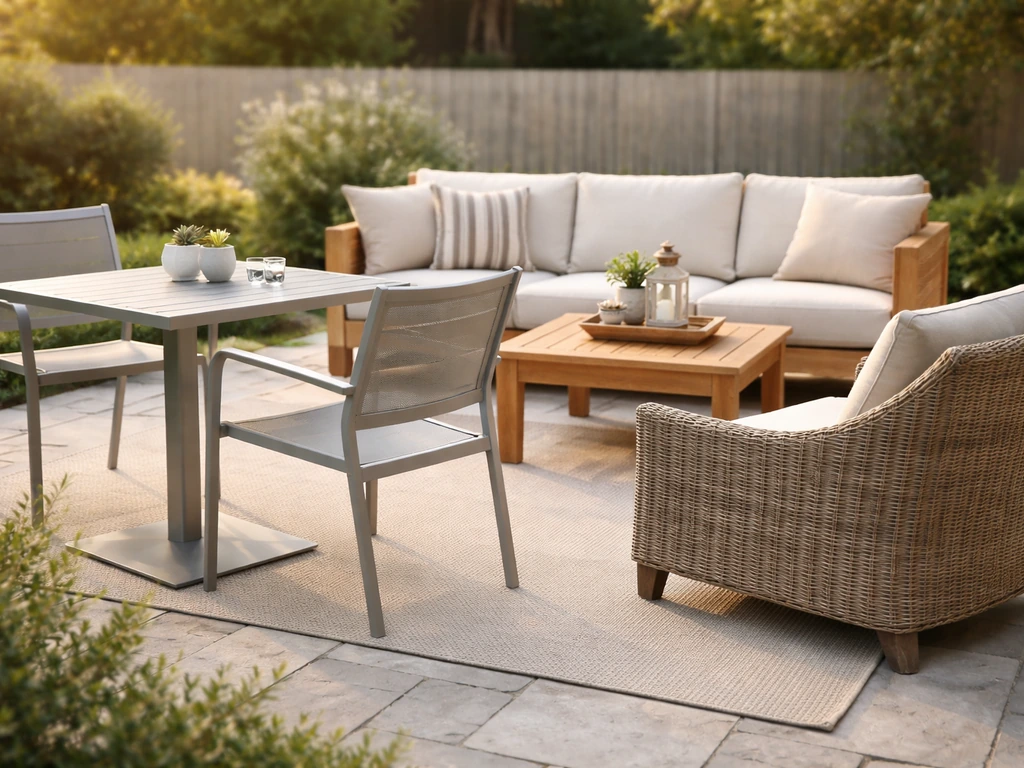
Start with your space and lifestyle needs
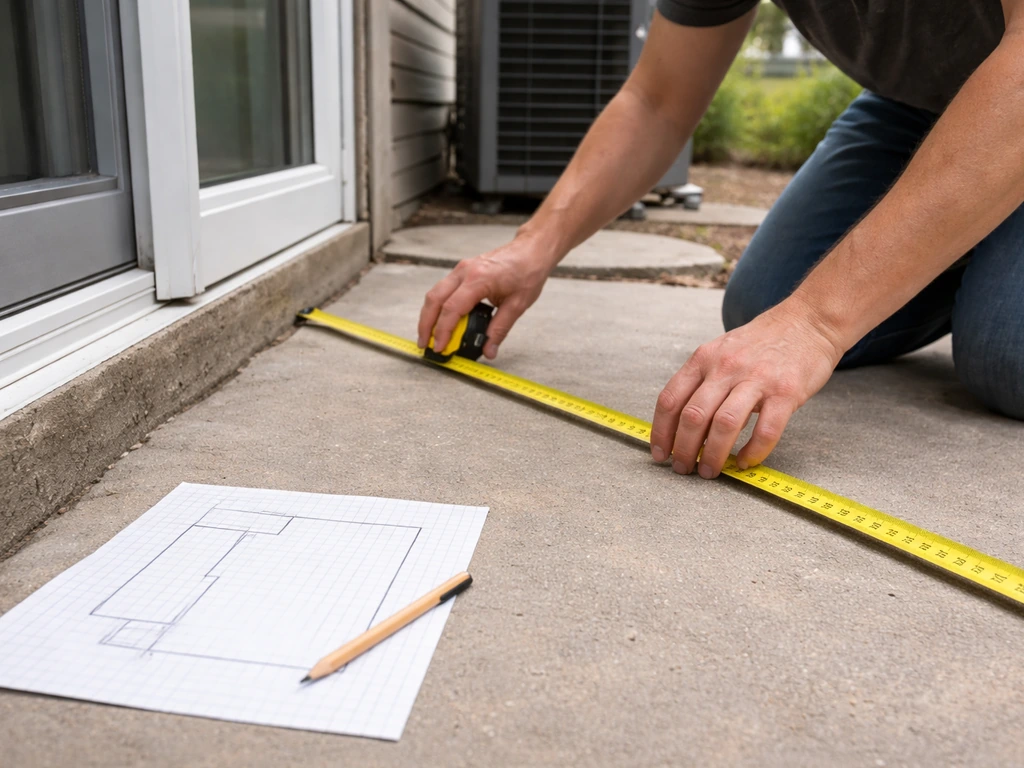
Before you look at a single product, go outside with a tape measure. Sketch your patio footprint and mark fixed obstacles: doors, railings, steps, HVAC units, and any permanent planters. Then decide what you actually need the space to do. Are you primarily dining out there with four to six people? Lounging and entertaining around a coffee table setup? Both? The answer determines your furniture category before anything else.
For circulation, use the 36-inch rule as your baseline: keep at least 36 inches of clearance on primary walkway paths around any furniture arrangement. That's enough for two people to pass each other without awkwardness. In lower-traffic zones, you can trim that to about 24 inches, and in heavier foot-traffic areas around conversation groupings, plan for 30 to 40 inches. These aren't suggestions, they're the difference between a patio that feels open and one that feels cluttered the moment guests arrive.
Dining setups need a bit more precision. Budget 24 inches of table edge per person as a minimum, or 28 to 30 inches if your group likes elbow room. Standard outdoor dining tables run 28 to 30 inches tall, and chairs typically have seat heights of 17 to 19 inches with widths of 22 to 26 inches, so those proportions work together reliably.
Then add the circulation buffer: plan at least 36 inches from the table edge to any wall or railing so people can push back their chairs and stand without banging into something. When planning dining table layout, consider leaving a 24, 36 inch minimum clearance from the table edge to fixed walls, railings, or other barriers so people can move and access seating comfortably 24–36 inches minimum clearance from the table edge to fixed barriers.
For lounging areas, an outdoor sofa with a seat height of 16 to 18 inches works well for most adults, and leave 18 to 24 inches between the sofa and a coffee table so there's legroom without awkward reaching. Think honestly about how many people you regularly entertain, whether you need storage (ottomans with lids, deck boxes), and whether the furniture needs to fold or stack when not in use. A small urban balcony and a sprawling suburban patio need completely different strategies, so map your reality before falling in love with a product.
Choose the right material for your climate
This is where most people go wrong. They pick a material based on looks and then discover it doesn't survive their actual weather. Every material has a climate it thrives in and conditions that shorten its life. Here's an honest breakdown.
Aluminum
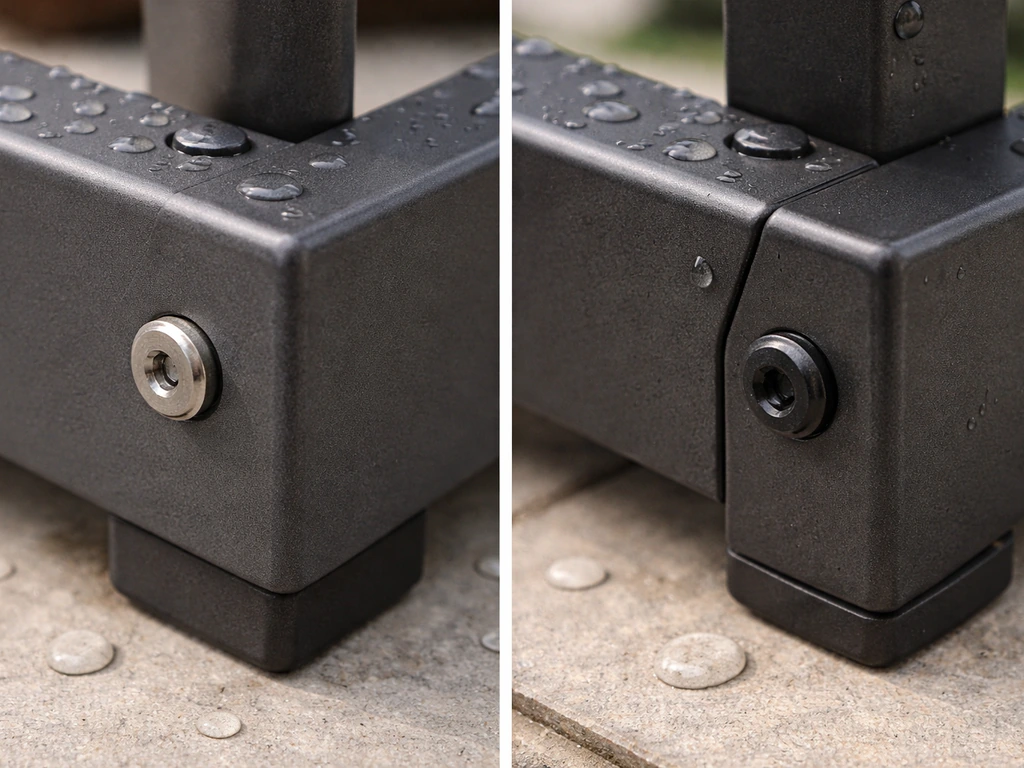
Cast or extruded aluminum is the most universally forgiving material on the market. It doesn't rust, it stays relatively light, and a good powder coat finish protects it across most climates. Powder coating is typically applied at 2 to 5 mil thickness (roughly 50 to 125 microns), and when it's done right it resists chipping and UV degradation for years. If you're in a coastal or high-humidity environment, aluminum is usually your safest structural choice. Look for welded frames over bolted assemblies, since welds don't loosen over seasonal temperature swings the way hardware does.
Steel
Steel is heavier and stronger than aluminum but requires more rust protection. Powder-coated steel works fine in dry climates like the Southwest, but in humid, coastal, or freeze-thaw environments, any scratch or chip in the coating lets moisture reach the metal and rust starts immediately. Galvanized steel (zinc-coated) offers better baseline corrosion resistance, but only as long as the galvanization is intact. If you're in a wet climate and want metal furniture, aluminum is almost always the smarter call.
Teak and hardwood
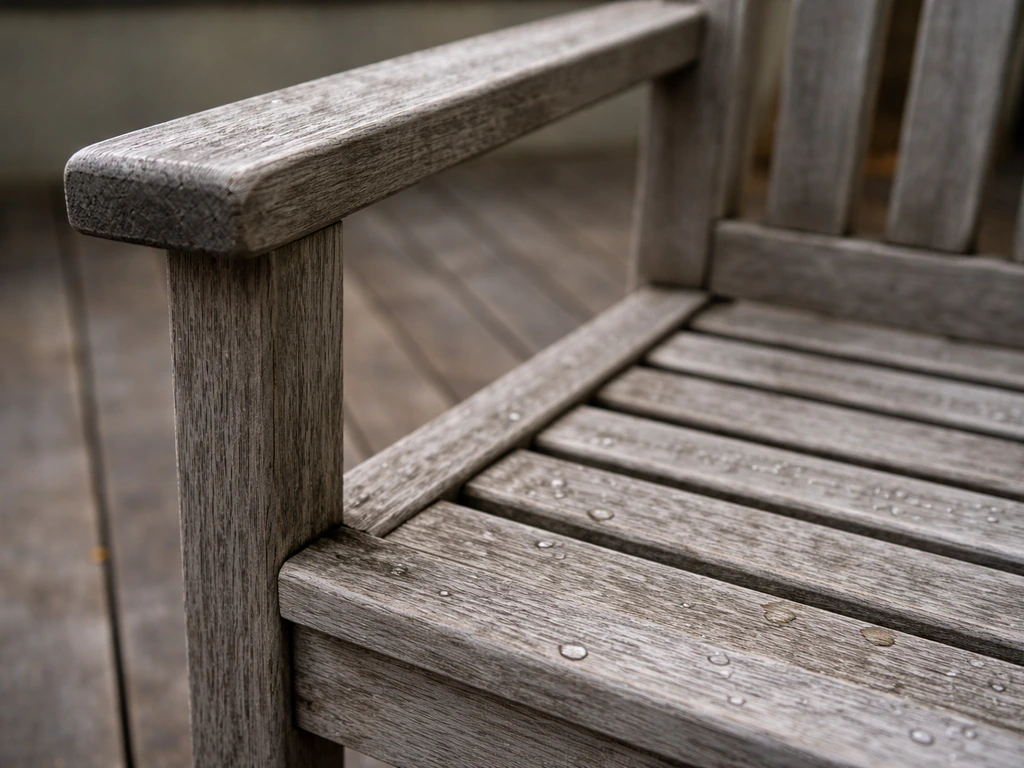
Teak is legitimately excellent outdoor furniture wood because its natural oils resist rot and insects without much intervention. It weathers to a silver-gray if left untreated, which some people love and others hate. If you want to maintain the warm honey color, you'll need to clean and oil it once or twice a year. It performs well across most climates but is expensive. Other hardwoods like eucalyptus or ipe can also work well but require more consistent maintenance. Avoid softwoods like pine in structural outdoor pieces unless they've been pressure treated, and even then expect a shorter lifespan.
Resin wicker and HDPE
Natural rattan and wicker fall apart outdoors. Period. What you want for outdoor use is all-weather resin wicker, which is a polyethylene-based synthetic fiber woven over an aluminum or steel frame. The good versions use HDPE (high-density polyethylene) with UV inhibitor treatment built into the material, not just coated on the surface. That UV resistance is what keeps it from becoming brittle and cracking after a few seasons of sun. HDPE all-weather wicker is genuinely low-maintenance and handles rain and humidity well. Just make sure the underlying frame is aluminum, not steel, if you're in a wet climate.
POLYWOOD and composite lumber
POLYWOOD-style furniture is made from recycled HDPE plastic lumber. It won't rot, rust, splinter, or need sealing, and it genuinely performs in coastal salt air, high humidity, and freeze-thaw climates where most materials struggle. The trade-off is that it can feel warm in direct sun and the aesthetic is more utilitarian, though the designs have improved considerably. For climates that are hard on furniture (Florida, Pacific Northwest, New England winters), it's worth serious consideration.
| Material | Best climates | Worst conditions | Maintenance level |
|---|---|---|---|
| Aluminum | All climates, especially coastal/humid | Heavy impact (dents) | Low |
| Powder-coated steel | Dry climates (Southwest) | Coastal, humid, freeze-thaw | Medium (watch for chips) |
| Teak / hardwood | Most climates | Neglect (needs oiling) | Medium to high |
| HDPE resin wicker | Humid, moderate climates | Extreme UV without inhibitor | Low |
| POLYWOOD / composite | Coastal, humid, freeze-thaw | None significant | Very low |
Pick cushions and upholstery that can handle weather
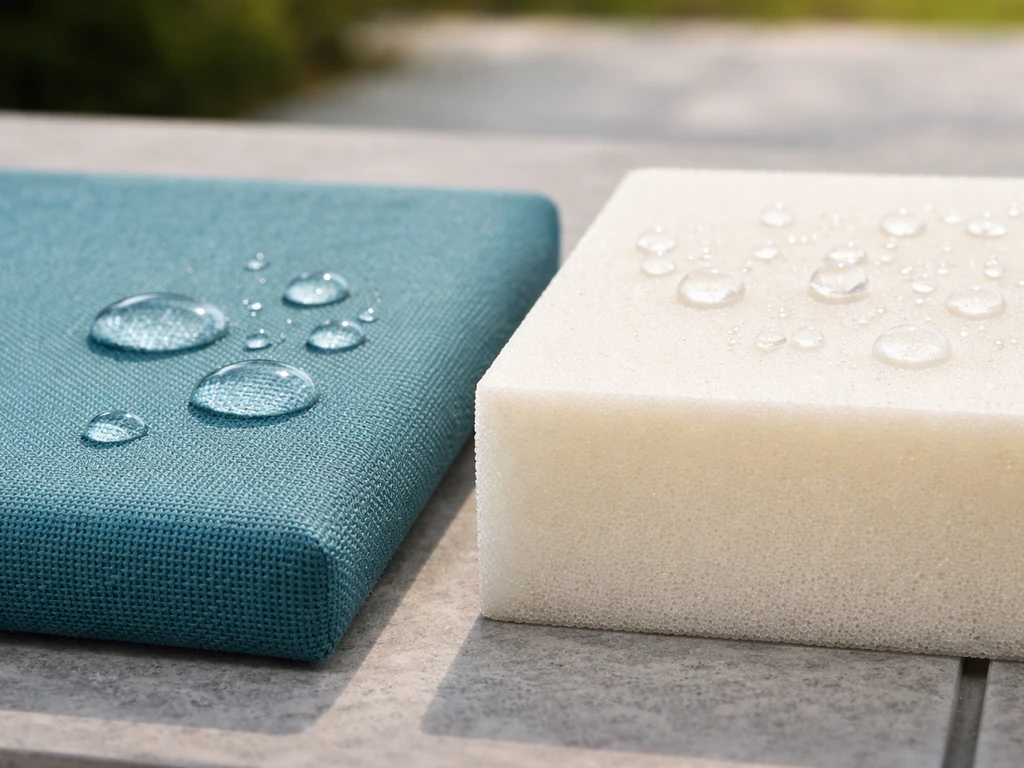
Cushions are the most common failure point in an outdoor furniture setup. Frames often outlast two or three sets of cushions, so choosing the right fabric and foam upfront saves real money. There are a few specific specs worth knowing.
For fabric, solution-dyed acrylic is the benchmark. Sunbrella is the most recognized brand in this category, and their fabrics carry a 5-year limited warranty for good reason: the color is dyed into each fiber before weaving, not applied to the surface, which is why they resist fading far better than cheaper alternatives. The fabric is also water and stain resistant and easy to clean with mild soap and water. If a cushion cover doesn't specify solution-dyed acrylic, it's almost certainly a lower-tier polyester that will fade and pill within a season or two in direct sun.
Sling chairs (the fabric-stretched-over-frame style) use a different material: vinyl-coated polyester, like Phifer's sling fabrics. These are designed to be quick-drying and UV-resistant without any foam cushion at all, which makes them a smart choice in very wet climates where even good cushions spend a lot of time damp. They're also extremely easy to maintain.
For cushion foam, look for open-cell reticulated polyurethane foam, often marketed as "Dry Fast" foam. It drains quickly after rain rather than holding moisture inside, which is what causes mold and mildew in regular foam cushions. Closed-cell or standard upholstery foam has no place in an outdoor cushion unless you're in an extremely dry climate and the cushions are stored indoors when it rains.
- Prioritize removable, zippered covers so you can wash them or replace them independently of the foam
- Look for double-stitched, UV-resistant thread on seams, not just UV-resistant fabric
- Verify the fabric is solution-dyed, not piece-dyed or printed
- In high-rain climates, choose sling seating or ensure cushions store easily under cover
- Check whether replacement cushions are sold separately by the manufacturer before buying the set
Match furniture style, size, and layout
Once you know your materials, come back to the sizing and aesthetic decisions. A furniture set that's technically the right material but the wrong scale for your patio will feel wrong every time you use it. Pull out your measurements and work with actual dimensions, not just what looks proportional in a showroom or product photo.
For dining, a 60-inch round table seats four to six people comfortably and works well on square patios. A 72-inch rectangular table seats six and needs a longer footprint. Always add your 36-inch clearance buffer around the full perimeter to confirm the set actually fits before ordering. If you're tight on space, look at oval or rounded-corner rectangular tables, which give you seating capacity without sharp corners cutting into your circulation path.
For lounging zones, a standard three-seat outdoor sofa runs roughly 80 to 90 inches wide. Pair it with two chairs and a coffee table and you're looking at a footprint that easily covers a 10x12-foot area minimum. On smaller patios, a loveseat plus two chairs often works better than a full sofa. Deep-seat lounge furniture with seat depths of 24 to 30 inches feels luxurious but takes up more floor area and can feel uncomfortably low for older guests or people with mobility concerns.
On style: mixing metals and materials works better than most people expect, as long as you keep the finish tones consistent. Matte black aluminum frames mix well with warm teak or eucalyptus accents. Brushed aluminum reads as more modern and pairs cleanly with gray composite or white POLYWOOD. What doesn't work is mixing too many competing textures at once, so pick one dominant material and let the others play a supporting role. If you're building out a larger patio with distinct zones, the patio furniture size guide linked elsewhere on this site can help you plan multiple groupings without the space feeling disjointed. If you want quick ideas to start, browse patio furniture examples by layout and material.
Evaluate durability, maintenance, and build quality
The price tag on outdoor furniture rarely tells you what you actually need to know. A $600 dining set and a $1,200 dining set can look nearly identical in a product photo and have completely different lifespans. Here's what to actually look at. Start with the checklist above, and then use this to guide what to look for in patio furniture before you buy.
Frame construction
Look for fully welded joints on metal frames. Bolted connections loosen over time with seasonal expansion and contraction, and in wet climates the hardware corrodes even when the frame itself doesn't. On wicker furniture, inspect the weave at the corners and stress points: tight, even weaving that wraps securely around the frame indicates quality. Loose or inconsistent weaving at stress points means the strands will start to unravel within a couple of seasons. On wood furniture, mortise-and-tenon joinery or stainless steel hardware is better than standard screws alone.
Finish quality
Run your hand across the powder-coated surface of a metal frame. It should feel uniformly smooth with no thin spots or rough patches. Thin powder coating chips faster and lets moisture through to the substrate. On wood, a quality outdoor finish penetrates the grain rather than sitting on top of it. Film-forming finishes on outdoor wood tend to peel and crack as the wood moves seasonally, which is why penetrating oils work better for teak and hardwoods.
Maintenance reality by material
Be honest with yourself about how much maintenance you'll actually do. Teak is beautiful and lasts decades, but if you won't oil it annually it will gray and eventually check (develop surface cracks) in harsh climates. Aluminum and HDPE composite need almost nothing beyond a seasonal wash-down with mild soap. Resin wicker needs the same: rinse it off, let it dry, done. Steel in a wet climate needs you to catch and touch up any coating damage before rust gets a foothold, which requires seasonal inspection. If you're the kind of person who wants to clean the furniture once in spring and otherwise ignore it, aluminum, HDPE composite, or quality resin wicker over an aluminum frame is your category.
Buy with confidence: brands, value, and where to shop
Warranty structure is one of the clearest signals of how a manufacturer thinks about their own product. POLYWOOD, for example, breaks their warranty into components: five years for hardware, three years for sling fabric, and one year for cushion and pillow fabric. That tiered structure tells you something real: the frame is expected to outlast the cushions by a wide margin, which matches reality. Castelle offers a similar structure with separate coverage for frame and finish versus fabric. When a manufacturer offers only a vague single-year warranty on everything, that's a warning sign.
Sunbrella fabric carries its own 5-year limited warranty, which matters when you're evaluating whether a cushion set is actually worth the price premium. A set with Sunbrella covers that you can wash, replace, and back with a warranty is a better long-term value than a cheaper set with unbranded polyester fabric you'll replace entirely in two years.
Before buying from any retailer, look up the actual return policy. Retailers like Article offer 30-day return windows on furniture orders, while Wayfair has a dedicated returns process you'll want to verify at checkout since terms can change. For large, heavy furniture that ships by freight, a 30-day window is barely enough time to inspect everything and decide, so read the fine print on how damage claims are handled if something arrives broken.
On value: mid-range usually beats both extremes. Budget outdoor furniture at the $200 to $400 range for a set often uses thin-gauge frames, generic polyester fabric, and closed-cell foam cushions that won't survive two full seasons outdoors. At the other extreme, luxury designer outdoor brands charge heavily for aesthetics, not necessarily for better weather resistance or build quality. The sweet spot for most homeowners is $800 to $2,000 for a quality dining set or lounge grouping from a brand that publishes real warranty terms, sells replacement parts and cushions, and uses named fabrics like Sunbrella. If replacement cushions aren't available to buy separately, walk away, because you'll eventually need them.
Finally, think about year-round protection. Even the best outdoor furniture lasts longer with some seasonal care: rinse frames and clean cushions before storing them for winter, use breathable covers (not plastic tarps that trap moisture), and bring cushions indoors or into a deck box when they're not in use. Five minutes of seasonal attention extends the life of a good set by years.
If you want a deeper dive into specific materials and how they compare across different climates, the material-focused sections of a full patio furniture buying guide are worth working through before you pull the trigger. If you want a deeper dive into specific materials and how they compare across different climates, the patio furniture buying guide can help you choose with confidence.
FAQ
How do I make sure my dining chairs will fit comfortably, not just the table?
Use the patio measurements and your walkway rules to create a “seat map” before you shop. Then confirm the chair dimensions include arm width and that the product’s listed depth includes any overhang from cushions or ottomans. If you are ordering online, add at least a 1 to 2 inch margin beyond the clearance numbers, because many seats sit wider once cushions are installed.
What should I choose if my patio gets lots of wind-driven rain and my furniture stays damp?
Yes. If you get frequent wind-driven rain, prioritize materials that tolerate damp storage, and choose quick-dry cushion options (reticulated “dry fast” foam, or sling chairs with vinyl-coated fabric). Also plan for water runoff by avoiding low points where cushions can stay wet, use deck boxes with drainage-friendly design, and keep covers breathable.
Do I need UV-resistant fabric if my patio is partially covered?
If your patio is under a roof and mostly sees shade, you can stretch options slightly, but fabric still matters. UV damage is a major failure driver even in partial shade, so still pick solution-dyed acrylic for cushions. For fully sun-baked patios, avoid standard polyester cushion covers unless they explicitly state UV-resistant solution-dyed performance and verify warranty coverage for fading.
How can I tell if “wicker” patio furniture is actually outdoor-ready?
Wicker should be avoided for true outdoor exposure, but many “wicker” products confuse people. For outdoor use, look specifically for all-weather resin wicker (HDPE fiber) woven over an aluminum frame in wet climates. If the listing does not state HDPE (or similar) and the frame material, treat it as a higher risk purchase.
What if my patio furniture won’t fit through my gate or into the patio area?
Measure your door swings and any gates, then check the furniture’s shipped dimensions, not just the assembled dimensions. For freight-delivered sets, confirm whether the retailer can bring items inside your space and whether there is an unbox or threshold option. If your path is tight, choose pieces designed to ship in smaller sections or consider modular designs.
Is it worth buying “premium” if I only use the patio in summer?
Take the climate checklist seriously even if you are only placing furniture in summer. Freeze-thaw and coastal air impact metal coatings and wood finishes whenever water gets into micro-scratches. In wet or freezing areas, aluminum frames, HDPE lumber, and powder-coated metal that you can inspect and touch up are usually safer than steel that relies on intact coating only.
How do I choose a set knowing I will likely replace cushions later?
Check two things before buying: cushion availability and cushion compatibility. Look for replacement cushions sold separately, confirm the fabric type and thickness match the cushions you will need later, and verify warranty coverage for the cushion components, not just the frame. If replacements are not available, you risk being forced to replace the entire set when cushions fail.
What warranty details should I look for beyond the number of years?
Use warranty language as a decision tool, not just a duration. A strong sign is tiered or component-based coverage (frame, finish, fabric) and clarity on what’s covered for fading, mildew, and hardware. Be cautious when warranties exclude outdoor use, restrict coverage to original purchaser only, or do not mention cushion fabric performance.
Can I leave cushions outside year-round under a cover?
If you plan to store cushions outside under a cover, you can still get mildew. Choose breathable storage approaches (deck boxes designed for outdoor use, or bring cushions under shelter) and prioritize “dry fast” reticulated foam. Avoid plastic tarps, because they trap moisture and accelerate mildew under repeated humidity cycles.
What’s the lowest-maintenance patio setup for busy households?
For maintenance-light ownership, pick aluminum frames with minimal-coat upkeep and HDPE or resin-wicker solutions, then confirm the fabric is solution-dyed acrylic with an easy-clean claim. If you choose teak, budget time for periodic oiling (or accept graying), and plan for seasonal inspection of any coating chips if you choose powder-coated steel.
How do I ensure lounge seating is comfortable for guests with different heights or mobility needs?
Start by testing the “comfort geometry” with your typical users. Taller guests may need different seat heights, and people with mobility needs often prefer slightly firmer cushions and a seating height closer to chair standards rather than very deep low lounge styles. If you have older guests or limited mobility, prioritize lounge designs with more upright back angles and ensure the coffee-table height supports easy standing.
Are there smart ways to handle moving or rearranging patio furniture safely?
If the set is meant to be moved around, choose modular seating, lighter aluminum frames, or designs with manageable weight distribution. Also check that the cushions stay in place and that covers fasten securely, since wind can shift cushions. For heavy metal sets shipped on pallets, confirm you can access the patio safely or have delivery assistance.
Next Articles
Common Patio Furniture Wood: Best Choices, Care & Tips
Compare common patio furniture wood types, teak, cedar, redwood, oak, with durability, finishes, and care tips.
Best Wood Patio Stain: Choosing Durable, Low-VOC Finishes
Compare and choose the best wood patio stain: durability, finish, climate tips, prep, and top product picks.
Common Patio Furniture Wood: Teak, Cedar, Redwood and More
Compare common patio woods like teak cedar redwood and pressure-treated: durability, quality checks, and care for long l