
The best patio cushions for most homeowners are solution-dyed acrylic fabric covers filled with reticulated (open-cell) foam, thick enough to hit at least 3 to 4 inches, with ties or a back zipper to keep them in place and make cleaning realistic. That combination handles UV exposure, drains fast after rain, resists mildew, and lasts 3 to 5 seasons with basic care. If you want to skip cushions entirely, quality sling or woven-sling furniture genuinely works and often outlasts cushion sets in wet or high-traffic situations.
Best Cushions for Patio Furniture: Buying Guide by Climate

Theo Tierney
6 May 2026
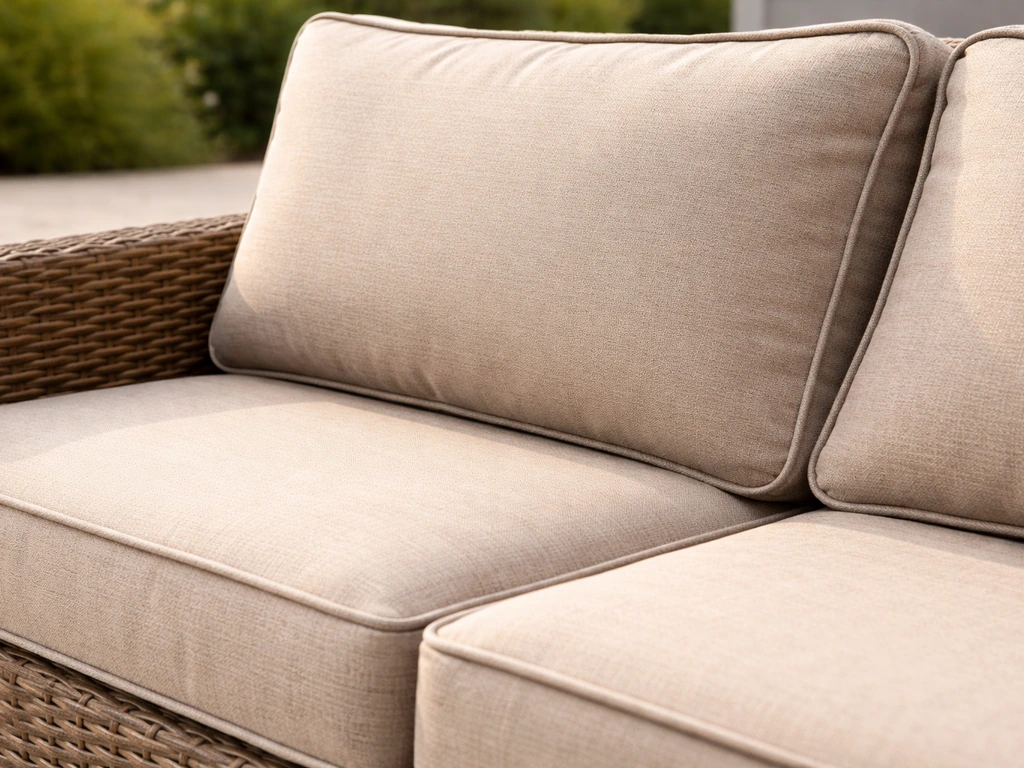
Picking the right cushion type before you buy anything
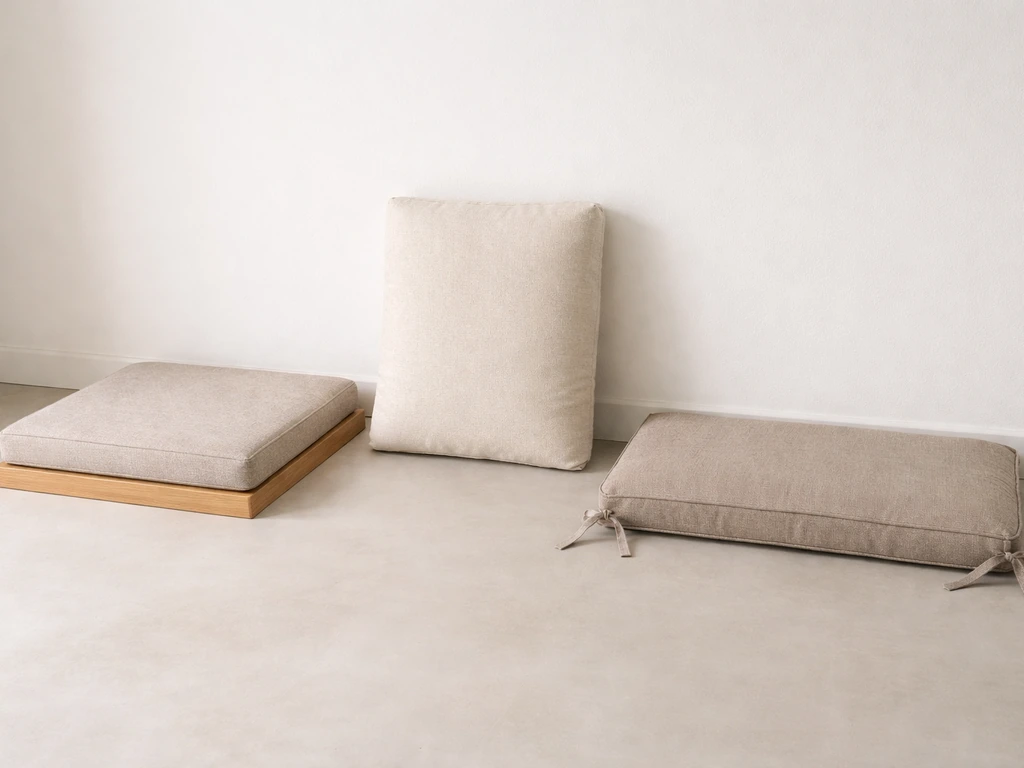
The first decision is seat cushion versus back cushion versus a tied bench pad, and whether the cover is removable or fixed. These aren't cosmetic choices. They affect how easy the cushion is to clean, how well it fits your furniture, and whether you're replacing the whole thing or just the cover in two years.
Seat cushions are the workhorse. They take direct body weight, need the most padding, and get dirtiest fastest. Back cushions are lighter and thinner but need to be proportioned correctly to your chair's back height. Bench cushions span a longer surface and usually tie at multiple points to prevent sliding. Fixed-cover cushions are cheaper upfront but harder to clean properly and can't be refreshed when fabric fades. Zippered removable covers, by contrast, let you pull the cover off, wash it, and even swap in a new cover when the foam still has life left in it. That's the construction I'd look for first.
Tufted cushions look elegant but typically don't have removable covers, which limits your cleaning options to spot treatment. Zippered constructions, where a zipper in the back lets you slide the cover off and reinsert the foam insert, are simply more practical for outdoor use. If you're buying cushions for a high-traffic piece or a piece that's going to sit in a wet climate, removable and washable covers aren't optional, they're the feature that determines whether you're replacing the cushion in one season or four.
Materials that actually determine comfort and how long cushions last
Foam fill: the single biggest factor
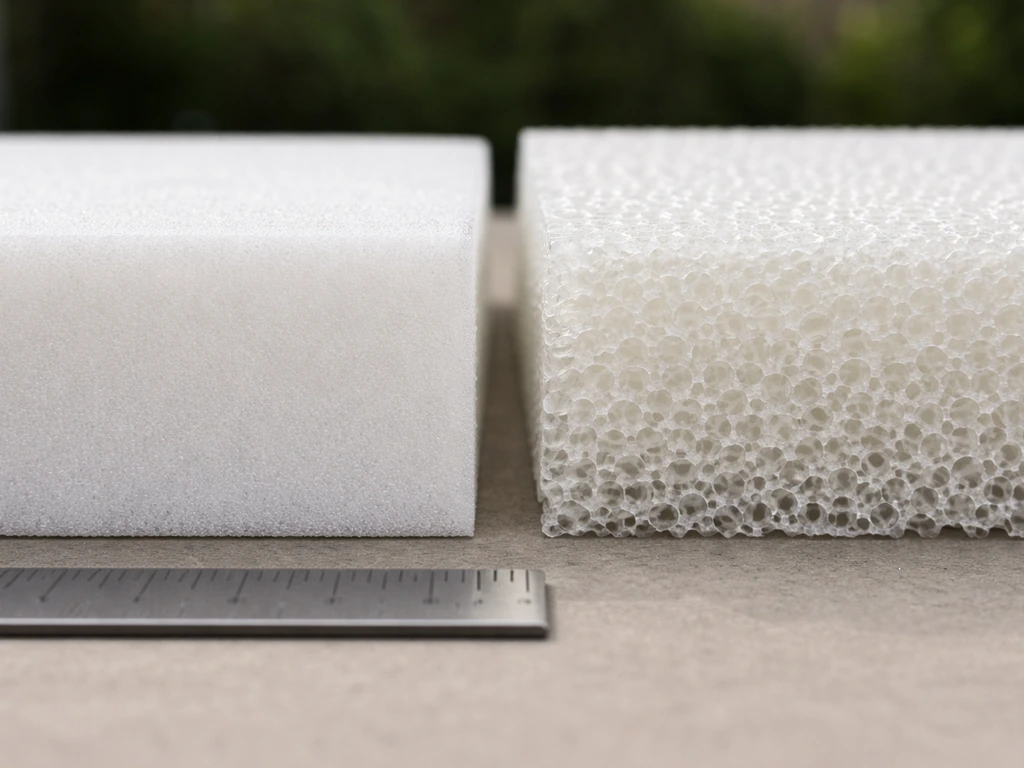
The foam inside the cushion determines both comfort and how the cushion behaves after it rains. There are two main types you'll encounter outdoors. Reticulated foam, sometimes sold as "Dry Fast" foam, has an open-cell structure that lets water pass straight through and drain from the bottom rather than pooling inside. It can go from soaking wet to dry in minutes, which matters enormously if your furniture sits exposed to rain. High-resilience closed-cell or standard foam holds its shape better and feels plusher, but it can stay damp for hours or days unless it's wrapped in polyester batting and dried properly. For any exposed outdoor furniture that gets regular rain, reticulated foam is the right call. For covered patios or dry climates, high-resilience foam with a polyester fiber wrap gives you a softer, more upholstered feel without the same drainage concern.
Thickness matters too. Target at least 3 inches for seat cushions and 2 inches for back cushions. Anything thinner than 3 inches on a seat will feel compressed and uncomfortable within months of regular use. Premium cushions often run 4 to 5 inches thick, which is genuinely more comfortable and also means more foam to compress before you hit the point of "sitting on the frame."
Fabric: solution-dyed acrylic vs solution-dyed polyester
Solution-dyed acrylic fabric, most famously associated with Sunbrella, is the gold standard for outdoor cushion covers. The color is baked into the fiber at the manufacturing stage rather than printed on top, which is why it earns an 8/8 colorfastness rating on the ISO 105 B02 scale. That's essentially the top of the scale, and you can feel the difference after a summer in direct sun. Solution-dyed polyester is a legitimate step-down alternative. Products like Regal Fabrics' Outshine line use 100% solution-dyed polyester yarns with hydrophobic properties that repel water and claim 2,000 hours of UV light resistance. That's solid for a budget fabric but it won't match acrylic's long-term fade resistance, especially in climates like Arizona or Florida where UV exposure is relentless.
The hydrophobic coating on polyester fabrics is worth noting separately. It helps water bead off the surface instead of soaking in, which reduces the chance of mildew growth on the fabric itself. Sunbrella's acrylic fabrics don't promote mildew growth either. When mildew does appear on outdoor cushions, it's almost always growing on trapped dirt on the surface, not on the fiber itself, which is why cleaning before storage matters so much.
Polyester batting and fiber fill
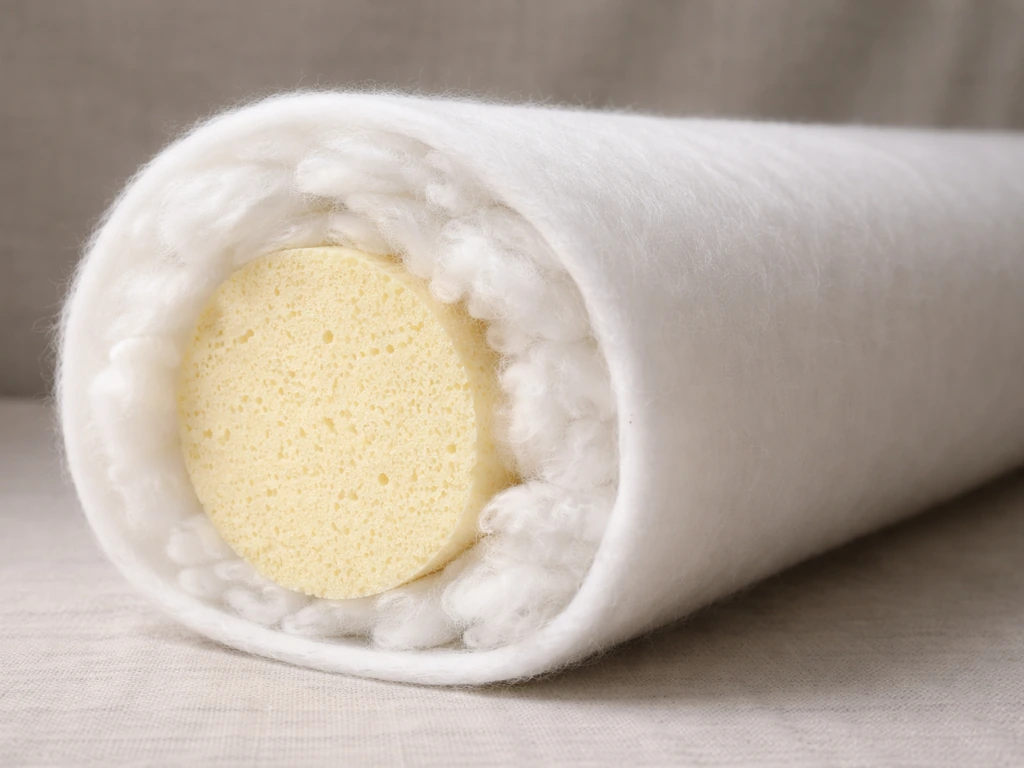
Many quality cushions wrap a foam core in polyester batting, which adds a soft, rounded surface feel and smooths out the cushion's profile. Batting is typically a nonwoven, heat-bonded layer. The trade-off is that all-polyester fill (no foam core) can stay damp after rain depending on its density, so it's better suited to covered patios or dry climates than to cushions left fully exposed. High-quality polyester-wrapped foam configurations can achieve surface-water absorption under 1% by weight, which is about as water-resistant as outdoor cushions get without going fully reticulated.
Weather resistance: what to actually check
Marketing copy throws around terms like "weather-resistant" and "outdoor-grade" without always explaining what that means in practice. Here's the checklist I use when evaluating any cushion for outdoor use:
- UV and fade resistance: Look for solution-dyed construction (acrylic or polyester) rather than surface-printed or piece-dyed fabric. Printed and piece-dyed fabrics fade significantly faster in direct sun.
- Water resistance and drainage: Reticulated/open-cell foam drains in minutes; polyester batting or standard foam can hold moisture for hours. Check what's inside, not just what the cover is made of.
- Mildew resistance: Neither solution-dyed acrylic nor quality polyester feeds mildew growth, but dirt on the surface does. Any Sunbrella-type acrylic fabric can be cleaned with a bleach-and-soap solution (1 cup bleach, 1/4 cup mild soap per gallon of water) without damaging the fiber.
- Drainage design: Cushions with reticulated foam should have unsealed bottom seams or drainage holes so water that enters can exit. A cushion that traps water at the bottom is worse than one with batting.
- Cover cleanability: Removable zippered covers can go through a proper wash cycle. Fixed covers limit you to spot cleaning, which is often not enough to remove deep mildew staining.
One practical tip from Homecrest: if a cushion gets soaked, stand it on its side. Gravity helps drain the core faster than leaving it flat. That's a small thing that extends cushion life over multiple seasons.
Getting the right size: how to measure and what tolerances to allow
Sizing is where a lot of people go wrong, especially when buying replacement cushions. To make good housekeeping patio furniture replacement cushions last, measure carefully, choose zippered removable covers when possible, and follow the drying and storage steps so the foam core stays fresh. Manufacturer dimensions on furniture tags typically refer to the furniture's outermost measurements, not the actual seat surface you're trying to cover. Measure the seat yourself from front to back for seat depth, side to side for width, and do it at the sitting surface, not the frame.
For back cushions, measure the back height from the seat surface to the top of the chair back, then subtract the seat cushion's thickness. That gap is your usable back height. If you don't account for seat cushion thickness, your back cushion will sit too high and feel awkward.
On replacement cushion tolerances: you can typically go up to about 1/2 inch larger than your measured seat area and still get a close fit, per Frontgate's guidance. BBQGuys suggests adding about 1 inch to your measurement to ensure a snug fit. In practice, I'd say up to 1/2 inch overage works for most standard chairs, and adding a full inch makes more sense for bench cushions or L-shaped sectionals where slight extra coverage is welcome.
| Measurement | What to Measure | Tip |
|---|---|---|
| Seat depth | Front edge to back edge of seat surface | Measure the usable sitting area, not the frame edge to back leg |
| Seat width | Left to right at widest point of seat surface | Exclude armrests unless the cushion is designed to cover under them |
| Back height | Seat surface up to top of chair back | Subtract seat cushion thickness to get usable back height |
| Thickness | Target 3–4 inches for seats, 2+ inches for backs | Anything under 3 inches on a seat compresses quickly with use |
| Tolerance | Up to 1/2 inch larger than seat measurement for most chairs | Up to 1 inch for bench cushions or sectional pieces |
Ties and zippers directly affect usability. Ties keep cushions anchored in place, especially on chairs with open-back frames where a cushion can slide or flip. Lowe's specifically recommends ties as a key feature for keeping outdoor cushions in position. Zippers, ideally with quality hardware like YKK zippers, let you remove the cover for washing and extend the overall life of the cushion system. If you're choosing between two otherwise comparable cushions, the one with both ties and a zipper wins.
Best cushions by climate and use case
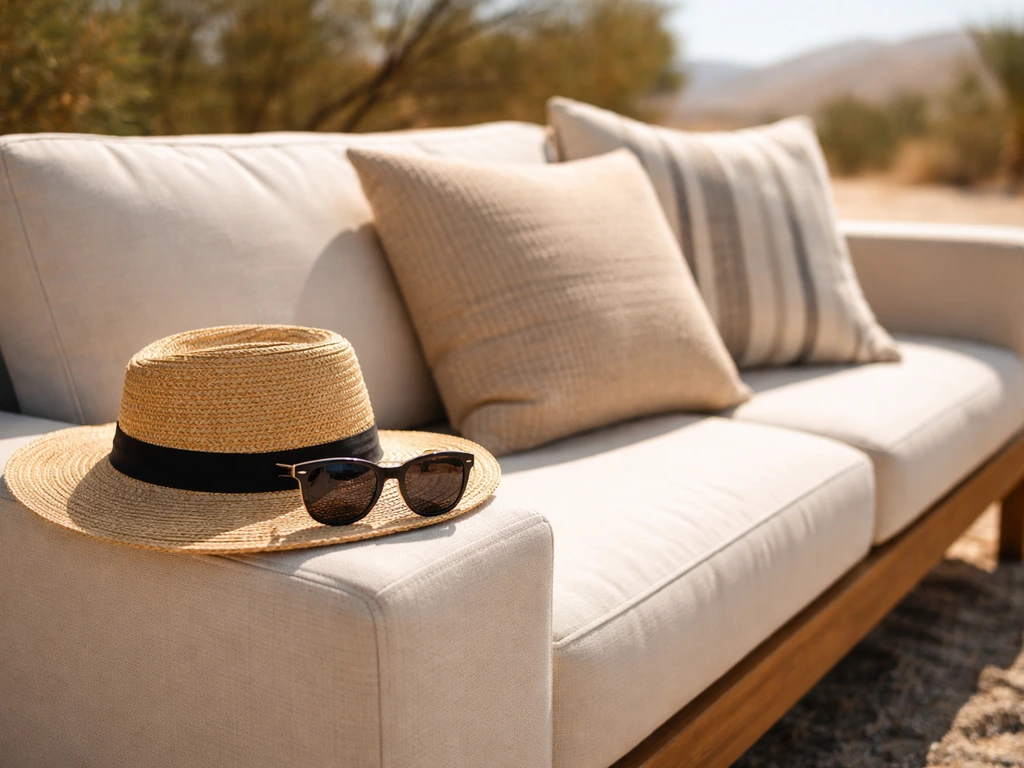
There's no single "best" cushion for every situation, but the right choice narrows down fast once you factor in your climate and how the furniture gets used. Here's how I'd break it down.
Hot, sunny, and dry climates (Arizona, Southern California, Texas)
UV exposure is your main enemy here. Go with solution-dyed acrylic fabric (Sunbrella or equivalent), at least a 3.5 to 4 inch seat cushion, and either a high-resilience foam core or a foam-plus-batting configuration. Drainage is less critical since heavy rain is infrequent, so you have more latitude to choose the plushest fill. Spend up on fabric quality here because fading is the failure mode that sends you back to the store, and solution-dyed acrylic holds color dramatically better than polyester or printed alternatives over multiple Arizona summers.
Humid and rainy climates (Florida, Gulf Coast, Pacific Northwest)
This is where reticulated foam earns its price premium. If your cushions sit outdoors and get rained on regularly, open-cell dry-fast foam is not optional, it's the difference between a cushion that recovers in 20 minutes and one that stays soggy for two days and develops mildew inside the core. Pair it with solution-dyed acrylic fabric, removable zippered covers, and stainless-steel or rust-proof zipper hardware. Mildew on the fabric surface is manageable with bleach-and-soap cleaning, but mildew inside a foam core that doesn't drain properly is effectively irreversible.
Shaded patios and covered porches
Less UV stress means you have more flexibility on fabric choice and can consider solution-dyed polyester to save money without sacrificing much on fading. Drainage is still worth thinking about if you're in a rainy region, but foam selection is less critical than for fully exposed furniture. This is the scenario where a plush polyester batting fill actually works well and feels luxurious, since the cover protects it adequately.
Windy locations and high-traffic households
Wind means cushions that blow off frames constantly unless they're properly secured. Prioritize multiple tie points, and look for cushions with corner ties that wrap underneath the seat frame. Heavy cushions (thicker foam, denser batting) also help. For families with kids or pets, removable covers are even more important since staining is inevitable, and machine-washable covers change the maintenance math significantly.
Budget vs premium: where spending more actually pays off
| Tier | Fabric | Fill | Expected Lifespan | Best For |
|---|---|---|---|---|
| Budget ($20–$60/cushion) | Piece-dyed or surface-printed polyester | Polyester batting or basic foam | 1–2 seasons | Covered patios, low UV, infrequent use |
| Mid-range ($60–$120/cushion) | Solution-dyed polyester (e.g., Outshine) | High-resilience foam or foam+batting | 2–3 seasons | Most climates with moderate sun and rain |
| Premium ($120–$250+/cushion) | Solution-dyed acrylic (Sunbrella or equivalent) | Reticulated dry-fast foam with batting wrap | 4–6 seasons | Full sun, humid/rainy climates, year-round outdoor use |
The math on premium cushions tends to work out. A $150 cushion that lasts 5 seasons costs $30 per year. A $40 cushion that fades or mildews after one season costs $40 per year and requires you to deal with a shopping process annually. The fabric choice, specifically the move from printed to solution-dyed, is where the largest durability gap lives.
When skipping cushions entirely is the smarter move
Not every outdoor setup needs cushions, and for some households they're genuinely more trouble than they're worth. If you deal with frequent heavy rain, have pets or young children who destroy upholstery, live somewhere you can't easily store cushions in winter, or just don't want the maintenance overhead, cushion-free furniture deserves a serious look.
Sling furniture is the most practical cushion-free option. The seat and back are made from a stretched, flexible fabric, often a proprietary woven material, that provides genuine comfort without any foam or fill. Homecrest's "Elements Air" line uses a Sensation sling fabric specifically designed to flex and support body weight without cushions, marketed as foam-free cushionless construction with low-maintenance comfort. These sling systems are tested to specific cycle counts for durability, meaning the fabric is engineered to maintain tension and shape over thousands of uses.
Comfort on sling furniture is honest: it's different from cushioned seating, not worse. Sling chairs feel more like a taut hammock, which is cooler in hot weather (no fabric trapping heat against your back), dries instantly, and never needs to be stored. For poolside furniture, patio tables, or any piece that gets constant weather exposure, sling construction consistently outlasts cushion systems in my experience.
Other cushion-free options worth knowing about include cast aluminum chairs with contoured seats designed for comfort without padding, and quality wicker or resin wicker with ergonomically shaped frames. These work best for dining chairs and side chairs where seated time is shorter. For deep-seating lounge furniture where you're spending an hour or more, cushions still win on pure comfort.
The honest trade-off: if comfort over long sessions is your priority and you're willing to manage storage and cleaning, cushions deliver a better lounging experience. If you want furniture you can ignore, leave out in rain, and never store, sling or cushion-free systems are genuinely better for your lifestyle even if they're slightly less plush.
Cleaning, storage, and knowing when to replace
Regular cleaning
For solution-dyed acrylic fabric, routine cleaning is straightforward: mild soap and warm water, rinse thoroughly to remove all soap residue, and air dry completely. Good housekeeping for patio furniture starts with routine cleaning and drying so fabric and foam do not trap moisture. For mildew, use a solution of 1 cup bleach plus 1/4 cup mild soap per gallon of water, apply, let it sit, then rinse thoroughly and air dry. Sunbrella acrylic can handle bleach without fiber damage, which is one of its underrated advantages. Polyester fabrics vary, so check the care label before using bleach.
Spot cleaning works for minor spills on solution-dyed fabrics. For deeper cleaning or mildew, removing the cover (if zippered) and washing it properly gets better results than trying to clean it while the foam is still inside. Always make sure the cover is fully dry before reinserting the foam insert.
Drying cushions correctly
Stand wet cushions on their side to let gravity drain the core faster. For reticulated foam, this is almost unnecessary since it drains on its own, but it helps with any foam type. Never store a cushion that has any dampness in the core. Even small amounts of trapped moisture will cause mildew, odor, and discoloration during storage, and there's no fixing a mildewed foam core. Air out cushions in a well-ventilated area after any heavy rain before stacking or storing.
Seasonal storage
Store cushions indoors during extended wet seasons or winter. Clean them thoroughly before storage, make sure they're completely dry, and use breathable storage bags or containers, not sealed plastic bins. Sealed plastic traps any residual humidity and accelerates exactly the mildew problem you're trying to prevent. Breathable canvas or fabric storage bags are the right call.
Cover replacement vs full replacement
This is where the zipper pays for itself. If your foam core is still supportive (not compressed flat or mildewed inside) but the cover has faded or stained beyond cleaning, replacing just the cover is significantly cheaper than replacing the whole cushion. Quality foam holds up for 4 to 6 years in most climates. Fabric, especially budget fabric in high-UV environments, can fail in 1 to 2 seasons. If you bought cushions with zippered, removable covers, you have the option to source replacement covers in a new color or updated fabric without buying new foam.
When to replace the whole cushion: when the foam no longer springs back after sitting (you're feeling the frame through the cushion), when the foam smells even after cleaning (core mildew), or when the core has visibly compressed unevenly. At that point, a new cover won't fix the comfort problem and you're better off starting fresh. Planning for this upfront, by choosing quality foam and washable covers from the start, pushes that full-replacement point several seasons further out than budget cushions typically allow.
If you're also evaluating what fabric to use when custom-ordering or replacing covers, the choice of outdoor fabric makes a significant difference in how long that cover investment lasts. Similarly, if you're choosing fill material for a custom cushion, understanding the range of foam options helps you match the fill to your climate before you commit. Both of those decisions connect directly back to the foam and fabric choices covered here.
FAQ
Can I leave patio cushions outside during light rain or overnight?
Yes, but only if the cushions can fully dry afterward. Use reticulated foam or high-resilience foam, rinse off detergents completely, then stand cushions on their sides (or prop them upright) with airflow until the foam is completely dry before you store them.
What’s the safest way to handle cushions after they get accidentally soaked?
If the cushions can be removed, wash covers first, fully dry them, then reinsert. Never put a damp cover back over foam, and avoid “spot drying” only the surface. Trapped moisture under the cover is what leads to odor and hidden core mildew.
How do I stop patio cushions from sliding or blowing off in wind?
Choose ties or a combination of ties plus an anchoring strap, then add corner ties that wrap under the frame when the chair has a partial or open frame. For windy locations, also ensure the cushion thickness is enough to resist sliding (thin cushions lift and creep).
Are back zippers better than side zippers for outdoor cushion covers?
Prefer zipper locations that let you pull the cover off without wrestling it over the foam, and look for corrosion-resistant zipper hardware if you are in coastal air. A zipper that’s hard to operate will reduce how often you actually wash the covers, which shortens cushion life.
Why do replacement cushions often not fit even when I ordered the “right size”?
For replacement cushions, measure the seat surface where you sit, not the frame edges or the furniture’s tag dimensions. For depth, measure front to back at the sitting area, and for width measure side to side along the cushion contact surface.
How do I measure back cushions correctly if I’m also changing seat cushions?
If you use thicker foam than the original, your back cushion may end up too high even if the cover fits. The fix is to re-calculate usable back height by subtracting the seat cushion thickness from the chair’s back height, then choose a back cushion to match that gap.
When should I pay extra for reticulated (dry-fast) foam?
If you are choosing between foam types, reticulated foam is the priority for frequent rain exposure. For dry or covered patios, polyester-wrapped high-resilience foam can feel plusher without the same drainage requirement. If you routinely get heavy rain and cannot bring cushions inside, avoid “standard foam only” setups.
Can I replace only the cushion covers instead of buying new cushions?
Often, yes. If the foam is still supportive and the cover is zippered and removable, replacing just the cover is the most cost-effective option. Confirm the cushion insert dimensions are compatible with new cover panels before ordering to avoid fit gaps.
Is bleach always safe for outdoor cushion covers?
Bleach can work for solution-dyed acrylic, but it is not a universal rule for polyester. Always test a hidden area first and follow the care label for polyester fabrics. If the mildew keeps returning, the issue is usually trapped moisture, not the cleaning product.
How can I tell if a cushion is truly weather-ready, not just marketing?
Most “weather resistant” labels mainly describe water repellency at the surface, not the foam core. If the cushions will be fully exposed to rain regularly, focus on drainage behavior (reticulated foam, dry-fast construction) and removable covers so you can clean and dry properly.
Should I choose cushions or sling furniture for long, frequent lounging?
For deep lounge seating (long sessions), cushions typically win on comfort, but only if you can store or dry them. If you cannot store during winter or extended wet seasons, sling furniture may feel less plush but will stay more consistently usable and less maintenance-heavy.
How do I know whether mildew is on the fabric only or inside the foam?
If the cushion surface looks clean but you still get an odor, the core may be mildewed. In that case, a cover replacement will not solve the problem, you should plan for full cushion replacement because mildew inside the foam cannot be reliably reversed.
What should I do differently before storing cushions for winter?
Aim for a drying-and-storage routine: clean lightly as needed, rinse thoroughly, air dry completely, then store in breathable fabric or canvas. Avoid sealed plastic bins, because they trap residual humidity and accelerate mildew during storage.
Will using thicker cushions change how the furniture feels or fits?
Yes, thick cushions can make chairs feel too tall when paired incorrectly. If you change seat cushion thickness, re-check how back cushions sit, and consider whether the cushion height changes arm or table clearance for dining chairs.
Next Articles
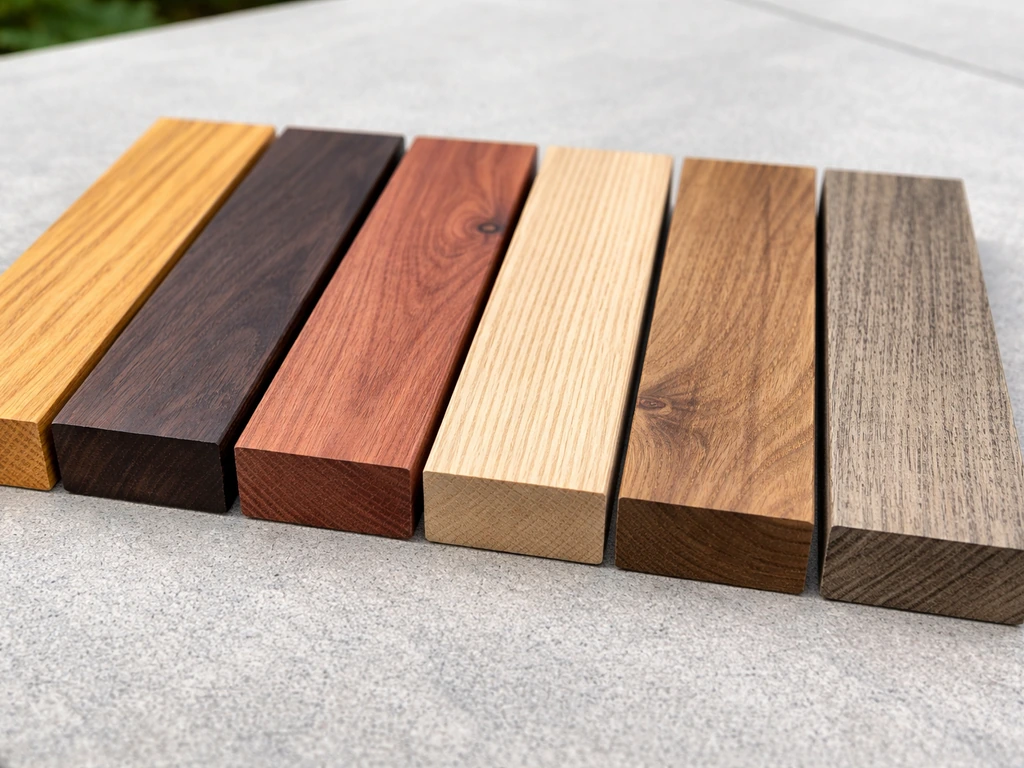
Best Wood for Patio Furniture: Top Choices by Climate
Compare the best wood for patio furniture by climate, with finish and maintenance tips to prevent rot and warping.
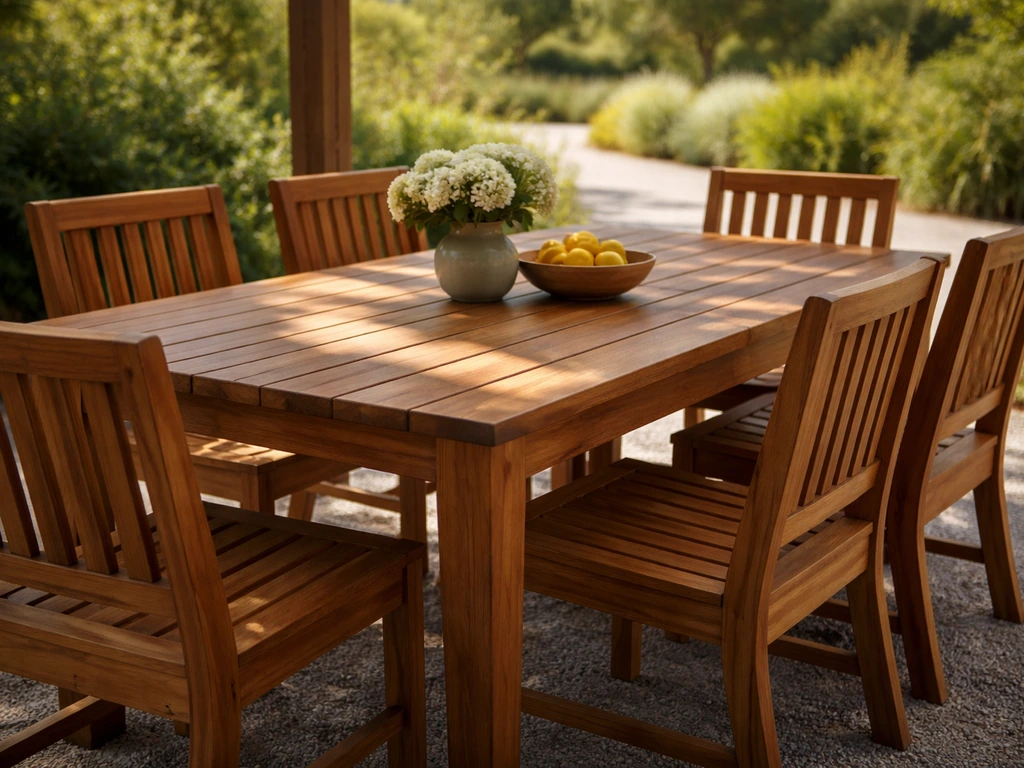
Best Wooden Patio Furniture: Choose, Compare, and Care
Guide to best wooden patio furniture: pick the right wood, compare durability, hardware and finishes, and maintain long-
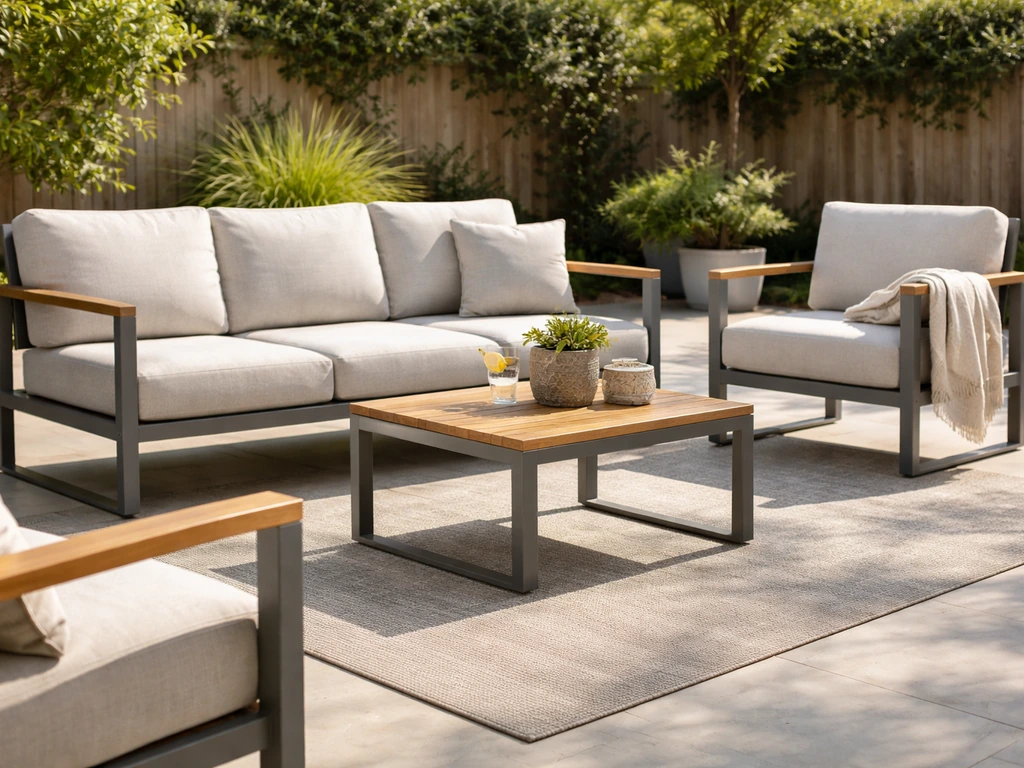
Best Patio Furniture for Outdoors: How to Choose
Choose the best patio furniture for outdoors by climate and material, with durability tips for sun, rain, UV and upkeep.